
Understanding how the prices of precious metals move is key for anyone looking to invest. It’s not just about knowing if gold or silver is up or down today. We need to look at what makes those prices change, from big economic news to how much of a metal is available. This guide breaks down the spot price mechanics for precious metals, making it clearer for you.
Key Takeaways
- Precious metals like gold, silver, platinum, and palladium have unique pricing driven by supply, demand, and their role as investments.
- Global economic health, central bank actions, and investor sentiment significantly influence the spot price mechanics of precious metals.
- Gold often acts as a safe haven, while silver has a dual role in both investment and industry, affecting their respective spot prices.
- Platinum and palladium prices are closely tied to industrial uses, especially in the automotive sector, making them sensitive to manufacturing trends.
- Commodity exchanges, futures, options, and careful market analysis are tools used to understand and trade precious metals, impacting their spot price mechanics.
Understanding Precious Metals Spot Price Mechanics
Defining Precious Metals
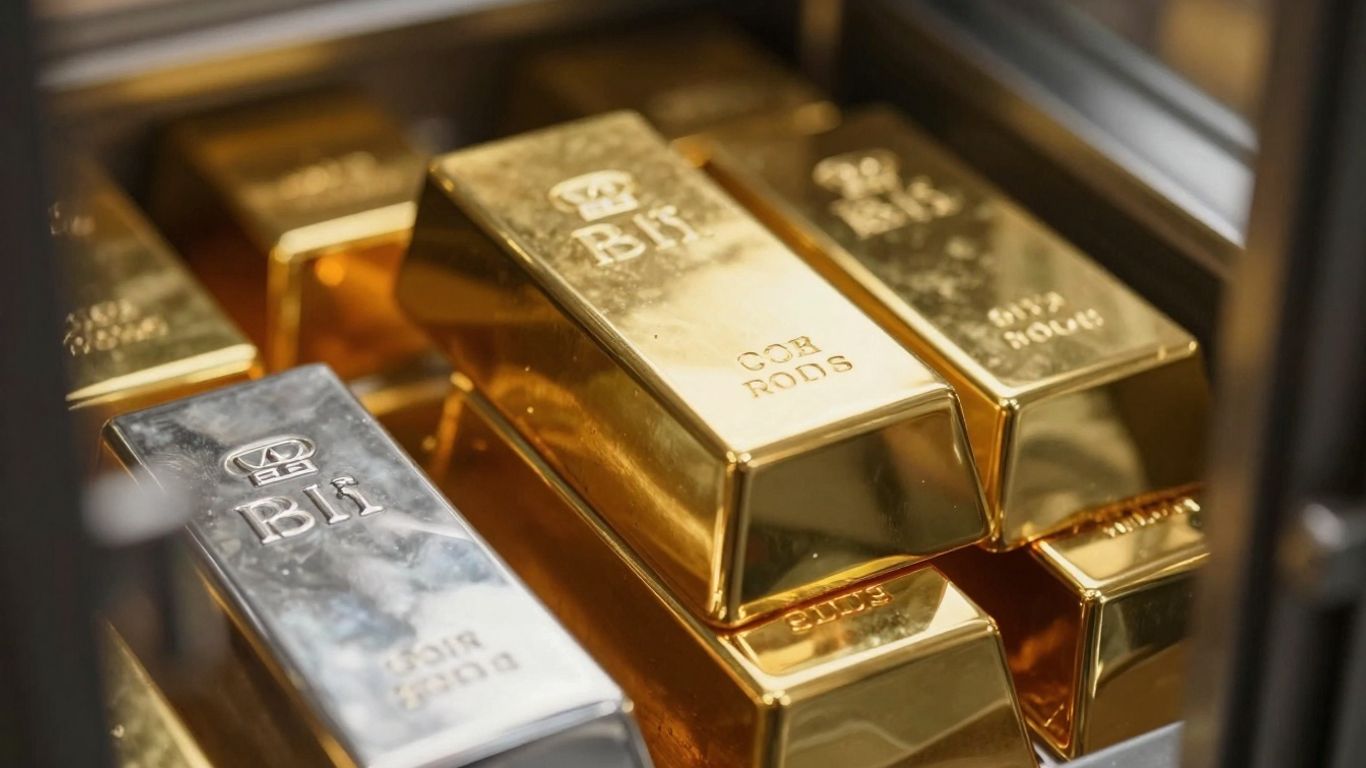
Precious metals are a specific group of naturally occurring elements that are rare and have high economic value. Think gold, silver, platinum, and palladium. Unlike metals used in everyday manufacturing, these are often sought after for their beauty, durability, and, importantly, their perceived stability as an investment. They’re not just shiny objects; they’ve been used as currency and a way to store wealth for thousands of years. Their rarity is a big part of why they hold value. It’s not like you can just dig up tons of gold easily. This limited supply, when combined with demand, is what really sets their price.
The Role of Precious Metals in Investment Portfolios
People often put precious metals into their investment plans for a few key reasons. One big one is that they can act like a safe harbor when other parts of the economy are shaky. If the stock market is doing poorly or there’s a lot of uncertainty, gold and silver might hold their value better, or even go up. This is often called hedging against risk. They can also be a way to spread out your investments, so you’re not putting all your eggs in one basket. Plus, for some, owning physical gold or silver is just a personal preference, a tangible asset they feel more comfortable with than stocks or bonds.
Distinguishing Precious Metals from Industrial Metals
It’s pretty easy to mix up different types of metals, but precious metals and industrial metals are quite different in how they’re used and why people buy them. Industrial metals, like copper, aluminum, or zinc, are mainly used to build things – cars, buildings, electronics, you name it. Their prices tend to move a lot with how the global economy is doing and how much manufacturing is happening. Precious metals, on the other hand, are valued more for their rarity and their role as a store of wealth or a hedge. While silver does have industrial uses, gold, platinum, and palladium are primarily seen as valuable because they are scarce and have historical significance as a form of money or a safe asset. So, while both types of metals are traded on markets, the reasons behind their price swings are often quite distinct.
Foundational Elements of Precious Metals Spot Pricing
Understanding how the spot prices for precious metals are set involves looking at a few core ideas. It’s not just about one thing; it’s a mix of how much is available, who wants it, and what’s happening in the bigger economic picture. Think of it like a constant tug-of-war.
The Core Principle of Supply and Demand
At its heart, the price of any commodity, including precious metals, is driven by supply and demand. If more people want to buy gold than there is gold available, the price goes up. Simple enough, right? Conversely, if there’s a lot of silver on the market but not many buyers, the price will likely fall. This balance is always shifting. Factors like new discoveries of ore, changes in mining output, or shifts in consumer desire for jewelry or industrial uses all play a part. The interaction between how much of a metal exists and how much people want it is the most basic driver of its spot price.
Key Market Participants and Their Influence
Lots of different people and groups trade precious metals, and each has a say in the price. You’ve got:
- Producers: These are the mining companies that dig the metals out of the ground. Their production levels and costs directly affect supply.
- Consumers: This includes jewelers, industrial manufacturers (especially for silver, platinum, and palladium), and individual investors buying coins or bars.
- Speculators: These traders aim to profit from price movements, often using futures and options. They can add a lot of short-term volatility.
- Central Banks: These institutions hold large reserves of gold and can influence prices through buying or selling.
- Financial Institutions: Banks and investment firms facilitate trades and offer various financial products tied to precious metals.
Each group has different motivations, and their collective actions create the market’s ebb and flow. For instance, a large purchase by a central bank can significantly boost demand, while a slowdown in manufacturing might reduce industrial buying.
The Impact of Global Economic Indicators
What happens in the world economy has a big effect on precious metals. When economies are shaky, or there’s a lot of uncertainty, investors often turn to gold and silver as safe havens. Think of it as a place to park your money when other investments seem too risky. Things like:
- Inflation rates
- Interest rate changes
- Geopolitical tensions
- Currency fluctuations
can all send people looking for the perceived stability of precious metals. For example, if inflation is high, the purchasing power of regular money decreases, making gold, which tends to hold its value, more attractive. Understanding these broader economic signals is key to grasping why precious metal prices move the way they do. You can find more details on how global gold pricing works on pages like global gold spot pricing.
The price you see for gold, silver, or platinum today is a snapshot. It’s the result of countless decisions made by people and institutions all over the world, reacting to everything from a factory’s output to a government’s policy. It’s a dynamic number, constantly adjusting to new information and changing expectations about the future.
Factors Influencing Gold Spot Price Mechanics
Gold as a Store of Value
Gold has been seen as a safe place to put your money for a really long time. Think of it as a way to keep your wealth safe, especially when other things in the economy are shaky. It doesn’t really get eaten up by inflation like cash can. This makes it a go-to for people who want to protect their savings from economic ups and downs. When there’s a lot of uncertainty, like during a recession or when governments are printing too much money, people tend to buy more gold, pushing its price up. It’s like a financial safety net that many investors rely on.
Hedging Against Economic Uncertainty
When the global economy looks like it’s heading for trouble, gold often shines. It’s a classic hedge, meaning people buy it to protect themselves from potential losses in other investments, like stocks or bonds. Geopolitical events, like wars or major political shifts, can also make gold prices jump because it’s seen as a stable asset when the world feels unstable. The London Gold Fixing, for instance, is influenced by these kinds of global events, along with central bank actions and currency swings. So, if you see a lot of global tension, gold prices might start climbing as people seek refuge. This is why many investors keep some gold in their portfolios, even if they don’t plan to sell it anytime soon.
The Influence of Central Bank Policies
What central banks do with their money policies has a big impact on gold prices. When central banks lower interest rates, it makes holding gold more attractive because you don’t miss out on as much interest income compared to bonds or savings accounts. Also, when central banks buy or sell gold reserves, it sends signals to the market. If a central bank is buying gold, it suggests confidence in the metal and can boost prices. Conversely, selling gold can put downward pressure on the market. These policy decisions, along with things like quantitative easing, can significantly sway the direction of gold prices. It’s a complex dance between monetary policy and the price of this precious metal.
Silver Spot Price Dynamics
Silver's Dual Role: Precious and Industrial
Silver is a bit of a unique case in the precious metals world. While it’s definitely seen as a store of value, much like gold, it also plays a pretty big part in a lot of industries. This dual nature means its price can get pulled in a couple of different directions.
On the one hand, when people get worried about the economy or inflation, they often turn to silver as a safe haven, similar to gold. This increases demand for its investment side. But then you have the industrial side. Silver is used in everything from solar panels and electronics to medical devices and photography. So, when manufacturing is booming and industries need more silver, that demand can push prices up too.
It’s this balancing act between its role as a safe asset and its use in everyday products that makes silver’s price movements so interesting.
Industrial Demand's Effect on Silver Prices
The industrial side of silver demand can really move the needle on prices. Think about the growth in renewable energy, especially solar power. Solar panels use a good amount of silver, so as the world pushes for more green energy, the demand for silver in this sector goes up. The same goes for electronics – as we get more gadgets and devices, more silver is needed.
Here’s a quick look at some key industrial uses:
- Electronics: Conductive inks, circuit boards, and components.
- Solar Panels: Essential for photovoltaic cells.
- Automotive: Used in sensors and electronic components.
- Medical: Antiviral and antibacterial properties in devices and wound dressings.
When these industries are doing well and expanding, they tend to buy more silver, which can create a solid floor under its price or even drive it higher, regardless of what investors are doing.
The Relationship Between Gold and Silver Prices
Gold and silver often move together, but not always perfectly. Historically, silver has been much more volatile than gold. This means when gold prices are rising, silver prices often rise even faster. Conversely, when gold prices fall, silver can drop more sharply.
This relationship is often looked at through the gold-to-silver ratio. This ratio simply tells you how many ounces of silver it takes to buy one ounce of gold. A high ratio means gold is expensive relative to silver, and a low ratio means silver is expensive relative to gold.
Traders and investors often watch this ratio. A falling ratio might suggest silver is outperforming gold, while a rising ratio could indicate gold is gaining ground. It’s a useful indicator, but it’s just one piece of the puzzle when trying to figure out where silver prices might go.
Here’s a simplified view of how the ratio can be interpreted:
- High Ratio (e.g., > 80): Historically, this might suggest silver is undervalued compared to gold, potentially signaling a buying opportunity for silver.
- Low Ratio (e.g., < 50): Historically, this might suggest silver is overvalued relative to gold, or that gold is particularly strong.
- Average Ratio: The historical average is often cited around 55-60, but this can shift over time.
Understanding this ratio can give you a better sense of silver’s relative value within the precious metals market.
Platinum and Palladium Spot Price Drivers
Platinum's Use in Catalytic Converters
Platinum holds a significant position in the automotive industry, primarily due to its critical role in catalytic converters. These devices are essential for reducing harmful emissions from vehicle exhaust systems. The metal’s unique chemical properties allow it to facilitate reactions that convert toxic gases into less harmful substances. This demand from automakers makes the automotive sector a major influencer of platinum’s spot price. Fluctuations in new vehicle production, emissions regulations worldwide, and the overall health of the global auto market directly impact how much platinum is needed, and consequently, its price.
Palladium's Significance in Automotive Manufacturing
Similar to platinum, palladium is another platinum group metal (PGM) that is indispensable in catalytic converters, particularly for gasoline-powered vehicles. In recent years, palladium has seen even stronger demand than platinum in this application, leading to significant price appreciation. The shift in automotive production towards gasoline engines (especially in certain markets) and stricter emission standards have amplified the need for palladium. Any disruptions in its supply, or shifts in automotive technology that might reduce its use, can cause considerable volatility in its spot price.
Supply Chain Vulnerabilities for Platinum Group Metals
Both platinum and palladium, along with other PGMs like rhodium, share common supply chain vulnerabilities. The majority of the world’s supply comes from a limited number of countries, with South Africa and Russia being the dominant producers. This concentration makes the supply chain susceptible to geopolitical instability, labor strikes, and mining disruptions in these key regions.
- Geopolitical Risks: Tensions or policy changes in South Africa or Russia can directly affect global PGM availability.
- Mining Operations: Strikes or operational issues at major mines can lead to sudden supply shortages.
- Environmental Regulations: Stricter environmental rules at mining sites can impact production levels and costs.
- Technological Advancements: While currently a driver, future innovations in automotive technology or alternative materials could alter demand patterns.
The price of platinum and palladium is not just about their intrinsic value as precious metals; it’s heavily tied to their industrial utility, especially in the automotive sector. When car manufacturers need more, prices tend to climb. Conversely, if production slows or new technologies emerge that use less of these metals, prices can fall. The limited number of places where these metals are mined also adds a layer of risk, making their supply chains a constant point of attention for traders and investors.
| Metal | Primary Use | Key Supply Regions |
|---|---|---|
| Platinum | Catalytic converters (diesel & gasoline) | South Africa, Russia |
| Palladium | Catalytic converters (primarily gasoline) | Russia, South Africa |
The Mechanics of Commodity Exchanges
The Role of Regulated Trading Platforms
Commodity exchanges are basically organized marketplaces where buyers and sellers meet to trade standardized contracts for various commodities. Think of them as the central hubs for this kind of trading. They’re not just random places; they’re usually pretty heavily regulated to make sure things are fair and orderly. This regulation is a big deal because it helps build trust among everyone involved. Without these platforms, trading would be a lot more chaotic and risky.
Ensuring Price Transparency and Contract Enforcement
One of the main jobs of these exchanges is to make sure everyone knows what the going price is. This is called price discovery. When lots of people are trading, the prices that pop up reflect what the market thinks the commodity is worth at that moment, considering things like how much is available and how much people want it. It’s a pretty dynamic process. On top of that, exchanges make sure that when a trade is agreed upon, it actually happens. They have rules and systems in place to enforce the contracts, which means buyers get their goods and sellers get paid. This reliability is super important for keeping the market running smoothly.
Major Exchanges for Precious Metals Trading
When it comes to precious metals like gold, silver, platinum, and palladium, a few key exchanges are where most of the action happens. These places have been around for a while and are well-known in the trading world.
Here are some of the main ones:
- New York Mercantile Exchange (NYMEX): Part of the CME Group, NYMEX is a big player for various commodities, including precious metals futures.
- Chicago Mercantile Exchange (CME): Also part of the CME Group, the CME is another major venue for futures and options trading across a wide range of assets, including precious metals.
- London Metal Exchange (LME): While the LME is more known for industrial metals, it does have a role in the broader metals market and influences pricing.
- COMEX: This is actually a division of the CME Group and is specifically focused on metals trading, making it a primary destination for precious metals futures and options.
These exchanges provide the structure and rules that allow for efficient and relatively safe trading of precious metals contracts.
Commodity Futures and Options in Precious Metals
When we talk about trading precious metals, it’s not just about buying physical gold bars or silver coins. A big part of the market involves financial instruments that let people bet on or protect against future price changes. These are futures and options contracts.
Understanding Futures Contracts for Precious Metals
Think of a futures contract as a promise. It’s an agreement between two parties to buy or sell a specific amount of a precious metal, like gold or silver, at a set price on a future date. You don’t actually have the metal in your hands right now, but you’ve agreed on the terms for a later transaction. This is super useful for both producers who want to lock in a selling price and for traders who think the price is going to move in a certain direction. The price of a futures contract is influenced by the current spot price, plus costs like storage and interest rates.
Here’s a quick look at what’s in a typical precious metals futures contract:
- Commodity: The specific metal (e.g., Gold, Silver, Platinum).
- Quantity: The standard amount of the metal (e.g., 100 ounces for silver).
- Quality: The purity or grade of the metal.
- Delivery Date: The specific month the contract expires and delivery is expected.
- Delivery Location: Where the metal is supposed to be delivered.
- Price: The agreed-upon price per unit.
The Function of Options in Precious Metals Trading
Options are a bit different from futures. Instead of a promise, an option gives you the right, but not the obligation, to do something. You can buy a call option, which gives you the right to buy the metal at a certain price (the strike price) before a certain date. Or you can buy a put option, which gives you the right to sell the metal at a certain price before that date. You pay a price for this right, called the premium. If the market moves in your favor, you can exercise your option for a profit. If it doesn’t, you just lose the premium you paid, which can be less risky than a futures contract.
- Call Option: Gives the buyer the right to purchase the underlying asset at the strike price.
- Put Option: Gives the buyer the right to sell the underlying asset at the strike price.
- Strike Price: The price at which the option can be exercised.
- Expiration Date: The last day the option contract is valid.
- Premium: The cost of buying the option contract.
These derivative instruments, futures and options, are powerful tools. They allow market participants to manage price risk and speculate on market movements without needing to handle the physical metal itself. However, their complexity means a solid grasp of market dynamics is needed to use them effectively.
Leverage and Its Impact on Futures Trading
One of the most talked-about aspects of futures trading is leverage. It means you can control a large amount of a commodity with a relatively small amount of money, called margin. This can really magnify your profits if the market moves in your favor. But, and this is a big ‘but’, it can also magnify your losses just as quickly. If the price moves against you, you could end up owing more than your initial investment. It’s like using a credit card for trading – it can be great for small purchases, but if you’re not careful, the debt can pile up fast.
Market Analysis for Precious Metals Spot Prices
Fundamental Analysis of Precious Metals
When we talk about analyzing precious metals, the first thing that usually comes up is fundamental analysis. This is all about looking at the big picture stuff that actually makes prices move. Think about supply and demand – if there’s a lot of gold being mined and not many people buying, the price will likely go down. The opposite is true too, of course. We also have to consider what’s happening in the global economy. Are countries doing well, or is there a lot of worry about recessions? When things look shaky, people often turn to gold and silver as a safe place to put their money. Central banks play a role too; if they decide to buy or sell large amounts of gold, it can really shake things up.
Here’s a quick look at some key factors:
- Supply: How much metal is being produced by mines, and how much is being recycled?
- Demand: Who wants the metal? This includes jewelry makers, industrial users (like in electronics or cars), investors buying bars and coins, and central banks.
- Economic Health: How is the world economy doing? Recessions or high inflation often make precious metals more attractive.
- Interest Rates & Inflation: When interest rates are low, holding gold can be more appealing because you’re not missing out on much interest from savings. High inflation also makes gold look good as a way to keep your money’s value.
- Geopolitical Events: Wars, political instability, or major global news can cause people to seek out safe-haven assets like gold.
Understanding these underlying forces helps paint a clearer picture of why prices are where they are and where they might be headed. It’s not just about guessing; it’s about looking at the real-world reasons behind the numbers.
Technical Analysis for Price Trend Identification
While fundamentals tell us why prices might move, technical analysis helps us figure out how they might move. This method looks at past price charts and trading volumes to spot patterns. The idea is that history tends to repeat itself, and these patterns can give us clues about future price direction. We’re looking for trends – is the price generally going up, down, or sideways? We also use things like moving averages, which smooth out price data to show the general direction, and support and resistance levels, which are price points where the metal has historically had trouble breaking through.
Some common tools include:
- Trendlines: Drawing lines on a chart to connect a series of price highs or lows, showing the direction of the trend.
- Support and Resistance: Price levels where buying or selling pressure has historically been strong enough to stop or reverse a price move.
- Moving Averages: Calculating the average price over a specific period to identify trends and potential turning points.
- Volume: The amount of metal traded over a period, which can indicate the strength of a price move.
Interpreting Historical Data and Patterns
Looking at historical data is like studying the past to prepare for the future. For precious metals, this means examining how prices have behaved over different timeframes – days, months, years, even decades. We can see how gold, silver, platinum, and palladium have reacted to major economic events, wars, or changes in monetary policy. For instance, you might notice that during periods of high inflation, gold prices have historically tended to rise. Or perhaps, you’ll see how silver prices often move in a similar direction to gold, but with more ups and downs. By studying these past movements and patterns, analysts try to build a more informed view of how the metals might behave under similar future conditions. It’s not a crystal ball, but it’s a way to base decisions on what has happened before.
Risk Management in Precious Metals Trading
Strategies for Limiting Potential Losses
When you’re trading precious metals, things can get a bit wild. Prices can swing for all sorts of reasons, from what the Fed is up to, to global events you can’t even predict. So, having a plan to keep your money safe is pretty important. One way to do this is by setting limits on how much you’re willing to lose on any single trade. This is often called a stop-loss order. You tell your broker, ‘If the price drops to this level, sell it automatically.’ It’s like a safety net. Another approach is to not put all your eggs in one basket. If you’re only trading gold, and gold takes a nosedive, your whole investment could be in trouble. Spreading your money across different metals, or even different types of investments, can help cushion the blow if one area goes south.
The Importance of Portfolio Diversification
Diversification is a big word, but it just means not putting all your money into one thing. Think about it: if you only owned stock in one company, and that company went bankrupt, you’d lose everything. But if you owned stock in ten different companies, and one failed, you’d still have the other nine. The same idea applies to precious metals. You might have some gold, some silver, maybe a bit of platinum. But you also don’t want all your investments to be precious metals. You should also have things like stocks, bonds, or even real estate. This way, if the precious metals market is having a bad day, your other investments might be doing well, and it balances things out. It’s about spreading the risk around so that one bad event doesn’t wipe you out.
Hedging Strategies Using Derivatives
Derivatives, like futures and options, can sound complicated, but they’re basically tools that traders use to protect themselves from price changes. Imagine you own a lot of gold, and you’re worried the price might drop before you can sell it. You could use a derivative to lock in a selling price now, even if the market price goes down later. It’s like buying insurance for your investment. For example, you could sell a futures contract, which means you agree to sell your gold at a certain price on a future date. If the market price falls below that price, you’re protected because you already agreed to sell at a higher price. Options work a bit differently; they give you the right, but not the obligation, to buy or sell at a certain price. These can be used in more complex ways to manage risk, but the basic idea is to create a buffer against unexpected price movements. Using these tools effectively requires a good understanding of how they work and the specific risks involved.
Managing risk in precious metals trading isn’t just about making money; it’s about keeping the money you already have. It involves being prepared for the unexpected and having plans in place to deal with price swings. This means using tools like stop-loss orders, spreading your investments across different assets, and understanding how derivatives can act as a safety net.
The Role of Data in Precious Metals Spot Pricing
Accessing Reliable Commodities Data
Getting good data for commodities trading isn’t always easy. Big, established data providers often charge a lot and have complicated contracts that limit how you can use the information. Smaller ones might have data that’s not quite right or offer little help when you need it. Having accurate, up-to-date information is key to making smart moves in the precious metals market. Without it, you’re basically guessing.
The Impact of Data Quality on Trading Decisions
Think about it: if the data you’re looking at is off, your whole analysis can be wrong. This could mean missing out on a good opportunity or, worse, losing money because you acted on bad information. For precious metals, where prices can shift quickly due to global events, having reliable data means you can react faster and with more confidence. It helps you see the real picture, not just a distorted one.
Leveraging Data for Informed Strategies
Good data lets you do a few important things:
- Spot Trends: You can use historical price data and current market information to see patterns. Are prices generally going up or down? Are there seasonal influences?
- Understand Supply and Demand: Data on production levels, inventory, and consumer demand gives you insight into what’s driving prices. For example, knowing how much gold is being mined versus how much jewelry is being made tells you something.
- Track Economic Factors: Economic reports, interest rate changes, and inflation figures all affect precious metals. Having this data readily available helps you connect the dots.
The price of precious metals isn’t just pulled out of thin air. It’s the result of countless transactions, influenced by everything from a central bank’s decision to buy gold to a new industrial use for platinum. All of this activity generates data. The more effectively you can access, process, and interpret this data, the better equipped you’ll be to understand why prices are moving and where they might go next.
Here’s a look at some common data points and their relevance:
| Data Type | Relevance to Precious Metals Spot Pricing |
|---|---|
| Production & Inventory | Indicates supply levels; lower supply can push prices up. |
| Consumer Demand (Jewelry) | Shows how much the public wants the metal for non-investment uses. |
| Central Bank Holdings | Large purchases or sales by central banks can significantly impact prices. |
| Inflation Rates | Precious metals are often seen as a hedge against rising inflation. |
| Interest Rates | Higher rates can make holding non-yielding metals less attractive. |
| Geopolitical Events | Uncertainty often drives investors to safe-haven assets like gold. |
Wrapping Up Our Look at Spot Prices
So, we’ve gone through a lot about how spot prices for precious metals work. It’s not just one thing, you know? Lots of stuff like what’s happening in the world, how much people want gold or silver, and even what governments are up to can really move these prices. It’s kind of like watching the weather – sometimes it’s calm, and other times, bam, a big storm hits. Understanding these different pieces helps you get a better picture of why prices change. It’s definitely a complex area, but hopefully, this guide made it a bit clearer. Keep learning, and pay attention to what’s going on.
Frequently Asked Questions
What exactly is a 'spot price' for precious metals?
The spot price is the current market price for a precious metal, like gold or silver, that you can buy or sell right now. Think of it as the immediate going rate for these valuable metals.
How do supply and demand affect the prices of precious metals?
Just like with most things, if more people want to buy gold or silver than is available, the price goes up. If there’s a lot of it available but not many buyers, the price tends to go down. It’s a simple balance.
Why is gold often called a 'store of value'?
Gold has been considered valuable for a very long time. Even when other things like money or stocks lose value, gold often holds its worth, making it a safe place to keep your money over time.
What's the difference between precious metals and industrial metals?
Precious metals, like gold and platinum, are mostly valued for their rarity and use in jewelry or as investments. Industrial metals, such as copper and aluminum, are used mainly for making things like cars, buildings, and electronics.
How do big events in the world affect precious metal prices?
When there’s uncertainty, like economic problems or political troubles, people often feel safer buying precious metals because they tend to hold their value. This increased demand can push prices up.
What role do central banks play in the gold market?
Central banks, which are like the main banks of countries, sometimes buy or sell large amounts of gold. Their actions can signal confidence or concern about the economy, which can influence the price of gold.
Why does the price of silver sometimes move differently than gold?
Silver is used both as a precious metal and in industries (like electronics and solar panels). So, its price is affected by investment demand (like gold) and also by how much it’s needed for making things.
What are commodity exchanges, and why are they important?
Commodity exchanges are official places where people can buy and sell raw materials like precious metals. They make sure trading is fair and prices are clear for everyone involved.