
Coins are more than just currency; they’re tiny metal artifacts that tell stories about history, technology, and economics. When we look closely at what coins are made of, especially those using nickel and copper, we can learn a lot. This article explores the world of nickel copper coin compositions, from why these metals are used to how they’re made and what they reveal about the past.
Key Takeaways
- Nickel and copper have been combined for a long time to make coins, creating alloys with specific properties suitable for currency.
- The exact mix of nickel and copper, along with other elements, affects a coin’s hardness, how it wears down, and how it resists corrosion.
- Manufacturing coins from copper-nickel alloys presents unique challenges, requiring specific tools and careful adjustments to machining processes to get the right look and feel.
- The history of coin metals shows a shift from precious metals like silver to more common and economical alloys like copper-nickel, especially during times of economic pressure or war.
- Studying nickel copper coin compositions offers insights into historical manufacturing techniques, economic conditions, and the evolving role of metals in society.
Understanding Nickel Copper Coin Compositions
The Evolution of the Canadian Nickel
The Canadian five-cent piece, commonly known as the nickel, has a history that’s more complex than you might think. It wasn’t always made of nickel, or even a copper-nickel alloy. Early Canadian five-cent coins, starting in 1858, were actually made of sterling silver. These were tiny, about 15.5 mm across, and earned the nickname "fish scales." They were practical for the time, but as silver prices went up in the early 20th century, making them became too expensive. So, in 1922, Canada switched to pure nickel, which is where the coin got its modern name. This change made the coins larger and more durable.
During World War II, things got interesting. Nickel was needed for the war effort, so from 1942 to 1943, the five-cent coin was made from a brass alloy called Tombac, giving it a golden color. Then, from 1944 to 1945, they used chrome-plated steel. These wartime coins were a sign of the times. After the war, they went back to pure nickel for a while. Then, in 1982, due to rising metal costs again, the composition changed. It moved away from pure nickel to a copper-nickel blend, and later, in 2000, to nickel-plated steel. Even with these changes, we still call it a nickel, a nod to its past.
Historical Coinage Materials
Coins have been made from all sorts of metals throughout history. Early coins often used copper or bronze. As civilizations developed, they started using silver and gold for higher-value coins. The choice of metal wasn’t just about value; it was also about what was available and how the metal held up to wear and tear. For everyday coins, metals that were durable but not too expensive were preferred. This is why alloys, like copper-nickel, became popular. They offered a good balance of properties.
- Copper: One of the oldest metals used for coins, known for its malleability and relative abundance.
- Bronze: An alloy of copper and tin, harder than pure copper and used extensively in ancient coinage.
- Silver: Valued for its beauty and rarity, used for higher denominations and often in alloys to improve durability.
- Gold: The most precious of the common coinage metals, reserved for the highest values.
- Nickel: Introduced later, it offered good durability and a distinct silvery appearance, often used in alloys.
Modern Coinage Alloys
Today, most circulating coins are made from alloys rather than pure metals. This is done to balance cost, durability, and appearance. Copper-nickel alloys are very common. For example, the US nickel is actually a 75% copper, 25% nickel alloy. Many other countries use similar combinations for their lower-denomination coins. These alloys are chosen because they resist corrosion well and can withstand the constant handling they receive in circulation. They also have a pleasing appearance that doesn’t tarnish too quickly.
The shift from pure metals to alloys in coinage reflects a practical approach to manufacturing. Alloys allow mints to fine-tune the physical properties of coins, making them more resistant to wear, less prone to corrosion, and more cost-effective to produce in large quantities. This careful selection of materials ensures that coins remain functional and recognizable for years, even after extensive use.
More recently, some countries have moved towards plated steels. This involves a steel core coated with a layer of a more valuable or visually appealing metal, like copper or nickel. This method can further reduce costs while maintaining a coin’s look and feel. The exact composition can vary significantly from country to country and even change over time as metal prices fluctuate.
Core Components of Nickel Copper Alloys
The Role of Copper in Alloys
Copper, a reddish-brown metal, is a foundational element in many coin alloys. Its natural properties make it quite useful on its own. For starters, it’s a really good conductor of heat and electricity, which isn’t always the main thing we look for in coins, but it’s a nice bonus. More importantly for coinage, copper offers a decent level of corrosion resistance, meaning it doesn’t just fall apart when exposed to the elements. It’s also relatively soft and malleable, making it easier to shape and stamp into coins.
However, pure copper isn’t always the best choice for coins. It can be a bit too soft, leading to coins that wear down quickly in circulation. Plus, its distinctive color might not always be what designers are going for. This is where alloying comes in.
The Significance of Nickel in Coinage
Nickel, a silvery-white metal, brings a whole different set of characteristics when added to an alloy. It’s known for its hardness and strength, which directly translates to better durability for coins. Coins made with nickel tend to hold their shape and detail for longer, even after years of being handled and passed around. Nickel also contributes to a brighter, more silvery appearance, which is often preferred for modern currency.
Beyond just making things tougher, nickel also plays a role in corrosion resistance. It can help protect the underlying copper from tarnishing or degrading. This combination of strength and appearance is why nickel became a popular choice for coinage, especially in the 20th century.
Interactions Between Copper and Nickel
When copper and nickel are combined, they form what are known as copper-nickel alloys, often abbreviated as CuNi. These alloys are more than just a simple mix; they create a new material with properties that are often superior to those of the individual metals. The exact ratio of copper to nickel can be adjusted to fine-tune the alloy’s characteristics.
For instance, a common composition for coinage is 75% copper and 25% nickel. This blend offers a good balance: it retains much of copper’s workability while gaining significant hardness and a bright, silvery look from the nickel. This specific ratio is known for its excellent resistance to corrosion, which is a big deal for coins that are constantly being touched and exposed to various environments. It’s this synergy between copper and nickel that makes them such a popular choice for minting durable and attractive currency.
Here’s a quick look at how different ratios can affect properties:
| Copper (%) | Nickel (%) | Key Characteristics |
|---|---|---|
| 90 | 10 | Softer, more malleable, brighter than pure copper |
| 75 | 25 | Harder, durable, excellent corrosion resistance, silvery appearance |
| 50 | 50 | Very hard, strong, often used in industrial applications |
The precise blend of copper and nickel in an alloy is carefully chosen to meet specific requirements for a coin’s lifespan, appearance, and resistance to wear and tear. It’s a bit like baking; the exact measurements matter a lot for the final product.
Variations in Copper-Nickel Coinage
Copper-Nickel Alloys in Circulation
Copper-nickel alloys, often seen in coinage, aren’t just one single recipe. Think of them like a family of metals, each with a slightly different mix of copper and nickel. This variation isn’t accidental; it’s a deliberate choice made by mints around the world to achieve specific properties for their coins. The most common blend you’ll find is 75% copper and 25% nickel, a combination that gives coins a pleasing silvery appearance and good durability. However, other ratios exist, sometimes leaning more heavily on copper or nickel depending on the desired outcome. These alloys are chosen for their resistance to corrosion and their ability to withstand the constant wear and tear of being handled by millions of people every day. It’s a balance between looking good and lasting a long time.
Distinguishing Different Copper-Nickel Compositions
Figuring out the exact mix in a copper-nickel coin can be tricky just by looking at it, especially since many look quite similar. The classic 75/25 copper-nickel blend is a workhorse, found in many circulating coins. But sometimes, you might encounter variations. For instance, older coins might have had slightly different ratios, or newer ones might incorporate other trace elements to tweak their performance. The color can be a hint, but it’s not definitive. A slightly redder hue might suggest more copper, while a brighter, whiter look could mean more nickel. Ultimately, precise identification often requires specialized testing or knowledge of a coin’s specific minting history.
The Impact of Alloying Elements
While copper and nickel are the main players, other metals can be added in small amounts to a copper-nickel alloy, and these additions can have a surprisingly big effect. Think of it like adding a pinch of a special spice to a recipe – it changes the flavor profile. For coinage, these extra elements might be added to make the metal harder, improve its resistance to wear, or even change its color slightly. For example, adding a bit of zinc can create a brassy tone, while other elements might be used to make the alloy easier to machine during the minting process. These subtle changes are key to tailoring the coin’s properties for its intended use and lifespan. It’s a careful balancing act to get the metal just right.
The exact proportions of metals in a coin’s alloy are not arbitrary. They are carefully selected to balance cost, durability, appearance, and the specific needs of a circulating currency. Even small changes can influence how a coin feels, how it wears down over time, and how it reacts to its environment.
Manufacturing and Machining Considerations
Working with nickel-copper alloys, especially for coinage, brings its own set of challenges. It’s not quite like cutting butter, but it’s also not like trying to machine granite. You’ve got to get the process just right.
Challenges in Machining Copper Alloys
One of the main headaches when you’re machining copper and its alloys is something called work hardening. Basically, as you cut into the metal, it gets tougher and harder right under the tool. This makes it harder to get a clean cut and can really wear out your tools faster than you’d like. Pure copper is especially prone to this. It’s soft to start with, but it hardens up quickly with just a little bit of work. This means you have to be pretty careful with your speeds and feeds.
- Work Hardening: The material gets tougher as it’s cut, leading to tool wear and poor surface finish.
- Heat Buildup: Friction from machining generates heat, which can soften or warp the workpiece, and also contribute to tool wear.
- Chip Formation: Copper alloys can produce long, stringy chips that can re-weld onto the cutting tool, causing further problems.
Tooling and Parameter Adjustments
To deal with these issues, you can’t just use any old tool. For harder alloys like some copper-nickels, you might need tougher tools, like those made from carbide. You’ll also want to slow down your cutting speed. Think of it like this: if you’re trying to cut a tough piece of wood, you don’t just jam the saw in there at full speed. You ease into it.
- Tool Material: Carbide or coated tools are often preferred over high-speed steel for better wear resistance.
- Cutting Speed: Slower speeds help manage work hardening and reduce heat.
- Feed Rate: A moderate feed rate is usually best to avoid excessive tool pressure and heat.
- Coolant/Lubrication: Using a good cutting fluid is a must. It cools the tool and workpiece and helps flush away chips.
Achieving Desired Finishes
Getting that smooth, coin-like finish requires a bit of finesse. It’s a balancing act between the material’s properties and the machining process. You want to remove material efficiently without damaging the surface or the tool. Sometimes, a secondary process like polishing or tumbling might be needed to get that final gleam.
The key is to understand how the specific alloy will behave under stress and heat. It’s about finding that sweet spot where you can shape the metal effectively without causing it to fight back too much. This often means a bit of trial and error to dial in the perfect settings for each job.
For example, while brass is generally easier to machine than pure copper or some nickel-copper alloys, even brass can present challenges if the specific alloy composition isn’t accounted for. Some brasses are designed for better machinability, while others might be tougher. It really comes down to the exact recipe of metals in the alloy.
Historical Context of Coin Metal Usage
Ancient Use of Copper
Copper was one of the very first metals humans learned to work with, going back over 10,000 years. Early on, people used it for simple tools and decorations. Think about the Chalcolithic period, sometimes called the Copper Age – that’s how important it was. It wasn’t just about making things; people figured out how to mine it in places like Spain and the Timna Valley, even supplying it to Egyptian pharaohs. It’s pretty wild to think that this metal, which we still use today, has such a long history with us.
The Bronze Age and Beyond
Things really changed when people discovered they could mix copper with tin to make bronze, around 2500 BCE. This kicked off the Bronze Age, a whole new era of tools and weapons. Cyprus became a major source of copper, so much so that the Latin word for it, "Cyprium," eventually became "copper." Even back then, people knew about alloys like brass, which is another mix involving copper. Cultures across the world, from South America to China, were all using copper and its alloys in different ways.
Evolution of Currency Metals
As societies got more complex, so did their money. Early forms of currency often used whatever valuable metals were available, like copper, bronze, silver, and gold. The choice of metal wasn’t just about value; it was also about practicality and what was abundant. Over time, rulers and governments started standardizing coinage, often using alloys to make coins more durable and harder to counterfeit. The metals chosen for coins have always reflected a society’s resources, technological capabilities, and economic priorities.
The metals used in coinage tell a story about trade, power, and technology. From the earliest copper pieces to the complex alloys of today, each coin is a small artifact of human history and ingenuity. They show us what materials were available, what was considered valuable, and how people managed their economies across different eras and cultures.
- Early Currency: Often relied on readily available metals like copper and bronze.
- Alloying: The development of bronze and brass allowed for more durable and varied coinage.
- Standardization: Governments began using specific metal compositions to control value and prevent fraud.
- Symbolism: The choice of metal, like gold or silver, also carried symbolic weight related to wealth and status.
Properties Influencing Coin Durability
When we talk about coins, especially those made from nickel-copper alloys, how long they last is a big deal. It’s not just about how they look, but how they hold up to being handled, tossed around, and just generally existing in the world. Several properties really play a role here.
Hardness and Wear Resistance
Hardness is pretty straightforward – it’s a metal’s ability to resist scratching or denting. For coins, this is super important because they get passed around a lot. Think about it: coins are constantly rubbing against each other in pockets, purses, and cash registers. A harder metal will show fewer scratches and keep its sharp details for longer. Nickel-copper alloys are generally pretty good in this regard. They’re not as hard as steel, but they’re tougher than pure copper or softer metals. This balance means they can take a beating without getting totally mangled.
Corrosion Resistance in Coinage
This is where nickel really shines. Coins are exposed to all sorts of things – moisture, sweat from hands, dirt, and sometimes even mild acids from the environment. Corrosion is basically the metal reacting with its surroundings and breaking down. Pure copper, for instance, can develop a green patina, which isn’t always a bad thing numismatically, but it’s still a form of degradation. Nickel, on the other hand, forms a protective oxide layer that stops further corrosion. This is why nickel-based coins, like the Canadian five-cent piece, tend to stay looking good for ages. The copper in the alloy also plays a part, but the nickel content is key for keeping that shiny, metallic look and preventing the coin from turning into a green blob. It’s a big reason why nickel is used in coins for its durability.
The Influence of Alloying on Physical Traits
It’s not just about nickel and copper alone; how they’re mixed matters. The exact ratio of copper to nickel can change things like the alloy’s strength, its melting point, and how it behaves when it’s being stamped into coins. For example, a higher nickel content might increase hardness but could also make the alloy a bit more brittle. Conversely, more copper might make it easier to work with but less resistant to wear. Other elements, even in small amounts, can also tweak these properties. It’s a careful balancing act for mints to get the right mix that’s durable, economical, and easy to manufacture.
The goal in creating coin alloys is to find that sweet spot where the metal is tough enough to last through countless transactions, resistant to the elements it’ll encounter, and still workable enough to be stamped with intricate designs without excessive wear on the machinery. It’s a blend of metallurgy and practicality.
Here are some key factors that contribute to a coin’s longevity:
- Hardness: Resists scratching and surface damage.
- Toughness: Ability to withstand impact without fracturing.
- Corrosion Resistance: Prevents degradation from environmental exposure.
- Workability: How easily the metal can be shaped and struck into coins.
- Wear Resistance: How well the surface holds up against abrasion from handling.
Economic and Industrial Significance
Copper's Role in Modern Industries
Copper is a workhorse metal, and its importance in today’s world can’t be overstated. Think about all the electrical wiring in your home, your car, or even your phone – that’s mostly copper. Its excellent conductivity makes it ideal for transmitting electricity and heat. Beyond electronics, copper alloys are used in plumbing, construction, and even in cookware because they last a long time and don’t corrode easily. The demand for copper is a pretty good indicator of how industries are doing overall. When construction picks up or more electronics are being made, copper prices tend to go up. It’s a metal that’s deeply woven into the fabric of modern life and industry. You can find more about its uses in advanced manufacturing.
The Value of Nickel in Coinage
Nickel, on the other hand, brings a lot to the table when it comes to coins. It’s what gives many coins their silvery appearance and makes them really durable. Pure nickel is quite hard, and when mixed with copper, it creates alloys that can withstand a lot of wear and tear from being handled constantly. This is why so many countries use nickel or nickel-copper alloys for their circulating coinage. It’s not just about looks; it’s about creating money that lasts. The amount of nickel used in coinage can also reflect economic conditions, as governments might adjust coin compositions based on metal prices or availability.
Economic Indicators Reflected in Coinage
Coins are more than just money; they’re like little historical markers of economic times. You can actually see economic trends by looking at how coins have changed over the years. For instance, during tough economic periods, governments sometimes reduced the amount of precious metal in coins, a practice known as debasement. This was a way to save money or stretch resources further. Conversely, periods of prosperity might see the minting of higher-quality coins or larger denominations. The sheer volume of coins produced by a mint can also indicate economic activity – more coins often mean more transactions happening. It’s fascinating how these metal discs can tell stories about inflation, trade, and the general health of an economy.
The composition of coins, from the specific metals used to the purity of those metals, offers a tangible link to historical economic policies and industrial capabilities. Changes in alloy ratios often mirrored shifts in global metal markets, government budgets, or even wartime material shortages, providing a unique lens through which to view past economic pressures and decisions.
Here’s a quick look at how different metals are used:
- Copper: Excellent conductor, corrosion-resistant, widely used in electronics and construction.
- Nickel: Adds hardness and a silvery appearance, crucial for durable coinage.
- Alloys (Copper-Nickel): Combine the best properties of both metals for robust, long-lasting coins.
These materials are not just chosen for their physical properties but also for their economic implications, balancing cost, durability, and public acceptance.
Distinguishing Pure Copper from Alloys
It’s pretty common to hear about copper in coins, but not all copper is the same. You’ve got pure copper, and then you’ve got all sorts of copper mixed with other metals – these are called alloys. Figuring out which is which isn’t always obvious just by looking, but there are some key differences.
Characteristics of Pure Copper
Pure copper, often called "red copper" or "electrolytic copper," is a metal that’s pretty much just copper. It’s got that distinctive reddish-pink color, though sometimes it can look a bit purplish if it has a thin oxide layer on the surface. This stuff is really good at conducting electricity and heat, which is why it’s used in wires and heat exchangers. It’s also quite soft and easy to bend and shape, which is great for manufacturing but means it can get scratched or worn down more easily than some of its cousins.
- Color: Typically reddish-pink.
- Conductivity: Excellent electrical and thermal conductivity.
- Malleability: Very easy to work with, can be drawn into wires or hammered into thin sheets.
- Hardness: Relatively soft, prone to scratching.
Defining Brass and Bronze
When you start mixing copper with other metals, you get alloys. The most common ones you’ll hear about are brass and bronze.
- Brass: This is basically copper mixed with zinc. The amount of zinc can change a lot. More zinc usually makes it stronger but less flexible. Brass often has a yellower, shinier look than pure copper. It’s used a lot for things like musical instruments, decorative items, and some hardware because it’s a bit harder than pure copper and resists corrosion well.
- Bronze: Bronze is a bit more varied. Traditionally, it’s copper mixed with tin. However, nowadays, "bronze" can also refer to copper mixed with other things like aluminum, manganese, or phosphorus, as long as it’s not zinc (because then it’s brass). Bronze is generally harder and more brittle than brass. It’s known for being tough and resistant to wear, which is why it’s been used for statues, bearings, and ship propellers for ages.
Identifying White Copper Alloys
Then there’s the group often called "white copper" alloys, though that term isn’t super common in everyday talk. The most well-known example here is copper-nickel. This alloy looks silvery or whitish, hence the name. It’s really good at resisting corrosion, especially in saltwater environments, which is why you find it in marine applications and some coinage. It’s also quite strong and durable. Other alloys might include elements like iron or manganese, giving them different properties but often a more silvery appearance compared to pure copper.
The visual differences between pure copper and its alloys can be subtle, but the properties they offer are quite distinct. Pure copper is prized for its conductivity, while alloys like brass and bronze are engineered for strength, hardness, and specific resistances. Understanding these basic compositions helps explain why certain metals are chosen for particular applications, from electrical wiring to durable coinage.
The Canadian Five-Cent Piece
From Silver to Nickel
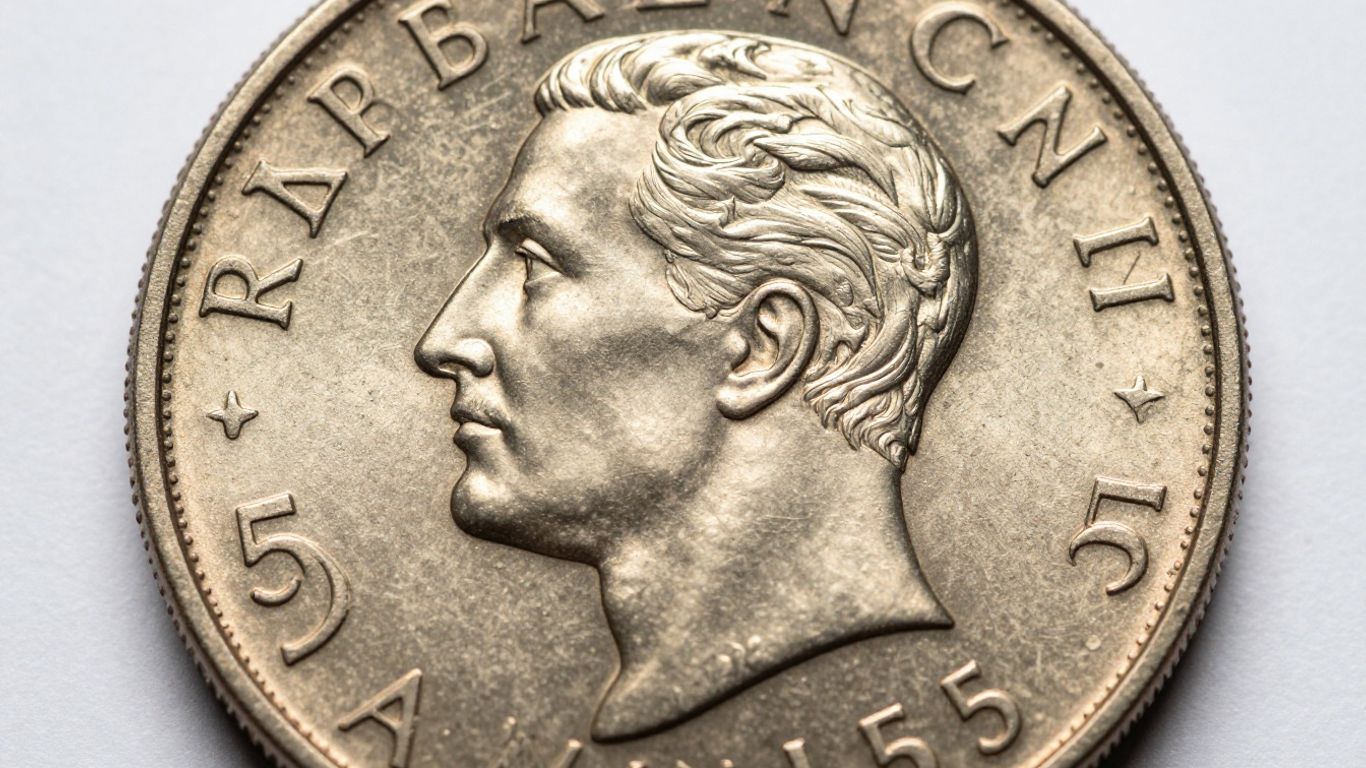
The story of Canada’s five-cent coin is a fascinating journey through changing economic conditions and national identity. It all started back in 1858 with the introduction of Canada’s first decimal currency. These initial coins, affectionately called "fish scales" due to their small size (just 15.5 mm across), were actually made of sterling silver. For over six decades, from 1858 to 1921, these silver coins circulated. However, as the price of silver climbed in the early 20th century, minting them became more expensive. This led to a significant shift in 1922 when the coin transitioned to pure nickel, becoming larger and more durable – the "nickel" many Canadians would come to recognize.
Wartime Material Shifts
World War II brought about another dramatic change. Nickel was a vital material for the war effort, meaning it was needed for munitions rather than coins. To address this, Canada’s five-cent pieces underwent a temporary transformation:
- 1942-1943: Coins were struck from Tombac, a type of brass alloy, giving them a distinct golden color.
- 1944-1945: The material changed again to chrome-plated steel. This was a practical and cost-effective solution during the conflict.
These wartime compositions weren’t just about resource management; they also served as a symbol of Canada’s contribution and resilience during a global crisis.
Post-1982 Composition Changes
Even after the war, the five-cent coin’s composition wasn’t set in stone. The rising costs of metals continued to influence its makeup. In 1982, another significant change occurred. The coin moved away from its pure nickel standard to a new alloy. Later, in the year 2000, the composition shifted once more to nickel-plated steel. Despite these material evolutions, the coin has consistently retained its popular nickname, "the nickel," a testament to its long history and the public’s affection for it.
The Canadian five-cent piece, despite its humble denomination, carries a rich history reflecting the nation’s economic shifts, wartime efforts, and evolving industrial capabilities. Its material journey from silver to various alloys and plated steels tells a story of adaptation and resourcefulness.
Numismatic Perspectives on Metal Content
Numismatics isn’t just about collecting coins – it’s a close-up look at the past, with every coin telling a different part of the story. The metal content of coins has always played a bigger role than people might think, revealing secrets about society, economics, politics, and even art. In this section, let’s walk through how the actual substance of coins keeps the record straight for historians and collectors.
Coins as Historical Artifacts
Coins are more than currency. They’re tiny time capsules. Breaking down what’s in a coin can tell you a surprising amount. For instance:
- The presence of precious metals often points to either stable times or a government eager to impress.
- Shifts to cheaper alloys typically mean economic strain or metal shortages (think wartime or inflation).
- Signature images and inscriptions reflect identity—who was in power, what they valued, and what message they wanted to send.
Looking at something as simple as the copper-nickel ratio can explain a lot about global trade patterns at the time. That’s what makes numismatics so rewarding—every new find is a clue.
Understanding Metal Debasement
One of the more telling practices in numismatic history involves debasement—reducing the amount of precious metal in coins without changing their face value. Why did states do this?
- To stretch available resources during crises like war, famine, or debt.
- To cheat the system by making more coins out of less metal, boosting currency supply without real economic backing.
- To adjust to changing metal values, sometimes just to keep the coins in public use.
Here’s a simple look at how this played out over time for some famous coin series:
| Period/Year | Coin Type | Nominal Metal Content | Notable Exception |
|---|---|---|---|
| Ancient Rome, 3rd c. | Silver Denarius | >90% Silver | Fell to <10% by mid-century |
| 19th C. US | Silver Dimes | 90% Silver | Clipped further by Great Depression |
| Canadian Nickel, 1867 | Shield Nickel | 75% Copper, 25% Ni | Early mix posed minting issues (historical manufacturing) |
Looking at the changing ingredients in coins, you can see every government’s struggle and plan. It’s like flipping through a scrapbook of financial decisions—some smart, some desperate.
The Art and Science of Coin Study
Numismatics blends both scientific method and artistic appreciation. For those just starting or seasoned collectors, here’s what to focus on when examining a coin’s metal content:
- Material Analysis: Sometimes this means using magnets, precision scales, or even X-ray fluorescence. There’s a real science to determining what’s actually in a coin versus what it ‘should’ be.
- Comparative Dating: Knowing the years certain alloys were in use helps spot forgeries or identify rare errors.
- Minting Errors and Variations: Coins made with the wrong alloy are hot items—sometimes genuine mistakes, other times a quirk of limited resources.
It all comes down to curiosity and careful observation. Each coin is much more than its face value; it’s a snapshot of humanity’s ongoing attempt to balance trust, metal, and meaning.
Wrapping It Up
So, we’ve looked at what makes up those nickel and copper coins. It turns out there’s more to them than just being round and metallic. From pure copper’s conductivity to how adding zinc makes brass, these metals and their mixes play a big role in lots of things we use every day. Even the coins in our pockets have a history tied to these materials. Understanding these compositions helps us appreciate how metals are used and why certain ones are chosen for specific jobs. It’s pretty interesting stuff when you think about it.
Frequently Asked Questions
What makes nickel and copper good for coins?
Nickel and copper are used in coins because they are strong metals that don’t wear out easily. They also don’t rust or corrode quickly, which means coins can last a very long time, even when handled a lot. Plus, they can be melted down and mixed together to create different types of metal mixes, called alloys, that have just the right qualities for making coins.
Are all coins made of the same nickel-copper mix?
No, not all coins use the exact same blend of nickel and copper. The exact amounts can change depending on the country and the specific coin. Sometimes, other metals are added to make the alloy even stronger or to change its color. These small differences can affect how the coin looks and how it holds up over time.
Why did Canada change the metal in its five-cent coin?
Canada has changed the metal used for its five-cent coin several times. Early on, they were made of silver. Later, they switched to pure nickel. During World War II, they used a brass-like metal because nickel was needed for the war effort. More recently, the metal mix has changed again due to the cost of the metals. Even though the metal has changed, people still call it a ‘nickel’.
What is the difference between pure copper and a copper alloy like brass?
Pure copper is a single metal with a reddish color, known for being a great conductor of electricity and heat. Brass, on the other hand, is an alloy, meaning it’s a mix of copper and another metal, usually zinc. Brass is often harder than pure copper and can have a more golden color. It’s used for things like musical instruments and decorative items.
Can machines easily cut metals like copper and nickel?
Cutting metals like copper and nickel can be tricky. Copper is quite soft and can get hot when cut, which can wear down the cutting tools quickly. Nickel-copper alloys are harder and also cause tools to wear out faster. Special tools and slower cutting speeds are often needed to machine these metals properly and get a clean finish.
How does the metal content of a coin tell us about history?
The metals used in coins can be like history lessons. For example, when rulers changed the amount of precious metal like silver or gold in coins, it often showed that the economy was struggling. Also, finding coins made in one place far away in another country tells us about ancient trade routes and how people connected long ago.
What are the main benefits of using copper-nickel alloys in coins?
Copper-nickel alloys are favored for coins because they are very durable and resist wear from constant handling. They also hold up well against corrosion, meaning they don’t easily tarnish or get damaged by moisture. This makes them ideal for coins that need to last for many years in circulation.
Are there other types of copper alloys besides brass and bronze?
Yes, there are many types of copper alloys! Besides brass (copper and zinc) and bronze (copper and tin), there are alloys like copper-nickel, which is often used for coins and in marine applications because of its resistance to saltwater. There are also many other specialized alloys made by adding small amounts of different metals to copper to get specific properties.