
When you’re looking at coins, especially for collecting or maybe even investing, you hear a lot about grading. It sounds complicated, but really, it’s just a way to figure out exactly what condition a coin is in. Think of it like getting a report card for your coin. Professional services do this, and it gives everyone a clearer picture. This whole process, known as coin grading certification benefits, helps make sure you know what you’re buying and selling.
Key Takeaways
- Professional coin grading uses a standardized system, like the 1-70 Sheldon Scale, to assess a coin’s condition, making it easier for everyone to understand its quality.
- Getting coins certified by third-party services helps protect against fakes and ensures that the grade assigned is objective, giving buyers more confidence.
- Even a small improvement in a coin’s grade can significantly increase its market value, especially for rare or high-demand items.
- Encapsulation in tamper-evident holders not only preserves a coin’s condition but also provides clear information about its grade and certification number.
- For modern coins, certification can be especially impactful, turning a common issue into a valuable collectible with specific designations like ‘First Strike’.
Understanding The Value Of Coin Grading Certification Benefits
What Constitutes Professional Coin Grading?
Professional coin grading is basically a way to figure out how good a coin’s condition is. Think of it like a report card for your coin. Experts look at a coin very closely, using their eyes and sometimes magnifying tools, to check for all sorts of things. They’re checking for wear, how clear the design is, and if there are any marks or scratches. This whole process is guided by set standards, kind of like rules that everyone agrees on. These standards help make sure that when someone says a coin is in a certain condition, everyone else knows what that means. It’s all about being consistent so that collectors and people who buy coins can trust what they’re told.
The Significance Of Standardized Numismatic Ratings
Having standard ratings for coins is a pretty big deal in the coin collecting world. Before these standards, figuring out a coin’s worth could be a bit of a guessing game. Different people might look at the same coin and have totally different ideas about its condition and value. Standardized ratings, like the ones used by major grading services, create a common language. This means a coin graded a certain way by one service is understood similarly by collectors everywhere. It takes a lot of the guesswork out of buying and selling, making the whole market feel more reliable. This consistency is super important for anyone serious about collecting or investing.
Why Modern Coins Benefit From Certification
It might seem like older coins are the only ones that get graded, but modern coins can really benefit too. Think about those special edition coins or proof sets that come out every year. Sometimes, a tiny difference in how well it was made or how it was handled can make a huge difference in its value. Certification by a professional service can confirm that a modern coin is in top condition, maybe even perfect. This is especially true for coins that are already quite valuable or rare. Getting them certified protects them and makes them much easier for people to buy and sell, knowing they’re getting exactly what they expect. It adds a layer of trust that’s really helpful for these newer collectibles.
The Professional Coin Grading Process: A Disciplined Approach
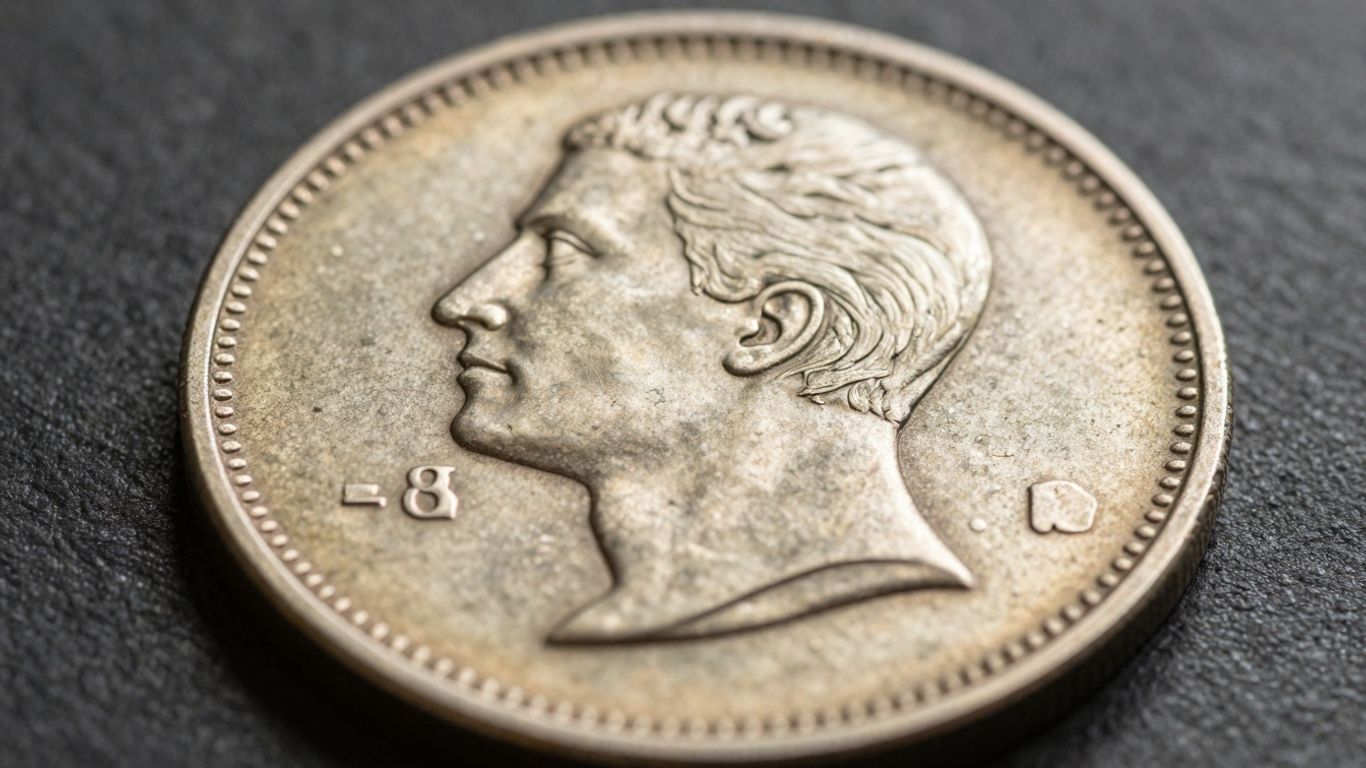
When you send a coin off to be graded, it goes through a pretty strict process. It’s not just someone looking at it and saying, ‘Yep, looks good.’ There’s a whole system in place to make sure everything is fair and consistent. This whole thing is designed to take the guesswork out of it, which is a big deal when you’re talking about collecting or investing in coins.
Submission and Authentication Protocols
First off, you submit your coins. You can do this through a dealer, or sometimes directly if you’re a member of a grading service. For modern coins, especially, making sure they’re real is super important. There are some really good fakes out there. So, the grading services have experts who look at your coin really closely. They use fancy tools, like microscopes and other tech, to check if it’s genuine. If it’s a fake, they send it right back. It’s all about keeping the market honest.
Detailed Grading Assessment Using The Sheldon Scale
Once a coin is confirmed as real, it gets graded. This is where that Sheldon Scale comes in, the one that goes from 1 to 70. For most modern coins you’ll see, they’ll likely fall into the Mint State (MS) or Proof (PF) categories, which are the higher numbers. A coin that’s MS-70 is basically perfect under magnification, while an MS-65 might have a few tiny marks. The graders look at how well the coin was made, how sharp the details are, and if it still has that original shine or luster. They’re really looking for any imperfections.
Identifying Key Factors: Strike, Luster, and Surface Quality
So, what exactly are they looking for? Well, a few things really stand out. The ‘strike’ is about how clearly the design was imprinted onto the coin. A strong strike means all the little details are crisp. ‘Luster’ is that original, frosty shine the coin had when it was made; you don’t want to see anything that dulls it. And ‘surface quality’ covers everything else – are there scratches, nicks, or other marks? Even tiny things can make a difference in the final grade. It’s a detailed look, for sure.
Encapsulation And Certification: Preserving Value For Generations
Once a coin has been professionally graded, the next step is its encapsulation. This is where the coin gets placed into a protective holder, often called a "slab." These holders are made from special plastic that’s safe for the coin and designed to last a long time. The main idea here is to keep the coin in the exact condition it was found in, protecting it from damage and the environment. Think of it like putting a valuable piece of art in a frame behind glass – it keeps it safe and lets you see it clearly.
Inside this holder, you’ll find a label. This label is like a coin’s ID card. It tells you important details about the coin, like its official grade, a unique number that identifies it, and sometimes even a QR code. This QR code can be scanned with a phone to pull up more information online. It’s all about making sure everyone knows exactly what the coin is and what grade it received.
Here’s what you typically see on a coin’s label:
- Coin Identification: The name of the coin, its year, and mint mark.
- Grade: The official numerical grade assigned by the grading service (e.g., MS-65, PF-70).
- Certification Number: A unique number for that specific coin and its grading record.
- Key Identifiers: Sometimes includes details like strike quality or specific varieties.
These holders are also designed to be tamper-evident. This means if someone tries to open the holder and swap the coin or alter it, it will be obvious. This adds a layer of security. It’s a big deal because it means you can trust that the coin inside is the one that was graded and hasn’t been messed with.
Beyond just the holder, the grading services provide tools to check the coin’s authenticity and grade online. They keep databases of all the coins they’ve graded. You can look up a coin’s certification number to see its details and how many other coins of the same type and grade exist. This is called a population report. It helps collectors understand how rare a specific grade of a coin really is. This transparency is a huge part of why certified coins are so trusted in the market.
The process of encapsulation and certification is more than just putting a coin in plastic. It’s a system designed to protect the coin’s condition, provide clear and verifiable information, and build trust between buyers and sellers. This makes it much easier for people to collect and invest in coins with confidence, knowing they are getting what they expect.
For example, imagine a modern proof coin that might sell for a few hundred dollars if it’s just in a mint capsule. But if it gets a perfect grade of PF-70 from a top service, its value can jump significantly, sometimes into the thousands. This jump happens because the certification proves its top-tier condition and rarity in that state.
The Financial Impact Of Coin Grading Certification Benefits
How A Single Grade Increase Affects Value
It might seem like a small difference, but a single point increase on the Sheldon Scale can really change a coin’s price tag. Think about it: a coin graded MS-64 might be worth a certain amount, but jump to MS-65, and suddenly it’s worth a whole lot more. This isn’t just a little bump; sometimes, it’s a huge jump, like several times the original value. This happens because that higher grade often means the coin is much closer to perfect, with fewer visible issues. It’s like the difference between a really good product and a flawless one – people are willing to pay a premium for that perfection.
The Premium For High-Grade And Flawless Coins
Collectors and investors often look for the best of the best. When a coin is graded as "gem" quality (usually MS-65 and above) or even flawless (MS-70), it becomes much more desirable. These top-tier coins are rare, and their condition is what really sets them apart. Because so few coins achieve these perfect or near-perfect grades, they command a significant price premium. People want to own the best examples of a particular coin, and they’re willing to pay extra for that assurance of quality and rarity.
Understanding Market Dynamics And Investment Strategy
When you’re thinking about coins as an investment, grading plays a big role. Knowing how grading affects value helps you make smarter choices. For example, you might see a coin that’s graded MS-64 and another identical one graded MS-65. The MS-65 coin will likely cost more upfront, but its potential for future appreciation might be higher. It’s about understanding what the market is willing to pay for different grades and how that fits into your overall investment plan. Sometimes, paying a bit more for a higher-graded coin can pay off down the line, while other times, focusing on lower-graded but still solid coins might be more practical.
Here’s a look at how grades can impact value:
| Coin Example | Grade | Approximate Value Range | Value Jump (MS-64 to MS-65) |
|---|---|---|---|
| 1880-O Morgan Dollar | MS-64 | $1,319 – $1,639 | >8x increase |
| MS-65 | $12,495 | ||
| Common Date Morgan | MS-64 | $700 – $1,000+ | ~3x increase |
| 1878 Morgan Dollar | MS-65 | $2,300+ |
The difference between a coin that’s just good and one that’s nearly perfect can be astonishing. This isn’t just about looks; it’s about rarity and desirability in the collector market. A small improvement in grade can mean a massive leap in price, making professional grading a key factor for anyone serious about coin values.
Mitigating Risk With Certified Coin Grading
Safeguarding Against Counterfeit And Fraudulent Activity
The world of coin collecting, especially with valuable modern issues, can unfortunately attract those looking to pass off fakes. It’s a real concern. Counterfeit coins can range from pretty obvious fakes to incredibly well-made copies that can fool even experienced eyes. Spotting them often involves looking for details that just aren’t quite right – maybe the weight is off, the strike is mushy, or the metal feels wrong. The most reliable way to avoid these problems is to stick with coins that have been professionally graded and sealed by a reputable third-party service. These services put coins through a rigorous check, making it much harder for fakes to enter the market.
The Unparalleled Confidence Provided By Third-Party Services
When you buy a coin that’s been graded and put into a sealed holder, it comes with a level of trust that you just don’t get with raw, ungraded coins. These services act as a guarantee. They’ve looked at the coin, assigned it a grade based on established standards, and authenticated it. This means you’re not just buying a piece of metal; you’re buying a coin with a verified history and condition. It takes a lot of the guesswork out of collecting and investing, giving you peace of mind.
Ensuring Authenticity And Objective Grading
Professional grading services employ teams of experts who use specialized tools and knowledge to assess coins. This isn’t just a quick glance; it’s a detailed examination. They check for authenticity, making sure the coin is genuine and not a reproduction. Then, they apply the Sheldon scale, a standardized system, to objectively determine the coin’s condition. This objective assessment is key. It means that a coin graded MS-65 by one reputable service should be very similar in quality to an MS-65 graded by another. This consistency is what builds confidence in the market and protects collectors from subjective opinions or outright deception.
The Sheldon Coin Grading Scale Explained
When people talk about coin grading, they’re almost always referring to the Sheldon Scale. It’s the standard way we talk about how good a coin looks and how much wear it has. Think of it as a ruler for coins, but instead of inches, it uses numbers from 1 to 70.
How The 1-70 Scale Assesses Coin Condition
The Sheldon Scale, developed way back in 1949 by Dr. William Sheldon, gives us a way to talk about coin condition consistently. It ranges from 1, which is basically a coin that’s almost completely worn away, to 70, which represents a coin that’s absolutely perfect, with no flaws visible even under magnification. Most coins you’ll encounter fall somewhere in the middle. The scale isn’t just about wear, though; it also considers how well the coin was made (the strike), how shiny it is (luster), and any marks or damage it might have.
Understanding Numerical Grades And Their Implications
Each number on the scale means something specific. For example, coins in the MS-60 to MS-70 range are considered uncirculated, meaning they haven’t been used for everyday transactions. Within that range, a coin graded MS-65 is often called a "gem" uncirculated coin. It’s a big jump from an MS-64 to an MS-65, not just in name but often in price too. A single point increase can sometimes mean a coin is worth several times more than it was at the lower grade. This is why even small differences in condition matter a lot to collectors and investors.
Here’s a look at how grades generally break down:
| Grade Range | Description |
|---|---|
| 1-10 | Poor to Good (Heavily Worn) |
| 11-30 | Very Good to Fine (Worn) |
| 31-50 | Very Fine to About Uncirculated (Slight Wear) |
| 50-70 | Uncirculated (No Wear) |
The Basal State For Uncirculated And Proof Coins
For uncirculated coins, the starting point is typically MS-60 (Mint State 60). This is the baseline for a coin that shows no signs of circulation. However, even at MS-60, a coin might have some minor imperfections. As you move up the scale to MS-65, MS-67, and so on, the coin is expected to have fewer and fewer marks and better overall appearance. Proof coins, which are made with special dies for collectors, have their own grading considerations, but they also use the 1-70 scale, with PR-70 being the top grade for a perfect proof coin. The goal is always to find coins that are as close to their original, freshly minted state as possible.
Factors Influencing A Coin's Numismatic Grade
When you’re looking at coins, especially if you’re thinking about getting them graded, it’s good to know what goes into that final number. It’s not just a random guess; there are specific things graders look at. These details really matter for how a coin is valued.
Assessing Wear and Circulation Marks
This is probably the most obvious thing. Has the coin been passed around a lot? You can usually tell by looking at the high points of the design. If they’re worn smooth, it’s seen a lot of action. Graders check for these signs of wear very carefully. Even small nicks or scratches, often called "contact marks" or "bag marks," can affect the grade. These happen when coins bump into each other during production or when they’re handled. Fewer and less noticeable marks generally mean a better grade.
Evaluating Strike Sharpness and Detail
Think about how clear the image on the coin is. A "strike" refers to how well the coin was made at the mint. Some coins come out with really sharp, crisp details, while others might look a bit soft or mushy. This can happen for various reasons, like issues with the dies used to make the coins. A coin with a strong, well-defined strike, where all the little lines and features are clear, will usually get a higher grade than one with a weak strike. It’s all about how much detail the coin shows.
The Importance of Eye Appeal and Original Luster
This is a bit more subjective, but still really important. "Eye appeal" is basically how attractive the coin looks to you and to other collectors. Does it have a nice, clean surface? Is the color pleasing? "Luster" is about how the coin reflects light. A coin that still has its original "mint luster" – that frosty or satiny sheen you see on brand-new coins – is much more desirable. If a coin has been cleaned, or if it has spots or discoloration, its eye appeal and luster can be damaged, which will bring down the grade. Sometimes, even if a coin has few marks and a good strike, poor eye appeal can hold it back. It’s about the overall visual impression the coin makes. For a deeper look into how these elements affect value, consider coin value factors.
The grade assigned to a coin isn’t just about counting imperfections. It’s a holistic assessment that considers the coin’s history, how it was made, and how it has been preserved. Each factor plays a part in telling the coin’s story and determining its place in the numismatic world.
The Distinction Between Graded And Ungraded Coins
Why Graded Coins Can Command Higher Prices
When you look at coins, there’s a big difference between one that’s been officially graded and one that hasn’t. Think of it like buying a used car. You might trust your gut, but a mechanic’s report gives you a lot more confidence, right? Graded coins are similar. Professional grading services examine coins using a strict set of rules, like the Sheldon Scale, which runs from 1 to 70. This scale looks at everything from how well the coin was made (its strike) to its surface condition and overall appearance. Because these services are independent, their opinion carries weight. This means a coin that gets a high grade, say an MS-65 or higher, often sells for more than an identical coin that hasn’t been graded. It’s not just about the number; it’s about the trust and consistency that grading brings to the table.
The Role of Collector Preferences and Market Dynamics
Collectors often have specific ideas about what they want in their collections. Many prefer graded coins because they know exactly what they’re getting. They don’t have to guess if a coin is truly uncirculated or if it has hidden problems. This preference naturally drives up demand for graded coins, especially those with top-tier grades. Market dynamics also play a part. If there’s a lot of interest in a particular series of coins, and many of them are graded, then graded examples will likely be more sought after. On the flip side, while ungraded coins might seem cheaper upfront, they can be harder to sell later if collectors are only looking for certified pieces. It’s a bit of a cycle: collector demand influences the market, and the market, in turn, shapes what collectors are willing to pay for.
When to Consider Graded Coins for Your Collection
So, when does it make sense to go for a graded coin? If you’re building a serious collection, especially one focused on investment or long-term value, graded coins are usually the way to go. They offer a level of security and standardization that ungraded coins just can’t match. For example, if you’re looking at rare coins or those with a high potential for appreciation, getting them graded or buying them already graded can protect your investment. It’s also a good idea if you’re buying coins online or from sources you’re not entirely familiar with. The grading report acts as a guarantee of authenticity and condition. However, if you’re just starting out or collecting for personal enjoyment without a strong focus on resale value, ungraded coins might be perfectly fine. It really depends on your personal goals for your collection.
Here’s a quick look at why collectors lean towards graded coins:
- Authenticity Assurance: Third-party graders are experts who verify the coin is genuine.
- Standardized Condition: The Sheldon Scale provides a universally understood measure of a coin’s state.
- Reduced Risk: Graded coins minimize the chance of buying a counterfeit or a coin with undisclosed issues.
- Market Liquidity: Graded coins are generally easier to sell and often fetch better prices.
- Preservation: Coins are sealed in protective holders, safeguarding them from damage.
Exploring The Benefits Of Third-Party Grading Services
When you’re looking at coins, especially if you’re thinking about buying or selling, you’ll probably run into the term "third-party grading." It sounds a bit formal, but it’s really just about getting an independent opinion on a coin’s condition and authenticity. Think of it like getting a professional inspection for a house before you buy it; it gives you a clearer picture of what you’re dealing with.
The Evolution Of Numismatics Through Standardization
Before these services became common, figuring out a coin’s true value could be pretty tricky. Everyone had their own idea of what a "mint condition" coin looked like. This led to a lot of confusion and sometimes, people getting shortchanged. Third-party grading changed all that by introducing a standardized way to look at coins. They use systems like the Sheldon Scale, which assigns a number from 1 to 70 based on the coin’s condition. This means a coin graded MS-65 by one reputable service should be very similar to an MS-65 graded by another. It’s like having a universal language for coin condition.
- Consistency: A standardized scale means everyone is speaking the same numismatic language.
- Objectivity: Independent graders reduce personal bias in assessing a coin’s state.
- Marketability: Standardized grades make coins easier to compare and trade.
Building Confidence In Transactions
This standardization does wonders for confidence. When a coin is graded by a well-known service and sealed in a protective holder (often called a "slab"), it comes with a guarantee. You know what you’re buying, and the seller knows what they’re selling. This is especially important for online sales or when buying coins you can’t physically inspect first. It cuts down on the guesswork and the risk of buying a coin that’s not what it seems. For collectors, this means they can focus more on building their collection and less on worrying about authenticity or condition disputes. It’s a big step up from dealing with raw coins, which are coins sold without this official assessment.
The introduction of independent grading services has significantly reduced the subjectivity that once plagued coin collecting. This shift towards objective assessment provides a more reliable framework for valuing and trading numismatic items.
The Rigor And Transparency Of Professional Assessment
Getting a coin graded involves a detailed process. Reputable services have teams of experienced graders who examine each coin closely. They look at everything: the sharpness of the details, the amount of wear, the surface quality, and the overall appearance. This thoroughness means that when a coin gets a high grade, it’s truly earned it. The transparency comes from the detailed labels on the holders, which tell you the coin’s grade, its variety (if applicable), and often a unique certification number. You can usually look up this number on the grading service’s website to verify the coin’s details and see its grading history. This level of detail and openness is what makes third-party grading so beneficial for anyone involved in the coin market, from casual collectors to serious investors looking for certified coins.
Here’s a quick look at what goes into the assessment:
- Authentication: Confirming the coin is genuine and not a counterfeit.
- Grading: Applying the Sheldon Scale (1-70) based on wear, strike, and surface preservation.
- Encapsulation: Sealing the coin in a tamper-evident holder with a detailed label.
Special Considerations For Modern Coin Grading
Modern coins, while often produced in larger quantities than their historical counterparts, present their own unique set of considerations when it comes to grading. The sheer volume of minting for many contemporary issues means that distinguishing between a common coin and a truly exceptional one relies heavily on the nuances of professional assessment. This is where specialized designations and a keen eye for detail become particularly important for collectors and investors alike.
The Game-Changing Impact On Modern Collectibles
For many collectors, the appeal of modern coins lies in their accessibility and the ability to acquire examples in pristine condition. However, even within the "Mint State" or "Proof" categories, there’s a vast difference in quality. Professional grading services play a significant role in differentiating these coins, turning what might otherwise be a common piece into a highly sought-after collectible. A coin graded MS-70, for instance, represents absolute perfection, a standard rarely achieved and highly prized. This level of grading provides a clear benchmark for quality, moving beyond subjective opinions to objective assessment. This rigor helps to solidify the market for modern issues, making them more attractive for serious collection building and investment.
Designations Like 'First Strike' And 'Early Releases'
Beyond the standard Sheldon Scale, modern coin grading often incorporates special designations that can significantly impact a coin’s desirability and value. Terms like "First Strike" and "Early Releases" are applied to coins submitted to grading services within a specific timeframe after their release from the mint. These designations are particularly relevant for bullion coins and commemorative issues.
- First Strike: This label is typically given to coins received by the grading service within a short period of their initial mint release, often within the first 24-48 hours. It suggests the coin was among the very first struck from the dies.
- Early Releases: This designation is generally applied to coins submitted within the first 30 days of their official mint release date. It indicates that the coin was part of the initial production run.
These labels are not just marketing terms; they signify that the coin was likely handled with greater care from the mint and submitted promptly, potentially preserving its original luster and surface quality. For collectors focused on the absolute best examples, these designations add another layer of desirability.
Elevating The Value Of Mint State And Proof Issues
When it comes to mint state (MS) and proof (PF) coins, the difference between a high grade and a slightly lower one can be dramatic. Modern coins, especially those intended for collectors, are often struck with incredible precision. However, minor imperfections, such as microscopic nicks, hairlines, or imperfect luster, can prevent a coin from reaching the highest grades.
Here’s a look at how grades can affect value:
| Grade | Description |
|---|---|
| MS-60 | Mint State, but with noticeable imperfections. |
| MS-65 | Gem Uncirculated, attractive with few minor marks. |
| MS-70 | Perfect Uncirculated, flawless under magnification. |
| PF-60 | Proof, but with noticeable imperfections. |
| PF-65 | Gem Proof, attractive with few minor marks. |
| PF-70 | Perfect Proof, flawless under magnification. |
Coins that achieve MS-70 or PF-70 grades are considered the pinnacle of condition. These perfect examples often command significant premiums over coins graded MS-65 or PF-65, even though the numerical difference is small. The market recognizes the rarity and perfection of these top-tier coins. For modern issues, where many examples exist in high grades, achieving a perfect score is often the key differentiator that drives substantial value increases. This is why many collectors seek out certified coins that have already achieved these top grades.
The pursuit of perfect grades for modern coins is a testament to the evolving nature of numismatics. What was once a hobby focused on historical artifacts now embraces contemporary issues with a similar level of scrutiny and appreciation for condition. Professional grading provides the objective framework needed to navigate this expanding field, ensuring that quality and rarity are accurately recognized and rewarded in the marketplace. This systematic approach builds confidence for both new and experienced collectors.
Wrapping Up: Why Grading Matters
So, we’ve gone over why getting coins graded is a pretty big deal. It’s not just about a number on a label; it’s about knowing you’ve got the real deal and that its condition is accurately described. For anyone serious about collecting, especially with modern coins that can really jump in value, this professional assessment brings a lot of peace of mind. It helps avoid fakes and gives you a clear picture of what you’re buying or selling. While it costs a bit, the confidence and potential protection it offers can make it a smart move for your collection’s future.
Frequently Asked Questions
What exactly is coin grading, and why should I care?
Coin grading is like giving a coin a report card. Experts look at its condition, like how worn it is and how clear the pictures are, using a special system. This helps everyone agree on how good a coin is and what it’s worth. It makes trading coins fairer and helps keep valuable coins safe.
How does the 1-to-70 grading scale work?
Imagine a scale from 1 to 70. A grade of 1 means a coin is in very rough shape, maybe barely recognizable. A grade of 70 means it’s absolutely perfect, with no flaws at all. Most coins fall somewhere in between, and the number tells you exactly how good its condition is.
Are coins that have been graded worth more than ones that haven't?
Often, yes. Because a graded coin has been checked by experts and sealed in a protective case, people trust its condition more. This trust can make it more desirable to collectors, leading to a higher price, especially for coins in great shape.
Can I grade my own coins?
You can learn to look at coins and get a general idea of their condition. There are guides and pictures online that can help you compare. However, getting an official grade that buyers trust usually requires sending your coins to professional grading services.
What makes a coin get a high grade?
Several things matter! Experts look at how clearly the coin’s design was stamped (called ‘strike’), how shiny it still is (‘luster’), and if there are any scratches or dents (‘surface quality’). A coin that looks great and has sharp details is more likely to get a high grade.
Why are modern coins graded too?
Even newer coins can be valuable! Grading helps show that a modern coin is in perfect condition, like a special proof coin. Sometimes, special marks like ‘First Strike’ can make a modern coin even more special and valuable when it’s professionally graded.
What is a 'slabbed' coin?
A ‘slabbed’ coin is one that has been graded by a professional service and then sealed inside a strong, clear plastic holder. This holder, called a ‘slab,’ protects the coin and has a label that tells you its grade and other important information. It’s like a security blanket for the coin!
How does grading help protect me from fake coins?
Trusted grading companies check coins very carefully to make sure they are real. They put the graded coin in a special sealed case that’s hard to fake. This means when you buy a slabbed coin from a good service, you can be much more sure that it’s genuine and not a counterfeit.