
San Antonio has a long history with silver, and many people here have silver coins lying around. Maybe you found some old coins in the attic, or perhaps you inherited a collection. Whatever the reason, knowing the silver coins value in San Antonio is important. This guide will help you figure out what your coins might be worth and how to go about selling them if you choose to.
Key Takeaways
- The worth of silver coins depends on several things, like how pure the silver is, how much it weighs, and if it’s a rare type.
- In San Antonio, local demand and what collectors are looking for can affect how much you can get for your coins.
- Getting your coins checked by an expert can help you understand their true value before you sell.
- Always try to check if a coin is real. Simple tools like a scale and a magnifying glass can help spot fakes.
- When selling, know if you have a common silver coin or a rare collectible, as this changes how you should sell it and what price you might get.
Understanding Silver Coin Value in San Antonio
Factors Influencing Silver Coin Worth
The worth of silver coins in San Antonio, like anywhere else, isn’t just about the silver content. Several things play a role. The purity and weight of the silver are primary drivers, but don’t forget about the coin’s history and how many were made. Sometimes, a coin with less silver can be worth more if it’s rare or has a special story.
Here’s a quick look at what affects a coin’s price:
- Silver Content: How much pure silver is in the coin (measured in troy ounces).
- Rarity: How many of these coins were originally produced, and how many still exist today.
- Condition: The physical state of the coin – scratches, wear, and overall appearance matter a lot.
- Demand: What collectors and investors in San Antonio and beyond are looking for right now.
- Historical Significance: Coins tied to important events or periods can fetch higher prices.
Identifying Common Silver Coin Types
When you’re looking at silver coins, some types pop up more often than others. Knowing these can help you get a better idea of what you might have or what to look for. In San Antonio, you’ll likely encounter a few familiar faces.
- American Silver Eagles: These are very popular and widely recognized. They’re minted by the U.S. government and are known for their high purity (99.9%).
- Morgan Dollars: These are older U.S. silver dollars, minted from 1878 to 1904 and again in 1921. They are sought after by collectors.
- Peace Dollars: These followed the Morgan dollars, minted from 1921 to 1935. They also contain a good amount of silver and are collected.
- Junk Silver: This term usually refers to older U.S. dimes, quarters, and half dollars that are primarily valued for their silver content rather than their numismatic (collector) value. They typically contain about 90% silver.
The Role of Purity and Weight
When we talk about silver coins, purity and weight are pretty straightforward but super important. Think of it like this: if you’re buying a pound of apples, you want to know you’re actually getting a pound of good apples, not a mix of apples and something else. The same applies to silver.
- Purity: This tells you how much of the coin is actually silver. Most modern silver bullion coins are .999 fine, meaning they are 99.9% pure silver. Older coins, like U.S. silver dollars or dimes, are usually 90% silver (often called "sterling" or "coin silver" in older contexts, though technically sterling is 92.5%).
- Weight: Silver is measured in troy ounces, which are slightly heavier than standard avoirdupois ounces. A standard American Silver Eagle, for example, contains one troy ounce of pure silver.
The market price of silver, often called the "spot price," is the base value for any silver coin. However, the actual price you’ll get or pay can be higher or lower depending on the coin’s specific characteristics and the current market conditions in San Antonio.
Navigating the San Antonio Silver Market
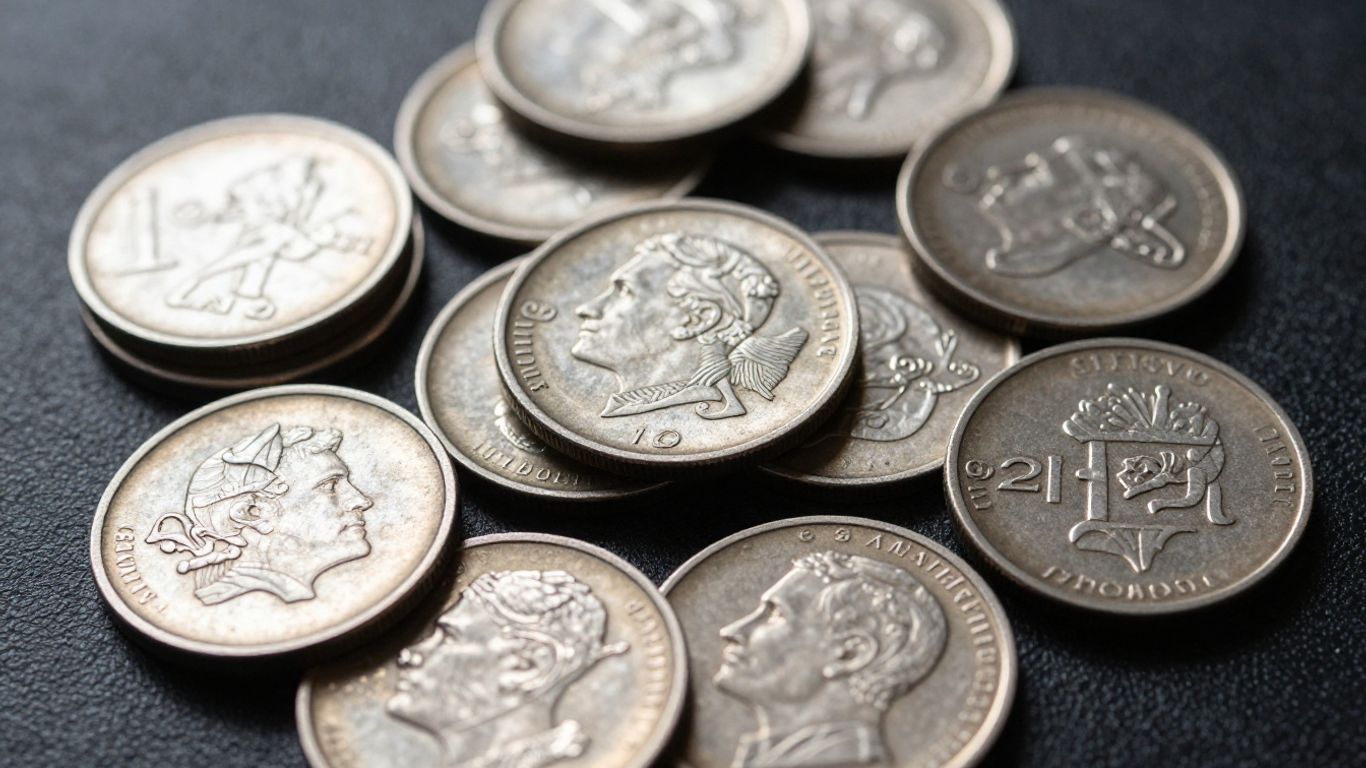
When you’re looking to buy or sell silver coins in San Antonio, it helps to know what’s going on locally. The market here has its own rhythm, influenced by a few key things.
Local Demand for Precious Metals
San Antonio, like much of Texas, has a strong interest in tangible assets. People here often prefer owning physical silver over other types of investments. This interest comes from a mix of folks – from those working in the energy sector to military families and people who just like the idea of holding something real. This steady local interest means there’s usually a good market for silver coins, whether you’re buying or selling.
Key Areas for Coin Transactions
While you can find silver coins in various places, some spots are more common for transactions. You’ll often find dealers and coin shops scattered throughout the city and surrounding areas. Some might specialize in bullion, while others focus more on collectible coins. It’s worth checking out different places to get a feel for their inventory and prices. Some dealers might even serve nearby communities like New Braunfels or Boerne, so don’t limit your search just to the city limits.
Texas Investor Preferences
Texans often have a particular way of looking at investments. There’s a strong sense of independence and a preference for owning things outright. This means that silver coins, especially those with a good reputation and clear purity, are quite popular. Investors here tend to appreciate straightforward pricing and clear information about what they’re buying. The state’s tax situation also plays a role, making tangible assets like silver even more attractive for wealth building.
The preference for physical silver in Texas is tied to a long-standing tradition of self-reliance and a desire for assets that can be directly controlled, away from the complexities of financial institutions.
Here’s a quick look at what influences the market:
- Local Interest: A consistent demand from residents across various professions.
- Dealer Types: The presence of both bullion specialists and collectible coin dealers.
- Investor Mindset: A preference for tangible assets and straightforward transactions.
- Geographic Reach: Dealers often serve a wider area than just San Antonio proper.
Appraisal Services for Your Silver Coins
Figuring out what your silver coins are actually worth can feel like a puzzle. You might have inherited a box of old coins, or maybe you’ve been collecting them for years. Whatever the reason, getting a solid appraisal is the first step to understanding their value. It’s not just about knowing the price; it’s about getting a clear picture of what you have.
Free Coin Appraisal Options
Many places offer free appraisals, which is great because you don’t have to spend money just to find out what your coins might be worth. These services are often provided by coin dealers or precious metal buyers. They’ll look at your coins and give you an idea of their value. It’s a good starting point, especially if you’re new to selling coins.
Here’s what you can typically expect:
- Initial Consultation: You’ll talk to someone about your coins. This might be in person, over the phone, or via email.
- Visual Inspection: An expert will examine your coins, looking at their condition, any markings, and general appearance.
- Market Value Estimate: Based on their knowledge and current market prices, they’ll give you an estimated value.
- No Obligation: Most free appraisals come with no pressure to sell. You can take the information and decide what to do next.
Virtual vs. In-Home Appraisals
When it comes to getting your coins appraised, you have a couple of main options: virtual or in-home. Each has its own benefits, depending on your situation and the size of your collection.
- Virtual Appraisals: These are super convenient. You usually take clear photos of your coins or even do a video call with an appraiser. This is great for smaller collections or if you just want a quick estimate. It saves you travel time and can be done from the comfort of your home.
- In-Home Appraisals: If you have a large or particularly valuable collection, an in-home appraisal might be better. An expert will come to your location to examine the coins directly. This is often preferred for high-value items or when you want a very thorough, hands-on evaluation without the risk of transporting the coins yourself.
What to Expect During an Appraisal
An appraisal isn’t just a quick glance. A good appraiser will look at several things to determine the true worth of your silver coins. They’re not just guessing; they’re using their knowledge and tools to get an accurate assessment.
- Identification: They’ll first identify the exact type of coin, including its mint year and origin.
- Condition Assessment: The physical state of the coin is a big deal. They’ll check for wear, scratches, dents, or any other damage. This is often graded using a standardized scale.
- Silver Content and Weight: For silver coins, the amount of actual silver is key. They’ll consider the coin’s purity and weight, especially for bullion coins.
- Rarity and Demand: Some coins are rare due to limited mintage or historical significance. The current demand from collectors and investors also plays a part.
Appraisers use a combination of their own experience, reference guides, and sometimes even simple testing tools to get a clear picture. They’re looking for authenticity, condition, and market appeal. It’s a detailed process designed to give you the most accurate valuation possible for your specific coins.
Authenticating Your Silver Coins
It’s a bummer when you think you’ve found a great deal on silver, only to discover later it’s not the real thing. The market has gotten pretty good at making convincing fakes, so knowing how to check your coins is a big deal. Whether you’re just starting out or have a collection already, being able to tell genuine silver from a counterfeit is super important. We’ll go over some straightforward ways to do just that, from simple home tests to more involved methods.
Fundamental Tools for Verification
You don’t need a fancy lab to start checking your coins. A few basic items can help you spot a lot of fakes right away. It’s all about using your senses and having the right simple tools.
- Digital Scale: Get one that measures accurately, at least to two decimal places (e.g., 0.01 grams). Real silver coins have specific weights, and forgers often struggle to match these exactly.
- Magnifying Glass (Loupe): A 10x magnification is usually good enough to see fine details like mint marks, wear patterns, and any inconsistencies in the design that might indicate a fake.
- Strong Magnet: Real silver is not magnetic. If your coin sticks to a strong neodymium magnet, it’s almost certainly not pure silver or even silver-plated.
Recognizing Counterfeit Silver
Spotting fakes involves looking beyond just the silver content. It’s about noticing details that don’t add up.
- Weight and Dimensions: Compare your coin’s weight and diameter to known specifications for that particular coin type. Even slight deviations can be a red flag.
- Visual Details: Examine the coin’s surface, edges, and design elements closely. Fakes might have blurry details, incorrect lettering, or a rough edge.
- Sound (Ping Test): Gently tap the coin or let it slide down a hard surface. Genuine silver often produces a clear, bell-like ringing sound that lasts a moment. Fakes tend to make a dull thud or a very short sound.
The Importance of Multi-Layered Testing
No single test is foolproof. The best way to be sure is to use a combination of methods. Think of it like building a case – the more evidence you have that points to the same conclusion, the more confident you can be.
Here’s a common approach:
- Initial Checks: Start with the magnet and scale. If the coin sticks to the magnet or is significantly off in weight, you likely have a fake.
- Sensory Examination: Use your magnifier to check details and listen to the coin’s sound. Does it look right? Does it sound right?
- Advanced Testing (for valuable coins): If the coin is particularly valuable or the initial tests are inconclusive, consider more advanced methods. Electronic metal testers can analyze the composition and plating. For very high-value items, X-Ray Fluorescence (XRF) analysis can provide precise metal content readings, though this usually requires professional services.
Keeping good records of your authentication process is wise. Note down the weight, the results of your magnet test, and any observations from your magnifier. This documentation can be helpful later for insurance or resale purposes, creating a history for your coin.
By combining these techniques, you significantly increase your ability to identify genuine silver coins and avoid costly mistakes.
Selling Your Silver Coin Collection
So, you’ve got some silver coins sitting around, maybe inherited, maybe collected over time, and you’re thinking about turning them into cash. It’s not as complicated as it might seem, but there are definitely a couple of ways to go about it, and knowing the difference can mean getting more money in your pocket.
Selling Bullion vs. Collectible Coins
First off, it’s important to know if your coins are primarily valuable for their silver content (bullion) or for their rarity and historical significance (collectible). Bullion coins, like American Silver Eagles or Canadian Maple Leafs, are mostly valued based on the current market price of silver, often called the "spot price." They’re pretty straightforward – more silver means more value, generally.
Collectible coins, on the other hand, can be worth much more than their silver content. Think old Morgan dollars, rare mint marks, or coins in exceptionally good condition. Their value depends on factors like how many were made, how many still exist, their condition, and how many people want them. This distinction is key because different buyers will specialize in one or the other.
Handling Inherited Coin Collections
If you’ve inherited a coin collection, it can feel a bit overwhelming. You might not know much about coins, and suddenly you’re responsible for figuring out their worth. The best approach here is usually to get a professional appraisal. Don’t just take the first offer you get, especially if the collection looks extensive or contains older coins. A good appraiser can help you sort through everything, identify the valuable pieces, and give you a clear picture of what you have.
- Document Everything: Keep a list of what you have, even if it’s just a rough inventory.
- Seek Expert Advice: Find reputable coin dealers or appraisers in the San Antonio area.
- Be Patient: Don’t rush the process. Take your time to understand the value before making any decisions.
Choosing a Trusted Coin Buyer
Finding the right buyer is probably the most important step. You want someone who is honest, knowledgeable, and offers fair prices. Look for dealers who are members of professional numismatic organizations. Check online reviews and see if they have a physical presence or a solid reputation in the San Antonio community.
When you’re ready to sell, consider buyers who offer transparent pricing and clear explanations of how they arrived at their offer. A good buyer will explain the difference between melt value and collector value for your specific coins.
Here’s a quick look at what to consider:
| Buyer Type | Pros | Cons |
|---|---|---|
| Local Coin Shop | Immediate payment, face-to-face | May offer lower prices, specialized inventory |
| Online Dealer | Wider reach, potentially better offers | Shipping required, less personal |
| Auction House | Potential for high prices on rare items | Fees, longer selling time, no guarantee |
Maximizing Your Silver Coin Returns
When it comes to getting the most for your silver coins, it’s not just about knowing they’re made of silver. Several things play a role in how much someone will pay for them. You’ve got to think about the going rate for silver itself, but also what makes your specific coin special.
Understanding Spot Price and Premiums
The price of silver on the global market, often called the "spot price," is your starting point. This is the base value of the silver content. However, most silver coins, especially those made for collectors or as investments, sell for more than just their melt value. This extra amount is called a "premium." The premium can change based on how popular a coin is, how easy it is to find, and the overall demand from buyers. For example, a brand new American Silver Eagle might have a higher premium than a generic silver round because it’s a recognized government-issued coin.
The Impact of Rarity and Condition
Beyond the silver content, the rarity of a coin and its physical condition are huge factors. A coin that’s hard to find, perhaps due to a low mintage or a specific historical period, will naturally be worth more than a common one. Condition is just as important. Coins are graded on a scale, and a coin in excellent, uncirculated condition will fetch a much higher price than one that’s worn down from years of use. Even small things like scratches, dents, or cleaning can significantly lower a coin’s value.
Here’s a look at how condition can affect value:
- Mint State (MS): Uncirculated coins, showing no signs of wear. These are generally the most desirable.
- About Uncirculated (AU): Shows very light wear, but still retains much of its original detail.
- Extremely Fine (XF): Moderate wear is visible, but the coin is still sharp.
- Very Fine (VF): Clear wear across the entire coin, but all details are still present.
- Fine (F) / Good (G): Significant wear, with many details smoothed away.
Competitive Pricing Strategies
To get the best price, you need to know what your coins are worth and price them accordingly. This means researching recent sales of similar coins. If you’re selling to a dealer, understand that they need to make a profit, so their offer will likely be below retail. Selling directly to other collectors, perhaps online or at coin shows, might get you closer to the full market value, but it takes more effort. Don’t be afraid to get multiple offers before accepting one. It’s wise to compare what different buyers are willing to pay.
When you’re looking to sell, remember that the market fluctuates. What a coin is worth today might be different tomorrow. Staying informed about silver prices and collector trends can help you time your sale for the best possible outcome. Patience can often pay off.
Types of Silver Coins to Consider
When you’re looking to add silver to your collection or investment portfolio here in San Antonio, there are several popular types of coins that are widely recognized and traded. These coins often strike a balance between silver content, collectibility, and market liquidity. It’s good to know what you’re looking at.
American Silver Eagles
The American Silver Eagle is the official silver bullion coin of the United States. Minted by the U.S. Mint, these coins are guaranteed by the federal government for their weight and silver content. They contain one troy ounce of 99.9% pure silver. The design features the iconic "Walking Liberty" on the obverse and a heraldic eagle on the reverse. Because they are government-backed and widely recognized, they tend to have good liquidity, making them a solid choice for many investors. You can often find these at local dealers like Royalty Coins.
Canadian Silver Maple Leafs
Canada’s Royal Mint produces the Canadian Silver Maple Leaf, another highly regarded silver bullion coin. Like the American Silver Eagle, it contains one troy ounce of 99.99% pure silver. The coin is known for its distinctive maple leaf design on the reverse and Queen Elizabeth II’s portrait on the obverse. These coins are also very liquid and trusted globally, making them a strong contender for those looking to diversify their silver holdings.
Austrian Silver Philharmonics
The Austrian Silver Philharmonic is Europe’s premier silver bullion coin, minted by the Austrian Mint. It also contains one troy ounce of 99.9% pure silver. The coin’s design is unique, celebrating the Vienna Philharmonic Orchestra with musical instruments depicted on the reverse and the Great Organ of the Vienna Musikverein on the obverse. Its elegant design and purity make it a popular choice for collectors and investors alike, offering a different aesthetic from North American coins.
When considering any silver coin, always pay attention to its purity and weight. These are the primary factors determining its intrinsic value. While collectible coins might fetch higher prices due to rarity or condition, the base value of bullion coins is directly tied to the silver they contain.
Professional Grading for Valuable Coins
When you have silver coins that you suspect might be worth a good bit of money, or if you’re dealing with a collection that has some real potential, getting them professionally graded is a smart move. It’s not just about finding out if a coin is real; it’s also about getting an official opinion on its condition. This can make a big difference when it comes time to sell.
When to Engage Third-Party Graders
If you’ve got a coin that seems particularly rare or has a date and mint mark combination that’s hard to find, sending it to a professional grading service is a good idea. These services have experts who know coins inside and out. They’ll look at your coin, check if it’s genuine, and then assign it a grade based on its condition. This process can take time and costs money, but a coin that comes back with a professional grade from a reputable company often fetches a higher price. It gives potential buyers a lot of confidence because they’re getting an unbiased assessment from a trusted source. It’s a way to get a definitive answer on both authenticity and condition.
Benefits of Certified Coin Condition
Getting a coin professionally graded offers several advantages. Firstly, it provides an objective assessment of the coin’s condition, using a standardized scale (like the Sheldon scale from 1 to 70). This removes guesswork for both the seller and the buyer. Secondly, a certified grade can significantly increase a coin’s market value, especially for rare or high-grade specimens. Buyers are often willing to pay a premium for the assurance that comes with a professional grade. Finally, graded coins are typically encapsulated in protective holders, which helps preserve their condition and makes them easier to handle and store. This certification acts as a strong form of authentication and quality control.
Reputable Grading Services
When you decide to get your coins graded, you’ll want to work with well-established and respected organizations. The two most recognized names in the industry are Professional Coin Grading Service (PCGS) and Numismatic Guaranty Company (NGC). Both have extensive experience and rigorous grading standards. They employ teams of expert numismatists who meticulously examine each coin. While there are other grading services out there, sticking with PCGS or NGC is generally recommended for valuable coins, as their grades are widely accepted and understood by collectors and dealers alike. For those looking to sell, checking out companies like Great Southern Coins can also provide insights into the market and how graded coins are valued.
The process of professional grading involves a multi-step examination. Experts look at factors like wear, strike, surface preservation, and eye appeal. They use magnification and sometimes even advanced technology to spot details and potential issues. This thoroughness is what gives their grades weight in the market.
Building a Silver Investment Strategy
Thinking about silver as part of your financial plan? It’s a solid idea for many people. Silver has been around as a store of value for ages, and it still holds up today. It’s a tangible asset, meaning you can actually hold it in your hands, which is a big plus for some investors. Plus, it’s not tied to the stock market in the same way other investments are, offering a bit of a safety net when things get shaky.
Silver as a Tangible Asset
When we talk about tangible assets, we mean things you can physically possess. Gold and silver are classic examples. Unlike stocks or bonds that exist on paper or digitally, silver coins and bars are real objects. This physical nature gives investors a sense of security. You know it’s there. It’s a way to diversify your holdings beyond just digital or paper assets. For those in San Antonio looking to add something concrete to their portfolio, silver fits the bill.
Portfolio Diversification with Silver
Putting all your money into one type of investment is risky. That’s where diversification comes in. Spreading your money across different kinds of assets can help reduce overall risk. Silver often moves differently than stocks or bonds. Sometimes, when the stock market is down, silver prices might be up, or at least more stable. This can help balance out your portfolio. It’s a way to hedge your bets, so to speak. Many investors find that adding precious metals like silver provides a good counterbalance to other, more volatile investments. You can explore different ways to buy silver, like investing in silver today.
Long-Term Wealth Preservation
Silver has a history of holding its value over long periods. While its price can fluctuate in the short term, its role as a precious metal means it’s unlikely to become worthless. Think of it as a way to preserve your wealth for the future, or even for future generations. It’s not typically about getting rich quick, but more about protecting what you have from inflation and economic downturns. Building a collection of silver can be a strategy for long-term financial security.
Here are a few points to consider when building your strategy:
- Understand Your Goals: Are you looking for short-term gains, long-term preservation, or diversification?
- Research Coin Types: Different silver coins have different premiums and collectibility. American Silver Eagles are popular, but so are other sovereign mint coins.
- Consider Storage: How will you safely store your silver? Secure storage is key to protecting your investment.
- Stay Informed: Keep an eye on market trends and the spot price of silver.
Building a silver investment strategy isn’t just about buying coins; it’s about thoughtful planning. It involves understanding the market, your personal financial situation, and how silver fits into your broader wealth-building goals. Taking the time to research and plan can make a significant difference in the success of your investment.
When you’re ready to start, remember that consistency is often more important than timing the market perfectly. Small, regular purchases can add up over time and help you build a substantial silver holding without feeling overwhelmed.
Secure Transactions for Silver Coins
Insured Shipping for Mail-In Sales
When you’re sending your silver coins off to a buyer or a grading service, especially if they’re valuable, you don’t want to leave anything to chance. Insured shipping is your best friend here. It means that if the package gets lost, stolen, or damaged during transit, you’ll be compensated for the value of the coins. Most shipping carriers offer insurance options, but you’ll need to declare the full value of what you’re sending. It’s also a good idea to use a shipping method that requires a signature upon delivery. This way, you know for sure that your package arrived safely and who signed for it. Keep all your shipping receipts and tracking information handy, just in case.
Safe Handling of High-Value Coins
Handling valuable silver coins requires a bit of care. Always try to hold coins by their edges to avoid transferring oils from your skin, which can damage the surface over time. For very rare or delicate coins, wearing cotton gloves is a good practice. When you’re moving them, use a padded container. If you’re showing them to a potential buyer, do so in a well-lit area where you can easily see if a coin is dropped. It might sound like a lot, but these simple steps help keep your coins in the best possible condition, which is important for their value.
Building Trust with Buyers
Trust is a big deal when selling silver coins. Be upfront and honest about what you’re selling. Provide clear photos and accurate descriptions. If you have any documentation, like purchase receipts or grading reports, share them. Being transparent about the coin’s history and condition builds confidence with potential buyers. If you’re selling locally, meeting in a safe, public place can also help. For online sales, using reputable platforms and having clear return policies can make buyers feel more secure. A good reputation is built on honesty and reliability.
When dealing with significant amounts of silver or particularly rare coins, it’s wise to consider professional authentication services. While basic tests can help, advanced methods like XRF scanning or using specialized electronic testers can provide a much higher degree of certainty about a coin’s composition and authenticity. This is especially important if you’re selling a high-value item, as it reassures the buyer and can justify a higher price.
Final Thoughts on Your San Antonio Silver
So, we’ve talked about a lot of things when it comes to silver coins here in San Antonio. From figuring out what you have to knowing where to sell it, it can feel like a lot. But remember, those coins in your hand might be worth more than you think. Whether they’re old family heirlooms or just something you picked up, taking a little time to check their value is usually a good idea. If you decide it’s time to sell, look for places that are upfront about prices and make the process simple. San Antonio has a strong community, and finding a trustworthy buyer shouldn’t be too hard. Good luck with your silver!
Frequently Asked Questions
What makes a silver coin valuable in San Antonio?
The value of a silver coin depends on a few things. How much silver is in it (its weight and purity) is a big factor. Also, if the coin is rare, in good condition, or has special historical meaning, it can be worth much more than just its silver content. Local demand in San Antonio also plays a role.
How can I find out how much my silver coins are worth?
You can get your coins looked at by experts. Many places offer free appraisals, where they’ll tell you the value of your coins without you having to pay. Some places even do virtual appraisals online, or they might come to your home if you have a large collection.
What are some common types of silver coins I might have?
Some well-known silver coins include the American Silver Eagle, Canadian Silver Maple Leaf, and Austrian Silver Philharmonic. Many older U.S. coins, like Morgan dollars and Peace dollars, are also made of silver and can be valuable. Even some older dimes, quarters, and half dollars contain silver.
How do I know if my silver coin is real and not a fake?
Spotting fakes is important. You can start with simple tools like a scale to check the weight and a magnifying glass to look closely at details. Real silver coins often have a distinct sound when tapped and don’t stick to a magnet. For very valuable coins, it’s best to get them checked by professionals.
Should I get my valuable coins officially graded?
If you have a coin that you believe is very rare or valuable, getting it professionally graded can be a good idea. Companies like PCGS or NGC have experts who check the coin’s authenticity and condition. A good grade from these services can make the coin more desirable to buyers and potentially increase its selling price.
Where is the best place to sell silver coins in San Antonio?
You can sell silver coins to local coin shops, precious metals dealers, or online buyers. It’s wise to compare offers from a few different places. Look for buyers who are reputable, transparent about their pricing, and have good reviews from other sellers in the San Antonio area.
What's the difference between selling silver bullion and collectible coins?
Silver bullion coins (like Silver Eagles) are valued mostly for their silver content, and their price moves closely with the market price of silver. Collectible coins, on the other hand, can be worth much more than their silver if they are rare, historically significant, or in excellent condition. Their value is often driven by collector demand.
How can I make sure my sale transaction is safe?
When selling, especially online or by mail, ensure the buyer offers secure payment methods and insured shipping. If selling in person, meet in a safe, public place. Always be clear about the terms of the sale and get any agreements in writing to ensure a secure and trustworthy transaction.