
The way light plays on a coin’s surface, often called luster, is a big deal for collectors. It tells a story about the coin’s life—whether it’s been handled a lot or kept safe since it was made. This article looks into those shiny effects, especially the ‘cartwheel’ look you see on uncirculated coins, and why it matters so much in the coin collecting world.
Key Takeaways
- The “cartwheel luster effects on coins” refers to the radiant sheen seen on uncirculated coins, which shifts and moves like a wheel when tilted under light.
- Original cartwheel luster is a strong indicator that a coin has not been circulated, significantly impacting its perceived condition and market value.
- Understanding how minting processes and metal composition create surface radiance helps collectors appreciate and identify genuine luster.
- Proper handling, storage, and avoiding cleaning are vital for preserving a coin’s original cartwheel luster and maintaining its value.
- Distinguishing true cartwheel luster from artificial shine is important for collectors to avoid overpaying for coins that have been altered.
Understanding Cartwheel Luster Effects on Coins
The Radiant Sheen of Uncirculated Coins
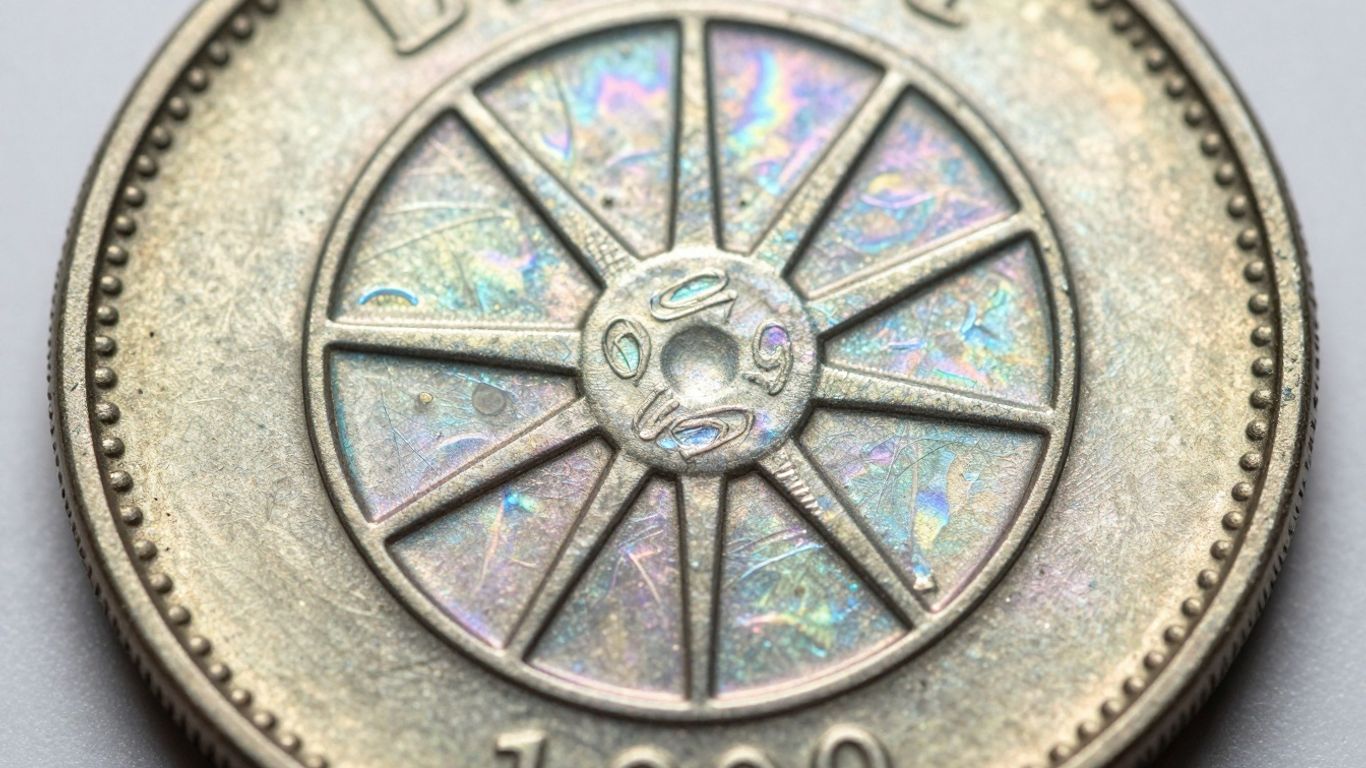
When a coin leaves the mint, it possesses a unique surface quality known as luster. This isn’t just a simple shine; it’s a complex interplay of light reflecting off the microscopic peaks and valleys of the coin’s surface, created during the striking process. For uncirculated coins, this luster is often vibrant and dynamic. As you tilt the coin under a light source, you can observe a swirling pattern of light and shadow, commonly referred to as the "cartwheel effect." This visual phenomenon is a strong indicator that the coin has not been subjected to the rigors of circulation.
Identifying Circulation Through Luster Loss
Circulation is the enemy of original luster. When a coin is used as currency, it rubs against other coins, paper money, and the surfaces it encounters. This friction gradually wears down the microscopic texture of the coin’s surface. Consequently, the ability of the surface to reflect light in that dynamic, swirling manner diminishes. A coin that has been in circulation will typically appear duller and lack the vibrant cartwheel effect seen on uncirculated examples. High points of the design, like the hair on a portrait or the lettering, are often the first areas to show wear and luster loss, appearing flattened or smoothed.
The Visual Appeal of the Cartwheel Effect
The cartwheel effect is more than just a sign of an uncirculated coin; it’s a significant part of its aesthetic appeal for many collectors. This effect is particularly noticeable on coins with well-preserved, original surfaces. The way light dances across the fields and devices of the coin can be mesmerizing. It speaks to the coin’s journey, or rather, its lack thereof, from the mint to the collector’s hands. Observing this effect requires good lighting and a gentle rotation of the coin. It’s a characteristic that seasoned numismatists look for immediately when evaluating a coin’s condition and originality. The intensity and coverage of this luster can vary significantly between coins, even those from the same mint run, adding another layer of interest for collectors.
The Science Behind Coin Luster
How Minting Processes Create Surface Radiance
Ever wonder why some coins just seem to glow? It all starts at the mint. When coins are struck, the metal is subjected to immense pressure between two dies. This process doesn’t just imprint the design; it also creates a very smooth, reflective surface on the coin’s fields (the flat areas). Think of it like polishing metal – the minting process itself is a form of intense polishing. This original, untouched surface is what we call luster. It’s the coin’s original finish, reflecting light in a way that makes it look almost liquid or silky. The way light bounces off these microscopic imperfections and the overall smoothness is what gives a coin its characteristic ‘cartwheel’ effect when you tilt it. It’s a sign that the coin hasn’t been handled much since it left the mint. This pristine surface is a key indicator for mint state coins.
The Role of Metal Composition in Luster
Not all metals are created equal when it comes to shine. The type of metal a coin is made from plays a big part in how it looks and how it holds onto that original shine. For example:
- Gold and Silver: These precious metals are naturally quite reflective and tend to develop a pleasing, often colorful, toning over time rather than losing their luster completely. They can maintain a bright, satiny appearance for a long time.
- Copper: Copper coins, especially older ones, can be tricky. They often develop a deep, rich patina, which is a form of oxidation. While this patina can be attractive, it’s different from the bright, reflective luster of a brand-new coin. Harsh cleaning can easily damage copper’s surface.
- Nickel and Clad Coins: Coins made of nickel or clad (like many modern US coins) can also show a strong cartwheel effect. However, they can also be prone to developing a duller appearance or showing scratches more readily than gold or silver.
The purity of the metal also matters. Higher purity metals generally have a more brilliant luster.
Factors Affecting Luster Retention Over Time
So, a coin leaves the mint with that beautiful shine. What makes it stick around, or disappear? Several things can happen:
- Handling: This is the big one. Every time a coin is touched, passed around, or used in commerce, its delicate surface gets rubbed. This friction wears down the microscopic peaks and valleys that create the cartwheel effect, making the surface look duller or more ‘milky’.
- Environment: Where a coin is stored makes a difference. Exposure to moisture, air pollution, or even certain types of packaging can cause the metal to react, leading to toning or corrosion. This changes the surface appearance and can obscure the original luster.
- Cleaning: This is often the most damaging factor. Even a gentle wipe with a cloth can remove or alter the original luster. Harsh cleaning methods, like scrubbing or using chemicals, can permanently damage the surface, leaving it with a ‘scratched’ or ‘etched’ look that no amount of polishing can fix.
The original surface of a coin is its most fragile and valuable characteristic. Once that mint-induced reflectivity is compromised, it’s usually gone for good. Collectors often refer to this original surface as ‘bag marks’ or ‘contact marks’ when they are minor imperfections, but the overall sheen is what truly defines uncirculated status.
Understanding these scientific basics helps explain why some coins look so much better than others, even if they’re the same date and mint mark.
Preserving Cartwheel Luster
Maintaining the original cartwheel luster on a coin is paramount for collectors who appreciate its aesthetic appeal and its impact on a coin’s value. This radiant surface is a direct result of the minting process, where polished dies strike metal planchets, imparting a mirror-like finish. Over time, this delicate surface can be compromised by improper handling, environmental factors, or cleaning attempts. Protecting this original mint state is often the difference between a common coin and a numismatic treasure.
Proper Handling Techniques for Collectors
Handling coins requires a mindful approach to avoid damaging their surfaces. The oils and acids present on human skin can cause irreversible toning or corrosion, especially on softer metals like silver and copper. It is advisable to always handle coins by their edges, using a soft cotton cloth or, preferably, cotton gloves. Avoid touching the obverse (front) or reverse (back) of the coin, as even slight friction can diminish the luster.
- Use cotton gloves: These provide a barrier between your skin and the coin’s surface.
- Handle by the edge: Always grasp the coin’s rim to avoid contact with the fields and devices.
- Work over a soft surface: If you must handle a coin without gloves, do so over a clean, soft cloth to prevent damage if dropped.
Storage Solutions to Prevent Degradation
Appropriate storage is critical for long-term preservation. Coins should be housed in inert materials that do not react with the metal. Avoid plastics containing PVC (polyvinyl chloride), as they can break down and release harmful chemicals that cause green or brown "plastic damage." Opt for archival-quality flips, albums, or capsules made from materials like Mylar, polyethylene, or polypropylene.
- Individual holders: Use inert plastic capsules or Mylar flips for each coin.
- Storage albums/boxes: Select albums or boxes made from acid-free materials.
- Environmental control: Store collections in a cool, dry environment with stable humidity levels, away from direct sunlight and potential pollutants.
The goal of preservation is to arrest any further degradation and maintain the coin’s condition as it was when acquired. This means creating a stable environment that minimizes exposure to damaging elements.
The Impact of Cleaning on Luster
Cleaning a coin, even with the best intentions, can severely damage its original luster and significantly reduce its numismatic value. Most cleaning methods, whether abrasive or chemical, will remove or alter the delicate mint surface, leaving behind microscopic scratches or a dull, unnatural appearance. This is often referred to as "hairlining" or "cleaning damage." While some collectors might attempt to "improve" a coin’s appearance, experienced numismatists and grading services recognize that original, uncleaned surfaces are far more desirable.
- Abrasive cleaning: Rubbing with cloths, erasers, or polishing compounds will scratch the surface.
- Chemical cleaning: Soaking in solutions can alter the metal’s surface and cause unnatural toning.
- Ultrasonic cleaning: While sometimes used for removing loose debris, it can also damage delicate surfaces or luster.
Distinguishing between original mint luster and artificial shine created by cleaning is a key skill for collectors. The "cartwheel" effect, a swirling pattern of light that moves across the coin’s surface as it is tilted, is a hallmark of original luster and is often diminished or destroyed by cleaning.
Cartwheel Luster and Coin Valuation
How Luster Influences Perceived Condition
The presence and quality of cartwheel luster are direct indicators of a coin’s journey since its minting. Uncirculated coins, by definition, have not passed through commerce and thus retain their original mint luster. This radiant sheen, which shifts and plays as light moves across the coin’s surface, is often described as the "cartwheel effect." A strong, vibrant cartwheel is a primary visual cue that a coin has likely avoided circulation. Conversely, a dull, lifeless surface, or one with noticeable wear on the high points of the design, suggests the coin has been handled and used. This perceived condition is fundamental to how collectors and dealers assess a coin’s state. A coin that looks like it just left the mint, even if it’s decades old, is generally viewed as being in a superior state of preservation compared to one that shows signs of wear, regardless of its age.
The Premium for Coins Retaining Original Luster
Coins that have successfully held onto their original cartwheel luster often command a significant price premium. This isn’t just about aesthetics; it’s about authenticity and preservation. Collectors seek coins that represent a specific moment in time, as close to their original state as possible. A coin with exceptional luster is a testament to careful handling and storage from the moment it left the mint. This desirability translates directly into market value.
- High Luster: Coins exhibiting a full, vibrant cartwheel effect are the most sought after.
- Moderate Luster: Some original luster may be present, but it might be less intense or show slight wear.
- Luster Loss: Coins that have clearly been circulated will have little to no original luster, appearing dull or worn.
- Artificial Shine: Surfaces that appear overly bright or "milky" might indicate cleaning, which is detrimental to value.
Distinguishing True Luster from Artificial Shine
It’s vital for collectors to learn how to differentiate genuine cartwheel luster from artificial shine, which can result from cleaning or polishing. True luster has a dynamic quality; it moves and changes as the coin is tilted. It often has a subtle, almost liquid appearance. Artificial shine, on the other hand, tends to be more uniform, flat, or even greasy-looking. It might appear too bright or lack the depth and movement of original mint luster.
Learning to identify original cartwheel luster is a skill that develops with experience. It involves careful observation under good lighting and comparison with known examples. A coin’s surface texture, the way light reflects, and the absence of cleaning marks are all key indicators. Misidentifying artificial shine as original luster can lead to overpaying for a coin that has been damaged.
Here’s a simple way to think about it:
- Observe the light: Does it dance and shift like a wheel, or does it glare uniformly?
- Check for wear: Are the high points of the design still sharp, or are they smoothed down?
- Look for cleaning marks: Are there any hairlines or a "squeaky clean" appearance under magnification?
Understanding these nuances is key to making informed purchasing decisions and building a collection that truly holds its value.
Case Studies in Luster Preservation
Comparing Cleaned vs. Uncleaned Specimens
When we look at coins, especially those that are supposed to be in top shape, the surface is a big deal. Take two coins that are otherwise identical – same date, same mint mark, same design. If one still has that original, almost liquid-looking shine, and the other has been rubbed down, maybe with a cloth or something harsher, the difference in appearance is striking. The cleaned coin often looks dull, maybe even scratched if you look closely. The uncleaned one, though, it just seems to glow. This isn’t just about looks; it’s about history and how the coin has been treated.
The Value of Original Surfaces
Serious collectors know that a coin’s original surface is incredibly important. It tells a story about the coin’s journey from the mint to your collection. When a coin has been cleaned, especially aggressively, it can lose that special cartwheel effect. This effect is that dynamic, swirling pattern of light that reflects off the coin’s surface when you move it. It’s a sign of an untouched, uncirculated coin. A coin that has been cleaned, even if it looks shiny afterward, is usually worth less. Why? Because that original surface is gone forever. It’s like taking a pristine painting and trying to ‘restore’ it by painting over parts of it – you just can’t get that original look back.
Examples of Coins with Exceptional Luster
Think about certain series known for their beautiful luster. Early silver dollars, for instance, often come with a deep, frosty appearance that can be absolutely mesmerizing. Or consider some of the older copper coins; when they’ve been preserved well, they can develop a rich, reddish-brown patina that collectors find very appealing. Even modern commemorative coins, if they haven’t been handled much, can retain a brilliant, mirror-like finish. The key is that the minting process created a specific surface texture, and if that texture is protected from wear and improper cleaning, the luster can last for decades, even centuries. It’s a testament to both the mint’s work and the collector’s care.
The subtle differences in how light plays across a coin’s surface can be the deciding factor between an average piece and a truly remarkable one. This visual quality, often referred to as luster, is a direct indicator of a coin’s journey and its state of preservation.
Advanced Numismatic Concepts
The Importance of Strike Quality
The way a coin is struck by the mint presses has a big impact on its appearance and value. A strong strike means the details on the coin are sharp and clear, especially on the high points like a portrait’s hair or the lettering around the rim. When a strike is weak, these details can look mushy or even be missing entirely. This is something collectors really pay attention to, especially when looking at older coins or those from less precise minting operations.
Think about it like this:
- Full Detail: All parts of the design are present and sharp.
- Partial Detail: Some high points might be a bit soft or not fully formed.
- Weak Strike: Significant parts of the design are missing or very indistinct.
A coin with a strong, full strike is generally more desirable than one with a weak strike, all other factors being equal. This is because it shows the intended artistry of the coin design to its fullest potential.
Understanding Mint Marks and Their Impact
Mint marks are small letters or symbols found on a coin that tell you where it was made. For example, a ‘D’ might mean Denver, and an ‘S’ might mean San Francisco. These little marks can make a huge difference in a coin’s rarity and value. Some mints produced far fewer coins than others, or perhaps a particular mint mark was only used for a short period.
Here’s a quick look at why they matter:
- Rarity: A coin with a rare mint mark can be much scarcer than the same date and denomination from a more common mint.
- Variety Identification: Sometimes, slight differences in mint marks can indicate a specific die variety, which adds another layer of interest for specialists.
- Historical Context: Mint marks can tell a story about the distribution and production of coinage during a specific era.
Collectors often specialize in coins from a particular mint or seek out the rarest mint mark varieties for their chosen series.
The Role of Provenance in Coin Value
Provenance refers to the history of ownership for a coin. If a coin can be traced back through a series of well-known collectors or was part of a famous collection, that history can add significant value. It’s like owning a piece of art that once belonged to a famous artist – the association itself adds prestige.
Provenance provides a documented chain of custody, offering assurance of authenticity and often indicating that the coin has been cared for by knowledgeable individuals over time. This historical pedigree can make a coin stand out, even among others of the same grade and type.
For example, a coin that was once in the collection of a prominent numismatist from the early 20th century might command a premium because of its documented past. This history is often verified through old auction catalogs, collection inventories, or direct inscriptions on the coin’s holder.
Navigating the Coin Market
Identifying Rarity Through Mintage and Survival
When you’re looking at coins, figuring out how common or rare they are is a big part of the game. It’s not just about how many were made initially. Sometimes, a coin might have started with a huge production run, but then, maybe because of rising metal prices, a lot of them got melted down. This means the number of coins still around today can be way smaller than you’d think. Looking at ‘population reports’ is a smart move. These reports show you how many of a specific coin exist in a certain condition. This kind of information helps you make better decisions when you’re bidding on coins or deciding what to buy, so you don’t end up paying too much for something that’s not actually that hard to find.
The Influence of Market Cycles on Prices
Coin prices can go up and down, kind of like the stock market. There are times when certain types of coins are really popular, and prices shoot up. Then, other times, interest might cool off, and prices can drop a bit. But here’s the thing: coins that have real historical importance or just look amazing tend to hold their value over the long haul. It’s like they have a steady appeal that doesn’t get shaken too much by short-term trends. Focusing on quality and historical significance can be a good way to build a collection that stays desirable, no matter what the market is doing.
Building Relationships with Dealers and Auction Houses
Getting to know people in the coin world is super helpful. Going to coin shows and talking to dealers can give you a feel for what’s out there and what looks genuine. You can learn a lot by just handling different coins and seeing how they’re presented. Sometimes, you can even find coins through private deals that never even make it to a public auction. Building these connections can lead to some great opportunities. It’s also wise to work with reputable auction houses. They usually do a good job of presenting coins accurately and have a process that buyers can trust. A strong network can open doors to coins you might not find otherwise.
Building a collection isn’t just about buying coins; it’s about learning and connecting. Understanding the history behind a coin, its rarity, and its place in the market takes time and effort. Don’t rush the process. Take the time to research, ask questions, and develop your own eye for quality. This patient approach will serve you much better in the long run than trying to grab every coin you see.
The Historical Significance of Coinage
Coins as Tangible Pieces of History
Coins are more than just metal discs used for trade; they are tiny time capsules, each one carrying a story from the past. Think about it – a coin minted centuries ago has passed through countless hands, witnessed historical events, and traveled across lands. It’s a direct link to the people and societies that created and used it. When you hold an old coin, you’re not just holding metal; you’re holding a piece of history that you can actually touch. This connection to the past is a big part of what makes collecting coins so fascinating.
The Evolution of Minting Technology
The way coins are made has changed a lot over time, and these changes tell their own story about human ingenuity. Early coins were often irregular shapes, struck by hand between two dies. This process was slow and could result in off-center designs. Later, the invention of the screw press and then the steam-powered press allowed for more uniform coins to be produced much faster. This technological progress wasn’t just about making more coins; it also meant better designs and more security features to prevent counterfeiting.
Here’s a look at some key milestones:
- Ancient Hand-Striking: Irregular shapes, unique designs, but inconsistent quality.
- Early Machine Stamping: More uniform coins, but still labor-intensive.
- Industrial Revolution Presses: Mass production, consistent quality, and intricate designs become possible.
- Modern Minting: High-speed presses, advanced alloys, and sophisticated security features.
Thematic Collecting and Personal Narratives
Many collectors find that focusing on a specific theme makes their hobby even more engaging. Instead of just collecting random coins, you can build a collection around a particular subject that interests you. Maybe you’re drawn to coins that feature animals, famous buildings, or historical figures. This approach allows you to create a personal narrative within your collection, turning it into a unique reflection of your own interests and passions. It’s like curating a mini-museum that tells a story you care about.
Building a collection around a theme can transform the hobby from a simple acquisition exercise into a journey of discovery. It encourages deeper research into the chosen subject matter, connecting the coins to broader historical, cultural, or artistic contexts. This focused approach often leads to a more cohesive and meaningful collection that holds personal significance beyond its monetary worth.
Essential Tools and Resources for Collectors
To really get into coin collecting, especially when you’re looking at that shiny cartwheel luster, you need a few things. It’s not just about having the coins; it’s about being able to see them properly and keep them in good shape. Think of it like a painter needing brushes and good light – you need the right gear too.
Magnifying Loupes for Detailed Inspection
This is probably your most important tool. You can’t see the tiny details that make a coin special, like mint marks or faint hairlines, with just your eyes. A good magnifying loupe lets you get up close. Most collectors go for something with at least 10x magnification. This level allows you to spot subtle surface marks and verify details that are key to a coin’s condition and authenticity. Some people even use digital microscopes now, which can be hooked up to a computer or phone, but a solid loupe is where most people start.
Protective Storage Materials
Once you have a coin, keeping it that way is the next big challenge. The oils from your fingers can actually damage a coin over time, causing it to tone or even corrode. That’s why handling coins with cotton gloves is a good idea, especially if they have that beautiful original luster you want to preserve. For storing them, you’ll want to avoid anything made of PVC (polyvinyl chloride), as it breaks down and can harm the metal. Instead, look for:
- Mylar flips: These are clear plastic holders that are safe for coins. You can often find ones that are designed to hold two coins, allowing you to keep a coin and its counterpart together.
- Non-PVC binders and pages: If you like to keep your coins in an album, make sure the pages and pockets are made from safe materials.
- Coin capsules: These are hard plastic cases that fit snugly around a coin, offering excellent protection. They come in various sizes for different denominations.
Numismatic Literature and Reference Guides
Knowing what you have is just as important as having it. This is where books and other resources come in. There are tons of reference guides out there that can help you identify different coin series, understand their grading, and learn about their history. Some popular ones include:
- The Red Book (A Guide Book of United States Coins): This is a go-to for U.S. coins, offering pricing, grading information, and historical details.
- Sheldon Scale Guides: Understanding the grading scale (from 1 to 70) is vital, and many books explain this in detail.
- Specialized Series Books: If you collect a specific type of coin, like Morgan Dollars or Lincoln Cents, there are dedicated books that go deep into varieties, errors, and historical context.
The numismatic world is vast, and staying informed is a continuous process. Building a small library of trusted reference materials is an investment that pays dividends in making smarter collecting decisions and avoiding costly mistakes. It’s about more than just the coin itself; it’s about understanding its place in history and the market.
Beyond these basics, many collectors find value in joining numismatic societies or online forums. These communities offer a chance to learn from others, share your finds, and get advice from people who have been collecting for years. It’s a great way to stay connected and keep your knowledge sharp.
Ethical Considerations in Collecting
Maintaining Integrity in Transactions
When you’re buying or selling coins, being honest is really important. It’s not just about making a sale; it’s about building trust. This means describing coins accurately, pointing out any flaws or repairs, and not trying to pass off a cleaned coin as original. Honesty in every deal builds a good reputation that lasts. Think about it: would you want to buy from someone who misled you? Probably not. The numismatic community thrives on trust, and a single dishonest act can damage that for everyone involved.
Respecting Cultural Heritage Laws
Some coins, especially older ones, are considered cultural artifacts. There are laws about where these coins can come from and how they can be moved across borders. It’s up to us collectors to know these rules. Buying coins with a clear history, meaning you know where they came from and that they were obtained legally, is key. This protects you from legal trouble and helps keep historical items where they belong, accessible for study and appreciation.
Long-Term Collection Strategy and Succession Planning
Building a coin collection is often a long-term project. It’s smart to think about what you want your collection to be in the future. This might mean upgrading coins over time, perhaps selling a few average pieces to buy one really nice one. It’s also important to plan for what happens to your collection after you’re gone. Keeping good records of what you bought, what you paid, and why each coin is special can make things much easier for your family or heirs. They’ll know what they have and how to handle it, whether that’s selling it, donating it, or keeping it.
- Accurate Record Keeping: Maintain a detailed inventory of your collection, including purchase dates, prices, grading information, and any relevant historical notes.
- Portfolio Review: Periodically assess your collection. Consider selling pieces that no longer fit your collecting goals or that could be upgraded.
- Estate Planning: Document your wishes for the collection’s future. This could involve designating beneficiaries, suggesting auction houses, or specifying desired charities for donations.
Thinking ahead about your collection’s future ensures its legacy is preserved and that your passion can continue to be appreciated by others, avoiding potential complications or loss of value for your loved ones.
Wrapping Up Our Look at Cartwheel Luster
So, we’ve gone over what makes that shiny "cartwheel" effect happen on coins and why it matters. It’s not just about looks; that original luster can really tell you a lot about a coin’s past and its condition. For collectors, spotting and appreciating this shine is a big deal, often meaning a coin is worth more. It’s a detail that separates a coin that’s just been handled from one that’s been carefully kept. Keep an eye out for that gleam next time you’re looking at coins – it’s a key part of their story and value.
Frequently Asked Questions
What exactly is 'cartwheel luster' on a coin?
Cartwheel luster refers to the shiny, swirly look a coin gets when it’s brand new and hasn’t been touched or used. When you tilt the coin, light bounces off its surface in a way that looks like a spinning wagon wheel. It’s a sign that the coin is in perfect condition, straight from the mint.
How can I tell if a coin has lost its cartwheel luster?
Coins that have been handled a lot or used as money will start to look dull. You won’t see that bright, shiny swirl anymore. The raised parts of the design might look a bit worn down, and the flat areas, called fields, will lose their original gleam. It’s like comparing a brand-new car to one that’s been driven for years.
Why is cartwheel luster important for coin collectors?
Collectors highly value coins that still have their original cartwheel luster because it shows the coin is in top-notch condition. Coins that keep this shine are usually worth much more money than ones that look worn out. It’s a key sign of a coin’s quality and rarity.
Does the type of metal affect a coin's luster?
Yes, the metal a coin is made from plays a big role. Shiny metals like silver and gold naturally hold their luster better than softer metals like copper. Different metals also react differently to the air and environment over time, which can change how they look.
What's the best way to store coins to keep their luster?
To protect a coin’s shine, it’s best to keep it in a safe place where it won’t get scratched or dirty. Use special holders made for coins, like plastic flips or sealed cases, and store them in a cool, dry spot away from humidity. Never touch a coin’s surface with your bare fingers, as oils can damage it.
Is it ever okay to clean a coin?
Generally, cleaning a coin is a big no-no for collectors. Even gentle cleaning can remove the original surface and its valuable luster, making the coin worth less. It’s much better to leave a coin as it is, even if it looks a bit dirty, rather than risk damaging its value through cleaning.
How does the way a coin was made affect its luster?
The minting process itself creates the coin’s surface shine. When coins are stamped with immense pressure, the metal flows and creates a smooth, reflective surface. How well the machines were set up and the quality of the metal used during minting all contribute to how much luster a coin will have initially.
Can artificial shine be mistaken for real cartwheel luster?
Yes, sometimes people try to make old coins look shinier than they really are, which can be misleading. Real cartwheel luster has a distinct, natural look that develops from the minting process. Artificial shine might look too bright or uneven, and experienced collectors can usually tell the difference.