
Figuring out what makes a coin valuable can seem complicated. There are so many things to think about, from how rare it is to how well it’s been kept. This article breaks down the main coin value determining factors. We’ll look at everything from the metal inside to how many people want to collect it. Understanding these points helps anyone interested in coins, whether they’re just starting or have been collecting for years.
Key Takeaways
- The rarity of a coin, meaning how few were made, is a big reason why it’s worth a lot. Limited mintages mean fewer coins are available for collectors.
- The condition of a coin is super important. A coin that looks almost new will be worth much more than one that’s worn out or damaged.
- Coins made of precious metals like gold and silver have a base value, but their worth can go much higher based on their rarity and condition.
- Demand from collectors and how much attention coins get at auctions really affects their price. Popular coins or those that sell for a lot at auction become more desirable.
- Things happening in the wider economy, like inflation, can make people want to invest in coins as a safer place for their money.
Understanding the Core Coin Value Determining Factors
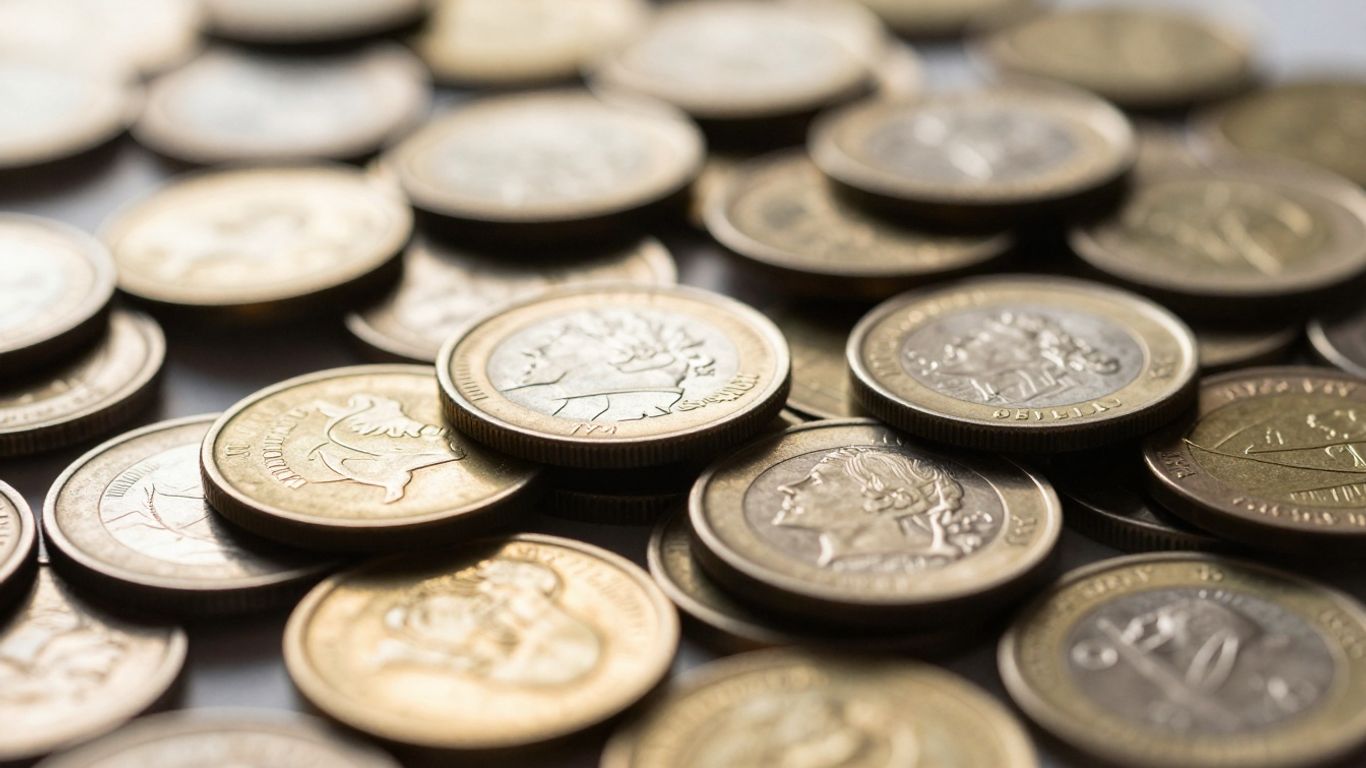
When you first start looking into coins, it can seem like a lot. There are so many things that can make one coin worth way more than another, even if they look pretty similar at first glance. It’s not just about the metal they’re made of, though that’s part of it. Several key elements come into play, and understanding them is the first step to figuring out what makes a coin truly special in the eyes of collectors and investors.
Rarity and Limited Mintage
Think about it: if there are only a few of something in the world, it’s naturally going to be more sought after than something everyone has. The same goes for coins. When a mint produces a coin, they decide how many to make. Sometimes, they make millions, and other times, for special issues or certain years, they might only make a few thousand, or even fewer. This number, known as the mintage, is a big deal. A coin with a low mintage is much rarer, and rarity almost always means higher value, assuming there’s interest in it.
- Low Mintage: Fewer coins produced means greater scarcity.
- Key Dates: Specific dates or mint marks within a series that had particularly low production runs.
- Proof and Uncirculated Strikes: Special finishes often have lower mintages than regular circulation strikes.
The number of coins originally made is a primary driver of scarcity. If a coin was only ever intended for a short period or a specific event, its limited production run sets the stage for its future desirability.
Condition and Preservation
This is a huge one. Even if a coin is super rare, if it’s all scratched up, bent, or heavily worn, its value can drop dramatically. Collectors want coins that look as close to how they did when they were first made. This is where the concept of ‘condition’ or ‘grade’ comes in. A coin that’s in perfect, uncirculated condition will be worth far more than the exact same coin that’s been passed around as change for years. Preservation is key; how well a coin has been kept over time directly impacts its appeal and price.
- Mint State (MS): Coins that have never been used in commerce and show no wear.
- About Uncirculated (AU): Coins with very minor wear, often only visible under magnification.
- Extremely Fine (XF): Coins showing some wear on the high points but still retaining a good amount of detail.
Historical Significance and Provenance
Sometimes, a coin is valuable not just because it’s rare or in good shape, but because of its story. Was it owned by someone famous? Was it minted during a really important historical event? Coins that have a documented history, known as provenance, can fetch much higher prices. Think about a coin that was part of a famous shipwreck hoard or owned by a president. That extra layer of history makes it more than just a piece of metal; it becomes a tangible link to the past, and that’s something many collectors are willing to pay a premium for.
The Influence of Precious Metals on Coin Value
When we talk about coins, especially older ones or those made for investment, the stuff they’re made of really matters. It’s not just about how they look or how old they are; the actual metal content gives a coin a base value. Think of it like this: a coin made of gold or silver is always going to be worth at least what that metal is worth on the market today. This is a big deal because it means these coins have a floor price, something that keeps their value from dropping too low, even if they aren’t super rare or in perfect shape. This intrinsic metal content acts as a kind of safety net, making them attractive when other investments seem risky.
Intrinsic Metal Content
The core value of many coins comes directly from the precious metals they contain. Gold and silver are the usual suspects here. The amount of gold or silver in a coin, measured in troy ounces, combined with the current market price of that metal, sets a minimum value. This is often referred to as the "melt value." For investors looking for stability, especially during times of economic uncertainty, coins with high precious metal content are often seen as a safe bet. They are tangible assets that hold their worth, unlike paper money which can lose value due to inflation. The metallic content of a coin significantly influences its market stability and value, often acting as a hedge against inflation. Coins with higher precious metal content tend to be more stable. This is why you’ll often see gold and silver coins discussed as investment vehicles, not just collectibles. It’s a straightforward calculation: more metal at a higher price equals a higher base value for the coin.
Silver Coin Appeal
Silver coins have a long history of being valued, both for their use in trade and for their beauty. Think about classic coins like the Morgan Silver Dollar or the Peace Dollar. These coins are sought after not just because they contain silver, but also because of their designs and the historical periods they represent. Even if the price of silver goes up or down, these coins often hold a special appeal to collectors. Some silver coins are incredibly rare, meaning their value goes way beyond just the silver content. A few thousand of these coins might exist in top condition, and collectors really want them. This rarity, combined with the silver’s inherent worth, makes them a popular choice for building a collection that has both aesthetic and financial appeal. It’s a mix of history, art, and metal that keeps silver coins in demand.
Gold Coin Premiums
Gold coins are in a league of their own when it comes to value. While the gold content provides a significant baseline worth, the real excitement for collectors and investors often comes from the "premium." This premium is the amount a coin sells for above its melt value. What drives this premium? Several things: rarity, condition, historical importance, and collector demand. For instance, a pre-1933 U.S. gold coin in excellent condition might be worth much more than just the gold it contains. The market for these coins can be quite active, with auctions sometimes setting record prices. This shows that for gold coins, the numismatic value—the value derived from its collectible status—can far outweigh its intrinsic metal value. It’s this combination of gold’s inherent desirability and the coin’s unique characteristics that makes gold coins such a fascinating area of numismatics. Many people are drawn to them as a way to preserve wealth, especially when economic conditions are shaky. You can find more information about coin values at Global Coin.
Market Dynamics and Collector Demand
Auction Momentum and Record Prices
The coin market isn’t just about old metal; it’s a lively scene where prices can really take off. Think of auctions as the main stage. When a rare coin goes up for bid, especially one with a great story or in amazing shape, people get excited. This excitement can push prices way beyond what anyone expected. We’ve seen auction records shattered year after year, with coins selling for millions. This isn’t just happening in fancy auction houses either; online platforms have made it easier for collectors worldwide to jump in and bid. It’s a bit like watching a bidding war for a piece of art, but with coins.
Collector Interest and Registry Competitions
Beyond the big auction events, there’s a whole community of dedicated collectors. Many focus on specific types of coins, like a certain year or mint mark, or coins from a particular historical period. These collectors often participate in "registry competitions," where they try to assemble the finest set of a particular coin series. Having the top set, verified by grading services, can make individual coins in that set incredibly desirable. It’s a bit like a competitive sport for coin enthusiasts, and it really drives up the value of coins that help complete these coveted collections. It’s not just about owning a coin; it’s about owning the best coin for a specific purpose.
Market Capitalization and Investment Attention
When we talk about "market cap" for coins, it’s a bit different than stocks, but the idea is similar. It’s about the total value of a specific group of coins. If a certain type of coin, like early U.S. silver dollars, has a high overall value and lots of people are collecting them, it attracts more attention. This bigger "market cap" often means more interest from serious collectors and even investors looking for tangible assets. It’s a sign that this coin category is seen as stable and desirable. For instance, when the total value of these silver dollars goes up, you often see individual coin prices follow suit. It’s a sign of growing demand meeting perceived scarcity, especially for those looking to preserve wealth.
The coin market thrives on a mix of passion and smart investment. While intrinsic metal value provides a floor, it’s the combination of rarity, condition, historical context, and the sheer enthusiasm of collectors that truly dictates a coin’s worth. Auction results and competitive collecting environments act as powerful indicators of current demand and future potential.
The Role of Grading and Authentication
Professional Grading Services (PCGS, NGC)
When you’re looking at coins, especially ones that might be worth more than face value, you’ll quickly run into the names PCGS and NGC. These are the big players when it comes to grading coins. Think of them like the official referees for coin condition. They have teams of experts who look at a coin and give it a score based on how well it’s preserved. This score is super important because it tells potential buyers exactly what they’re getting. A coin’s grade can dramatically affect its price, sometimes by thousands or even millions of dollars.
Condition Rarity and Grading Multipliers
So, what’s "condition rarity"? It’s basically how rare a coin is in a specific, high grade. You might have a coin that was made in large numbers, like a common date quarter. But if you find one that’s in absolutely perfect, uncirculated condition, with no scratches or wear at all, that specific coin becomes very rare in that top condition. Grading services use a scale, usually from 1 to 70. A coin graded MS65 (Mint State 65) is considered very good, but an MS66 might be worth significantly more. This jump in value as the grade increases is what people mean by "grading multipliers." It’s not just about the date and mint mark anymore; the coin’s physical state is a huge part of its story and its price tag.
Authenticity Verification
Beyond just grading the condition, these services also make sure the coin is real. It sounds obvious, but with valuable coins, there are always people trying to make fakes. When a coin is authenticated and graded by a reputable service like PCGS or NGC, it comes back in a special sealed holder, often called a "slab." This slab has a label with the coin’s grade, its unique identification number, and a hologram or other security features. This process gives collectors confidence that they are buying a genuine piece of history, not a clever imitation. It’s a vital step for anyone serious about buying or selling higher-value coins.
Macroeconomic Forces Shaping Coin Valuation
It’s easy to get caught up in the specifics of a coin’s condition or its rarity, but sometimes, the biggest influences on value are happening far beyond the coin itself. Think about the broader economy – things like inflation, how stable markets feel, and general economic uncertainty. These big-picture forces can really shift how much people are willing to pay for coins, especially the more valuable ones.
Inflationary Periods and Safe Haven Assets
When prices for everyday goods start climbing, people often look for places to put their money where it won’t lose value as quickly. This is where coins, particularly those made of precious metals like gold and silver, can become really attractive. They’re seen as a way to protect wealth. Unlike paper money, which can lose purchasing power during inflation, a gold coin still holds its intrinsic metal value, and often, its historical or collector value too. This makes them a kind of "safe haven" asset. During times of high inflation, demand for these tangible assets tends to increase.
Market Volatility and Tangible Assets
Stock markets can be a rollercoaster, right? When things get unpredictable and volatile, investors sometimes pull their money out of stocks and other more speculative investments. They might then turn to things that feel more solid and real, like rare coins. These aren’t tied directly to the day-to-day ups and downs of the stock market. A coin’s value might be influenced by its metal content, but its numismatic appeal – its history, rarity, and condition – can provide a buffer against broader market swings. This is why you might see increased interest in coins when other markets are shaky. It’s about finding stability in physical assets. For more on how external factors affect markets, you can look into recent cryptocurrency price trends.
Economic Uncertainty and Wealth Preservation
When the economic future feels unclear, people with significant wealth often focus on preserving what they have. This is where high-value, rare coins come into play. They are seen not just as collectibles but as a way to safeguard fortunes. Think of coins with significant historical importance or those produced in very limited numbers. Their value isn’t solely tied to the metal; it’s also about their scarcity, desirability, and the story they tell. These coins can act as a hedge against economic downturns, offering a tangible store of value that can be passed down through generations. It’s a strategy focused on long-term security rather than short-term gains.
Identifying High-Value Coins in Circulation
You might be surprised to learn that some of the most interesting finds aren’t just in specialized dealers’ cases or high-profile auctions. Sometimes, a treasure can be hiding right in your pocket change. While finding a million-dollar rarity in your everyday spending is unlikely, there are definitely coins that circulate that are worth more than their face value. It’s all about knowing what to look for.
Pocket Change Discoveries
Keep an eye out for coins that stand out. This could be due to a specific mint mark, a year that’s known to be scarce, or even just a coin that looks a bit ‘off.’ For instance, certain years and mint marks of Lincoln cents, like the 1909-S VDB, are highly sought after. Even modern coins can have value; a 1976-S Bicentennial Silver Quarter, for example, can fetch a good price if it’s in nice condition. The thrill of finding a valuable coin in circulation is a big part of the hobby for many. It encourages a closer look at the coins we handle every day, turning ordinary transactions into potential treasure hunts. You can find more details on what makes coins valuable in 2025 here.
Notable Error Coins
Mistakes happen during the minting process, and sometimes these errors create coins that are much more desirable to collectors. These can range from simple things like a weak strike to more complex issues like a doubled die or a coin struck on the wrong planchet (the blank metal disc). For example, a Lincoln cent with a doubled die obverse can be worth thousands, depending on the severity of the doubling and the coin’s overall condition. Similarly, coins with off-center strikes or those missing their edge lettering can be quite valuable.
Here are a few types of errors to watch for:
- Doubled Dies: When the die used to strike the coin is accidentally doubled, creating a "ghost" image.
- Off-Center Strikes: The coin planchet isn’t perfectly aligned in the striking press, resulting in a design that’s not fully centered.
- Struck Through: When a foreign object (like a piece of metal or cloth) is on the die or planchet during striking, leaving an impression.
- Missing or Doubled Edge Lettering: Particularly noticeable on Presidential Dollars, where the date, mint mark, and "E Pluribus Unum" are on the edge.
Key Date and Mint Mark Varieties
Some coin dates and mint marks are simply rarer than others. This scarcity, often due to lower production numbers or specific historical events, makes them more collectible. For example, the 1950-D Jefferson Nickel is a classic "key date" because fewer were minted compared to other years. Similarly, coins from the San Francisco (S) or Denver (D) mints can sometimes be rarer than those from Philadelphia (no mint mark), depending on the series and year. Always check a coin’s mint mark, usually found on the reverse or below the date, to understand its origin and potential rarity.
The pursuit of identifying high-value coins in circulation requires a keen eye for detail and a bit of luck. Understanding the common pitfalls and the specific characteristics that make a coin stand out is half the battle. Don’t dismiss coins that look unusual; they might just be the hidden gem you’re looking for.
Unique Characteristics That Elevate Value
Beyond the basics of metal content and general condition, certain quirks and imperfections can turn an ordinary coin into something truly special. These aren’t just flaws; they’re historical footnotes, manufacturing accidents that make a coin one-of-a-kind. Think of them as the coin world’s version of a birthmark – sometimes it’s just a mark, but other times, it’s what makes the piece stand out.
Mint Errors and Anomalies
Sometimes, the minting process doesn’t go quite right. These mistakes, known as mint errors, can happen at various stages. A common one is a "off-center strike," where the coin isn’t struck perfectly in the middle of the planchet (the blank metal disc). Another is a "double strike," where the coin is struck twice, often with the second strike slightly misaligned. Then there are "brockages," where a previously struck coin gets stuck in the minting machinery and damages subsequent planchets. These errors are usually unintentional, but they create scarcity. The more dramatic and obvious the error, the more collectors tend to value it.
Doubled Die Obverse and Reverse
This is a fascinating type of error that happens when the die used to strike the coin is itself doubled. You might see this as a "ghosting" effect on the design elements, like letters, numbers, or images appearing slightly offset or thickened. It’s not just a simple overstrike; the die itself was imperfectly engraved or prepared. Finding a doubled die can be a real treasure hunt, as these are often subtle and require a close look. Some doubled die varieties are much rarer and more sought-after than others, leading to significant price differences.
Edge Lettering Errors
Many coins have specific designs or text on their edges, like "E Pluribus Unum" or reeded patterns. Errors can occur here too. Sometimes, the edge lettering might be missing entirely, be doubled, or be applied to the wrong type of planchet. For instance, a coin that should have a plain edge might accidentally receive one with lettering. These edge anomalies, much like other mint errors, add a layer of uniqueness that collectors find appealing. They represent a deviation from the intended product, making the coin a rare variant.
The Impact of Design and Artistic Merit
Beyond the metal and the mint date, a coin’s appearance plays a big part in how much it’s worth. Think about it: some coins are just plain cool to look at, right? That’s where design and artistic quality come into play.
Iconic Coin Designs
Certain coin designs have become instantly recognizable, almost like famous paintings. These aren’t just pieces of metal; they’re miniature works of art that capture a moment in time or a national symbol. When a design is particularly striking or historically important, it can really boost a coin’s appeal to collectors. For instance, the Liberty Head Nickel, with its elegant portrait of Lady Liberty, is a classic example. Or consider the Saint-Gaudens Double Eagle, often praised for its stunning depiction of Liberty striding forward. These designs aren’t just pretty; they tell a story and connect us to the past.
- The Morgan Silver Dollar: Known for its detailed depiction of Lady Liberty and a majestic eagle.
- The Lincoln Cent (Wheat Reverse): A simple yet powerful design that became a staple for decades.
- The Buffalo Nickel: Celebrated for its Native American profile and the iconic bison on the reverse.
Artistic Appeal and Aesthetics
This is a bit more subjective, but it’s still a major factor. Some coins just have a certain ‘wow’ factor. Maybe it’s the way the sculptor handled the details, the balance of the imagery, or the overall impression it gives. A coin that looks good, even after years of circulation, can attract more attention. Collectors often look for coins that are not only rare and in good condition but also visually pleasing. It’s like choosing a piece of jewelry; you want something that looks good and feels right.
The visual appeal of a coin can significantly influence its desirability. A well-executed design, with clear lines and pleasing proportions, can make a coin stand out from others, even if they share similar rarity and condition.
Reverse Design Considerations
We often focus on the front of the coin, the obverse, but the reverse side is just as important. The imagery on the back can be just as iconic or historically relevant as the portrait on the front. Think about coins with detailed animals, historical scenes, or national emblems. A strong, well-executed reverse design can make a coin a two-sided masterpiece, adding to its overall charm and collector value. It’s another canvas for artistic expression that numismatists appreciate.
Navigating the Evolving Numismatic Market
The world of coin collecting isn’t static; it’s always changing. What was popular a decade ago might be different now, and new ways to buy, sell, and learn about coins pop up regularly. Staying informed means keeping an eye on these shifts.
Digital Valuation Tools
Gone are the days when you absolutely needed a thick catalog to get a sense of a coin’s worth. Today, online resources and specialized apps can give you quick estimates. These tools often pull data from recent sales and auction results, offering a snapshot of current market interest. They can be a great starting point for research, but remember they’re just estimates. For a more precise idea, especially for rare items, professional appraisal is still the way to go. You can find many of these tools when you look for current coin prices.
Coin Collecting Communities
Connecting with other collectors is more important than ever. Online forums, social media groups, and local coin clubs provide spaces to share knowledge, ask questions, and even find new additions for your collection. These communities are often the first to spot emerging trends or identify specific coins that are gaining attention. Sharing experiences with fellow enthusiasts can prevent costly mistakes and open doors to opportunities you might otherwise miss.
Shifting Market Trends
Market trends can change quickly. What’s hot one year might cool off the next. For instance, while gold and silver coins have a steady appeal, certain series or specific dates might see surges in popularity due to new research, a major auction find, or increased interest from a particular group of collectors. Keeping up with auction results and numismatic news helps you understand where the market is heading. It’s a good idea to pay attention to what’s happening, especially if you’re looking to build a collection that holds its value over time.
Building a Valuable Coin Portfolio
So, you’re thinking about putting together a coin collection that’s not just a hobby, but also a smart investment? That’s a great idea, but it takes more than just grabbing whatever looks shiny. You’ve got to be strategic about it. Think of it like planting a garden; you don’t just throw seeds around, you pick the right ones, prepare the soil, and tend to them. Building a coin portfolio is pretty similar.
Strategic Investment Decisions
When you’re picking coins, it’s not just about what you like. You need to look at the bigger picture. What’s the market doing? Are certain types of coins getting more attention lately? It’s a good idea to keep an eye on auction results and what collectors are talking about. Sometimes, a coin that seems ordinary might be a smart buy if you see a trend developing. Making informed choices based on market data and expert opinions is key to growing a collection that holds its value. Don’t just buy what’s popular right now; think about what might be popular in five or ten years.
Focusing on Quality and Rarity
This is where things get really interesting. You can have two coins that look almost identical, but one might be worth way more than the other. Why? Usually, it comes down to condition and how many were actually made. A coin that’s in near-perfect shape, with no scratches or wear, is going to fetch a much higher price than one that’s been tossed around in pockets for decades. And if a coin was only made in small numbers to begin with, that scarcity makes it more desirable. It’s like finding a rare book in mint condition versus one that’s falling apart – the difference in value can be huge.
Here are some things to keep in mind when looking for quality and rarity:
- Condition is King: Always look for coins with minimal wear. Even small imperfections can make a big difference.
- Mintage Matters: Coins produced in lower quantities are generally more sought after.
- Key Dates and Varieties: Certain dates or specific mint marks within a series are often much rarer and more valuable.
- Grading Reports: Coins graded by reputable services (like PCGS or NGC) provide a standardized assessment of their condition, making them easier to compare and value.
Long-Term Appreciation Potential
Building a coin portfolio isn’t usually about getting rich quick. It’s more of a marathon than a sprint. The coins that tend to do the best over time are often those that have a good story, are in great shape, and aren’t super common. Think about coins that have historical importance or unique features – these tend to hold their value and even increase over the years. It’s about finding those pieces that people will want to collect for generations to come. You’re essentially investing in history, and history has a way of enduring.
When you’re building a coin collection for investment, it’s wise to think about what makes a coin desirable beyond just its metal content. Factors like historical context, the number of surviving examples, and the overall aesthetic appeal all play a significant role in a coin’s long-term worth. Patience and a keen eye for detail are your best tools.
Wrapping It Up: What We've Learned About Coin Values
So, we’ve gone over a lot of ground, looking at what really makes a coin valuable. It’s not just about the metal it’s made from, though that’s part of it. Things like how rare a coin is, its condition – like if it’s super clean or has some wear – and even its history all play a big role. Plus, what’s happening in the wider world, like the economy, can make people want to buy coins more. It’s a mix of art, history, and smart investing. Keep these points in mind, and you’ll be better equipped to understand why some coins are worth a lot more than others. Happy collecting!
Frequently Asked Questions
What makes a coin valuable?
Several things make a coin valuable. First, how rare it is plays a big part. If only a few were made, they’re usually worth more. Second, the coin’s condition is super important. A coin that looks almost new is worth much more than one that’s worn out. Lastly, a coin’s history and where it came from, called provenance, can add a lot to its value.
Does the metal a coin is made of matter for its value?
Yes, the metal is a big deal. Coins made of gold or silver have an ‘intrinsic value’ just from the metal itself. This metal value sets a starting point for how much the coin is worth. However, for many rare coins, their value from being collectible is much higher than just the metal inside.
How do collectors decide how much a coin is worth?
Collectors look at a few key things. They check how rare the coin is, its condition (often using grading scales), and if it has any special history. They also watch what similar coins sell for at auctions and how much interest there is from other collectors. Sometimes, even the design or artistic look of a coin can make it more desirable.
What is 'condition rarity'?
Condition rarity means that while a coin might not be super rare overall, it’s very rare to find it in excellent condition. For example, there might be thousands of a certain coin made, but only a handful survive looking almost perfect. These coins in top shape are much more valuable because they are so hard to find.
Can coins found in my pocket change be valuable?
It’s possible! While most pocket change is common, sometimes rare errors or special mint marks can be found. Keep an eye out for unusual-looking coins, coins with mistakes in how they were made, or coins from specific years or places that are known to be scarce. These ‘hidden gems’ can sometimes be worth a lot of money.
Why are some old coins worth so much more than their face value?
Old coins often gain value because they are rare, in good condition, and have historical importance. Think of them as tiny pieces of history. The fewer that exist today, and the better they’ve been preserved, the more collectors are willing to pay for them. Plus, their connection to past events can make them extra special.
How do professional grading services help determine a coin's value?
Services like PCGS and NGC examine coins and give them a numbered grade based on their condition. This official grade is very important because it tells buyers exactly how good the coin looks. A higher grade, especially for a rare coin, usually means a much higher value, and these services add trust and clarity to the market.
What is 'provenance' in coin collecting?
Provenance refers to the history of ownership for a coin. Knowing who previously owned a valuable coin, especially if it was a famous collector or part of a well-known collection, can add to its story and desirability. This documented history helps prove the coin’s authenticity and can sometimes increase its value.