
Old coins are like tiny time capsules, packed with stories from the past. Figuring out exactly when they were made, though, can feel like a puzzle. This guide is here to help you get better at reading dates on old coins. We’ll look at the writing, the pictures, and even what the coin is made of to help you piece together its history. It’s not as hard as it might seem once you know what to look for.
Key Takeaways
- Look closely at any writing on the coin; even a few letters can point you in the right direction for reading dates on old coins. Sometimes, you’ll need a reference book or website to figure out what the old words mean.
- The pictures on coins are important clues. Think about the style of the drawing or the symbols used – these can help you guess the era and where the coin came from.
- What a coin is made of, like gold, silver, or bronze, can tell you a lot about its age and origin. Different times and places used different metals.
- When you’re trying to figure out a coin’s date, start with what you can see and then try to narrow down its origin. This step-by-step process makes it easier to find the right information.
- Don’t try to figure it all out alone. Using coin books, online lists, and talking to other people who collect coins can really help you get accurate information about reading dates on old coins.
Decoding Ancient Inscriptions: Reading Dates on Old Coins
Understanding Legends and Inscriptions
The text you see on old coins is called a legend. It’s like a tiny historical record right in your hand. These inscriptions can tell you who was in charge when the coin was made, where it was minted, and sometimes, even the year. Learning to read these legends is a big step in figuring out what you’ve got. It’s not always straightforward, though. Ancient languages and abbreviations can make it tricky. For example, you might see ‘IMP’ for Emperor or ‘COS’ for Consul. Knowing these common abbreviations is helpful. Sometimes, the date is written out, but often it’s in a system specific to that time and place, like Roman numerals or a regnal year.
Deciphering Numismatic Abbreviations
Ancient coins often use shorthand. Think of it like text messaging, but from thousands of years ago. These abbreviations, or numismatic abbreviations, are key to understanding the coin’s context. You’ll find them in the legends. Some common ones include:
- IMP: Imperator (Emperor)
- AVG: Augustus (a title of honor)
- COS: Consul (a high-ranking Roman official)
- TR. POT: Tribunicia Potestas (power of a Tribune)
- P.M.: Pontifex Maximus (chief priest)
These are just a few examples. Different cultures and time periods had their own sets of abbreviations. You’ll need to consult specialized lists or books to decode them all. It’s like learning a secret code, and once you crack it, the coin starts talking to you.
Translating Ancient Texts
Beyond abbreviations, the actual words on the coin might be in a language you don’t recognize. Greek, Latin, and various other ancient scripts were common. If the inscription is in Latin, for instance, you’ll need to know Latin to understand it. Even then, the grammar and phrasing can be different from modern usage.
The style of the lettering itself can also offer clues. Some scripts are very ornate, while others are quite plain. The way letters are formed, connected, or even mirrored can sometimes point to a specific region or time period.
If you find a date, it might be written in Roman numerals (like MCMXXV for 1925, though you’ll be dealing with much older dates!). Or, it could be a regnal year, meaning the number of years a ruler had been on the throne. Figuring this out often requires cross-referencing with historical records of rulers and their reigns. It’s a puzzle, but a very satisfying one to solve.
Visual Clues: Analyzing Imagery for Dating
Iconography and Symbolism on Coins
Coins are like tiny history books, and the pictures on them tell a story. Think of the images not just as decoration, but as messages from the past. Rulers and states used these symbols to show their power, their beliefs, or important events. For example, Greek coins often show gods and goddesses, or mythical beasts. Roman coins, on the other hand, frequently feature emperors, their titles, or figures representing things like peace or victory. Getting to know these common images, or iconography, can really help you figure out where a coin might be from and roughly when it was made. It’s like learning a secret language.
Portrait Characteristics and Styles
If your coin has a face on it, that’s a goldmine for dating. The way a person is drawn – their hairstyle, beard, the style of their clothing, even the expression – changed over time and from place to place. Early portraits might be more stiff and formal, while later ones could be more realistic or even idealized. Comparing the portrait on your coin to known portraits of rulers from different periods can give you a strong hint about its age. It’s not just about recognizing the person, but about how they were depicted.
Artistic Styles Across Eras
Every historical period had its own way of making things, and coins are no different. The overall artistic style can be a big clue. Were the carvings very detailed and intricate, or more simple and bold? Did the artists pay a lot of attention to realistic anatomy, or was it more abstract? For instance, coins from the Hellenistic period often show a high level of realism and emotion in their artwork, while coins from earlier or later periods might have a different feel. Looking at the general artistic quality and style can help you place a coin within a broader historical context, even if you can’t read any of the text.
The images and symbols on ancient coins were not just random pictures; they were carefully chosen to convey specific messages. Understanding what these symbols meant to the people who made and used the coins is key to unlocking their historical context and dating them accurately.
Material Matters: Metallurgy and Coin Composition
Precious Metals in Ancient Coinage
Ancient coins were primarily made from metals that held significant value, both intrinsically and for their durability. Gold, silver, and bronze were the most common materials. The specific metal used often tells us a lot about the coin’s origin and the era it comes from. For example, early Greek city-states often favored silver for their drachmas, while the Roman Empire extensively used gold for its aurei and silver for its denarii. Later, the Byzantine Empire became known for its high-purity gold solidi. Understanding these material choices is key because they reflect economic conditions, political power, and trade relationships of the time.
Identifying Metal Composition
Figuring out what a coin is made of can be done in a few ways. For common coins, experienced collectors and dealers can often tell by looking at the color, weight, and feel. However, for more precise identification, especially with valuable or rare pieces, non-destructive methods are preferred. Techniques like X-ray fluorescence (XRF) analysis can tell you the exact elemental makeup of the metal without harming the coin. This is super helpful for spotting fakes, as counterfeiters might use alloys that look similar but are chemically different. Sometimes, even the patina – that greenish or brownish layer that forms on ancient bronze or copper coins – can give clues about the metal and its burial environment.
Metallurgy as a Dating Indicator
The way metals were refined and worked in ancient times changed over centuries, and these changes can act as a dating tool. For instance, the purity of silver in Roman denarii varied significantly throughout the empire’s history. Early denarii were quite pure, but later issues often contained less silver, mixed with base metals like copper. This decline in purity was often linked to economic stress or political instability. Similarly, the techniques used to create bronze alloys or to cast gold coins evolved. By analyzing the specific alloy composition and the manufacturing methods implied by the metallurgy, numismatists can often place a coin within a narrower date range, even if no date is explicitly marked on it.
The study of metallurgy in ancient coinage is not just about identifying metals; it’s about understanding the technological capabilities and economic realities of the societies that produced them. The choice of metal, its purity, and the methods used to shape it all contribute to the coin’s historical narrative.
Here’s a general look at common ancient coin metals and their typical uses:
- Gold: Used for high-value coinage, often by empires or for special issues. Examples include Roman aurei and Byzantine solidi. Gold’s rarity and prestige made it ideal for significant transactions or as a symbol of imperial power.
- Silver: The workhorse metal for many ancient economies. Widely used for everyday transactions and trade. Greek drachmas, Persian darics, and Roman denarii are prime examples. Its relative abundance compared to gold made it more practical for broader circulation.
- Bronze/Copper: Employed for lower-denomination coins, used for everyday purchases by the general populace. Roman asses and sestertii, as well as many Greek city-state issues, were made from these metals. They were essential for local commerce and small-scale trade.
Systematic Identification: A Step-by-Step Approach
When you first look at an old coin, it can feel a bit overwhelming. There are so many details, and sometimes the inscriptions are worn or in a language you don’t recognize. But don’t worry, there’s a method to the madness. By following a structured approach, you can break down the identification process into manageable steps. This way, you move from general observations to specific details, making the puzzle much easier to solve.
Thorough Visual Examination
Start by just looking at the coin. What’s the overall shape and size? Does it feel heavy or light for its size? Note the color and any obvious signs of wear or damage. Examine both sides carefully, even if one side seems more interesting than the other. Sometimes a tiny detail on the reverse can be the key to identifying the coin’s origin or period. Pay attention to the edge too; is it plain, reeded, or does it have an inscription?
- Observe the general condition: Look for major dents, scratches, or corrosion.
- Note the color and luster: Is it a bright silver, a dull bronze, or a dark, almost black, patina?
- Examine the thickness and diameter: These can give clues about the coin’s type and issuing authority.
Determining General Origin
Based on your initial visual examination, try to place the coin into a broader category. Does it look like something from ancient Rome, medieval Europe, or perhaps a more modern country? The style of the portrait, the symbols used, and the overall artistic quality can offer significant hints. For instance, Roman coins often feature emperors with distinctive profiles, while medieval coins might have more stylized or abstract designs. If you’re unsure, consider the general aesthetic. Is it classical, Gothic, or something else entirely? This initial broad categorization helps narrow down the possibilities considerably.
The artistic style and the types of imagery present are often the first indicators of a coin’s origin. A profile portrait might suggest a Roman or Byzantine origin, while a heraldic shield could point towards a European kingdom. Even the quality of the strike can tell a story about the minting technology of the time.
Narrowing Down Possibilities
Once you have a general idea of the coin’s origin, it’s time to get more specific. This is where you’ll focus on the inscriptions, dates, and any mint marks. If the date is visible, that’s a huge help. If not, you’ll rely more heavily on the portraiture, the style of lettering, and the symbols. For example, if you suspect it’s a British coin, you’d look for specific monarchs or symbols associated with different reigns. If it appears to be from the United States, you’d focus on specific denominations and mint marks. This stage often involves comparing your coin to known examples, which is where numismatic catalogs become indispensable tools. You’re essentially trying to match the unique combination of features on your coin to a known historical issue.
Leveraging Reference Materials for Accuracy
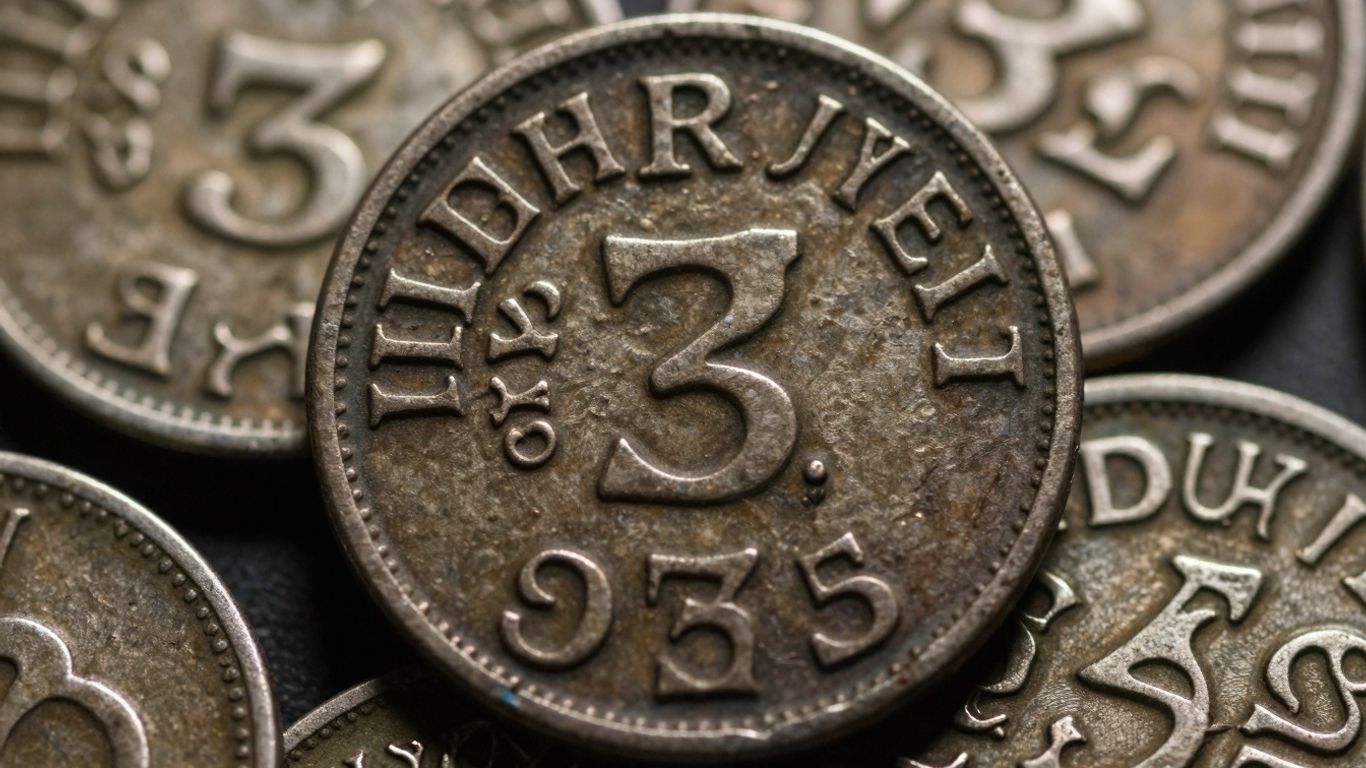
Even with a keen eye, pinpointing a coin’s exact origin and date can be tricky. That’s where reference materials come in. Think of them as your trusty guides through the sometimes confusing world of old coins. They’re not just for experts; anyone serious about identifying their finds will want to get familiar with them.
Consulting Numismatic Catalogs
These are like encyclopedias for coins. Catalogs list coins by country, ruler, or type, often with detailed descriptions, images, and historical context. They are usually organized in a way that makes it easier to find what you’re looking for. Some are general, covering a wide range of coins, while others focus on a specific region or time period. The key is to find a catalog that matches the scope of your collection or the coins you’re trying to identify.
Here’s a look at what you might find:
- Coin Details: Diameter, weight, metal composition, and mint marks.
- Rarity and Value: Information on how common or rare a particular coin is, sometimes with estimated values (though these can change).
- Historical Notes: Background on the ruler, event, or period associated with the coin.
Utilizing Online Databases
The internet has opened up a world of information. Many numismatic organizations and museums have online databases that are searchable. These can be incredibly useful for quick lookups or for finding information on coins that might not be in a physical catalog you own. Some platforms even allow you to upload photos for identification assistance, though always cross-reference the results.
- Searchability: Filter by country, date range, denomination, and even specific design elements.
- Visuals: Often include high-quality images of coins, sometimes from multiple angles.
- Community Input: Some databases allow users to contribute information or discuss specific coin types.
Exploring Scholarly Publications
For those who want to go deeper, academic journals and books by numismatic scholars are invaluable. These publications often present original research, detailed die studies, and in-depth analyses of specific coinages or historical periods. While they can be more technical, they offer a level of detail and accuracy that is hard to find elsewhere. They are particularly helpful when dealing with very old or obscure coins where standard catalogs might be less detailed.
Sometimes, a coin’s inscription might be partially worn or in an archaic script. In such cases, comparing the coin’s features against detailed illustrations or rubbings in specialized books can reveal subtle clues that digital searches might miss. This kind of detailed comparison is where the real detective work happens.
Using these resources systematically will significantly improve your ability to accurately date and attribute your old coins. It’s a process of building knowledge, one reference at a time.
Advanced Techniques for Precise Dating
Once you’ve got a handle on the basics, there are some more involved methods to really nail down a coin’s age and origin. These techniques go beyond just reading the date and can help you authenticate pieces and understand their history better.
Digital Imaging and Analysis
High-resolution photography and 3D scanning can show details you’d miss with the naked eye. Think tiny imperfections, wear patterns, or subtle design elements. These digital tools allow for precise measurements and comparisons against known examples, making identification much more accurate. Some folks are even starting to use AI to help sort through images, which is apparently becoming more common.
Die Study for Authentication
This is a bit more specialized, but for really interesting or rare coins, studying the dies used to strike them can be super informative. By looking at the tiny marks and characteristics left by the die on multiple coins, experts can figure out if they were made from the same original die. This is a big help in confirming if a coin is genuine and can also give clues about when it was made.
Chemical Analysis for Composition
Sometimes, you can figure out what a coin is made of without even touching it. Techniques like X-ray fluorescence (XRF) can tell you the exact metals present. This is really useful for checking if a coin claiming to be gold or silver is the real deal, and it’s a good way to spot modern fakes that might use different alloys.
It’s estimated that a significant percentage of ancient coins circulating today might actually be fakes. Learning to spot these is a big part of collecting. Counterfeiters use all sorts of tricks, from casting to using modern tools, so knowing their methods helps you see the warning signs.
Navigating the Challenge of Counterfeits
It’s a bummer, but as old coins get more valuable, more fake ones start showing up. It’s estimated that a good chunk of the ancient coins out there might not be the real deal. Learning to spot these fakes is a pretty big deal if you’re collecting or just curious. You don’t want to spend your hard-earned cash on something that looks cool but isn’t historically accurate.
Recognizing Common Forgery Techniques
Fake coins are made in a few different ways. Sometimes, people cast them, which means pouring metal into a mold. Other times, they use modern tools to strike coins with fake designs, or they might take a real but less valuable coin and alter it to look like something rarer. Knowing these tricks helps you look closer.
- Casting: Often results in softer details and a less defined edge. You might see tiny bubbles or a grainy texture.
- Striking with Modern Dies: Can produce sharper details than casting, but the die itself might have modern characteristics or wear patterns not seen on ancient dies.
- Altering Genuine Coins: Look for signs of tooling, added material, or inconsistencies in the surface where changes were made.
Authentication Methods for Collectors
So, how do you actually tell if a coin is real? It takes a bit of practice, but there are some solid methods. The most basic check involves a magnet; if it sticks, the coin is almost certainly fake. Beyond that, you’ll want to examine the coin closely.
- Visual Inspection: Look at the details, the wear patterns, and the overall look. Does it match known examples of genuine coins from that period?
- Weight and Dimensions: Real coins have specific weights and sizes. If a coin feels too light or too heavy, or is the wrong size, be suspicious.
- Edge Examination: Check the reeding or the plainness of the edge. Fakes often have poorly executed edges.
- Sound Test: Some collectors tap coins lightly to listen to the ring. Genuine silver and gold coins often have a distinct sound.
When examining a coin, pay attention to the overall feel and appearance. Genuine ancient coins often have a certain patina or surface texture that is difficult to replicate convincingly. Modern fakes might look too perfect or have an unnatural shine.
Spotting Red Flags During Examination
There are certain things that should make you pause and look more carefully. These are the little clues that often give away a fake. If you’re buying online, always check if the seller offers a return policy, just in case. It’s also wise to check out resources like numismatic catalogs to compare your coin with known authentic examples.
- Unusual Luster: A coin that looks too shiny or has a uniform, artificial-looking surface can be a warning sign.
- Inconsistent Details: Dates that look added on, or lettering that seems out of place or poorly formed, are common issues.
- Wrong Metal: Sometimes fakes are made from base metals that are plated to look like silver or gold. A magnet test can help here, as mentioned earlier.
Modern Tools for Reading Dates on Old Coins
So, you’ve got this old coin, and you’re trying to figure out when it was made. It’s not always as simple as finding a year stamped on it, right? Thankfully, we’ve got some pretty neat modern tools that can help us out, making the whole process a bit easier than it used to be.
How Coin Recognition Technology Works
Think of it like Shazam, but for coins. There’s software out there that can analyze an image of a coin and try to identify it. It looks at things like the coin’s design, the lettering, and even the wear patterns. This technology compares your coin’s features against a massive database of known coins. It’s still developing, but it can often give you a good starting point, suggesting possible origins or time periods. It’s a quick way to get a preliminary idea, especially if the inscriptions are worn or hard to read.
Visual Comparison Beyond Text Recognition
Sometimes, the text on a coin is just too faded or damaged to read. That’s where visual comparison tools come in handy. Instead of just trying to read words, these tools focus on the overall look of the coin. They can analyze:
- Portraiture: The style of a ruler’s bust can change significantly over time and across different regions.
- Symbolism: The gods, animals, or emblems depicted often have specific historical contexts.
- Artistic Style: The way the images are rendered – is it crude, refined, or something in between?
These visual elements, when analyzed by sophisticated software, can point towards a specific era or culture, even without clear dates. It’s like recognizing a painting by an artist’s brushstrokes rather than reading their signature.
Human Confirmation for Accuracy
While technology is amazing, it’s not perfect. Sometimes, the software might get it wrong, or you might have a really unusual coin. That’s why human confirmation is still super important. Experienced collectors and numismatists can look at the data provided by the technology and use their own knowledge to verify it. They can spot subtle details the software might miss or understand historical nuances that are hard to program. It’s a good idea to cross-reference what the tech tells you with what you find in numismatic catalogs or by asking someone who really knows their stuff. This combination of tech and human insight is usually the best way to get a reliable date for your old coin.
Building Expertise in Coin Identification
Learning Numismatic Concepts Naturally
Getting good at figuring out old coins isn’t something that happens overnight. It’s more like learning a new language or a craft. You start by picking up the basics, maybe recognizing a few common symbols or rulers. Then, as you see more coins, you start to notice patterns. It’s about letting the knowledge sink in through experience, rather than trying to cram it all at once. Think about it like this: you wouldn’t expect to become a master chef after reading one cookbook, right? Coin collecting is similar. The more you look at coins, the more you start to understand what makes them tick. You begin to see how different eras had their own styles, how certain metals were used more at particular times, and how the way a coin was made can tell you a lot about its age.
Developing Confidence in Research
When you first start researching a coin, it can feel a bit overwhelming. There are so many details to check, and you might worry about making a mistake. But as you practice, you build up this inner confidence. You learn which sources are reliable and which ones to take with a grain of salt. You get better at spotting those little clues that help you narrow down the possibilities. It’s a process of trial and error, for sure. You might misidentify a coin or two along the way – that’s totally normal! The key is to learn from those moments and keep going. Soon enough, you’ll find yourself making educated guesses that are often spot-on, and you’ll feel much more comfortable tackling even challenging pieces.
Engaging with Numismatic Communities
One of the best ways to get better at identifying coins is to talk to other people who are into it. There are tons of online forums and local clubs where collectors share their finds and ask questions. It’s a great place to get a second opinion on a coin you’re stuck on, or just to see what other people are discovering. You can learn so much from experienced collectors who have been doing this for years. They often have a knack for spotting details that a beginner might miss. Plus, it’s just more fun to share your passion with others who get it. You might even find someone willing to let you examine some of their collection, which is invaluable hands-on experience.
The journey of becoming skilled in coin identification is less about memorizing facts and more about cultivating a keen eye and a curious mind. It involves consistent exposure to different types of coins, learning to interpret their visual language, and understanding the historical context from which they emerged. Each coin examined, whether correctly identified or not, contributes to a growing mental library of patterns, styles, and anomalies that inform future assessments.
Organizing Your Collection with Digital Tools
As your collection of historical coins grows, keeping everything in order becomes a bit of a challenge. Thankfully, modern technology offers some pretty neat ways to manage your finds. Think of it like having a digital librarian for your coins. This section looks at how you can use digital tools to build a solid catalogue, keep track of what you have, and make sure all your research is safe for the future.
Building a Digital Catalogue
Creating a digital catalogue is a smart move for any collector. It’s more than just a list; it’s a detailed record of your collection. When you use a coin identification app, it often comes with a built-in system for this. You can scan a coin, and the app saves it along with pictures, any details you want to add, and your own personal notes. This digital record mirrors your physical collection, letting you sort coins by where they’re from, what they depict, the metal they’re made of, or their face value. You can even mark coins you have duplicates of or ones you’re looking to upgrade.
- Save images of both sides of each coin.
- Record acquisition details (date, price, source).
- Add personal notes about provenance or condition.
This organized system helps you avoid buying the same coin twice and makes planning your next acquisition much simpler. Plus, all the information you gather is stored safely.
Tracking and Managing Your Holdings
Beyond just listing your coins, digital tools help you actively manage your collection. You can track which coins you own, which ones you’re looking for, and even monitor potential upgrades. For instance, if you have a common coin but find a rarer version in better condition, you can note this in your digital record. This helps you see your collection’s progress over time and identify gaps or areas you might want to focus on more. It gives you a clear view of your collecting style, whether you prefer certain historical periods, geographic regions, or specific design themes. This awareness helps you build a more focused and satisfying collection.
Keeping a digital record helps you see the bigger picture of your collection. It’s not just about individual coins, but how they fit together to tell a story that reflects your interests and journey as a collector.
Preserving Research for Future Reference
One of the biggest benefits of digital cataloguing is how it secures your research. When you identify a coin, you might look up its history, minting details, and cultural significance. Instead of keeping this information scattered across notebooks or random files, you can attach it directly to the coin’s entry in your digital catalogue. This means that years down the line, when you want to recall details about a specific piece, all the relevant information is right there. This organized approach is incredibly useful not just for your own reference but also if you ever decide to pass your collection on. It ensures that the knowledge and history you’ve gathered are preserved and easily accessible for whoever might appreciate them next.
| Field | Example Entry |
|---|---|
| Coin Name | Roman Denarius of Augustus |
| Date Acquired | 2024-11-15 |
| Purchase Price | $75.00 |
| Condition Notes | Moderate wear, clear portrait, some edge nicks |
| Research Summary | Minted during the Pax Romana, common type |
| Personal Notes | Found at local antique fair |
Putting Your Knowledge to Work
So, you’ve learned a bit about how to look at old coins and figure out what those dates and markings mean. It’s not always easy, and sometimes you’ll need to do some digging with reference books or online tools. But honestly, that’s part of the fun. Every coin you examine, even if you can’t figure out everything about it, teaches you something new. Keep practicing, keep looking, and you’ll start to see patterns and recognize things more easily. It’s a great way to connect with history, one coin at a time.
Frequently Asked Questions
What are the first things I should look for when trying to figure out a coin's date?
Start by carefully looking at any writing or symbols on the coin. Even if it’s worn, you might find clues like a ruler’s name or a mint mark. Also, pay attention to the pictures – the style of art, the images used, and how people or things are shown can give you hints about when and where the coin was made.
How can the metal a coin is made of help me date it?
Ancient coins were usually made from gold, silver, or bronze. The type of metal used can tell you a lot about where and when the coin was created. For example, certain silver coins were common in Roman times, while gold coins were often used in the Byzantine era. Knowing the metal can also help spot fake coins made more recently.
What are 'legends' and 'inscriptions' on coins?
These terms refer to the text written on ancient coins. They can directly tell you who made the coin, where it was made, and sometimes even the year it was produced. However, reading them often requires knowing ancient languages and special abbreviations used by coin experts.
Are there special tools or technologies that can help read dates on old coins?
Yes, modern technology offers great help! High-quality cameras and special scanning tools can show tiny details you can’t see with your eyes. Some apps use smart technology to compare a picture of your coin to a huge database, helping identify it even if the writing is hard to read.
What should I do if I suspect a coin might be a fake?
Be aware that fake coins are common. Look for signs like odd-looking metal, unclear details, or unusual weight. Experts use various methods, including checking the metal’s composition and comparing the coin to known genuine examples, to tell real coins from fakes.
Where can I find reliable information to help identify my coins?
There are many resources available. You can consult books called numismatic catalogs, use online databases dedicated to coins, and read articles written by history and coin experts. These sources are filled with information that can help you match your coin to known examples.
Is it possible to learn about coins without being an expert?
Absolutely! You can learn numismatic terms and concepts naturally by using coin identification apps. When you scan a coin, the app often shows labels for different parts of the coin, like the ‘obverse’ or ‘mintmark.’ This makes learning feel more like exploring and less like studying.
How can I keep track of the coins I identify?
Once you start identifying coins, it’s helpful to create a digital catalog. Many identification apps have features that let you save pictures, details, and your own notes about each coin. This organized digital record helps you manage your collection, prevent buying duplicates, and keep all your research in one place.