
So, you’ve got some old coins lying around, maybe from a grandparent or just found in a dusty box. It’s natural to wonder if they’re worth anything more than face value. Figuring out the worth of these old coins can feel like a puzzle, but it’s totally doable. We’re going to walk through how to get a handle on what your coins might be worth, from checking their condition to seeing if they’re rare or in demand. It’s not rocket science, just a bit of looking and learning.
Key Takeaways
- Coin condition is a big deal; even small scratches can change the value.
- Look for special dates, mint marks, and how many of a certain coin were made.
- What people want to buy right now really affects how much a coin is worth.
- Be aware that fake coins exist, so know the signs and when to ask for help.
- Using books, online lists, and experts can help you get a solid idea of your coin’s worth.
Understanding Coin Condition And Its Impact On Value
When you’re looking at old coins, the way they look really matters. It’s not just about what the coin is, but how well it’s held up over time. Think of it like a used car; a car that’s been babied and kept in a garage will be worth more than one that’s been driven hard and left out in the rain. The same goes for coins. Even a rare coin can lose a lot of its value if it’s scratched, bent, or worn down too much.
Grading Scales For Numismatic Items
To talk about coin condition, people use special scales. These scales help everyone understand exactly how worn or perfect a coin is. The most common one goes from 1 (poor) all the way up to 70 (mint state). A coin graded MS-65, for example, is considered a very nice uncirculated coin, while a coin graded G-4 shows a lot of wear but you can still make out the main design.
- Uncirculated (MS/PF): No wear from being used as money. Looks like it just came from the mint.
- Extremely Fine (XF/AU): Very little wear, maybe just on the highest points of the design.
- Very Fine (VF): Moderate wear, but all the main details are still clear.
- Fine (F): Clear details, but significant wear is visible.
- Good (G): Heavy wear, major details are worn flat, but the coin is still identifiable.
- Poor (P): Very worn, often damaged, barely recognizable.
Identifying Wear And Damage
Looking for wear means checking if the coin’s surfaces are smooth where they should be detailed. High points like a president’s cheek or the lettering on the edge are usually the first to show wear. Damage is different; it’s anything that happened to the coin after it was made, like scratches, nicks, holes, or cleaning marks. A coin that has been cleaned often loses value because cleaning can remove the original surface and make it look unnatural. Sometimes, people try to hide damage, so you have to look closely.
The Significance Of Mint Marks
Where a coin was made can also affect its value. The mint mark is a small letter or symbol on the coin that tells you which U.S. Mint facility produced it. For example, a ‘D’ means Denver, and an ‘S’ means San Francisco. Sometimes, coins from one mint are much rarer than coins from another mint in the same year, making them more sought after by collectors. It’s a small detail, but it can make a big difference in what a coin is worth.
The condition of a coin is a primary factor in its desirability and market price. Even minor imperfections can lead to significant differences in valuation, making a thorough assessment of wear and any potential damage a necessary step for anyone evaluating old coins.
Researching Historical Significance And Rarity
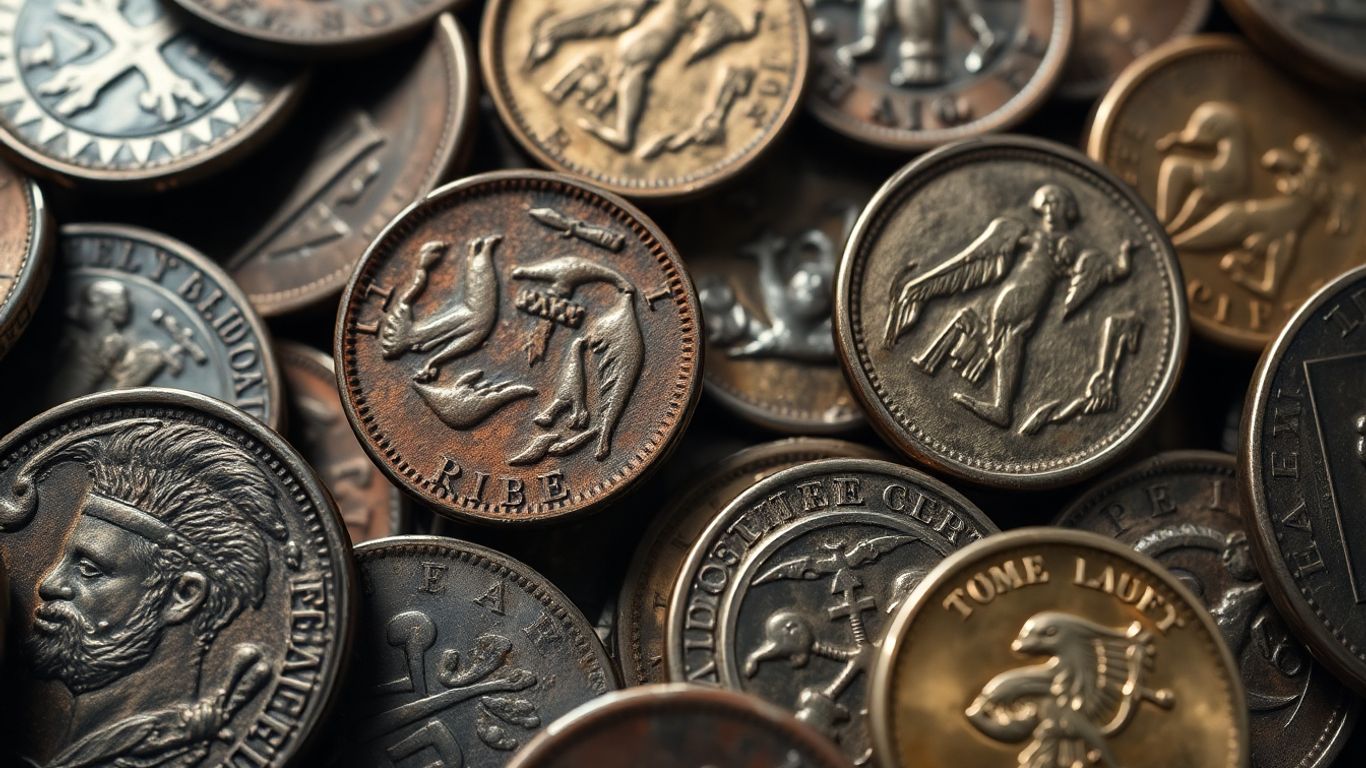
Beyond just the metal content or the condition of a coin, its history and how many were made play a big part in how much it’s worth. Some coins are just plain rare, making them more sought after by collectors. This section will help you figure out why some coins are worth a lot more than others based on their past.
Key Dates And Mintages
Certain years or mint locations for a coin series can be much harder to find than others. These are often called "key dates." For example, a coin from a specific year might have had a very small number produced, or perhaps a large number were melted down later. Knowing these details is important.
Here’s a look at how mintages can affect value:
| Year | Mint Mark | Mintage | Approximate Value (Circulated) |
|---|---|---|---|
| 1909-S | S | 424,000 | $500+ |
| 1931-S | S | 42,000 | $1,000+ |
| 1950-D | D | 2,630,000 | $50+ |
Note: Values are estimates and can vary greatly based on condition and market demand.
Understanding Coin Series
Coins are often made over many years, and these collections are called "series." Think of the Lincoln cent, which started in 1909. Within a series, different designs or types might have been used. Some types within a series are common, while others are quite scarce. Collectors often try to complete a whole series, which drives up the demand for the harder-to-find coins.
Factors Contributing To Rarity
Several things can make a coin rare:
- Low Mintages: As seen above, fewer coins produced means less supply.
- Short Production Runs: Sometimes a coin design was only used for a year or two before being changed.
- High Survival Rate of High-Grade Coins: While many coins might have been made, if most were used heavily and are now in poor condition, a coin that has survived in excellent shape becomes rare.
- Melted Down: Especially for silver and gold coins, large quantities were sometimes melted for their metal content, reducing the number of surviving examples.
The story behind a coin’s existence, from how many were initially made to how many still exist today, is a major piece of the puzzle when figuring out its true worth. It’s not just about what it looks like now, but its journey through time.
Exploring Market Trends For Determining Old Coin Values
Current Demand For Specific Coins
When you’re trying to figure out what an old coin is worth, you can’t just look at the coin itself. You also have to think about what people want right now. Some coins are always popular, like certain silver dollars or early American cents. But demand can change. Maybe a new movie features a specific historical period, and suddenly coins from that time become more interesting to collectors. Or perhaps a celebrity is seen collecting a certain type of coin, sparking interest. Keeping an eye on what’s popular is key to understanding a coin’s current market value.
Here’s a quick look at how demand can shift:
- Historical Events: Major anniversaries or discoveries can boost interest in related coins.
- Pop Culture: Movies, TV shows, or even social media trends can influence collector desire.
- Economic Factors: Sometimes, people turn to tangible assets like coins during uncertain economic times, increasing demand across the board.
The Role Of Bullion Prices
For many older coins, especially those made of gold or silver, the price of the metal itself plays a big part in their value. Think of coins like American Silver Eagles or older U.S. silver dollars. Even if a coin isn’t super rare, its value will often be tied to the current price of silver or gold. If silver prices go up, the minimum value of your silver coin goes up too. This is often called the "melt value" – what the coin is worth if you just melted it down for its metal content.
It’s important to remember that sometimes, a coin can be worth more than its melt value because it’s rare or in great condition. But the bullion price sets a floor, a kind of baseline value that the coin is unlikely to fall below.
Analyzing Auction Results
Looking at what similar coins have sold for recently is one of the best ways to get a realistic idea of value. Auction results, especially from reputable auction houses or online platforms, show what real buyers were willing to pay. You can find records of past sales for coins that match yours in terms of date, mint mark, and condition. This gives you concrete data, not just guesswork.
When you check auction results, pay attention to:
- Sold Prices: Not just the asking price, but what the item actually sold for.
- Condition: Was the coin in similar condition to yours? A coin graded higher will sell for more.
- Timing: More recent sales are generally more relevant than sales from years ago.
Understanding market trends means looking beyond just the coin’s age or metal content. It involves seeing how current events, collector interest, and the price of precious metals all come together to influence what a coin is worth today.
Identifying Counterfeit And Altered Coins
Common Red Flags For Fakes
Spotting a fake coin isn’t always straightforward, but there are several tell-tale signs to watch out for. Genuine coins possess a certain weight, diameter, and thickness that counterfeiters often struggle to replicate perfectly. If a coin feels too light or too heavy for its size, that’s a big warning sign. Also, examine the surface closely. Genuine coins usually have a consistent, natural patina or luster. Artificial toning, a strange waxy appearance, or an overly shiny, almost plated look can indicate a fake. Pay attention to the details of the design; raised areas might be mushy or lack the sharpness of an authentic strike. Look for inconsistencies in the lettering, dates, and mint marks – sometimes these are poorly formed or even appear to be added later. Edge reeding, if present, should be uniform and well-defined; uneven or poorly executed reeding is a common flaw in counterfeits.
Tools For Authentication
While your eyes and a good magnifying glass are your first line of defense, several tools can help confirm a coin’s authenticity. A coin scale is indispensable for checking weight, and a caliper can measure diameter and thickness. Comparing these measurements to known specifications for the coin in question is a solid step. For precious metal coins, an XRF (X-ray fluorescence) analyzer can determine the metal composition without damaging the coin, though this is a more advanced tool. Sometimes, the sound a coin makes when dropped or tapped can be indicative; genuine silver coins, for instance, have a distinct ring, while fakes often produce a dull thud. For those serious about authentication, resources like ForgeryNetwork.com offer databases and information to aid in verification.
When To Seek Expert Opinion
Even with the best tools and careful examination, some counterfeits are incredibly sophisticated. If you’ve acquired a coin that you believe might be valuable, especially if it’s a rare date or a high-grade specimen, and you have any doubts about its authenticity, it’s always wise to consult a professional. Numismatists with extensive experience can often spot subtle anomalies that a novice might miss. They have access to specialized equipment and a vast knowledge base of coin varieties and known counterfeits. For significant pieces, submitting the coin to a reputable third-party grading service is the most definitive way to get an unbiased opinion on its authenticity and grade. This process can provide peace of mind and is often a prerequisite for selling high-value coins.
Leveraging Resources For Accurate Valuations
Numismatic Reference Books
When you’re trying to figure out what an old coin is really worth, books are your best friend. Think of them like a detailed map for coin collectors. They list out different coins, show you what they look like, and give you an idea of their value based on things like how rare they are and their condition. Some books are really old, like the ‘Red Book’ (A Guide Book of United States Coins), which has been around forever and is updated every year. It’s packed with information on U.S. coins, from pennies to gold pieces. Other books focus on specific types of coins or historical periods. They can be a bit dense, but they’re full of facts that help you spot a valuable coin.
- The Official Red Book: A Guide Book of United States Coins: The go-to for U.S. currency, updated annually.
- The Cherrypickers’ Guide to Rare Coin Issues: Helps identify coins with hidden value that might be overlooked.
- Standard Catalog of World Coins: For those looking beyond U.S. borders, covering coins from around the globe.
These books are more than just price lists; they are historical documents that track the evolution of coinage and collector interest over time. They provide context that simple online searches often miss.
Online Coin Databases
Beyond books, the internet offers a huge amount of information. Websites dedicated to coins can give you current market prices, show you images of coins in different conditions, and even list recent sales. Some sites let you search by coin type, date, or mint mark. This is super helpful because coin values change, and online databases are usually updated more often than printed books. You can find out if a coin you have is common or if it’s a rare find that people are actively looking for. This real-time data is incredibly useful for getting a current snapshot of a coin’s worth.
- PCGS CoinFacts: Offers detailed information on U.S. coins, including population reports and price guides.
- NGC Coin Explorer: Similar to PCGS, with extensive data on U.S. and world coins.
- Numista: A community-driven database for world coins, great for identifying less common international pieces.
Professional Appraisal Services
Sometimes, you just need to talk to an expert. If you have a really old coin, a whole collection, or something that seems particularly special, getting a professional appraisal is a good idea. These are people who do this for a living. They know coins inside and out and can spot details that you might miss. They can tell you not just what a coin is worth today, but also its historical importance and potential future value. It costs money to get an appraisal, but for valuable collections, it’s often worth the peace of mind and accurate valuation. They can also help you understand if a coin is genuine or if it’s been messed with.
- Certified Coin Dealers: Many reputable dealers offer appraisal services.
- Numismatic Guaranty Company (NGC) and Professional Coin Grading Service (PCGS): While primarily grading services, they often have resources or can recommend appraisers.
- Auction Houses: Major coin auction houses frequently provide appraisal services for potentially high-value items.
The Nuances Of Inherited Coin Collections
Organizing And Inventorying
When a coin collection is passed down, the first step is to get a clear picture of what you have. This means creating a detailed inventory. Don’t just list "a bag of dimes"; try to note the year, mint mark, and condition of each coin if possible. This might seem tedious, but it’s important for understanding the scope of the collection and for later steps like valuation and potential division.
- List each coin: Note the denomination, year, and mint mark (e.g., 1909-S VDB Lincoln Cent).
- Describe condition: Use simple terms like "worn," "good," "very good," or "uncirculated" if you can tell. Later, a professional can refine this.
- Note quantities: If there are multiples of the same coin, record how many you have.
- Record any special features: Are there any coins in holders? Are there any accompanying documents?
Navigating Estate Taxes
Figuring out the tax implications of an inherited coin collection can be tricky. The value of the collection at the time of inheritance is generally what matters for tax purposes. If the collection is substantial, you might need to get it appraised. Tax laws can change, so it’s wise to consult with a tax professional who has experience with estates and collectibles. They can help you understand capital gains and losses if you decide to sell any coins later.
Understanding the tax rules upfront can prevent surprises down the line. It’s better to be prepared than to face unexpected liabilities.
Equitable Distribution Of Assets
If the coin collection is to be divided among heirs, fairness is key. This is where that detailed inventory becomes really useful. You can assign values to individual coins or groups of coins. Sometimes, it makes sense to have the collection appraised as a whole and then divide the monetary value. If there are specific coins that hold sentimental value for certain individuals, those can be addressed first. Deciding how to divide a collection fairly often requires open communication among all parties involved.
Here’s a possible approach to distribution:
- Identify Sentimental Coins: Allow heirs to select one or two coins that have personal meaning, if applicable.
- Appraise Key Pieces: Get professional valuations for the most valuable coins.
- Divide Remaining Coins: Either divide the remaining coins by value or have the collection appraised and distribute the cash equivalent.
Special Considerations For Modern Collectibles
Limited Edition Releases
Many modern coins are produced with specific, limited mintages. These are often part of special series or commemorative issues. The U.S. Mint, for example, frequently releases coins celebrating historical events, figures, or national parks. Because fewer of these coins are made available, their scarcity can drive up demand and value, especially among collectors who want to complete a particular set. The initial release price is often just the starting point for a modern coin’s potential value.
Mint Product Performance
When evaluating modern coins, it’s helpful to look at how similar products from the U.S. Mint or other mints have performed in the past. Did a particular series sell out quickly? Did its secondary market value increase significantly after the initial sale? Tracking these trends can give you an idea of what to expect from newer releases. Sometimes, coins that were initially overlooked can gain popularity over time.
The Appeal Of Proof And Uncirculated Sets
Modern mints offer coins in various finishes, with proof and uncirculated sets being particularly popular. Proof coins are struck multiple times with specially polished dies to create a mirror-like finish and frosted design elements. Uncirculated coins, while not as highly polished as proofs, are typically struck with new dies and are meant to represent the highest quality of a regular issue coin. These sets, often sold directly by the mint, can hold their value well, especially if they are part of a popular annual series or contain low mintage coins.
While modern coins might not have the centuries of history behind them like older issues, their collectibility is driven by factors like limited production, artistic design, and the desire to own a piece of current numismatic output. Collectors often focus on completing sets or acquiring coins with unique themes.
Here’s a quick look at common modern coin types:
- Commemorative Coins: Issued to honor significant people, places, or events.
- Proof Sets: Contain specially struck coins with a mirror-like finish and frosted details.
- Uncirculated Sets: Feature coins in pristine condition, as they would be when first minted.
- Bullion Coins: Primarily valued for their precious metal content, but often collected for their designs as well (e.g., American Silver Eagles).
Assessing The Value Of Precious Metal Coins
Understanding Gold And Silver Content
When you have coins made of gold or silver, their metal content is a big part of what they’re worth. It’s not just about how old they are or how rare they might be; the actual weight and purity of the precious metal inside play a major role. Think of it like this: a pure gold coin will always be worth at least the value of the gold it contains, no matter what. This is often called its "melt value" or "bullion value." For coins that aren’t pure but are made of an alloy, like 90% silver, you’ll calculate the value based on that percentage. It’s pretty straightforward math once you know the current price of gold or silver per ounce.
Premiums Over Melt Value
Sometimes, a coin made of gold or silver is worth more than just the metal it’s made from. This extra amount is called a "premium." Why does this happen? Well, a few things can make a coin more desirable than just its raw metal. Its rarity, historical importance, or even just how nice it looks (its condition) can add to its price. A coin that’s part of a famous series or has a unique design might fetch a higher price from collectors. Even if it’s a common coin, if it’s in really good shape, someone might pay a bit more for it. The demand from collectors is a huge factor in how much a coin’s premium will be.
Here’s a quick look at what can influence that premium:
- Rarity: Fewer coins available means higher demand.
- Condition: Coins in better shape are generally more sought after.
- Historical Significance: Coins tied to important events or figures often command higher prices.
- Collector Demand: What people are actively looking to buy.
The Market For Junk Silver
"Junk silver" is a term used for older coins that are mostly valued for their silver content, rather than their numismatic (collector) value. These are typically coins made of 90% silver, like dimes, quarters, and half-dollars minted before 1965 in the United States. People often buy junk silver in bulk because it’s an easy way to own silver. The price of junk silver usually follows the price of silver itself very closely. When silver prices go up, the value of junk silver goes up too. It’s a popular choice for people who want to invest in silver without paying the higher premiums often associated with collectible silver coins or bars.
When assessing coins with precious metal content, it’s important to distinguish between their intrinsic metal value and any additional worth derived from numismatic factors like rarity, condition, and historical context. Both aspects contribute to the overall market price.
Navigating The Selling Process
Once you’ve determined the potential worth of your old coins, the next logical step is figuring out how to sell them. This part can feel a bit overwhelming, especially if you’re new to the coin market. There are several avenues to explore, each with its own set of pros and cons. It’s about finding the right fit for your collection and your goals.
Choosing The Right Dealer
Selecting a reputable dealer is paramount. You want someone knowledgeable, honest, and fair. Look for dealers who are members of professional organizations like the American Numismatic Association (ANA) or the Professional Numismatists Guild (PNG). These affiliations often indicate a commitment to ethical practices. A good dealer will be transparent about their pricing and fees. They should also be willing to answer your questions thoroughly. Remember, you’re entrusting them with potentially valuable assets, so comfort and trust are key. Some dealers specialize in certain types of coins, so matching your collection to a specialist can sometimes yield better results. For instance, if you have a significant number of U.S. silver dollars, a dealer with a strong focus on that area might be your best bet. It’s also wise to get quotes from a few different dealers before making a decision. This helps you gauge the market and ensures you’re getting a competitive offer. You can often find trusted coin dealers through industry directories or by asking experienced collectors for recommendations.
Understanding Buyer Premiums
When selling to a dealer, it’s important to understand the concept of buyer premiums. These are essentially the costs a dealer incurs to acquire and resell coins, which they factor into their offer price. Think of it as the dealer’s profit margin, plus their overhead. They need to account for storage, insurance, marketing, and the risk of the market fluctuating. A dealer might offer you a price based on a percentage of the coin’s retail value, or they might pay a percentage of the melt value for precious metal coins. It’s not uncommon for a dealer to offer significantly less than what you might see a coin listed for in a retail catalog. This is normal, as they need room to make a profit. Always ask for a clear breakdown of how they arrived at their offer. This transparency helps avoid misunderstandings. For example, a dealer might offer 70% of the book value for a common coin, but perhaps 90% of melt value for a gold coin.
Selling Directly To Collectors
Selling directly to other collectors can sometimes result in a higher price, as you cut out the middleman. This often happens through online auctions, coin shows, or private sales. However, this route requires more effort on your part. You’ll need to accurately identify and grade your coins, research their market value, and find potential buyers. Marketing your coins effectively is also a skill. You might need to take good photographs, write detailed descriptions, and handle shipping and payment securely. Online platforms can be a good starting point, but be aware of fees and the potential for disputes. Coin shows offer a face-to-face interaction, which can build trust, but you’ll need to be prepared to negotiate. Building a reputation as a reliable seller within collector communities can take time but can be very rewarding. It’s a more hands-on approach, but for certain coins, it can be the most profitable.
The selling process is as much about preparation as it is about the transaction itself. Knowing your coins’ condition, rarity, and market value beforehand will give you a stronger position when negotiating prices, whether you’re dealing with a professional buyer or an individual collector.
The Importance Of Coin Provenance
Documenting Ownership History
When you’re looking at an old coin, knowing where it’s been can actually tell you a lot about its story and, believe it or not, its worth. Provenance is basically the record of who owned a coin and when. Think of it like a pedigree for a prized animal, but for coins. This history isn’t just a fun fact; it can add real weight to a coin’s desirability. A coin that can be traced back through famous collections or has a clear line of ownership from a reputable source often fetches a higher price than one with a mysterious past. It’s about building trust and showing that the coin is what it claims to be.
How Provenance Affects Value
So, how does this ownership trail actually bump up the price? Well, for rare or historically significant coins, a solid provenance can be a game-changer. If a coin was once part of a well-known collection, say belonging to a famous numismatist or a historical figure, that association can make it much more appealing to buyers. It adds a layer of prestige and authenticity that’s hard to replicate. It’s like owning a piece of history that has been recognized and valued by others before you. This can be especially true for coins with documented ties to significant historical events or periods. The more verifiable and impressive the ownership chain, the more confidence a buyer has, and that confidence often translates directly into a higher market price. A well-documented history can transform a coin from a mere collectible into a historical artifact.
Certificates Of Authenticity
Sometimes, you’ll see coins come with a Certificate of Authenticity (COA). This is a document, often issued by a grading service or a reputable dealer, that attests to the coin’s identity, condition, and originality. While not all coins have them, and their importance can vary, a good COA can be a vital part of a coin’s provenance. It’s a formal statement that says, "This coin is genuine, and here’s what we know about it." For many collectors, especially those dealing with higher-value items, a COA provides peace of mind. It helps to confirm that you’re not buying a fake or a damaged piece that’s been disguised. However, it’s important to remember that not all COAs are created equal. Always check who issued the certificate and if they are a trusted source in the numismatic community. A COA from a recognized grading service like PCGS or NGC carries more weight than one from an unknown seller.
The journey of a coin through time, from its minting to its current owner, creates a narrative. This narrative, when properly documented, provides context and credibility, significantly influencing how the coin is perceived and valued in the market. It’s the story behind the metal that often makes it truly precious.
Your Coin Journey Continues
So, you’ve learned a lot about figuring out what those old coins in your drawer might be worth. It’s not always straightforward, and sometimes a coin that looks ordinary can be surprisingly valuable. Remember to check for specific mint marks, look at the condition of the coin closely, and compare it to resources that list rare varieties. Don’t get discouraged if most of your coins are just worth their face value; the thrill is in the hunt for those hidden gems. Keep learning, keep looking, and who knows what treasures you might find next.
Frequently Asked Questions
How do I know if my old coin is valuable?
To figure out if your old coin is worth something, you need to look at a few things. First, check its condition – is it worn out or in great shape? Then, see if it’s rare. Some coins were made in very small numbers, making them more special. Also, think about its history; some coins are famous because of when they were made or what happened back then. Looking these things up can give you a good idea.
What does 'grading' mean for coins?
Coin grading is like giving a coin a report card. Experts look at how worn the coin is, if it has any scratches or damage, and how clear the details are. They use a special scale, often from 1 to 70, to describe its condition. A coin in perfect shape gets a high grade and is usually worth much more than one that’s seen better days.
Are coins with 'mint marks' more valuable?
Yes, sometimes! A mint mark is a small letter on a coin that tells you where it was made, like a tiny stamp from the mint. Some mints made fewer coins than others, or certain years had special issues. Finding a coin from a less common mint can make it rarer and potentially more valuable.
What makes some coins 'rare'?
A coin becomes rare for a few reasons. Maybe the mint only made a small number of them to begin with. Sometimes, coins made in a certain year or with a specific design were recalled or destroyed, so fewer survived. Even if many were made, if most of them got lost or damaged over time, the ones left can become rare.
How can I tell if a coin is fake?
Spotting fake coins can be tricky, but there are clues. Real coins usually have a certain weight and feel. Look closely at the details – fakes might have blurry images or odd-looking lettering. Sometimes, the metal itself might look wrong. If you’re unsure, it’s always best to ask someone who knows a lot about coins.
Where can I find reliable information about coin values?
You can find good information in a few places. There are special books called ‘price guides’ or ‘catalogs’ that list coins and their estimated values. The internet also has many websites dedicated to coins where you can look up details and see what similar coins have sold for. For very important coins, getting an expert opinion is a good idea.
What if I inherited a coin collection?
If you’ve inherited coins, the first step is to carefully organize and list everything you have. Try to find out the history of the collection if possible. You’ll want to research the value of each coin, considering its condition and rarity. Decide if you want to keep them, sell them, or perhaps donate them. Getting advice from a coin expert or appraiser can be very helpful.
Does the metal content of a coin affect its value?
Absolutely. Coins made from precious metals like gold or silver are valuable not just for their rarity or condition, but also for the metal they contain. Their value is often tied to the current price of gold or silver. Sometimes, these coins sell for a bit more than just the metal’s worth because they are also collectible.