
Many people are interested in old silver coins, especially those made before 1965. These coins aren’t just shiny metal; they hold a special kind of value that keeps them important today. This article looks at why these pre-1965 silver coins, often called ‘constitutional silver,’ are still a big deal for collectors and investors, even though the U.S. stopped making them for circulation a long time ago. We’ll explore their history, what makes them collectible, and how they fit into a modern investment plan.
Key Takeaways
- Pre-1965 silver coins, known as constitutional silver, have value beyond just the silver content due to their historical significance and numismatic appeal.
- These coins offer a tangible asset that can serve as a hedge against economic uncertainty and are an accessible entry point into precious metals investing.
- Factors like rarity, condition, specific mint marks, and historical context significantly influence the value of these older silver coins, often surpassing their melt value.
- The Coinage Act of 1965 marked a major shift, ending the era of silver circulating coinage in the U.S. and making pre-1965 coins more sought after by collectors.
- Building a collection of pre-1965 silver coins requires attention to detail, understanding market trends, and considering practical aspects like storage and potential tax implications upon sale.
The Intrinsic Value of Pre-1965 Silver Coins
Understanding Silver's Enduring Allure
Silver coins minted before 1965 hold a special place for many. It’s not just about the shiny metal; it’s about history you can hold. These coins, often made of 90% silver, have a value tied directly to the silver content itself. This makes them a tangible asset, something real in a world that often feels quite digital. The price of silver fluctuates, of course, but that underlying metal value is always there. This inherent worth is a primary reason why these older coins remain popular. For those looking to get into precious metals without a huge initial outlay, these coins are a great starting point. You can get a feel for the market and own something with a solid base value. Understanding the melt value is a good first step, and resources exist to help you calculate this precisely.
Tangible Assets in Uncertain Times
In times of economic uncertainty, people often look for things that feel solid and dependable. Physical silver coins fit this need perfectly. Unlike stocks or digital currency, you can hold a pre-1965 silver coin in your hand. It’s a physical piece of value that isn’t tied to the performance of a company or the stability of a government’s digital infrastructure. This tangibility provides a sense of security for many investors. It’s a way to diversify your holdings beyond paper assets. Think of it as a hedge against the unpredictable nature of modern finance. Owning physical silver means you have something of intrinsic worth, regardless of what happens in the broader financial markets.
The Role of Silver in Precious Metals Portfolios
Adding pre-1965 silver coins to a precious metals portfolio can be a smart move. They offer a way to own silver that is often more accessible than buying pure silver bullion bars or rounds. These coins, sometimes called
Historical Significance and Numismatic Appeal
Coins as Storytellers of the Past
Coins are more than just metal discs; they are tiny time capsules. Each coin minted before 1965 carries with it a piece of American history. Think about the designs, the dates, the very metal they’re made from – they all tell a story about the era in which they were created. These coins witnessed significant events, economic shifts, and cultural changes. Holding a pre-1965 silver dollar, for instance, connects you directly to a past where silver was a common part of everyday currency. It’s like holding a tangible piece of history in your hand, a story waiting to be discovered.
Rarity and Condition Driving Value
When we talk about coins, especially older ones, two things really matter: how many are left, and how good a shape they’re in. A coin that’s super rare, meaning not many were made or survived, is naturally going to be worth more than a common one. But even if a coin is rare, if it’s all scratched up, bent, or worn down, its value takes a hit. Collectors look for coins in the best possible condition, often referred to by terms like ‘Mint State’ (MS) for uncirculated coins. The better the condition, the higher the price it can fetch, sometimes by a lot. It’s a bit like finding an old book – a pristine copy is worth far more than one with torn pages and a broken spine.
Here’s a look at how condition can impact value:
| Coin Series Example | Description | Condition | Approximate Value |
|---|---|---|---|
| Morgan Silver Dollar | Common date, circulated | Good (G-4) | $25 – $35 |
| Morgan Silver Dollar | Common date, uncirculated | Mint State (MS-65) | $70 – $100+ |
| Mercury Dime | Key date (e.g., 1916-D), circulated | Fine (F-12) | $100 – $150 |
| Mercury Dime | Key date (e.g., 1916-D), uncirculated | Mint State (MS-65) | $500 – $800+ |
Note: Values are approximate and can vary based on market conditions and specific grading.
The Thrill of the Hunt for Collectors
For many, collecting coins isn’t just about owning something valuable; it’s about the chase. Finding that one specific coin to complete a set, or stumbling upon a rare gem in a box of old change, provides a unique kind of excitement. It’s a hobby that requires patience, research, and a bit of luck. Coin shows, online forums, and even antique shops can become hunting grounds. The satisfaction of discovering a hidden treasure is a major draw for numismatists. This pursuit connects collectors with a community of like-minded individuals, sharing tips, stories, and the joy of the find.
The allure of pre-1965 silver coins lies not just in their precious metal content but in the narratives they carry. Each piece is a tangible link to America’s past, offering a unique blend of historical context and potential investment. For collectors, the journey of discovery, the pursuit of rarity, and the appreciation of condition are all part of what makes this hobby so engaging.
Key Dates and Rare Varieties
Identifying Valuable Mint Marks and Errors
When you’re looking through pre-1965 silver coins, it’s not just about the date. Sometimes, a tiny detail can make a big difference in what a coin is worth. Mint marks, those little letters indicating where a coin was made (like ‘D’ for Denver or ‘S’ for San Francisco), can be really important. Some mint marks are much rarer than others for certain years, making those coins more desirable. Errors during the minting process are another area where value can hide. Think about coins that were struck twice, or where the design is slightly off, or even where the metal planchet itself had a flaw. These aren’t just mistakes; they’re unique pieces of history that collectors actively seek out. A coin with a doubled die, for example, where the design appears to have a shadow or a second impression, can be worth a lot more than a regular strike. It pays to look closely, maybe even with a magnifying glass, to spot these anomalies.
Specific Key Dates in Popular Series
Within the world of pre-1965 silver, certain dates and mint marks stand out as particularly sought after by collectors. These aren’t necessarily the oldest coins, but rather those produced in smaller quantities or with specific historical significance. For instance, in the Mercury Dime series, the 1916-D is a well-known key date, often commanding a significant premium due to its low mintage. Similarly, the Walking Liberty Half Dollar series has its own stars, with dates like 1921 and 1921-D being particularly scarce. Even within more common series like the Washington Quarter, the 1932-D and 1932-S are considered key dates. Finding these specific coins can be a real thrill for any collector.
Here’s a quick look at some notable key dates:
- Mercury Dimes: 1916-D
- Standing Liberty Quarters: 1916, 1918-S
- Walking Liberty Half Dollars: 1921, 1921-D
- Washington Quarters: 1932-D, 1932-S
How Rarity Elevates Coin Value
Rarity is a huge factor when it comes to coin values, especially for older silver coins. It’s pretty simple: the fewer of something that exist, the more people want it, and the higher the price goes. This applies to coins in a few ways. First, there’s the overall mintage number – how many were originally made. If only a few thousand were produced, it’s naturally rarer than one made in the millions. Then, there’s survival rarity. Many old coins were melted down, lost, or damaged over the years. So, even if a lot were made, the number of coins still in good condition today might be very small. This is where grading comes in. A coin that’s rare and in excellent condition, like a mint state (MS) grade, will be worth far more than a worn-out version of the same coin. Collectors often compete for the finest known examples, driving up prices for these top-tier rarities.
The market for rare coins is dynamic. While common silver coins are valued primarily for their silver content, the presence of a rare date, a significant mint mark, or a notable error can transform a coin’s worth, shifting its value from melt price to a much higher numismatic figure. Understanding these distinctions is key for anyone looking to build a collection or invest wisely.
Constitutional Silver: A Foundation for Investors
Defining Constitutional Silver (90% Silver)
When we talk about "Constitutional Silver," we’re generally referring to U.S. coins minted before 1965 that contain 90% silver. These are the coins that used to circulate widely and were the backbone of everyday transactions for decades. They’re often called "junk silver" by some in the collecting world, but don’t let that term fool you. These coins have a solid silver content, and that’s where their primary investment value comes from. They represent a tangible piece of history you can actually hold, and unlike paper money, their value is tied to a physical commodity.
Common Types of Constitutional Silver Coins
There’s a good variety of these 90% silver coins out there, making them accessible for many investors. You’ll most commonly find:
- Dimes: This includes Mercury Dimes (1916-1945) and Roosevelt Dimes minted before 1965. They’re small but pack a silver punch relative to their size.
- Quarters: Think Standing Liberty Quarters (1916-1930) and Washington Quarters minted before 1965. These are a bit larger and contain more silver per coin.
- Half Dollars: This category covers Walking Liberty Half Dollars (1916-1947), Franklin Half Dollars (1948-1963), and the 1964 Kennedy Half Dollar. These are the largest of the common constitutional silver coins and hold the most silver by weight.
Affordable Entry into Precious Metals
One of the biggest draws of constitutional silver is its affordability. For someone looking to start investing in precious metals without a massive upfront cost, these coins are a fantastic option. You can buy them in terms of face value, like a dollar’s worth of dimes or quarters, and the price is usually based on the silver content plus a small premium. This makes it easier to build a silver portfolio gradually. It’s a way to get your hands on physical silver that doesn’t require you to be a millionaire. Plus, because they were once common currency, they’re generally easy to find from reputable dealers.
The beauty of constitutional silver lies in its dual nature: it’s both a piece of American history and a direct investment in a precious metal. This combination offers a unique appeal that goes beyond just the silver’s melt value, providing a connection to the past while serving as a hedge against economic shifts.
Building a Valuable Coin Portfolio
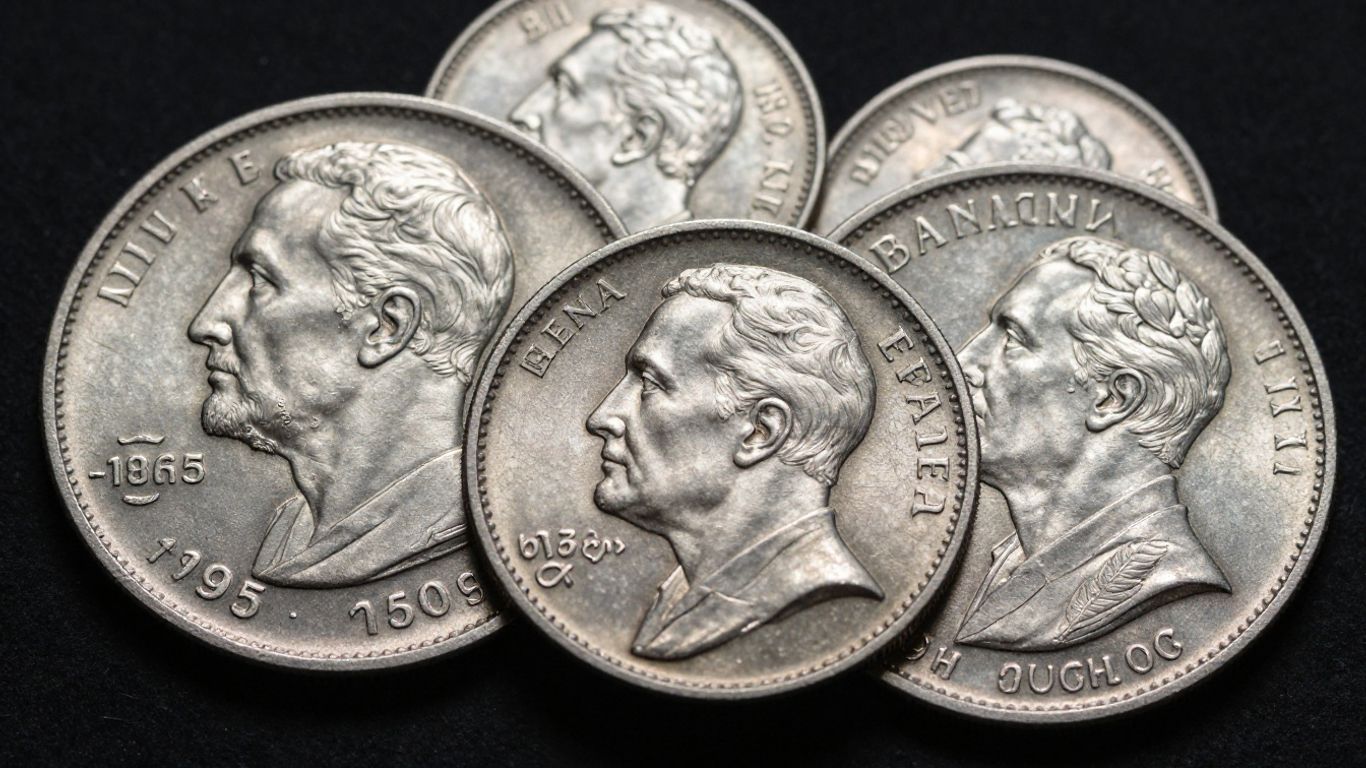
Focusing on Quality, Rarity, and Condition
Putting together a coin collection that’s worth something isn’t just about grabbing any old silver dollar. You really need to think about what makes a coin special. It’s a mix of things, honestly. The rarer a coin is, the more people will want it, and that usually means a higher price tag. Think about it like collecting anything else – the harder it is to find, the more it’s worth. Condition is a huge part of this too. A coin that’s been kept in great shape, with no major scratches or wear, will always be more desirable than one that looks like it’s been through the wringer. Grading services like PCGS and NGC help sort this out, giving coins a number based on their condition, which really helps buyers know what they’re getting.
Strategic Decision-Making for Collectors
When you’re serious about building a coin portfolio, you can’t just buy randomly. You need a plan. What kind of coins are you interested in? Are you going for specific series, like Morgan dollars or Mercury dimes? Or maybe you’re more interested in coins with a particular historical story behind them. It’s also smart to look at coins that have a history of holding their value or even increasing over time. Some coins, even if they aren’t super rare, become popular because of their design or a specific event tied to their minting. Paying attention to auction results and what other collectors are buying can give you some good ideas. It’s a bit like investing in the stock market, you want to pick things that have a good track record. For instance, looking at how different types of coins perform can be really insightful, similar to how people analyze cryptocurrency markets.
Navigating the Evolving Coin Market
The coin market changes, just like any other market. What’s popular today might not be tomorrow, and new discoveries can shake things up. It’s important to stay informed. Reading up on coin shows, following market trends, and talking to other collectors can help you make smart choices. Sometimes, coins that weren’t considered that special a few years ago suddenly become highly sought after. This can be due to new research, a surge in collector interest, or even changes in how coins are graded. Being flexible and willing to learn is key to success. You might find that focusing on coins with a strong historical connection, beyond just their silver content, can lead to some surprising finds.
Building a coin collection takes time and effort. It’s not just about the money; it’s about the history and the hunt. You need to do your homework, know what you’re looking for, and be patient. The best collections are often built piece by piece, with careful consideration given to each addition.
Here are some points to keep in mind:
- Research: Always learn about the coins you’re interested in before buying.
- Condition: Prioritize coins in the best possible condition for their type.
- Rarity: Understand the mintage numbers and survival rates.
- Market Trends: Keep an eye on what’s popular and what prices are doing.
- Authenticity: Buy from reputable dealers or use grading services to verify coins.
Practical Considerations for Silver Coin Investors
When you decide to put your money into silver coins, there are a few things to think about to make sure you’re doing it right. It’s not just about buying shiny metal; it’s about making smart choices that protect your investment and help it grow.
Choosing the Right Silver Coins
Not all silver coins are created equal, and knowing the difference can save you a lot of trouble. You’ve got your basic bullion coins, which are valued mostly for the silver they contain. These are usually made by government mints and are pretty easy to buy and sell. Then there are numismatic coins. These have value not just from the silver, but also from their age, how rare they are, and their historical importance. They often cost more upfront but can offer bigger gains if you pick the right ones. Think about what you want: pure silver content or a coin with a story and potential for collector value.
Understanding Market Trends and Volatility
Silver prices can go up and down, sometimes quite a bit. It’s like any market, really. Things like how much silver is needed for industry, what’s happening with the economy overall, and even world events can push prices around. Keeping an eye on these trends helps you decide when to buy and when to sell. It’s a physical asset, so it’s different from stocks or bonds, but it’s still subject to market forces.
Storage and Security for Physical Assets
Since silver coins are physical things, you need a safe place to keep them. You can’t just leave them lying around. Some people keep them at home in a good safe, which is convenient but carries risks. Others use bank safety deposit boxes, which offer more security but cost money to rent. There are also special storage places that are built for precious metals, with lots of security and insurance. The best storage method depends on how much you have and how much risk you’re comfortable with.
Owning physical silver means you have something tangible. It’s not tied to a computer system or a bank’s ledger. This can offer a sense of security, especially when the economy feels shaky. It’s a way to hold onto wealth that feels real and can’t be easily erased or hacked.
The Impact of the Coinage Act of 1965
Shifts in U.S. Coin Production
The year 1965 was a turning point for American coinage. Before this, many of our circulating coins, specifically dimes and quarters, were made with a significant amount of silver. However, the rising price of silver made these coins worth more as metal than as currency. This situation led to widespread hoarding, meaning fewer coins were actually circulating.
To address this, Congress passed the Coinage Act of 1965. This law fundamentally changed the composition of U.S. dimes and quarters. They transitioned from being 90% silver to a "clad" structure. This means they now have a core of pure copper sandwiched between two outer layers of copper-nickel alloy. This change effectively removed silver from these everyday coins. Half dollars were also affected, though they retained some silver content for a while longer.
The End of an Era for Silver Coinage
This legislative action marked the definitive end of silver as a primary component in U.S. circulating coinage. For collectors and investors, this date is incredibly significant. It means that any dimes or quarters minted before 1965 are considered "silver coins" or "junk silver" (though that term is a bit dismissive, as they hold considerable value). Coins minted from 1965 onward, for these denominations, do not contain silver and are therefore valued primarily for their face value or their numismatic rarity, not their metal content.
This shift had a profound impact:
- Increased Availability of Pre-1965 Silver: Coins that were previously circulating were suddenly pulled out and saved by people who recognized their intrinsic silver value.
- New Collecting Focus: The market for pre-1965 silver coins grew, as collectors sought to preserve these pieces of history.
- Shift in Minting: The U.S. Mint began producing clad coins, which are still in use today.
The decision to remove silver from dimes and quarters wasn’t just a technical adjustment; it was a policy change that reshaped the landscape of coin collecting and investing for decades to come. It created a clear distinction between modern, silverless coins and the older, silver-rich ones, influencing what people saved and how they viewed their money.
Influence on Modern Collecting Trends
The Coinage Act of 1965 didn’t just change what coins were made of; it also reshaped how people collect them. Suddenly, there was a distinct category of "silver coins" that held both a melt value based on silver content and a numismatic value based on rarity and historical appeal. This distinction is still very much alive today. When people talk about investing in precious metals through coins, they often specifically refer to these pre-1965 silver pieces, like the Washington quarter, because of their 90% silver composition. The act essentially created a clear dividing line, making it easier for collectors to focus on acquiring coins with tangible silver value, distinguishing them from the clad coinage that followed.
Numismatic Value Beyond Melt Value
It’s easy to get caught up in the silver content of pre-1965 coins, and that’s a big part of their appeal. But there’s more to these old coins than just the metal they’re made from. Their numismatic value, which is basically their collector value, can sometimes be way more than what the silver itself is worth. Think of it like this: a regular old spoon might be made of silver, but a spoon that belonged to a famous historical figure? That’s a whole different story.
Factors Contributing to Numismatic Worth
Several things make a coin more than just its silver weight. Rarity is a big one. If only a few of a certain coin were ever made, or if most of them have been lost or melted down, the ones that are left become much more desirable to collectors. Condition plays a huge role too. A coin that’s been kept in great shape, with all its details sharp and clear, is worth a lot more than one that’s heavily worn or damaged. Then there’s historical significance. Coins minted during important times in history, or those that tell a story about the past, often carry extra weight with collectors. It’s not just about the silver; it’s about owning a piece of history.
Craftsmanship and Artistic Merit
Don’t forget the artistry involved. Many older coins feature intricate designs and detailed engravings that were created by skilled artisans. The beauty of these designs, the quality of the strike, and the overall aesthetic appeal can significantly boost a coin’s desirability. Some coins are simply works of art, and collectors are willing to pay a premium for that.
Historical Significance in Coin Valuation
Coins can be like tiny time capsules. They can show us what people were thinking about, what events were happening, and what symbols were important during the time they were made. For example, a coin minted during a major war or a period of significant change might be especially sought after by history buffs. This connection to the past adds a layer of value that melt value simply can’t capture. It’s this blend of metal, artistry, and history that makes collecting pre-1965 silver coins so fascinating.
The true value of a coin often lies in the story it tells and the rarity it represents, far surpassing the simple worth of its metal content. Collectors are drawn to the tangible connection to history and the thrill of possessing something unique and scarce.
Here are some examples of how different factors can influence a coin’s worth:
- Rarity: A coin with a very low mintage number will generally be more valuable than a common one.
- Condition (Grade): A coin graded as Mint State (uncirculated) will command a higher price than a heavily circulated example.
- Key Dates/Mint Marks: Specific dates or coins from certain mints (like the "S" for San Francisco or "D" for Denver) can be much rarer and thus more valuable.
- Errors: Coins with minting errors, such as double dies or off-center strikes, can be highly prized by collectors.
For instance, while pre-1965 dimes are often collected for their silver content, a rare date like the 1916-D Mercury dime can fetch prices significantly higher than its melt value due to its scarcity. Understanding these elements helps collectors appreciate why some coins are worth so much more than just the silver they contain.
Silver Coins as Family Heirlooms
Creating a Tangible Legacy
Passing down wealth isn’t just about financial accounts. Pre-1965 silver coins offer a unique way to leave something concrete for future generations. These aren’t just pieces of metal; they’re tangible links to the past. Imagine handing down a coin that was minted decades, or even a century, ago. It’s a physical piece of history that can be held, admired, and understood in a way that a digital statement never could be. This enduring physical presence makes them ideal for creating a lasting legacy. They represent a connection to family history and a tangible asset that can be preserved and appreciated over time.
Passing Down Cultural Heritage
Many pre-1965 silver coins carry significant cultural weight. They often feature designs and imagery that reflect the values, art, and historical events of their time. For instance, coins from different eras might showcase portraits of leaders, symbols of national identity, or artistic styles that are no longer common. Collecting and preserving these coins allows you to share a piece of this cultural narrative with your descendants. It’s a way to educate them about history and art in a very personal and engaging manner. Think about the stories these coins could tell about the times they circulated in.
The Emotional Value of Collectibles
Beyond their melt value or even their numismatic rarity, silver coins can hold deep emotional significance. They can become cherished items passed down through families, each coin carrying memories and associations. A coin might have been acquired by a grandparent during a significant life event, or perhaps it was a favorite piece of a parent. This personal history imbues the coin with an emotional value that far surpasses its material worth. It becomes a symbol of connection, remembrance, and family continuity. These aren’t just investments; they are pieces of personal history waiting to be shared.
Tax Implications for Selling Silver Coins
Shifts in U.S. Coin Production
The Coinage Act of 1965 marked a significant turning point for American currency. Before this act, many circulating coins, particularly dimes, quarters, and half dollars, were made with a substantial silver content. This meant that the metal value of the coins was often close to, or even exceeded, their face value. The act changed this by removing most silver from these denominations. This move was largely driven by the rising price of silver, which made it uneconomical to continue minting coins with such a high silver percentage.
The End of an Era for Silver Coinage
This legislation effectively ended the era of silver coinage for everyday transactions in the United States. Coins minted after 1965, specifically dimes and quarters, are now made of a copper-nickel clad composition. Half dollars were made with a reduced silver content (40%) for a period after 1965 but eventually also transitioned to the copper-nickel clad standard. This shift meant that the intrinsic silver value was no longer a primary characteristic of these common coins, fundamentally altering their nature from a monetary instrument with inherent metal worth to one whose value is primarily based on its face value and, for collectors, its numismatic appeal.
Influence on Modern Collecting Trends
The discontinuation of silver in circulating coinage had a profound effect on coin collecting. Suddenly, pre-1965 silver coins, often referred to as "constitutional silver," became distinct from their modern counterparts. This created a clear separation between coins valued for their silver content and historical significance versus those valued mainly for their rarity, condition, or specific minting characteristics. Collectors began to focus more intently on acquiring these pre-1965 silver coins, recognizing their dual nature as both a tangible store of precious metal and a piece of history. This has contributed to the enduring popularity and market demand for these older silver coins among investors and hobbyists alike.
A Lasting Legacy in Silver
So, when you look at those old silver coins, remember they’re more than just metal. They’ve been part of history, seen different times, and for many, they represent a smart way to hold onto wealth. Whether you’re a seasoned collector or just starting out, these pre-1965 silver coins offer a connection to the past and a solid piece of tangible value. It’s pretty neat to think about. They’re not just coins; they’re little pieces of history you can actually hold in your hand, and that’s something special.
Frequently Asked Questions
What makes pre-1965 silver coins special?
Coins made before 1965 in the U.S. contain a significant amount of real silver, usually 90%. This means they have value based on the silver they contain, not just what they look like. Plus, many of these coins are old and tell a story from the past, making them interesting to collectors.
Are all old silver coins valuable?
Not all old silver coins are super valuable. While their silver content gives them a base value, some are much rarer than others. Coins with special dates, unique mistakes made during minting, or those in perfect condition can be worth much more than just their silver.
What is 'Constitutional Silver'?
Constitutional Silver refers to U.S. coins made before 1965 that are 90% silver. Think of dimes, quarters, and half-dollars from that time. They are called ‘constitutional’ because they were once legal money that people used every day, and they have a set amount of silver in them.
How can I tell if a pre-1965 silver coin is worth a lot?
You’ll want to look at a few things. First, check the coin’s date and mint mark (where it was made). Some dates are much harder to find. Also, see how good the coin looks – is it worn out or nearly perfect? Rare mistakes or errors during minting can also make a coin very valuable.
Why did the U.S. stop making silver coins in 1965?
The U.S. government changed how coins were made because the price of silver went up a lot. It became too expensive to put that much silver in everyday coins. So, they started using less silver, and eventually, most coins were made from other metals.
Is investing in old silver coins a good idea?
Investing in old silver coins can be a good way to own something real that might go up in value. They have value from the silver itself and can also increase in worth if they are rare or historically important. It’s a way to have a physical asset that’s different from stocks or bonds.
Where should I store my silver coins?
It’s important to keep your silver coins safe. You could use a home safe, a bank safety deposit box, or even a special storage company. The main goal is to protect them from theft, damage, or loss so their value stays intact.
Do I have to pay taxes when I sell my silver coins?
Yes, you might have to pay taxes when you sell silver coins for more than you paid for them. If you sell a certain amount, you might need to report it to the government. It’s a good idea to talk to a tax expert to understand the rules for your situation.