
When you look at a coin, you probably focus on the images and words right on the front and back. But what about the side? That edge isn’t just there to make the coin thicker. It actually has a bunch of purposes, from stopping people from messing with the coin to making it look way cooler. We’re going to talk about why coin edge design purposes are more than just looks.
Key Takeaways
- Coin edges offer security by making counterfeiting and clipping harder, protecting the coin’s original value and design.
- Distinctive edges improve grip, which is helpful during ceremonies or when handling coins frequently.
- The design of a coin’s edge adds visual appeal and can give it a more sophisticated or unique look.
- Different edge styles, like rope or diamond-cut, can boost a coin’s collectability and make it more desirable.
- Choosing the right coin edge involves considering organizational values, budget, and what the intended audience prefers.
Understanding The Purpose Of Coin Edge Design
When you first look at a coin, your eyes usually go straight to the artwork on the front and back, right? It’s easy to forget about the edge. But that outer rim is actually doing a lot more than just holding the coin together. It’s a smart design choice that serves several important functions, going way beyond just looking pretty.
Security Against Counterfeiting
Think about it: if a coin has a plain, smooth edge, it’s much easier for someone to try and shave off bits of metal or alter it without anyone noticing. A specially designed edge makes that kind of tampering much harder. It adds a layer of complexity that unauthorized people just can’t replicate easily. This makes the coin harder to fake and helps keep its true value intact. It’s like a built-in security guard for the coin itself.
Enhancing Grip And Handling
Have you ever tried to hold a really smooth, thin object? It can be slippery, especially if your hands are a bit damp or if you’re in a situation where you need a firm hold. Coin edges, especially those with patterns or textures, give you a better grip. This is super important in certain situations, like when coins are used in ceremonies or passed around during events. A good grip means the coin is less likely to be dropped, keeping things running smoothly.
Organizational Identity And Branding
Beyond security and handling, the edge is also a way to show who the coin belongs to or what it represents. Different edge styles can give a coin a specific feel. A classic rope edge might suggest tradition or a maritime connection, while a modern line edge could feel more sleek and contemporary. This visual cue helps make the coin instantly recognizable and ties it back to the organization or event it’s associated with, strengthening its identity and making it more memorable.
Elevating Aesthetics Through Coin Edge Design
Beyond their practical uses, coin edges play a big part in how a coin looks and feels. They add a layer of detail that can really make a coin special. Think of it like the frame around a picture – it helps draw attention to the main artwork and adds to the overall impression.
Adding Visual Appeal and Dimension
Edges aren’t just plain borders; they can be designed to add texture and visual interest. A simple flat edge is fine, but something with a pattern can catch the light differently and give the coin a more substantial feel. It’s these small details that can make a coin feel more finished and impressive.
Creating a Sophisticated and Regal Look
Certain edge styles can give a coin a more formal or even luxurious appearance. Think about edges that mimic fine jewelry or classic architectural details. These can make a coin feel more important, like something you’d want to keep and display. It’s about giving the coin a sense of prestige.
Boosting Collectability and Desirability
When a coin has a unique or particularly well-executed edge design, it can make it more appealing to collectors. It’s another point of interest that sets one coin apart from another. A distinctive edge can become a signature feature, making the coin more memorable and sought after. It adds to the story and the overall appeal of the piece.
Practical Functions Of Coin Edges
Beyond just looking good, the edges of coins serve some really important jobs. Think of them as the unsung heroes of coin design, working hard behind the scenes. They’re not just there for show; these edges have real-world applications that matter.
Preventing Tampering and Clipping
One of the biggest reasons for specific coin edge designs is to stop people from messing with them. In the past, folks would shave off tiny bits of metal from the edges of coins to steal the material. This was called "clipping." A plain edge makes it hard to tell if someone has done this. But with a patterned or textured edge, any attempt to shave it down becomes really obvious. It’s like a built-in security system.
- Distinctive edges make unauthorized alterations immediately visible.
- This protects the coin’s original weight and metal content.
- It helps maintain the coin’s integrity and value.
A coin’s edge is a surprisingly effective deterrent against subtle forms of theft and alteration, safeguarding the coin’s intrinsic worth and intended design.
Improving User Grip For Ceremonies
Have you ever tried to hold onto something slippery? It’s not easy. For coins used in official events or ceremonies, a good grip is surprisingly important. Some edge designs, like those with raised lines or patterns, give you a much better hold. This is especially true when coins are being handed out or presented. It makes the whole process feel more secure and professional. For example, a coin with a textured surface provides a better feel in the hand, which is useful during official presentations. This texture can make a big difference.
Facilitating Identification By Touch
This might seem a bit old-fashioned, but being able to identify a coin just by feeling it can be useful. In certain situations, like during a challenge coin ceremony, the unique edge design allows participants to identify their coin without even looking. It adds a layer of tradition and a bit of fun to the event. It’s a way to make the coin feel more personal and connected to the moment.
Common Coin Edge Styles And Their Appeal
When you first look at a coin, your eyes might go straight to the main design, but the edge is actually a pretty big deal. It’s not just about how the coin looks; it’s about how it feels and what it communicates. Different edge styles give coins a unique character, and some are way more popular than others for good reasons.
The Classic Standard Flat Edge
This is the most common edge you’ll see, and for good reason. It’s simple, clean, and lets the main design of the coin really shine without any distractions. Think of it like a plain white mat around a picture – it frames the artwork perfectly. It’s a safe bet for almost any kind of coin, whether it’s for a military unit, a corporate event, or just a general commemorative piece. It doesn’t add much cost, and it keeps things looking professional and timeless. The standard flat edge is the go-to for a reason: its simplicity. It’s also the most budget-friendly option, which is always a plus when you’re making a lot of them.
The Nautical Rope Edge
Now, this one adds a bit more flair. The rope edge looks like a twisted rope going all the way around the coin. It’s got this classic, almost maritime feel to it. You’ll often see this style on coins for Navy personnel or other groups with a connection to the sea. It adds a nice bit of texture and visual interest, making the coin feel more substantial in your hand. It suggests a sense of unity and tradition, which is why it’s popular with many organizations. It’s a step up from the flat edge in terms of visual appeal and can make a coin feel more special.
The Modern Oblique Line Edge
For something a bit more contemporary, the oblique line edge is a great choice. This style features a series of parallel diagonal lines etched into the edge. It gives the coin a sleek, modern look and adds a subtle sense of depth and movement. It catches the light in interesting ways, making the coin stand out without being overly flashy. This is a good option if you want a coin that feels current and sophisticated, perhaps for a tech company or a modern design award. It’s a bit more intricate to produce than a flat edge, but the visual payoff is definitely there. It’s a nice way to add a bit of visual pop and make your coin instantly recognizable.
Choosing the right edge style is about more than just looks; it’s about how the coin feels, how it’s perceived, and what message it sends. Each style has its own appeal and practical considerations that can make a big difference in the final product.
Distinctive Coin Edge Options For Customization
The Textured Petal Edge
This edge style brings a soft, almost floral feel to the coin’s perimeter. It’s made up of small, curved cuts that create a gentle, textured look. It’s a nice way to add some visual interest without being too flashy, giving your coin a unique and refined appearance.
The Sparkling Diamond Cut Edge
For a touch of real luxury, the diamond cut edge is the way to go. This involves a series of tiny, precise cuts that catch the light, making the edge sparkle like a faceted gem. It really makes a coin stand out and feel quite special, perfect for something you want to feel high-end.
The Tactile Reeded Edge
Think of the edge on a U.S. quarter – that’s a reeded edge. It has those parallel lines running around it, which not only looks sharp but also gives you a distinct feel. This tactile quality can be surprisingly useful for identification by touch. It adds a classic, almost industrial feel that’s both practical and stylish.
Choosing The Right Coin Edge For Your Project
When you’re getting custom coins made, picking the right edge design is more than just a small detail. It really matters for how the coin looks, how it feels, and even what it communicates. Think about it like choosing the right frame for a picture; it can totally change how you see the artwork. So, how do you land on the perfect edge for your project? It boils down to a few key things.
Aligning Edge Design With Organizational Values
First off, consider what your organization is all about. Does your group focus on tradition, innovation, or perhaps a specific theme like maritime history? The edge should match that vibe. For example, a classic rope edge might fit perfectly for a naval group, adding a thematic touch that people will notice. A more modern, sleek oblique line edge could be better for a tech company. The edge design should tell a part of your story without saying a word. It’s about making sure the coin feels like a true representation of your identity. This connection helps make the coin more meaningful to everyone who receives it.
Considering Budget And Production Costs
Let’s be real, budget is always a factor. Some edge styles are more complex to produce, which naturally costs more. A standard flat edge is usually the most budget-friendly option. On the other hand, intricate designs like a diamond cut edge, which involves many precise cuts, will increase the price. It’s a balancing act between getting the look you want and staying within your financial limits. You might need to explore different coin blank materials to see how they affect overall cost too. It’s worth looking into how different manufacturing techniques, like milling versus stamping, can impact the final price for various edge styles.
Understanding Audience Preferences
Who are these coins for? Are they for high-level executives, active service members, or perhaps a general audience? What might appeal to one group could be different for another. For a more formal setting, a refined edge might be best. If the coins are for a group that appreciates a bit of flair, a more decorative edge could be a hit. Sometimes, it’s helpful to get a feel for what people like. Think about the overall impression you want to make. A coin that feels right in the hand and looks good can make a big difference in how it’s received and kept.
Here are some common edge styles and what they might communicate:
- Standard Flat Edge: Clean, simple, and versatile. Works for almost any occasion.
- Rope Edge: Classic, nautical, and adds a touch of tradition.
- Oblique Line Edge: Modern, sleek, and sophisticated.
- Diamond Cut Edge: Luxurious, sparkling, and high-impact.
- Grid Edge: Structured, precise, and visually interesting.
Making the right choice for your coin’s edge involves looking at your organization’s core values, how much you can spend, and who will be holding the coin. It’s about creating something that looks good, feels good, and truly represents what you’re all about.
Manufacturing Techniques For Coin Edges
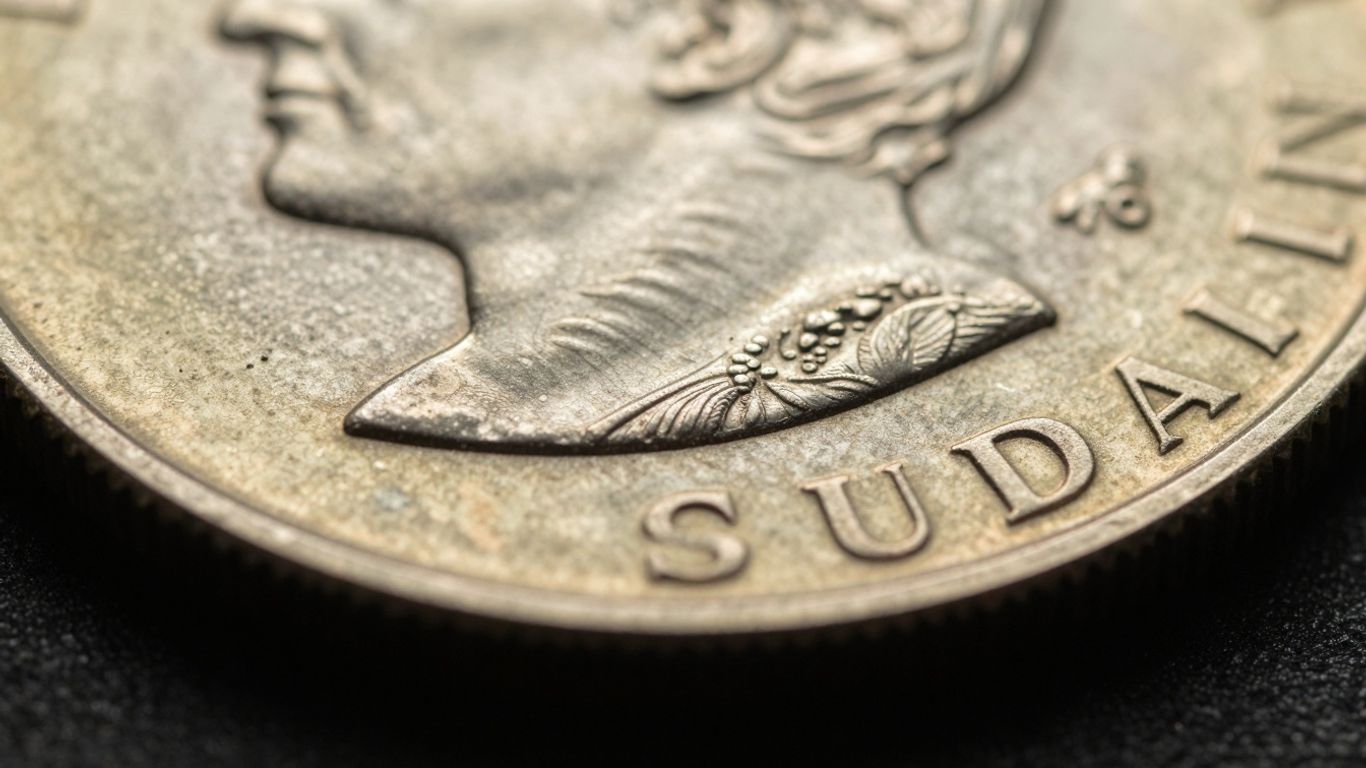
When we talk about making coins look and feel just right, the edge is a big part of it. It’s not just about how it looks, but how it’s made. Two main ways we shape these edges are milling and stamping. Each has its own strengths, and picking the right one really depends on what you’re going for.
Precision Through Edge Milling
Edge milling is like using a very precise tool to carve out the design on the coin’s edge. Think of it as a tiny, controlled sculpting process. This method is great when you need really fine details, like intricate patterns or very specific textures. It allows for tight control over the depth and shape of each line or curve. This level of precision is what makes complex designs, like a diamond-cut or a detailed rope pattern, possible and consistent. It’s often the go-to for smaller runs or when the design demands a high degree of intricacy that simpler methods can’t achieve.
Efficiency With Edge Stamping
Edge stamping is a bit different. Instead of carving, it uses a die to press a design onto the edge. This is a much faster process, especially when you need to make a lot of coins. It’s really good for simpler, more common edge styles like a standard flat edge, a basic reeded edge, or a straightforward rope pattern. Because it’s quicker and uses less material in some ways, it can be a more budget-friendly option for larger orders. It’s all about getting a uniform look across many coins without the time investment of milling.
Balancing Detail and Production Volume
So, how do you decide? It really comes down to what’s more important for your project. If you need a really unique, detailed edge that screams quality and sophistication, milling is probably your best bet. It might take a bit longer and cost a little more, but the result is often stunning. On the other hand, if you’re making a large batch of coins and need them to look good without breaking the bank, stamping is the way to go. It offers a good balance of appearance and cost-effectiveness for mass production.
- Milling: Best for intricate details, custom patterns, and smaller batches. Offers high precision.
- Stamping: Ideal for simpler designs, high volume, and cost-efficiency. Provides uniformity.
The choice between milling and stamping isn’t just about aesthetics; it’s a practical decision that impacts cost, timeline, and the final look of the coin. Understanding these techniques helps in selecting the most suitable method for your specific needs.
Here’s a quick look at what each method is good for:
| Feature | Edge Milling | Edge Stamping |
|---|---|---|
| Detail Level | High, intricate patterns possible | Moderate, best for simpler, repetitive designs |
| Speed | Slower | Faster |
| Cost | Generally higher, especially for complex designs | Generally lower for high volumes |
| Best For | Custom, unique, high-detail edges | Standard edges, large production runs |
The Impact Of Coin Edge Design On Recognition
Ever notice how some coins just feel different? It’s not just the weight or the metal; often, it’s the edge. The way the side of a coin is finished can really make it stand out, helping people remember it and connect it to something specific. It’s like a subtle signature that adds to the coin’s overall identity.
Making Coins Instantly Identifiable
A unique edge design acts like a fingerprint for a coin. Think about it: when you’re holding a coin, especially in a group or during an event, a distinct edge makes it easier to pick out. This isn’t just about looks; it’s about quick recognition. For organizations, this means their coins can become instantly associated with them. A specific pattern or texture on the edge can become synonymous with the group, making the coin a clear symbol of belonging or affiliation. This immediate recognizability is a big deal for branding and identity.
Strengthening Brand Association
When a coin has a special edge, it’s not just a piece of metal; it becomes a tangible representation of a brand or organization. Imagine a company using a coin with a specific, repeating pattern on its edge. Over time, people start to associate that pattern with the company. This visual and tactile cue strengthens the connection between the coin and the brand, making it more memorable. It’s a way to embed the brand’s identity into an object that people carry and interact with. This kind of association is powerful, turning a simple coin into a constant reminder of the organization it represents. It’s a smart way to keep your brand top-of-mind, even when the coin isn’t actively being looked at. The edge becomes part of the brand’s story.
Creating Memorable Keepsakes
Beyond just identification, distinctive coin edges contribute to a coin’s status as a keepsake. A coin with a standard, smooth edge might be nice, but one with a unique design – perhaps a rope pattern or a series of fine lines – feels more special. This added detail makes the coin more interesting to hold and look at, increasing its appeal as a memento. People are more likely to keep and cherish something that feels unique and well-crafted. This is particularly true for commemorative or award coins. The edge design can reflect the theme of the event or achievement, making the coin a more meaningful reminder of the occasion. It transforms a functional item into something with sentimental value, something people want to hold onto.
- Tactile Distinction: A textured edge provides a unique feel, aiding identification by touch alone.
- Visual Interest: Decorative edges add depth and character, making the coin more engaging.
- Thematic Alignment: Edge designs can be chosen to complement the coin’s main artwork and message.
The edge of a coin, often overlooked, plays a significant role in how we perceive and remember it. It’s a design element that bridges the gap between pure function and lasting impression, making each coin a more distinct and personal item.
Beyond Aesthetics: The Functional Role Of Coin Edges
While we often admire the intricate designs on the faces of coins, the edges themselves serve purposes far beyond just looking good. These often-overlooked borders play a significant role in a coin’s security, handling, and overall integrity. They are not merely decorative elements but functional components that contribute to a coin’s longevity and authenticity.
Deterring Unauthorized Alterations
One of the primary functional roles of a coin’s edge design is to act as a deterrent against tampering. Historically, coins were sometimes subjected to ‘clipping,’ where small amounts of metal were shaved off the edges to be melted down. A distinctive edge, whether it’s a series of raised lines (reeding), a pattern, or lettering, makes such alterations immediately obvious. If the edge is damaged or shows signs of being filed down, it’s clear the coin has been tampered with. This visual cue is a simple yet effective way to maintain the coin’s intended value and prevent fraud.
Protecting The Coin’s Integrity
Beyond preventing clipping, edge designs contribute to the overall structural integrity of a coin. A well-defined edge can help protect the coin from bending or deforming under normal handling. For coins that are frequently exchanged or used in specific ceremonies, this durability is important. Think about coins used in military challenges or as tokens of recognition; they are handled often and need to withstand regular use without losing their shape or detail. The edge acts as a protective band, reinforcing the coin’s structure.
Ensuring Reliable Handling In Events
Certain edge designs are specifically chosen to improve how a coin is handled, especially in formal or ceremonial contexts. For instance, a coin with a textured or patterned edge provides a better grip than a completely smooth one. This is particularly relevant for challenge coins, where they might be presented or passed during events. A secure grip prevents accidental drops and adds a tactile element that can make the coin feel more substantial and important. This tactile quality can also aid in identification by touch, which is useful in low-light conditions or for individuals with visual impairments.
- Reeded Edges: These have parallel grooves, offering a good grip and making them instantly recognizable by feel.
- Rope Edges: Featuring a raised, twisted pattern, these provide a very secure hold and a distinct visual appeal.
- Patterned Edges: Various custom patterns can be incorporated, offering unique tactile sensations and enhanced grip.
The practical considerations for coin edges often go unnoticed by the casual observer. However, for those who design, produce, or frequently use these coins, the edge is a critical feature that impacts security, durability, and user experience. It’s a testament to how even the smallest details can have significant functional implications.
Inspiration From Unique Coin Edge Examples
Sometimes, looking at how others have done things can really spark some ideas for your own projects. When it comes to coin edges, there are some pretty neat examples out there that show just how much a little detail can do. It’s not just about making the coin look fancy; it’s about telling a story or adding a specific feel.
The Wave Cut Edge For Fluidity
The wave cut edge is a really interesting one. It looks like ripples on water, with these smooth, flowing curves. It gives the coin a sense of movement, almost like it’s alive. This kind of edge can make a coin feel more dynamic and visually appealing, especially if the coin’s theme has anything to do with the ocean, nature, or even just a sense of flow.
The St. Paddy’s Day Coin’s Celtic Knot Integration
Take, for instance, a St. Patrick’s Day coin. Imagine a coin with a detailed Celtic knot border. Now, picture that coin finished with a wave cut edge. The flowing lines of the wave cut can really complement the intricate, looping patterns of the Celtic knot. It creates a really cohesive look, blending the texture of the knot with the fluid motion of the edge. It’s a great way to tie the whole design together and make it feel more complete and thoughtful.
The "What We Do In Life" Coin’s Contrasting Design
Another example that stands out is a coin with the phrase "What We Do In Life" inscribed on it. This coin might feature a bold, central design, perhaps with bright colors. Pairing such a coin with a wave cut edge can create a striking contrast. The sharp, perhaps more serious, imagery in the center is softened and given a unique character by the gentle, flowing wave pattern on the outside. It shows how different edge styles can play off the main design in unexpected ways, making the coin memorable.
The choice of edge design isn’t just an afterthought; it’s an opportunity to add another layer of meaning and visual interest to a coin. Unique edges can transform a standard piece into something truly special.
Here are a few ways these unique edges make a difference:
- Adds Texture: Edges like the wave cut provide a tactile experience, making the coin more interesting to hold.
- Visual Interest: They break up the monotony of a flat edge, drawing the eye and adding depth.
- Thematic Connection: A well-chosen edge can reinforce the coin’s theme, whether it’s nature, tradition, or a specific event.
- Distinctiveness: It helps the coin stand out from others, making it more recognizable and collectible.
Wrapping Up: The Edge of the Matter
So, we’ve looked at how coin edges are way more than just a way to finish off a coin. They actually do a lot, from making them harder to copy to just making them feel better in your hand. Whether it’s a simple flat edge or something fancy like a diamond cut, the edge really adds to the coin’s story and how people see it. Picking the right one means thinking about what your group is all about, what you can spend, and what looks good to the people getting the coin. It’s a small detail, but it makes a big difference in turning a regular coin into something special.
Frequently Asked Questions
What is the main point of having a special edge on a coin?
Having a special edge on a coin is important for a few reasons. It helps stop people from making fake coins because it’s harder to copy a unique edge. It also makes the coin easier to hold, especially during special events or ceremonies. Plus, a cool edge can make the coin look much nicer and more valuable.
How does a coin’s edge help prevent counterfeiting?
Unique edges make it much harder for counterfeiters to create fake coins. If someone tries to shave off metal from the edge or change it, the special design will show that it’s been messed with. This makes it easier to spot a fake coin.
Can the edge of a coin make it easier to handle?
Yes, definitely! Think about coins with patterns, like a rope or lines. These textures give your fingers something to grip, making the coin feel more secure in your hand. This is especially helpful when you need to present or handle coins during important events.
What are some common types of coin edges?
There are several popular styles. The ‘standard’ edge is just smooth and plain. Then there’s the ‘rope’ edge, which looks like a twisted rope. You can also find edges with straight lines, like the ‘oblique line’ edge, or edges that look like flower petals, called ‘petal’ edges. Some even have tiny cuts that sparkle like diamonds, known as ‘diamond cut’ edges.
Does the edge design affect how a coin looks?
Absolutely! The edge is a big part of a coin’s overall look. A simple, smooth edge gives a clean look, while a rope or diamond cut edge adds a lot of style and makes the coin seem more fancy or special. It’s like the frame around a picture – it adds to the whole presentation.
How do I pick the best edge for my custom coin project?
To choose the right edge, think about what your coin is for. Does it need to look serious and official, or more decorative? Consider your budget, too, as some edges cost more to make. Also, think about who will be using the coin – what kind of look would they appreciate most?
Are there different ways to make coin edges?
Yes, manufacturers use different methods. ‘Edge milling’ uses special tools to cut precise designs, which is great for detailed patterns. ‘Edge stamping’ is faster and uses a die to press the design onto the edge, which is good for making lots of coins quickly and keeping costs down.
Can a unique coin edge help people remember my organization?
It sure can! A distinctive edge makes your coin stand out and become more memorable. When people see or hold a coin with a special edge that’s linked to your organization, it helps them remember who you are and what you represent. It’s a small detail that adds a lot to your brand’s identity.