
Ever wonder what makes up those coins in your pocket? It’s not just one piece of metal. Most modern coins use a layered approach, called cladding, to get their unique properties and durability. This method involves bonding different metals together, creating a composite material that’s both practical and cost-effective. Let’s break down the clad coin composition layers and how they’re made.
Key Takeaways
- Clad coins are made of multiple layers, typically a core metal and outer cladding layers, bonded together.
- The core is often pure copper, while the cladding is usually a copper-nickel alloy, providing the coin’s outer appearance and durability.
- Bonding these layers was a significant challenge, with early methods like cold rolling producing weak bonds.
- Innovations like Joseph Winter’s hot rolling method and DuPont’s explosive bonding (Detaclad) were developed to create strong, reliable clad materials.
- The goal of clad coin composition layers is to achieve a uniform, pliable, and durable material that can withstand the minting process and everyday use without cracking or separating.
Understanding Clad Coin Composition Layers
The Core Material In Clad Coins
Most clad coins you handle today have a core, and it’s usually made of pure copper. Think of it as the sandwich filling. This copper core is chosen for a few reasons. It’s relatively inexpensive, it’s easy to work with, and it has good conductivity, though that’s less important for coins than its physical properties. The core provides the bulk of the coin’s thickness and weight. When you look at a coin that’s been damaged or worn down, you might see the reddish color of the copper peeking through the outer layers. That’s the core showing itself.
The Cladding Material In Clad Coins
On the outside of that copper core, you have the cladding. This is the material that gives the coin its final color and its resistance to wear. For many common coins, like US dimes and quarters, this cladding is a copper-nickel alloy. It’s typically about 75% copper and 25% nickel. This mix gives the coin a silvery appearance and makes it durable enough to withstand millions of transactions. Other coins might use different alloys for their cladding, depending on the desired look and the country’s specific needs.
Bonding The Layers Together
Now, getting these layers to stick together properly is where things get tricky. It’s not just a matter of slapping them together. The core and the cladding need to form a strong, permanent bond. Early methods sometimes struggled with this, leading to coins where the layers could separate. Modern techniques use processes like rolling and sometimes even controlled explosions to create a metallurgical bond, meaning the metals actually fuse together at a molecular level. This strong bond is vital so the coin doesn’t fall apart during the minting process or in everyday use.
Making clad coins involves more than just stacking metal. The core material, often copper, needs to be compatible with the outer cladding, usually a copper-nickel alloy. The real challenge lies in creating a bond between these layers that is strong enough to withstand the intense pressure of coining presses and the wear and tear of circulation. Without a solid bond, the coin would delaminate, rendering it useless.
Here’s a quick look at the typical layers:
- Core: Pure Copper (provides bulk and weight)
- Cladding: Copper-Nickel Alloy (provides color and durability)
This layered structure is what allows us to use less precious metal while still creating coins that look and feel substantial.
Manufacturing Processes For Clad Coinage
Making clad coins isn’t as simple as just sticking two different metals together. It involves some pretty specific manufacturing steps to get it right. Think of it like baking a layered cake – you need the right ingredients and the right oven temperature, or it all falls apart.
Hot Rolling And Lamination Techniques
This is where the magic really starts to happen. The process usually begins with a thick copper core. Then, thinner layers of the outer metal, like cupronickel, are placed on top and bottom. These layers are then fed through massive rollers. The key is to get the right pressure and temperature to bond these layers together without damaging them. Sometimes, only the core is heated, while the outer layers stay cooler. This controlled heating and intense rolling pressure helps to fuse the metals into a single, strong strip. It’s a bit like squeezing and heating clay to make it solid and shaped.
Challenges With Early Bonding Methods
Back in the day, getting these layers to stick was a real headache. Using simple cold rolling, where the metal is just pressed at room temperature, often resulted in weak bonds. The layers might look fine at first, but when the metal was bent or heated, they’d start to separate. Hot rolling helped a bit, but it brought its own set of problems, like making the metals expand unevenly. Plus, if you used a pure copper core, it could form brittle compounds where it met the outer layer, which would just crack under pressure. And don’t forget oxidation – the copper core could get a layer of rust or other oxides, which really messed with the bonding.
The Role Of Explosive Bonding
For some applications, especially with larger metal plates, explosive bonding became a viable option. This might sound a bit wild, but it uses a controlled explosion to force the metals together with incredible force. Imagine placing one metal plate on another, then setting off an explosive charge behind the top plate. The blast wave slams the top plate into the bottom one at high speed, creating a very strong metallurgical bond. It’s a bit like a super-powered hammer blow that fuses the metals at an atomic level. This method was particularly useful for creating large sheets of clad material where traditional rolling methods struggled to achieve a consistent bond.
Materials Science Behind Clad Coinage
Ensuring Uniformity and Pliability
Making clad coins isn’t just about slapping two metals together. The materials themselves have to be just right. Think about it: the metal strip needs to be uniform all the way through, meaning the composition is the same from edge to edge and layer to layer. It also has to be pliable. This pliability is what allows the metal to be rolled down into those thin strips needed for coins without breaking apart. If the metal is too stiff, it’ll just crack when you try to shape it.
Preventing Brittleness and Cracking
This is a big one. You don’t want your coins to be brittle, right? That’s where heat treatment, or annealing, comes in. After the metal is rolled, it can get hard. Annealing softens it back up, making it less likely to crack when it’s punched into coin blanks or struck by the dies. It’s a balancing act; you need the metal strong enough to withstand the minting process but not so hard that it becomes brittle. Early attempts sometimes struggled with this, leading to materials that would split or break.
Oxidation Issues In Copper Cores
When you’re working with pure copper for the core, especially when you’re heating it up for rolling, it can oxidize. This means a layer of copper oxide forms on the surface. This oxide layer is a real problem because it acts like a barrier, preventing the outer cladding material from bonding properly to the copper core. It can also lead to the formation of brittle compounds right where the two metals meet, which, as we’ve discussed, is a recipe for disaster when you’re trying to make coins. Sometimes, even tiny bits of other oxides, like iron or aluminum, can sneak in and mess up the bonding process, making it inconsistent.
Key Innovations In Clad Metal Production
Joseph Winter's Method For Clad Strips
Back in the late 1950s, there was a lot of tinkering happening with how to make clad metals. Joseph Winter, a researcher at Olin Brass, came up with a pretty neat way to make copper-nickel clad strips for coins. His method was straightforward but worked really well, letting them make these clad materials in big rolls that the mint could use later. It was a big step forward for making coinage materials.
Winter’s process involved a copper core, which was heated up a bit, and then sandwiched between two unheated copper-nickel plates. These three layers were then squeezed and thinned down a lot in a single pass through some heavy-duty rollers. What was interesting was how the plates went into the rollers – the copper-nickel layers hit the rollers at an angle, while the hot copper core stayed flat. This rolling happened pretty fast, at least 100 feet per minute, and it produced long strips of clad metal.
Texas Instruments And Other Suppliers
It wasn’t just Winter working on this stuff. Companies like Texas Instruments, Union Carbide, and Engelhard Industries were also developing similar methods. They were all supplying these clad metal materials to places like the U.S. Mint. This competition and shared development helped push the technology forward, making it more reliable and economical to produce the clad metal needed for coins.
DuPont's Detaclad Process
Then there’s DuPont’s Detaclad process, which used explosives. Yeah, you read that right – explosives. This method was pretty wild but effective, especially for bonding metals that were hard to join otherwise. They’d set up a layer of cladding metal above the core metal, with a small gap, and then place an explosive on top of the cladding. When detonated, the explosion created a shockwave that briefly softened the surfaces of both metals, forcing them together with incredible force. This created a really strong, metallurgical bond. It was a bit of a brute-force approach, but it worked for materials that couldn’t be welded or bonded easily, and it was a significant innovation in metal cladding technology.
Here’s a quick look at how the explosive bonding process generally works:
- Setup: The metals to be joined are arranged with a specific standoff distance and a layer of explosive material is placed on the top surface.
- Detonation: The explosive is detonated, creating a high-velocity shockwave.
- Bonding: The shockwave drives the top metal layer into the bottom metal layer at high speed, causing plastic deformation and forming a bond.
- Result: A strong, solid bond is created between the two metal layers.
This method allowed for the joining of materials that were previously considered unbondable, opening up new possibilities for creating composite metal structures. The careful selection of explosives and precise control over the detonation process were key to its success, preventing damage to the metals while achieving a strong union.
The Structure Of Clad Coin Layers
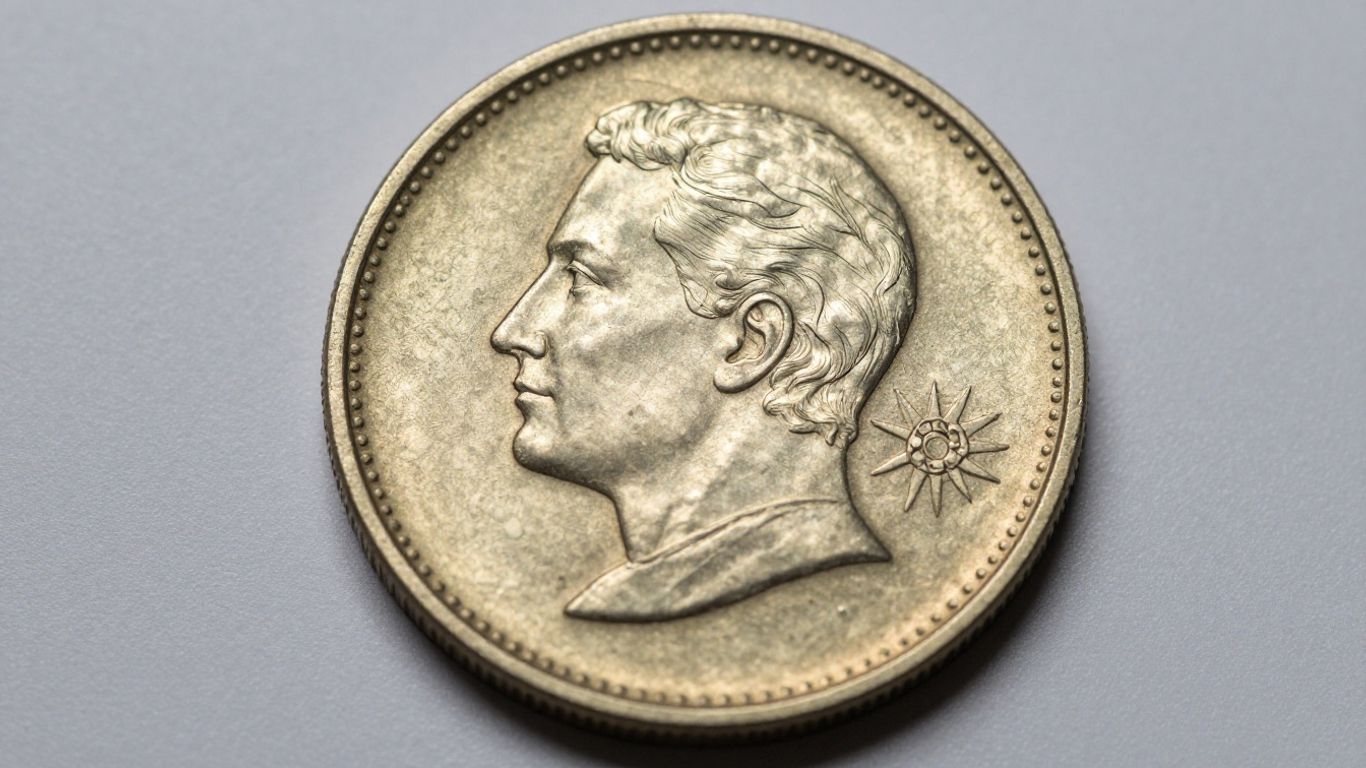
Clad coins aren’t just a single piece of metal; they’re built like a sandwich, with distinct layers fused together. This layered construction is key to their durability and appearance. Typically, you’ll find a core material surrounded by one or more outer layers, often called cladding. The specific metals used and how they’re put together make a big difference in the final coin.
Copper Core and Cupronickel Cladding
For many common coins, like those in the United States, the structure involves a pure copper core. This core provides the bulk and some of the coin’s flexibility. Wrapped around this copper heart is a layer of cupronickel, an alloy typically made of about 75% copper and 25% nickel. This cupronickel outer shell gives the coin its silvery appearance and much of its resistance to wear and tear. The combination of a copper core and cupronickel cladding offers a good balance of cost, durability, and aesthetic appeal.
Dissimilar Metals in Coinage
It’s interesting how different metals are combined in coinage. The goal is to get the best properties from each. For instance, copper is relatively inexpensive and easy to work with, but it can develop a patina over time and isn’t as hard as some other metals. Nickel, on the other hand, is harder and gives that bright, shiny look, but it can be more costly and sometimes brittle on its own. By layering them, you get a coin that looks good, lasts long, and doesn’t break the bank. This approach is a smart way to use materials effectively, avoiding the need for more expensive precious metals like silver or gold for everyday currency. The specific composition of these coins is primarily copper (88.5%), with smaller amounts of zinc (6%), manganese (3.5%), and nickel (2%). This blend gives them a warm, gold-like appearance, despite not containing precious metals. This blend gives them a warm, gold-like appearance.
Layer Thickness and Proportions
The exact thickness of each layer is carefully controlled during manufacturing. It’s not just about slapping metal together; precision matters. For example, in a typical cupronickel-clad coin, the outer cupronickel layers might make up about 10% of the total thickness, with the copper core forming the remaining 90%. These proportions are adjusted based on the intended use of the coin and the desired physical properties. Too thin a cladding layer, and the core might show through or wear away too quickly. Too thick, and the coin might become too soft or expensive. The manufacturing process aims for uniformity, so each coin blank has consistent layers, which is vital for the minting process that follows.
Achieving the right bond between these dissimilar metals is a significant manufacturing challenge. Early attempts often resulted in weak connections that could fail under stress, leading to coins that delaminated or cracked. This required developing specialized techniques to create a strong, metallurgical bond that could withstand the rigors of coin production and circulation.
Bonding Challenges And Solutions
Getting different metals to stick together in a way that lasts, especially for something as tough as coins, wasn’t always straightforward. Early attempts ran into a few snags that made the whole process tricky.
Weak Bonds From Cold Rolling
When you try to bond metals by just squishing them together at room temperature, called cold rolling, the connection often ends up pretty weak. It’s like trying to glue two pieces of paper together with just a bit of spit – it might hold for a bit, but give it a bend or some heat, and it’ll likely fall apart. This was a big problem for coin material because coins get handled a lot and struck with a lot of force.
Problems With Thermal Expansion
Different metals heat up and cool down at different rates. This difference in how they expand and contract, known as thermal expansion, can put a lot of stress on the bond between them. If the bond isn’t strong enough, this constant stretching and shrinking over time, especially during manufacturing processes that involve heat, can weaken or even break the connection. Hot rolling, which uses heat, sometimes made this problem worse instead of better.
Achieving A Metallurgical Bond
What coin makers really needed was a metallurgical bond. This isn’t just sticking two things together; it’s when the atoms of the two different metals actually mix and form a strong, unified structure at the interface. It’s a much more solid connection than just a surface-level bond. Early methods often failed to create this deep, atomic-level connection, leading to the issues mentioned above. The goal was to get the metals to behave almost like a single piece, even though they were made of different materials.
Here’s a look at some of the issues and what was needed:
- Uniformity: Both the core and cladding metals needed to be consistent throughout. Any variations could lead to weak spots.
- Pliability: The combined material had to be flexible enough to be rolled into thin strips without cracking.
- Strength: The bond had to withstand the immense pressure of coin striking dies.
- No Brittleness: The interface between metals shouldn’t become brittle, which would cause cracking.
The core material, often pure copper, could sometimes form brittle compounds with the outer cladding. This brittle layer was like a weak link, easily shattered when the metal was bent or struck, leading to delamination or cracking. Finding ways to prevent this brittle layer from forming was a major hurdle.
The Evolution Of Clad Coin Technology
Transition From Silver To Base Metals
For a long time, coins were made from precious metals like silver and gold. This was fine when those metals were plentiful and affordable. But as economies grew and more coins were needed, relying on silver became a problem. It was expensive, and there just wasn’t enough of it to go around for all the coins people needed. This led to a big shift. The U.S. Treasury Department had to figure out a new way to make coins that didn’t break the bank. They looked into different materials, and that’s where the idea of using base metals, like copper and nickel, really took off. This change wasn’t just about saving money; it was about making coinage practical for a modern world. It meant moving away from the traditional look and feel of silver coins, which many people were used to. This transition really kicked off the modern era of coinage, paving the way for what we use today. It’s interesting to think about how modern coins often use metal alloys that resemble silver, a direct result of this need to find alternatives.
Industrial Experimentation In The 1950s
During the 1950s, a lot of research and development was happening behind the scenes. Companies were trying to find the best way to combine different metals to create durable and cost-effective coins. One significant development came from Joseph Winter, a researcher at Olin Brass. Around 1962, he came up with a clever method for making layered metal strips, specifically a copper core with copper-nickel on the outside. This wasn’t just a lab curiosity; his process was designed to produce these clad strips in long coils, which is exactly what mints need for mass production. Other companies, like Texas Instruments and Union Carbide, were also experimenting with similar ideas. They were all trying to solve the same puzzle: how to create a coin material that looked good, wore well, and was affordable to produce in huge quantities.
US Mint Adoption Of Clad Materials
By the mid-1960s, the U.S. Mint was ready to make the big switch. They had been testing different clad materials, and the copper-nickel clad on a copper core seemed like the best option. In December 1964, the Mint placed its first orders for this new material, with Texas Instruments being one of the early suppliers. This marked a huge change from the old silver coins. The new clad coins, like the dimes and quarters introduced in 1965, were made of a pure copper core sandwiched between two layers of a copper-nickel alloy. This wasn’t a simple swap, though. Fabricating these clad materials presented new challenges, and companies had to develop new techniques to bond the layers securely. The goal was to create a coin that could withstand the rigors of daily use without the layers separating.
The shift to clad coinage was a major undertaking, requiring significant innovation in metalworking and manufacturing processes. It wasn’t just about changing the metal; it was about rethinking how coins were made from the ground up to meet the demands of a growing economy.
Specific Bonding Techniques Explained
Getting those layers of metal to stick together properly is a big deal when making clad coins. It’s not just about slapping them on top of each other; you need a real bond so they don’t come apart later. There are a few ways this has been done over the years, each with its own quirks.
Winter's Roll Bonding Method
This method, developed by Joseph Winter, uses rolling to press the layers together. Think of it like a super-powered rolling pin. The key idea is how the metal sheets move through the rollers. On the way in, the cladding and the core metal are moving at different speeds relative to the rollers. This difference creates a sort of shearing action right where the metals meet. As they go through the rollers and get thinner, their speeds even out. This shearing action is what helps create a strong bond. The angle at which the metal sheets enter the rollers is really important; too shallow, and you won’t get a good bond. If the metals touch before the rollers grab them, you can end up with parts that just separate later.
Explosive Bonding Principles
This sounds pretty wild, but it works. Basically, you stack the metal layers with a bit of space between them, and then put a layer of explosive on top. When the explosive goes off, it creates a shockwave that slams the layers together with incredible force. This force causes the surfaces of the metals to briefly become plastic, like a liquid, and they flow into each other, creating a solid metallurgical bond. It’s a way to join metals that might be hard to bond otherwise. The explosive needs to be just right – too fast, and it can shred the metal; too slow, and it won’t create enough force.
Surface Preparation For Bonding
No matter the method, how clean the metal surfaces are before bonding matters a lot. Any dirt, oil, or even a thin layer of oxide can get in the way and weaken the bond. For roll bonding, this might involve cleaning the metal strips before they go through the rollers. With explosive bonding, the surfaces are often prepared to be very smooth and clean. Sometimes, a special pattern of dimples or grooves is put on the surface to help create a more uniform and strong bond when the metals are forced together. This helps get rid of any trapped air or contaminants that could cause problems.
Materials Used In Clad Coinage
Copper-Nickel Alloy Composition
When we talk about clad coins, especially those used in the United States, the outer layers are typically made from a copper-nickel alloy. This isn’t just any mix; it’s usually a precise blend, often around 75% copper and 25% nickel. This specific ratio gives the coins their distinctive silvery appearance and good durability. It’s a material that holds up well to the wear and tear of everyday use, which is pretty important for something that gets handled so much. The exact composition can vary a bit, but this 75/25 split is a common standard for coinage.
Pure Copper Core Properties
Underneath that shiny exterior lies the core, and for many clad coins, this is made of pure copper. Why copper? Well, it’s relatively inexpensive, readily available, and importantly, it’s quite soft and pliable. This pliability is key during the manufacturing process. Think about it: the metal has to be rolled into thin strips and then struck with immense force to create the coin’s design. A soft core helps absorb some of that impact and allows the metal to flow into the intricate details of the dies without fracturing. The pure copper core provides the necessary bulk and malleability for the coin.
Alternative Core And Cladding Metals
While copper cores and cupronickel cladding are the most common, especially for U.S. coinage, it’s worth noting that other materials have been explored and used. Sometimes, different alloys might be used for the cladding to achieve specific colors or properties. For instance, some countries might use different ratios of copper and nickel, or even introduce small amounts of other metals to alter the coin’s characteristics. Similarly, while pure copper is standard for the core, research has looked into using other base metals or alloys that might offer advantages in terms of cost, durability, or manufacturing ease. The goal is always to find a combination that is economical, durable, and can be reliably produced into coinage.
The selection of materials for clad coinage is a balancing act. Manufacturers need metals that are strong enough to withstand the minting process and circulation, yet pliable enough to be formed into thin sheets and take a sharp impression. Cost is also a major factor, pushing for the use of base metals over precious ones. The interaction between the core and cladding materials is also critical, as a poor bond can lead to delamination and coin failure.
Here’s a quick look at the typical materials:
- Cladding: Copper-Nickel Alloy (commonly 75% Copper, 25% Nickel)
- Core: Pure Copper
- Purpose of Cladding: Provides the outer appearance, durability, and resistance to corrosion.
- Purpose of Core: Offers bulk, malleability, and cost-effectiveness.
This layered structure, like that found in the United States quarter, is a clever way to get the best of both worlds: the look and feel of a more expensive metal with the practicality and affordability of base metals. You can read more about the composition of the United States quarter.
It’s fascinating how these seemingly simple coins are the result of complex material science and manufacturing techniques. The careful selection and bonding of these metals are what allow them to endure years of use. The process has evolved significantly over time, with early methods facing challenges that later innovations overcame.
Ensuring Quality In Clad Coin Production
Making clad coins isn’t just about slapping two different metals together; it’s a precise operation where quality control is super important. If the layers aren’t bonded right, or if the metal itself isn’t up to snuff, you end up with problems down the line. Think about it: coins get handled a lot, tossed around, and struck with immense force. They need to hold up.
Preventing Delamination
Delamination, where the layers start to peel apart, is a big no-no. This can happen if the bond between the core and the cladding isn’t strong enough. Early methods sometimes struggled with this, especially when using cold rolling techniques. The metals might look fine initially, but under stress, they’d separate. A strong metallurgical bond is key to preventing coins from falling apart. This requires careful control over the bonding process, whether it’s hot rolling, explosive bonding, or another method.
Achieving Faithful Die Impressions
Coins need to show clear designs. This means the metal blank has to be able to take a sharp impression from the coin dies without cracking or splitting. If the metal is too brittle, or if there are hidden flaws within the layers, the details might not come through properly. This is why the material needs to be pliable yet strong, and uniform throughout. Any inconsistencies can lead to a loss of detail or even cracks in the finished coin.
Uniformity For Coin Blanks
Every coin blank needs to be pretty much identical. This uniformity is vital for the coining presses to work efficiently and consistently. If the thickness or composition of the clad material varies, the presses might not strike the coins correctly, leading to variations in coin thickness or weight. This is why manufacturers pay close attention to the rolling and lamination processes, aiming for consistent material properties across large coils of clad strip. This consistency is what allows for the mass production of coins that look and feel the same, a hallmark of modern coinage. You can see examples of systematic failures in edge-plating quality control across various years in a collection of circulated coins, showing manufacturing defects.
Wrapping Up: The Layers That Make Our Money
So, we’ve looked at how coins get their layered structure. It’s not just slapping metal together; there’s some real engineering involved to make sure the layers stick and the coin can be made. Whether it’s hot rolling or using explosives, the goal is to get that copper core and the outer cupronickel to bond right. It’s a bit of a complex process, honestly, and it took a lot of trial and error to get it working well enough for minting millions of coins. But in the end, these layered metals are what allow our dimes, quarters, and other coins to be durable and recognizable, even if we don’t think about the manufacturing behind them every day.
Frequently Asked Questions
What exactly is a clad coin?
A clad coin is like a sandwich made of metal. It has a middle layer, called the core, and then one or two outer layers, called cladding, stuck to it. This is different from older coins that were made from a single type of metal all the way through.
Why are coins made using the clad method?
Making coins this way is often cheaper because the outer layers use more common or less expensive metals, while the valuable or special metal is used sparingly. It also allows for coins to be made from metals that might be too soft or too hard if used alone, giving them the best properties for durability and appearance.
What metals are typically used in clad coins?
The most common type of clad coin uses a core made of pure copper. This copper core is then covered on both sides with a layer of a copper-nickel alloy, which is a mix of about 75% copper and 25% nickel. This gives the coin its silvery appearance.
How are the different metal layers joined together?
Joining the layers securely is a key challenge. Early methods like simple rolling sometimes resulted in weak bonds. More advanced techniques, such as hot rolling with specific pressures and angles, or even using controlled explosions (explosive bonding), are used to create a strong, lasting connection between the core and the cladding.
What problems did manufacturers face when making clad coins?
Making clad coins wasn’t easy at first. The metals needed to be just right – not too brittle, not too soft, and able to stick together well. Sometimes, the heat used in making them caused issues, like the copper core getting a layer that stopped it from bonding properly with the outer metal, or the metals becoming too stiff and cracking.
How does the clad structure affect a coin's appearance and feel?
The outer layer, the cladding, determines the coin’s color and shine. For example, the copper-nickel alloy gives coins a silvery look. The way the metal is layered also helps ensure the coin can be struck with detailed designs without cracking or breaking.
Were there specific inventions that helped make clad coins possible?
Yes, several people and companies worked on improving the process. Joseph Winter developed a method for making high-quality clad strips, and companies like Texas Instruments and DuPont also created important processes, like DuPont’s ‘Detaclad’ system using explosive bonding, to reliably join the metal layers.
When did the United States start using clad coins?
The U.S. Mint began using clad materials for its dimes and quarters in 1965. This change was made because the price of silver, which was used in older coins, had become too high to continue making coins from it.