
Here are the main points to remember about using bullion coins for wealth preservation. These are the core ideas to keep in mind as you build your strategy.
Key Takeaways
- Wealth preservation is about protecting your money’s buying power over time, not just making more money.
- Gold and silver coins have been trusted stores of value for centuries and can act as a hedge against inflation.
- Investing in bullion coins helps diversify your portfolio, making it more stable during tough economic times.
- Always buy from trusted dealers, store your coins securely, and consider automated buying plans for consistency.
- Bullion coins can be a smart part of a larger retirement strategy, offering a tangible safety net.
Understanding The Importance Of Wealth Preservation
Why Wealth Preservation Matters In The Modern Economy
Building wealth is a significant accomplishment, but keeping it is a different challenge altogether. In today’s fast-paced economic environment, simply accumulating assets isn’t enough. We need to actively protect what we’ve earned from various threats that can chip away at its value over time. Think about it: market swings, unexpected expenses, and even the slow creep of rising prices can all impact your financial security. A solid wealth preservation strategy is about making sure your money works for you, not against you, over the long haul. It’s about having a plan that helps your assets endure, so they can support your goals and provide for your future.
The Erosion Of Purchasing Power Through Inflation
Inflation is a quiet thief that can significantly reduce the buying power of your money. While a little bit of inflation is often considered normal, sustained price increases mean that the same amount of money buys less over time. For instance, if inflation averages 3% annually, the purchasing power of your savings could be cut in half in about 23 years. This erosion is a serious concern for anyone relying on their savings for retirement or long-term financial stability. It means that the money you saved today might not be enough to cover your expenses in the future without a strategy to counteract these effects. This is why many look to assets that historically hold their value, like precious metals, as a way to maintain purchasing power.
Protecting Your Hard-Earned Assets
Safeguarding your assets requires a proactive approach. Several factors can put your wealth at risk:
- Market Volatility: Stock markets can be unpredictable. A sudden downturn can significantly impact investment portfolios.
- Economic Instability: Recessions, geopolitical events, or changes in government policy can create uncertainty and affect asset values.
- Unexpected Expenses: Major health issues, legal troubles, or other unforeseen events can lead to significant financial strain.
- Taxation: Various taxes, including income, capital gains, and estate taxes, can reduce the net value of your assets.
A well-rounded preservation plan considers these potential risks and incorporates strategies to mitigate their impact. It’s not about avoiding risk entirely, but about managing it intelligently to protect your financial foundation.
This careful planning is key to long-term financial security.
The Enduring Appeal Of Gold And Silver Bullion
Gold As A Cornerstone Of Wealth Preservation
Gold has been a symbol of wealth and a store of value for millennia. Its appeal isn’t just about its shiny appearance; it’s deeply rooted in history and economics. For centuries, people have turned to gold when other forms of money or assets seemed unstable. Think about times of war, economic collapse, or runaway inflation – gold often held its value when paper money became worthless. This metal is rare, difficult to counterfeit, and universally recognized, which are all key traits for something you want to rely on to protect your savings. It’s this long-standing trust that makes gold a go-to for anyone serious about keeping their wealth safe over the long haul. Many investors look at specific gold coins, like those offered by The U.S. Gold Bureau, as a tangible way to hold this historical asset.
Silver's Role As An Accessible Investment
While gold often gets the spotlight, silver plays a vital role too, especially for those looking for a more accessible entry point into precious metals. Silver is more common than gold, making it generally less expensive per ounce. This lower price point means you can acquire a more significant amount of silver for the same investment as a smaller amount of gold. Beyond its investment appeal, silver is also crucial for many industries, including electronics, solar panels, and medical devices. This industrial demand adds another layer to its value, meaning its price can be influenced by both investment trends and manufacturing needs. This dual nature can sometimes lead to more price swings than gold, but it also presents unique opportunities. For instance, exploring options like the 2024 Gold coin can be part of a broader precious metals strategy.
Historical Significance And Intrinsic Value
Both gold and silver possess a deep historical significance that underpins their intrinsic value. They weren’t just created by governments; their worth comes from their natural properties – rarity, durability, and beauty. Throughout history, they’ve served as currency, a medium of exchange, and a way to store wealth across generations and continents. This long track record means that even in today’s fast-changing financial world, gold and silver are still seen as reliable assets. They represent a tangible connection to past economic stability, offering a sense of security that purely digital or paper assets often lack.
The enduring appeal of gold and silver isn’t just about market trends; it’s about their proven ability to maintain value through economic ups and downs, making them a constant in the ever-shifting landscape of finance.
Here’s a quick look at why these metals stand out:
- Store of Value: They tend to hold their purchasing power over long periods, especially when currencies weaken.
- Tangible Assets: Unlike stocks or bonds, you can physically hold gold and silver, which provides a unique sense of security.
- Global Acceptance: Their value is recognized worldwide, making them relatively easy to trade or exchange.
- Hedge Against Uncertainty: Historically, they perform well during times of economic turmoil or high inflation.
Key Benefits Of Investing In Bullion
Hedge Against Inflationary Pressures
When the cost of everyday goods and services creeps up, your money doesn’t stretch as far as it used to. This is inflation, and it can quietly chip away at the value of your savings. Precious metals like gold and silver have a long history of holding their value, or even increasing, when the general price level rises. Think of them as a shield for your purchasing power. While other assets might falter, bullion often remains steady or gains ground, helping to keep your wealth intact.
Diversification For A Resilient Portfolio
Putting all your investment eggs in one basket is rarely a good idea. Diversification means spreading your money across different types of assets. Bullion can be a great addition because its price often moves independently of stocks or bonds. This means if the stock market takes a nosedive, your gold or silver might be doing just fine, or even better. It helps make your overall investment plan more stable and less prone to big swings. For instance, adding gold as a cornerstone of wealth preservation can balance out other, more volatile holdings.
Tangible Assets Versus Paper Investments
Unlike stocks or bonds, which are essentially promises on paper or digital entries, bullion is something you can hold. This physical ownership provides a unique sense of security. You don’t have to rely on a company or government to maintain its value. It’s yours. This tangible nature means there’s no counterparty risk – no one else has to perform for you to own it. It’s a direct connection to intrinsic value that paper assets just can’t replicate.
Liquidity And Global Market Accessibility
While it’s a physical item, bullion is surprisingly easy to convert into cash when needed. Gold and silver are recognized and traded worldwide. This global acceptance means you can sell your bullion in many different places, often quickly. This makes it a liquid asset, meaning it’s readily available and can be turned into cash without significant loss of value, providing flexibility for your financial needs. It’s a way to access your wealth across borders, which is a significant advantage in today’s interconnected world. Gold and silver can provide diversification and are globally recognized.
Owning physical precious metals offers a direct connection to value, independent of financial institutions or market fluctuations. This inherent stability can be a significant comfort in uncertain economic times.
Navigating The World Of Wealth Preservation Bullion Coins
When you start looking into wealth preservation, you’ll quickly see that gold and silver coins pop up a lot. They’re not just shiny objects; they’re a way people have protected their money for ages. But not all coins are the same, and knowing the difference is pretty important if you don’t want to end up with something that isn’t what you thought.
Distinguishing Between Coins And Bars
First off, let’s clear up the coin versus bar thing. Bars, or ingots, are usually simpler. They’re cast or minted in various sizes, often with just the refiner’s mark, weight, and purity stamped on them. They’re generally more straightforward and sometimes have lower premiums over the spot price of the metal because they’re less about design and more about bulk metal. Think of them as the no-frills option.
Coins, on the other hand, are a bit different. They’re minted by governments or private mints and often feature intricate designs, historical figures, or national symbols. This design element, along with their smaller, more manageable sizes, can sometimes mean a slightly higher premium. But this is also where things get interesting, as some coins have collector value on top of their metal worth.
Understanding Government-Backed Bullion Coins
This is where things get serious for wealth preservation. Government-backed bullion coins, often called ‘legal tender’ coins, are issued by a national government and have a face value, even though their actual metal content is worth much more. Think of the American Gold Eagle, the Canadian Maple Leaf, or the British Britannia. These coins are minted to strict purity standards, usually .999 or .9999 fine for gold and silver. Because they are backed by a government, they carry a level of trust and recognition that private mint bars might not.
Here’s a quick look at why they’re popular:
- Guaranteed Purity: The government mint guarantees the metal content and purity.
- Recognized Worldwide: These coins are known and accepted globally.
- Legal Tender Status: While you won’t spend them for their face value, this status adds a layer of legitimacy.
- Liquidity: They are generally easy to buy and sell.
The Appeal Of Collectible Gold Coins
Now, beyond the standard government bullion coins, there’s the whole world of collectible gold coins. These can be older coins, like pre-1933 U.S. gold coins, or modern issues that have limited mintages and special designs. Their value isn’t just in the gold; it’s also in their rarity, historical significance, and condition. This is where you might want to do a bit more homework, as the price can be influenced by factors beyond just the gold price. It’s a bit like buying art – you’re paying for the metal, but also for the story and the scarcity. If you’re interested in this area, learning about collectible gold coins can be a good starting point.
Embarking On Your Bullion Investment Journey
So, you’ve decided that holding some gold or silver makes sense for your future. That’s a big step, and it’s smart to think about how to actually start. It’s not just about picking up a coin; there are a few things to consider to make sure you’re setting yourself up for success. Think of it like planning a trip – you wouldn’t just hop in the car without knowing where you’re going or what you need, right? This is similar, but for your money.
Defining Your Investment Goals
First off, why are you buying bullion? Are you trying to protect your savings from rising prices, or are you looking for something that might grow over time? Maybe it’s a bit of both. Knowing your main reason helps you pick the right kind of metal and how much to buy. For instance, if your main worry is inflation, you might focus more on gold. If you’re just starting and want something more accessible, silver could be a good entry point. Having clear goals makes all the following decisions much easier.
Selecting The Right Type Of Bullion
Once you know your goals, you need to decide what form your bullion will take. You’ve got coins and bars, and each has its own pluses. Coins, especially government-issued ones, are often easier to buy and sell. They come in standard sizes and are recognized worldwide. Bars, on the other hand, can sometimes offer a lower premium over the spot price, meaning you might get a bit more metal for your money, especially with larger bars. It really depends on what feels right for you and your budget. For example, you might look into Kilo Silver Bars if you’re considering bars.
Establishing A Realistic Investment Budget
This is where things get practical. How much money can you comfortably put into bullion without straining your finances? It’s wise to start with an amount you can afford to set aside regularly. Don’t feel pressured to buy a lot all at once. Building a position in precious metals is often a marathon, not a sprint. Think about what you can manage month-to-month or quarter-to-quarter. This approach helps you avoid overextending yourself and allows you to learn as you go.
Starting small and consistently adding to your holdings is a sound strategy. It smooths out the ups and downs of market prices and builds your position over time without a massive upfront commitment.
Here’s a simple way to think about budgeting:
- Assess Your Disposable Income: Figure out how much extra cash you have after all your essential bills and savings goals are met.
- Allocate a Percentage: Decide what percentage of that disposable income you’re willing to dedicate to bullion.
- Set a Purchase Schedule: Will you buy monthly, quarterly, or when you hit a certain savings target? This helps maintain discipline.
By following these steps, you can begin your bullion investment journey with confidence and a clear plan.
Choosing A Reputable Dealer For Your Purchases
Finding the right place to buy your gold and silver coins is a big deal. It’s not like picking up groceries; this is about protecting your hard-earned money. You want to be sure you’re getting real metal at a fair price, and that the company you’re dealing with is honest. A good dealer makes the whole process smooth, while a bad one can cause a lot of headaches.
The Importance Of Authenticity And Fair Pricing
When you’re buying bullion, the most important things are making sure the coins are genuine and that you’re not paying too much. Counterfeit coins are out there, and they’re worthless. Reputable dealers will always provide certification or assay cards, especially for larger items like gold bars. For coins, look for government mints or well-known private mints. Pricing is also key. You’ll usually see a price based on the current market value of the metal (the "spot price"), plus a small amount called a "premium." This premium covers the dealer’s costs and profit. Always compare premiums between different dealers for the same product. A dealer that is upfront about their pricing, showing the spot price and the premium clearly, is a good sign. You can check out Money Metals Exchange to see how they display their pricing.
Researching Dealer Reviews And History
Before you hand over your money, do a little homework on the dealer. What’s their history? How long have they been in business? Look for customer reviews on independent websites. Are people generally happy with their purchases and the service they received? A dealer with a long track record and lots of positive feedback is usually a safe bet. Some local areas even have resources that list top coin dealers with ratings. Pay attention to how they handle complaints, if any are mentioned. A company that addresses issues professionally is a good indicator of their overall integrity.
Ensuring Secure And Insured Shipping
Once you’ve made your purchase, how it gets to you matters. Your bullion should be shipped discreetly and, most importantly, fully insured. The shipping company should use plain packaging so as not to attract unwanted attention. The dealer should also provide tracking information so you can follow your package. If something goes wrong during shipping, like the package being lost or damaged, the insurance should cover your investment. It’s also wise to have a plan for what you’ll do when the package arrives – where will you safely store it immediately?
- Verify shipping insurance coverage.
- Confirm discreet packaging practices.
- Understand the return policy in case of damage.
Dealing with a trustworthy bullion dealer is about more than just the transaction; it’s about building a relationship based on confidence and reliability for your long-term wealth preservation goals.
Strategic Storage Solutions For Your Bullion
Once you’ve acquired your gold and silver, the next big question is: where do you keep it safe? This isn’t a minor detail; it’s a core part of protecting your investment. The right storage method balances security, accessibility, and cost.
Evaluating Home Safes Versus Third-Party Storage
Keeping your bullion at home might seem like the most convenient option. You have immediate access, and it feels secure within your own four walls. However, this approach comes with its own set of challenges. A high-quality, securely bolted-down safe is a must, and you’ll likely need to check if your homeowner’s insurance policy covers your holdings adequately, possibly requiring a special rider. This is generally best suited for smaller amounts.
On the other hand, third-party storage offers a different level of security. This can range from safety deposit boxes at a bank to professional, high-security depositories. Banks provide an affordable off-site option, but access is usually limited to business hours, and the contents are often not insured by the bank itself. For those with significant holdings, professional depositories are often the most secure choice. These facilities typically offer climate-controlled environments, round-the-clock security, and comprehensive insurance. Storing metals this way can also simplify future sales, as it often maintains the "chain of integrity." This is the required method for metals held within an IRA.
Security and Insurance Considerations
Regardless of your chosen storage method, security and insurance are paramount. For home storage, investing in a top-tier safe is non-negotiable. Think about fire resistance and robust locking mechanisms. You also need to confirm your insurance coverage. Many standard policies have limits on valuable items like precious metals, so you might need to add a specific endorsement or rider to your policy. This can add to your overall cost but is vital for peace of mind.
With third-party storage, the security is handled by professionals. However, you still need to verify the insurance coverage provided. For bank safety deposit boxes, remember that the bank’s insurance usually doesn’t cover the contents; you’re responsible for insuring them yourself, perhaps through a separate policy. Professional depositories usually offer robust insurance as part of their service, but it’s always wise to understand the specifics of that coverage. Storing gold and silver away from home can significantly reduce risk.
Maintaining Optimal Storage Conditions
While security is the primary concern, maintaining the condition of your bullion is also important, especially for long-term storage. Precious metals, particularly silver, can tarnish over time if exposed to moisture or certain atmospheric conditions. If you’re storing metals at home, ensure your safe is in a dry environment and consider using silica gel packs to absorb any excess moisture. For professional depositories, climate control is usually a standard feature, mitigating this concern.
The goal is to protect your physical assets from theft, damage, and environmental degradation. A layered approach, combining secure storage with adequate insurance, is the most prudent path for wealth preservation.
When considering where to store your assets, think about how often you might need access. If immediate access is a priority, home storage might be more suitable, provided you can implement robust security measures. If long-term, secure storage with minimal access needs is your goal, a professional depository could be the better choice. For many, a combination of methods might offer the best balance, perhaps keeping a small amount at home for immediate needs and storing the bulk of their holdings in a secure, off-site vault facility.
Integrating Bullion Into Your Retirement Strategy
Adding precious metals to your retirement plan is an option many people consider for extra security. The value of gold and silver tends to stay steady when markets get shaky, so they’re seen as a type of insurance for savings. Let’s look closer at some practical ways bullion fits into retirement, and what you should think about before jumping in.
Securing Your Savings For The Long Term
One of the main draws of physical bullion is its track record. Gold and silver often keep their value over decades, acting as a buffer against market shifts and economic downturns. As you get closer to retirement, protecting your nest egg from sudden upsets becomes even more important than swinging for huge gains. Bullion works as that safety net.
- Precious metals aren’t tied to any company’s fortunes or government policies.
- They have global recognition and can quickly be sold anywhere in the world.
- Bullion doesn’t rely on dividends or interest payments—its role is simply to hold value.
Gold and silver can offer stability and peace of mind, especially if you’re nervous about stock market volatility in the years before retirement.
Balancing Income-Producing Assets With Protective Holdings
Most advisors recommend having a mix when it comes to investments—some that focus on growth, some that produce income, and some that simply protect cash. Bullion falls into that last camp. Here’s a look at how bullion typically fits within retirement savings:
| Asset Type | Main Purpose | Risk Profile |
|---|---|---|
| Stocks | Growth, income | Moderate-High |
| Bonds | Income, stability | Low-Moderate |
| Real estate | Income, growth | Moderate |
| Bullion (gold/silver) | Protection, liquidity | Low |
A healthy portfolio balances all of these. Too much bullion, though, can mean missing out on growth—a balance is key.
The Role Of Precious Metals In Retirement Accounts
You can hold certain types of gold and silver in retirement accounts like an IRA—sometimes called a "precious metals IRA." These have specific rules:
- Only certain coins and bullion bars are allowed (must meet purity requirements).
- Metals have to be stored with an approved custodian—not at home.
- You’ll face rules about deposits, withdrawals, and taxes just like with traditional IRAs.
Agemy Financial Strategies helps people figure out how to legally include bullion in their retirement mix. It’s best to learn about all the requirements before going this route, so you don’t accidentally break the rules.
Thinking about retirement means facing a lot of unknowns. Adding bullion could help you feel more comfortable with your plan, knowing part of your savings stands apart from the stock and bond markets. Just remember, it’s about balance—bullion can be a smart addition, but it shouldn’t be your whole plan.
Smart Strategies For Consistent Bullion Accumulation
The Power Of Dollar-Cost Averaging
Trying to perfectly time the precious metals market is a difficult, if not impossible, task for most investors. Instead of attempting to buy low and sell high with precision, a more reliable approach involves consistent investment over time. This is where dollar-cost averaging truly shines. By investing a fixed amount of money at regular intervals, you automatically purchase more ounces when prices are lower and fewer ounces when prices are higher. This method helps smooth out your average cost per ounce and removes the emotional guesswork from your investment decisions. It’s a disciplined way to build your holdings steadily.
Building a substantial position in precious metals doesn’t require a massive initial outlay or perfect market timing. A consistent, disciplined approach is often more effective for long-term wealth preservation.
Automated Investment Plans For Precious Metals
To make dollar-cost averaging even simpler, consider setting up an automated investment plan. Many reputable dealers offer programs where you can schedule automatic purchases of bullion on a weekly or monthly basis. This is akin to setting up a recurring bill payment, but instead of paying for a service, you’re steadily acquiring tangible assets. This strategy is particularly effective for accumulating smaller, more manageable amounts over time, turning a large goal into a series of achievable steps. It takes the effort out of the process, allowing your wealth to grow passively. For those looking to build a stack over time, this is a powerful strategy. You can learn more about this approach in The Power of Dollar Cost Averaging.
Mitigating Market Timing Risks
One of the biggest advantages of consistent accumulation strategies is their ability to mitigate the risks associated with trying to time the market. When you invest regularly, you are less exposed to the potential downsides of buying at a market peak. Instead, your investment timeline naturally spans various market conditions, leading to a more averaged entry price. This approach is especially beneficial for wealth preservation, as it prioritizes steady growth and risk reduction over speculative gains. It’s about building a resilient portfolio, one ounce at a time, without the stress of predicting short-term price movements. This method helps you build wealth in manageable increments, making it accessible for a wider range of investors.
Beyond Bullion: Complementary Wealth Preservation Tactics
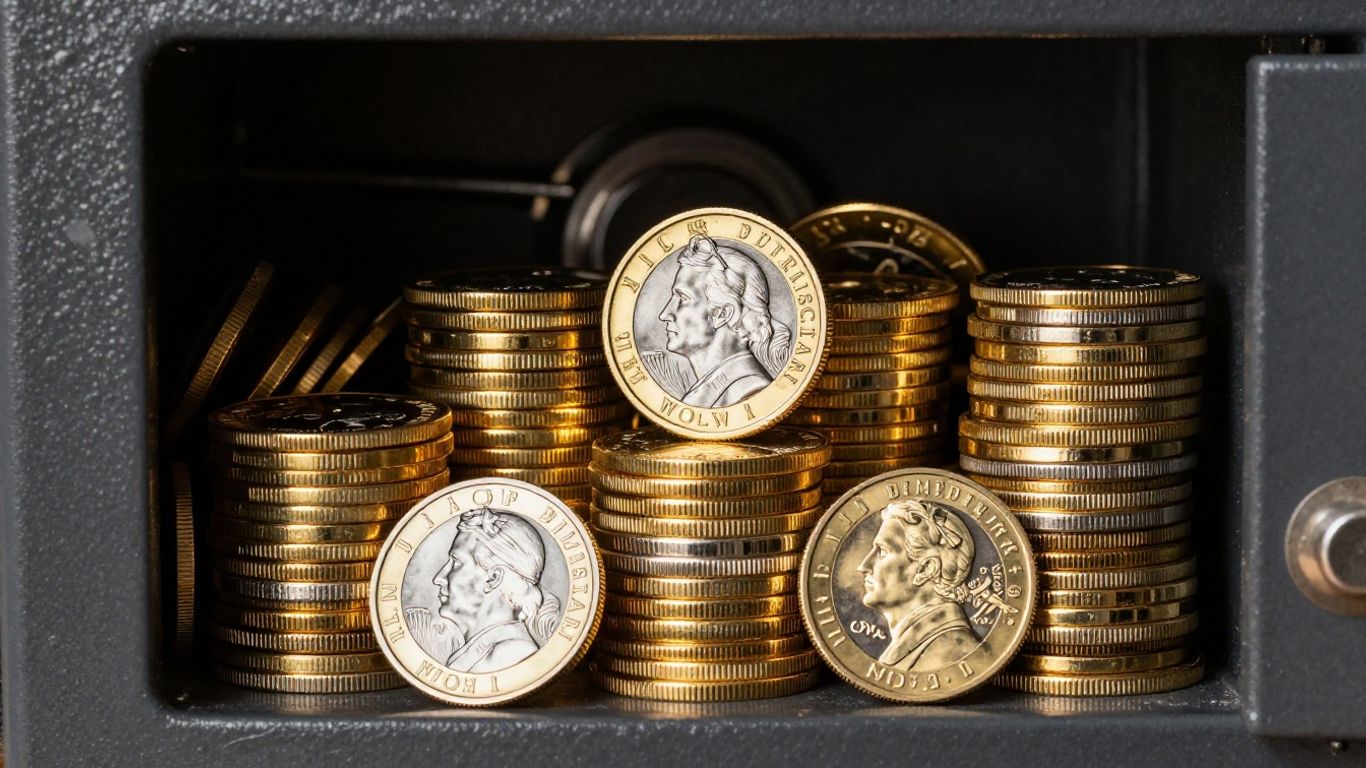
While bullion coins and bars are a fantastic way to protect your wealth, they shouldn’t be the only tool in your financial toolbox. Think of them as a strong, reliable anchor, but a ship needs more than just an anchor to sail safely. Building a truly resilient financial future involves a broader strategy that complements your precious metals holdings.
Diversification Across Various Asset Classes
Putting all your eggs in one basket, even a gold-plated one, is rarely a good idea. Spreading your investments across different types of assets helps reduce overall risk. If one area of the market takes a hit, others might hold steady or even grow, cushioning the impact on your total wealth. This is where a balanced mix comes into play.
- Equities: Stocks in established companies can offer growth potential over the long term.
- Bonds: These can provide a more stable income stream and act as a counterweight to stock market volatility.
- Real Estate: Physical property can be a tangible asset that may appreciate and generate rental income.
- Alternative Investments: Depending on your risk tolerance and goals, things like private equity or certain commodities might fit.
The goal is to create a portfolio where different assets react differently to economic events. This way, you’re not overly exposed to any single risk factor. For those with significant assets, exploring advanced precious metals strategies alongside other diversified holdings can be particularly beneficial, as mentioned in discussions about high net worth individual strategies.
The Role Of Estate Planning In Wealth Transfer
Preserving wealth isn’t just about protecting it during your lifetime; it’s also about ensuring it passes smoothly to your heirs according to your wishes. Estate planning involves setting up legal structures and making decisions now that will dictate how your assets are managed and distributed after you’re gone. This can involve wills, trusts, and other legal instruments designed to minimize taxes and probate complications.
Without a clear estate plan, your assets could be subject to lengthy legal processes and potentially higher taxes, diminishing the amount that ultimately reaches your beneficiaries. Proactive planning ensures your legacy is protected and your intentions are honored.
Managing Risk With Appropriate Insurance
Life is unpredictable, and unexpected events can significantly impact your financial well-being. Insurance acts as a critical safety net, protecting your accumulated wealth from catastrophic losses. This goes beyond basic homeowner’s or auto insurance.
- Umbrella Liability Insurance: Provides an extra layer of protection against major lawsuits that exceed the limits of your standard policies.
- Long-Term Care Insurance: Can cover the costs of nursing homes or in-home care, which can be incredibly expensive and deplete savings rapidly.
- Life Insurance: While often thought of for beneficiaries, certain types of life insurance can also be used as wealth preservation tools, accumulating cash value on a tax-deferred basis.
Considering these complementary strategies alongside your bullion investments helps build a robust framework for long-term financial security. It’s about creating multiple layers of protection and growth potential, ensuring your hard-earned assets are safeguarded against a variety of risks, whether you’re looking at direct ownership of physical bullion or other investment avenues.
Conclusion
Building and keeping wealth is a marathon, not a sprint. By understanding the role wealth preservation bullion coins can play, you’re taking a proactive step toward a more secure financial future. Whether you’re looking to hedge against inflation, diversify your holdings, or simply own something tangible that holds its value, gold and silver coins offer a time-tested solution. Remember to do your homework, choose reputable dealers, and store your assets wisely. Your future self will thank you for the foresight.
Frequently Asked Questions
What exactly are wealth preservation bullion coins?
These are coins made of precious metals like gold or silver that are valued for their metal content, not just their rarity. People buy them to keep their money safe over the long run, especially when the economy is shaky or prices are going up fast.
Why are gold and silver good for protecting money?
For a very long time, gold and silver have held their value. When the value of regular money goes down because of inflation, gold and silver often stay worth about the same, or even go up. It’s like a shield for your savings.
Is it better to buy coins or gold bars?
Both coins and bars are good ways to own precious metals. Coins, especially government-issued ones, are often easier to buy and sell because they’re well-known. Bars can sometimes be cheaper per ounce, but coins might be more convenient for smaller amounts or when you need to sell quickly.
How do I know if a dealer is trustworthy?
Look for dealers with good reviews from lots of customers. Check if they’ve been in business for a while and if they have clear pricing with no hidden fees. A good dealer will also offer secure shipping and be honest about what they sell.
Where should I keep my bullion coins?
You have a few choices. Some people keep them in a home safe, but that can be risky if there’s a fire or theft. Many prefer to use a secure, insured vault service offered by specialized companies. This usually offers better protection.
Can I put bullion coins in my retirement account?
Yes, in many cases you can. Some special retirement accounts, called Self-Directed IRAs, allow you to hold physical gold and silver. This can be a great way to add a different kind of safety to your retirement savings.
How much money should I put into bullion coins?
There’s no single answer, as it depends on your personal situation. A common suggestion is to have a small part of your total investments, maybe 5-10%, in precious metals. It’s about balancing your investments, not putting all your eggs in one basket.
What is dollar-cost averaging for bullion?
It means putting the same amount of money into buying bullion coins on a regular schedule, like every month. This way, you buy more coins when the price is low and fewer when it’s high. It helps you avoid trying to guess the best time to buy and smooths out your average cost.