
Thinking about selling some gold items? Maybe you have old jewelry, some coins you no longer need, or even gold scrap lying around. San Antonio has places where you can get cash for these items. It’s good to know your options when you want to sell gold coin jewelry scrap in San Antonio. This guide will help you understand what to look for and where to go.
Key Takeaways
- Several places in San Antonio buy gold, including jewelry stores and specialized gold buyers.
- When selling gold coin jewelry scrap, look for buyers who offer clear evaluations and competitive prices.
- Online buyers can offer convenience by providing shipping labels and processing transactions remotely.
- Consider the experience and reputation of the buyer to ensure a fair deal.
- Understanding the current market price of gold can help you get the best offer.
1. Gold Coins
When you’re thinking about selling gold, coins are often one of the first things that come to mind. People have been collecting and trading coins for centuries, and many of those old coins are made of pure gold or have a significant gold content.
San Antonio has a number of places where you can sell your gold coins. These places often deal with all sorts of coins, from modern bullion coins to older, more collectible ones. It’s good to know what you have before you go in. Some places might focus more on the gold value, while others might be interested in the coin’s rarity and historical significance.
Here’s a quick look at what you might find:
- Bullion Coins: These are coins minted primarily for their gold content, like American Eagles, Canadian Maple Leafs, or South African Krugerrands. Their value is usually tied closely to the current market price of gold.
- Collectible Coins: These coins have value beyond their gold content due to their rarity, condition, or historical importance. Think of old U.S. gold dollars or rare foreign gold pieces.
- Scrap Gold Coins: Sometimes, gold coins might be damaged or worn to the point where their numismatic value is minimal. In these cases, they are often valued and sold based on their gold weight alone.
It’s important to get a fair appraisal for your gold coins, considering both their melt value and any collector value they might possess.
When you bring your gold coins in, the buyer will typically look at a few things:
- Purity and Weight: They’ll test the gold’s purity (karat) and weigh the coin to determine its gold content.
- Rarity and Condition: If the coin has collector appeal, its condition and how rare it is will play a big role in its valuation.
- Market Value: They’ll compare the coin’s value against current market prices for both gold and collectible coins.
Understanding the difference between bullion value and collector value is key when selling gold coins. A coin might be made of a lot of gold, but if it’s common and in poor condition, its value might be close to its gold weight. Conversely, a rarer coin might be worth much more than its gold content suggests.
Many dealers in San Antonio offer free appraisals, which is a great way to get an idea of what your coins are worth without any commitment. They use specialized equipment to test the gold and have knowledge of the coin market to give you a competitive offer.
2. Gold Jewelry
When you’re looking to sell gold jewelry in San Antonio, it’s more than just melting down old pieces. Think about that necklace you never wear, or those earrings that have lost their mate. These items often hold more value than you might realize, especially if they’re made of pure gold or have unique designs. We handle all sorts of gold jewelry, from simple chains to elaborate rings.
We buy all types of gold jewelry, including rings, necklaces, bracelets, earrings, and pendants.
Here’s a quick look at what we consider:
- Purity: We check the karat of your gold (10K, 14K, 18K, 22K, 24K) to determine its value.
- Weight: The total weight of the gold is a primary factor in its worth.
- Condition: While we buy scrap, pieces in good condition or with gemstones might fetch a higher price.
- Design: Unique or antique pieces can sometimes be worth more than just their gold content.
We understand that selling jewelry can feel personal, especially if it’s an heirloom. Our process is designed to be straightforward and respectful.
We offer clear, honest appraisals for your gold jewelry. Our goal is to make sure you feel confident and well-informed about the value of your items before you make any decisions. We want this to be a positive experience for you.
We’re here to provide a fair assessment for your gold jewelry, whether it’s a modern piece or something with a bit of history. Let us help you turn those forgotten treasures into cash.
3. Gold Scrap
When you think about selling gold, you might picture old necklaces or maybe some gold coins. But a lot of the gold that gets sold isn’t in perfect condition. This is where gold scrap comes in. Think about broken chains, single earrings without a match, bent rings, or even old dental gold. These items, while not wearable as jewelry anymore, still hold significant value because of the gold content.
The key to getting a good price for your gold scrap is understanding its purity and weight. Different types of gold have different karat values, like 10K, 14K, 18K, or 24K. The higher the karat, the more pure gold it contains, and generally, the more it’s worth. Reputable buyers will test your scrap gold to determine its exact purity. They’ll also weigh it accurately. This is usually done right in front of you, so you can see the process.
Here’s a general idea of how gold scrap is valued:
- Purity Testing: Using methods like acid testing or an XRF scanner to find out the karat.
- Weighing: Measuring the exact weight of the gold.
- Market Price: Applying the current market price for pure gold to your item’s weight and purity.
Some places might try to offer you a flat rate, but it’s better to find a buyer who breaks down the valuation for you. This way, you know you’re getting a fair deal based on the actual gold content.
Selling gold scrap might seem like a small thing, but it adds up. Those little bits and pieces you’ve been holding onto could be worth more than you think. It’s a smart way to turn unwanted items into cash without much hassle.
Many places that buy gold jewelry also buy gold scrap. They often have specialized equipment to handle these items efficiently. Some online services even offer prepaid shipping labels, allowing you to mail in your scrap gold from the comfort of your home. They’ll send you an offer, and if you accept, you get paid. If not, they’ll send your gold back.
4. Gold Bars
When you think about selling gold, gold bars might come to mind. These are standardized units of gold, often stamped with their weight, purity, and a refiner’s mark. They’re a common way for investors to hold physical gold, but they also represent a significant amount of value when you’re looking to sell.
Selling gold bars requires a clear understanding of their specifications to get a fair price. Purity is a big factor here; bars are typically .999 or .9999 fine gold, meaning they are almost pure. The weight of the bar, whether it’s a small 1-gram bar or a larger 1-kilogram bar, directly impacts its market value.
Here’s what we look at when you bring in gold bars:
- Purity Verification: We use precise testing methods to confirm the gold’s fineness.
- Weight Measurement: Accurate scales are used to determine the exact weight.
- Market Value Assessment: We check current spot prices for gold to offer you a competitive rate.
- Authenticity Check: We ensure the bar is genuine and not a counterfeit.
Gold bars are a straightforward asset to sell because their value is primarily tied to their gold content. Unlike jewelry, there are fewer variables like craftsmanship or gemstones to consider, making the appraisal process quite direct. This simplicity often translates to a more predictable selling experience.
We understand that selling gold bars is a significant transaction. Our process is designed to be transparent, allowing you to see how we arrive at our offer. We aim to provide a competitive cash price based on the current market, ensuring you get a good return for your investment.
5. Gold Bullion
When people talk about selling gold, they often think of jewelry or coins. But there’s another significant form of gold that holds a lot of value: gold bullion. This typically comes in the form of bars or wafers, and it’s essentially pure or near-pure gold, valued primarily for its gold content rather than any numismatic or artistic qualities.
Think of gold bullion as gold in its most basic, investment-grade form. It’s not usually something you’d wear, like a necklace, or collect for its historical significance, like an ancient coin. Instead, its value is directly tied to the current market price of gold, often referred to as the "spot price." This makes it a straightforward asset to value when you’re looking to sell.
Here’s a quick look at common forms of gold bullion:
- Gold Bars: These can range in size from small, one-gram bars to large, kilogram bars, or even the massive 400-ounce "Good Delivery" bars used in international trading. They are usually stamped with their weight, purity, and a refiner’s mark.
- Gold Rounds: Similar to bars but often produced by private mints, gold rounds are typically one troy ounce and can feature various designs. They are a popular choice for investors due to their ease of handling and trading.
- Gold Wafers: These are essentially very thin, small bars, often produced by pouring molten gold into a mold. They are common in smaller denominations.
When you bring gold bullion to a buyer, the process is usually quite direct. The buyer will verify its authenticity and weight, and then offer you a price based on the current market rate for gold of that purity. The purity and weight are the two main factors determining its worth.
Selling gold bullion is often a more straightforward transaction compared to other gold items. Because its value is primarily based on its gold content, the appraisal process tends to be quicker and more predictable. This makes it an attractive option for those who want a clear and efficient way to liquidate their gold assets.
Because bullion is valued so directly, you’ll want to sell to a reputable buyer who understands the market and can offer a fair price based on the day’s gold rates. They’ll be able to accurately weigh your bullion and test its purity to give you a precise offer.
6. Vintage Jewelry
When you think about selling old jewelry, vintage pieces often come to mind. These aren’t just old trinkets; they’re often items with a story, made with craftsmanship that you don’t always see today. Think about jewelry from the early to mid-20th century – styles like Art Deco, Edwardian, or even earlier Victorian pieces. These items can hold significant value, not just for their gold content, but for their historical appeal and unique design.
Selling vintage jewelry requires a bit more attention than just melting it down for scrap. A good buyer will look at several factors:
- Era and Style: Is it a recognizable style from a specific period? Art Deco pieces, for example, have a distinct look.
- Craftsmanship: How well was it made? Intricate details, hand-engraving, or unique settings add to its worth.
- Materials: Beyond the gold, are there gemstones? Their quality and cut matter.
- Condition: Is it still wearable? Major damage can reduce its value as a collectible.
- Rarity: Is it a common design or something unusual?
The true value of vintage jewelry often lies in its collectibility and historical significance, not just its melt value.
Here’s a quick look at what makes certain vintage pieces stand out:
| Jewelry Type | Notable Features |
|---|---|
| Art Deco Rings | Geometric patterns, bold colors, platinum accents |
| Victorian Brooches | Intricate filigree, seed pearls, mourning motifs |
| Georgian Lockets | Hand-engraved details, often with miniature portraits |
| Edwardian Necklaces | Delicate designs, platinum, diamonds, lace-like work |
When you bring in vintage jewelry, it’s important to work with someone who understands these nuances. They can properly assess if a piece is best sold for its gold weight or if its historical value warrants a higher price. It’s about recognizing the artistry and history held within each item.
7. Antique Jewelry
When you think about selling old jewelry, antique pieces often come to mind. These aren’t just old trinkets; they’re often tiny pieces of history, crafted with techniques and styles that just aren’t common anymore. Think about Victorian lockets or Art Deco rings – each one tells a story from a different era.
The real value in antique jewelry often goes beyond just the gold content. It’s about the craftsmanship, the historical significance, and sometimes, the rarity of the piece. A skilled artisan might have spent weeks or months creating a single item, using methods passed down through generations. This attention to detail is what sets antique jewelry apart.
Here’s what makes antique jewelry special when you’re looking to sell:
- Historical Period: Items from specific eras like Georgian, Victorian, Edwardian, or Art Deco often have a distinct look and appeal.
- Craftsmanship: Look for intricate details, hand-engraving, filigree work, and unique settings that show a high level of skill.
- Materials: Beyond gold, antique pieces might feature old-cut diamonds, colored gemstones, or even enamel work.
- Condition: While some wear is expected, pieces in good condition with all original parts tend to fetch higher prices.
Selling antique jewelry requires a buyer who understands its unique worth. It’s not just about melting it down for gold; it’s about appreciating its history and artistry. A good buyer will look at the whole picture – the metal, the stones, the maker, and the era it came from.
When you bring in antique jewelry, we take the time to properly assess it. We consider the gold’s weight and purity, of course, but we also look at the design, any maker’s marks, and the overall condition. This careful evaluation helps us give you a fair offer that reflects the true nature of your antique treasures.
8. Estate Jewelry
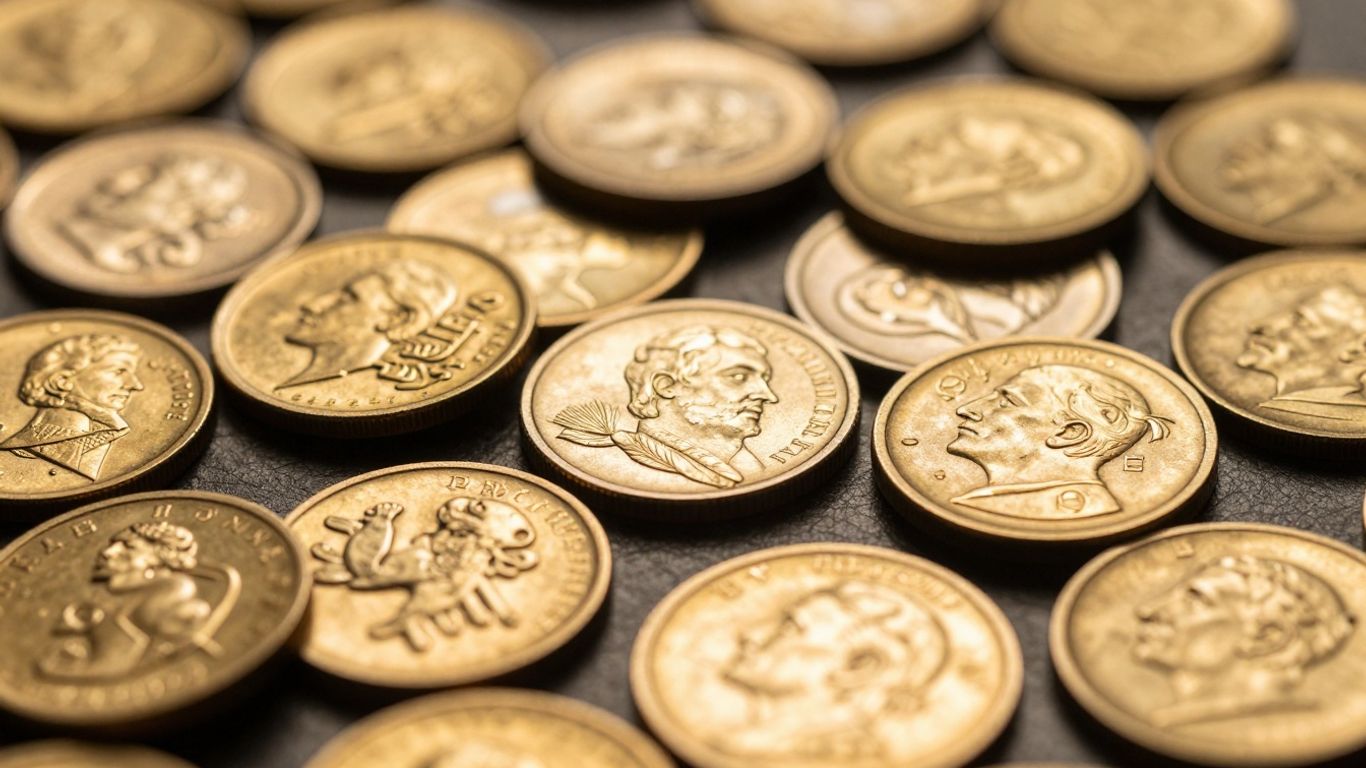
When it comes to estate jewelry, you’re often dealing with more than just gold. These pieces can be heirlooms, passed down through generations, and might include a mix of precious metals, gemstones, and unique craftsmanship. Selling estate jewelry requires a careful approach to make sure you get a fair price for the whole item, not just its scrap metal value.
Understanding the Value of Estate Jewelry
Estate jewelry refers to pieces that are pre-owned, often with a significant history. This category can include everything from vintage necklaces and rings to antique brooches and lockets. The value isn’t solely based on the gold content; factors like the era it comes from, the rarity of the design, the quality of any gemstones, and its overall condition play a big role. Sometimes, a piece might be worth more as a collectible item than just its weight in gold.
Here’s what typically goes into valuing estate jewelry:
- Gold Content: The purity (karat) and weight of the gold are primary factors.
- Gemstones: The type, size, cut, color, and clarity of any diamonds or colored stones are assessed.
- Craftsmanship & Maker: Intricate details, hand-engraving, or pieces from well-known jewelry designers can increase value.
- Historical Significance: Items from specific periods like Victorian, Art Deco, or Georgian eras often have a collector’s appeal.
- Condition: Wear and tear, damage, or missing parts can affect the overall worth.
Selling estate jewelry can feel like a big task, especially when you’re sorting through family history. It’s important to find a buyer who understands that these pieces have stories and can appreciate their unique qualities beyond just the metal.
When you’re ready to sell, look for a buyer who specializes in estate pieces. They’ll know how to properly appraise these items, considering all the elements that contribute to their true worth. This ensures you’re not just getting a scrap price, but a price that reflects the jewelry’s full value.
9. Custom Jewelry
When you have a piece of jewelry that’s truly one-of-a-kind, made just for you or a loved one, selling it can feel a bit different than offloading a standard item. Custom jewelry often carries a lot of personal history and unique design elements that standard appraisals might not fully capture. The true value of custom jewelry lies not just in its gold content, but in its unique design and craftsmanship.
If you’re looking to sell a custom piece, it’s important to find a buyer who understands these nuances. They should be able to appreciate the artistry involved and assess its market appeal beyond just the melt value of the gold. This might involve looking at the complexity of the design, any special gemstones incorporated, and the overall aesthetic. For those seeking expert services for their unique pieces, Gold Unlimited in San Antonio offers tailored solutions.
Here’s what to consider when selling custom jewelry:
- Original Design: Was it designed by a known artist or a unique concept?
- Materials Used: Beyond gold, what other precious metals or gemstones are included?
- Craftsmanship Quality: How well was the piece constructed? Are there intricate details?
- Wearability and Style: Does the design appeal to current trends or have timeless quality?
Selling custom jewelry requires a buyer who can see beyond the basic gold weight. They need to understand that unique pieces often command a higher price due to their individuality and the skill involved in their creation. A good buyer will take the time to evaluate these factors thoroughly.
When you bring in a custom piece, expect the evaluation process to be a bit more detailed. A good buyer will discuss the piece with you, asking about its origins and any special features. This collaborative approach helps ensure you get a fair assessment for your distinctive item.
10. Gold Watches
When it comes to selling gold, don’t forget about those timepieces gathering dust. Gold watches, whether they’re modern luxury brands or vintage heirlooms, hold significant intrinsic value due to their gold content. The weight and purity of the gold are the primary factors determining their worth when selling for scrap.
Here’s what to consider when selling your gold watch:
- Gold Content: Most watches are made from 10K, 14K, or 18K gold. The higher the karat, the more pure gold it contains, and thus, the higher its scrap value.
- Weight: The heavier the watch case and band, the more gold there is to be valued.
- Brand and Model: While we’re focusing on scrap value, a well-known or collectible brand might fetch more than just its gold weight, especially if it’s in good working condition or a rare model. However, for pure scrap, this is secondary.
- Movement: The internal mechanism (quartz or mechanical) generally doesn’t add to the scrap value, but it’s good to know if the watch is still functional.
Selling a gold watch for its scrap value means focusing on the metal itself. While the brand name and historical significance can add collector appeal, when you’re looking to get cash for gold, the melt value is what truly counts. We assess these pieces carefully to ensure you receive a fair offer based on the current market price for gold.
We understand that each watch has a story, but when it’s time to sell, we focus on providing a clear and honest appraisal for the gold content. If you have gold watches you’re looking to part with, bring them in for an evaluation. You might be surprised at the value they hold. We offer expert services for all types of gold items, including custom jewelry designs.
11. Gold Necklaces
Gold necklaces are a popular item when people decide to sell their gold. Whether it’s a delicate chain, a statement piece, or a treasured heirloom, these items often hold significant value. When you’re looking to sell a gold necklace, understanding a few things can help you get the best price.
The karat of the gold is the most important factor in determining its value. Higher karats, like 14K or 18K, contain more pure gold and will fetch a higher price compared to lower karats, such as 10K. The weight of the necklace also plays a direct role; a heavier necklace will naturally be worth more than a lighter one of the same purity.
Here’s a quick look at common gold karats:
- 10K Gold: 41.7% pure gold. Durable and often more affordable.
- 14K Gold: 58.3% pure gold. A good balance of durability and gold content, popular for jewelry.
- 18K Gold: 75% pure gold. Offers a richer color and higher value.
- 24K Gold: 99.9% pure gold. Very soft and typically found in bullion or some specific jewelry types.
Beyond the gold itself, the craftsmanship and any gemstones can add to the necklace’s worth. Intricate designs or pieces featuring diamonds or other precious stones might be appraised differently. It’s always a good idea to have your necklace evaluated by a professional who understands these nuances. If you’re in San Antonio and considering selling, places like Speedy Gold in San Antonio can offer a quick assessment.
When selling gold necklaces, remember that the melt value is often the primary driver of the price. However, unique designs or pieces from well-known brands can sometimes command a premium above their scrap value.
Many places that buy gold will also consider the style and condition of the necklace. While some buyers focus solely on the gold’s weight and purity for scrap, others might recognize the aesthetic or historical value of a particular piece. It’s worth exploring options to see who offers the most competitive price for your specific item. Selling your gold jewelry can be a straightforward process when you work with experienced buyers.
12. Gold Bracelets
Gold bracelets are a classic accessory, and when it’s time to part with them, you want to make sure you get a fair price. Whether it’s a delicate chain bracelet, a chunky cuff, or a charm bracelet filled with memories, its value is primarily determined by the gold content and its current market price. We look at the weight and purity of the gold to give you an accurate offer.
When you bring in your gold bracelets, here’s what we consider:
- Karat Purity: We check if it’s 10K, 14K, 18K, or 24K gold, as this significantly impacts its value.
- Weight: The total weight of the gold is a major factor in determining the payout.
- Market Price: We base our offers on the current daily gold market rates.
- Condition and Style: While the gold’s value is primary, unique designs or gemstones might add to the overall worth, especially for vintage or designer pieces.
Selling gold bracelets, like other gold jewelry, is a straightforward process when you work with knowledgeable buyers. We aim to make the experience as simple and transparent as possible, ensuring you feel confident in the offer you receive.
We understand that each bracelet might have a story. Our goal is to provide a clear, honest appraisal, giving you a competitive offer for your gold bracelets. We’re here to help you turn those pieces into cash quickly and easily.
13. Gold Rings
Gold rings are a classic item, whether they’re simple bands, engagement rings, or statement pieces. Many people have gold rings tucked away in jewelry boxes that they no longer wear. These rings can represent significant value, and selling them is a straightforward way to get some cash.
When you bring your gold rings in, we look at a few things to determine their worth. The main factors are the purity of the gold (like 10K, 14K, or 18K) and the total weight of the ring. If there are any gemstones, like diamonds, those are assessed separately, but the gold itself has a solid value based on the current market price.
Here’s a quick look at what influences the value of your gold rings:
- Gold Purity (Karat): Higher karats mean more pure gold, which means more value.
- Weight: The heavier the ring, the more gold it contains.
- Gemstones: Diamonds and other precious stones can add to the overall worth.
- Condition: While we primarily buy gold for its melt value, unique or well-preserved pieces might fetch a bit more.
Selling gold rings doesn’t have to be complicated. We aim to make the process clear and fair, so you know exactly what you’re getting. It’s about turning those forgotten pieces into something useful for you today.
We offer competitive pricing for your gold rings, reflecting the current market rates. Our goal is to provide a transparent and honest appraisal, ensuring you feel confident about the offer you receive. Don’t let those valuable gold rings sit unused; bring them in and see what they’re worth.
14. Gold Earrings
Gold earrings are a popular item when people decide to sell their gold jewelry. Whether they are simple studs, elegant hoops, or intricate drops, these pieces often hold sentimental value, but their gold content can also provide a tangible financial return. When you bring your gold earrings in, we look at several factors to determine their worth.
- Purity of the Gold: We test the gold to determine its karat (e.g., 10K, 14K, 18K, 24K). Higher karat gold contains more pure gold and is therefore more valuable.
- Weight: The total weight of the gold in your earrings is a primary factor in calculating their value.
- Market Price: We consider the current daily market price for gold, which fluctuates.
- Gemstones and Craftsmanship: While we primarily focus on the gold’s value, any significant gemstones or unique craftsmanship can also influence the offer.
We offer transparent evaluations for your gold earrings, ensuring you understand the basis of our offer. It’s not uncommon for people to have pairs of earrings they no longer wear, perhaps because they’re out of style, broken, or simply not to their taste anymore. Selling them can be a straightforward way to convert unused assets into cash. We provide same-day offers for your gold items, including earrings, making the process efficient.
Evaluating gold earrings involves a careful assessment of their material composition and weight against the prevailing market rates. Our process is designed to be clear and straightforward, allowing you to make an informed decision about selling.
We understand that parting with jewelry can be an emotional decision. Our goal is to make the selling process as comfortable and rewarding as possible. We aim to provide a fair price for your gold earrings, reflecting their intrinsic value.
15. Gold Pendants
Gold pendants, whether they’re simple solitaires or intricate designs, hold a special place in jewelry collections. When it’s time to part with these pieces, understanding their value is key. The karat of the gold and the presence of any gemstones significantly influence a pendant’s worth.
When you bring your gold pendants in, we look at a few things:
- Gold Purity: We check the karat (10K, 14K, 18K, 22K, 24K) to determine the amount of pure gold.
- Weight: The total weight of the gold is a primary factor in its value.
- Gemstones: If your pendant has diamonds, sapphires, or other stones, we assess their quality and size.
- Craftsmanship: Unique designs or pieces from well-known jewelers can add to the value.
We also consider the overall condition of the pendant. A piece that’s well-maintained will generally fetch a better price than one that’s damaged or heavily worn.
Selling a gold pendant means you’re not just selling metal; you’re often selling a piece of art or a memory. We treat each item with the respect it deserves, ensuring a fair evaluation based on its material, design, and current market prices. Our goal is to make the process straightforward and rewarding for you.
16. Diamond Earrings
When it comes to selling diamond earrings, it’s not just about the gold setting; the diamonds themselves hold significant value. Understanding what influences their worth is key to getting a fair price. Factors like the four Cs – cut, color, clarity, and carat weight – play a big role. A well-cut diamond with minimal inclusions and a good color grade will naturally fetch a higher price.
Here’s a quick look at what appraisers consider:
- Cut: How well the diamond’s facets interact with light.
- Color: The absence of color in the diamond (graded from D to Z).
- Clarity: The presence or absence of internal inclusions and external blemishes.
- Carat Weight: The diamond’s total weight.
Beyond the stones, the metal type and weight of the earring setting also contribute to the overall value. Whether they are simple studs or elaborate drops, each element is assessed. Getting a professional appraisal is highly recommended to understand the true market value of your diamond earrings. This ensures you’re not undervaluing a beautiful piece when you decide to sell. For those looking to sell precious items with confidence, places like Gold Unlimited in San Antonio can provide honest appraisals.
17. Victorian Brooches
Victorian brooches are quite something, aren’t they? These pieces, typically from the mid-19th century, often showcase intricate designs and a real sense of artistry. Think detailed floral motifs, delicate filigree work, and sometimes even tiny seed pearls or colorful enamel.
When you’re looking to sell a Victorian brooch, its condition and the specific materials used play a big role in its value. A brooch made of 14K or 18K gold, especially one with gemstones, will naturally be worth more than a simpler piece. It’s also worth noting if the brooch has any maker’s marks or hallmarks; these can sometimes add to its desirability.
Here’s a quick look at what might influence the value:
- Gold Purity: Higher karat gold (like 18K) generally fetches a better price.
- Gemstones: The presence and quality of any stones (like diamonds, pearls, or garnets) can significantly increase value.
- Craftsmanship: Intricate details and unique design elements are always a plus.
- Condition: Pieces in excellent condition, with minimal damage, are more sought after.
Selling a piece of history like a Victorian brooch requires a buyer who appreciates its unique charm and historical context. It’s not just about the gold weight; it’s about the story it tells.
If you have a beautiful Victorian brooch you’re considering selling, it’s wise to get it appraised by someone who knows antique jewelry. They can help you understand its true worth beyond just the scrap metal value. For instance, a vintage 18K gold flower brooch from Tiffany & Co. might be available for a good price, showing that even well-known pieces can offer value. Getting a professional opinion is key to making sure you get a fair deal for your treasured item.
18. Georgian Lockets
Georgian lockets, dating back to the period between 1714 and 1837, are quite special. These weren’t just pieces of jewelry; they were often miniature keepsakes, meant to hold a lock of hair, a tiny portrait, or a memento of a loved one. They represent a time when sentimentality was deeply woven into personal adornment.
When you bring a Georgian locket to us, we look at more than just the gold content. We consider the craftsmanship, any intricate engravings, and the historical significance. These pieces can have a value that goes beyond their melt value, especially if they are in good condition or have unique features.
Here’s what we typically assess:
- Gold Purity and Weight: The basic measure of the gold’s value.
- Condition: Is the clasp intact? Are there any dents or damage?
- Artistry and Design: Intricate details, enamel work, or unique motifs add to its appeal.
- Historical Context: Its age and origin can significantly impact its worth.
Selling a piece of history like a Georgian locket requires a buyer who understands its potential value, not just as scrap gold, but as an artifact. We take the time to properly evaluate these items, ensuring you get a fair price that reflects its true worth.
We specialize in identifying and valuing antique jewelry, including these delicate Georgian lockets. If you have one you’re considering selling, bring it in. We’ll give it the careful attention it deserves.
19. Art Deco Rings
Art Deco rings are quite something, aren’t they? That era, roughly from the 1920s to the 1940s, really brought a distinct style to jewelry. Think geometric shapes, bold lines, and often a mix of precious metals and colorful gemstones. If you have some of these beauties and are thinking about selling them, it’s good to know what makes them special.
When you bring in an Art Deco ring, we look at a few things:
- Design and Craftsmanship: The unique patterns and how well it was made are important. Art Deco pieces often have intricate details that show off the skill of the jeweler.
- Materials: We check the gold purity, of course, but also the types of stones used. Sapphires, emeralds, and diamonds were popular, and their quality matters.
- Condition: How has the ring held up over the years? Minor wear is expected, but significant damage can affect its value.
- Rarity: Some Art Deco designs are more common than others. Finding a truly unique piece can make it more desirable.
Understanding the value of your Art Deco ring involves appreciating its historical context and artistic merit. These aren’t just old rings; they’re pieces of history that capture a specific moment in design.
Selling vintage jewelry like Art Deco rings requires a buyer who understands their unique appeal beyond just the gold content. It’s about recognizing the artistry and historical significance that contribute to their overall worth.
20. Collectible Coins
Beyond just the melt value of gold, collectible coins represent a fascinating intersection of history, art, and investment. These aren’t your everyday coins; they’re pieces that collectors actively seek out, often for reasons beyond their precious metal content. Think about it – a coin’s rarity, its condition, its historical significance, or even a minting error can make it far more valuable than the gold it’s made of.
When you’re looking to sell collectible coins, it’s important to know what makes them special. Here are a few factors that contribute to a coin’s collectibility:
- Rarity: How many of these coins were originally produced, and how many still exist today?
- Condition (Grade): Coins are graded on a scale, and a higher grade means better preservation and higher value.
- Historical Significance: Was the coin minted during a notable period or event? Does it feature an important figure?
- Demand: How many collectors are actively looking for this particular coin?
Understanding these elements can significantly impact the price you receive. Many local dealers, like Texas Coins, specialize in these types of numismatic items and can offer informed appraisals. They often have a keen eye for what makes a coin truly collectible, distinguishing it from simple bullion.
Selling collectible coins requires a different approach than selling scrap gold. It’s about recognizing the story and the rarity within each piece, not just its weight. A knowledgeable buyer can help you uncover the true potential value of your collection.
Some common categories of collectible coins include:
- U.S. Coins: From early American issues to modern commemoratives.
- Foreign Coins: Coins from around the world, often with unique designs and histories.
- Ancient Coins: Pieces dating back centuries, offering a tangible link to the past.
When you bring your collection in, a good dealer will take the time to examine each coin, explain its potential value, and offer a fair price based on both its numismatic and precious metal worth.
21. U.S. Coins
When it comes to U.S. coins, there’s a whole world beyond just pocket change. Many collectors and investors focus specifically on coins minted by the United States. These can range from common circulated coins that have a bit of history to rare, uncirculated specimens that are highly sought after.
The value of U.S. coins can depend on several factors, including rarity, condition, historical significance, and the precious metal content. For instance, older silver dollars or gold eagles are often valued for both their numismatic appeal and their intrinsic gold or silver weight.
Here are some common categories of U.S. coins you might encounter:
- Circulated Coins: These are coins that have been used in everyday commerce. Their value is often tied to their silver or gold content, especially for pre-1965 silver coins.
- Uncirculated Coins: These coins have never been used in circulation and retain their original mint luster. They are often graded by professional services.
- Commemorative Coins: Special issues created to honor people, places, or events. These can be made of precious metals and have collector value.
- Bullion Coins: Coins like American Eagles, produced by the U.S. Mint, are primarily valued for their gold, silver, or platinum content, though they also carry a face value.
When you’re looking to sell U.S. coins, especially those with significant numismatic value or precious metal content, it’s important to find a buyer who understands their worth. A knowledgeable dealer can properly assess these coins, whether they are part of a large collection or just a few pieces you’ve held onto.
Selling U.S. coins requires an understanding of both their collectible nature and their material value. A good buyer will consider the coin’s condition, its rarity within its series, and the current market price for any precious metals it contains. This dual assessment is key to getting a fair price.
Many local coin shops in San Antonio specialize in U.S. coinage. Places like Royalty Coins, Harry’s Coins and Jewelry, and Alamo Heights Coin Shop are known for their expertise in this area. They can help you understand what makes your U.S. coins valuable and offer competitive prices for them.
22. Foreign Coins
When you’re looking to sell gold, don’t overlook the potential value in foreign coins. These pieces, originating from countries outside the United States, can hold significant worth, not just for their gold content but also for their historical and numismatic appeal. Many collectors seek out these coins for their unique designs, different minting traditions, and the stories they tell about global economies and cultures.
Many San Antonio coin shops are equipped to evaluate and purchase a wide array of foreign gold coins.
Here’s what makes foreign coins interesting when selling:
- Gold Content: Like U.S. gold coins, many foreign coins were minted with a high percentage of gold, making them valuable based on their melt value alone. This is especially true for older coins or those from countries with a strong history of gold production.
- Numismatic Value: Beyond the gold, the coin’s rarity, condition, historical significance, and demand among collectors can dramatically increase its price. Some foreign coins are quite scarce, making them highly sought after.
- Cultural Significance: Each foreign coin represents a piece of another nation’s history and identity. This can add a layer of interest for buyers who appreciate global heritage.
When bringing in foreign gold coins, it’s helpful to have any information you might possess about their origin or history. While our experts can identify most coins, any details you can provide can assist in the appraisal process. We look at factors such as:
- Country of origin
- Year of minting
- Purity and weight of the gold
- Overall condition and rarity
Selling foreign gold coins requires a dealer who understands both the precious metal market and the nuances of international numismatics. A knowledgeable buyer can accurately assess the coin’s true worth, ensuring you receive a fair offer that reflects both its gold value and any collector appeal it may possess. This attention to detail is what sets apart a good transaction from a great one.
23. Ancient Coins
When we talk about coins, ancient ones really stand out. These aren’t just old pieces of metal; they’re like tiny history books you can hold. Think about coins from the Roman Empire, or even older ones from Greece. They often have images of emperors, gods, or important symbols that tell us a lot about the people who made them and when they lived.
Selling ancient coins requires a special kind of knowledge. It’s not quite the same as selling modern currency or even gold bullion. The value isn’t just in the metal content; it’s heavily influenced by rarity, condition, historical significance, and whether it’s a recognized type. Some ancient coins might be made of gold or silver, but their numismatic value can be many times that of the raw metal.
Here’s a quick look at what makes ancient coins unique:
- Historical Context: Coins can offer direct links to past civilizations, their rulers, and their economies.
- Artistic Merit: Many ancient coins feature intricate designs and portraits that are considered works of art.
- Rarity and Condition: A coin’s survival over centuries, coupled with its state of preservation, greatly impacts its worth.
- Provenance: Knowing the history of ownership for a rare ancient coin can add to its desirability and value.
If you have ancient coins, it’s a good idea to get them appraised by someone who really knows their stuff. They can help you figure out if you have a common piece or something truly special. For those looking to sell, finding a buyer who appreciates the historical aspect, not just the melt value, is key. You might find that places specializing in numismatics, like San Antonio Coin Buyers, are better equipped to handle these unique items than a general scrap buyer.
The value of an ancient coin is a complex mix of its metal, its age, its rarity, and the story it tells. It’s a tangible piece of history that connects us directly to the past.
24. Paper Currency
While coins often get the spotlight when we talk about collectibles and precious metals, don’t forget about paper currency. Old banknotes, especially those that are rare or in good condition, can be quite valuable. Think about those old dollar bills tucked away in a grandparent’s attic or a forgotten savings bond. These aren’t just pieces of paper; they’re historical artifacts that collectors actively seek.
Several places in San Antonio deal with more than just coins and gold. They often have a section dedicated to paper money, including U.S. notes and sometimes foreign currency. If you have old bills lying around, it’s worth getting them appraised.
Here’s what makes paper currency interesting to collectors:
- Rarity: Limited print runs or notes from defunct banks are highly sought after.
- Condition: Uncirculated notes fetch much higher prices than those that have seen heavy use.
- Historical Significance: Currency from significant periods or events can have added value.
- Design: Unique or intricate designs can make a note more appealing.
It’s not uncommon for dealers who handle gold and coins to also buy and sell paper currency. They understand the numismatic market and can offer fair prices for your old bills.
When you’re looking to sell paper currency, remember that its value isn’t just about the face amount. Factors like its age, how many were printed, and its current condition play a huge role in determining its worth to collectors. A seemingly ordinary old bill could turn out to be a hidden gem.
25. Tokens and Medals and more
Beyond coins and traditional jewelry, San Antonio offers a market for a variety of other gold and silver items. This includes collectible tokens, commemorative medals, and even certain types of paper currency that may contain precious metals or hold significant numismatic value. These items, while perhaps not as common as gold rings or bullion bars, can still represent a substantial asset.
When considering these less conventional items, it’s important to know what factors influence their worth. For tokens and medals, this often involves:
- Material Composition: Does the item contain gold, silver, or other precious metals?
- Rarity and Mintage: How many were produced, and how many still exist today?
- Historical Significance: Does the token or medal commemorate a specific event or person?
- Condition: Wear and tear can significantly impact value.
Paper currency, especially older issues, can also be valuable, not just for its collectible nature but sometimes for the metallic content in older banknotes. Understanding the nuances of these items is key to getting a fair price. Many local dealers who buy gold coins and jewelry also have expertise in these specialized collectibles.
For those looking to sell these unique items, seeking out dealers with a broad knowledge base is advisable. Places that deal in a wide range of numismatic items, from U.S. coins to foreign currency, are often well-equipped to evaluate tokens and medals accurately. They can assess the intrinsic metal value alongside any numismatic premium.
The process for selling these items typically involves an appraisal where the dealer examines the item’s condition, metal content, and historical context. This allows them to provide a competitive offer that reflects both the precious metal weight and any collector’s value.
Ready to Sell Your Gold?
So, you’ve got gold coins or jewelry sitting around, and you’re wondering what to do with them. It can feel like a big decision, trying to figure out where to get the best deal. We’ve looked at some great options in San Antonio, from places that buy gold online and send you a shipping label, to local jewelers who know their stuff. Remember, getting a fair price is key, and understanding how your gold is valued makes a difference. Don’t just settle for the first offer you get. Do a little homework, compare your options, and choose a buyer you feel good about. Selling your gold doesn’t have to be complicated, and getting cash for those old pieces can be surprisingly straightforward when you go with the right place.
Frequently Asked Questions
What is the best way to sell gold jewelry in San Antonio?
GoldBuyersUSA offers a simple and fast way to sell your gold jewelry from home. You can get a prepaid shipping label, send in your items, and receive a payment quickly. They specialize in buying gold and offer competitive prices.
How do I know if I'm getting a fair price for my gold scrap?
Reputable buyers like GoldBuyersUSA use current market prices to determine the value of your gold. They often refine gold in-house, which means they can pay you more because they cut out the middleman. Always look for clear explanations of how they arrived at their offer.
What types of gold items can I sell?
You can sell a wide variety of gold items, including gold coins, gold jewelry, gold scrap, gold watches, necklaces, bracelets, rings, earrings, and pendants. Even broken or old pieces have value.
Is it safe to mail my gold to a buyer?
Yes, trusted gold buyers provide insured shipping labels, like FedEx, that cover your package for a significant amount. This ensures that your gold is protected during transit.
What makes GoldBuyersUSA different from a pawn shop?
While a pawn shop might give you a quick idea of your gold’s worth, professional gold buyers have experts who can provide a more accurate valuation. They often pay more than pawn shops because they understand the gold market better and have lower overhead costs.
How quickly can I get paid for my gold?
Many online gold buyers, like GoldBuyersUSA, aim to pay you the day your gold arrives. They offer fast payment methods such as bank wire or company checks once you accept their offer.
What if I don't like the offer for my gold?
If you decide not to sell after receiving an offer, reputable buyers will return your gold to you free of charge. This means you can explore other options without any risk.
Where can I find the current price of gold?
The price of gold changes daily. You can usually find the live gold spot price on the websites of trusted gold buyers, often linked to market prices like the New York Spot Price, to help you decide the best time to sell.