
Picking up a coin from your pocket, you hold a small piece of history. That coin might have passed through hundreds of hands, bought thousands of items, and traveled farther than you realize. Its scratches, dulled shine, and softened edges tell the story of circulation. Now compare that coin to one that never left the mint: perfectly struck, glowing with luster, and untouched by daily use. The contrast between the two highlights one of the most important distinctions in numismatics: proof coins versus circulation strikes. This difference directly impacts rarity, desirability, and long-term value for collectors and investors. Understanding how circulated and uncirculated coins fit into the marketplace can help you decide which to add to your collection and which to hold as an investment.
Key Takeaways
- Proof coins are made with extra care, often struck multiple times with polished dies for sharp details and mirror-like surfaces, distinguishing them from circulation strikes.
- Circulation strikes are made for everyday use and show signs of wear, scratches, and dulled surfaces from passing through many hands.
- Proof coins have limited mintages and are generally rarer, while circulation strikes are produced in larger quantities and are more widely available.
- The visual difference is noticeable: proof coins boast a reflective, mirror-like finish with frosted details, whereas circulation strikes have a more uniform, less reflective appearance.
- While circulation strikes can be affordable entry points for collectors, proof coins often command a premium due to their aesthetic appeal, rarity, and meticulous production process.
Understanding The Core Differences
When you first start looking at coins for collecting, you’ll quickly notice there are different kinds. Two big categories collectors talk about a lot are proof coins and circulation strikes. They might look similar at first glance, especially if they’re both in good shape, but they’re actually made in very different ways and for different reasons. Getting a handle on these distinctions is pretty important if you want to build a collection you’ll be happy with.
Defining Proof Coins
Proof coins are special. They aren’t made for everyday spending. Instead, they’re created with collectors in mind. The minting process for a proof coin is really careful. They often get struck multiple times, and the dies used are polished to a high shine. This gives them a look that’s quite different from regular coins. You’ll usually see fields that are like mirrors and designs that stand out with a frosted look. Because they’re made this way, they tend to be rarer and cost more than coins meant for change.
Defining Circulation Strikes
Circulation strikes are the coins you’d typically find in your pocket or in a cash register. They’re made in large numbers and are intended to be used as money. The minting process is more straightforward – usually, a single strike is enough. While many circulation strikes are saved by people before they get worn down, they are fundamentally produced for commerce. This means they’re generally more common and easier to find than proof coins.
The Fundamental Distinction
The main difference boils down to intent and production. Proof coins are made to be beautiful, collectible items, showcasing the mint’s highest level of craftsmanship. They are not meant to be spent. Circulation strikes, on the other hand, are made to be used as currency. This difference in purpose leads to distinct visual characteristics and affects how rare each type is. For instance, proof coins are often sought after for their aesthetic appeal, while circulation strikes might be collected for their historical context or rarity due to specific mintages or conditions. Understanding this basic difference helps explain why proof coins command a higher price and why collectors might choose one type over the other when building their numismatic collection.
Production Processes: A Tale Of Two Methods
When you look at coins, it’s easy to just see them as money. But how they’re made really sets them apart, especially when you compare proof coins to the ones you find in your pocket. It’s not just a little difference; it’s a whole different ballgame.
Meticulous Craftsmanship Of Proof Coins
Proof coins are basically the VIPs of the coin world. They get treated like royalty from start to finish. The process begins with the metal discs, called planchets. These aren’t just grabbed from a big bin. Instead, they’re carefully polished and cleaned, often by hand, to get rid of any tiny imperfections. Think of it like prepping a canvas before an artist paints. Then, the dies – the metal stamps that create the coin’s design – are specially prepared too. The raised parts, called devices, might get a frosted look, while the flat background areas, the fields, are polished to a super high shine, almost like a mirror. This contrast is a hallmark of proof coins.
But the real magic happens when the planchet meets the die. Unlike regular coins, proof coins are struck multiple times, sometimes two or even more. Each strike is done with less force than a single strike for a circulation coin, but the repetition helps to bring out every single detail with incredible sharpness and depth. After striking, each coin is handled with extreme care, often with soft-tipped tweezers or cotton gloves, to prevent any scratches or marks before they’re packaged. It’s a slow, deliberate process, all about achieving perfection.
Standard Striking For Circulation Strikes
Circulation strike coins, or business strikes as they’re also known, are made for a different purpose: to be used as money. The mint’s main job is to produce billions of coins every month, so efficiency is key. The metal strips arrive in huge coils, weighing thousands of pounds. These are fed into machines that flatten them and then punch out the coin blanks. These blanks go through furnaces to soften them, but this whole process, and the way the blanks are handled in bulk bins and bags, means they often end up with minor scratches and dings even before they’re struck.
The dies used for these coins are made for durability and speed, not for creating a mirror finish. The coining presses are set to strike the design with enough force to make a clear impression, but they only strike the coin once. This single strike is fast and efficient, allowing the presses to churn out coins at a rate of up to 600 per minute. The goal here is quantity and consistency for everyday use, not the intricate, high-detail finish you see on proof coins. After striking, they’re just dumped into bins to be counted, bagged, and sent out into the world.
Multiple Strikes Versus Single Strikes
The difference in the number of strikes is a pretty big deal. For proof coins, those multiple strikes, combined with specially prepared dies and planchets, create that stunning visual effect: sharp, frosted designs against brilliant, mirror-like fields. It’s this careful, repeated striking that allows for such incredible detail and depth. It’s a labor-intensive method, designed to produce a coin that’s a work of art.
Circulation strikes, on the other hand, get just one hit. This single strike is designed to be quick and effective for mass production. While the mint aims for good quality, the priority is getting coins out into the economy. This means the detail might not be as sharp, and the surfaces won’t have that reflective, almost liquid look of a proof coin. They’re made to withstand the rigors of daily use, not to be admired under a magnifying glass for their artistic qualities. So, while both types start as metal discs, the journey they take to become a finished coin is worlds apart.
Visual Characteristics: What To Look For
When you’re looking at coins, whether they’re proof coins or regular ones meant for everyday use, there are some clear visual differences that jump out. It’s not just about how shiny they are; it’s about the whole look and feel.
Mirror-Like Fields and Frosted Details
Proof coins are famous for having this really striking contrast. Imagine a perfectly smooth, reflective surface, almost like a mirror. That’s what they call the "fields" on a proof coin. Then, right on top of that shiny background, you’ve got the design elements – the raised parts like the portrait or the date – which often have a matte or "frosted" look. This makes the design really pop out. It’s a look that’s hard to achieve and is a big part of why people collect them.
Sharpness and Luster in Proof Coins
Proof coins are made with extra care. The dies used to strike them are polished to a high sheen, and the planchets (the blank metal discs) are also polished before striking. They’re often struck multiple times, and at slower speeds, to make sure every tiny detail is perfectly imprinted. This process gives them incredibly sharp edges and a brilliant, almost liquid-like luster that seems to flow across the surface. The overall effect is a coin that looks incredibly detailed and almost too perfect to be real.
The Appearance of Circulation Strikes
Circulation strike coins, on the other hand, have a different kind of beauty. They’re made for spending, so they go through the regular minting process. While they can still be quite attractive, especially when they’re brand new and haven’t been handled much, they don’t have that mirror-like background or frosted contrast. Instead, they usually have a more uniform, satiny sheen. You might see very fine lines or a slightly grainy texture on the surface, which is normal for coins that have been produced in large quantities for everyday use. Even a brand-new circulation strike coin won’t have the same dazzling reflectivity as a proof coin.
Here’s a quick rundown of what to expect:
- Proof Coins:
- Mirror-like, highly reflective fields.
- Frosted or matte raised design elements.
- Extremely sharp details and edges.
- Often struck multiple times for maximum definition.
- Circulation Strikes:
- Uniform, satiny, or bright luster.
- Design details are clear but not typically frosted.
- Edges are usually well-defined but may show minor imperfections.
- Surface may have a slightly grainy appearance.
When you’re comparing them side-by-side, the difference is usually pretty obvious. It’s like comparing a high-definition movie to a standard broadcast – both show you the picture, but one has a level of clarity and depth that’s just on another level. This visual distinction is a key factor for collectors deciding which type of coin best fits their collection goals.
Condition And Wear: The Impact Of Use
When we talk about coins, especially for collectors, how a coin looks and feels after it’s been around is a big deal. It’s not just about the design anymore; it’s about its journey. Think about a coin that’s been passed around in pockets, used to buy coffee, or even just sat in a cash register for years. It’s going to show its age, and that’s where the difference between circulated and uncirculated coins really shows up.
Pristine Surfaces Of Uncirculated Coins
Uncirculated coins are the ones that never really saw the light of day in everyday transactions. They leave the mint and go straight to collectors or dealers, untouched by the hustle and bustle of commerce. Because of this, their surfaces are usually pretty clean. You won’t find the tiny scratches or dull spots that come from being handled a lot. They often have a bright, lively shine, sometimes called luster, that hasn’t been worn away. This lack of wear is what makes them so appealing to collectors who want coins that look as close to how they did the day they were made. It’s like comparing a brand-new car to one that’s been driven for a decade – the difference is pretty obvious.
Signs Of Wear On Circulated Coins
Coins that have been used as money, called circulated coins, tell a different story. They’ve been through a lot. You’ll often see:
- Scratches: Little lines on the surface from rubbing against other coins or surfaces.
- Softer Details: The sharp edges of the design might look a bit rounded or worn down.
- Dullness: The original shine can fade away, making the coin look less bright.
- Nicks and Dings: Small marks or dents can appear from being dropped or handled roughly.
These marks are proof of the coin’s history, but they also reduce its visual appeal for many collectors. A coin that’s heavily worn might still be interesting for its historical context or if it has a rare error, but generally, the more wear, the less valuable it becomes in the collector’s market.
How Handling Affects Coin Appeal
Even coins that are technically "uncirculated" can suffer if they aren’t handled carefully. Dropping a coin, even once, can create a small dent or scratch that collectors will notice. Storing coins improperly, perhaps in a damp place or with other rough objects, can also cause damage over time. For proof coins, which have those special mirror-like surfaces, even fingerprints can leave marks that are hard to remove without potentially damaging the coin further. This is why proper storage and careful handling are so important for maintaining a coin’s condition and, by extension, its desirability and value to collectors.
The condition of a coin is arguably the most important factor in determining its value to collectors. A coin that has been preserved in its original state, free from the marks of circulation, will almost always be worth more than a similar coin that shows signs of wear and tear. This principle applies across the board, from common pocket change to rare ancient artifacts.
Rarity And Availability
When you’re looking at coins, how many of them were actually made is a big deal for collectors. It’s pretty straightforward: the fewer there are, the harder they are to find, and usually, that means they’re worth more.
Limited Mintage Of Proof Coins
Proof coins are made with extra care, and because of that, the mint doesn’t produce nearly as many of them compared to regular coins meant for everyday use. Think about it – they’re special, so they’re made in smaller batches. This limited production is a major reason why proof coins are often more sought after. It’s not uncommon for only a small fraction of a coin’s total mintage to be proofs. This scarcity is a key factor driving up their desirability and, consequently, their market price.
- Specialized Production: Proof coins require special dies and striking processes, which slows down production.
- Collector Focus: They are often made with collectors in mind, not for general circulation.
- Set Inclusion: Many proofs are sold in special mint sets, further limiting their availability as individual pieces.
The careful, deliberate way proof coins are made means they are inherently less common than coins intended for widespread use. This controlled scarcity is a fundamental aspect of their appeal to those who collect them.
Wider Distribution Of Circulation Strikes
Coins made for everyday spending, known as circulation strikes, are produced in massive quantities. The mints churn these out by the millions, sometimes billions, to keep up with the country’s need for money. Because so many are made, finding one isn’t usually a challenge. Even if you’re looking for a specific year or mint mark, you’ll likely find plenty available. This abundance means that, generally speaking, circulation strike coins don’t carry the same rarity premium as proof coins, unless they have a very rare error or are from an exceptionally low-mintage year.
Collector Demand Versus Production Volume
So, you have these two types of coins: proofs made in small numbers and circulation strikes made in huge numbers. But it’s not just about how many were made; it’s also about how many people want them. Sometimes, even if a coin was made in larger quantities, if a lot of collectors suddenly decide they want it, its rarity can increase in the eyes of the market. Conversely, a proof coin, despite its low mintage, might not be as valuable if not many people are interested in collecting it. It’s this interplay between how many coins exist and how many people want them that really shapes their availability and value in the long run.
| Coin Type | Typical Mintage | Availability for Collectors | General Value Trend |
|---|---|---|---|
| Proof Coins | Low | Scarce | Higher Premium |
| Circulation Strikes | High | Abundant | Lower Premium |
Value And Investment Potential
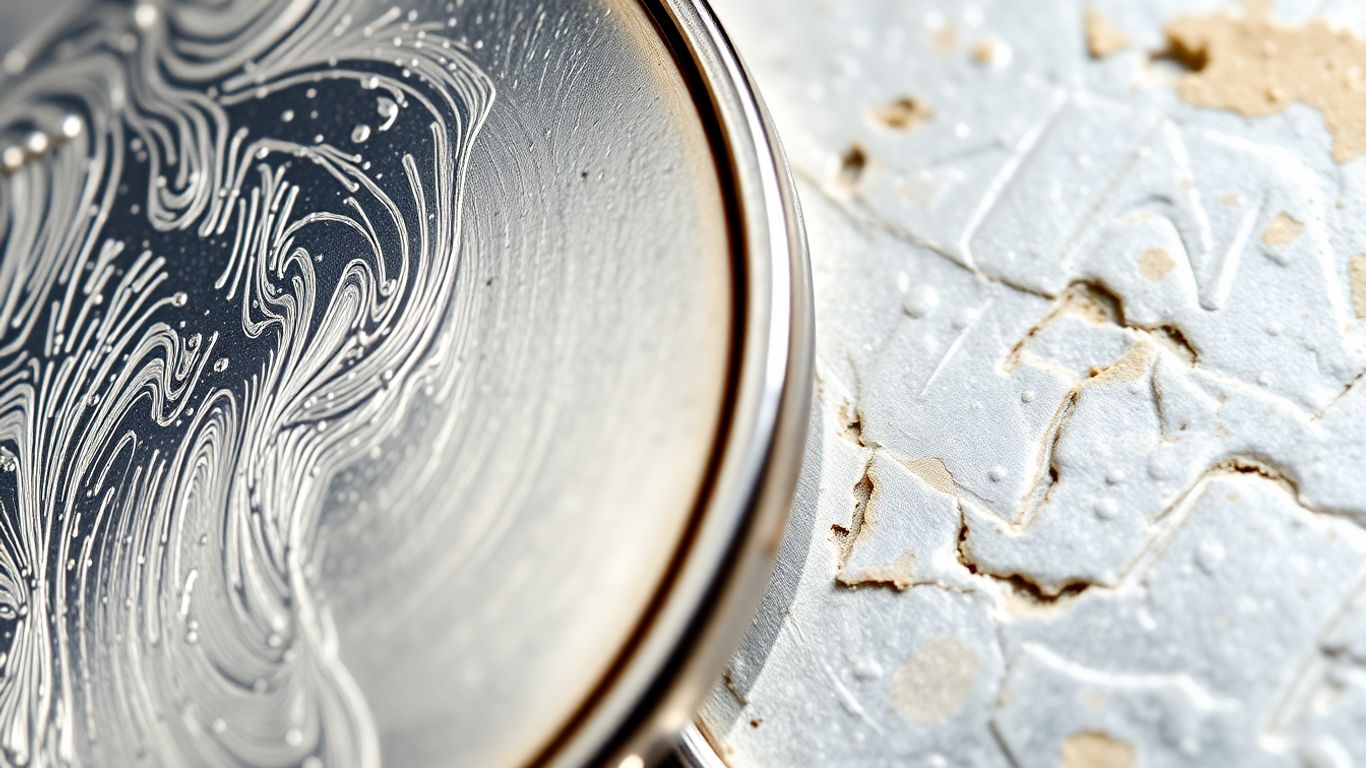
When we talk about coins, value and how they might grow over time is a big part of the conversation for collectors and investors alike. It’s not just about what a coin looks like; it’s also about what it’s worth now and what it might be worth down the road.
The Premium On Proof Coins
Proof coins, because of how they’re made – all that extra care, the polished dies, the special striking process – usually cost more than coins made for everyday spending. This higher price tag is often called a ‘premium.’ It reflects the extra work and the fact that these coins are meant to be special, not just used as money. Think of it like buying a handcrafted piece of furniture versus something mass-produced; you expect to pay more for the attention to detail. This premium is a key part of their initial cost, but it’s also tied to their potential for future growth.
- Limited mintages mean fewer coins are available, which can drive up demand.
- Their aesthetic appeal with mirror-like fields and frosted details makes them desirable.
- Collector demand plays a huge role; if many people want a specific proof coin, its price will likely climb.
The market for proof coins is often more sensitive to what collectors want than to the raw metal inside. This means their value can swing based on numismatic trends and the overall popularity of certain series or mint years.
Affordability Of Circulation Strikes
Circulation strike coins, on the other hand, are generally more accessible. Since they were made to be used, their initial cost is usually just their face value. Even uncirculated examples, which haven’t been spent but are still made using the standard process, are typically less expensive than their proof counterparts. This makes them a great starting point for new collectors or those who want to build a larger collection without spending a fortune. You can often find these coins in bulk or as part of less expensive sets, making them a budget-friendly option. For instance, building a collection of US proof sets can be more approachable when considering the variety of options available.
Long-Term Investment Considerations
Deciding between proof and circulation strike coins for investment involves looking at your goals. Proof coins, with their higher initial cost and collector focus, are often seen as longer-term investments. Their value tends to grow more steadily, driven by rarity and sustained collector interest. Circulation strikes, especially those made of precious metals, can offer more immediate returns if metal prices rise, but their numismatic value might not increase as dramatically unless they are rare varieties or errors. A balanced approach, including both types, can be a smart strategy for diversifying your collection and investment portfolio. It’s about understanding what drives value in each category and aligning that with your personal financial objectives and collecting passions.
Historical Context And Purpose
Origins As Test Pieces
Long before they became prized possessions for collectors, proof coins served a very different role. Think of them as the mint’s quality control samples. They were originally struck to test the dies and ensure everything was working correctly before mass production began. These early proofs weren’t intended for public circulation; they were more like prototypes. They allowed mint officials to check the sharpness of the strike, the detail of the design, and the overall quality of the coin being produced. It was a way to catch any issues before millions of coins hit the market.
Evolution Into Collectible Items
Over time, people started to notice how special these test coins were. Their incredible detail, mirror-like surfaces, and frosted designs set them apart from the regular coins people used every day. Collectors began to seek them out, appreciating the artistry and the fact that they were made in much smaller numbers. This growing interest led mints to start producing proof coins specifically for sale to collectors. It was a shift from a functional purpose to an aesthetic and collectible one. The mints realized there was a market for these beautifully crafted coins, and so, the proof coin as we know it today began to take shape.
Intended Use As Currency
Circulation strike coins, on the other hand, have always been about one thing: being used as money. From the moment they leave the mint, their job is to be passed from hand to hand, buying goods and services. They are made for the hustle and bustle of everyday commerce. Because of this, they are produced in massive quantities using high-speed presses. The focus is on getting the coins out there efficiently, not on creating a perfect, display-worthy piece. While some circulation strikes can become valuable due to rarity or errors, their primary purpose from day one has been to function as currency for transactions.
The journey of a coin from a mint’s test piece to a collector’s treasure, or from a tool of commerce to a historical artifact, tells a story about how we value things. It’s about more than just metal; it’s about history, art, and the changing ways we interact with these small pieces of our economy.
Identifying Proof Coins
Figuring out if a coin is a proof can seem a bit tricky at first, but there are some clear signs to look for. It’s all about paying attention to the details that set them apart from regular coins.
Examining For A Mirror Finish
One of the most obvious tells for a proof coin is its finish. Proof coins typically have fields that are incredibly reflective, almost like a mirror. When you tilt the coin under a light, you should see a bright, clear reflection. This isn’t just a bit of shine; it’s a deep, liquid-like reflectivity. The contrast between these mirror-like fields and the design elements is a hallmark of a proof coin. It’s a result of special polishing done to the dies before striking and often multiple strikes of the coin itself.
Recognizing Sculpted Details
Beyond the shiny background, the design on a proof coin often looks different. The raised parts of the design, like the lettering and the images, usually have a frosted or matte appearance. This creates a striking contrast with the mirrored fields. The details themselves tend to be very sharp and well-defined, almost as if they were sculpted with extra care. This is because the dies used for proof coins are specially prepared and polished, and the striking process is done with more pressure and precision.
The Role Of Polished Dies
The minting process for proof coins is quite different. The dies, which are the metal tools that actually stamp the design onto the coin blanks, are meticulously polished. This polishing removes any tiny imperfections and creates that smooth, reflective surface on the fields. Then, the coin blanks themselves are often polished before striking. The striking process itself is usually done more than once, with higher pressure, to ensure every detail is perfectly transferred from the die to the coin. This careful preparation and striking are what give proof coins their distinctive look.
Here’s a quick rundown of what to look for:
- Mirror-like fields: The flat, open areas of the coin should be highly reflective.
- Frosted or matte design elements: The raised parts of the design should contrast with the fields, often appearing textured.
- Sharpness and detail: The design should be very clear and crisp.
- Lack of wear: Proof coins are not meant for circulation, so they should appear pristine.
It’s important to remember that proof coins are made specifically for collectors. They aren’t intended to be used as money in everyday transactions. This means they are handled with much more care from the moment they are made, which is why they usually look so perfect.
Collecting Strategies: Proof Coins Versus Circulation Strikes
When building a coin collection, deciding between proof coins and circulation strikes really comes down to what you’re looking for. It’s not just about owning a piece of history; it’s about how you want to experience that history. Are you drawn to the sheer beauty and the story behind how a coin was made, or are you more interested in the everyday journey a coin might have taken?
Building a Collection Around Aesthetics
If your primary interest lies in the visual appeal and the artistry of coins, proof coins are likely to be your focus. These coins are made with such care, featuring those incredibly sharp details and that distinct mirror-like finish. They really stand out. Think about it: each one is struck multiple times with specially polished dies. This process creates a coin that’s almost like a tiny work of art. Many collectors find themselves drawn to the way the light plays off the frosted design elements against the polished, reflective background. It’s a look that circulation strikes just can’t replicate, no matter how well-preserved they are. Building a collection this way means you’re curating a display of minting excellence.
- Prioritize visual perfection: Look for coins with flawless fields and crisp, well-defined frosted devices.
- Consider the strike quality: A strong, well-centered strike is key for maximizing the aesthetic impact.
- Research specific finishes: Different proof finishes (like cameo or deep cameo) can add another layer of visual interest.
Focusing on Historical Significance
On the other hand, if you’re fascinated by a coin’s journey through time and its role in everyday life, circulation strikes might be more your speed. These are the coins that actually passed through people’s hands, that were used to buy goods and services. Each scratch, each bit of wear, tells a story. Collecting them is like gathering tangible pieces of economic history. You might seek out coins from specific eras, or perhaps coins that represent important historical events. The thrill can come from finding a well-preserved example of a coin that has seen significant use, or perhaps a rare date in a lower grade that’s still affordable. It’s about connecting with the past in a very direct way. For many, the appeal of uncirculated coins lies in their untouched state, representing a snapshot of when they were first minted.
Balancing Budget and Desirability
Let’s be honest, budget is a big factor for most collectors. Proof coins, due to their special production and limited mintages, generally come with a higher price tag. They often carry a significant premium over their melt value. Circulation strikes, especially common dates and lower grades, are usually much more affordable. This accessibility allows collectors to acquire a larger number of coins or to focus on rarer dates without breaking the bank. However, desirability isn’t solely tied to price. A rare circulation strike in a sought-after grade can be just as desirable, if not more so, to certain collectors than a common proof issue. It’s about finding that sweet spot where your budget meets the coins that truly excite you.
The decision between proof coins and circulation strikes often hinges on personal preference and financial considerations. Proof coins appeal to those who appreciate intricate craftsmanship and visual brilliance, often commanding higher prices due to their limited production. Circulation strikes, while less ornate, offer a more accessible entry point and connect collectors to the coin’s history of use. Ultimately, a balanced approach can lead to a diverse and rewarding collection.
Here’s a quick look at some general characteristics:
| Feature | Proof Coins | Circulation Strikes |
|---|---|---|
| Production | Special dies, multiple strikes, polished | Standard dies, single strike, high volume |
| Finish | Mirror-like fields, frosted devices | Varies, can be dull or lustrous |
| Detail | Extremely sharp and intricate | Generally sharp, but can show wear |
| Rarity | Typically lower mintage, higher collector demand | Higher mintage, rarity varies by date/grade |
| Price Premium | Usually significant | Generally lower, based on metal/rarity |
The Role Of Mint Errors
Errors In Circulation Strikes
Coins made for everyday use, called circulation strikes, are produced in massive quantities. Think billions of coins every year. With that kind of volume, it’s almost impossible for everything to come out perfectly every single time. Sometimes, things go a bit sideways during the minting process. These slip-ups can range from minor issues, like a slightly off-center strike, to more noticeable problems such as a missing mint mark or a doubled die. While the mint aims for consistency, the sheer speed and scale of production mean that a small percentage of coins will inevitably have some kind of manufacturing defect. For collectors, these errors can turn an otherwise common coin into something quite special and sought after.
Errors In Proof Coin Production
Proof coins, with their special, careful production, are generally expected to be flawless. However, errors can still happen, though they are much rarer. Because each proof coin is handled with extreme care, struck multiple times with specially prepared dies, and inspected closely, the opportunities for mistakes are fewer. When errors do occur on proof coins, they are often quite dramatic. This could involve issues with the frosting and polishing process, or perhaps a die defect that wasn’t caught before striking. Because proof coins are made in much smaller numbers and are intended for collectors, any error found on one can significantly increase its appeal and value to a dedicated numismatist.
Impact Of Errors On Value
Mint errors can really shake up a coin’s value, whether it’s a circulation strike or a proof coin. For regular coins that have been used, finding an error can make it worth way more than its face value. A common penny with a significant error might suddenly be worth hundreds or even thousands of dollars, depending on the error’s type and how clear it is. Proof coins with errors are even rarer, and their value can skyrocket. Collectors often pay a big premium for these unique pieces because they represent a deviation from the norm and are a testament to the imperfections that can occur even in the most controlled manufacturing environments.
The possibility of finding an error coin, even in pocket change, adds an element of surprise and excitement to coin collecting. It reminds us that even mass-produced items can have unique characteristics that make them stand out.
Wrapping It Up
So, we’ve looked at proof coins and circulation strikes, and it’s pretty clear they’re not the same thing at all. Proof coins, with their fancy mirror finish and careful making, are usually for people who want something really special and maybe as an investment. They’re made to look perfect. Then you have the circulation strikes, which are the coins you’d actually use or find in your change. They’ve been around, seen some action, and show it. While a circulation strike might not have that wow factor of a proof coin, it can still be interesting, especially if it’s rare or has a mistake. Deciding which is better really just comes down to what you’re looking for in your collection. Are you after that pristine beauty, or do you like the idea of owning a coin that’s actually been part of everyday life? Either way, knowing the difference helps you make smarter choices for your coin hobby.
Frequently Asked Questions
What exactly is a proof coin?
A proof coin is made with extra care and special tools. It’s struck more than once to make the design really sharp and clear. The shiny parts look like mirrors, and the raised parts often have a frosted look. They are made especially for collectors, not for everyday spending.
Are proof coins meant to be used as money?
No, proof coins are not made for using as regular money. They are too special and valuable for that. Think of them more like shiny collectibles that people buy and keep safe, rather than coins you’d get back as change.
What's the biggest difference between a proof coin and a regular uncirculated coin?
The main difference is how they are made. Proof coins get hit by the coin-making die multiple times and have polished dies, giving them a super shiny, mirror-like background and frosted details. Regular uncirculated coins are struck just once and keep their original mint finish, which is still nice but not as fancy as a proof.
How can I tell if a coin is a proof coin just by looking at it?
Look closely at the coin. Proof coins usually have a very shiny, mirror-like background with design elements that look frosted or matte. The details on the coin will be very sharp and well-defined, almost like they pop out.
Are proof coins harder to find than regular coins?
Yes, proof coins are usually made in much smaller numbers than coins made for everyday use. Because fewer are made, they are considered rarer and are often more sought after by collectors.
Why do proof coins often cost more than regular coins?
Proof coins cost more because they take more time and effort to make. The special striking process, the polishing of the dies, and the fact that they are made in limited amounts all add to their value and price.
Can a proof coin become worn out like a regular coin?
A proof coin can get damaged or worn if it’s not handled carefully. However, they are not meant to be used in daily transactions, so most proof coins are kept in protective cases. If a proof coin has been used as money, its special finish will be gone, and it will look like a regular, worn coin.
Is it better to collect proof coins or regular uncirculated coins?
It depends on what you like! If you love shiny, detailed coins with a special look, proof coins might be for you. If you prefer coins that represent everyday history and are more affordable, regular uncirculated coins are a great choice. Many collectors enjoy having both types.