
Getting into coin collecting can be a bit confusing at first. You hear terms like ‘mint sets’ and ‘proof sets’ thrown around, and it’s not always clear what they mean or how they differ. Both sound official, like they come straight from the U.S. Mint, and they do, but they’re made in very different ways and have distinct looks. Understanding these differences is pretty important if you want to build a collection you’ll be happy with. This article breaks down the basics of mint sets versus proof sets, so you can figure out which ones are right for you.
Key Takeaways
- Mint sets contain regular, uncirculated coins as they come from the mint, often packaged in simple folders or cellophane. They are generally made in larger quantities.
- Proof sets feature coins struck using special methods with polished dies, resulting in mirror-like surfaces and frosted designs for high contrast. These are made with more care and fewer are produced.
- The manufacturing process for proof coins involves multiple strikes and special dies to achieve their detailed, reflective appearance, setting them apart from standard mint coins.
- Historically, mint sets evolved from cardboard holders to cellophane and then folders, while proof sets moved from individual coins to packaged sets, with packaging innovations aiming for better preservation.
- When choosing between mint sets versus proof sets, consider your goals: mint sets offer a more accessible way to collect uncirculated coins, while proof sets appeal to those seeking exceptional visual quality and rarity.
Understanding Mint Sets Versus Proof Sets
Most people getting into coin collecting run into the terms "mint set" and "proof set" pretty quickly. They matter a lot for anyone who wants to know exactly what they’re collecting and why these sets are considered special by so many hobbyists.
Defining Mint Sets
A mint set is a collection of coins from a specific year, usually containing one of each denomination struck for circulation. These coins come straight from the Mint, untouched by public hands, and are in uncirculated condition.
- They contain coins in the same finish and style as those meant for regular use.
- Typically, each coin included is from a different mint location (like Philadelphia, Denver, or San Francisco), depending on the year.
- Occasionally, mint sets include coins that weren’t released into circulation at all, making them the only way to get certain coins from particular years.
What sets mint sets apart is that they feature pristine coins that have never been circulated or handled in everyday transactions.
Defining Proof Sets
Proof sets are another story. These collections include coins that are specially manufactured with meticulous care. They’re not made for everyday transactions but rather as collector’s items.
- Coins in proof sets are struck multiple times with specially polished dies.
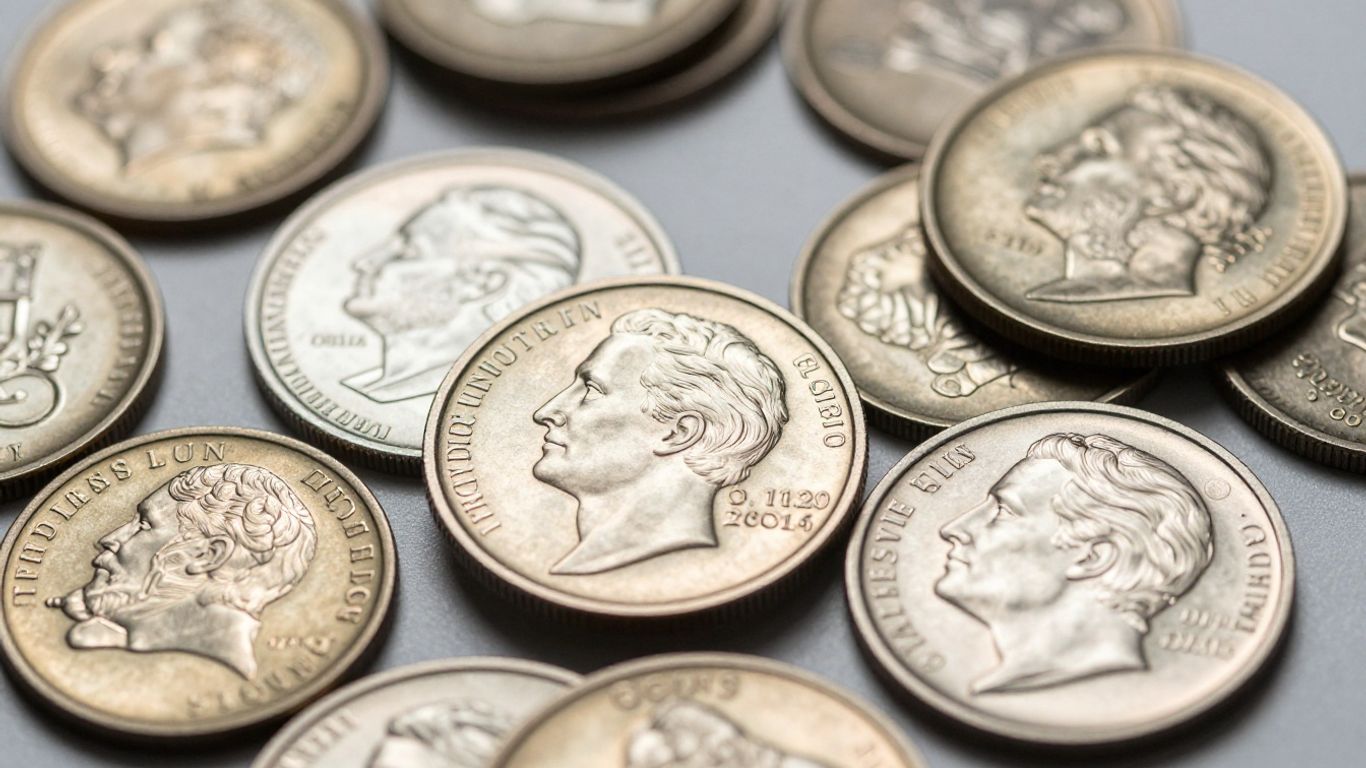
- Surfaces are mirror-like, often with frosted designs that stand out against the shiny background.
- Proof sets typically contain one example of each coin struck that year, all bearing the same high standard of finish.
Proof coins are well-known for their sharp detail and deep reflectivity—something regular mint set coins simply don’t have.
Key Distinctions for Collectors
Here’s a quick look at the differences between mint sets and proof sets:
| Feature | Mint Set | Proof Set |
|---|---|---|
| Coin Finish | Uncirculated, standard look | Highly polished, mirror-like |
| Manufacturing Process | Regular minting tools | Special dies, multiple strikes |
| Intended Audience | General collectors | Collectors and display purposes |
| Typical Packaging | Folders or cellophane | Rigid plastic cases |
| Includes Special Coins | Sometimes | Usually one of each denomination |
- Mint sets offer an untouched, practical side of collecting.
- Proof sets are all about eye appeal and fine detail.
- Collectors often choose based on what matters most—completeness, beauty, or rarity.
When choosing between mint sets and proof sets, keep in mind what you want out of your collection. Do you lean toward untouched history or a showcase of craftsmanship?
The Manufacturing Process: Mint Sets
Standard Striking Methods
Mint sets are put together using coins that are made using the regular production methods. Think of them as coins that are fresh off the assembly line, never having been used in everyday transactions. The U.S. Mint strikes these coins using standard presses, just like they would for any coin intended for circulation. The key difference isn’t in how they’re struck, but rather that they are set aside before they ever get a chance to be spent or handled by the public.
Coins Straight From The Mint
These coins are pulled directly from the minting process. They haven’t been through the wear and tear of being passed around or stored in pockets. This means they generally look just like any other uncirculated coin you might find, but without any of the potential nicks, scratches, or bag marks that can happen once coins enter circulation. It’s like getting a brand-new item straight from the factory, still in its original packaging, so to speak.
Ensuring Pristine Condition
While the striking process itself is standard, the mint takes care to keep these coins in top shape. They are handled carefully and packaged in a way that prevents damage. This is the main draw for collectors – getting coins that are as close to their original, freshly minted state as possible. Unlike proof coins, you won’t see the dramatic mirror-like fields or frosted designs, but you will get coins that are free from circulation wear.
- Coins are struck using regular production dies.
- They are selected before entering circulation.
- Care is taken during packaging to maintain their condition.
The primary benefit of mint sets is acquiring coins that have never been used. This guarantees a level of preservation that simply isn’t possible with coins pulled from circulation, even if those coins appear to be in good condition.
The Manufacturing Process: Proof Sets
Specialized Striking Techniques
Proof coins are made differently than regular mint coins. The process starts with special blanks, called planchets. These are polished until they shine. Then, they’re fed into coin presses one by one. The striking happens slowly and with a lot of force, often multiple times. This makes sure the design details are super sharp and clear, getting into every little part of the die. This careful, deliberate striking is what gives proof coins their unique look.
Achieving Mirror-Like Surfaces
Part of what makes proof coins stand out is their surface. The planchets are polished to a high shine before striking. After being struck multiple times, the surfaces become incredibly smooth and reflective, almost like a mirror. This mirror finish is a key characteristic collectors look for. It’s a result of the special preparation of the dies and the planchets, along with the multiple strikes.
Creating Frosted Designs
Another signature feature of proof coins is the contrast between the design elements and the background. This is often called a "cameo" effect. The raised parts of the design, like the portrait or symbols, are given a frosted appearance. This is achieved by sandblasting the dies before they are polished. The background, or field, remains mirror-like. This sharp contrast makes the design pop out. For many years, this effect was only present on the first few coins struck from a die, but modern technology allows the mint to create this contrast on all proof coins.
Historical Evolution of Mint Sets
Standard Striking Methods
Mint sets, unlike their proof counterparts, generally feature coins struck using the standard methods employed for circulating coinage. This means the dies and planchets are prepared for high-volume production, not for the meticulous, slow process that defines proof coins. The goal here is efficiency and quantity, producing coins that meet the everyday needs of commerce. While these coins are uncirculated, they don’t undergo the special treatments that give proof coins their unique look. Think of them as the best of the best from regular production runs.
Coins Straight From The Mint
Coins included in mint sets are pulled directly from the production line before they ever enter general circulation. This is a key selling point for collectors. It means the coins haven’t been handled by the public, dropped, or subjected to the wear and tear of everyday transactions. They represent the condition of the coin as it leaves the minting facility. This is a big deal for anyone who wants to collect coins in their original, untouched state. The U.S. dollar was established by the Coinage Act of 1792, equivalent to the Spanish silver dollar and divisible into 100 cents. This act also authorized the minting of coins authorized the minting of coins.
Ensuring Pristine Condition
Over the years, how these coins were packaged has changed quite a bit, and that’s had a big impact on their condition. Early mint sets, starting around 1947, came in cardboard holders. Now, cardboard might sound okay, but it often contained sulfur and glue, which could cause the coins to tone or develop spots over time. Some collectors actually like this toning, seeing it as a sign of age and character, but it wasn’t ideal for keeping coins looking factory-fresh. Things got better in 1958 when the U.S. Mint switched to sealed cellophane packaging. This new method usually held just one of each coin type from each mint. Later on, around 2007, they started using folders, with blue ones for Philadelphia coins and red ones for Denver coins. This evolution in packaging shows a continuous effort to preserve the coins’ original condition for collectors.
The journey of mint sets from simple cardboard holders to modern, protective packaging highlights the U.S. Mint’s evolving approach to presenting uncirculated coinage to collectors, aiming to preserve the coins’ original state as they leave the mint.
Historical Evolution of Proof Sets
Early Proof Coinage
The idea of proof coins stretches way back to the very beginning of U.S. coinage. When the U.S. Mint first got going in 1792, folks like Adam Eckfeldt were already taking extra care to make sure the first coins were top-notch. These early special coins, sometimes called "specimen" coins back then, were like prototypes. They were struck with extra attention using polished metal discs and fresh dies. Mint employees and special visitors often kept these shiny, unique pieces. These weren’t mass-produced for sale but were more like quality checks and keepsakes. Over time, as coin collecting grew, so did the interest in these special coins. The U.S. Mint started making them more intentionally around 1817 to meet collector demand. These early proofs were often sold individually or in small groups, not necessarily as a full set of all denominations.
Regular Production Since 1936
The real shift towards what we recognize as modern proof sets happened in 1936. That’s when the U.S. Mint officially launched its Proof Set Program, making them available directly to collectors. From 1936 to 1942, you could buy proof coins individually or in sets. Production took a break during World War II, from 1943 to 1949. When proof sets came back in 1950, the Mint started selling them only as complete sets. This meant you got a package with all the year’s proof denominations. The sets were initially sealed in cellophane bags and put into boxes. This practice continued until 1955, when the packaging changed to a flat-pack envelope that held all the coins together in one piece of cellophane. This style of packaging lasted until 1964.
Packaging Innovations Over Time
After 1964, proof sets saw more changes in how they were presented. From 1965 to 1967, there was a pause in regular annual proof set production due to a coin shortage. When proof sets returned in 1968, the U.S. Mint began using rigid plastic cases. These cases, often with a dark background, were designed to make the coins stand out. Initially, proof sets from 1968 through 1972 included the cent, nickel, dime, quarter, and half dollar. Starting in 1973, and again from 2000 onwards, the dollar coin was also included, making some sets six coins. Special sets, like those for the U.S. Bicentennial in 1976, featured silver-clad coins. By 1980, the coins were typically housed in a hard, red plastic insert within a clear plastic case. Later, from 1983 to 1997, the Mint also offered "Prestige" Proof Sets. More recently, silver proof sets were introduced in 1992, and sets have included various themed coins like State Quarters and Presidential Dollars, with some years containing a record number of coins. You can find more details on early U.S. patterns like the Birch Cent which represent themes of national independence.
Here’s a look at how proof set packaging has evolved:
- 1936-1955: Coins in individual cellophane pouches, shipped in cardboard boxes.
- 1955-1964: All coins sealed together in a flat cellophane package.
- 1968-Present: Coins housed in rigid plastic cases, with design variations over the years.
The journey of proof sets from early, carefully struck samples to the packaged collections we see today reflects both the growing interest of collectors and the Mint’s efforts to present these special coins in appealing ways. Each packaging change marked a new era for collectors trying to preserve their pieces of numismatic history.
Contents and Composition
Typical Mint Set Coinage
Mint sets are generally assembled by the U.S. Mint to showcase the circulating coinage of a particular year. They typically include one of each denomination of circulating coins produced at the various mint facilities. This means you’ll usually find Lincoln cents, Jefferson nickels, Roosevelt dimes, and Washington quarters. Depending on the year, you might also see Kennedy half dollars and even dollar coins if they were part of general circulation. The coins in these sets are struck using standard methods, meaning they aren’t given any special treatment beyond what’s needed for regular production. They are intended to represent what you’d find in your pocket, just in a more pristine state. The goal is to offer a complete year’s set of everyday money.
Proof Set Denominations
Proof sets, on the other hand, are designed for collectors and feature coins with a much higher level of finish. While they often contain the same denominations as mint sets (cent, nickel, dime, quarter, half dollar, dollar), the key difference lies in their production. These coins are struck multiple times with specially polished dies and planchets. This process creates those distinct mirror-like fields and frosted design elements that collectors prize. Proof sets are a way for the mint to show off its capabilities in producing high-quality, artistic coins. You can find annual proof sets that are a great way to collect Canadian circulation coins.
Inclusion of Non-Circulating Coins
Sometimes, both mint sets and proof sets can include coins that were not intended for general circulation. This is especially true in more modern sets. For instance, special commemorative coins or bullion coins might be offered in separate collector sets. While standard mint sets focus on the coins meant for everyday transactions, proof sets might occasionally incorporate special issues to create a more complete offering for collectors. It’s always a good idea to check the specific contents of a set before purchasing, as the U.S. Mint has varied its offerings over the years. This can include special versions of circulating denominations or entirely different coin types.
The composition of these sets directly reflects the mint’s intent: mint sets for showcasing the year’s circulating currency, and proof sets for demonstrating superior minting artistry and finish. Both offer a snapshot of American coinage for a given year, but with distinct qualities and target audiences.
Mint Marks and Production Locations
Philadelphia Mint Coins
Coins produced at the Philadelphia Mint typically do not carry a mint mark. This has been the standard practice for many years, though there have been exceptions. For collectors, this means that if you find a coin from Philadelphia without a mint mark, it’s usually the norm. It’s a subtle detail, but it’s one of the first things you learn when you start looking closely at where coins come from.
Denver Mint Coins
Coins originating from the Denver Mint are identified by the presence of a ‘D’ mint mark. This mark is usually found on the reverse of older coins, but on modern coinage, you’ll often see it on the obverse, typically below the date or the portrait of the person depicted. The Denver Mint has been a significant producer of circulating coinage for decades, so ‘D’ mint coins are quite common in both mint sets and proof sets.
San Francisco Mint Coins
The San Francisco Mint is denoted by an ‘S’ mint mark. While San Francisco historically produced a large volume of circulating coins, in recent decades, its primary role has shifted towards producing proof coins and special collector issues. Therefore, ‘S’ mint coins are more frequently encountered in proof sets than in standard mint sets, especially for issues from the late 20th century onwards. It’s worth noting that during certain periods, San Francisco also produced circulating coinage, so ‘S’ mint coins can appear in mint sets from those times as well.
The mint mark is a small but important detail that tells you where a coin was made, and it can significantly impact its rarity and collectibility.
Here’s a quick look at where coins in sets typically come from:
- Mint Sets: Often contain coins from both the Philadelphia (no mint mark) and Denver (‘D’) mints. Some special mint sets might also include coins from San Francisco (‘S’) or West Point (‘W’).
- Proof Sets: Historically, proof sets primarily featured coins from the Philadelphia Mint. Since the 1960s, proof sets have often included coins from the San Francisco Mint (‘S’), particularly for modern issues. West Point (‘W’) mint proof coins are less common but do appear in specific collector sets.
Understanding mint marks is a key step in appreciating the nuances of coin production. It’s not just about the design; it’s also about the journey the coin took from the minting facility to your collection. Each mark tells a part of that story.
Rarity and Mintage Numbers
When you’re looking at coins, how many were actually made can make a big difference in how collectible they are. It’s a pretty straightforward idea: fewer coins usually mean they’re harder to find, and that often makes them more interesting to collectors.
Limited Mintage of Proof Coins
Proof coins are generally made in much smaller quantities than regular mint sets. The U.S. Mint, for instance, intentionally produces proof sets with limited mintages each year. This scarcity is a key part of their appeal. Think about it – if only a few thousand of a certain proof coin exist, it’s naturally going to be more sought after than a coin that millions of people might have.
This limited production is a deliberate choice to make these coins special. They’re not meant for everyday spending; they’re made for collectors who appreciate the finer details and the exclusivity. The fact that they are produced with such care and in restricted numbers contributes significantly to their status in the numismatic world. It’s one of the main reasons why proof coins can be valuable investments.
Higher Availability of Mint Sets
Mint sets, on the other hand, are typically produced in much larger numbers. The goal here is to provide collectors with examples of the circulating coinage for a given year, straight from the mint, in uncirculated condition. Because the mintages are higher, these sets are generally more accessible and less rare than their proof counterparts. This doesn’t mean they aren’t collectible; it just means the rarity factor isn’t as pronounced.
Here’s a quick look at how mintage numbers can differ:
| Set Type | Typical Mintage Range (Examples) | Rarity Factor | Availability |
|---|---|---|---|
| Mint Set | 500,000 – 2,000,000+ | Lower | Higher |
| Proof Set | 50,000 – 500,000 | Higher | Lower |
Note: These are general ranges and can vary significantly year by year and by specific coin.
Impact on Collectibility
The difference in mintage numbers directly affects how collectors view these sets. Proof sets, with their lower mintages, often carry a higher premium from the start and can see more significant price appreciation over time due to their inherent scarcity. Mint sets, while still desirable for their uncirculated quality, tend to be more stable in value, reflecting their broader availability.
When considering rarity, it’s not just about the total number of coins produced. The number of coins that survive in pristine condition over the years also plays a role. However, for both mint and proof sets, the initial mintage figures are the primary driver of their relative rarity and, consequently, their collectibility and potential investment value.
Visual Appeal and Aesthetic Qualities
When you look at mint sets and proof sets side-by-side, the differences in how they look can be pretty striking. It’s not just about the coins themselves, but how they’re made that really changes their appearance.
Brilliant Surfaces of Proofs
Proof coins are made with a special process. They use polished dies and planchets (the blank metal discs before they’re struck). This means the coin’s surface has a mirror-like shine. The fields, or the flat background areas of the coin, are incredibly reflective. When you tilt a proof coin under a light, you’ll see that bright, clear mirror effect. It’s a big part of what makes them look so special and different from regular coins.
Cameo Contrasts
Many proof coins also have what collectors call a "cameo" effect. This happens when the raised parts of the design, like the portrait or the lettering, have a frosted look. This frosted design stands out sharply against the shiny, mirrored background. It creates a really nice contrast that makes the details pop. Some proof coins have a light frosting, while others, called "deep cameo" or "ultra cameo," have a very strong, frosted look that really grabs your attention. There are even "reverse proofs" where the design is mirrored and the background is frosted – a neat twist!
Mint State Appearance
Coins in mint sets, on the other hand, are usually referred to as "mint state" or "uncirculated." They haven’t been used in everyday transactions, so they look pretty much as they did when they left the mint. However, they don’t go through the special polishing and striking process that proof coins do. Their surfaces are generally bright but not mirror-like. You might see some bag marks or minor imperfections from being handled at the mint, which is normal for these coins. They have a more natural, less flashy look compared to the dazzling finish of a proof coin.
Value and Investment Considerations
When you’re looking at mint sets versus proof sets, thinking about their value and how they might perform as an investment is a big part of the hobby for many. It’s not just about the pretty coins; it’s also about what they might be worth down the road.
Pricing Factors for Mint Sets
Mint sets, generally speaking, are produced in larger quantities. This higher availability often means their value is more closely tied to their face value and the precious metal content, if any. However, certain years or specific mint marks within a mint set can become more sought after over time, especially if they represent a significant event or have a lower mintage for that particular year. The condition of the original packaging also plays a role; a well-preserved set is always more desirable.
- Mintage Numbers: While generally higher, specific years can have lower mintages.
- Condition: The state of the coins and the original packaging matters.
- Historical Significance: Sets commemorating special events can gain interest.
- Market Demand: What collectors are looking for in the current market.
Pricing Factors for Proof Sets
Proof sets, on the other hand, are typically made in much smaller numbers. This inherent rarity is a primary driver of their value. The specialized manufacturing process, which creates those stunning visual effects like mirror fields and frosted devices, also adds to their appeal and perceived worth. Varieties, errors, or specific finishes within a proof set can significantly increase its value. The market for proof coins can be quite strong, as they are often seen as more collectible items from the start. Proof coins can be valuable investments, potentially exceeding their initial purchase price. Their worth is influenced by factors such as rarity, low mintages, and unique varieties. Understanding these elements is key to assessing their investment potential.
- Limited Mintage: This is a key factor for proof sets.
- Special Finishes: Mirror-like surfaces and frosted designs are highly prized.
- Varieties and Errors: Unique flaws can dramatically increase value.
- Presentation: The quality of the case and accompanying documentation.
Long-Term Investment Potential
Both mint sets and proof sets can be considered investments, but they often appeal to different types of collectors and investors. Proof sets, due to their lower mintages and unique aesthetic qualities, often have a stronger potential for appreciation over the long term. They are frequently seen as more of a premium collectible. Mint sets can also appreciate, but it’s often driven by specific key dates or years that become scarce. For someone looking for a more speculative investment, proof sets might be the more attractive option, but it’s always wise to research specific issues and market trends. Remember, the coin market can fluctuate, so it’s not a guaranteed path to riches.
When evaluating the investment potential of any coin set, it’s important to look beyond the initial purchase price. Factors like historical context, production numbers, and the overall condition of the coins and their packaging all contribute to a set’s long-term desirability and potential value increase.
Choosing Between Mint Sets Versus Proof Sets
So, you’ve been looking at these coin sets and wondering, "Which one is right for me?" It’s a common question, and honestly, there’s no single "better" option. It really boils down to what you’re hoping to get out of your collection. Think of it like picking out a car – some people want the practical sedan, others want the sporty convertible. Both get you places, but they offer different experiences.
For the New Collector
If you’re just dipping your toes into the coin collecting world, a mint set might be a good starting point. They’re generally more affordable, and they give you a straightforward look at the coins being produced by the U.S. Mint in a given year. You get uncirculated coins, meaning they haven’t been used in everyday transactions, so they’re in nice condition. It’s a simple way to build a collection of current coins without breaking the bank. Plus, sometimes mint sets include coins that never actually make it into circulation, which is kind of neat.
- Lower Entry Cost: Mint sets usually cost less than proof sets, making them easier on a beginner’s budget.
- Clear Representation: They show you exactly what the standard coins look like straight from the mint.
- Educational Value: You learn about the different mints (like Philadelphia and Denver) and the coin designs for that year.
For the Experienced Numismatist
For those who have been collecting for a while, proof sets often hold more appeal. The special manufacturing process creates coins with a distinct visual quality – think super shiny, mirror-like surfaces and frosted designs. This level of detail and finish is what attracts many seasoned collectors. Proof sets can also be rarer, especially older ones, and their unique appearance makes them stand out. If you appreciate the artistry and the meticulous production that goes into creating these special coins, a proof set is likely where your interest will lie.
- Superior Aesthetics: The mirror-like fields and frosted devices offer a striking visual contrast.
- Specialized Production: Understanding the unique minting process adds another layer of appreciation.
- Potential for Higher Value: Historically, certain proof sets have shown strong appreciation due to lower mintages and collector demand.
Aligning with Collection Goals
When you’re deciding, ask yourself what you want your collection to represent. Are you aiming for a broad overview of U.S. coinage as it’s made for everyday use, or are you more interested in the special, high-quality versions produced for collectors? Consider your budget, of course, but also think about what kind of coins bring you the most joy to look at and own. Ultimately, the best set for you is the one that fits your personal collecting style and brings you satisfaction.
The packaging for both types of sets has changed quite a bit over the decades. Early mint sets came in cardboard holders that could sometimes cause toning on the coins. Proof sets have gone from individual plastic pouches to cellophane envelopes, and eventually to the hard plastic cases we see today. These packaging changes are part of the history of collecting these sets.
Here’s a quick look at what you might find:
| Set Type | Typical Coins | Special Features |
|---|---|---|
| Mint Set | Circulating denominations (cent to dollar coin) | Uncirculated condition, often from multiple mints |
| Proof Set | Circulating denominations (cent to dollar coin) | Specially struck with mirror-like surfaces, frosted designs |
Wrapping It Up
So, we’ve looked at mint sets and proof sets, and they’re definitely not the same thing. Proof sets are all about that special, shiny finish and sharp details, made with extra care. They often have that mirrored background with frosted designs, and the mint makes fewer of them. Mint sets, on the other hand, are more about getting a collection of the regular coins made that year, straight from the mint, never used. They’re usually less fancy but still in perfect condition, never having been in someone’s pocket. Which one is right for you really just depends on what you’re looking for in your collection. Do you want that super polished look and rarity, or are you happy with the standard coins from a particular year? Either way, both can be a great addition to your collection.
Frequently Asked Questions
What is the main difference between a mint set and a proof set?
The biggest difference is how the coins are made. Proof sets have coins that are specially made with extra care, often having shiny, mirror-like surfaces and frosted designs for a striking look. Mint sets usually contain regular coins that look like they just came from the mint, but they haven’t been used by the public.
How are proof coins made differently from regular coins?
Proof coins are struck multiple times with polished dies, which creates their sharp details and shiny, mirror-like surfaces. The designs are often given a frosted look to make them stand out even more against the shiny background. This special process takes more time and effort than making regular coins.
What kind of coins are usually found in a mint set?
Mint sets typically include one of each type of coin that the U.S. Mint is producing for that year. These coins are in uncirculated condition, meaning they have never been used in everyday spending. They are essentially brand-new coins straight from the mint.
Are proof sets rarer than mint sets?
Yes, proof sets are generally rarer. Because they require a more detailed and time-consuming manufacturing process, fewer proof coins are made compared to regular mint coins. This limited number makes them more collectible.
What does 'mint condition' mean for coins in these sets?
When coins are in ‘mint condition,’ it means they are in the same state as when they left the mint. They haven’t been handled or used for buying things, so they don’t have any scratches or wear. Both mint sets and proof sets contain coins in mint condition.
Why do proof coins often look so shiny and detailed?
Proof coins get their special look from a careful manufacturing process. They are struck more than once, and the metal surfaces are polished to a mirror finish. The designs are then often ‘frosted’ to create a beautiful contrast, making the details really pop.
When did the U.S. Mint start making proof sets regularly?
The U.S. Mint began producing proof sets on a regular basis, offering them to collectors every year, starting in 1936. Before that, proof coins were made, but they weren’t always offered as complete annual sets.
Which type of set is better for a beginner collector?
For new collectors, either type can be a good starting point, depending on their interests. Mint sets are often more affordable and offer a way to see the year’s circulating coins in perfect condition. Proof sets, with their special finish and rarity, can be more appealing if you’re drawn to beautiful, high-quality coins.