
So, you’ve got some coins and you’re wondering what they’re really worth? It’s not just about how old they are. There’s this whole system, called the numismatic coin condition rating system, that collectors and dealers use. It’s basically how they figure out if a coin is in great shape or if it’s seen better days. Think of it like grading a test – some coins get an A+, others might get a D. This system helps everyone talk the same language when it comes to coin quality and, yeah, how much they’re worth.
Key Takeaways
- The numismatic coin condition rating system provides a standard way to describe a coin’s state, which is vital for its value.
- The Sheldon Scale, using numbers from 1 to 70, is the main tool for grading coins, with higher numbers meaning better condition.
- Things like wear, damage, how well the coin was made (strike), and its overall look (eye appeal) all play a big part in its grade.
- Big grading companies like NGC and PCGS offer professional services that authenticate and grade coins, which can be important for valuable pieces.
- Learning to grade yourself helps you make smarter choices when buying or selling, and it’s a good skill to have for any coin collector.
Understanding the Numismatic Coin Condition Rating System
The Foundation of Coin Valuation
When you’re looking at coins, whether you’re just starting out or you’ve been collecting for years, you’ll quickly realize that not all coins are created equal. Their condition plays a massive role in how much they’re worth. Think of it like buying a used car; a car that’s been well-maintained and looks almost new will cost a lot more than one that’s rusty and has a bunch of miles on it. Coins are similar. The system used to describe this condition is what we call the numismatic coin condition rating system. It’s basically the starting point for figuring out a coin’s value. Without it, trying to compare one coin to another would be a guessing game.
Standardization in Numismatics
Before these rating systems became common, trying to buy or sell coins was pretty chaotic. One person might think a coin was in great shape, while another might see the same coin and think it was worn out. This led to a lot of confusion and disagreements. That’s where standardization comes in. By creating a common language and a set of rules for describing a coin’s condition, everyone involved in the coin world – collectors, dealers, and auction houses – can be on the same page. This makes the whole process of trading coins much smoother and fairer. It’s like having a universal translator for coin quality.
Subjectivity vs. Objectivity in Grading
Now, grading a coin isn’t always perfectly black and white. There’s definitely a bit of subjectivity involved, meaning different people might see a coin slightly differently. However, the goal of a good grading system is to be as objective as possible. This means relying on specific, observable characteristics rather than just personal opinion. Factors like the amount of wear, the presence of scratches or other marks, and how well the coin’s original design details are preserved are all looked at. The more objective the grading, the more reliable the valuation becomes. It’s a constant effort to move from ‘I think this looks good’ to ‘This meets these specific criteria for a certain grade.’
Here’s a look at some general categories, though the specific details are much more nuanced:
- Mint State (MS): Coins that look like they just came from the mint. Little to no wear.
- About Uncirculated (AU): Very minor wear, but most of the original shine is still there.
- Extremely Fine (XF/EF): Some wear is visible, but all the main design elements are still pretty sharp.
- Very Fine (VF): Moderate wear, but you can still make out most of the important parts of the design.
- Fine (F): More noticeable wear, but the basic outline of the design is still clear.
- Very Good (VG): Significant wear, but the coin is still recognizable.
- Good (G): Heavy wear, with only the most basic features of the design remaining.
- About Good (AG): Extremely worn, often to the point where some details are almost gone.
- Poor (P): Very heavily worn or damaged, often making identification difficult.
The aim of a grading system is to provide a consistent and understandable way to describe a coin’s physical state. This consistency is what allows collectors and dealers to communicate effectively about a coin’s condition and, consequently, its worth. It’s a system built on observation and comparison, aiming for accuracy over personal preference.
The Sheldon Scale: A Universal Language
Numerical Precision from 1 to 70
The Sheldon Scale is the backbone of modern coin grading. Developed by Dr. William H. Sheldon, this system uses numbers from 1 to 70 to describe a coin’s condition. Think of it as a ruler for coins, where higher numbers mean a coin is in better shape. A coin graded ‘1’ is in terrible condition, barely recognizable, while a ’70’ is practically perfect, fresh from the mint with no flaws. This numerical system provides a consistent way to talk about coin quality across the board. It’s used by everyone from casual collectors to big-time dealers and professional grading services like PCGS and NGC. Understanding where a coin falls on this scale is key to knowing its potential value. For instance, a coin might be a ’65’ or a ’66’ – that small difference can mean a lot in the market. The scale isn’t just random numbers; each number represents specific visual characteristics of wear, luster, and strike. You can find detailed charts online that break down what each numerical grade looks like in practice. This scale is what allows professional services determine numismatic ratings with a degree of objectivity.
Adjectival Grades Explained
While the numbers from 1 to 70 are precise, you’ll also hear coin descriptions using words. These are called adjectival grades, and they give a general idea of a coin’s condition. Common ones include ‘Poor’ (P-1), ‘Fair’ (F-12), ‘Good’ (G-4), ‘Very Good’ (VG-8), ‘Fine’ (F-12), ‘Very Fine’ (VF-20), ‘Extremely Fine’ (XF-45), ‘About Uncirculated’ (AU-50 to AU-58), and ‘Uncirculated’ or ‘Mint State’ (MS-60 to MS-70). These terms are helpful for quick communication, but they can sometimes be a bit vague. For example, what one person considers ‘Very Fine,’ another might see as just ‘Good.’ That’s why the numerical scale is so important – it adds a layer of specificity. The adjectival grades often correspond to ranges within the Sheldon Scale. For example, ‘About Uncirculated’ typically covers grades from 50 to 58, indicating slight wear on the highest points but still retaining most of the original shine.
Interpreting Mint State and Circulated Grades
When you’re looking at coins, you’ll often see them categorized as either ‘circulated’ or ‘mint state’ (often abbreviated as MS). Circulated coins have been used in commerce, meaning they’ve passed through many hands and likely show some wear. Grades like Good (G), Very Good (VG), Fine (F), Very Fine (VF), and Extremely Fine (XF) all fall into the circulated category. The higher the number within these grades, the less wear the coin shows. Mint State coins, on the other hand, have not been used for spending. They are essentially as they left the mint. The Mint State grades range from MS-60 to MS-70. An MS-60 coin might have some noticeable marks or lack luster, while an MS-70 coin is considered flawless, with perfect luster and strike. It’s important to remember that even within Mint State, there’s a big difference between an MS-60 and an MS-70. The difference in wear and appearance is what separates these grades and significantly impacts a coin’s desirability and price.
The Sheldon Scale provides a structured way to assess a coin’s physical condition, moving beyond simple descriptions to a more precise numerical evaluation. This system is vital for consistent pricing and trading in the numismatic market.
Key Factors Influencing Coin Grades
When you’re looking at a coin and trying to figure out its grade, a few things really stand out. It’s not just one thing, but a combination of how the coin looks and how it’s held up over time. Think of it like judging an old photograph – you look at the clarity, any fading, and if there are any tears or creases. Coins are similar, but with their own specific details.
Assessing Wear and Preservation
The most obvious factor is wear. This is what happens when a coin gets passed around. Every time it changes hands, a tiny bit of its surface gets rubbed away. This wear can smooth out the sharp details of the design, like the hair on a portrait or the lines in an eagle’s feathers. The less wear a coin shows, the higher its grade will generally be. Preservation is about how well the coin has been kept since it was made. A coin that’s been stored carefully in a holder will look much better than one that’s been rattling around in a pocket for decades.
The Impact of Damage and Imperfections
Beyond normal wear, coins can suffer from actual damage. This can be anything from a deep scratch across the face of a president to a small dent on the rim. Corrosion, which looks like a fuzzy or pitted surface, is also a big problem. Even cleaning a coin, if done improperly, can leave fine scratches that lower its grade. These kinds of issues really take away from a coin’s appeal and its value. It’s like finding a ding on a new car; it just isn’t perfect anymore.
Luster, Strike, and Eye Appeal
Luster is that original shine a coin has when it’s first minted. It can be bright and flashy, or it can be a more subdued, satiny finish. A strong, original luster is a big plus. The strike refers to how well the coin’s design was impressed onto the metal by the minting press. A strong strike means all the details are sharp and clear. Finally, eye appeal is a bit more subjective, but it’s basically how attractive the coin is to look at. This includes the color, the overall cleanliness of the surfaces, and how pleasing the combination of wear, strike, and luster is. A coin with great eye appeal can sometimes be worth more than a similar coin with a slightly higher technical grade but less visual charm. It’s the whole package that counts when you’re looking at a coin’s overall grade and desirability.
When you’re evaluating a coin, think about its journey. Was it used heavily, or was it set aside almost immediately? Did it get banged around, or was it kept safe? These questions help you understand the story the coin’s surface tells.
Navigating Professional Grading Services
When you start getting serious about coin collecting, especially with coins that have some real value, you’ll probably run into the names NGC and PCGS. These are the big players when it comes to professional coin grading. Think of them as the official referees for coin condition. They look at your coin, decide on its grade using that 1-to-70 scale we talked about, and then seal it up in a special holder with all the details. This whole process is called third-party authentication, and it’s a pretty big deal in the coin world.
The Role of NGC and PCGS
NGC (Numismatic Guaranty Company) and PCGS (Professional Coin Grading Service) are the two most well-known and respected third-party grading services. They operate independently, meaning they don’t buy or sell coins themselves, which helps keep their grading unbiased. Both services have teams of expert graders who examine coins for wear, strike quality, luster, and any imperfections. They also check for authenticity, making sure the coin isn’t a fake or has been altered in some way. Having a coin graded by NGC or PCGS can significantly increase its marketability and perceived value. They have different approaches, though. PCGS is known for its stricter grading standards and strong market acceptance, while NGC often gets props for its variety attribution and international reach.
Understanding the Grading Workflow
So, how does it actually work when you send a coin in? It’s a pretty structured process designed for accuracy and security:
- Reception and Logging: Your coins arrive at the grading facility and are carefully logged into their system. They’re tracked every step of the way.
- Initial Examination: A team checks the coin for authenticity and basic details.
- Grading: Multiple expert graders examine the coin independently. They look at all the factors that determine its grade.
- Final Review: A final check ensures consistency and accuracy.
- Encapsulation: If the coin passes, it’s placed in a tamper-evident holder (often called a "slab") with a label detailing its grade, description, and a unique certification number.
- Return: The graded coin is shipped back to you.
The whole point of these services is to bring a level of trust and standardization to the coin market. Before these companies, grading was pretty much up to the individual dealer, which could lead to all sorts of disagreements and confusion. Now, a coin graded by a reputable service has a widely accepted condition and authenticity.
Benefits of Third-Party Authentication
Why go through the trouble and expense of getting coins graded? There are several good reasons:
- Authentication: It confirms the coin is genuine and not a counterfeit.
- Standardized Grading: Provides an objective, universally recognized grade.
- Market Liquidity: Graded coins often sell faster and for better prices because buyers know what they’re getting.
- Protection: The holder protects the coin from further damage and handling, and it’s designed to show if it’s been tampered with.
- Population Reports: Services like PCGS and NGC publish reports showing how many coins of a certain type and grade they’ve certified. This data can be really useful for understanding rarity and market trends.
Developing Your Own Grading Expertise
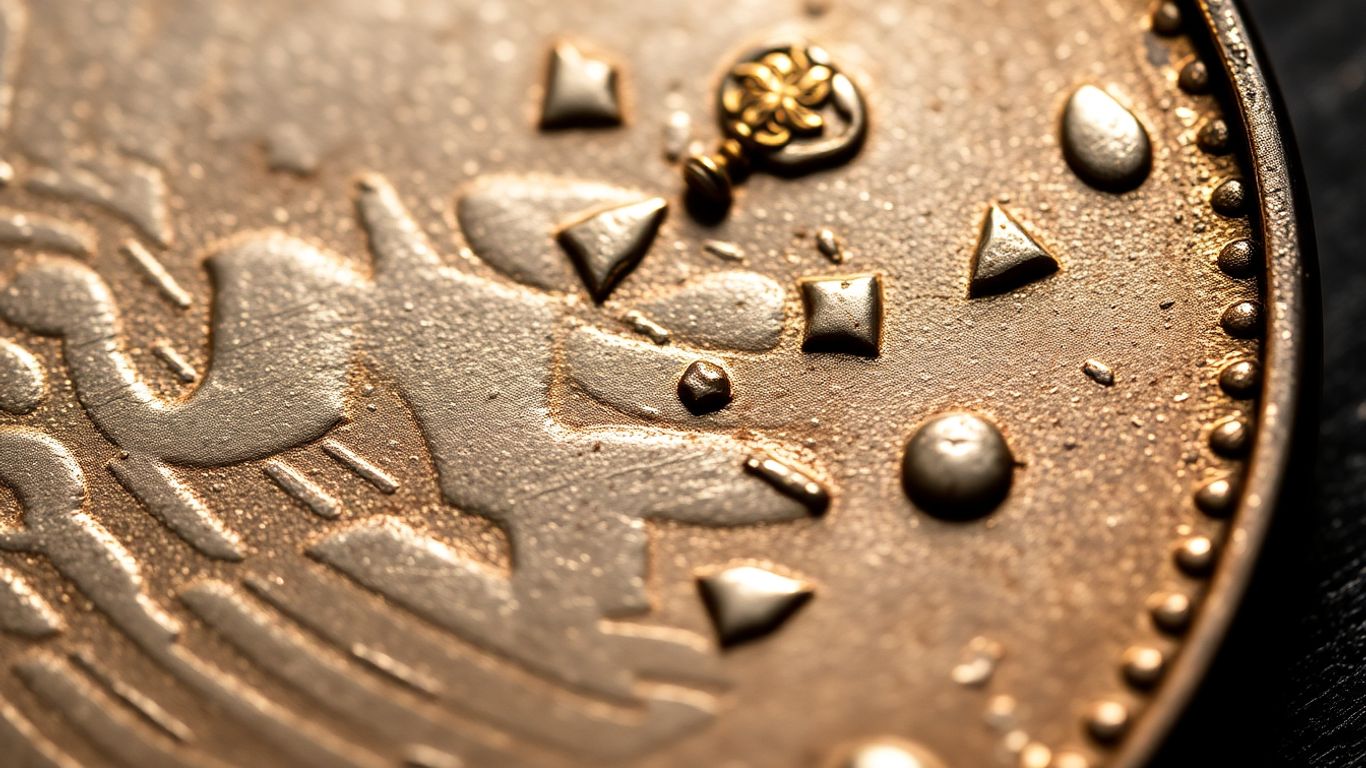
Getting good at grading coins yourself takes time and a bit of effort. It’s not something you pick up overnight, but it’s totally doable. Think of it like learning any new skill – you need the right tools, good information, and plenty of practice. The more you look at coins, the better you’ll get at spotting the little details that matter.
Essential Learning Approaches
To really get a handle on grading, you need a mix of learning and doing. It’s kind of like learning to cook; you can read all the recipes you want, but you won’t get good until you actually start chopping vegetables and firing up the stove. For coins, this means studying up and then spending time with actual coins.
- Study the Standards: Get familiar with the Sheldon scale and what each grade level means. Look at official grading guides and websites.
- Compare and Contrast: Find coins that are supposed to be in similar grades and put them side-by-side. See what differences you can spot.
- Handle Real Coins: The best way to learn is by touching and examining coins yourself. Start with coins that aren’t too expensive so you don’t have to worry as much about making a mistake.
Learning to grade coins is a journey. It requires patience and a willingness to learn from every coin you examine, whether it’s a common piece or a rare treasure. The attention to detail you develop will serve you well.
Leveraging Reference Materials
Good information is key. You wouldn’t try to build furniture without instructions, right? The same applies to coin grading. Having reliable resources makes a huge difference in how quickly and accurately you learn.
- Coin Books: Publications like the official guidebooks from Whitman are a must-have. They show pictures and describe what to look for.
- Online Resources: Websites of major grading services (like PCGS and NGC) often have grading tutorials and population reports that show how many coins exist in certain grades.
- Series-Specific Guides: If you collect a particular type of coin, like Morgan dollars or Lincoln cents, look for guides that focus just on that series. They’ll point out details specific to those coins.
The Importance of Hands-On Experience
Reading about coins is one thing, but actually holding them and looking at them under magnification is where the real learning happens. You need to train your eye to see what others might miss.
- Magnification is Your Friend: Get a good magnifying glass or a jeweler’s loupe (around 5x to 10x power is usually good). This lets you see wear on the high points, nicks, and scratches.
- Good Lighting: Always examine coins in bright, even light. Natural daylight is best, but a good desk lamp with an LED bulb works well too.
- Handle with Care: Use soft cotton gloves or a coin holder to avoid adding fingerprints or scratches to the coins you’re studying. This keeps them in the condition you found them.
- Practice on Different Coins: Don’t just look at one type of coin. Try grading pennies, nickels, dimes, quarters, and even older silver dollars. Each has its own characteristics.
Practical Applications of Coin Grading Skills
Informed Buying and Selling Decisions
Knowing how to properly grade a coin is a game-changer when you’re looking to buy or sell. It stops you from overpaying for something that isn’t quite what it seems, and it helps you price your own coins fairly. When you can look at a coin and have a good idea of its grade, you’re in a much stronger position at the table, whether that’s at a coin show, an auction, or even just online. You’re not just relying on what the seller tells you; you’re using your own eyes and knowledge.
Identifying Undergraded Opportunities
This is where the real fun can begin for some collectors. "Cherrypicking," as it’s often called, means finding coins that are priced as if they have a lower grade but actually deserve a higher one. This happens more often than you might think, especially with raw (ungraded) coins. A sharp eye for detail can spot a coin with great strike and luster that might have a minor, overlooked flaw, or perhaps a seller who just isn’t familiar with the finer points of grading. Buying these coins at a discount and then having them professionally graded can lead to a nice profit or a significantly upgraded piece for your collection.
Enhancing Collection Building Strategies
Your grading skills directly influence how you build your collection. Instead of just buying what looks good, you can make strategic choices based on condition and potential. This means you can focus on acquiring coins that represent the best value for their grade, or perhaps target specific condition rarities that others might overlook. It helps you set realistic goals and track your progress more effectively, knowing that you’re not just accumulating coins, but building a collection of quality pieces.
Developing your own grading ability is like learning a new language for the coin world. It takes practice, sure, but once you get the hang of it, you can understand conversations and make decisions that were impossible before. It’s not about replacing the pros, but about becoming a more informed participant in the hobby.
When Professional Grading Becomes Essential
While learning to grade coins yourself is a fantastic way to build your collecting skills and make smarter buying choices, there comes a point where sending your coins to a professional grading service makes a lot of sense. It’s not always necessary, and honestly, it costs money, so you want to be smart about it. Think of it like getting a professional appraisal for a piece of art – you wouldn’t do it for every little sketch, but for that potentially valuable painting? Absolutely.
Evaluating High-Value Coins
If you’ve got a coin that’s worth a good chunk of money, especially if it’s a rare date or in really nice condition, getting it professionally graded is a smart move. These services authenticate the coin and give it a standardized grade. This protection is important because high-value coins are often targets for counterfeiters. Plus, a certified grade from a reputable company like PCGS or NGC gives potential buyers a lot more confidence, which can make selling much easier and potentially get you a better price.
The Role of Rarity and Condition
Coins that are rare or in exceptionally good condition are prime candidates for professional grading. A rare coin, even in lower grades, benefits from authentication. But when you combine rarity with top-tier condition (think Mint State 65 or higher), the value can really skyrocket. Professional graders are experts at spotting those subtle differences that push a coin into a higher grade, and that distinction can mean a huge difference in price. They can also help identify and attribute rare varieties or errors that might not be obvious to the untrained eye.
Cost-Benefit Analysis for Certification
Before you send off a stack of coins, do a quick cost-benefit check. Professional grading isn’t free. You’ll pay submission fees, and sometimes shipping costs too. So, when does it pay off?
- Coins with a significant potential value: If a coin might be worth $500 or more after grading, the cost of grading is usually well worth it.
- Key dates or rare issues: These coins have built-in demand and benefit greatly from third-party verification.
- Coins suspected of being in high grades: If you think you have a coin that could grade MS-67 or higher, the premium for that grade often far exceeds the grading cost.
- Coins with potential errors or varieties: These need expert attribution to realize their full market value.
On the flip side, common modern coins or coins in very low circulated grades (like Good or Fair) usually aren’t worth the expense of professional grading. You’re better off saving that money for coins that have a real chance of appreciating in value after certification.
Deciding whether to get a coin professionally graded involves looking at its potential market value, its rarity, and its condition. It’s about weighing the cost of the service against the potential increase in desirability and price that a trusted, standardized grade can provide. For valuable or rare items, this step is often not just recommended, but practically required for confident transactions.
Common Terminology in Coin Condition
When you start looking at coins, you’ll run into a bunch of words that describe how worn or nice they look. It’s like learning a secret code, but once you get it, things make a lot more sense. These terms help everyone talk about the same thing, so you know what you’re getting.
Defining Circulated Coin States
Circulated coins are the ones that have actually been used as money. They’ve gone through the wringer, so to speak. The terms here describe just how much they’ve been handled.
- Good (G): This coin has seen a lot of action. Most of the details are worn away, but you can still make out the main parts of the design and the date. It’s pretty beat up.
- Very Good (VG): A bit better than ‘Good.’ You can still see some of the design details, and the date is usually readable, but there’s definitely noticeable wear all over.
- Fine (F): This coin has moderate wear. The major features are still clear, but they’re not sharp anymore. You can still read the words around the edge.
- Very Fine (VF): Wear is visible, but it’s not too heavy. Most of the coin’s details are still present, and it still has some of its original shine, especially in the protected areas.
- Extremely Fine (XF or EF): This is where things start looking pretty good. There’s only slight wear on the highest points of the design. Most of the coin looks sharp, and it should still have a good amount of its original mint luster.
- About Uncirculated (AU): This coin looks almost new. You might see a tiny bit of wear on the very highest parts of the design, but it’s hard to spot. It still has most of its original mint shine.
Understanding Uncirculated Designations
These coins haven’t been used as money. They came straight from the mint and have been kept in good shape. The difference between them is mostly about how much shine they have and if there are any little marks.
- Mint State (MS): This is the top tier for coins that haven’t circulated. They show no signs of wear. The grade goes from MS-60 (basic uncirculated) all the way up to MS-70 (absolutely perfect). The higher the number, the fewer imperfections and the better the shine.
Recognizing Terms for Wear and Damage
Beyond just general wear, coins can have specific problems that affect their grade. It’s good to know these so you can spot them.
- Luster: This is the original shine or glow that a coin has when it’s made. A coin with great luster looks bright and vibrant. Loss of luster often happens with wear or if the coin is handled a lot.
- Strike: This refers to how well the design was pressed onto the coin at the mint. A strong strike means all the details are sharp and clear. A weak strike means some parts might look mushy or incomplete.
- Damage: This is anything that happened to the coin after it left the mint that isn’t normal wear. Things like scratches, nicks, bent spots, or cleaning marks fall into this category. Damage almost always lowers a coin’s grade and value.
Knowing these terms is like having a map for the coin world. It helps you understand what people mean when they talk about a coin’s condition and stops you from getting confused or overpaying for something that isn’t quite what you thought it was.
Here’s a quick look at how some of these terms fit into the broader grading picture:
| Grade Category | Typical Adjectival Grade | Sheldon Scale Range | Description |
|---|---|---|---|
| Uncirculated | Mint State (MS) | 60-70 | No wear, full original mint luster. |
| Almost Uncirculated | About Uncirculated (AU) | 50-58 | Very minor wear on highest points, most luster. |
| Lightly Worn | Extremely Fine (XF/EF) | 40-45 | Light wear on high points, sharp details. |
| Moderately Worn | Very Fine (VF) | 20-35 | Moderate wear, details still clear. |
| Considerably Worn | Fine (F) | 12-15 | Significant wear, basic details visible. |
| Heavily Worn | Good (G) | 4-6 | Very heavy wear, major design elements seen. |
| Severely Worn | About Good (AG) | 1-3 | Extremely worn, details are faint. |
| Damaged/Unidentifiable | Poor (P) | 1 | Heavy damage or wear, often unidentifiable. |
The Market Impact of the Numismatic Coin Condition Rating System
The way coins are graded has really changed the coin market. Before, it was a bit of a free-for-all, with people guessing what a coin was worth. Now, with grading systems like the Sheldon Scale, there’s a common language everyone uses. This makes buying and selling much smoother.
Establishing Fair Market Value
Grading provides a benchmark. A coin graded MS-65 is generally understood to be in a certain condition, and its price reflects that. This standardization helps set expectations for both buyers and sellers. It’s not just about what someone thinks a coin is worth anymore; it’s about its objectively assessed condition. This is similar to how melt value is a baseline for gold, but grading adds a layer of numismatic worth on top of that.
Building Buyer and Seller Confidence
When you know a coin has been graded by a reputable service, you feel more secure. You’re less worried about getting a coin that’s been messed with or is in worse shape than advertised. This confidence is huge for the market. It means people are more willing to spend money on coins, knowing they’re getting what they paid for. It’s like knowing you’re getting pure gold when you buy bullion; the grading provides that assurance for collectible coins.
Ensuring Transparency in Transactions
Transparency is key. Grading reports and the labels on graded coins show exactly what the coin is and its condition. This reduces the chances of misunderstandings or disputes. It makes the whole process of trading coins more honest and straightforward. For instance, knowing a coin’s grade helps in comparing prices across different sellers, making the market more efficient.
Here are some key benefits:
- Standardized condition assessment: Everyone understands what an "AU-58" means.
- Increased market liquidity: Easier to buy and sell when condition is clearly defined.
- Protection against counterfeits and alterations: Professional services authenticate coins.
- Simplified price comparison: Easier to find comparable coins and their values.
The adoption of a consistent grading system has moved coin collecting from a hobby based on personal opinion to a more structured investment field. This shift has attracted more participants and increased the overall value and stability of the numismatic market.
For example, consider the difference in how a coin might be perceived without grading:
| Grade Description (Informal) | Potential Market Value Range | Notes |
|---|---|---|
| Looks pretty good | $100 – $500 | Highly subjective |
| Nice condition, maybe some marks | $200 – $700 | Still vague |
| Certified MS-65 | $500 – $600 | Specific and verifiable |
Wrapping Up: Your Coin Grading Journey
So, we’ve gone over a lot about how to look at coins and figure out what condition they’re in. It might seem like a lot at first, with all the numbers and terms, but honestly, it just takes some practice. Think of it like learning to spot good produce at the grocery store – you get better the more you do it. Knowing these grading basics helps you avoid getting a bad deal and makes sure you’re paying a fair price for what you get. Whether you’re just starting out or have been collecting for a while, getting a handle on coin condition is a big step. It really makes collecting more fun and can even help your collection grow in value over time. Keep looking at those coins, and you’ll be a grading pro before you know it.
Frequently Asked Questions
What exactly is coin grading?
Coin grading is like giving a coin a report card. It’s a way to check how good a coin’s condition is. Experts look at things like wear and tear, how shiny it is, and if there are any scratches or dents. They then give it a score or a description, like ‘Good’ or ‘Almost Perfect,’ so everyone knows its quality.
Why is coin grading so important?
Grading is super important because it helps decide how much a coin is worth. A coin that looks almost new will be worth much more than one that’s been used a lot. Grading gives everyone a fair way to talk about coin quality and makes buying and selling coins more trustworthy.
What is the Sheldon Scale?
The Sheldon Scale is a number system used for grading coins. It goes from 1 to 70. A coin with a grade of 1 is in very rough shape, while a coin with a grade of 70 is considered perfect. Most collectors and grading companies use this scale to be very specific about a coin’s condition.
What's the difference between 'circulated' and 'uncirculated' coins?
A ‘circulated’ coin is one that has been used in everyday money transactions, so it likely has some wear. An ‘uncirculated’ coin has never been used as money and looks like it did when it first came from the mint; it should have its original shine and no signs of wear.
Can anyone learn to grade coins?
Yes, anyone can learn the basics of coin grading! It takes practice and studying. You can learn by looking at lots of coins, comparing them, and using guidebooks. While it’s hard to become an expert grader like the pros, you can get good enough to make smart decisions about your own collection.
What are the main things graders look for on a coin?
Graders check several key things. They look closely at how much the coin has been worn down, how much of its original shine or ‘luster’ it still has, how well the design was stamped onto the coin (called the ‘strike’), and if there are any problems like scratches, nicks, or cleaning marks. They also consider how ‘eye appealing’ the coin is overall.
What are the big companies that grade coins?
Two of the most well-known companies that professionally grade coins are NGC (Numismatic Guaranty Company) and PCGS (Professional Coin Grading Service). They are trusted by collectors worldwide. They examine coins, put them in protective holders, and label them with their official grade.
When should I get a coin professionally graded?
It makes the most sense to get a coin professionally graded if it’s potentially valuable. This usually means it’s rare, in very good condition (high grade), or might be a special error or variety. Professional grading can confirm its value, protect it, and make it easier to sell.