
Coin collecting can seem a bit overwhelming at first, especially when it comes to figuring out just how worn a coin is. This guide is here to help you get a handle on recognizing wear patterns on coins. It’s not just about spotting the obvious stuff; it’s about understanding the little details that tell a coin’s story. We’ll cover the basics, look at the tools you might need, and even touch on how to spot coins that might have been messed with. By the end, you’ll have a much better idea of how to look at coins and understand what you’re seeing.
Key Takeaways
- Understanding how wear affects a coin is the first step in figuring out its condition and value.
- Using magnification and good lighting helps you see the small details on a coin’s surface.
- Distinguishing actual wear from other issues like weak strikes or toning is important for accurate assessment.
- Becoming your own expert means constantly learning, looking at many coins, and verifying information.
- Always handle coins carefully by their edges to avoid adding new wear or damage.
Understanding Coin Wear: The Foundation of Grading
When you first start looking at old coins, it’s easy to get caught up in the shiny bits and the big designs. But if you really want to get a handle on what a coin is worth and how it’s held up over time, you’ve got to pay attention to the wear. It’s like looking at an old car; you can tell a lot about its history by the dents and scratches, right? Coins are kind of the same way. The way a coin has been handled and circulated leaves its mark, and that’s what we call wear.
The Significance of Wear in Numismatics
Think of wear as the story a coin tells about its journey. Every time a coin gets passed around, rubbed against other coins, or even just sits in a pocket, it loses a tiny bit of its original surface. This gradual loss of detail, especially on the raised parts of the design, is what collectors and graders look at to figure out a coin’s condition. The less wear a coin shows, generally the higher its grade and value. It’s not just about how much detail is left, but also about where that detail is missing. A coin that looks worn in the flat areas but still has sharp details on the high points might be a different story than one where the highest points are smoothed over.
Identifying Initial Signs of Rubbing
So, how do you spot this wear? Start by looking at the coin’s highest points. These are the first places to show any kind of rubbing. On a coin that’s never been used, these high points will be sharp and clear, often showing a bright, original shine or luster. If you see that this shine is dulled, or if the color looks different on these raised areas compared to the flatter parts of the coin, that’s a pretty good sign of wear. It’s like seeing the paint worn off the edges of a table before it’s worn off the middle. Even a coin that looks generally good might have subtle wear on these prominent features.
The Role of High Points in Wear Detection
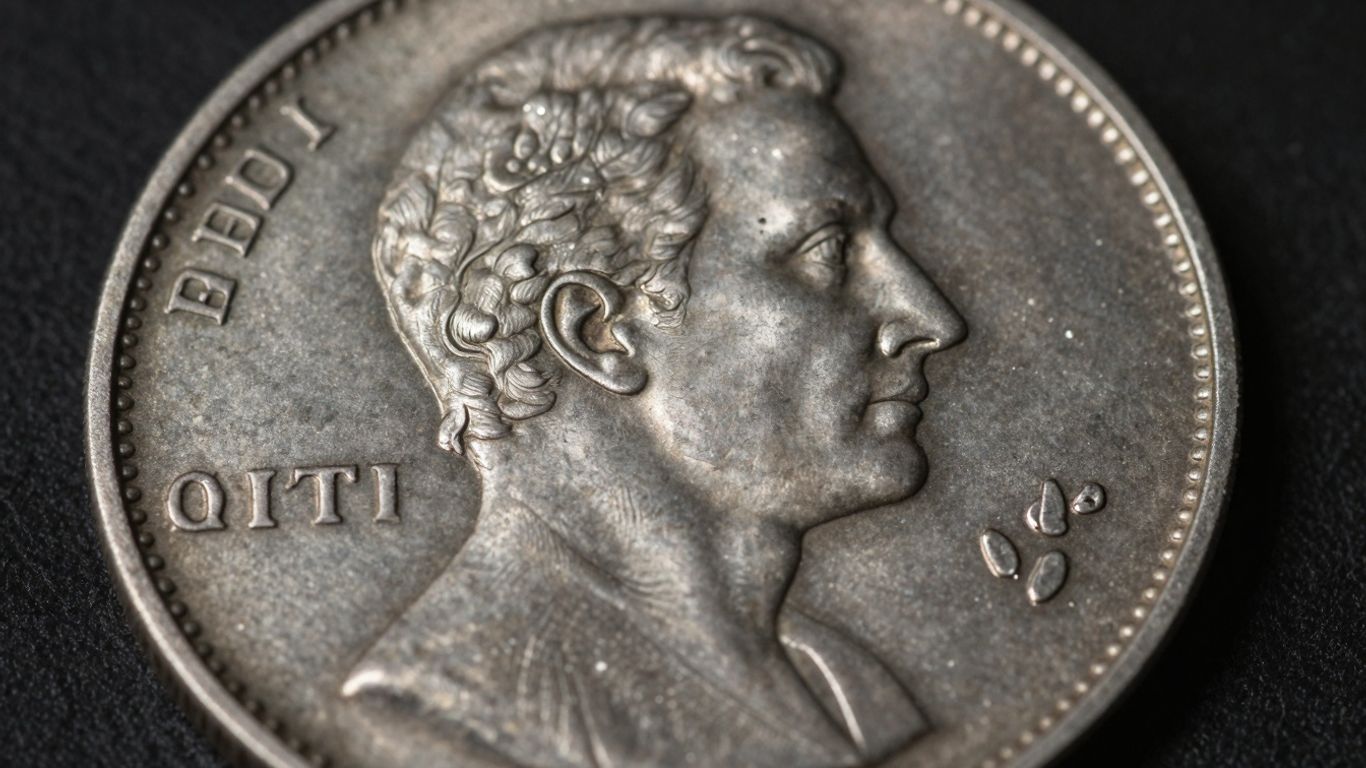
The high points are your best friends when you’re trying to figure out wear. Imagine the design elements like little mountains on the coin’s surface. These mountain peaks are the most exposed parts, so they take the brunt of any friction. If a coin is supposed to have sharp lines, like the hair on a portrait or the lettering around the edge, and those lines are rounded or fuzzy, that’s wear. Even if the rest of the coin looks pretty good, worn-down high points are a clear indicator that the coin has seen some use. It’s a simple concept, but paying close attention to these specific areas can tell you a lot about a coin’s true condition.
Tools and Techniques for Examining Coins
The Importance of Magnification
Looking at coins without some help can be like trying to read a book from across the room. You might get the general idea, but you’ll miss all the important details. That’s where magnification comes in. A good magnifying glass, or loupe, is your best friend when you’re trying to spot wear, check for minting errors, or even just admire the fine details of a coin’s design. You don’t need the most expensive one out there to start; a 5x or 10x magnification is usually plenty for most collectors. It helps you see things like the fine lines in a portrait or the subtle wear on a coin’s high points, which are key indicators of its history.
Leveraging Good Lighting for Clarity
Just like with magnification, good lighting is non-negotiable. You need to be able to see the coin’s surfaces clearly, without shadows obscuring important details. A bright, adjustable lamp is ideal. You want to be able to move the light source around the coin to catch the way it reflects. This helps you see the coin’s luster, any hairlines, or even subtle surface issues that might not be visible under flat lighting. Think of it as shining a spotlight on the coin’s true condition.
Common Sense as Your Primary Guide
While tools are important, don’t forget the most basic tool you have: your brain. Sometimes, a deal seems too good to be true, and often, it is. If a coin is priced significantly below market value, there’s usually a reason. It might have been cleaned improperly, have hidden damage, or even be a fake. Always question why a coin is priced the way it is. If something feels off, trust that feeling and investigate further before making a purchase. It’s better to be a little cautious than to end up with a coin that looks good but has underlying problems.
Here are some things to keep in mind:
- Look at many coins: The more coins you examine, the better you’ll get at spotting differences and identifying potential issues. Visit coin shops and shows, even if you’re not buying.
- Ask questions: Don’t be afraid to ask dealers about a coin’s history, toning, or any potential problems. A reputable dealer will be happy to answer.
- Verify information: If you get advice from one source, try to confirm it with another. Not everyone in the coin world is an expert, and sometimes even experts can be mistaken.
Sometimes, the simplest approach is the best. Relying on your own judgment, backed by good tools and a healthy dose of skepticism, will serve you well in the long run. Don’t let fancy equipment or persuasive sales tactics cloud your basic common sense.
Recognizing Wear Patterns on Coins: Beyond the Obvious
Distinguishing Wear from Strike Weakness
Sometimes, a coin can look worn out when it’s actually just not struck very well. This is a common point of confusion for new collectors. A coin that’s weakly struck might have soft details, especially on the high points, making it seem like it’s been handled a lot. But if the rest of the coin looks sharp and the surfaces are smooth, it’s likely a strike issue, not wear. Think of it like a photograph that’s slightly out of focus – the image is there, just not as clear as it could be. Many older coins, especially certain dates and mint marks, are known for being weakly struck. For instance, the 1890-O Morgan dollar often shows weak details, while the 1881-S is usually quite sharp. Learning these common characteristics for different coins helps you tell the difference.
The Impact of Tarnish and Toning on Wear Assessment
Tarnish and toning can really throw a wrench into assessing wear. Toning is that colorful patina that develops on coins over time, often due to chemical reactions with the environment. While some collectors find toning attractive, a heavy layer of it can hide a multitude of sins, including actual wear or even scratches. It’s like trying to judge the condition of a car’s paint job when it’s covered in mud. You can’t see the dents or rust underneath. When a coin is heavily toned, you need to look extra carefully at the high points. If the toning is uniform and unbroken across the coin, that’s a good sign. But if you see breaks in the color on the raised areas, it suggests that friction has rubbed away the toning, indicating wear.
Understanding Bag Marks and Their Significance
Bag marks are small nicks and scratches that appear on coins, especially those made for circulation. They happen when coins rub against each other, usually during the minting process or when they’re transported in bags. It’s pretty normal for most business strike coins to have some bag marks; only the rarest of coins might be completely free of them. These marks are different from wear because they’re usually shallow indentations rather than a general smoothing of the surface. The key is to observe where these marks are located and how they affect the coin’s surface. Bag marks are typically found in the fields (the flat areas) and don’t usually go over the raised design elements. However, if you see scratches that run across the design or appear to be deeper, they might be from cleaning or other damage, not just normal bag marks. Learning to identify and evaluate bag marks is a big step in understanding a coin’s true condition.
Becoming Your Own Coin Grading Expert
The Necessity of Continuous Learning
Becoming a skilled coin grader isn’t something that happens overnight. It’s a journey that requires ongoing effort and a commitment to learning. Think of it like learning a new language or a musical instrument; the more you practice and expose yourself to it, the better you become. The world of numismatics is always evolving, with new discoveries, variations, and market trends emerging. Staying informed means regularly reading numismatic publications, attending coin shows, and engaging with other collectors. Don’t assume you know it all after reading a few books. The best graders are lifelong students of the hobby.
Building Expertise Through Observation
One of the most effective ways to hone your grading skills is through direct observation. When you’re at a coin show or a local coin shop, take the time to look at as many coins as possible, even if you’re not planning to buy. Pay close attention to how different dealers describe and price their coins. Try to grade coins yourself before looking at the price or the assigned grade. This practice helps you develop your own eye and build confidence in your assessments. It’s also beneficial to compare your grading opinions with those of experienced dealers or grading services. If you get it wrong, try to figure out why. What did you miss? What did the expert see differently?
- Compare your grade to the professional grade: Look at certified coins, cover the grade, and try to determine it yourself. Then, compare your assessment.
- Analyze differences: If your grade doesn’t match, re-examine the coin and try to pinpoint the specific wear or lack thereof that led to the discrepancy.
- Seek out variety: Look at coins in different lighting conditions and from various sources to get a well-rounded perspective.
Seeking and Verifying Numismatic Advice
While self-study is important, don’t hesitate to seek advice from trusted sources. This could be experienced dealers, established numismatic clubs, or reputable online forums. However, it’s wise to take advice with a grain of salt and always try to verify information from multiple sources. Not everyone in the coin world is an expert, and sometimes even well-intentioned advice can be inaccurate. Building a network of knowledgeable contacts can provide different perspectives and help you avoid costly mistakes. Remember, the goal is to develop your own judgment, not just to rely on others.
The coin market can be tricky, and sometimes even folks who’ve been around for a while can get things wrong. It pays to double-check what you hear and see, especially when money is involved. Trust your gut, but back it up with facts from a few different places before making any big decisions.
The Subtle Art of Detecting Altered Coins
Identifying Repaired and Restored Surfaces
Sometimes, coins aren’t just worn; they’ve been messed with. Coin doctors, as they’re sometimes called, try to make coins look better than they really are. This can involve filling in holes, smoothing out scratches, or even adding color. It’s a bit like putting makeup on a coin to hide its flaws. The goal is always to make a coin appear more valuable than it truly is.
When you’re looking at a coin, pay close attention to the surfaces. Are there any areas that look too smooth, or perhaps a bit lumpy? Sometimes, repairs can create a slightly different texture compared to the rest of the coin. It’s not always obvious, and some of these alterations are pretty sneaky. You might need good lighting and a magnifying glass to spot them. If a coin looks almost too perfect, especially in areas where wear is expected, that’s a red flag.
Recognizing the Signs of Recoloring
Recoloring is another trick used to make coins look more appealing. This is especially common with copper coins, where artificial red color is added to make them look freshly minted. Original toning, the natural patina that develops over time, usually has a more varied and subtle appearance. Artificial color often looks too uniform or has a strange, almost painted-on look. It might also be too bright or too dark, not matching the typical color for that specific coin and its age. It’s a bit like seeing a brand new car with a paint job that’s just a little too shiny and perfect.
Spotting the Effects of Cleaning Methods
Cleaning is probably the most common way coins get altered, and it can really hurt their value. Different cleaning methods leave different marks. For instance, dipping a coin in a cleaning solution might remove tarnish but can also leave a slightly "etched" or "grainy" appearance under magnification. Scrubbing a coin, perhaps with a brush or even an eraser, can create fine hairlike scratches across the surface. These scratches might run over the design elements, unlike scratches from die polishing which usually stay in the flat areas. Even a simple wipe with a cloth can leave subtle marks if done too aggressively. Always remember that a coin that looks too shiny or too clean for its age might have been cleaned, and that’s usually not a good thing.
Being able to spot these alterations takes practice. It’s not just about knowing what a coin should look like, but also understanding how different treatments affect its surface. Think of it as learning to see the subtle differences between a natural tan and a spray tan – one looks authentic, the other often looks artificial.
It’s a good idea to familiarize yourself with common cleaning methods and their effects. Resources like NGC’s counterfeit detection can be helpful in understanding what to look for. The more coins you examine, the better you’ll become at noticing these subtle signs of alteration.
Advanced Wear Analysis Techniques
Sometimes, just looking at the obvious wear on a coin isn’t enough. You need to dig a little deeper, look at the finer points, and really understand what you’re seeing. This is where advanced analysis comes in, helping you spot details that might otherwise be missed.
Examining Luster and Color Changes
Luster is that frosty or satiny sheen on a coin’s surface, a sign it hasn’t been handled much since it was struck. When a coin is worn, this luster gets rubbed away, especially on the high points. Think of it like a brand-new car’s paint job versus one that’s been driven for years; the shine is just different. A coin that’s supposed to be "brilliant" should have consistent luster across its entire surface, unless it’s worn. If you see dull spots or breaks in the shine on raised areas like a president’s cheek or the tips of letters, that’s wear. Toning, which is a natural oxidation of the metal, can sometimes hide wear. A heavily toned coin might look uniformly dark, but if you look closely, you might see that the "darkness" is thinner or even missing on the high points, revealing the brighter metal underneath. This indicates wear has occurred, even if the coin looks "toned" overall.
The Nuances of Die Polishing vs. Scratches
Coin dies, the metal stamps used to create coins, are often polished to make them smooth. This polishing can leave very fine, parallel lines on the coin’s surface, which is called "die polish." It’s not wear; it’s part of the manufacturing process. The trick is telling this die polish from actual scratches. Die polish lines tend to be very fine and run in a consistent direction, often following the contours of the design. Scratches, on the other hand, are usually deeper, more irregular, and can go across the design in any direction. They often look like tiny gouges. Sometimes, a coin might have both. A heavily polished die can make a coin look very smooth, but if it’s then handled roughly, you’ll see scratches on top of that original polish. It’s about observing the texture and direction of these marks.
Understanding the 'Big Four' Grading Factors
When you’re really getting into grading, you have to consider a few key things that all affect how a coin looks and how it’s valued. These are often called the "Big Four":
- Strike: How well the coin was made by the dies. A weak strike means some details might be soft or missing, making it look worn when it’s not.
- Surface Preservation: This covers everything from bag marks and scratches to toning and cleaning. It’s about the overall condition of the coin’s surface.
- Luster: As we talked about, this is the original shine or frost on the coin. Its presence and quality are important.
- Wear: The actual loss of metal from friction or handling. This is what we’ve been discussing.
It’s tough because these factors can overlap. A coin might have a weak strike and be worn, or it might be heavily toned and have bag marks. You have to learn to separate these elements to get an accurate picture of the coin’s true condition. It takes practice, but by paying attention to these four areas, you’ll get much better at spotting the real story behind a coin’s appearance.
Practical Application: Examining Coins in Person
Looking at coins in person is where all the theory about wear patterns really comes to life. It’s one thing to read about high points and luster, but it’s another entirely to actually see it on a piece of metal. This is your chance to put your developing eye to the test. Don’t just glance; really study each coin you consider. Think of it as a detective mission where every detail matters.
The Value of Looking at Numerous Coins
Seriously, the more coins you see, the better you get. It’s like anything else, right? You wouldn’t expect to become a great cook after making one meal. Coin examination is the same. By looking at a lot of coins, even ones you aren’t planning to buy, you start to build a mental library of what’s normal and what’s not. You’ll see how different dates and mint marks tend to wear, how certain designs are weaker from the start, and how toning can hide or reveal things. It’s about building that instinct.
- Familiarize yourself with common wear on popular series. For instance, know how a Morgan dollar typically wears versus a Lincoln cent.
- Observe how strike quality varies. Some coins are just made with less detail from the beginning, and seeing many examples helps you spot this.
- Note the range of toning and its effects. You’ll see everything from light hazing to dark, heavy layers, and how they interact with surface wear.
Asking Pertinent Questions to Dealers
When you’re talking to a dealer, don’t be afraid to ask questions. A good dealer will appreciate your interest and be happy to share information. If they seem hesitant or dismissive, that might be a red flag. Asking questions isn’t just about getting information; it’s also about gauging the dealer’s knowledge and honesty. It shows you’re serious about what you’re buying.
- "Can you tell me about the toning on this coin? Is it original?"
- "I notice some softness on the [specific design element]. Is that typical for this date, or is it wear?"
- "What’s your opinion on the grade of this coin, and why?"
When you’re examining a coin, remember that what you see is influenced by many factors. Wear is just one piece of the puzzle. Strike, toning, and even how the coin was handled after it was made all play a role. Your goal is to sort through these influences to get a clear picture of the coin’s true condition.
Developing a Wary Eye for Deception
It’s not about being suspicious of everyone, but it is about being cautious. Sometimes, coins are altered or cleaned in ways that aren’t immediately obvious. You need to train yourself to spot these things. Look for inconsistencies. Does the luster seem too bright for the apparent wear? Are there strange marks that don’t look like typical bag marks? Trust your gut feeling if something seems off. It’s better to pass on a coin that feels questionable than to buy a problem piece.
- Check the edges carefully. Look for signs of plugs, repairs, or added mint marks.
- Examine the fields under magnification. Look for unnatural-looking scratches or areas that seem too smooth.
- Compare the coin to known examples. If possible, have a reference guide or a trusted coin handy for comparison.
Protecting Your Collection from Damage
Proper Handling Techniques
When you’re looking at coins, especially ones you’ve just acquired or are considering buying, how you hold them really matters. It’s not just about not dropping them, though that’s important too. The oils and acids on our skin can actually cause damage over time. Think of it like leaving fingerprints on a mirror – they might wipe off easily now, but imagine that happening on a delicate metal surface for years. So, what’s the best way to go about it?
- Always wash your hands thoroughly before you even think about touching a coin. Make sure they’re completely dry afterward.
- Use cotton gloves. These are pretty standard for anyone serious about handling coins. They create a barrier between your skin and the coin’s surface.
- Handle coins by their edges. If gloves aren’t an option, or for extra caution, try to hold the coin only by its rim. This minimizes contact with the main surfaces where detail is most important.
- Consider holding the coin over a soft surface. A velvet cloth or even a clean, soft towel can catch a coin if it slips, preventing it from hitting a hard floor and getting damaged.
The goal is to preserve the coin’s original state. Every touch, every bit of handling, has the potential to leave a mark, however small. Think of yourself as a temporary caretaker, responsible for passing it on in the best condition possible.
The Dangers of Moisture and Spittle
This might sound a bit obvious, but moisture is a coin’s enemy. Humidity in the air can lead to toning or even corrosion over long periods. But what about more direct sources? Spittle, for instance, is highly acidic. If you’ve ever seen what it can do to paper or fabric over time, imagine that on a metal surface. It can cause spotting and discoloration that’s very difficult, if not impossible, to remove without causing further damage.
- Avoid talking directly over coins. Keep your mouth closed when examining them closely.
- Store coins in a dry environment. Use desiccants if you live in a humid area.
- Never use liquids (other than specialized conservation solutions applied by professionals) to ‘clean’ a coin. Water, even distilled water, can cause problems if left on the surface.
Storing Coins Safely to Prevent Wear
Once you have a coin, keeping it safe from further wear is key. This means choosing the right storage materials and environment. Not all holders are created equal, and some can actually harm your coins over time.
- Use inert holders. Look for materials like Mylar, polyethylene, or polypropylene. Avoid PVC (polyvinyl chloride) flips, as the chemicals can leach out and damage the coin, often turning it green.
- Consider individual encapsulation. For valuable coins, professional grading services encapsulate them in sealed, inert plastic holders (slabs). For home storage, 2×2 cardboard holders with inert plastic windows or specialized coin albums are good options.
- Maintain a stable environment. Keep your collection away from extreme temperature changes, direct sunlight, and high humidity. A cool, dark, and dry place is ideal. Think of a closet or a dedicated cabinet, rather than a damp basement or a sunny windowsill.
Navigating the World of Coin Grading
Understanding Grading Scales and Standards
Coin grading is all about putting a number or a descriptive term on a coin’s condition. Think of it like a report card for your coin. Different grading scales exist, but the most common one in the US is the Sheldon scale, which runs from 1 (Poor) to 70 (Mint State or Proof). Each number represents a specific level of wear and preservation. It’s not just about how worn a coin is, though. Other factors like how well it was made (strike), its original shine (luster), and how it looks overall (eye appeal) all play a part. Knowing these standards helps you talk about coins with other collectors and dealers in a way everyone understands.
- Poor (P-1): Barely identifiable, major design elements are missing.
- Fair (F-12): Very worn, but the outline of the design is visible.
- Good (G-4): Significant wear, but major features are clear.
- Very Good (VG-8): Moderate wear, some details are softened.
- Fine (F-12): Clear details, but significant wear is apparent.
- Very Fine (VF-20 to VF-35): Moderate wear, most details are visible but softened.
- Extremely Fine (XF/EF-40 to XF/EF-45): Light wear on high points, most details sharp.
- About Uncirculated (AU-50 to AU-58): Very light wear, almost all details present.
- Mint State (MS-60 to MS-70): No wear, original luster present. Higher numbers indicate better eye appeal and strike.
- Proof (PF/PR-60 to PF/PR-70): Specially struck coins with high detail and mirror-like surfaces.
The key to understanding grading is recognizing that it’s a spectrum, not just a few distinct points. Even within a single grade, there can be variations in quality. For instance, an MS-65 coin might look better than another MS-65 coin due to superior luster or fewer distracting marks.
The Difference Between Technical and Market Grading
When people talk about coin grades, they sometimes mean two different things: technical grade and market grade. A technical grade is what a coin should be based purely on its physical condition and wear, using the established grading standards. It’s like an objective assessment. Market grading, on the other hand, is about what a coin is worth in the current market, considering its technical grade but also factoring in things like collector demand, rarity, and current trends. Sometimes, a coin might be technically a solid XF-45, but if collectors are really hot for that particular coin in that grade, it might sell for a price closer to what a higher-graded coin would fetch. It’s a bit of a dance between what the coin is and what people want it to be.
The Role of Professional Grading Services
For many collectors, especially those new to the hobby or dealing with higher-value coins, professional grading services are a big help. These services take your coin, authenticate it, and then assign a grade. They put the coin in a sealed, tamper-evident holder, often called a "slab," with the grade printed on it. This offers a level of confidence because you’re relying on the opinion of experienced graders. Reputable services have a track record and are generally trusted by dealers and collectors. It takes a lot of the guesswork out of buying and selling, particularly when you can’t examine a coin in person. While there’s a fee involved, for valuable or rare coins, the peace of mind and the increased marketability can make it well worth the cost. It’s like getting a second opinion from a trusted expert.
Avoiding Common Pitfalls in Coin Examination
Resisting Temptation with Overpriced Coins
Sometimes, a deal seems too good to be true. You see a coin priced way below what you know it’s worth, and your first thought is to snatch it up. Hold on a second. There’s usually a solid reason why a coin is offered at a bargain price. Often, it’s because the coin has some hidden problems, maybe even more than one. It takes a careful look, even at coins that appear nice at first glance, to spot these issues before you hand over your money. Don’t let the allure of a bargain blind you to potential problems.
Recognizing the Signs of Counterfeits
Spotting fakes used to be simpler. Back in the day, a good magnifying glass and knowing what a real coin looked like was often enough. Today, it’s a bit trickier. While sophisticated equipment exists, you can learn a lot yourself. Pay attention to details like the sharpness of the strike, the texture of the metal, and the overall appearance of the design. Counterfeits might have fuzzy details, incorrect metal composition, or odd weight. Always compare a suspect coin to a known genuine example if possible.
The Importance of Due Diligence
Becoming a savvy coin collector means doing your homework. This involves more than just looking at a coin; it means understanding its history, its typical condition, and common issues associated with it. It’s about asking questions and not being afraid to seek out information from multiple sources. Building a relationship with trusted dealers and advisors is helpful, but always verify what you’re told. Remember, even experienced professionals can be fooled sometimes, so a healthy dose of skepticism and a commitment to learning are your best defenses.
- Look at many coins: Spend time examining as many coins as you can, even ones you’re not buying. This builds your eye for what’s normal and what’s not for different dates and mint marks.
- Ask questions: Don’t hesitate to inquire about toning, scratches, or any unusual features. Understanding why a coin looks a certain way is key.
- Read and learn: Keep up with numismatic publications and attend shows or seminars. Knowledge is your best tool against deception.
The coin market can be complex, and sometimes, coins are altered to look better than they are. Things like cleaning, polishing dies, or even adding color can change a coin’s appearance and value. It’s important to be aware of these practices and to look closely at the surfaces and details of any coin you’re considering. Sometimes, the difference between a natural surface and an altered one is subtle, but it can make a big difference in a coin’s worth.
Putting It All Together
So, we’ve gone over how to spot wear on coins. It’s not always super obvious, and sometimes other things can make a coin look worn when it’s not. Things like how it was made or if it’s got some toning can throw you off. But the more you look at coins, the better you get. Seriously, just keep looking at them, ask questions when you can, and read up on stuff. You’ll start to see the patterns yourself. It takes practice, sure, but you can totally learn to spot the difference between a coin that’s seen a lot of use and one that’s just got some marks. Don’t get discouraged if you miss something at first; even the pros get fooled sometimes. Just keep at it, and you’ll get there.
Frequently Asked Questions
What exactly is coin wear, and why is it important for collectors?
Coin wear refers to the gradual loss of metal from a coin’s surface due to rubbing and handling over time. It’s super important because it’s one of the main ways we figure out how old or used a coin is, which greatly affects its value. Think of it like the tread on a tire – the more it’s used, the less tread it has, and the less valuable it becomes for certain purposes.
How can I tell if a coin has been worn down or if the details are just not very clear from the start?
This can be tricky! Sometimes, coins are made with less detail, or the machines that strike them don’t press hard enough, making them look worn even when they’re new. The key is to look at the ‘high points’ of the design, like the very top of a president’s head or the tips of letters. If these areas are smooth and rounded, it’s likely wear. If the details are just fuzzy all over, it might be a weak strike. Comparing your coin to known examples of the same type can really help.
What are 'bag marks,' and do they count as wear?
Bag marks are tiny scratches or nicks on a coin’s surface, usually caused when coins bump into each other in bags or rolls. While they aren’t ‘wear’ in the sense of metal loss, they do affect a coin’s appearance and can lower its grade, especially on shiny, uncirculated coins. Most coins made for everyday use will have some bag marks.
Are tarnish and toning the same as wear?
No, they’re different. Tarnish is a dull coating that forms on metal, often looking dark or discolored. Toning is similar but can create beautiful, colorful patterns on a coin. Neither tarnish nor toning is wear, but they can sometimes hide wear or make it harder to see. It’s important to look past the color to check the actual surface of the coin.
What tools do I need to properly examine a coin for wear?
You don’t need much to start! A good magnifying glass, often called a loupe (like 5x or 10x power), is essential for seeing fine details. Also, a strong, clear light source is crucial. Having both will help you spot the subtle signs of wear and other important features on the coin’s surface.
Can cleaning a coin actually damage it or affect its value?
Absolutely. Cleaning a coin, especially with harsh methods, can remove its original surface and luster, creating tiny scratches. This is often called ‘coin doctoring’ and can significantly decrease a coin’s value, sometimes making it worth much less than an uncleaned coin of the same grade. It’s generally best to leave coins as they are.
What does 'technical grading' versus 'market grading' mean?
Technical grading is about judging a coin’s condition based purely on its physical state – how much wear it has, if it’s damaged, etc. Market grading, on the other hand, considers how the coin is actually perceived and valued by buyers and sellers in the real world. Sometimes a coin might technically be in great shape but have eye appeal that doesn’t match its grade, affecting its market value.
How can I become better at spotting fake or altered coins?
Becoming an expert takes time and practice! Start by studying real coins and learning their specific details. Look at as many coins as you can, whether in books, online, or at coin shops. Pay close attention to wear patterns, strike quality, and surface details. Comparing suspect coins to known genuine examples is key. Also, don’t be afraid to ask experienced collectors or dealers for their opinions.