
Silver coins have been around for ages, and people have always wanted to know if they’re holding the real deal or a fake. It turns out there are quite a few ways to check. From simple scratches to using special tools, understanding these methods can save you from getting ripped off. This guide will walk you through different techniques for silver coin scratch testing, helping you become more confident in your silver assessments.
Key Takeaways
- Understanding why testing silver coins is important, covering financial reasons and preventing skin reactions.
- Gathering the right tools, including test kits, acids, and testing stones for accurate silver coin scratch testing.
- Using the classic acid test by preparing the coin, applying acid, and observing color changes to determine purity.
- Employing visual inspection of hallmarks, imperfections, and purity stamps as part of silver coin scratch testing.
- Combining multiple testing methods, like the sound, magnet, and polishing tests, to achieve greater reliability in silver coin scratch testing.
Understanding the Importance of Silver Coin Scratch Testing
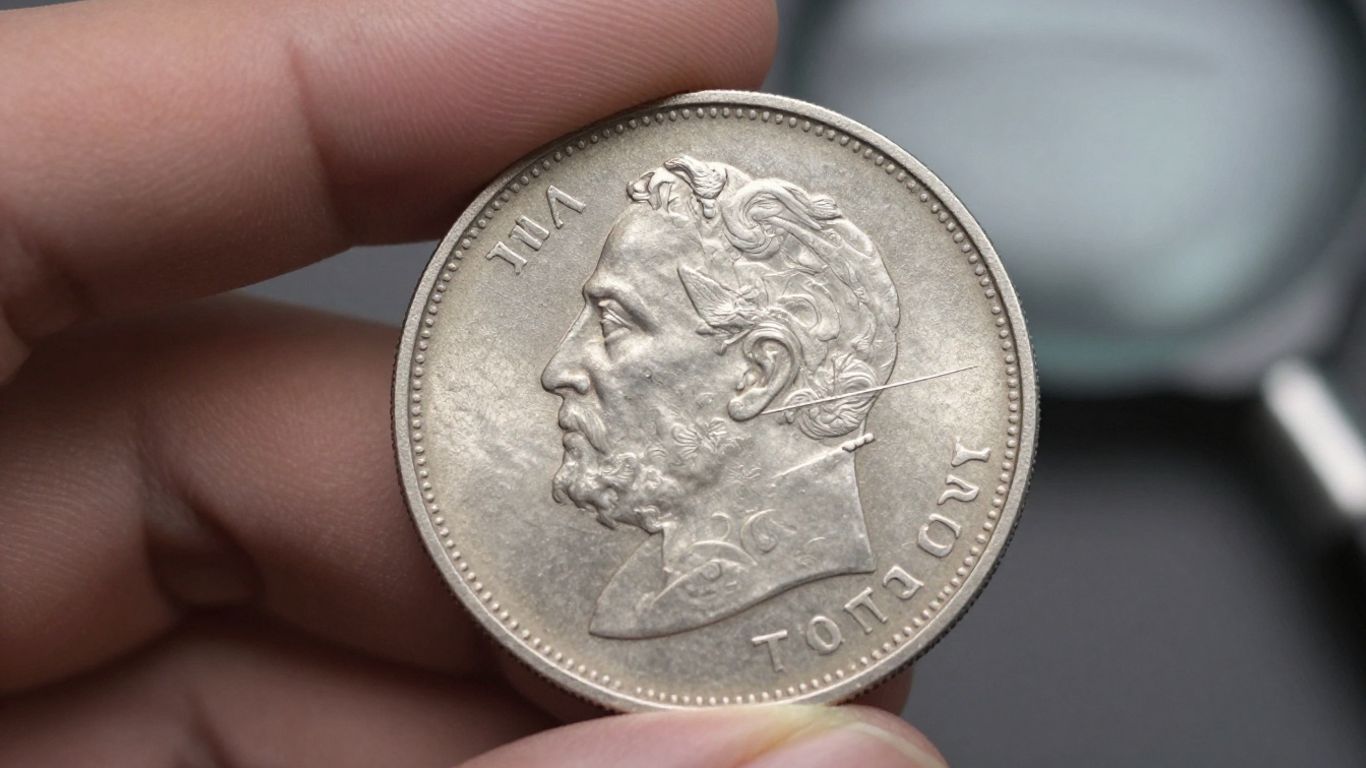
Why You Should Test Silver Coins
When you’re dealing with silver coins, whether for collecting or investment, knowing if they’re genuine is a big deal. It’s not just about the shiny metal itself; it’s about making sure what you have is worth what you paid or what you think it is. Lots of things out there can look like silver but aren’t, and that can lead to some serious disappointment, not to mention financial loss. Learning to authenticate real silver products is crucial for ensuring your investment holds its value. It’s like double-checking a recipe before you serve it to guests – you want to be sure it’s right.
Financial Motivations for Verification
Let’s be honest, money is often a big reason people get into silver. Real silver has a market value, and that value fluctuates. If someone tries to sell you a fake coin as real silver, they’re essentially trying to pocket money they shouldn’t have. This happens more often than you might think, with alloys that look similar but are worth much less. By testing your coins, you protect yourself from these scams. It means you’re not overpaying for something that won’t hold its value or be worth much if you ever decide to sell it. It’s about making smart financial choices in the world of precious metals.
Preventing Skin Reactions
Beyond just the money aspect, there’s a more personal reason to test your silver coins. Some people have sensitive skin or even allergies to certain metals. If a coin is supposed to be pure silver but is actually made of a different alloy, it could cause an unpleasant skin reaction when you handle it. This is especially true for jewelry, but it can apply to coins too if you handle them frequently. Knowing for sure what your coins are made of can help you avoid any unexpected rashes or discomfort. It’s a simple step that can prevent a lot of irritation.
Testing silver isn’t just for the pros; it’s a practical skill for anyone who wants to be confident in their purchases. It builds trust and ensures you’re getting what you expect, whether it’s for your collection or just because you like the look of silver.
Essential Tools for Silver Coin Scratch Testing
To properly test silver coins, you’ll need a few specific items. It’s not just about having the coin; it’s about having the right gear to check it out. Think of it like a detective needing their magnifying glass and fingerprint kit. Without the right tools, you’re basically guessing, and with valuable silver, guessing isn’t a good strategy.
Gathering the Right Testing Kit
A good testing kit is your starting point. These kits usually come with a few key components. You’ll find a testing stone, which is often a piece of unglazed ceramic or a similar abrasive surface. This is where you’ll make a small mark on the coin to expose the metal underneath. The kit will also include a set of acids, each calibrated to test for different levels of silver purity. Having a complete kit means you’re prepared for most common scenarios.
Selecting Appropriate Test Acids
Choosing the right acid is pretty important. You’ll typically find acids labeled for specific purities, like .925 (sterling silver) or higher. Using the wrong acid can give you a false reading or no reading at all. For instance, if you suspect a coin is sterling silver, you’ll want to use the acid designated for that purity. It’s a bit like using the right key for a specific lock; you need the correct chemical to get the right reaction. You can find these kits online, often with detailed instructions on which acid to use for various silver purities.
Importance of a Testing Stone
The testing stone, often called a touchstone, is where the magic happens. You gently rub the edge of the coin against the stone to create a small streak of metal. This streak is what the acid will react with. The stone needs to be abrasive enough to leave a mark but not so rough that it damages the coin excessively. A good quality stone ensures you get a clean streak, making the subsequent acid test more reliable. It’s a simple tool, but without it, the acid test can’t be performed correctly. The streak left behind is the sample that tells the story.
- Material: Look for stones made of dense, unglazed ceramic or basalt.
- Texture: It should have a fine, consistent grit.
- Size: A palm-sized stone is usually convenient for handling.
- Durability: A good stone will last for many tests without wearing down too quickly.
The Classic Acid Test for Silver Coin Purity
Alright, let’s talk about the acid test. This is one of those old-school methods that people have been using for ages to figure out if silver is the real deal. It’s not super complicated, but you do need to be careful and have the right stuff.
Preparing the Silver Coin for Testing
First things first, you can’t just plop acid onto a dirty coin and expect a clear answer. You need to get a clean surface. The best way to do this is to use a small file. You’re not trying to shave off a chunk of the coin, just make a tiny, little scratch on an inconspicuous spot. Think about the edge or somewhere that won’t be seen easily. This scratch is important because it removes any surface plating or tarnish, exposing the actual metal underneath. If the coin is heavily tarnished or dirty, you might want to give it a quick wipe down with a soft cloth first, but avoid anything that could leave residue.
Applying Acid and Observing Reactions
Now for the main event. You’ll need a silver testing kit, which usually comes with a testing stone and a few different acids. Each acid is typically marked for a specific purity level, like 925 for sterling silver. You’ll want to pick the acid that matches what you think the coin’s purity is. Put a small drop of the chosen acid directly onto that scratch you made on the coin. Don’t go crazy with the amount; a single drop is usually enough. Then, you just watch. What happens next is key to figuring out what you’ve got.
Interpreting Color Changes for Purity
This is where the magic, or lack thereof, happens. The acid will react with the metal, and the color change is your clue. If you’re testing for sterling silver (925), and you used the 925 acid, you’re looking for a specific reaction. A genuine sterling silver coin should show a creamy white or light gray color where the acid touched the scratch. If you see a reddish-brown color, that often means it’s a lower purity silver, or possibly even plated with silver over a base metal. A dark brown or black reaction usually indicates it’s not silver at all, or it’s a very low-grade alloy. It’s a bit like a chemistry experiment, but instead of getting a grade, you get an idea of your coin’s worth.
Remember, the acid test primarily checks the surface. If a coin is heavily plated, the acid might show the plating’s color, not the metal underneath. It’s a good starting point, but not always the final word.
Here’s a quick rundown of what you might see:
- Creamy White/Light Gray: Often indicates sterling silver (925) or higher purity.
- Reddish-Brown: Suggests a lower silver content or a silver alloy.
- Dark Brown/Black: Usually means it’s not silver or a very base metal.
- No Reaction (or dissolves quickly): Could mean it’s not silver at all, or the acid is too weak for the metal.
It takes a little practice to get the hang of reading the colors, and sometimes lighting can play tricks on your eyes. It’s always a good idea to compare your results with known silver items if you can.
Visual Inspection Techniques in Silver Coin Testing
Examining Hallmarks and Engravings
Before you even think about scratching or tapping, take a good, long look at the coin. Genuine silver coins usually have clear, sharp markings that tell you what they are. These aren’t just random scribbles; they’re called hallmarks or engravings, and they often include the purity (like .999 or .925 for sterling), the mint mark, and sometimes a design or a date. Counterfeiters often struggle to replicate these perfectly. Look for:
- Sharpness and Clarity: Are the lines crisp, or do they look a bit fuzzy or uneven?
- Consistency: Do the numbers and letters look like they belong to the same font or style? Sometimes fakes use different fonts.
- Depth: Engravings should have a consistent depth. Shallow or uneven engraving can be a red flag.
Spotting Imperfections in Counterfeits
Beyond the main markings, keep an eye out for general sloppiness. Real coins are made with precision. Fakes might have:
- Uneven Edges: The reeded or smooth edge of a coin should be uniform. Look for bumps or gaps.
- Surface Blemishes: While older coins can have wear, look for casting bubbles, pits, or an unnatural sheen that suggests a different metal.
- Weight Discrepancies: While not strictly visual, if a coin feels too light or too heavy for its size, it’s a major warning sign. You can often compare its weight to known specifications online.
Checking for Purity Stamps
This is closely related to hallmarks, but it’s worth its own mention. The purity stamp tells you how much actual silver is in the coin. Common stamps include:
- 999 or 999.9: Indicates very high purity, often found in bullion coins.
- 925: Sterling silver, meaning 92.5% silver and 7.5% other metals.
- Other markings: Some coins might have specific mint marks or designer initials.
If a coin is supposed to be pure silver but lacks a purity stamp, or if the stamp looks off, be suspicious. It’s a good idea to have a reference chart of common coin markings handy.
Relying solely on visual inspection can be tricky. While it offers valuable clues, modern counterfeiters are getting better at mimicking authentic details. Always consider visual checks as a starting point, and be prepared to use other testing methods to confirm your findings.
The Sound Test: An Auditory Approach to Silver Coin Authenticity
You know, sometimes you can tell if something’s the real deal just by listening to it. It sounds a bit old-school, but the sound test for silver coins has been around for ages, and for good reason. It’s a pretty neat trick that relies on how genuine silver actually vibrates.
How Silver Coins Produce Distinct Sounds
When you tap a real silver coin or let it drop from a short height onto a hard surface, it makes a specific kind of noise. Think of a clear, high-pitched ringing, almost like a tiny bell. This sound has a bit of an echo to it, a resonance that tells you it’s made of pure or sterling silver. It’s this unique vibration that sets it apart.
Distinguishing Real Silver's Ring
So, what’s the difference between a real silver coin and a fake one? Well, fakes, often made from cheaper metals or just plated with a thin layer of silver, tend to make a duller sound. Instead of that clear ‘ping,’ you’ll get more of a ‘thud.’ It’s a short, dead sound with no real echo. It takes a little practice to get the hang of it, but once you hear the difference, it’s pretty obvious.
Performing the Coin Tap or Drop Test
Here’s how you can try it yourself:
- The Tap Method: Hold the coin loosely between your thumb and forefinger. Then, gently tap it with another coin or a hard, non-abrasive object. Listen closely to the sound it makes.
- The Drop Method: Carefully hold the coin a few inches above a hard surface, like a wooden table or a countertop. Let it drop. Again, pay attention to the sound it produces upon impact.
- Comparison is Key: If you have a known genuine silver coin, try the test on both. This comparison will help you develop an ear for the distinct sound of real silver.
This method is particularly effective with coins and larger silver pieces. Smaller items might not produce as clear a sound, and the thickness of the metal also plays a role in the resulting tone. It’s a good starting point, but it’s best used alongside other testing techniques for maximum reliability.
It’s not foolproof, of course. You need to have a bit of experience, maybe even a known genuine piece to compare against. But for a quick, non-destructive check, the sound test is surprisingly effective.
Leveraging Technology for Advanced Silver Coin Analysis
Understanding XRF Analyzers
When you need to know exactly what’s in your silver without scratching it, technology offers some pretty neat solutions. One of the most common tools you’ll hear about is the X-ray fluorescence (XRF) analyzer. Think of it like a super-powered scanner. It shoots out X-rays at your coin, and when those X-rays hit the atoms in the metal, they get excited and send back their own unique X-ray signals. By reading the energy of these returning signals, the analyzer can tell you what elements are present and how much of each. It’s fast, it doesn’t damage the coin at all, and you get results right there on the spot. This makes it really popular for dealers and collectors who handle a lot of metal.
How Sigma Analyzers Work
Another type of device you might encounter is a Sigma Metalytics analyzer. These work a bit differently. Instead of using X-rays, they use electromagnetic waves. They send these waves into the metal and measure how the metal reacts. Different metals, and even different alloys of the same metal, will respond in unique ways. The Sigma analyzer is particularly good at distinguishing between different precious metals, like silver and platinum, and it can also detect plating. It’s also non-destructive, which is a big plus. It’s a bit more specialized than XRF but offers a different way to get a quick read on your coin’s composition. These devices are designed to give you a quick, reliable assessment of your metal’s purity.
The Cost and Reliability of High-Tech Devices
Now, let’s talk about the elephant in the room: cost and how much you can trust these gadgets. XRF analyzers can range from a few thousand dollars for basic models to tens of thousands for professional-grade equipment. Sigma analyzers are also in a similar price bracket. So, they’re definitely an investment, not something most casual collectors would buy. For serious investors or businesses dealing with large volumes of precious metals, the cost can be justified by the time saved and the accuracy gained. These tools are generally very reliable when used correctly and calibrated regularly. However, like any technology, they aren’t foolproof. Factors like surface coatings or very thin plating can sometimes throw off readings. It’s always a good idea to cross-reference results with other testing methods, especially if you’re dealing with high-value items. Remember, the silver market has seen some big moves, so accuracy matters. Understanding market trends can also inform your decisions when using these advanced tools.
The Magnet Test: A Simple Non-Destructive Method
Silver's Non-Magnetic Properties
Silver, in its pure form, doesn’t really care about magnets. It’s not a magnetic metal, meaning a magnet won’t pull it in or make it stick. This is a pretty handy characteristic when you’re trying to figure out if a coin is the real deal or just trying to look like it. Most common metals used in fakes, like iron or nickel, are magnetic. So, if your coin jumps to a magnet, you can probably put it back. It’s a quick way to weed out obvious fakes.
Using a Strong Magnet for Detection
To do this test, you’ll need a reasonably strong magnet. We’re not talking about the little souvenir magnets you get from vacation spots. Think more along the lines of a rare-earth magnet, like a neodymium magnet. These are small but pack a punch. You can get them pretty easily online or at hardware stores.
Here’s how you do it:
- Get your coin and a strong magnet.
- Hold the magnet close to the coin, but don’t let them touch yet.
- Slowly move the magnet towards the coin. If the coin is strongly attracted to the magnet, it’s likely not pure silver.
- For coins, you can also try tilting the coin and seeing if the magnet slides down its surface. On real silver, it should slide smoothly. On a fake, it might stick or move sluggishly.
Limitations and Complementary Testing
Now, it’s not foolproof. Some fake coins might be made from metals that aren’t magnetic either, like aluminum or copper. So, just because a coin isn’t attracted to a magnet doesn’t automatically mean it’s pure silver. It just means it’s not made of a magnetic metal. That’s why this test is best used as a first step, or alongside other tests. Think of it as a screening tool. It helps you quickly identify pieces that are definitely not silver, but it can’t confirm with 100% certainty that a piece is silver. You’ll still want to follow up with other methods, like the acid test or checking hallmarks, to be sure.
This test is great for ruling out common fakes made with iron or nickel. However, it’s important to remember that many non-magnetic metals can also be used to create counterfeit coins. Therefore, the magnet test should always be combined with other verification techniques for a more reliable assessment.
The Polishing Test: Revealing Silver's True Nature
Silver has this funny habit of reacting with stuff in the air, especially sulfur. Over time, this reaction causes it to darken, which we usually call tarnishing. It’s like silver’s way of showing its age, but it can make even the most beautiful pieces look a bit sad. For ages, people have dealt with this by polishing their silver. The idea is to wipe away that dark layer, bringing back the original shine.
We can actually use this same idea to check if a silver coin is the real deal. It’s pretty straightforward. You just need a soft, white cloth – think of the kind you use for cleaning eyeglasses or camera lenses. Give the coin a good rub. You don’t need to scrub like you’re cleaning a floor, but apply enough pressure to see what happens. Genuine silver, when rubbed, will leave a faint black or gray mark on the cloth because it’s reacting with the air right there on the cloth.
Here’s a quick rundown:
- Gather your supplies: A clean, soft white cloth is all you really need.
- Prepare the coin: Make sure the coin is dry and free of any obvious dirt.
- Rub gently: Apply steady pressure and rub a section of the coin.
- Observe the cloth: Look for any discoloration on the cloth where you rubbed.
This method is pretty safe for the coin. It might take off a microscopic bit of silver, but it’s unlikely to cause any real damage, unlike some other tests. It’s a good way to get a quick idea, especially if you’re seeing some natural toning on the coin already. If you rub and the cloth stays perfectly clean, it might be a sign that the coin isn’t pure silver or has a coating that’s preventing the reaction.
While this test can be revealing, it’s not foolproof. Some alloys might still show a slight mark, and heavily tarnished coins might leave a more pronounced mark even if they are genuine. It’s best used as a preliminary check or alongside other verification methods.
The Flake Test: An Aggressive Verification Method
How Silver-Plated Items React
This method is a bit more intense than just rubbing a cloth on your silver. It’s designed to really show you if something is plated or solid. Think of it like a more direct approach to finding out what you’re really holding.
Identifying Wear and Tear on Fakes
When you have something that’s silver-plated, the plating is just a thin layer on top of another metal. Over time, especially with use, this thin layer can wear down. You might see scratches or areas where the plating has rubbed off, revealing the base metal underneath. This test looks for those signs of wear. If you can easily scrape off flakes or see a different colored metal beneath a scratch, it’s a strong indicator that the item is not solid silver.
The Risk of Damage to Genuine Silver
Now, this is where the "aggressive" part comes in. Because this test involves more forceful interaction with the metal, there’s a chance it could damage genuine silver if not done carefully. However, the risk is generally low for solid silver. The real concern is with items that are not solid. This test is more about revealing the truth of fakes, even if it means a slight risk to the item being tested. It’s a trade-off: you get a clearer answer, but you might leave a small mark.
Here’s a breakdown of what to expect:
- Solid Silver: Genuine silver is quite durable. While you might be able to get a tiny bit of material off with a very sharp tool, it won’t flake easily. The metal underneath any minor abrasion will still be silver.
- Silver-Plated Items: These are much more likely to show wear. You might see the plating peel or flake off, especially at edges or high-contact areas. The metal revealed underneath will be a different color, like copper or nickel.
- Other Alloys: Some fake silver items are made from alloys that look similar but are much softer. These might scratch or flake very easily, giving away their true nature.
This test is best used when you suspect an item is plated rather than solid. It’s not the first test you’d want to perform on something you believe is authentic, as it can be destructive to fakes and potentially leave a mark on genuine pieces if done too aggressively.
Combining Methods for Reliable Silver Coin Scratch Testing
The Benefit of Multiple Verification Techniques
Look, relying on just one test to figure out if a silver coin is the real deal can be a bit risky. It’s like trying to judge a book by its cover – sometimes it works, but often you miss the important stuff inside. Different tests check for different things, and some fakes are pretty clever. They might fool a magnet test, but then fail an acid test, or vice versa. Using a few methods together gives you a much better picture. It’s about building a case, piece by piece, so you’re not caught out by a well-made counterfeit.
Achieving Higher Accuracy Through Combination
When you start mixing and matching tests, your chances of getting it right go way up. Think about it: a coin might pass the sound test because it has a decent ring, but if it’s just silver-plated steel, the magnet test will show it’s attracted. Or, an acid test might indicate silver, but if you also check the hallmarks and they look off, that’s a big red flag. The more tests a coin passes, the more confident you can be in its authenticity. It’s like having multiple witnesses to confirm a story.
Here’s a quick rundown of how tests can work together:
- Magnet Test + Acid Test: A strong magnet will repel real silver. If it sticks, it’s not silver. If it doesn’t, then proceed to the acid test for purity confirmation.
- Sound Test + Visual Inspection: A genuine silver coin has a distinct ring. If it sounds right but the visual details (like mint marks or wear patterns) look suspicious, it warrants further investigation.
- Polishing Test + Hallmarks: A slight rub with a cloth should reveal a dark trace if it’s real silver. If the hallmarks are crisp and clear, and the polishing test shows a dark residue, it’s a good sign.
Building Confidence in Your Findings
Ultimately, the goal is to feel secure about your silver coins, whether you’re buying, selling, or just adding to a collection. No single test is perfect, and even the most advanced machines can sometimes be fooled or have limitations. By employing a combination of techniques – perhaps starting with a simple magnet and sound test, followed by a more involved acid or polishing test if needed – you create layers of verification. This systematic approach helps weed out the fakes and builds your confidence in the genuine pieces you acquire. It takes a little more effort, sure, but it’s worth it to protect your investment and your peace of mind.
When you’re assessing silver coins, remember that each test has its own strengths and weaknesses. A coin that passes a simple visual check might fail a more rigorous scratch test. Conversely, a coin that might show slight tarnishing (which a polishing test can reveal) could still be pure silver. The real trick is to use these methods not in isolation, but as complementary tools. Think of it as building a profile for the coin, where each test adds another piece of evidence to the puzzle.
Wrapping Up Your Silver Testing Journey
So, we’ve gone over a bunch of ways to check if silver is the real deal. From just looking at it and listening to its sound, to using acids and even checking the stamps, there are quite a few tricks up your sleeve now. Remember, no single method is perfect, and sometimes the best approach is to use a couple of these tests together. It might take a little practice, but getting a feel for these techniques will really help you avoid getting duped and build confidence when you’re looking at silver pieces. Keep these tips in mind, and you’ll be much better equipped to spot the genuine articles.
Frequently Asked Questions
Why is it important to test silver coins?
Testing silver coins is crucial to make sure you are getting real silver. Sometimes, fake coins are made to look like real ones, and testing helps you spot these fakes. This protects your money and ensures you have genuine silver, which can also be important if you have skin allergies.
What are the basic tools needed for testing silver coins?
For simple tests, you might need a testing stone, a small file, and special testing acids. A strong magnet and a magnifying glass can also be helpful. For more advanced checks, electronic testers are available.
How does the acid test work for silver coins?
The acid test involves scratching a small bit of the coin onto a testing stone and then applying a drop of acid to the scratch. The color the scratch turns tells you about the coin’s purity. For example, a certain color might mean it’s sterling silver, while another color could indicate a fake.
Can I tell if a coin is fake just by looking at it?
Yes, sometimes! Looking closely at any stamps or markings on the coin, called hallmarks, can give clues. Also, check for any unusual imperfections or signs that it might not be made of solid silver. Real silver often has specific stamps like ‘925’.
What is the sound test for silver coins?
The sound test involves tapping the coin gently. Real silver coins often make a clear, ringing sound, almost like a bell, with a slight echo. Fake coins usually make a duller sound with no echo. You can compare the sound to a known real silver coin if you have one.
Are there high-tech ways to test silver coins?
Yes, there are advanced tools like XRF (X-ray fluorescence) analyzers and Sigma handheld analyzers. These devices can scan the coin’s surface or even deeper to tell you exactly what metals it’s made of. They are very accurate but can be quite expensive.
What is the magnet test, and is it reliable?
The magnet test is simple: silver is not magnetic. If a strong magnet sticks to your coin, it’s probably not pure silver. However, some fake coins are also made from non-magnetic metals, so this test is best used with other methods to be sure.
How can I be most confident about a silver coin's authenticity?
The best way to be confident is to use more than one testing method. Combining different tests, like the acid test with the magnet test and a close visual inspection, gives you a much more reliable result than relying on just one technique.