
Thinking about selling some coins and want to get the best price? It’s not as simple as just listing them online. You need to know what makes a coin valuable, how the market works, and where to find the right buyers. This guide will help you get started with researching coin pricing online, so you can make informed decisions and hopefully make a good profit. Let’s break down how to do it.
Key Takeaways
- Understand what makes a coin valuable, like its rarity, condition, and market demand, especially when researching coin pricing online.
- Learn about different online marketplaces and choose the best one for your specific coins to reach the right buyers.
- Familiarize yourself with coin grading systems to accurately assess your coins’ condition and value.
- Stay updated on market trends and historical influences that affect coin prices to make smart selling decisions.
- Build connections within the coin community, including dealers and other collectors, to gain insights and improve your selling strategy.
Understanding The Key Elements Of Coin Valuation
When you’re looking to figure out what a coin is really worth, it’s not just about what it looks like. Several factors come into play, and knowing them helps you avoid getting less than you should. It’s a mix of the coin itself and how the world sees it right now.
The Influence Of Digital Marketplaces
The internet has really changed the game for coin collectors and sellers. Platforms like eBay and specialized numismatic sites mean your coin can be seen by people all over the globe. This wider audience can drive up prices because more people are competing to buy. However, it also means you need to be extra careful. With so many coins online, spotting fakes or coins misrepresented becomes more important. Technology helps with this, offering better ways to check authenticity and track what similar coins are selling for. It’s a double-edged sword: more opportunity, but also more risk.
Leveraging Expert Insights
Sometimes, you just need to ask someone who knows. Experienced coin dealers and professional appraisers have seen it all. They can spot details you might miss and have a good sense of current market demand. Building a relationship with these folks can be incredibly helpful. They can tell you if a coin is priced right, suggest the best place to sell it, and even give you a heads-up on upcoming trends. It’s like having a cheat sheet for the complex world of coin values.
Mastering Grading Systems
This is a big one. How a coin is graded – its condition – makes a huge difference in its price. A coin that’s nearly perfect will be worth far more than one that’s worn out. There are established grading scales, like the Sheldon scale, that experts use. Learning these scales, or at least understanding what the different grades mean, is vital. It’s the difference between selling a coin as just ‘old’ and selling it as a ‘mint state’ rarity. Using reliable guides that track market changes based on these grades is a smart move, especially when you’re ready to sell.
Figuring out a coin’s true worth involves looking at its physical state, how rare it is, and what people are willing to pay for it right now. It’s a puzzle with many pieces, and each one matters.
Navigating The Art Of Pricing Coins
Understanding Market Dynamics
Pricing coins isn’t just about looking up a number; it’s about understanding the forces that shape what a piece is worth. Think about it like this: a coin’s value can swing based on how many people want it, how rare it is, and even what’s happening in the wider economy. Keeping an eye on these shifts is key to making smart decisions. For instance, gold prices can affect the value of gold coins, and historical events can make certain coins more desirable to collectors. It’s a constant dance between supply, demand, and collector interest.
Here are some factors that influence coin prices:
- Rarity: How many of these coins were made, and how many still exist today?
- Condition (Grading): A coin in perfect shape is worth much more than one that’s worn or damaged.
- Demand: Are collectors actively seeking this specific coin or type of coin?
- Historical Significance: Does the coin represent an important event or era?
- Metal Content: For coins made of precious metals like gold or silver, the melt value plays a role.
The market for coins is always moving. What’s popular today might not be tomorrow, and vice versa. Staying informed means you can adjust your strategy to get the best price.
The Role Of Pricing In Coin Collecting
Pricing is more than just a number; it’s the language of the market. For collectors, understanding pricing helps determine if a purchase is a good deal or if a sale is fair. It guides decisions about what to buy, what to sell, and when to do it. Without a solid grasp of pricing, you might overpay for a coin or sell a valuable piece for less than it’s worth. It’s about finding that sweet spot where both buyer and seller feel they’ve made a good exchange. This balance is what keeps the hobby healthy and exciting for everyone involved.
Analyzing Market Shifts And Asset Strategies
When you’re serious about coin collecting, especially if you’re looking to profit, you need to think like an investor. This means watching how the market changes and planning your moves. Sometimes, a coin that wasn’t worth much a few years ago can become highly sought after due to new research or a shift in collector trends. Developing a strategy involves knowing when to hold onto a coin and when to sell it. This might mean paying attention to economic news, as events like inflation can sometimes make precious metal coins more attractive. It’s about being prepared for opportunities and knowing how to react when the market presents them.
Selecting The Right Venue For Your Coins
When it comes time to sell your coins, where you choose to do so can make a big difference in how much money you get. It’s not just about finding a buyer; it’s about finding the right buyer and the right place for that buyer to find your coins. Think of it like selling a rare book – you wouldn’t take it to a general bookstore, you’d look for a specialist.
Choosing Direct Sales Routes
Selling directly means you cut out any middlemen, which can often eat into your profits. This approach allows you to connect with potential buyers yourself. You might do this through:
- Online Coin Platforms: Websites specifically designed for collectors to buy and sell. These often have a built-in audience interested in numismatics.
- Local Coin Shows: These events bring together collectors and dealers in one place. It’s a great way to get face-to-face interaction and immediate offers.
- Personal Network: Letting fellow collectors or friends know you’re looking to sell can sometimes lead to a quick and fair deal.
The main advantage here is keeping more of the sale price for yourself. It does require more effort on your part to find buyers and manage the transaction, but the potential financial reward can be significant.
Selling directly often means you have to do more of the legwork yourself. You’ll need to research potential buyers, present your coins well, and handle all communication. However, by avoiding consignment fees or dealer markups, you stand to gain a larger portion of the coin’s actual market worth.
Numismatics Transactions
Numismatics, the study and collection of coins, has its own specific marketplaces. These are places where people who truly understand and appreciate coins gather. Transactions here are often more informed, meaning buyers are more likely to recognize the true value of a rare or well-preserved coin.
- Auction Houses: Major auction houses specializing in coins, like Heritage Auctions or Stack’s Bowers, create a competitive environment. Multiple bidders vying for the same coin can drive the price up significantly. They handle the marketing, cataloging, and sale process, taking a commission for their services.
- Specialty Dealers: Reputable coin dealers who focus on specific types of coins or eras can be excellent venues. They often have a clientele looking for exactly what you might be selling.
Understanding these specialized channels is key to getting the best outcome for your numismatic items.
Avoiding The Middleman
As mentioned, middlemen can reduce your profit. This includes general auction sites where your coin might get lost in the shuffle, or even some dealers who offer a low price to resell at a higher markup. While selling directly or through specialized numismatic channels is often best for maximizing profit, sometimes convenience or speed is a factor.
- Weighing Convenience vs. Profit: A quick sale to a dealer might be less profitable than a patient sale through an auction, but it gets you cash faster.
- Understanding Fees: Always be aware of the fees associated with any selling venue. Auction houses, online platforms, and even some dealers will charge a percentage of the sale price.
- Researching Buyers: Whether you’re selling to a dealer or a collector online, do some research to ensure they are reputable and fair in their dealings.
Maximizing Profit Through Informed Selling
Making A Profit From Your Coin Collection
When it comes to selling your coins, the goal is naturally to get the best possible price. This isn’t just about luck; it’s about smart preparation and knowing where to look. You’ve spent time building your collection, and now it’s time to see that effort pay off. Understanding the current market and choosing the right place to sell are the biggest factors in how much money you’ll walk away with. It might seem complicated, but breaking it down makes it manageable.
Seizing Opportunities In Changing Markets
Markets for collectibles, including coins, can shift. What’s in high demand today might be less so tomorrow, and vice versa. Staying aware of these changes is key to selling at the right time. Think about it like this: if a particular series of coins suddenly gets a lot of attention from collectors, that’s your window to sell for a better price. Keeping an eye on auction results and what’s being talked about in collector forums can give you clues.
Here are a few things to consider:
- Rarity and Condition: These are almost always the top drivers of value. A rare coin in excellent shape will fetch more than a common one with damage.
- Demand: Is there a strong group of collectors actively looking for the type of coin you have? High demand means higher prices.
- Historical Significance: Coins tied to important historical events or figures often have added appeal.
- Metal Content: For gold and silver coins, the intrinsic value of the metal plays a role, though numismatic value often surpasses it.
The coin market can be influenced by many things, from economic trends to specific collector interests. Being informed means you can react to these shifts rather than being caught off guard. It’s about being proactive in your selling strategy.
Understanding The Value Of Rare Coins
Figuring out what makes a coin truly rare and valuable is part art, part science. It’s not just about how old it is. Factors like the mintage numbers (how many were originally produced), survival rates (how many still exist today), and specific errors or varieties can make a coin exceptionally scarce. You’ll want to consult resources that track these details. Auction results from reputable houses are a good place to start, as they show what buyers have actually paid for similar items. Comparing your coin to sold listings for coins in similar condition is a solid way to gauge its worth.
| Coin Type | Estimated Value Range | Notes |
|---|---|---|
| Early American | $500 – $10,000+ | Depends heavily on date, mint, and grade. |
| Morgan Silver $ | $30 – $500+ | Common dates are lower; rare dates higher. |
| Lincoln Cent (key dates) | $10 – $200+ | Depends on mint mark and year. |
| Gold Eagles | $2,000 – $3,000+ | Primarily driven by gold spot price. |
The Importance Of Research In Numismatics
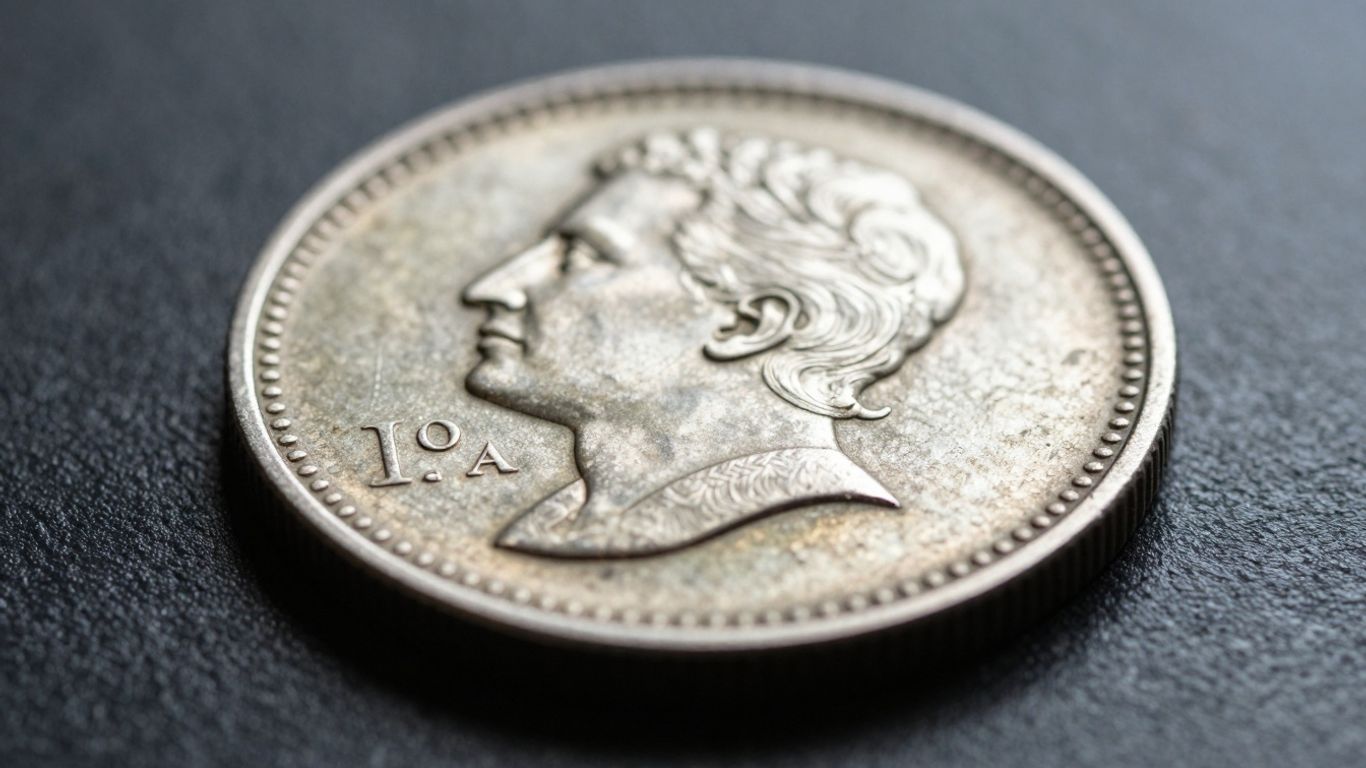
Why You Need Coin-Collecting Books
When you’re looking into coins, having a good book is like having a seasoned guide right there with you. These books are packed with information that helps you figure out what you’ve got and what it’s worth. They cover everything from the history of a coin to its design and how rare it is. Without this background, you’re basically guessing, and that can get expensive fast. Think of it as your first line of defense against making bad buys or selling too low.
The Importance Of Research In Numismatics
Research is the backbone of collecting coins. It’s not just about liking how a coin looks; it’s about knowing its story, its place in history, and its current standing in the market. This knowledge helps you make smart choices, whether you’re buying a single piece or looking to sell off a whole collection. It means understanding terms, recognizing quality, and spotting fakes. Without solid research, you’re just another person with some old metal, not a collector with an informed perspective.
Here’s a quick look at why research matters:
- Authenticity: Confirming a coin is genuine and not a clever imitation.
- Valuation: Determining a fair price based on condition, rarity, and market demand.
- History: Understanding the context and significance of the coin.
- Market Trends: Keeping up with what collectors are looking for and what prices are doing.
Making informed decisions is key. It’s about knowing the details that make one coin different from another, and how those differences affect its desirability and price. This careful attention prevents common errors and builds confidence in your collecting journey.
Common Mistakes To Avoid In Coin Collecting
Lots of people new to coin collecting stumble over the same few things. One of the biggest is skipping the research step. You might see a coin that looks interesting, but without checking its background, you could end up paying way too much or buying something that isn’t even real. Another common slip-up is not paying attention to grading. The condition of a coin makes a huge difference in its value, and if you don’t understand how coins are graded, you might miss out on a great deal or overpay for something less desirable. Finally, be wary of deals that seem too good to be true. Scammers are out there, and they prey on collectors who haven’t done their homework. Always buy from reputable sources and be cautious of unknown sellers.
Here are some common pitfalls:
- Skipping research: Not checking a coin’s history, rarity, or market value before buying or selling.
- Ignoring grading: Failing to understand or properly assess a coin’s condition, which significantly impacts its worth.
- Falling for scams: Being unaware of counterfeit coins or fraudulent sellers, leading to financial loss.
Leveraging Online Resources For Collectors
In today’s connected world, the internet offers a treasure trove of information for coin collectors. Gone are the days when research was confined to dusty library shelves. Now, a wealth of data is at your fingertips, ready to help you understand your collection better and make informed decisions.
Online Resources For Coin Collectors
The digital age has transformed how we approach coin collecting. Websites dedicated to numismatics provide instant access to price guides, historical data, and community forums. These platforms are invaluable for tracking market trends and understanding the value of specific coins. For instance, resources like comprehensive price guides can offer current market values for a wide array of coins, from U.S. currency to international issues. This accessibility means you can quickly check the potential worth of a coin you’ve just acquired or are considering selling.
Finding The Best Coin Collectors
Beyond just data, the internet connects you with a global community of fellow enthusiasts. Online forums and social media groups allow you to share your finds, ask questions, and learn from the experiences of others. Building these connections can lead to discovering rare coins or finding buyers for your own collection. Engaging with experienced collectors often provides insights that are hard to find elsewhere.
- Participate in online forums to ask questions and share knowledge.
- Join social media groups focused on specific coin types or eras.
- Follow reputable numismatic news sites for updates on the market.
Utilizing Reputable Online Platforms
When it comes to buying or selling, choosing the right online platform is key. Auction sites and dedicated coin marketplaces offer a wide reach, but it’s important to stick with those known for their integrity. Researching the reputation of a platform before engaging is a smart move. Some platforms are better suited for high-value transactions, while others are great for general trading.
The ease of access to information online has democratized coin collecting, allowing more people to participate and learn. However, it also means being vigilant about the accuracy of information and the legitimacy of online sellers.
Several platforms stand out for their reliability and extensive listings:
- Major Auction Houses: Often have online bidding capabilities for rare and high-value items.
- Specialized Coin Marketplaces: Websites dedicated solely to the buying and selling of coins.
- General Auction Sites: Can be useful, but require more careful vetting of sellers and listings.
Building Relationships In The Coin Community
Networking With Fellow Collectors
Connecting with other people who collect coins can really open up your world. It’s not just about finding someone to talk to about that rare penny you found; it’s about sharing knowledge and getting different viewpoints. You might learn about a coin’s history you never knew, or get a tip on where to find a specific piece you’ve been hunting for. These connections often lead to unexpected opportunities and a deeper appreciation for the hobby. Think of it like joining a club where everyone speaks the same language of mint marks and grading scales. It makes the whole experience richer.
Establishing Relationships With Experienced Dealers
Working with experienced coin dealers is a smart move. They’ve seen it all and know the market inside and out. A good dealer can help you figure out if a coin is priced right, or if there’s a better way to sell your collection. They can also point you toward resources you might not have found on your own. It’s about building trust so you can get honest advice. Sometimes, these dealers can even connect you with buyers who are looking for exactly what you have. It’s a bit like having a guide in a complex landscape.
The Cultural Appeal Of Coin Collecting
Coin collecting is more than just buying and selling; it’s a window into history and art. Each coin tells a story about the time and place it came from. Understanding this cultural side makes the hobby much more interesting. It connects you to the past in a tangible way. When you build relationships within the community, you’re not just trading items, you’re sharing in this appreciation for history and artistry. It’s a shared passion that goes beyond just the monetary value of the coins themselves. You can find great discussions and answers to common questions on forums like coin collecting forums.
Essential Tools For Researching Coin Pricing
When you’re looking to figure out what your coins are worth, having the right tools makes a big difference. It’s not just about guessing; it’s about gathering solid information. Think of these as your go-to items for getting a clear picture of your collection’s value.
Types Of Coin-Collecting Books
Books are still some of the best resources out there for coin collectors. They offer a structured way to learn about different coins, their histories, and, most importantly, their market values. You’ll find a few main types:
- Price Guides: These are updated regularly and list coins with estimated prices based on their condition. They’re great for getting a quick idea of what a coin might sell for.
- Catalogs: These are more detailed, often listing every known variety of a coin series, along with historical information and sometimes past auction results.
- Reference Books: These focus on specific areas, like U.S. silver dollars or ancient Roman coins, and provide in-depth knowledge that helps in identifying and valuing rarer pieces.
The information in these books is your first line of defense against mispricing.
Using A Magnifying Glass
This might seem simple, but a good magnifying glass is indispensable. It allows you to see the fine details on a coin that are critical for identification and grading. You’re looking for mint marks, wear patterns, and any imperfections that could affect the coin’s condition and, therefore, its price. A 5x or 10x magnification is usually sufficient for most collectors.
Keeping Your Book Up To Date
Coin markets change. New discoveries are made, trends shift, and the value of certain coins can go up or down. That’s why it’s important to use the most recent editions of your price guides and catalogs. An outdated book can give you a completely wrong idea of a coin’s worth. If you’re relying on older information, you might be selling yourself short or asking for too much.
Staying current with your reference materials is as important as having them in the first place. It ensures that the prices you’re looking at reflect today’s market, not yesterday’s.
Understanding Coin Terminology And Market Trends
Understanding Foundational Terminology
When you’re looking at coins, especially if you’re thinking about their value, you’ll run into some specific words. Knowing these terms is like having a secret decoder ring for the coin world. For instance, ‘bullion coins’ are coins made mostly of precious metals like gold or silver, and their value is tied pretty closely to the current price of that metal, often called the ‘spot price’. It’s not just about how old or rare a coin is; the metal content itself is a big part of what it’s worth. Think of it this way: a gold coin’s price will likely go up if gold prices rise, regardless of anything else. This is different from coins that are valuable mainly because they’re rare or have historical significance.
- Bullion Coins: Valued primarily for their precious metal content (gold, silver, platinum).
- Spot Price: The current market price for a commodity, like gold or silver, for immediate delivery.
- Numismatics: The study or collection of coins, paper money, and medals.
- Grading: The process of evaluating a coin’s condition, which significantly impacts its value.
Understanding these basic terms is the first step in making sense of coin prices. It helps you know what people are talking about when they discuss a coin’s worth beyond just its face value.
Recognizing the Influence of Historical Trends
Coins aren’t just metal objects; they’re pieces of history. What happened in the past can really affect how much a coin is worth today. For example, coins from periods of economic boom or significant historical events might be more sought after. Collectors often look for coins that tell a story or represent a specific era. Think about coins from ancient Rome or those minted during a country’s founding period – their historical context adds a layer of appeal that goes beyond the metal. Market demand for these coins can shift based on how popular a particular historical period is among collectors or historians at any given time. It’s a bit like how fashion trends come and go, but for historical artifacts.
Evaluating Market Dynamics
So, you know the terms and a bit about history, but what about what’s happening now? Market dynamics are all about supply and demand, and in the coin world, this can get complicated. If a lot of people suddenly want a specific type of coin, its price can jump up. Conversely, if there are too many of a certain coin available, the price might drop. Factors like economic stability, interest in certain metals, or even major coin shows can influence these trends. It’s important to keep an eye on what’s popular and what dealers and collectors are talking about. This helps you figure out the best time to buy or sell, and whether a coin is likely to increase or decrease in value.
| Trend Factor | Impact on Coin Value | Example |
|---|---|---|
| Increased Demand | Price Rises | Sudden interest in Morgan Silver Dollars |
| High Supply | Price Falls | Overproduction of modern commemorative coins |
| Economic Uncertainty | Prices May Rise | Investors seek gold coins as a safe haven |
| Collector Interest | Price Rises | Popularity of specific historical mint years |
Appraising Your Collection Accurately
Is Your Coin Collection Worth a Fortune?
Figuring out if your coin collection holds significant monetary value is an exciting prospect. It’s about more than just counting coins; it’s about understanding the story each piece tells and how the market perceives its rarity and condition. Many collections, seemingly ordinary at first glance, can contain hidden gems that attract serious attention from collectors and investors alike. The thrill of discovery is a big part of numismatics, turning a personal hobby into a potentially profitable venture.
Thorough Appraisal For Accurate Valuation
To get a true sense of your collection’s worth, a detailed appraisal is necessary. This process involves looking closely at several factors that influence a coin’s price. Think of it like this: two coins might look similar, but tiny differences in their condition or historical significance can mean a world of difference in value.
Here are some key points to consider during an appraisal:
- Condition (Grading): This is perhaps the most critical factor. Coins are graded on a scale, often from 1 (poor) to 70 (perfect mint state). A higher grade generally means a higher value. Understanding established grading systems, like those from PCGS or NGC, is vital.
- Rarity: How many of this specific coin were minted? How many are known to still exist? Scarcer coins typically command higher prices.
- Demand: What are collectors looking for right now? Market trends play a significant role. A coin that was less popular a decade ago might be highly sought after today.
- Historical Significance: Some coins are valuable not just for their metal content but for the historical events or figures they represent.
- Authenticity: Ensuring the coin is genuine and not a counterfeit is paramount. Reputable grading services can help verify authenticity.
A meticulous appraisal process helps avoid common pitfalls, such as misjudging a coin’s grade or overlooking its rarity. This careful examination is the bedrock of making informed decisions about selling or holding onto your numismatic assets.
Ensuring Fair Value And Avoiding Undervaluation
Getting a fair price for your coins means doing your homework. Relying solely on one source or a quick glance can lead to undervaluing your collection. It’s wise to consult multiple resources and, if possible, seek opinions from professionals.
Consider these steps to protect your collection’s worth:
- Consult Price Guides: Use up-to-date numismatic price guides. These resources offer estimated values based on recent sales and market trends.
- Check Auction Records: Look at past sales results from reputable auction houses. This shows what similar coins have actually sold for, not just what they were listed at.
- Seek Expert Opinions: Engage with experienced coin dealers or numismatic societies. Their knowledge can provide insights you might miss.
- Consider Professional Grading: For valuable coins, submitting them to a professional grading service can provide an objective assessment of their condition and authenticity, often increasing buyer confidence and potential sale price.
Wrapping Up Your Coin Pricing Journey
So, we’ve covered a lot of ground on figuring out what coins are worth online. It’s not just about looking at a coin and guessing; there’s a whole process involved. From understanding the basics of grading and rarity to knowing where to sell your pieces, each step matters. Using online tools and connecting with other collectors can really make a difference. Remember, the market changes, so staying informed is key. Hopefully, this guide gives you the confidence to price your coins fairly and make smart decisions when buying or selling. Happy collecting!
Frequently Asked Questions
What makes a coin valuable?
A coin’s value depends on several things. These include how rare it is, how many people want it (demand), and its condition, which is determined by grading. Things like its history and the materials it’s made from also play a part.
Where is the best place to sell coins online?
There are many good places to sell coins online. Popular auction sites like eBay let you reach many buyers. More specialized sites, such as Heritage Auctions or Stack’s Bowers, often attract serious collectors who might pay more. Choosing depends on how quickly you want to sell and how much profit you’re aiming for.
Why is understanding coin grading important?
Coin grading is super important because it tells you how good the condition of a coin is. A coin in great shape, with no scratches or wear, is worth much more than one that’s damaged. Knowing the grading system helps you figure out a coin’s true worth and avoid overpaying or selling it for too little.
How can I find out the current price of a coin?
You can find coin prices by looking at online price guides, checking recent sales on auction sites, and reading specialized coin collecting books. Talking to experienced coin dealers or joining collector groups can also give you a good idea of current market values.
What are some common mistakes new coin collectors make?
New collectors often make mistakes like not doing enough research before buying, not understanding coin grading, or falling for fakes. It’s also easy to overpay for coins or sell valuable ones too cheaply. Always do your homework!
Are coin collecting books still useful today?
Yes, absolutely! Coin collecting books are still very useful. They offer detailed information about coin history, grading, and pricing that you might not find easily online. They serve as a great starting point and a reliable reference, especially for specific coin types.
What is numismatics?
Numismatics is simply the study or collection of coins, paper money, and medals. People who study or collect these items are called numismatists.
How can I get the best price when selling my coins?
To get the best price, do thorough research on your coins’ value. Choose the right selling platform where collectors are likely to bid. Consider selling directly to buyers if possible to avoid fees. Patience and understanding market trends can also help you sell at the right time for maximum profit.