
Collecting coins is a rewarding hobby, but it’s easy to make mistakes that can hurt your collection. Things like touching coins with bare hands or trying to clean them can cause real damage. This article is all about learning the right ways to handle, store, and look after your coins so they stay in great shape for years to come. We’ll cover the basics of proper coin handling methods and some tips for keeping your collection looking its best.
Key Takeaways
- Always handle coins by their edges and wear gloves to avoid transferring oils and dirt, which can cause damage over time. This is a core part of proper coin handling methods.
- Never clean your collectible coins. Improper cleaning can drastically reduce their value, often more than any perceived benefit of removing dirt.
- Use archival-safe materials for all coin storage, such as specific albums, holders, and capsules, and avoid anything containing PVC.
- Store your coins in a stable environment, controlling temperature and humidity to prevent corrosion and other forms of deterioration.
- Document your collection thoroughly with photos and detailed records, and keep backups of this information to protect your investment and history.
Essential Principles Of Proper Coin Handling Methods
When you first start collecting coins, it’s easy to get excited and want to pick them up and examine them closely. But hold on a second. The way you handle your coins can make or break their condition and, by extension, their value. Think of it like this: you wouldn’t use a rough towel to dry a delicate antique vase, right? Coins are similar. They might look sturdy, but their surfaces are surprisingly sensitive.
Understanding The Risks Of Improper Handling
So, what exactly are we trying to avoid? Well, the biggest culprits are oils and acids from our skin. Even if your hands look clean, they have natural oils. When these oils touch a coin’s surface, they can leave behind residues. Over time, these residues can cause discoloration, spots, or even a dulling of the coin’s original shine. It’s not always visible right away, but it’s happening. Then there’s the risk of physical damage. Dropping a coin, even a short distance, can cause nicks or dents. Rubbing a coin against a hard surface, or even a soft cloth if you’re not careful, can create tiny scratches, often called hairlines. These might seem minor, but to a collector, they can significantly reduce a coin’s appeal and worth.
The Importance Of Cleanliness Before Touching Coins
This is a big one, and it’s pretty straightforward. Before you even think about picking up a coin, make sure your hands are clean and completely dry. Wash them with soap and water, and then dry them thoroughly. If you’re going to be handling coins for an extended period, or if you’re dealing with particularly valuable pieces, wearing gloves is a really good idea. Cotton gloves are common, but nitrile gloves offer a good balance of dexterity and protection. The goal is to create a barrier between your skin and the coin’s surface. This simple step prevents the transfer of oils, dirt, and moisture that can lead to problems down the line.
Minimizing Direct Contact With Coin Surfaces
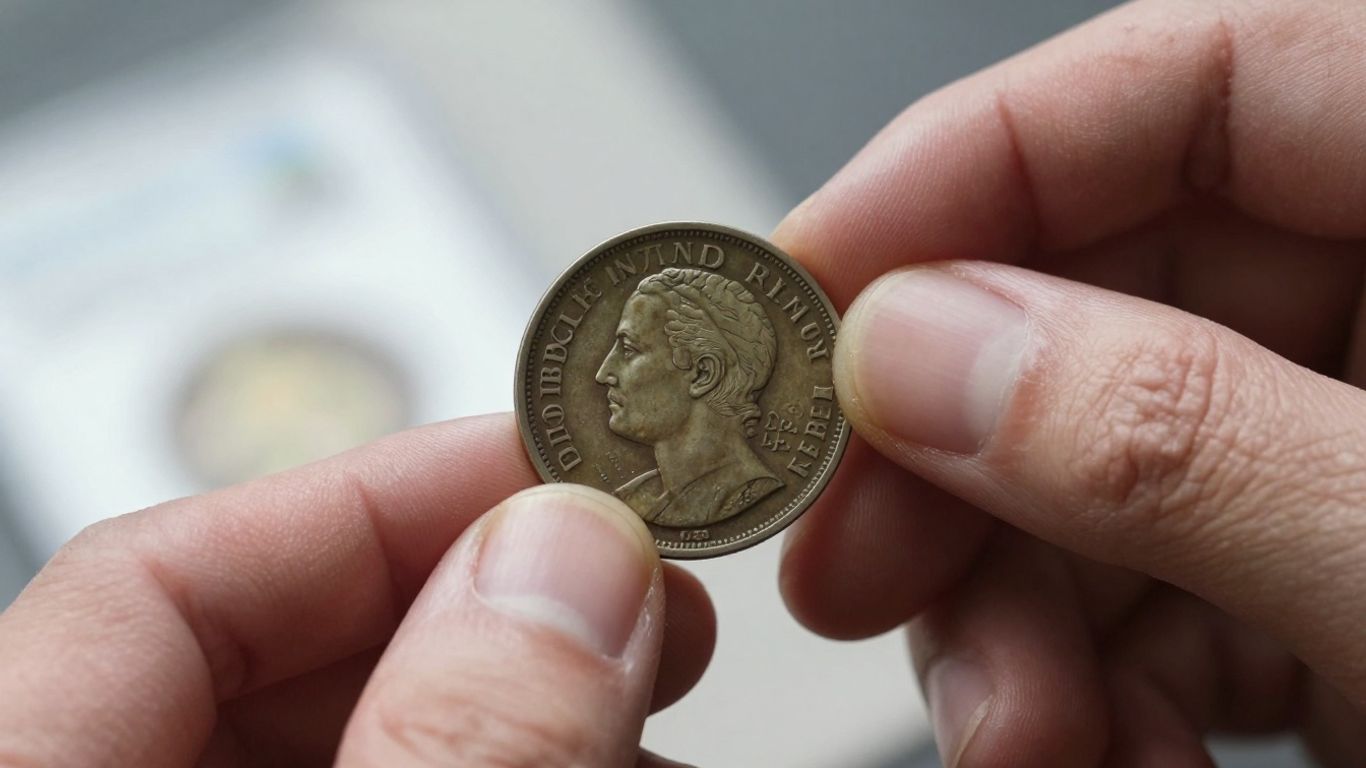
Beyond just wearing gloves, the best practice is to avoid touching the main faces of the coin altogether. When you need to pick up or move a coin, try to grasp it by its edge. Most coins have a rim that provides a secure grip. This way, your fingers only make contact with the very edge, which is usually less critical to the coin’s overall appearance and value. If you’re examining a coin, consider using transparent holders or coin flips. These allow you to see both sides of the coin clearly without ever having to touch it directly. It’s a small adjustment in technique, but it makes a huge difference in preserving the coin’s condition.
Protective Measures During Coin Examination
When you’re looking closely at your coins, it’s easy to forget that even a gentle touch can leave its mark. Think of it like this: your skin has oils and tiny bits of dirt, and when you touch a coin’s surface, those things transfer. Over time, this can cause dull spots or even lead to corrosion, which nobody wants. So, what’s the game plan for checking out your collection without causing harm?
Utilizing Gloves For Coin Handling
This is pretty straightforward, really. Always, and I mean always, wear gloves when you’re handling coins that aren’t already in a sealed holder. Cotton gloves are a common choice, but nitrile gloves work well too. They create a barrier between your skin and the coin. It might feel a little awkward at first, but it’s a small price to pay for keeping your coins in top shape. It’s like wearing oven mitts when you’re taking something hot out of the oven – you wouldn’t just grab it, right?
Grasping Coins By Their Edges
Even with gloves on, you want to be smart about how you hold the coin. The best way is to grip it by its edge. Imagine you’re holding a tiny, valuable pizza slice – you’d hold it by the crust, not by digging into the toppings. Coins are the same. Holding them by the edge gives you a secure grip without touching those important surfaces where all the detail is. This also helps prevent accidental drops, which, let’s be honest, can happen to anyone.
Employing Transparent Holders For Viewing
Sometimes, you just want to get a really good look at a coin without even touching it. That’s where transparent holders come in handy. These are usually made of inert plastic and allow you to see both sides of the coin clearly. You can use a magnifying glass or a loupe right through the holder. It’s a great way to examine details, check for wear, or just admire the coin without any risk of direct contact. It’s like having a protective bubble around your coin while you study it.
Avoiding Damage Through Cleaning Practices
When it comes to collectible coins, cleaning is a really tricky area. Most of the time, you just shouldn’t do it. Even a gentle attempt to clean a coin can cause permanent damage and significantly lower its worth. Think of it like this: a coin’s natural look, its patina, is part of its story and its value. Scrubbing that away is like erasing history.
The Catastrophic Impact Of Improper Cleaning
Trying to make a coin look shinier with household items is a big mistake. Things like vinegar, baking soda, or even ketchup, which might seem like they’d work on everyday coins, are terrible for collectibles. They can cause chemical reactions that eat away at the metal or leave tiny scratches you can’t even see without magnification. These aren’t just cosmetic issues; they permanently alter the coin’s surface. A coin that was once worth a lot can quickly become worth only its metal content if it’s been cleaned improperly. It’s a one-way street to value loss.
When To Seek Professional Coin Conservation
Sometimes, a coin might have something on it that really needs to be addressed, like a bit of dirt that seems deeply embedded. In these rare cases, it’s best to leave it to the pros. Professional coin conservators have the right tools and knowledge to handle these situations without causing harm. They understand the different metals and patinas and know what can and cannot be done. Trying to do it yourself is just too risky. It’s better to have a coin with a bit of dirt than one that’s been damaged by a well-meaning but misguided cleaning attempt.
Understanding The Value Of Natural Patina
Patina is that natural coloring that develops on a coin over time due to its environment. It can range from a deep brown to a greenish hue, and it’s often a sign of a coin’s age and authenticity. Many collectors actually prefer coins with a nice, even patina. It adds character and shows the coin hasn’t been messed with. Trying to remove this natural toning is a common mistake that collectors make when they first start out. It’s a bit like trying to polish an antique piece of furniture so much that you remove the original finish – you lose what makes it special and old.
The temptation to ‘improve’ a coin’s appearance is strong, especially when faced with a dull or dirty surface. However, the numismatic world generally holds that a coin’s original state, including its natural toning or patina, is its most desirable condition. Any intervention, no matter how well-intentioned, carries a significant risk of irreversible damage and value reduction.
Selecting Appropriate Coin Storage Solutions
Alright, so you’ve got these coins, and now you need to figure out the best way to keep them safe. It’s not just about tossing them in a drawer, you know? The wrong kind of storage can actually hurt your coins over time. We’re talking about things like tarnishing, scratches, and even chemical reactions that can eat away at the metal. So, picking the right storage is a pretty big deal for keeping your collection in good shape.
Choosing Archival-Safe Coin Albums And Holders
When you’re looking at albums and holders, the material really matters. You want stuff that’s labeled ‘archival-safe’. This means it won’t break down and mess with your coins. Some older plastics, especially those with PVC, can get nasty. Over time, they release chemicals that cause green gunk or other damage. I’ve heard stories where PVC holders ruined coins in just a few years. It’s a real bummer when that happens. So, always check the labels and stick to materials that are known to be inert. This is a key step in preserving your coin collection.
The Dangers Of PVC In Coin Storage
Let’s talk more about PVC. It’s a type of plastic that was pretty common in coin holders for a while because it was cheap and flexible. But here’s the problem: PVC breaks down. As it degrades, it releases hydrochloric acid. This acid is super bad news for metal coins. It can cause a sticky, green residue to form on the coin’s surface, and it’s often permanent damage. Think of it like a slow-acting poison for your coins. You really want to avoid any storage material that contains PVC. If you’re not sure, it’s better to err on the side of caution and get something else.
Individual Capsules For Enhanced Protection
For coins that are particularly valuable or delicate, individual capsules are a great idea. These are usually made of acrylic or similar hard plastics. They completely encase the coin, offering a strong barrier against dust, moisture, and accidental bumps. You can often see both sides of the coin clearly through the capsule, so you don’t lose out on viewing enjoyment. It’s like giving each coin its own little protective bubble. This method is especially good for preventing scratches when you’re moving coins around or if you have a lot of them.
Here’s a quick rundown of what to look for:
- Material: Always go for archival-safe, PVC-free materials.
- Fit: The holder or capsule should fit the coin snugly without being too tight.
- Clarity: For viewing, you want clear materials that don’t distort the coin’s appearance.
- Seal: Some capsules offer a tighter seal, which can be beneficial in humid environments.
Choosing the right storage isn’t just about keeping things tidy; it’s an active part of coin preservation. The materials you select directly impact the long-term health and condition of your collection. Making informed choices now prevents costly regrets later.
Creating An Optimal Coin Storage Environment
Controlling Temperature For Coin Preservation
Keeping your coins at a steady temperature is pretty important. Think about how metal expands when it’s hot and shrinks when it’s cold. While a single coin isn’t going to visibly change size, these constant shifts can put tiny stresses on the metal over a long time. It’s best to aim for a consistent temperature, around 70°F (21°C) is often recommended. Avoid places that get really hot, like attics, or super cold, like unheated garages. Fluctuations are the real enemy here, so finding a stable spot is key.
Managing Humidity Levels To Prevent Corrosion
Humidity is a big deal for coins, especially older ones made of metals that can react with moisture. Too much dampness can lead to condensation, and that’s a fast track to corrosion and tarnish. You’ll want to keep the humidity in your storage area fairly low. A good target is usually between 40% and 50%. You can get a small hygrometer to measure this. If your space tends to be damp, a small dehumidifier can make a world of difference. It’s all about creating a dry, stable atmosphere for your collection.
Securing Coins Away From Harmful Chemicals
This one might seem obvious, but it’s easy to overlook. You need to make sure your coins aren’t stored near anything that gives off fumes. Things like certain cleaning supplies, paints, glues, or even some types of wood can release chemicals that are bad for metal. These vapors can settle on your coins and cause damage over time. So, when you’re picking a spot for your collection, take a look around. Is it near the laundry room? Is there a workshop nearby? Try to keep your coins in a clean, neutral space. It’s a simple step that really helps protect their condition. For added peace of mind, consider using archival-safe storage solutions from places like BCW.
The goal is to create a stable, controlled environment that minimizes exposure to damaging elements. Think of it as creating a protective bubble for your coins, shielding them from the unpredictable nature of the outside world. This proactive approach is far more effective than trying to fix damage later on.
Here are some general guidelines for temperature and humidity:
- Temperature: Aim for a stable 70°F (21°C). Avoid extremes and rapid changes.
- Humidity: Keep it between 40% and 50%. Too high invites corrosion, too low can sometimes cause issues with certain materials.
- Ventilation: Ensure some air circulation, but avoid drafts that can carry dust or contaminants.
Documenting Your Coin Collection Effectively
Keeping track of your coins is more than just making a list; it’s about building a history and a reference for your collection. A good record system helps you know what you have, its condition, and its potential value. It’s like creating a personal archive for each piece.
The Role Of Photography In Coin Documentation
Taking good pictures of your coins is a big part of documenting them. You don’t need fancy equipment, just a steady hand and good lighting. Try to get clear shots of both sides of the coin, the front (obverse) and the back (reverse). For any coins that are particularly valuable or have interesting edges, a picture of the edge is also a good idea. This helps show details that might not be obvious otherwise. Consistent angles and lighting will make your photo collection much easier to compare over time.
Establishing A Consistent File Naming System
Once you have your photos, you need a way to name them so you can find them easily. A simple system works best. Think about including the country, the year it was made, and what kind of coin it is. For example, "USA_1921_PeaceDollar.jpg" or "France_1870_5Francs.jpg". This makes searching your files much quicker.
Here are some common details to include:
- Country of Origin
- Year of Minting
- Denomination (e.g., Penny, Dollar, Franc)
- Mint Mark (if applicable)
- Condition or Grade (e.g., AU, UNC)
The Necessity Of Digital Backups For Your Records
This is super important. All the work you put into documenting your collection can be lost if your computer crashes or something happens to your storage. You need to have copies of your records and photos in more than one place. A good plan is to keep a copy on your computer, another on an external hard drive, and a third copy using a cloud service. This way, if one copy is lost, you still have others. It’s a simple step that protects all your efforts.
Keeping your collection documented is key for insurance purposes and for passing it on to others. It provides a clear record of what you own and its condition at the time of documentation. This information is invaluable for anyone who might need to manage your collection in the future, whether for appraisal or simply to understand its scope.
For collectors looking to organize their US coins before an appraisal, keeping them in their original holders and separating them by type and denomination is a good first step. This organization helps streamline the appraisal process, making it smoother and more accurate. Prepare your coin collection for appraisal by following these simple organizational tips.
Regular Assessment Of Your Coin Holdings
Conducting Routine Inspections For Deterioration
It’s easy to get caught up in acquiring new coins, but don’t forget to check on the ones you already have. Think of it like tending a garden; you wouldn’t just plant seeds and walk away, right? Your coin collection needs regular attention too. Aim to give your coins a good look-over at least every few months, maybe quarterly. This isn’t about finding new flaws, but about spotting any changes that might have happened since the last time you checked. Look for things like developing tarnish, strange spots, or any other surface changes that weren’t there before. Catching these issues early is way easier to deal with than trying to fix a big problem down the line. It’s about being proactive, not reactive.
Identifying Signs Of Tarnishing And Surface Damage
When you’re inspecting your coins, keep an eye out for a few key things. Tarnishing is probably the most common issue. It often shows up as a dulling of the surface or sometimes as colored spots, especially on copper or silver coins. Then there’s surface damage. This can be anything from tiny scratches, which might look like fine lines, to more noticeable dings or abrasions. Sometimes, you might see a strange powdery residue, which could indicate corrosion. It’s also worth checking if the coin’s original shine, often called luster, seems to be fading or changing in appearance. Basically, you’re looking for anything that makes the coin look different, and not in a good way, from how you remember it.
The Benefits Of Early Detection Of Coin Issues
Spotting problems early really makes a difference. If you notice a bit of tarnish starting on a silver coin, you might be able to address it with a gentle cleaning or by adjusting its storage environment before it becomes a widespread issue. Similarly, if a coin is stored in a way that’s causing minor surface damage, early detection means you can move it to a better holder or location before the damage worsens. This proactive approach helps maintain the coin’s condition, which is directly tied to its value and its historical integrity. It’s like catching a small leak in your roof before it causes major water damage to your ceiling and walls. The sooner you find it, the less work and expense it takes to fix.
Regular check-ups are not just about preserving monetary worth; they are about respecting the history and artistry embodied in each coin. A vigilant collector acts as a guardian, ensuring these tangible pieces of the past endure for future generations.
Handling Unique And Miscellaneous Coins
Creating a 'To Be Integrated' Section for New Acquisitions
Sometimes, you might end up with a batch of coins from an estate sale or a mixed lot that doesn’t immediately fit into your established collecting categories. Instead of trying to force them into place right away, which can be overwhelming, set up a temporary holding area. This ‘To Be Integrated’ section is a lifesaver. You can digitally catalogue these new arrivals first, noting their basic details and perhaps snapping a few photos. Then, as time allows, you can tackle them in smaller groups, sorting them into their proper homes within your main collection. This approach keeps your primary system tidy and prevents new acquisitions from causing a backlog.
Establishing a 'Miscellaneous World Coins' Category
Many collectors find themselves acquiring interesting coins from different countries or time periods that fall outside their main focus. Perhaps you picked up a few ancient Roman coins while on vacation, or maybe you have a collection of foreign currency from a past trip. A ‘Miscellaneous World Coins’ category is perfect for these pieces. It acts as a catch-all, ensuring these unique items are still accounted for and stored safely without disrupting the order of your specialized collections. It’s a practical way to manage those one-off finds.
Designating Specific Homes for Oddball Coin Pieces
Every collection has its share of ‘oddballs’ – coins that just don’t conform to typical organizational schemes. These might be tokens, medals, or even coins with unusual modifications. The key is to give every coin, no matter how unusual, a designated place. This prevents them from cluttering up your main display or storage areas and ensures they are properly documented. Think of it like assigning a specific drawer for tools you don’t use often; it keeps the rest of your workspace clear. This thoughtful organization makes your collection more accessible and enjoyable. Remember, proper handling, like grasping coins by their edges, applies to all coins, regardless of their category.
Advanced Techniques For Serious Collectors
As your collection grows, you’ll want to move beyond just knowing what you have. Serious collectors start looking at the finer points that really make a coin special and affect its price. This is where you develop a sharper eye for the details that matter.
Understanding Coin Attribution and Provenance
Attribution is about correctly identifying a coin, including its specific variety or mint mark. Provenance, on the other hand, is the coin’s history of ownership. Knowing who owned a coin before you can sometimes add significant value and authenticity. It’s like tracing the lineage of a valuable artwork. A well-documented provenance can be as important as the coin itself.
The Importance Of Detailed Grading Research
While third-party grading services offer a baseline, true experts go deeper. They understand the nuances that can differentiate a coin’s grade, looking at factors like strike quality, surface preservation, and eye appeal. This detailed research helps you spot coins that might be overgraded or undervalued by services. It’s about developing your own informed opinion, not just relying on a label. For instance, understanding the difference between a "Full Head" designation on a Standing Liberty Quarter and a weaker strike is key.
Developing A Specialist's Eye For Die Varieties
Die varieties are minor differences in coins caused by wear, damage, or intentional changes to the dies used to strike them. Some varieties are quite common, while others are incredibly rare and sought after. Learning to spot these subtle differences takes practice and a focused approach. It’s a skill that separates casual collectors from seasoned numismatists. You might start by focusing on a specific series or denomination to build this specialized knowledge. This focused approach helps you identify rare coins more effectively.
Specialization As A Preservation Strategy
Focusing your collecting efforts on a specific area can really help in keeping your coins in good shape. When you concentrate on a narrow field, like a particular coin series or a certain time period, you start to learn all the little details about it. This deep dive means you get really good at spotting things like weak strikes or what a genuine full head should look like on certain coins. It’s like becoming an expert in your own little world of coins. This specialized knowledge acts as a strong defense against mistakes and helps you keep your collection safe. Your own knowledge becomes your best protection.
Think about it: if you’re only collecting, say, Lincoln Cents from the 1930s, you’ll quickly learn which dates are common, which are rare, and what condition issues pop up for that specific group. You won’t be spending time trying to memorize details about ancient Roman coins or modern European currency. This focused approach accelerates how much you know and makes you more confident when evaluating new acquisitions. It’s a much smarter way to build a collection than trying to be a jack-of-all-trades.
Here’s a breakdown of why specialization helps:
- Accelerated Learning: You absorb information about your chosen niche much faster.
- Improved Identification: You become adept at spotting subtle variations and potential problems specific to your area.
- Better Valuation: Your focused knowledge allows for more accurate assessments of a coin’s true worth.
- Risk Mitigation: You’re less likely to be fooled by fakes or overpay for common coins within your specialty.
Building a specialized collection means you’re not just buying coins; you’re building a deep well of knowledge. This knowledge is what truly preserves the value and integrity of your holdings over the long haul. It’s about quality of information, not just quantity of coins.
When you’re deep into a specific area, you also tend to handle fewer types of coins overall. This means you can set up your storage and handling routines specifically for those coins. For example, if you collect silver dollars, you might invest in specific types of chemically stable shelving and holders designed for silver. This tailored approach to preservation is far more effective than a one-size-fits-all method. It simplifies your approach to keeping things safe and sound.
Wrapping Up Your Coin Care Journey
So, we’ve gone over a lot about keeping your coins in good shape. It might seem like a lot at first, but really, it’s about being careful. Think of it like taking care of any old thing you really like – you don’t want to mess it up. Just remember to handle them by the edges, keep them clean, and store them somewhere safe and dry. Don’t go cleaning them yourself, that’s usually a bad idea. By doing these simple things, your coins will stay looking good and keep their value. It’s a good feeling knowing you’re preserving a piece of history for yourself and maybe for others down the line. Happy collecting!
Frequently Asked Questions
Why is it so important to handle coins carefully?
Handling coins with care is super important because our fingers have natural oils and dirt that can stick to the coin’s surface. Over time, these can cause damage, like spots or fading, which makes the coin less valuable and less pretty. It’s like leaving fingerprints on a drawing – it just doesn’t look as good afterward and can’t be easily fixed.
What's the best way to hold a coin?
The best way to hold a coin is by its edges. Think of it like holding a pizza slice by the crust. This way, your fingers don’t touch the main flat parts of the coin, called the ‘faces.’ This greatly reduces the chance of leaving behind oils or causing tiny scratches that can hurt the coin’s appearance and worth.
Should I ever clean my collectible coins?
Generally, no. Cleaning collectible coins is a big no-no for most collectors. Even if you think you’re being gentle, cleaning can remove the coin’s natural look, called ‘patina,’ or create tiny scratches you can’t see. This can actually make the coin much less valuable. If a coin is really dirty, it’s best to ask a professional coin expert for advice.
What materials should I use to store my coins?
You should use storage materials that are safe for coins, meaning they won’t harm the metal. Look for things labeled ‘archival-safe.’ Avoid plastics that contain PVC, because as they get older, they can release chemicals that damage coins. Special coin albums, holders, and capsules made from the right materials are the safest bet.
How does the environment affect my coin collection?
The environment plays a big role! Things like too much moisture (humidity) can cause coins to rust or corrode, while extreme heat or cold can also cause problems. It’s best to keep your coins in a cool, dry place with a steady temperature, away from direct sunlight and anything that might give off harmful fumes, like cleaning supplies.
Why is documenting my coin collection important?
Documenting your collection, like taking pictures and keeping a list of what you have, is like creating a report card for your coins. It helps you keep track of everything, know what you own, and is super important if you ever need to prove ownership for insurance. It also helps you learn more about each coin’s history.
How often should I check on my coins?
It’s a good idea to look at your coins regularly, maybe every few months. This way, you can catch any problems early, like signs of damage or changes in their appearance. Spotting issues like tarnishing or weird spots early means you can try to fix them or at least understand what’s happening before it gets worse.
What is 'patina' and why is it valuable?
Patina is the natural color or toning that develops on a coin’s surface over many years. It’s like a coin’s natural aging process. For many collectors, this natural patina is very desirable because it shows the coin is original and hasn’t been messed with. Cleaning it off can remove this natural beauty and lower the coin’s value.