
Getting into coin collecting can be a lot of fun, but there’s a learning curve, especially when it comes to figuring out what a coin is actually worth. A big part of that is knowing how to grade coins – basically, how worn down they are. It sounds simple, but there’s a whole system to it. This guide is all about helping you get a handle on the basics of learning numismatic coin grading fundamentals. We’ll go over why it matters, how the grading works, and what to look out for, so you don’t get lost in the weeds.
Key Takeaways
- Coin grading is super important because it tells you how worn a coin is, which directly affects its value. Without it, buying and selling coins would be chaotic.
- The main way coins are graded is using the Sheldon Scale, which is a number from 1 to 70. Higher numbers mean the coin is in better shape.
- When you’re grading, look at how much wear the coin has, if there’s any damage like scratches or dents, and if it still has its original shine.
- You can learn to grade by looking at lots of coins and comparing them, but for really valuable coins, it’s best to use professional grading services like PCGS or NGC.
- Don’t clean your coins! Seriously, never. Cleaning can ruin a coin’s surface and make it worth way less, even if it looks shinier.
Understanding The Importance Of Coin Grading
The Foundation Of Numismatic Value
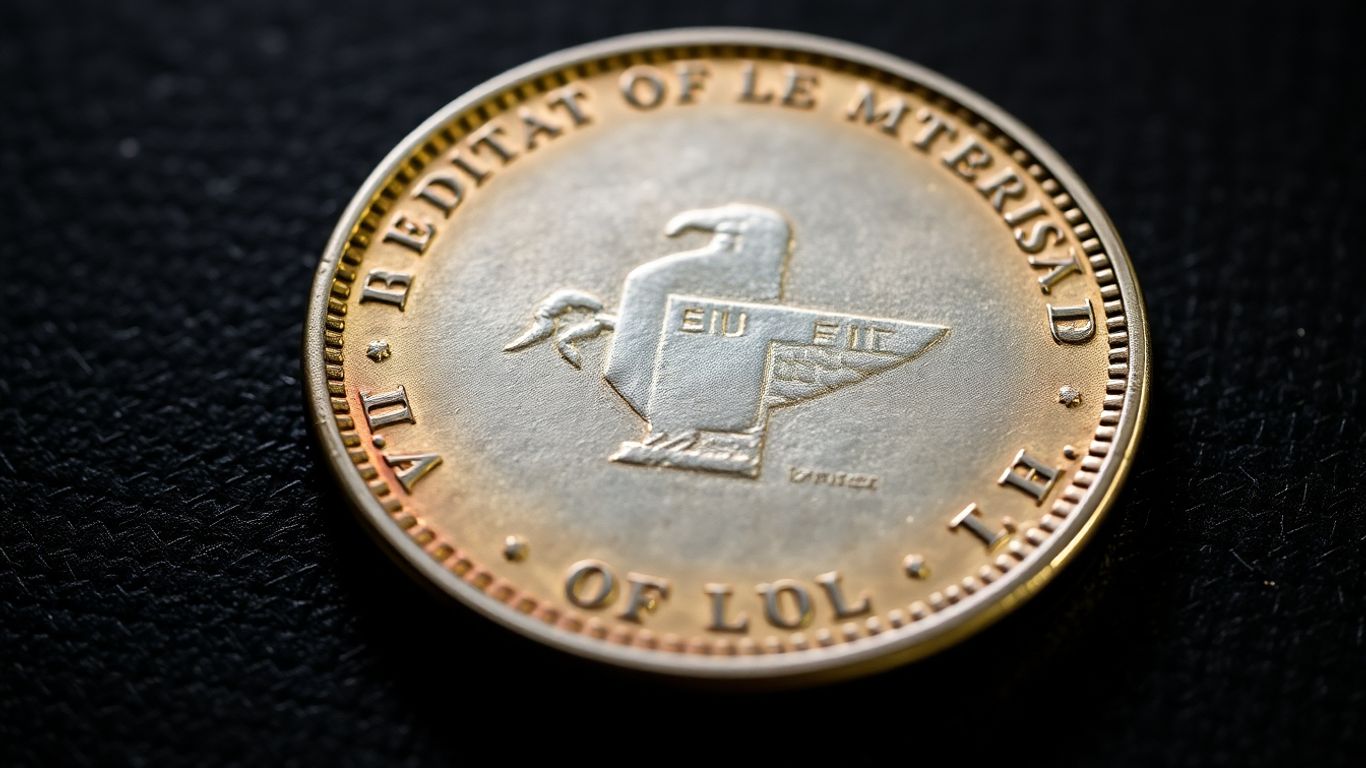
When you’re looking at coins, whether it’s for fun or to make an investment, knowing their grade is a really big deal. Think of it like this: a coin’s grade is basically its report card. It tells you how well-preserved the coin is and, directly because of that, how much it’s worth. Without a standard way to grade coins, figuring out what something is actually worth would be a total guessing game. This standardized system is what makes the coin market work. It gives everyone a common language to talk about a coin’s condition, from the newest collector to the most experienced dealer. It’s the bedrock for making sure prices are fair and that people feel good about their purchases.
Ensuring Fair Market Transactions
Grading is super important for making sure everyone plays fair when buying and selling coins. Imagine two coins that look almost identical, but one has a tiny scratch you can barely see. That scratch can make a big difference in price. A good grading system, like the one used by services such as NGC coin grading, helps point out these differences clearly. This means sellers can’t easily overcharge for a coin that isn’t in great shape, and buyers know what they’re getting. It cuts down on arguments and makes the whole process smoother for everybody involved. It’s all about trust and making sure the price matches the coin’s actual condition.
Building Collector Confidence
For anyone building a coin collection, understanding grading is key to feeling confident. When you know how to assess a coin’s condition yourself, or when you rely on reputable grading services, you’re less likely to make a bad purchase. It stops you from accidentally paying too much for a coin that’s not as good as it looks, or worse, buying a fake. Having confidence means you can focus on enjoying the hobby and building a collection you’re proud of, knowing that the coins you own are accurately represented and hold their value. It’s about making smart choices so your collection grows and stays valuable over time.
Exploring Coin Grading Systems
When you first get into collecting coins, it can seem like everyone’s speaking a different language. There are numbers, letters, and all sorts of terms that might not make immediate sense. But don’t worry, it’s mostly built around a few key systems that help everyone talk about coin condition in the same way. This is super important for knowing what you’re buying and what it’s worth.
The Universal Sheldon Scale
This is the big one, the system most people use today. It’s called the Sheldon Scale, and it’s a number system that goes from 1 all the way up to 70. Dr. William Sheldon came up with it way back in the 1940s, and it started out just for large cents. Now, though, it’s used for pretty much all coins. The idea is simple: the higher the number, the better the coin’s condition. A coin with a grade of 1 is pretty beat up, while a 70 is basically perfect, like it just came from the mint with zero flaws.
Here’s a quick look at how the numbers generally break down:
- 1-10 (Poor to Good): These coins show a lot of wear. You can usually see the main design, but details are really worn down. They’re often hard to identify.
- 11-30 (Very Good to Extremely Fine): You start seeing more detail here. The coin has been used, but the main features are pretty clear. Some wear is visible, but it’s not overwhelming.
- 31-49 (About Uncirculated): These coins look almost new. They’ve seen very little circulation, so most of the original detail is there. You might see a few minor marks or a bit of wear on the highest points.
- 50-70 (Mint State): This is the top tier. These coins have not been used in commerce. A 50 is a basic Mint State coin, while a 70 is a perfect, flawless specimen.
Adjectival Grades Explained
Besides the numbers, you’ll also hear a lot of descriptive words, or adjectival grades. These are often used alongside the Sheldon numbers, especially by professional grading services. Think of them as more descriptive labels for different levels of wear and preservation.
Some common ones you’ll run into include:
- Poor (P): Barely recognizable. Most details are gone.
- Fair (F): Very worn, but the outline of the design is visible.
- Good (G): Significant wear, but major features are clear.
- Very Good (VG): Moderate wear, but still quite a bit of detail visible.
- Fine (F): Less wear than VG, with clear but flattened design elements.
- Very Fine (VF): Light wear, with most details sharp.
- Extremely Fine (XF or EF): Very light wear, almost uncirculated.
- About Uncirculated (AU): Shows only slight wear on the highest points, looks nearly uncirculated.
- Uncirculated (Unc. or MS): No wear from circulation. This is where the Sheldon numbers 50-70 come in.
Numerical Versus Adjectival Grading
So, why have both numbers and words? Well, the Sheldon Scale (1-70) gives us a really precise way to grade coins, especially for the higher grades where small differences matter a lot. A coin graded MS-65 is significantly different from an MS-66, and the number helps capture that.
Adjectival grades, on the other hand, are great for giving a general idea of a coin’s condition, especially for lower-grade circulated coins. They’re easier to grasp quickly. Most professional grading services use both. They’ll give a coin a Sheldon number (like 65) and then often add a descriptive term (like "Mint State") to make it clear. For example, a coin might be graded "MS-65", meaning it’s in Mint State condition and scores a 65 on the Sheldon scale.
It’s important to remember that grading isn’t always an exact science. Even experts can sometimes disagree on a coin’s grade by a point or two. The goal is to have a consistent system so that most people can agree on a coin’s condition and value. This consistency is what makes the coin market work.
Key Factors Influencing Coin Grades
When you’re looking at a coin and trying to figure out what it’s worth, a few things really stand out. It’s not just about how old it is; it’s more about how well it’s held up over time. Think of it like a vintage car – one that’s been kept in a garage and driven carefully will always be worth more than one that’s been left out in the elements and raced every weekend.
Assessing Levels Of Wear
The most obvious thing that affects a coin’s grade is wear. Every time a coin changes hands, gets dropped, or even just sits in a pocket, it loses a tiny bit of its original surface. This wear smooths out the sharp details that were there when the coin was first made. A coin that’s been through a lot of circulation will have worn-down high points, like the tops of letters or the prominent parts of a design. Coins that look almost as good as new, with all their original sharpness and detail, get the highest marks for wear.
- Full Detail: All design elements are sharp and clear.
- Moderate Wear: Some details are softened, especially on high points.
- Heavy Wear: Most details are smoothed over, and the coin’s design is only vaguely visible.
Identifying Damage And Imperfections
Beyond normal wear, coins can suffer all sorts of damage that really brings their grade down. Scratches are a big one – you might see tiny lines, sometimes called hairlines, that show where something abrasive has scraped across the surface. Dents, nicks, or even bent coins are also major problems. Corrosion, like green or black spots, can eat away at the metal. Even if a coin has very little wear, a significant scratch or a big dent can make it much less desirable and lower its grade considerably.
A coin might look pretty good at first glance, but a closer inspection can reveal hidden issues. Things like rim dings, which are small dents on the edge, or even minor surface marks can significantly impact its overall appearance and value. It’s these small imperfections that often separate a good coin from a great one.
The Role Of Original Luster
Luster is basically the original shine or glow a coin has when it’s brand new. It’s how the light reflects off the coin’s surface. A coin that still has its original luster, especially if it has that "cartwheel" effect when you tilt it, is usually in much better shape. Cleaning a coin, even gently, can often remove or alter this natural luster, making it look dull or artificial. Sometimes, a coin might look like it has no wear, but if its luster is gone, it’s a sign it’s been messed with, and that affects its grade.
- Brilliant Luster: The coin reflects light strongly with a vibrant sheen.
- Faint Luster: Some original shine remains, but it’s not as bright.
- No Luster: The surface is dull, indicating cleaning or heavy handling without preservation of shine.
Mastering The Art Of Self-Grading
While professional grading services offer a reliable benchmark, developing your own grading skills is a rewarding part of collecting. It’s not about becoming an expert overnight, but about training your eye to see what matters. Think of it like learning to spot a good apple at the market – you start with the basics and get better with practice.
Training Your Eye Through Comparison
One of the best ways to start is by looking at a lot of coins, side-by-side. Find examples of coins you know are graded by professionals, maybe in a reference book or online. Then, compare them to coins you have or see elsewhere. Pay attention to the details that make a coin look "worn" versus "new." Look at how the design elements are still sharp or if they’ve become soft and rounded.
- Compare coins of the same type and date: This helps you see the subtle differences in wear and preservation.
- Use high-quality images: Look for clear, magnified photos that show surface details.
- Focus on key design elements: For example, on a Lincoln cent, check the detail on Lincoln’s hair and the columns of the Lincoln Memorial.
Focusing On Overall Condition
When you’re starting out, don’t get bogged down in the tiny details or rare varieties. Instead, concentrate on the big picture. How does the coin look at first glance? Does it seem like it’s been handled a lot, or does it look like it just came from the mint? The overall impression of wear and surface preservation is your primary guide.
Avoiding Advanced Variety Studies Initially
It’s tempting to jump into looking for rare mint errors or specific die varieties, but these are advanced topics. For self-grading, stick to understanding the basic wear and surface condition. Trying to identify a rare "doubled die" before you can confidently tell a "Very Fine" from an "Extremely Fine" will just lead to frustration. Master the fundamentals first; the specialized knowledge can come later.
Learning to grade coins yourself is a journey, not a destination. It requires patience and a willingness to learn from every coin you examine. Don’t be discouraged if you make mistakes; even experienced graders sometimes disagree. The goal is to build a solid foundation of knowledge that will serve you well throughout your collecting life.
Leveraging Professional Grading Services
While learning to grade coins yourself is a big part of collecting, there comes a point where you’ll want a second opinion, especially for coins that are worth a good amount of money. This is where professional grading services come into play. They act as a sort of quality control for the coin world.
The Indispensable Role of Third-Party Graders
In today’s coin market, services like PCGS and NGC are really important. Their main job is to make sure coins are real and to fight against fakes. It’s getting harder and harder to spot a counterfeit, even for people who have been collecting for years. These grading services have teams of experts who use special tools and their experience to check if a coin is genuine. This protects collectors from buying bad coins. They provide an objective assessment of authenticity and condition from unbiased experts.
- Authenticity Verification: Experts examine coins for signs of counterfeiting or alteration.
- Standardized Grading: They apply the Sheldon Scale consistently, giving you a reliable grade.
- Encased Coin Holders (Slabs): Graded coins are sealed in protective plastic holders, which also display the grade and other important information.
Sending a coin for professional grading is not just about getting a number. It’s about getting a consensus from experienced eyes that have seen thousands, if not millions, of coins. This consensus builds confidence in the coin’s identity and condition.
Ensuring Authenticity and Combating Fakes
Counterfeit coins are a real problem. Sometimes they look incredibly convincing, making it tough for even seasoned collectors to tell the difference. Professional grading services have advanced equipment and a deep knowledge base to identify these fakes. By submitting your coins, you get an expert opinion that helps you avoid being swindled. This is especially true when you’re looking at coins that might be worth a lot of money, like certain key dates or coins in high grades. You can find out more about the services PCGS provides.
Understanding PCGS and NGC
PCGS (Professional Coin Grading Service) and NGC (Numismatic Guaranty Company) are the two biggest names in the business. They both use the 70-point Sheldon Scale and have teams of graders who look at coins independently. While they have similar goals, collectors sometimes have preferences based on their experiences or the specific types of coins they collect. Both services offer different tiers of grading, with faster turnaround times available for a higher fee. It’s worth looking into their specific services to see which might be the best fit for the coins you want graded.
Essential Numismatic Reference Materials
To really get a handle on coin grading, you’re going to need some good reference materials. It’s like trying to learn a new language without a dictionary – you’ll get by, but you won’t get very far. Think of these resources as your numismatic toolkit, helping you understand what you’re looking at and what it’s worth.
The Value Of Reputable Coin Guides
When you’re starting out, a good coin guide is your best friend. These books are packed with information that can save you a lot of headaches down the road. They usually cover a wide range of coins, giving you details on mintage numbers, historical context, and, importantly, what coins are generally worth in different conditions. It’s a good idea to get a current edition because values and information can change. For U.S. coins, the annual "Red Book" is practically a standard. It’s a massive resource that covers almost every coin ever made in the States, offering estimated values across various grades. While these prices are just a starting point, they give you a solid baseline for understanding rarity and relative worth. Picking up a recent Red Book is a smart move for any beginner.
Utilizing Price Catalogs Effectively
Price catalogs go hand-in-hand with coin guides, but they focus more on the monetary aspect. They provide lists of coins with their current market values, often broken down by grade. It’s important to remember that these are just estimates. Real-world prices can swing based on demand, auction results, and even the specific condition of a coin. Online resources from major grading services, like NGC coin grading, can offer more up-to-date pricing based on actual sales data. These sites often have population reports, too, which show how many coins of a certain type and grade have been certified. This kind of data helps you see what’s rare and what’s common.
The 'Red Book' As A Collector's Staple
As mentioned, the "Red Book" (officially A Guide Book of United States Coins) is a go-to for many collectors, especially those focused on U.S. currency. It’s more than just a price list; it’s a historical overview and a descriptive catalog. You’ll find details about each coin series, including its design, history, and variations. For grading, it provides descriptions of different condition levels, which is super helpful when you’re trying to figure out where your coin fits. It’s a foundational text that helps build a solid understanding of the coin market and individual coin histories. Many seasoned collectors still refer to it regularly, even after years in the hobby.
Learning Resources For Grading Proficiency
Recommended Grading Books
Getting a handle on coin grading is a skill that takes time and study. You can’t just look at a coin and instantly know its grade. It’s like learning any craft; you need the right tools and knowledge. For starters, "buy the book before the coin" is a common saying in collecting circles, and for good reason. Investing in a good grading guide is probably the best first step you can take with even a small amount of money. These books break down the grading scale, show you what to look for, and help you understand the differences between grades. They’re your first line of defense against making costly mistakes.
Some widely respected books that many collectors find helpful include:
- Official American Numismatic Association Grading Standards for United States Coins: This is often considered a go-to reference.
- Grading Coins by Photographs: As the title suggests, this book uses images to illustrate different grades.
- Photograde: Official Photographic Grading Guide for United States Coins: Another visual guide that’s been around for a while.
These resources provide the foundational knowledge you’ll need. They explain the nuances of wear, luster, and damage, which are all key to assigning an accurate grade.
Correspondence Courses For Collectors
If you prefer a more structured learning path, consider a correspondence course. These programs are designed to guide you step-by-step through the grading process. They often provide exercises and feedback, helping you hone your skills in a more formal setting. The American Numismatic Association (ANA) offers a course called "Grading U.S. Coins Today." It’s accessible to both members and non-members and can be a great way to get direct instruction.
Taking a course can provide a clear roadmap for learning. It helps organize the information and ensures you’re not missing any critical aspects of grading. The structured approach can make complex topics more digestible.
Attending Numismatic Seminars
For an immersive learning experience, nothing quite beats attending a numismatic seminar. These events bring together collectors and experts, offering a chance to learn directly from experienced individuals and practice grading in a hands-on environment. The ANA’s Summer Seminar, held annually in Colorado Springs, is a prime example. They typically offer a variety of grading seminars, from introductory levels to more advanced topics. These seminars are often very popular because they cover skills that are central to the hobby. You get to interact with others, ask questions in real-time, and get immediate feedback on your grading assessments. It’s a fantastic way to accelerate your learning curve and build connections within the numismatic community.
| Seminar Type | Focus |
|---|---|
| Grading U.S. Coins (Parts 1 & 2) | Core grading principles and application |
| Advanced Grading Seminars | Deeper dives into specific grading issues |
| Specialty Seminars | Focus on particular coin types or eras |
Common Pitfalls For New Graders
Getting into coin collecting is exciting, and learning to grade is a big part of that. But, like any new skill, there are some common mistakes beginners tend to make. Avoiding these can save you a lot of headaches and money down the road.
The Golden Rule: Never Clean Your Coins
This is probably the most important rule to remember. Cleaning a coin, even with the best intentions, almost always damages its surface and drastically reduces its value. Think of it like trying to polish an old photograph – you might make it look shinier for a moment, but you’re likely to rub away important details. Even a gentle wipe with a cloth can remove microscopic details that contribute to a coin’s grade. If you find a coin that looks dirty or dull, resist the urge to scrub it. Instead, consider its natural appearance. Sometimes, what looks like dirt is actually part of the coin’s history, known as patina or toning.
Understanding Patina And Toning
Patina and toning are terms that often get confused, but they’re important to understand. Patina is a natural surface layer that forms on metals over time due to chemical reactions with the environment. On copper coins, it can be a desirable greenish-brown layer. Toning, on the other hand, is a broader term that refers to any surface discoloration. While some toning can be attractive and even add to a coin’s appeal (like a rainbow effect on silver coins), other types can be unsightly. The key is that these are natural processes. Attempting to ‘fix’ them by cleaning is where the trouble starts. Learning to appreciate natural toning is a sign of a developing numismatist.
The Detrimental Impact Of Cleaning
When a coin is cleaned, it often shows signs that experienced graders can spot immediately. These can include:
- Scratches: Even soft cloths can leave fine hairlines.
- Loss of Detail: The gentle wear that gives a coin its grade can be accelerated or unevenly removed.
- Altered Surface: The natural texture and luster of the coin can be permanently changed, making it look unnaturally shiny or dull.
These issues can turn a potentially valuable coin into a
The Coin Grading Process In Detail
Meticulous Examination Of Physical Characteristics
When a coin is submitted for grading, it goes through a careful look-over. Graders, who are basically experts in coins, start by checking out the coin’s surface. They’re looking for any signs of wear, like if the design details are worn down from being used. They also check for any damage, such as scratches, nicks, or corrosion. This detailed inspection helps determine the coin’s overall condition. They also look at how well the coin was made at the mint, called the ‘strike.’ A coin with a strong strike will have sharp, clear designs, while a weak one might look a bit fuzzy or incomplete.
Objective Evaluation By Expert Graders
After the initial look, the grader makes a judgment. They compare the coin to established standards and examples. This isn’t just a quick glance; it’s a thoughtful process. They consider things like the coin’s original shine, or ‘luster,’ and how it looks to the eye, or ‘eye appeal.’ Sometimes a coin might have a grade based on wear, but if it has a weird spot or looks dull, that affects how desirable it is. The goal is to be fair and consistent, so different graders would likely give the same coin a similar grade. It’s about looking at the coin as it is, without personal feelings getting in the way.
Consistency In Assigning Grades
Getting the same grade for the same coin, no matter who grades it, is super important. This is where experience really counts. Graders train for a long time to learn how to spot subtle differences. They use reference materials and often compare coins side-by-side. This helps them stay on the same page with other graders. Think of it like a sports referee – they have rules to follow to make sure calls are fair. For coins, this means using the Sheldon scale (1-70) or specific descriptive terms consistently. This way, when you buy a coin graded ‘Very Fine,’ you generally know what to expect, whether you bought it today or last year.
Applying Grading Knowledge To Your Collection
Making Informed Purchasing Decisions
Knowing how to grade coins is your best defense against overpaying or buying a coin that isn’t what it’s claimed to be. When you’re looking at a coin, whether it’s online or in a shop, you can use your grading skills to assess its condition. This means you can compare the asking price to what a coin of that grade should reasonably cost. It stops you from getting talked into buying something that’s been cleaned and passed off as original, or a coin that’s been given a grade that’s way too high. Being able to grade means you’re in control of your buying.
Protecting Your Numismatic Investments
Once you’ve bought coins, grading knowledge helps you keep them safe. You’ll know what kind of holders are best for long-term storage, and you’ll be able to spot problems like corrosion or damage early on. If you ever need to sell, having a good idea of your coin’s grade means you can set a fair price and avoid surprises. It’s like having a built-in quality check for your collection.
Building a Valuable and Trusted Collection
As you get better at grading, your collection will naturally become more solid. You’ll be more selective about what you buy, focusing on coins that are accurately graded and have good eye appeal. This means your collection won’t just grow; it will grow in quality. Over time, this careful approach builds a collection that’s not only worth more but is also respected by other collectors. It’s about building something that you can be proud of and that holds its value.
- Assess Wear: Look closely at the high points of the coin’s design. Are the details sharp or worn smooth?
- Check for Damage: Examine the surface for scratches, nicks, rim dings, or signs of cleaning.
- Evaluate Luster: Does the coin have its original mint shine, or does it look dull or artificial?
Understanding grading isn’t just about assigning a number; it’s about developing a critical eye for a coin’s condition and history. This skill helps you make smarter choices when buying and protects the value of what you already own.
Wrapping Up Your Grading Journey
So, we’ve gone over a lot of stuff about coin grading. It might seem like a lot at first, but really, it’s about looking closely at coins and knowing what to look for. Think of it like learning to spot good apples at the market – you just get better with practice. Don’t get too caught up in all the tiny details right away. Just focus on the main things like wear and overall look. As you see more coins, you’ll start to get a feel for it. And remember, if you’re ever unsure, especially with a coin that costs a good bit, getting it checked by the pros is always a smart move. It’s like having a second opinion from someone who really knows their stuff. Keep looking, keep learning, and enjoy the coins you find.
Frequently Asked Questions
Why is grading coins so important for collectors?
Grading coins is like giving them a report card that shows how worn they are. This helps everyone agree on how good a coin’s condition is. A coin in better shape is usually worth more money. Knowing the grade helps you understand a coin’s value and makes sure you’re paying a fair price when buying or selling.
What is the main system used for grading coins?
The most common system is called the Sheldon Scale. It uses numbers from 1 to 70. A coin with a grade of 1 is in very poor condition, while a coin with a grade of 70 is considered perfect. This scale helps collectors and dealers talk about coin conditions in a way that everyone understands.
What are the most important things to look for when grading a coin?
When grading a coin, you should look closely at how much it’s been used, or ‘worn.’ You also need to check for any damage, like scratches or dents. The original shine or ‘luster’ the coin had when it was made is also important. These things all add up to determine the coin’s grade.
Should I try to grade coins myself as a beginner?
Yes, learning to grade coins yourself is a great skill for beginners! Start by looking at many different coins and comparing them. Focus on the overall look and condition of the coin first. Don’t worry too much about super-detailed stuff like tiny errors on the coin at first; master the basics first.
What are professional grading services and why are they useful?
Professional grading services, like PCGS and NGC, are companies that have experts who grade coins. They are very helpful because they provide an unbiased opinion on a coin’s grade and make sure it’s not a fake. This gives collectors more confidence when buying or selling valuable coins.
Are there any good books or resources for learning about coin grading?
Absolutely! There are many helpful books out there. ‘The Red Book,’ which is officially called A Guide Book of United States Coins, is a must-have for American coin collectors. It has lots of information about different coins, their history, and their value based on grade.
What is the biggest mistake a new collector can make regarding coin condition?
The most important rule is: never clean your coins! Even using a soft cloth can damage the coin’s surface and take away its natural color or shine, called patina. A cleaned coin is almost always worth much less than an uncleaned one, so it’s best to leave them as they are.
How do professional graders decide on a coin's grade?
Expert graders carefully examine every part of a coin. They look at the details, the amount of wear, and any marks or imperfections. They use established grading systems and compare the coin to others to make sure their decision is fair and consistent with what other experts would say.