
Keeping your coin collection in good shape is super important, not just for how they look, but for their value too. A big part of that is making sure the air around them is just right. Too much moisture, or even big swings in how warm or cold it is, can really mess with your coins. We’re going to talk about how to get the best humidity control for coin storage so your coins stay nice for a long, long time.
Key Takeaways
- High humidity is bad news for coins, causing them to tarnish and corrode over time. Keeping things dry is the main goal.
- The sweet spot for coin storage is usually a relative humidity between 30% and 50%.
- Using things like silica gel packs or special humidity control packs can help keep moisture in check.
- Monitoring your storage area with a hygrometer is a smart move to know exactly what the humidity level is.
- Choosing the right storage spot, like a dry closet and avoiding basements or attics, makes a big difference.
Understanding The Risks Of Coin Damage
When you’re building a coin collection, it’s easy to get caught up in the excitement of finding that next rare piece. But let’s talk about what can go wrong, because if you don’t protect your coins, they can lose their appeal and value pretty quickly. The biggest culprits are usually environmental factors, and they can cause some serious harm if you’re not careful.
The Threat Of Humidity And Moisture
Think of humidity as a slow-motion saboteur for your coins. When the air holds too much moisture, it can start to interact with the metal of your coins. This is especially true for coins made of certain alloys or those with older, less stable surfaces. High humidity creates a damp environment where chemical reactions can speed up, leading to all sorts of problems.
Corrosion And Tarnishing Concerns
This is where humidity really shows its ugly side. Tarnishing is that dull, discolored film that appears on the surface of a coin. It’s essentially a chemical reaction between the metal and elements in the air, and moisture makes it happen much faster. Corrosion is a more advanced stage, where the metal actually starts to break down. You might see pitting, rough spots, or even a powdery residue. These surface imperfections are permanent and can significantly reduce a coin’s aesthetic appeal and market value.
The Impact Of Temperature Fluctuations
Temperature changes might not seem as direct a threat as moisture, but they play a role too. When temperatures swing wildly, it can cause materials used in coin holders or storage containers to expand and contract. This movement, however slight, can potentially scratch or stress the coin over time. More importantly, temperature changes often go hand-in-hand with humidity changes. As air warms, it can hold more moisture; as it cools, that moisture can condense, creating pockets of dampness right on your coins. Keeping things stable is key.
It’s not just about preventing obvious damage; it’s about preserving the coin’s original state for as long as possible. Even minor environmental stresses can add up over years, leading to a coin that looks tired and worn, even if it’s never been handled improperly.
Optimal Humidity Control For Coin Storage
Keeping your coins in good shape means paying attention to the air around them. Too much moisture is a real problem for metal. It can lead to all sorts of issues, from simple tarnishing to more serious corrosion that eats away at the coin’s surface. The goal is to create a stable, dry environment for your collection.
Ideal Humidity Levels For Preservation
Different metals react differently, but generally, keeping relative humidity below 50% is a good starting point. For many common coin metals like copper and silver, aiming for a range between 30% and 45% is even better. This range helps slow down the chemical reactions that cause damage. It’s not about making things bone dry, which can sometimes cause other issues, but about finding that sweet spot where deterioration is minimized.
The Role Of Desiccants And Packs
So, how do you actually keep the air dry? That’s where desiccants and special humidity control packs come in. Think of desiccants, like silica gel, as little sponges that soak up extra moisture from the air inside your storage containers. You can buy them in small packets. Humidity control packs, on the other hand, are a bit more sophisticated. They’re designed to both absorb excess moisture and release it if the air gets too dry, actively maintaining a specific humidity level. Products like Boveda packs are popular for this, allowing you to choose a pack that targets a particular percentage, say 49% or 58%.
- Silica Gel Packs: Good for general moisture absorption in sealed containers. They need to be replaced or ‘recharged’ (often by baking) when they’re full.
- Humidity Control Packs (e.g., Boveda): Actively maintain a set humidity level, making them great for long-term storage where stability is key.
- Clay-Based Desiccants: Another option, often reusable, that works similarly to silica gel.
Monitoring Your Storage Environment
Just putting things in a box with a desiccant isn’t quite enough. You need to know what’s actually happening with the humidity. This is where a hygrometer comes in. It’s a small device that measures the relative humidity in the air. You can place one inside your storage cabinet or even inside larger display cases. Checking this regularly, maybe once a week or so, lets you see if your humidity control methods are working or if you need to adjust something. If you see the humidity creeping up, it might be time to swap out your silica gel packs or check if your humidity control packs are still active.
Keeping an eye on humidity is like giving your coins a regular check-up. It’s a simple step that can prevent big problems down the road and help your collection stay in great condition for years to come.
It’s also worth thinking about air circulation. Stagnant air can lead to pockets of higher humidity, even if the overall level seems okay. Sometimes, a very small, low-power fan running intermittently in the storage area can help keep the air moving, but you have to be careful not to create drafts that could dry things out too quickly or blow dust around.
Choosing The Right Storage Solutions
When it comes to keeping your coins safe, the containers you use really matter. It’s not just about shoving them into a box; the right storage can be the difference between a coin that looks as good as new and one that’s seen better days. We’re talking about protecting your investment and your passion, after all.
Benefits Of Dry Cabinets
Dry cabinets are a bit of a game-changer for serious collectors. Think of them as mini, controlled environments specifically designed to keep moisture out. They actively remove humidity from the air inside, creating a stable, dry space for your coins. This is super helpful if you live in a place that’s naturally damp or if you have a lot of coins that are particularly sensitive to moisture. They’re a bit of an investment upfront, but for valuable collections, the peace of mind they offer is pretty significant. They take the guesswork out of humidity control.
Protective Holders And Capsules
For individual coins, you’ll want to look at holders and capsules. These are usually made of inert plastic, meaning they won’t react with the metal of your coin over time. They come in various forms:
- Cardboard 2x2s: These are simple cardboard holders with a clear plastic window. They’re affordable and good for basic protection, especially for less valuable coins. Just make sure they’re acid-free.
- Plastic Flips: These are clear plastic sleeves, often with two pockets – one for the coin and one for an insert where you can write details. They offer decent protection against fingerprints and minor scratches.
- Hard Plastic Capsules: These are rigid, clear plastic cases that snap together. They offer a much higher level of protection against physical damage and environmental factors. Many collectors prefer these for their more valuable pieces.
The key is to select holders that are chemically stable and won’t degrade or off-gas harmful substances.
Airtight Containers For Delicate Items
Sometimes, you need an extra layer of security, especially for very rare or delicate coins. Airtight containers, when combined with desiccants (like silica gel packs), can create a highly controlled micro-environment. This is especially useful for coins that are prone to reacting with the air or if you’re storing them in an area where humidity can fluctuate wildly. You want to make sure the container itself is made of a material that won’t corrode or leach anything into the air inside. It’s about creating a sealed bubble of safety for your most prized possessions.
When choosing any storage solution, always prioritize materials that are inert and acid-free. This prevents chemical reactions that can damage the surface of your coins over time. It’s a small detail, but it makes a big difference in the long run.
Creating A Stable Storage Environment
Where you keep your coins matters a lot. Think about it like finding the perfect spot for a delicate plant; it needs just the right conditions to thrive. For coins, this means avoiding places that swing wildly in temperature or get too damp. The goal is consistency.
Selecting the Best Storage Location
When deciding where to store your collection, look for areas that are naturally more stable. Interior closets, especially those not on exterior walls, are often good choices. Rooms in the middle of your house tend to have fewer temperature swings than those near windows or outside walls. If you have a dedicated room for your collection, that’s even better, as you can focus on controlling its environment.
Avoiding Damp and Extreme Areas
Some spots in a home are just no-go zones for coin storage. Basements are notorious for dampness and potential flooding. Attics get incredibly hot in the summer and cold in the winter, creating damaging temperature fluctuations. Garages are similar, often exposed to outdoor conditions. Even areas near bathrooms or kitchens can experience higher humidity. Always steer clear of direct sunlight, as it can heat up enclosed spaces and fade labels or even affect the coins themselves.
The enemy of coin preservation is inconsistency. Fluctuations in temperature and humidity cause materials to expand and contract, which can stress the metal of the coin over time, leading to microscopic cracks or surface issues that are hard to see but can impact condition.
The Importance of Air Circulation
While you want to protect your coins from the elements, completely sealing them in stagnant air isn’t always ideal. Stagnant air can trap moisture. A little bit of air movement can help prevent humidity pockets from forming. You don’t need a powerful fan; sometimes, just ensuring there’s a bit of space around your storage containers is enough. If you use a small, low-speed fan, make sure it’s not blowing directly onto your storage boxes or cabinets. This gentle circulation helps keep the air fresh and reduces the risk of moisture buildup. Proper storage solutions are key to preserving your coin collection.
Here are some locations to consider:
- Interior closets
- Guest rooms away from exterior walls
- Dedicated home office spaces
And here are places to definitely avoid:
- Unfinished basements
- Attics or lofts
- Garages or sheds
- Near windows or heating/cooling vents
Advanced Preservation Techniques
Utilizing Hygrometers For Monitoring
Keeping an eye on the humidity in your coin storage area is a big deal. You can’t just guess; you need actual numbers. That’s where hygrometers come in. These little gadgets measure the moisture in the air. Getting a good digital hygrometer is one of the smartest moves you can make for your collection. Many of them also tell you the temperature, which is just as important. You want to see consistent readings within the ideal range, usually between 35% and 55% relative humidity. If you see the numbers creeping up or dropping too low, you know it’s time to adjust your dehumidifiers or humidifiers.
The Function Of UV-Resistant Cases
Sunlight and artificial lights can be harsh on coins. Over time, UV rays can cause colors to fade and surfaces to degrade, even through glass. That’s why using UV-resistant cases is a smart step. These cases have special coatings or are made from materials that block a significant portion of harmful UV light. This is especially important for coins with vibrant toning or those you display out in the open. Think of it like sunscreen for your coins – it provides a protective barrier against light damage that can otherwise cause irreversible changes to their appearance and condition.
Maintaining Coin Grading Potential
If you’re thinking about getting your coins professionally graded, or if you already have graded coins, preserving their condition is paramount. The grade a coin receives can dramatically affect its value. Even minor surface issues, like those caused by improper humidity control or handling, can knock a point or two off a grade. This might not sound like much, but it can mean a huge difference in what the coin is worth. Using the right storage, like inert holders and controlled environments, helps prevent the kind of damage that graders look for. It’s about keeping those surfaces clean and stable so they can achieve the best possible grade and hold their value over time.
Protecting Against Physical Deterioration
Beyond the invisible threats of humidity and temperature, your coins face risks from everyday handling and environmental particles. These physical dangers can cause visible damage, impacting both their appearance and their long-term value. It’s about building a robust defense against the tangible world.
Preventing Oxidation and Corrosion
Oxidation and corrosion are essentially slow forms of decay that affect metal. For coins, this often manifests as surface discoloration, pitting, or a powdery residue. While some level of natural patina can be desirable, excessive oxidation can obscure details and weaken the coin’s structure. This process is accelerated by exposure to air, moisture, and certain chemicals. Keeping coins in a controlled environment, away from harsh elements, is the first line of defense. For particularly sensitive items, consider using inert materials in their storage that won’t react with the metal over time. Proper handling, as mentioned elsewhere, also plays a role by preventing the transfer of oils and acids from your skin, which can initiate these corrosive processes.
Shielding From Dust and Pollutants
Dust might seem harmless, but it’s an abrasive agent. Tiny particles can scratch the surface of a coin, especially during cleaning attempts or if the coin shifts within its holder. Pollutants in the air, such as sulfur compounds, can also react with the metal, contributing to tarnishing and corrosion. Think of it like fine sandpaper constantly rubbing against your collection. Storing coins in sealed holders, display cases, or cabinets creates a barrier against these airborne nuisances. Regularly cleaning your storage area, not the coins themselves, can also help minimize the accumulation of dust and potential contaminants. This proactive approach helps maintain the pristine surface of your coins, preserving their original luster and detail. For example, using silica gel packets can help absorb moisture that might otherwise trap dust and pollutants against the coin’s surface.
Safeguarding Against Accidental Damage
Accidents happen, and for coin collectors, they can be particularly disheartening. Dropping a coin, even a short distance, can cause nicks, dents, or rim damage. Stacking coins improperly, or storing them in containers that allow them to slide around, increases the risk of collisions. The best way to prevent accidental damage is through secure, individual storage. Each coin should have its own protective holder, whether it’s a simple cardboard 2×2, a plastic capsule, or a custom-fit slot in a display case. These holders not only protect against drops but also prevent coins from rubbing against each other. When organizing your collection, ensure that storage boxes or albums are stable and won’t easily tip over. Consider the weight of your collection and use sturdy shelving or cabinets that can support it safely. This attention to detail in how your coins are housed and arranged is paramount to their physical preservation.
The Value Of Controlled Environments
When you’re serious about your coin collection, thinking about the environment where they live is a big deal. It’s not just about having a safe spot; it’s about actively protecting what you have.
Preserving Coin Value Over Time
Coins, especially older or rarer ones, can lose value if they aren’t stored correctly. Things like humidity and temperature swings can cause them to tarnish or corrode. This damage isn’t just cosmetic; it can seriously affect how much a coin is worth. Keeping your coins in a stable environment is one of the best ways to make sure their value holds up, or even increases, over the years. Think of it as an investment in their future.
Enhancing The Longevity Of Your Collection
Proper storage conditions mean your coins will last longer. Without control, moisture can lead to pitting or other surface issues that just get worse over time. A controlled space, like one using climate-controlled storage units, helps prevent these problems. This means your collection can be enjoyed by you, and potentially future generations, for a very long time.
Securing Rare And Irreplaceable Coins
Some coins are simply one-of-a-kind or incredibly hard to find. Losing one to environmental damage would be devastating. Creating a controlled environment is like putting a protective shield around these special pieces. It’s about taking every possible step to prevent damage that could make a rare coin unrecoverable.
- Stable Temperature: Aim for a consistent range, ideally between 60-75°F (15-24°C).
- Controlled Humidity: Keep relative humidity around 45-50% to prevent moisture-related issues.
- Minimal Fluctuations: Avoid areas where temperature and humidity change a lot throughout the day or seasons.
A controlled environment isn’t just about preventing immediate harm; it’s about long-term preservation. It’s the difference between a coin that looks good today and one that will still be in excellent condition decades from now.
Practical Humidity Control Measures
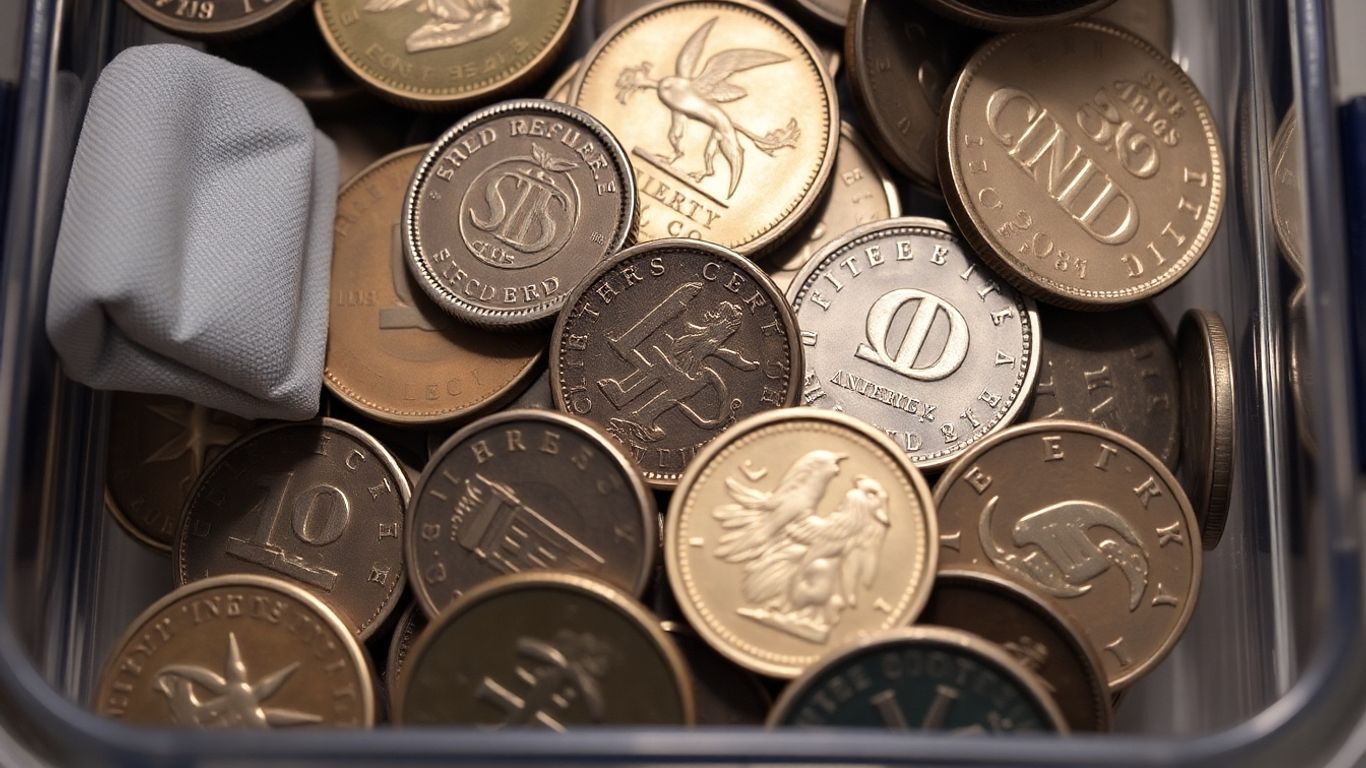
When it comes to keeping your coins in good shape, managing the moisture in the air around them is a big deal. Too much dampness can lead to all sorts of problems, like tarnish and corrosion, which nobody wants. Luckily, there are some straightforward things you can do to keep things dry.
Using Silica Gel Packs Effectively
Silica gel packs are those little packets you sometimes find in new shoes or electronics. They’re great at soaking up extra moisture. For coin storage, you can toss a few of these into your storage boxes or display cases. They act like tiny sponges, pulling moisture away from your coins. Just remember, they don’t last forever. You’ll need to "recharge" them every so often, usually by baking them in a low oven, or replace them when they’re no longer absorbing moisture. Check the packaging for specific instructions.
Implementing Humidity Control Packs
These are a bit more advanced than basic silica gel. Products like Boveda packs are designed to maintain a specific level of humidity, rather than just absorbing it. You can get packs that aim for a 30% or 40% humidity level, which is often ideal for coins. They work by releasing or absorbing moisture as needed to keep the environment stable. This is a set-it-and-forget-it kind of solution for a while, but like silica gel, they eventually stop working and need to be replaced.
The Role of Dehumidifiers
If you have a larger collection or a whole room dedicated to coin storage, a small dehumidifier might be a good investment. These machines actively pull moisture out of the air. You’ll need to empty the water reservoir regularly, but they can make a significant difference in keeping a larger space dry. It’s important to place them carefully so they don’t create drafts that could disturb your coins, and always monitor the humidity levels with a hygrometer to make sure you’re not making the air too dry.
Keeping your coins in a stable, dry environment is one of the most important steps you can take to prevent long-term damage. Simple measures can go a long way in preserving their condition and value.
Maintaining Your Coin Collection's Integrity
Keeping your coins in good shape over the long haul is pretty important, right? It’s not just about how they look today, but how they’ll hold up for years to come. This means being mindful of a few key things.
Handling Coins with Care
When you’re looking at your coins, or moving them around, always try to touch them only on the edges. Your fingers have oils and dirt on them, and even a little bit can start to cause problems on the coin’s surface over time. For really valuable or high-grade coins, wearing clean cotton gloves is a good idea. It adds an extra layer of protection.
Proper Organization for Accessibility
Think about how you store your coins. Are they easy to find when you want to look at them? Are they protected from being bumped or scratched? Using coin holders, albums, or display cases that fit your coins well is a smart move. This keeps them from sliding around and getting damaged. It also makes it simpler to keep track of what you have.
Regularly Checking Storage Conditions
It’s not a ‘set it and forget it’ kind of deal. You need to check on your storage setup now and then. Are the humidity packs still working? Is the temperature stable? A quick look every few months can catch potential issues before they become big problems. It’s like giving your collection a regular check-up.
Keeping your coins in top condition requires ongoing attention. Small, consistent efforts in handling, organizing, and monitoring your storage environment will make a big difference in preserving your collection’s quality and value over the decades.
Final Thoughts on Coin Care
So, we’ve talked a lot about keeping those coins safe. It really comes down to controlling the air around them. Too much moisture is bad, too little can also cause issues, and dust is just annoying. Using things like dry cabinets or even just good storage boxes with some silica gel can make a huge difference. It might seem like a lot of effort, but when you think about the value and history in your collection, it’s worth it. Taking these steps helps make sure your coins stay looking good and hold their value for a long, long time. Don’t let your hard-earned collection suffer from simple neglect; give it the protection it deserves.
Frequently Asked Questions
What are the main dangers of humidity for my coin collection?
High humidity is like a slow-motion enemy for coins. It can cause them to tarnish, which is a surface discoloration, and in worse cases, lead to corrosion. This can damage the coin’s surface and reduce its value. Think of it like rust on metal, but for your precious coins.
What is the ideal humidity level for storing coins?
For the best protection, you want to keep your coins in a place that’s not too damp and not too dry. The sweet spot is usually between 30% and 50% humidity. This range helps prevent both moisture damage and excessive dryness that could also harm the coins over time.
How can I monitor the humidity in my coin storage area?
You can easily keep an eye on humidity levels by using a tool called a hygrometer. These devices are quite affordable and will give you a clear reading of the moisture in the air. Some hygrometers can also measure temperature, which is another important factor to watch.
What are desiccants and how do they help?
Desiccants are materials, like silica gel packs, that soak up moisture from the air. You can place these packs in your coin storage containers or cabinets. They act like little sponges, grabbing extra humidity and helping to keep the environment dry and safe for your coins.
Are dry cabinets a good investment for coin storage?
Yes, dry cabinets are an excellent investment for serious coin collectors. They actively control and maintain the humidity inside, creating a stable and safe environment. This greatly reduces the risk of tarnishing and corrosion, helping to preserve your collection’s condition and value.
Besides humidity, what other environmental factors should I consider?
Temperature changes can also affect coins. Big swings in temperature can cause materials to expand and contract, which isn’t good for coins. Also, try to keep coins away from direct sunlight, as UV rays can cause fading and damage over time. A stable, consistent environment is key.
What are some common mistakes to avoid when storing coins?
Avoid storing coins in places like basements, attics, or garages, as these areas often have high humidity and big temperature changes. Also, be careful not to touch the surface of your coins with bare hands, as skin oils can cause damage. Always handle them by the edges.
How do protective holders and capsules help my coins?
Protective holders and capsules, often made from clear plastic, act as a physical barrier. They shield coins from dust, scratches, and direct handling. Many are also made from materials that won’t harm the coin’s surface, helping to keep them in their best possible condition for years to come.