
Focused coin collection building isn’t just about gathering as many coins as possible—it’s about choosing a direction that matches your interests and sticking with it. Whether you’re sorting through spare change at home or hunting for rare coins at shows, having a clear focus can make the whole process more rewarding. Over time, you’ll find that not only does your collection grow, but your attention to detail and patience improve as well. Here are some key takeaways to help you succeed on your coin collecting journey.
Key Takeaways
- Start with a focus that matches your interests, like a specific country, era, or coin type.
- Set small, realistic goals to keep your collecting journey enjoyable and stress-free.
- Use safe storage options like coin holders or albums to protect your collection.
- Keep a simple inventory log to track your coins and their details.
- Connect with other collectors online or locally to share tips and learn new strategies.
Defining Your Focused Coin Collection Building Niche
Starting a coin collection can feel a bit overwhelming at first, right? There are so many different coins out there, from ancient currency to modern mints. The key to making it enjoyable and manageable is to pick a specific area to focus on. This isn’t just about grabbing any shiny coin; it’s about building something with purpose. Choosing a niche helps you become knowledgeable and makes acquiring new pieces more exciting.
Identifying Personal Interests Within Numismatics
Think about what genuinely sparks your curiosity. Are you drawn to a particular historical period? Maybe the art and design of coins from a certain country catch your eye. Or perhaps you’re interested in specific types of coins, like silver dollars or error coins. It’s important to connect with the coins on a personal level. For instance, I found myself really interested in the coins from the era my grandparents lived in. It felt like holding a piece of their history.
- Historical Eras: Coins from ancient Rome, the Wild West, or post-war periods.
- Geographical Focus: Coins from your home country, a specific continent, or countries with unique coinage.
- Thematic Collections: Coins depicting animals, ships, famous people, or specific events.
- Metal Content: Focusing on gold, silver, or copper coins.
The process of selecting a niche is as much about self-discovery as it is about numismatics. It’s about finding that sweet spot where your personal passions intersect with the vast world of coins. This alignment makes the journey of building a collection far more rewarding and sustainable in the long run.
Researching Potential Collection Themes
Once you have a general idea, it’s time to dig a little deeper. Look into the availability of coins within your chosen theme. Are they readily accessible, or are they extremely rare and expensive? Understanding the market for your potential niche is important. You can find a lot of information online, in coin collecting books, and by talking to other collectors. For example, if you’re interested in early American copper, you’ll want to research the different series, key dates, and common varieties. This kind of research helps you set realistic expectations and plan your acquisition strategy. It’s also a great way to learn about the history behind the coins, which adds another layer of appreciation. You might discover that a theme you initially thought was simple actually has a lot of depth and complexity, which can be very engaging. Learning about the history of collectible design can also offer insights into market trends and valuation.
Setting Achievable Collection Goals
With your niche and research in hand, it’s time to set some goals. These should be specific, measurable, achievable, relevant, and time-bound (SMART). Instead of saying "I want to collect all US silver dollars," a better goal might be "I aim to acquire a complete set of Morgan silver dollars in Good to Very Good condition within the next five years." Breaking down larger goals into smaller steps makes the process less daunting. Consider these examples:
- Short-term Goal: Acquire three different mint marks of the 1921 Peace Dollar within six months.
- Mid-term Goal: Complete a collection of State Quarters, including all business strikes and proofs, within two years.
- Long-term Goal: Assemble a collection of Lincoln Cents from 1909 to 1958, focusing on key dates and semi-key dates, over ten years.
Setting these kinds of goals provides direction and a sense of accomplishment as you tick them off your list. It keeps the hobby fun and prevents you from feeling lost or discouraged.
Acquiring Key Pieces for Your Collection
Finding the right coins to build your collection can feel like a treasure hunt. It’s not just about stumbling upon something valuable; it’s about actively seeking out pieces that fit your specific collecting goals. This means exploring different avenues where coins can be found, from the everyday to the more specialized.
Exploring Coin Roll Hunting Opportunities
Coin roll hunting is a popular method for many collectors, especially those starting out or looking for common circulated coins with potential for discovery. It involves purchasing rolls of coins from banks and carefully examining each one for older dates, mint marks, errors, or interesting varieties. It’s a hands-on way to interact with a large number of coins relatively quickly.
- Preparation: Obtain rolls of coins (pennies, nickels, dimes, quarters) from a bank. Ensure they are sealed and haven’t been tampered with.
- Examination: Gently unroll each coin and inspect it for key features. Look for pre-1982 pennies (due to copper content), silver dimes and quarters (generally pre-1965), interesting mint marks, or any signs of an error.
- Sorting: Keep any coins that meet your collection criteria. Set aside common coins for re-rolling and returning to the bank, or for other uses.
This process can be surprisingly engaging and offers a low-cost entry point into acquiring new pieces.
Navigating Coin Shows and Local Dealers
Coin shows and local coin dealers are traditional hubs for collectors. Shows bring together multiple dealers, offering a wide selection of coins in one place. Local dealers, on the other hand, can become trusted sources for specific items and advice.
- Coin Shows: Attend shows with a list of coins you’re looking for. Compare prices from different dealers and don’t be afraid to ask questions. Many shows have a mix of dealers specializing in different areas.
- Local Dealers: Build a relationship with a reputable local dealer. They can help you find specific coins, offer insights into market trends, and sometimes provide opportunities to acquire coins before they hit the open market.
When visiting dealers or shows, it’s wise to have a general idea of what a coin should look like in a certain condition. This helps in making informed decisions and avoiding overpayment.
Leveraging Online Marketplaces Safely
Online platforms have opened up a global marketplace for coins. While convenient, it’s important to approach these sites with caution to avoid fakes or misrepresented items.
- Reputable Platforms: Stick to well-known auction sites and specialized coin dealer websites that have established reputations.
- Seller Reviews: Always check seller feedback and ratings. Look for sellers who provide clear, high-quality images of the actual coin being sold.
- Detailed Descriptions: Read the coin’s description carefully. Pay attention to details about condition, authenticity, and any guarantees offered.
- Payment Security: Use secure payment methods. If a deal seems too good to be true, it often is. Be wary of sellers who ask for unusual payment methods.
By using these methods thoughtfully, you can effectively acquire the key pieces needed to build a strong and focused coin collection.
Essential Tools for Focused Coin Collection Building
Building a coin collection requires more than just an eye for interesting pieces; it demands the right equipment to properly handle, examine, and store your finds. Having the correct tools not only protects your collection but also allows you to appreciate the finer details that make each coin unique.
Selecting Appropriate Coin Holders and Albums
When it comes to protecting your coins, the options range from simple to sophisticated. For common circulated coins or those you’re just starting with, cardboard 2×2 flips are a good choice. These have two layers of cardboard with a Mylar window, allowing you to see both sides of the coin while keeping it safe from fingerprints and scratches. For more valuable or uncirculated coins, consider archival-quality plastic holders. These come in various forms, including individual hard plastic cases, multi-coin display pages that fit into binders, or specialized albums designed for specific coin series. It’s important to use holders that are made from inert materials to prevent chemical reactions that could damage the coin’s surface over time.
Utilizing Magnification for Detailed Examination
To truly appreciate the artistry and condition of a coin, magnification is key. A good quality magnifying glass or a jeweler’s loupe with at least 5x to 10x magnification will reveal details like mint marks, die varieties, and wear patterns that are invisible to the naked eye. For a more in-depth look, a digital microscope or a USB microscope can be connected to a computer or tablet, allowing you to zoom in on incredibly small details and even capture images or videos of your coins. This level of examination is vital for identifying rare errors or subtle differences between similar coins.
Understanding Grading and Condition Assessment
Assessing a coin’s condition, or grade, is a critical skill for any collector. While professional grading services exist, having a basic understanding yourself is very helpful. You’ll need to look for signs of wear, such as how smooth the high points of the design have become, the presence of scratches, nicks, or other surface marks, and the overall eye appeal. Resources like grading guides, which often include detailed descriptions and photographic examples of different grades (from Poor to Mint State), are invaluable. Learning to assess condition will help you make informed purchasing decisions and understand the value of your collection.
Proper storage and handling are paramount. Always hold coins by their edges to avoid transferring oils from your skin, which can cause damage or discoloration over time. Keeping your collection in a stable environment, away from extreme temperatures and humidity, will also help preserve their condition for years to come.
Documenting and Organizing Your Collection
Once you start gathering coins, keeping track of what you have becomes really important. It’s not just about knowing how many coins you own, but also about understanding their details and value. Think of it like keeping a diary for your collection. This helps you see your progress and makes it easier to find specific pieces later on.
Creating a Comprehensive Coin Inventory
Starting an inventory might sound like a lot of work, but it doesn’t have to be complicated. You can begin with a simple spreadsheet or even a notebook. The main goal is to list each coin you have. For each coin, jot down basic information like the type of coin (e.g., penny, quarter), the year it was made, and where it was minted (like Philadelphia ‘P’ or Denver ‘D’). This initial list gives you a solid foundation for your collection records.
Cataloging Key Coin Attributes
Going a step further than just a basic list, cataloging involves recording more specific details about each coin. This is where you can really start to appreciate the nuances of your collection. Include things like the coin’s condition (is it worn, or does it look almost new?), any unique features it might have, and where or when you acquired it. This level of detail is super helpful if you ever decide to sell or trade coins, or if you just want to share information about a special piece with someone.
Here’s a simple table structure you could use:
| Coin Type | Year | Mint Mark | Condition | Acquisition Date | Notes |
|---|---|---|---|---|---|
| Lincoln Cent | 1955 | D | Good | 2023-01-15 | Double Die Obverse |
| Washington Quarter | 1932 | S | Very Fine | 2023-03-22 | Key Date |
| Indian Head Penny | 1885 | O | Fine | 2024-02-10 | Scarce |
Maintaining Records for Future Reference
Keeping your records up-to-date is key. As you add new coins or learn more about the ones you already own, update your inventory. This might involve adding purchase prices, estimated values, or even photos of your coins. A well-maintained record is a treasure in itself, providing a clear history and overview of your numismatic journey. It also helps immensely when you’re trying to fill gaps in your collection or when you’re ready to have your collection appraised.
Organizing your collection isn’t just about neatness; it’s about building a reliable reference. When you can quickly pull up information on any coin, you’re better equipped to make smart decisions about future acquisitions and understand the true scope of your collection. This structured approach turns a hobby into a more informed pursuit.
Understanding Coin Value and Potential
Factors Influencing Coin Rarity and Worth
When you’re building a coin collection, figuring out what makes one coin more sought after than another is key. It’s not just about the metal it’s made from. Several things play a role in how rare a coin is and what it might be worth. Think about the year it was made, where it was produced (the mint mark), and how many were originally created. The fewer coins that exist from a specific year and mint, the rarer it tends to be. Also, the condition of the coin matters a lot. A coin that looks like it just came from the mint will almost always be worth more than one that’s been worn down from years of use.
Here are some common factors that affect a coin’s value:
- Mintage Numbers: The total number of coins produced for a specific date and mint mark. Lower mintages generally mean higher rarity.
- Condition (Grade): How well-preserved the coin is. Coins are graded on a scale, with higher grades indicating better condition and higher value.
- Demand: How many collectors are actively looking for that particular coin. Popular coins, even if not extremely rare, can command higher prices due to demand.
- Historical Significance: Coins associated with important historical events or figures can sometimes be more desirable.
Recognizing Key Dates and Mint Marks
Within any coin series, certain dates and mint marks stand out. These are often called "key dates." They are usually the rarest or most in-demand coins in that series, making them particularly important for collectors trying to complete a set. For example, in the Lincoln cent series, certain years and mint marks were produced in much smaller quantities or have specific characteristics that collectors seek out. Learning to identify these key dates and their corresponding mint marks is a big step in understanding the value within a series. You’ll often find mint marks (like ‘D’ for Denver, ‘S’ for San Francisco, or ‘O’ for New Orleans) located on the coin, usually below the date or on the reverse side.
Seeking Professional Appraisals When Necessary
Sometimes, you might have a coin or a group of coins that you suspect could be quite valuable, but you’re not entirely sure. This is where getting a professional appraisal can be helpful. Coin dealers or professional grading services can examine your coins and give you an informed opinion on their authenticity, condition, and market value. This is especially important if you’re considering selling a significant piece or if you’ve inherited a collection. While you can learn a lot on your own, a professional appraisal provides a level of certainty that can be very reassuring.
Understanding the factors that contribute to a coin’s worth is a skill that develops over time. It involves research, careful observation, and a bit of patience. Don’t get discouraged if it seems overwhelming at first; every experienced collector started with the basics.
Preserving the Integrity of Your Collection
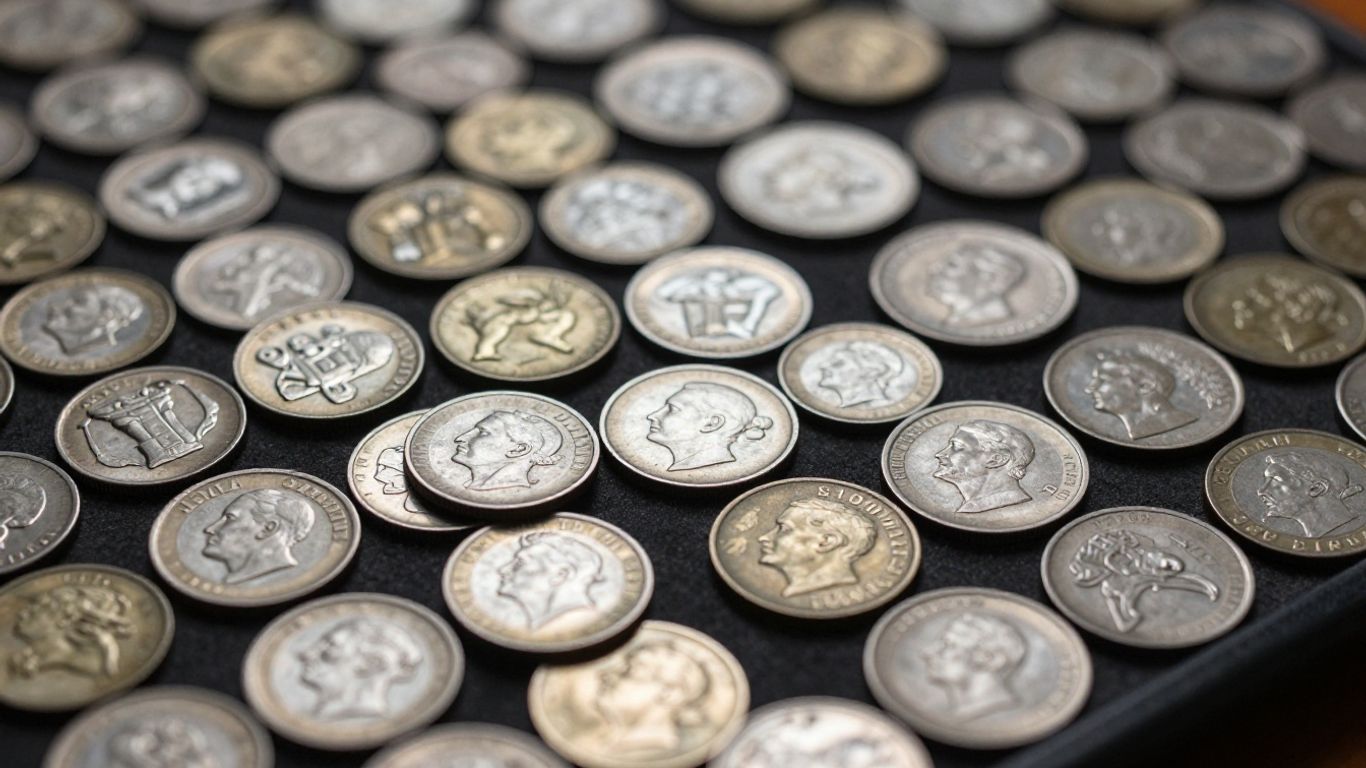
Keeping your coins in good shape is a big part of collecting. It’s not just about finding rare pieces; it’s also about making sure they stay that way. Think of it like taking care of a piece of history. If you don’t handle them right, you can accidentally damage them, which really hurts their look and their worth.
Proper Cleaning Techniques for Coins
Cleaning coins can be tricky. For most modern coins you find in circulation, it’s usually best to leave them as they are. If you absolutely must clean a coin, especially an older or more valuable one, proceed with extreme caution. Harsh chemicals or abrasive materials can easily scratch the surface or remove the natural patina that collectors often look for. For general dust or grime on less valuable coins, a gentle rinse with distilled water and a soft, lint-free cloth might suffice. Never use household cleaners or abrasive pads. For valuable coins, it’s often recommended to consult a professional before attempting any cleaning.
Environmental Controls for Storage
Where you keep your coins matters a lot. The environment should be stable. Fluctuations in temperature and humidity can cause problems over time, like corrosion or the growth of harmful mold. Avoid storing coins in places like attics, basements, or garages where these conditions are common. A stable, dry environment is key. Some collectors even use silica gel packets in their storage areas to help absorb excess moisture. Think about the long term; you want your collection to last for decades, if not longer.
Securing Valuable Additions
Once you start building a more significant collection, you’ll want to think about security. For common coins, good quality albums or holders are usually enough. However, if you acquire particularly rare or high-value items, you might consider more robust security measures. This could include:
- Using a safe deposit box at a bank for your most prized possessions.
- Investing in a home safe that is fireproof and secure.
- Keeping an up-to-date inventory with photos, which is helpful for insurance purposes.
Protecting your collection isn’t just about preventing theft; it’s also about safeguarding against accidental damage and environmental harm. A proactive approach to preservation ensures that your coins retain their condition and value for years to come.
Engaging with the Numismatic Community
Joining Online Coin Collecting Forums
Getting involved with other coin collectors online can be a real game-changer for your collection. You can find forums and social media groups dedicated to all sorts of numismatic interests, from specific coin series to general collecting tips. It’s a great place to ask questions when you’re stuck, share pictures of your latest finds, and learn from people who have been collecting for years. Many collectors find that sharing their passion online helps solidify their own knowledge. It’s like having a constant stream of advice and inspiration right at your fingertips.
Attending Local Coin Club Meetings
While online communities are fantastic, there’s something special about meeting fellow collectors in person. Local coin clubs often have regular meetings where members can chat, show off their coins, and sometimes even trade or buy pieces. These gatherings are excellent for getting a feel for the local coin market and meeting dealers you might not otherwise encounter. Plus, you can often see coins up close, which is a different experience than just looking at pictures online.
Sharing Knowledge and Learning from Others
Coin collecting isn’t just about acquiring coins; it’s also about the stories they tell and the knowledge you gain. When you share what you’ve learned, whether it’s about a specific mint mark or a historical detail about a coin, you help others. In return, when you listen to others share their experiences, you pick up on things you might have missed. It’s a give-and-take that benefits everyone involved.
Here’s a quick look at what you might gain:
- New Perspectives: See coins through the eyes of others with different collecting focuses.
- Problem Solving: Get help identifying unknown coins or understanding market trends.
- Networking: Build relationships with other collectors and dealers.
- Discovery: Learn about coin varieties, errors, or historical contexts you hadn’t considered.
The numismatic community is generally very welcoming. Don’t be afraid to introduce yourself and ask questions, even if you feel like you’re just starting out. Most people are happy to share their passion and help newcomers find their footing in the hobby.
Advanced Strategies for Collection Growth
Once you’ve got a solid foundation for your coin collection, you might start thinking about how to really make it stand out. This is where some more involved approaches come into play, helping you find those special pieces that others might overlook.
Identifying Scarce Varieties and Errors
Beyond the common dates and mint marks, coins can have interesting variations or mistakes made during the minting process. These are often called "varieties" or "errors." Varieties might be small changes in the design, like a doubled die (where a part of the design appears doubled) or a repunched mint mark (where the mint mark was punched onto the die more than once). Errors are more about mistakes, such as a coin being struck off-center, having a piece of metal missing, or being made from the wrong metal.
- Doubled Dies: Look for doubling on numbers, letters, or design elements. This is a common type of variety.
- Off-Center Strikes: The coin is not fully centered on the planchet (the blank metal disc) when struck by the dies.
- Struck Through: This happens when something foreign is between the die and the planchet during striking, leaving a mark or impression.
- Wrong Planchet: A coin struck on a planchet intended for a different denomination or type of coin.
Finding these can be a real thrill. It requires a good eye and often a bit of luck, but it can lead to some very interesting and sometimes valuable additions to your collection.
Developing a Strategy for Filling Collection Gaps
As your collection grows, you’ll naturally notice areas where it’s a bit thin. Maybe you’re collecting a specific series, like Lincoln Cents, and you’re missing several key dates. Having a plan to fill these gaps makes your collecting more purposeful.
- Prioritize: Decide which gaps are most important to you. Are you looking for the rarest dates first, or are you happy to fill in with lower-grade examples to complete the set visually?
- Set Budgets: Determine how much you can realistically spend on each gap-filling coin. Some key dates can be quite expensive, so you might need to save up or look for coins that aren’t in perfect condition.
- Be Patient: Filling major gaps often takes time. Don’t get discouraged if you don’t find that elusive coin right away. Keep attending shows, checking online, and letting your dealer contacts know what you’re looking for.
Building a collection isn’t just about acquiring coins; it’s about the journey of discovery and the satisfaction of completing a set. Each coin added, especially one that fills a long-standing gap, brings a unique sense of accomplishment.
Considering the Role of Historical Context
Sometimes, the real value of a coin isn’t just its metal content or rarity, but the story it tells. Understanding the historical period when a coin was minted can add a whole new dimension to your collection. For example, collecting coins from a specific war period, a time of great economic change, or a significant national event can make your collection a miniature history lesson.
- Event-Specific Collections: Coins minted during the Civil War, the Great Depression, or the early days of the Gold Rush can be grouped by their historical ties.
- Designer Focus: You might choose to collect coins designed by a particular artist, like Augustus Saint-Gaudens or Victor David Brenner, appreciating their artistic contributions.
- Minting Innovations: Collecting coins that showcase advancements in minting technology or design changes over time can be fascinating.
Thinking about the history behind the coins can lead you to new collecting interests you hadn’t considered before, making your collection more than just a group of metal discs – it becomes a curated narrative.
The Meditative Benefits of Focused Coin Collection Building
Cultivating Patience Through Coin Sorting
When you first start sorting through coins, it can feel a bit overwhelming. You might have a mix of old pennies, shiny new quarters, and maybe even some foreign currency. The process of separating them, perhaps by denomination, then by year, and then by mint mark, requires a deliberate pace. This methodical sorting naturally encourages patience. You can’t rush it if you want to do it right. It’s like a quiet puzzle, where each coin has its place. This practice can be a real antidote to the fast-paced, instant-gratification world we often live in. You learn to appreciate the small steps and the quiet satisfaction of bringing order to a jumble.
Enhancing Focus with Detailed Examination
Once you’ve sorted your coins, the next step is often looking closer. You start noticing the tiny details: the profile of a historical figure, the intricate design of an eagle, or the subtle differences between two coins that look almost identical. Using a magnifying glass can reveal even more. This close inspection demands your full attention. Your mind has to zero in on the coin in front of you, blocking out distractions. It’s a form of active mindfulness, where your senses are engaged in a calm, focused activity. This can be incredibly helpful for anyone who finds their thoughts tend to wander.
Finding Calm in the Order of a Collection
As your collection grows and you organize it into albums or holders, a sense of calm can emerge. Seeing your coins neatly arranged, perhaps by series or theme, creates a visual representation of order. This order can be very soothing. It’s a tangible result of your patient sorting and focused examination. The act of building and maintaining a collection can provide a quiet space for reflection and a sense of accomplishment. It’s a hobby that doesn’t just accumulate objects; it can also cultivate a more peaceful state of mind.
- Start Simple: Begin with coins you already have, like pocket change. Don’t feel pressured to buy expensive items immediately.
- Organize Methodically: Separate coins by type, then by year, and then by mint mark. This step-by-step process builds focus.
- Examine Closely: Use magnification to appreciate the details. This trains your attention and observation skills.
- Appreciate the Order: A well-organized collection provides a sense of calm and accomplishment.
The repetitive, yet detailed, nature of coin collecting provides a unique opportunity to quiet a busy mind. It’s a hobby where patience is rewarded not just with potential finds, but with a greater sense of inner peace and concentration.
Wrapping Up Your Collection Journey
So, building a focused coin collection is really about finding what makes you tick. It’s not just about the coins themselves, but the process of learning, organizing, and discovering. Whether you started with pocket change or are aiming for something rarer, the key is to keep it enjoyable and manageable. Remember to store your finds well, keep track of what you have, and don’t be afraid to connect with other collectors. This hobby can bring a real sense of calm and purpose, turning everyday metal discs into a personal adventure. Keep exploring, keep learning, and most importantly, keep having fun with it.
Frequently Asked Questions
How do I begin building a focused coin collection?
To start, think about what really interests you about coins. Maybe it’s a specific time period, a certain country, or even coins with unique designs. Once you have an idea, do some research to see what kinds of coins fit that theme and set some realistic goals for what you want to collect.
Where can I find coins to add to my collection?
You can look through coin rolls from the bank, often called coin roll hunting. Visiting coin shows and talking to local coin dealers are also great ways to find specific coins. Online marketplaces can be useful too, but always be careful and make sure you’re buying from trusted sellers.
What are the best ways to store and protect my coins?
It’s important to use proper coin holders or albums that won’t damage the coins. For valuable coins, consider special protective cases. Keeping your collection in a stable environment, away from extreme temperatures or humidity, is also key to preserving their condition.
Why is it important to document my coin collection?
Keeping a record, like an inventory list, helps you know exactly what coins you have. You can note down details like the year, where it was made, and its condition. This helps you track your progress, understand your collection’s value, and makes it easier to share with others.
How can I tell if a coin is valuable?
A coin’s value depends on many things, like how rare it is, its condition, and if it’s a key date or has a special mint mark. Sometimes, looking at coins with magnification can help you spot details that affect its worth. For very important coins, getting an expert appraisal is a good idea.
Should I clean the coins in my collection?
Generally, it’s best to avoid cleaning most coins, as improper cleaning can lower their value. If a coin is very dirty and you need to clean it, use very gentle methods recommended for numismatics. For valuable coins, it’s often best to leave cleaning to professionals.
How can I learn more about coin collecting?
Joining online coin collecting groups or forums is a great way to connect with other collectors. Attending local coin club meetings allows you to meet people in person, share your finds, and learn from their experiences. There’s always something new to discover!
What are the benefits of having a focused coin collection?
Building a focused collection can be very calming and help you concentrate better. The process of sorting, examining, and organizing coins requires patience and attention to detail, which can lead to a sense of peace and order in your life.