
Capturing the intricate details of a coin isn’t just about the camera; it’s about how light interacts with its surface. Proper lighting can transform a simple metal disc into a relic that tells a story. Without the right approach to lighting for coin photography, those subtle engravings and historical marks can easily get lost. This guide will walk you through the techniques to make your coins shine.
Key Takeaways
- Soft, diffused light is best for coins, as it minimizes glare and reveals surface details without harsh shadows.
- Using multiple light sources – a main, fill, and backlight – can add depth and dimension to your coin images.
- Experimenting with light angles, especially sidelighting, can emphasize the coin’s relief, texture, and inscriptions.
- Choosing the right lighting equipment, from LED ring lights to softboxes, allows for controlled and consistent illumination.
- Accessories like reflectors and diffusers are vital for managing light, filling shadows, and taming harshness.
Understanding The Role Of Light In Coin Photography
The Silent Poet: How Light Sculpts Coin Details
Light is more than just what lets us see; in photography, it’s the primary tool for shaping how we perceive our subject. For coins, this is especially true. Think about how light plays on a textured surface – it can make the high points gleam while casting shadows into the recesses. This interplay is what gives a coin its three-dimensional feel and brings out the fine details that make it interesting. Without the right light, a coin can look flat, losing all the character that years of history or intricate minting have given it. It’s the light that tells the story of the coin’s surface.
From Metal Disc to Relic: Lighting's Transformative Power
When you look at a coin under harsh, direct light, it might just seem like a shiny metal circle. But change the lighting, and suddenly, it transforms. Soft, diffused light can reveal the subtle patina, the wear marks that speak of its journey, and the crispness of its original design. Strategic lighting can make a common coin look like a historical artifact, full of depth and intrigue. It’s about using light to highlight the coin’s unique characteristics, turning a simple object into something that feels significant and ancient.
Unlocking Intricate Designs with Strategic Illumination
Coins are often covered in tiny details – inscriptions, portraits, dates, and patterns. These elements can be incredibly hard to see, let alone photograph, without careful attention to lighting. The way light hits these small features can make them either disappear or stand out dramatically. For instance, a light source placed at a specific angle might catch the edge of a raised letter, making it pop against the background. This strategic illumination is key to showing off the craftsmanship and historical information embedded in the coin’s design.
Lighting isn’t just about making the coin visible; it’s about making its story visible. The subtle shifts in light and shadow can communicate texture, age, and the very essence of the coin’s identity.
Mastering Diffused Lighting For Coin Photography
The Importance of Soft, Even Illumination
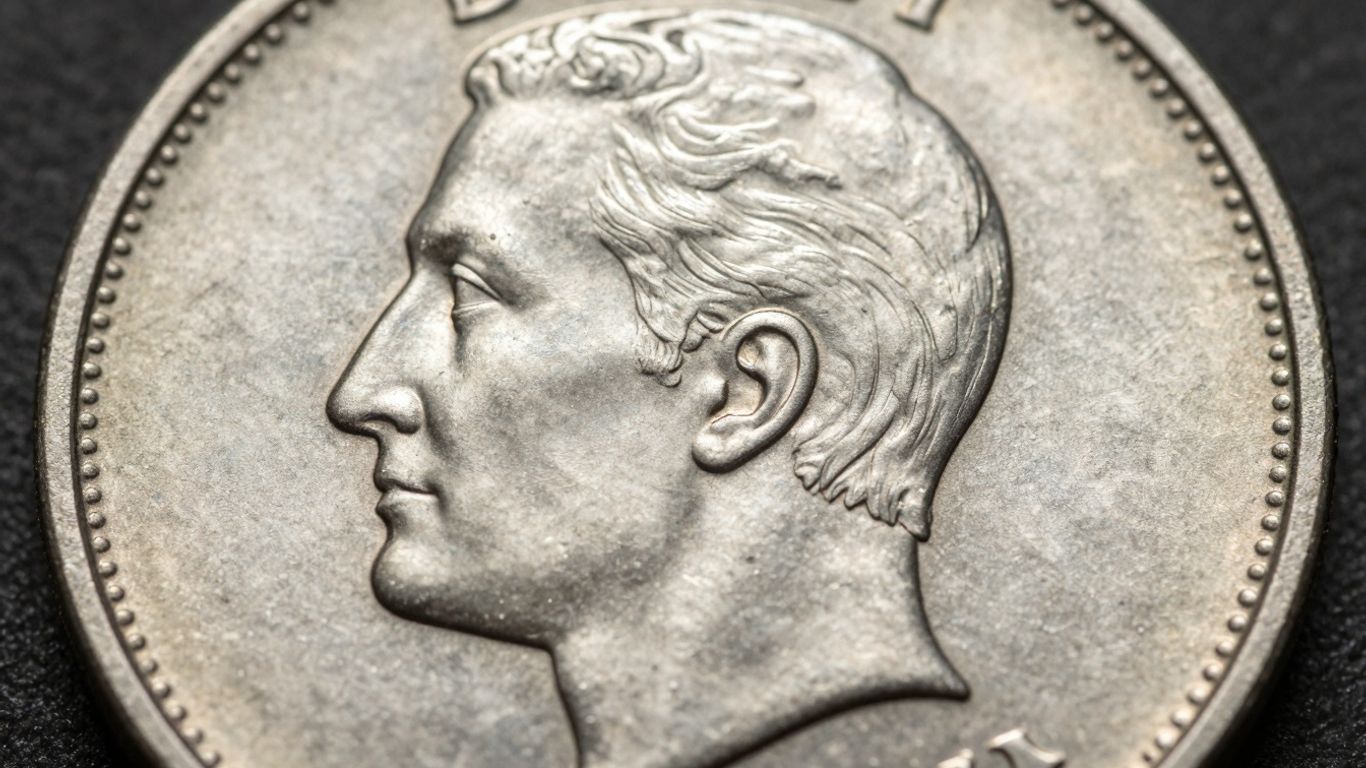
When you’re trying to capture the fine details on a coin, the kind of light you use makes a huge difference. Direct, harsh light is usually the enemy. It creates bright spots that blow out details and deep shadows that hide them. Think about trying to read a map under a single, bare light bulb – it’s tough, right? You get glare and dark patches. Diffused lighting is the opposite. It’s like the gentle light you get on an overcast day. This kind of light spreads out evenly across the coin’s surface. It doesn’t create those sharp, distracting highlights or dark voids. Instead, it reveals the coin’s texture, inscriptions, and any wear marks in a clear, consistent way. This soft, even glow is key to making the coin’s features pop without looking artificial.
Avoiding Glare: Techniques for Reflective Surfaces
Coins, especially those with a polished finish like proof coins, can be incredibly reflective. They act like tiny mirrors, bouncing light right back at the camera. This glare can completely hide the details you’re trying to show. The trick here is to avoid direct light hitting the coin’s surface at an angle that bounces straight back into your lens. Instead, you want to bounce light around the coin. Using diffusers is your best bet. These can be anything from a piece of translucent fabric stretched over your light source to a dedicated softbox. The goal is to spread the light out so it wraps around the coin gently, rather than hitting it like a spotlight. Sometimes, positioning your main light slightly off to the side, and using a reflector to fill in the opposite side, can also help manage reflections by controlling the direction of the light.
Tools for Softening Light: Diffusers and Beyond
Getting that soft, flattering light doesn’t require a massive studio setup. There are plenty of tools you can use, some you might even have around the house. A simple white sheet or a piece of parchment paper held between your light source and the coin can work wonders as a makeshift diffuser. For more consistent results, dedicated photography diffusers are a good investment. These come in various forms:
- Softboxes: These are fabric boxes that enclose your light source, creating a large, soft light. They offer a lot of control.
- Umbrellas: Similar to softboxes, but often more portable. Light is bounced off the inside of the umbrella or shot through a translucent one.
- Diffusion Panels: These are flat panels of translucent material that you can place between the light and the coin.
- Reflectors: While not strictly diffusers, reflectors are vital. They bounce light back into the shadowed areas, softening contrast and filling in dark spots without adding harshness.
The right lighting setup is about control. You want to guide the light, not just blast it. Think of it as sculpting with light, carefully shaping how it falls on the coin to reveal its best features.
Experimenting with these tools will help you find the perfect balance, turning a simple metal disc into a detailed historical artifact on your screen.
Leveraging Multiple Light Sources For Depth
You know, sometimes one light just isn’t enough. Think about how a single spotlight on a stage can make things look dramatic, but maybe a bit flat. Coins are kind of the same way. Using more than one light source helps you really bring out the three-dimensional feel of a coin, making it look less like a flat picture and more like the real object it is.
The Main Light: Defining Sharp Detail
This is your primary light, the one doing most of the heavy lifting. Its job is to hit the coin and make all those tiny details – the inscriptions, the portraits, the dates – super clear and sharp. You want this light to be strong enough to define edges and textures, but not so harsh that it creates blown-out spots or really dark, muddy shadows. Getting this one right is the first big step to a good coin photo.
The Fill Light: Balancing Shadows and Highlights
After the main light does its thing, you might notice some pretty deep shadows. That’s where the fill light comes in. It’s usually a less intense light, or it’s positioned further away, and its purpose is to gently brighten up those dark areas. The goal isn’t to eliminate shadows entirely, but to soften them so you can still see the detail within them. Too much fill light, and you lose that sense of depth; too little, and the coin looks harsh and unbalanced. It’s all about finding that sweet spot.
The Backlight: Adding Drama and Dimension
This is where things get interesting. A backlight is placed behind the coin, often pointing towards the camera or slightly angled. Its main job is to create a subtle rim of light around the edge of the coin. This separation from the background makes the coin pop out, giving it a really nice sense of dimension. It can also catch the edges of raised details, adding a bit of sparkle and making the coin feel more tangible. It’s like the final touch that makes the whole image feel complete and professional.
Exploring Light Angles For Texture Emphasis
Sidelighting: Revealing Every Ridge and Mark
When you’re trying to show off the nitty-gritty details of a coin, the angle of your light source becomes super important. Think about it: a coin isn’t flat. It has raised bits, like the portrait or the lettering, and little dips in between. Direct, overhead light can sometimes flatten everything out, making it hard to see that texture. That’s where sidelighting comes in. By placing your light source off to the side, you create shadows in the lower areas and bright highlights on the raised parts. This contrast is what really makes those textures pop.
Strategic Angles to Highlight Relief
Getting the angle just right can make a huge difference. You’re not just pointing a light at the coin; you’re sculpting it with light and shadow. A low angle, coming from the side, is often best for emphasizing the coin’s relief – that’s the raised design. It exaggerates the height of the lettering and any images on the coin. You might need to move your light around a bit, maybe a little higher, maybe a little more to the side, to find that sweet spot where the details are clear without being washed out or too dark.
Experimenting with Light Placement for Optimal Texture
Honestly, there’s no single magic angle that works for every coin. Different coins have different designs and different levels of wear, which all affect how light plays on them. So, you’ve got to experiment. Try moving your light source around the coin. See what happens when it’s at 45 degrees, or maybe closer to 90 degrees. Sometimes, using two lights, one on each side, can give you a more balanced look while still showing off the texture. It’s all about playing with the light until you see the coin’s surface come alive.
The goal here is to make the coin’s surface tell its own story. You want the viewer to almost feel the raised edges of the design and the subtle wear marks that give the coin its history. It’s a careful balance between showing enough detail and not creating distracting shadows that hide important features.
Choosing The Right Lighting Equipment
Picking the right lights for your coin photography can feel a bit overwhelming, but it doesn’t have to be. Think of it like choosing tools for a craft; you want things that help you do the job well without making it harder. You don’t need a Hollywood studio, just some smart choices.
LED Ring Lights for Consistent Brightness
These are pretty popular for a reason. An LED ring light wraps around your lens, giving you a really even light that comes from all directions at once. This is super helpful for coins because it cuts down on those annoying, sharp shadows that can hide details. Plus, they usually let you adjust the brightness, which is handy. They’re great for getting that consistent, soft glow that makes reflective surfaces look good.
Adjustable Desk Lamps for Flexibility
Don’t underestimate a good old desk lamp! The key here is ‘adjustable.’ You want one you can move around easily, tilt, and position precisely. This lets you play with different angles, which is important for showing off the texture of a coin. You can use one as your main light, or even a couple of them to create more complex lighting setups. Sometimes, just moving a simple lamp a few inches can make a big difference in how the coin looks.
Softboxes and Umbrellas for Controlled Diffusion
If you’re looking to get really professional-looking light, softboxes and umbrellas are the way to go. A softbox is basically a box with a translucent front, and it turns a harsh light source into a big, soft one. Umbrellas work similarly, bouncing light off their inner surface and then diffusing it. These are fantastic for getting that soft, even illumination that’s so good for coins, especially those shiny ones. They spread the light out, making it gentle and reducing glare.
Using these tools helps you control exactly how light falls on your coin. It’s not just about having a light; it’s about shaping that light to show off the coin’s best features without making it look flat or overly shiny.
Natural Versus Artificial Lighting For Coins
When you’re trying to get the best photos of coins, you’ve got two main paths for light: the sun or a lamp. Each has its own vibe and works differently.
Harnessing The Power of Diffused Daylight
Natural light, especially on a cloudy day or near a window with sheer curtains, can be really forgiving. It’s soft and spreads out evenly, which is great for coins because it cuts down on those super bright spots and dark shadows that can hide details. Think of it as the coin’s personal, gentle spotlight. It makes the metal look smooth and shows off the design without making it look like a mirror. You don’t need fancy gear; just finding the right spot near a window can make a big difference. It’s free, it’s easy, and often, it looks fantastic.
When to Use Artificial Light Sources
But what happens when the sun isn’t cooperating? Or maybe you need to shoot at night? That’s where artificial lights come in. They give you control. You can turn them on whenever you want, no matter the weather. This is super handy if you’re trying to get a consistent look across many photos or if you need to shoot in a specific location that doesn’t have good natural light. Artificial lights can be anything from a simple desk lamp to more complex studio setups.
Continuous Lights vs. Flashes for Coin Shots
Within artificial lighting, you have a couple of main types. Continuous lights, like LED panels or lamps, stay on constantly. This is nice because you can see exactly how the light is hitting the coin before you even take the picture, which makes focusing easier. Flashes, on the other hand, give a quick burst of light. They’re powerful and can freeze motion, but you don’t see the effect until after the shot. For coins, where you’re usually not dealing with movement, either can work, but continuous lights often make the setup process a bit more straightforward.
Here’s a quick rundown:
- Natural Light:
- Pros: Soft, even, free, easy to find.
- Cons: Dependent on weather and time of day, less control.
- **Artificial Light (Continuous):
- Pros: Always available, good for focusing, predictable.
- Cons: Can generate heat, might require more setup.
- **Artificial Light (Flash):
- Pros: Powerful, freezes motion, versatile.
- Cons: Harder to preview effect, can be harsh if not diffused.
Choosing between natural and artificial light often comes down to what you have available and what kind of control you need. For beginners, diffused natural light is a great starting point. As you get more serious, artificial lights offer the consistency and power to really dial in your results.
Essential Accessories For Lighting Control
Beyond the lights themselves, a few key accessories can really make a difference in how your coin photos turn out. Think of these as the supporting cast that helps your main actors—the lights—perform their best. They’re not fancy, but they’re super useful for getting that perfect shot.
Reflectors: Bouncing Light to Fill Shadows
Sometimes, your main light creates shadows that are just a bit too dark, hiding important details. That’s where a reflector comes in. It’s basically a surface that bounces light back into those shadowy areas. You can buy fancy ones, but honestly, a piece of white foam board, a white card, or even a plain white sheet of paper can do the job. The idea is to gently fill in the dark spots without adding another light source, keeping the overall lighting natural. The goal is to soften shadows, not eliminate them entirely. You want to see some shadow to give the coin depth, but not so much that you lose detail.
Diffusers: Taming Harsh Light Sources
Direct light from a lamp or even the sun can be really harsh. It creates bright, blown-out spots and sharp, dark shadows that aren’t flattering for a coin. A diffuser spreads the light out, making it softer and more even. This is super important for coins, especially those with shiny surfaces, because it cuts down on glare. You can get dedicated diffusers like softboxes or umbrellas, but simple solutions work too. Try holding a thin white cloth, a piece of parchment paper, or even a white plastic bag between your light source and the coin. It turns a harsh spotlight into a gentle glow.
Remote Shutters and Timers for Stability
Even with a tripod, pressing the camera’s shutter button can cause a tiny bit of shake, which is bad news for sharp coin photos. That’s where remote shutters or your camera’s built-in timer come in handy. A remote shutter lets you trigger the camera without touching it at all. If you don’t have one, using the timer (even just a 2-second delay) gives the camera time to settle after you press the button, so your shot stays perfectly still. This little step makes a big difference in getting those super crisp images where every detail is in focus.
Techniques To Minimize Harsh Shadows And Highlights
Harsh shadows and blown-out highlights can really hide the good stuff on a coin. It’s like trying to read a book with a spotlight directly on the page – you just see a bright spot and a dark mess. The goal here is to get a nice, even look that shows off all the details without making parts of the coin disappear into pure white or black.
The Art of Softening Light
Soft light is your best friend when you want to avoid those nasty, distracting shadows and overly bright spots. Think about a cloudy day; the light is spread out, gentle, and makes everything look smooth. You can get this effect by using diffusers. These are materials that scatter light, making it less direct and more forgiving. Things like thin white fabric, a piece of parchment paper, or even a dedicated photography diffuser can work wonders. It’s about taking a hard, direct light source and making it behave.
Adjusting Light Height and Position
Where you put your light makes a big difference. If a light is too high and directly overhead, it can create deep shadows under raised features, like the rim or any sculpted elements. If it’s too low and to the side, you might get a glare on one side and a dark shadow on the other. You really need to play around with this. Try moving the light source up, down, and side to side. Watch how the shadows and highlights change on the coin’s surface. Sometimes, just a small shift can reveal details you couldn’t see before. It’s a bit of trial and error, but it’s worth it.
Using Reflectors as a Lighting Sidekick
Reflectors are super handy for filling in those dark shadows that lights can sometimes create. They simply bounce light back onto the coin. You can use a piece of white foam board, a silver-covered card, or even a white piece of paper. Position the reflector opposite your main light source. It doesn’t add light, but it redirects existing light into the shadow areas, evening out the exposure across the coin. This helps to bring back detail in those darker spots without making the bright areas even brighter. It’s a simple way to get more control over the light and improve your coin photos.
Here’s a quick rundown of how to manage light:
- Soften the light: Use diffusers to spread out harsh light.
- Adjust position: Move lights up, down, and sideways to see how shadows change.
- Use reflectors: Bounce light into shadow areas to even out the exposure.
- Consider multiple lights: Sometimes, one light isn’t enough. A fill light can help.
Trying to get the lighting just right can feel like a puzzle. You’re balancing bright spots and dark areas, trying to make everything visible and clear. It takes patience and a willingness to experiment with different setups until the coin looks its best.
Directional Lighting To Emphasize Coin Relief
Creating Depth with Side Lighting
While soft, even light is great for showing overall detail, sometimes you need a bit more drama. That’s where directional lighting comes in. Think about how the sun hits a mountain range in the late afternoon – you see all the bumps and valleys because of the shadows. The same idea applies to coins. By placing your light source off to the side, you create gentle shadows that really make the raised parts, like inscriptions or portraits, stand out. It gives the coin a sense of three-dimensionality that flat lighting just can’t achieve.
Highlighting Inscriptions and Features
Coins are often covered in tiny details – dates, mint marks, intricate designs. These can get lost if the light is too flat. Side lighting is your best friend for making these elements pop. It catches the edges of the raised metal, creating little highlights, while the slight depressions fall into shadow. This contrast is what makes those fine details visible and gives the coin character. It’s like shining a spotlight on the most interesting parts of the coin’s story.
The Dramatic Effect of Targeted Illumination
Sometimes, you want your coin to look, well, dramatic. Directional lighting can do that. Instead of just illuminating the whole coin evenly, you can use a focused beam to highlight a specific area. This can draw the viewer’s eye exactly where you want it. It’s not always about showing every single detail; sometimes it’s about creating a mood or emphasizing a particular feature that makes the coin special. It’s a way to add a bit of flair and make your coin photography more engaging.
Here’s a quick look at how different angles can affect the coin’s appearance:
| Light Angle | Effect on Relief |
|---|---|
| Frontal (0 degrees) | Minimal relief, flat appearance |
| Side (45-60 degrees) | Strong shadows, pronounced relief, texture emphasized |
| Top (90 degrees) | Can create harsh shadows or highlights depending on coin surface |
Experimenting with light angles is key. What looks good on one coin might need a slight adjustment for another. Don’t be afraid to move your light around and see how the coin’s surface changes. It’s a bit like sculpting with light.
Setting Up Your Photography Space For Lighting
Choosing a Location with Controlled Environments
Think about setting up your coin photography station. Where you put it really matters. You don’t want a spot where the light is always changing or where there’s a lot of noise. An uncontrolled space means you’ll fight against things like random reflections or shadows that pop up out of nowhere. It’s like trying to paint a detailed portrait in a room with a flickering light bulb – it just makes the job harder than it needs to be. A consistent environment is key to getting repeatable results.
Creating an Ambiance for Your Numismatic Star
It’s not just about the technical stuff; it’s about making the coin feel like the main event. Imagine a theater before a show starts. The stage is ready, the mood is set, and everything is in place for the star performer. Your coin deserves that same kind of attention. This means thinking about the background, how the light will fall, and generally making the whole setup feel intentional. It’s about showing respect for the coin and its history.
The Importance of a Prepared Workspace
Getting your space ready is more than just clearing a table. It’s about setting yourself up for success. Here are a few things to consider:
- Minimize distractions: Find a quiet corner where you won’t be interrupted. This helps you focus on the coin and the lighting.
- Control the light: Think about how you can block out unwanted ambient light. Curtains or even a simple screen can help.
- Organize your gear: Have your lights, camera, and any accessories within easy reach. This saves time and prevents you from fumbling around.
A well-prepared workspace allows you to concentrate on the creative aspects of lighting and composition, rather than constantly battling environmental factors. It transforms the process from a chore into a more enjoyable and productive experience.
When you’re setting up, consider using a circular light if you’re looking for a consistent and even light source that wraps around your subject, which is particularly helpful for reflective surfaces like coins.
Wrapping Up Your Coin Photography Journey
So, we’ve gone over a lot about getting the light just right for your coins. It’s not always easy, and sometimes you’ll feel like you’re just guessing. But remember, playing around with different lights and angles is how you really learn. Don’t be afraid to try new things, even if they seem a bit odd at first. You might find that a simple desk lamp or a piece of paper can make a huge difference. Keep practicing, and soon you’ll be taking pictures of coins that really show off what makes them special. It’s all about making those tiny details pop and telling the coin’s story through your photos.
Frequently Asked Questions
Why is light so important when taking pictures of coins?
Light is like the artist’s brush for coins. It doesn’t just make things visible; it shapes how we see the coin’s details, like its raised designs and tiny marks. Good lighting can turn a flat metal circle into something that looks deep and interesting, showing off its history and beauty.
What's the best kind of light to use for coin photos?
Soft, spread-out light is usually best. Think of light that’s been softened, like on a cloudy day or when it passes through a thin curtain. This kind of light prevents harsh glares and deep shadows, which can hide the coin’s details. It makes the surface look smooth and even.
How can I avoid shiny spots (glare) on my coin pictures?
Shiny spots happen when light bounces straight off the coin’s shiny surface. To avoid this, try moving your lights. Aim them from the side instead of directly at the coin. Using a diffuser, like a piece of white cloth or thin paper between the light and the coin, can also help spread the light out and reduce glare.
What are diffusers and reflectors, and how do they help?
A diffuser is something that softens light, making it less harsh. A reflector bounces light into the darker areas of the coin. Imagine using a white card to bounce light back onto a shadowy part of the coin. Both tools help make the lighting more even and pleasing, bringing out details without harshness.
Is it better to use natural light or artificial lights for coin photos?
Both can work well! Natural light, especially on a cloudy day or near a window with sheer curtains, provides beautiful, soft light. Artificial lights, like LED lamps or softboxes, give you more control, especially when natural light isn’t available or consistent. The key is to make sure the light is soft and even, no matter the source.
Why would I need more than one light?
Using multiple lights helps create a more balanced and professional look. One main light can bring out the sharp details, a second light (fill light) can soften the shadows created by the main light, and a third light (backlight) can make the coin stand out from the background, adding depth and a sense of dimension.
How does the angle of the light affect the photo?
The angle of the light is super important for showing texture. Light coming from the side, known as sidelighting, can create small shadows that highlight the raised parts and engravings on the coin. This makes the coin look more three-dimensional and reveals details you might miss with light coming from straight on.
What kind of equipment is recommended for lighting coin photos?
You don’t always need fancy gear. Adjustable desk lamps can work if you use them carefully with diffusers. LED ring lights are great because they provide even light all around the coin. For more control, softboxes and umbrellas are excellent for creating soft, diffused light. The main goal is to control the light, not necessarily to buy the most expensive items.