
Thinking about selling your gold and silver coins? It can feel a bit overwhelming trying to figure out what they’re really worth. We’re here to help break down the process of calculating coin melt value, looking at both gold and silver. Knowing how to estimate this value is a big step in getting a fair price for your collection, whether you’re dealing with common silver dollars or precious gold pieces. Let’s get started.
Key Takeaways
- Understanding coin melt value calculations for gold and silver involves knowing the weight and purity of the precious metal content in each coin.
- The role of melt value in pricing is significant, serving as a baseline for precious metal items, though numismatic value can sometimes exceed it.
- Factors like demand, rarity, historical significance, and the coin’s condition heavily influence the final market value beyond just its melt value.
- Preparing your collection for sale includes evaluating whether coins are primarily valuable for their metal content (junk silver) or their collectible status (numismatic).
- Navigating the gold market requires understanding product liquidity, the impact of buy-sell spreads, and identifying less liquid items to maximize profit.
Understanding Coin Melt Value Calculations Gold Silver
Defining Melt Value for Precious Metals
Melt value is pretty straightforward: it’s the price you’d get if you melted down a coin or piece of jewelry and sold the raw metal. For gold and silver coins, this value is directly tied to the current market price of the precious metal itself. It represents the absolute minimum value of the metal content, regardless of any numismatic or collector appeal. Think of it as the floor price for any item made of gold or silver.
The Role of Melt Value in Pricing
When you’re looking to buy or sell coins, especially those primarily valued for their metal content (often called "junk silver" or bullion coins), melt value plays a big part. It’s a baseline that dealers and collectors use to make offers. While a coin might have additional value due to its rarity, condition, or historical significance (numismatic value), the melt value is always a consideration. For many common silver coins, like older dimes, quarters, and half dollars, the melt value is often the primary driver of their price.
Calculating Melt Value: Weight and Purity
Figuring out the melt value isn’t too complicated. You need two key pieces of information:
- Weight: How much does the coin weigh? This is usually measured in troy ounces.
- Purity: What percentage of the coin is actually the precious metal you’re interested in? For example, U.S. silver coins minted before 1965 are 90% silver.
Here’s a simple way to think about the calculation:
- Determine the pure metal weight: Multiply the coin’s total weight by its purity percentage. For instance, a coin weighing 1 troy ounce that is 90% silver has 0.9 troy ounces of pure silver.
- Find the current spot price: Check the current market price for one troy ounce of the metal (e.g., silver or gold). This price changes daily, sometimes by the minute.
- Calculate the melt value: Multiply the pure metal weight by the current spot price.
For example, if a coin contains 0.9 troy ounces of silver and the spot price of silver is $25 per troy ounce, the melt value would be 0.9 * $25 = $22.50.
Understanding these basic calculations is your first step in knowing what your gold and silver coins are truly worth based on their metal content alone. It’s a practical skill that helps you avoid overpaying or underselling.
Factors Influencing Silver Coin Value
Beyond just the silver content, a few other things really shake up how much a silver coin is worth. It’s not always just about the weight of the metal.
The Impact of Demand on Coin Prices
Think about it like this: if everyone suddenly wants a specific type of silver coin, its price is going to go up, right? This is especially true for coins that are also collected for reasons other than just their silver. Coins that are popular with collectors, maybe because they look cool or have a neat design, tend to be worth more than just their melt value. This demand can come from anywhere – maybe a new documentary sparks interest, or a particular coin becomes a hot item in online forums. It’s a bit like a bidding war, but for coins.
Rarity and Historical Significance
Sometimes, a coin is valuable because there just aren’t many of them out there. If a mint only produced a small number of a certain coin, or if a particular batch was later destroyed, the few that remain can become quite rare. This scarcity naturally drives up the price. On top of that, some coins have a story. Maybe they were minted during a significant historical event, or they belonged to someone famous. That kind of history adds a layer of appeal that pure silver can’t match. A coin with a good story and a low mintage number is often a winner.
Condition and Wear Affecting Value
This is a big one. A coin that looks like it just came off the mint press is going to be worth a lot more than one that’s been tossed around in pockets for decades. Even tiny scratches or nicks can make a difference. Collectors really care about how well-preserved a coin is. There are grading systems, like those from PCGS or NGC, that give coins a score based on their condition. A coin with a high grade, meaning it’s in great shape, can fetch a much higher price than a similar coin with a lower grade. It’s all about how much detail is still visible and how free from damage the coin is.
When you’re looking at silver coins, remember that the metal price is just one piece of the puzzle. Demand from collectors, how rare the coin is, its historical background, and especially its physical condition all play a significant role in determining its final worth. Don’t just focus on the silver; the other factors can often be more important.
Preparing Your Collection for Sale
So, you’ve decided it’s time to part with some of your coin collection. That’s a big step, and getting ready for the sale is just as important as knowing the melt value. It’s not just about grabbing the coins and heading to the nearest buyer; a little preparation can really make a difference in what you get back. Think of it like getting ready for a job interview – you want to present yourself in the best possible light, and your coins are no different.
Evaluating Numismatic vs. Junk Silver Coins
First off, you need to know what you’re actually selling. Are your coins primarily valuable for their silver content (often called "junk silver" by dealers, though that term can be a bit dismissive), or do they have collector value beyond the metal itself (numismatic value)? This distinction is key because it dictates who your target buyer might be and how you should approach the sale.
- Junk Silver Coins: These are typically common silver coins, often older ones, where the melt value of the silver content is the main driver of price. Think of circulated U.S. dimes, quarters, and half dollars minted before 1965. Their condition might not be pristine, but their silver weight is what matters most to buyers looking for bullion.
- Numismatic Coins: These coins have value based on factors like rarity, historical significance, condition, and demand from collectors. A rare silver dollar in excellent condition might be worth far more than its silver content alone. Collectors and specialized dealers are the primary market for these.
Leveraging Professional Appraisal Services
Trying to figure out the exact value of your collection on your own can be tough, especially if you’re new to this. This is where getting a professional appraisal can really pay off. An experienced appraiser, especially one who deals with precious metals and coins regularly, can spot details you might miss. They understand the market, know what buyers are looking for, and can give you a realistic idea of what your coins are worth, both for their melt value and any numismatic premium.
- Accurate Valuation: Appraisers use their knowledge and tools to determine the precise silver content and purity, as well as assess any collector value.
- Market Insight: They can advise on current market conditions and suggest the best type of buyer for your specific coins.
- Credibility: A professional appraisal adds a layer of trust and legitimacy when you present your collection to potential buyers, which can streamline negotiations.
Organizing and Cataloging Your Holdings
Once you have a handle on what you have and what it’s worth, the next step is to get organized. A well-organized collection is much easier to sell and often fetches a better price. Buyers appreciate it when they can clearly see what you’re offering.
- Inventory List: Create a detailed list of each coin or group of coins. Include the type of coin, year, mint mark (if applicable), condition, and your estimated value (based on your research or appraisal).
- Protective Storage: Keep your coins in appropriate holders to prevent further damage or wear. Avoid cleaning them unless you are absolutely certain it will improve their value – often, it does the opposite.
- Documentation: Gather any original packaging, certificates of authenticity, or previous appraisal documents you might have. This information can significantly boost a coin’s perceived value and buyer confidence.
Preparing your coin collection for sale isn’t just about knowing its worth; it’s about presenting it in a way that maximizes that worth. Understanding the difference between melt and collector value, getting expert opinions, and organizing your items thoughtfully are all steps that lead to a more successful and profitable sale. It takes a bit of effort, but the payoff can be substantial. Remember, buyers are looking for clear information and well-presented items, so put in the work upfront.
Navigating the Gold Market Landscape
Understanding Gold Product Liquidity
When you’re looking to buy or sell gold, how fast you can do it matters. This is called liquidity. Some gold items are easy to trade, while others can sit around for a while. Think of it like selling a popular car versus a really old, custom one. The popular car sells fast, right? Gold is similar.
Highly liquid gold products are typically those that are easily bought and sold with minimal price difference. These are usually standard items that many people want.
Here’s a quick look at what makes gold liquid:
- Recognized Mint Products: Coins and bars from well-known government mints (like the U.S. Mint or Royal Canadian Mint) are usually very liquid. Everyone knows them, and dealers are always ready to buy or sell them.
- Standard Weights: Common weights like 1-ounce coins or 10-ounce bars are easier to trade than odd sizes.
- High Purity: Gold that is 99.9% pure (or very close to it) is generally more liquid than lower-purity items.
On the flip side, less liquid items might take more effort to sell:
- Rare or Numismatic Coins: These have value beyond their gold content due to their history or rarity. They appeal to a smaller group of collectors.
- Unusual Sizes: Gold sold in weights like 3-gram bars or very large bars might not be as easy to move.
- Generic or Unmarked Bars: Bars from less-known refiners can be harder to sell quickly.
When you’re just starting out, sticking with the most liquid gold items is usually a smart move. It means you can get in and out of the market without much hassle or losing a lot of money on the transaction.
The Significance of Buy-Sell Spreads
The buy-sell spread, often just called the ‘spread,’ is the difference between the price a dealer will buy gold for and the price they will sell it for. It’s how dealers make their money. For example, if the market price for gold is $2,000 per ounce, a dealer might buy from you at $1,950 and sell to you at $2,050. That $100 difference is the spread.
- Tighter Spreads: This means the gap between buying and selling prices is smaller. It’s better for you as an investor because you lose less money when you buy and sell. Highly liquid items usually have tighter spreads.
- Wider Spreads: A larger gap means you pay more to buy and get less when you sell. Less liquid or more specialized items often have wider spreads.
- Impact on Profit: The spread directly affects how much profit you can make. If you buy gold with a wide spread and the price only goes up a little, you might not make any money after selling it back.
Identifying Less Liquid Gold Items
Knowing which gold items are harder to sell can save you trouble down the road. These items often require a specific buyer or a bit more time to find the right price.
- Numismatic Coins: While some gold coins are pure bullion, others are old collector coins. Their value isn’t just the gold weight; it’s also about their history, condition, and rarity. Finding a buyer who appreciates these factors can take time.
- Unusual Weights or Forms: Gold sold in non-standard weights (like fractions of a gram or very large bars) or unique shapes might not be in high demand for everyday trading.
- Lower Purity or Unmarked Items: Gold items that aren’t clearly marked with their purity or weight, or those made of lower-karat gold (like 10K or 14K jewelry), can be harder to price and sell quickly. Dealers often treat these more like scrap metal, and the price they offer will reflect that.
Being aware of these factors helps you make better choices when buying gold, especially if you think you might need to sell it sooner rather than later.
Gold Melt Value: The Bottom Line
Calculating Gold Melt Value
Figuring out the melt value of gold is pretty straightforward. It’s basically what the gold itself is worth if you were to melt it down. To do this, you need two main things: the weight of the gold in the item and its purity. You then multiply these together and by the current market price of gold, often called the "spot price." For example, if you have a gold coin that weighs one troy ounce and is 22-karat (which is about 91.67% pure gold), and the spot price for gold is $2,000 per troy ounce, the calculation would look like this:
- Gold Weight: 1 troy ounce
- Purity: 0.9167 (for 22-karat)
- Spot Price: $2,000 per troy ounce
Melt Value = Gold Weight × Purity × Spot Price
Melt Value = 1 oz × 0.9167 × $2,000 = $1,833.40
So, the melt value of that coin is $1,833.40. This number gives you a baseline for the gold’s intrinsic worth.
Market Price vs. Melt Value for Gold
It’s important to remember that melt value isn’t always the same as the market price you’ll see for a gold item, especially for coins. For simple gold bars or rounds from well-known makers, the market price is usually pretty close to the melt value, maybe just a little bit higher to cover the cost of making it (that’s the "premium").
However, for things like collectible gold coins (numismatic coins) or even some gold jewelry, the market price can be much higher than the melt value. This extra value comes from things like how rare the coin is, its historical importance, its condition, or the craftsmanship involved in making the jewelry. On the flip side, a very worn or damaged gold coin might sell for less than its melt value because it’s not desirable as a collectible anymore.
When you’re looking at gold, especially if you’re just starting out and focused on the metal itself, sticking to standard bullion products like popular coins or bars from reputable sources is usually the simplest way to go. These tend to trade closer to their melt value, making them easier to understand and sell.
Example Gold Coin Melt Value Calculation
Let’s look at another example. Imagine you have a gold coin that weighs 31.1 grams (which is roughly one troy ounce) and is 99.9% pure gold. The current spot price for gold is $2,000 per troy ounce.
First, we need to make sure our units match. Since the spot price is per troy ounce, we’ll convert the coin’s weight to troy ounces if it isn’t already. Assuming it’s exactly one troy ounce:
- Weight: 1 troy ounce
- Purity: 0.999
- Spot Price: $2,000 per troy ounce
Melt Value = 1 oz × 0.999 × $2,000 = $1,998.00
This calculation shows that the pure gold content in this coin is worth $1,998.00 at the current market rate. If this were a standard bullion coin, you might expect to buy or sell it for a price very close to this figure, perhaps with a small dealer markup.
Investing in Physical vs. Paper Gold
When you’re thinking about putting your money into gold, there are two main paths: holding actual gold or investing in something that represents gold. It’s like choosing between owning a physical book or just having an e-reader file. Both get you the story, but the experience and what you can do with it are different.
Characteristics of Physical Gold Ownership
Physical gold means you own the metal itself. This can be in the form of coins, bars, or even jewelry. When you buy physical gold, you have something tangible. You can hold it, store it yourself, or put it in a secure vault. This direct ownership is a big draw for many people because there’s no middleman to worry about. You’re not relying on a company or a financial institution to back your investment. It’s just you and the gold. This approach means you have to think about where to keep it safe and whether you need insurance. It’s a bit more hands-on than other options. For those who want to own a tangible asset, physical gold investments are the way to go.
Understanding Paper Gold Instruments
Paper gold, on the other hand, isn’t about owning the metal itself. Instead, you’re investing in financial products that track the price of gold. Think of things like Gold Exchange-Traded Funds (ETFs), gold mining stocks, or futures contracts. With these, you don’t have to worry about storing or insuring anything. You can usually buy and sell them pretty easily through a brokerage account. The value of these instruments goes up and down with the price of gold, but you never actually touch the gold. It’s more about betting on the price movement than owning the physical commodity.
Risks and Benefits of Each Investment Type
Each way of investing in gold has its own set of pros and cons. Physical gold offers direct ownership and removes the risk that someone else might not be able to pay you back if you owned a paper asset. However, it comes with storage costs and can be harder to sell quickly if you need cash fast. Paper gold is generally easier to trade and doesn’t require you to find a place to store it. But, you do have counterparty risk – the risk that the entity issuing the paper gold might fail. Also, you don’t have the same sense of direct ownership. Many investors find a balance by owning some physical gold and also investing in paper gold instruments to get the benefits of both.
Current Market Trends in Silver
Analyzing Recent Silver Price Fluctuations
The price of silver can swing quite a bit, and keeping an eye on these ups and downs is pretty important if you’re looking to sell or buy. It’s not just about the daily news; sometimes, small shifts can add up. For instance, a sudden increase in industrial demand for silver, which is used in everything from solar panels to electronics, can push prices higher. Conversely, if major economies slow down, that industrial demand might dip, affecting the price. We’ve seen periods where silver prices have climbed steadily for months, only to see a sharp correction. It’s a dynamic market, and understanding these movements helps you make smarter decisions.
Global Economic Factors and Silver Prices
Global economics plays a huge role in how silver is valued. Think about inflation – when the cost of everyday goods goes up, people often look for ways to protect their money. Silver, like gold, is seen as a safe haven asset, meaning its price can increase when people are worried about the economy or the value of paper money decreasing. Currency strength also matters. If the US dollar weakens, silver, which is often priced in dollars, can become cheaper for buyers using other currencies, potentially increasing demand and price. Geopolitical events, like international conflicts or trade disputes, can also create uncertainty, leading investors to seek out tangible assets like silver.
Technological Innovations in Trading
Technology has really changed how people trade silver. Gone are the days when it was all done through physical exchanges. Now, you have online trading platforms, sophisticated algorithms, and even digital currencies that can be linked to precious metals. This makes trading faster and more accessible to more people around the world. However, it also means prices can react more quickly to news and events. Some new technologies are also focused on making the supply chain more transparent, from mining to the final product, which can affect how the market perceives value.
Shifting Investor Preferences
What investors want can change over time, and this definitely impacts silver. For a long time, silver was mainly seen as a hedge against inflation or a speculative investment. But lately, there’s been a growing interest in ‘green’ investments. Since silver is a key component in solar panels and electric vehicles, this trend is boosting its appeal. Also, some investors are moving away from traditional paper assets and looking for physical goods they can hold, like silver coins or bars. This shift can create new demand and influence prices in ways we haven’t seen before.
The silver market is influenced by a mix of industrial needs, global economic stability, and how investors choose to put their money to work. Staying aware of these interconnected factors is key to understanding its current value and future potential.
Assessing Coin Condition for Optimal Pricing
When you’re looking to sell your coins, how they look really matters. It’s not just about the silver or gold content; the physical state of the coin plays a big part in what someone will pay for it. Think of it like selling a used car – one that’s been well-maintained and looks good will always fetch a better price than one that’s seen better days. This section will walk you through why condition is so important, what to look for, and how professional grading systems can help you get the most for your collection.
Identifying Common Flaws and Defects
Before you can even think about pricing, you need to know what to look for. Coins can get damaged or worn over time, and these imperfections can really knock down the value. Keep an eye out for:
- Wear: This is usually seen on the high points of a coin’s design, like the cheek on a portrait or the tips of wings. The more worn down these areas are, the less valuable the coin generally becomes.
- Scratches: These can range from tiny hairlines to deep gouges. Even small scratches can affect a coin’s appeal, especially to collectors who want their pieces to look perfect.
- Tarnish and Corrosion: While silver naturally tarnishes, heavy or uneven tarnish, or signs of corrosion (like pitting), can be a major turn-off. Sometimes, cleaning can make these worse, so it’s often best left alone.
- Dents and Rim Damage: Any damage to the edge or surface of the coin, like a dent or a bent rim, will significantly reduce its desirability.
The Importance of Coin Condition
So, why does all this matter so much? Well, the condition of a coin is one of the primary factors determining its worth, right alongside its melt value and any numismatic (collector) appeal. A coin in pristine, uncirculated condition will almost always be worth more than a heavily circulated or damaged example of the same coin. Buyers, whether they’re collectors or dealers, are looking for the best possible examples to add to their own holdings or inventory. A coin that looks great, with sharp details and minimal wear, is simply more attractive and commands a higher price. It’s a straightforward concept: better condition equals better price.
Utilizing Professional Grading Systems
Trying to assess a coin’s condition on your own can be tricky, especially if you’re new to it. That’s where professional grading services come in. Companies like PCGS (Professional Coin Grading Service) and NGC (Numismatic Guaranty Company) have experts who examine coins and assign them a numerical grade, typically on a scale of 1 to 70. This grading is done under strict standards, and the coin is then sealed in a protective holder (a "slab") with its grade clearly marked.
Having a coin professionally graded offers several benefits:
- Objectivity: It provides an unbiased assessment of the coin’s condition, removing personal opinion from the equation.
- Standardization: It uses a widely recognized grading scale, so buyers and sellers everywhere understand what the grade means.
- Trust: A graded coin often inspires more confidence in buyers, as they know it has been authenticated and evaluated by experts.
- Protection: The slab protects the coin from further damage or mishandling.
While grading costs money, for valuable coins, the increased price they can fetch due to a high grade often more than makes up for the expense. It’s a way to add a layer of credibility and marketability to your collection.
Negotiation Strategies for Coin Sales
Successfully selling your coins involves more than just knowing their worth; it requires a strategic approach to negotiation. Approaching discussions with buyers requires preparation and a clear understanding of your position. Setting realistic expectations is the first step toward a favorable outcome. This means having a solid grasp of both the melt value and any potential numismatic premium your coins might hold.
Setting Realistic Expectations
Before engaging with any potential buyer, it’s vital to establish a baseline for your coin’s value. This involves thorough research into current market prices for both the precious metal content and the coin’s collectible status. Consider the following:
- Melt Value: Determine the current spot price of gold or silver and calculate the value based on your coin’s precise weight and purity. This provides a floor for any negotiation.
- Numismatic Value: Research recent sales of comparable coins in similar condition. Reputable sources and auction records can offer insights into what collectors are willing to pay for the coin’s rarity, historical significance, and condition.
- Market Conditions: Understand the current demand for both the metal and the specific type of coin you are selling. A strong market can give you more room to negotiate.
Handling Counteroffers Effectively
When a buyer presents an offer, it’s rarely the final word. Be prepared to evaluate their proposal against your research. If the offer is lower than expected, don’t be discouraged. Instead, consider making a well-reasoned counteroffer. This involves:
- Justifying your position: Refer back to your research on melt value and numismatic appeal. If you have an appraisal, this is the time to present it.
- Understanding the buyer’s perspective: Buyers need to make a profit. Acknowledge this, but also highlight the quality and desirability of your coins.
- Being willing to compromise: Negotiation is a two-way street. Identify where you might be flexible without significantly devaluing your collection. For instance, if you need to sell silver coins for maximum profit and safety, getting your coins assessed by an expert is a good start.
Leveraging Dealer Reputation
When dealing with established coin dealers or precious metal buyers, their reputation can be a significant factor. A dealer with a long-standing positive history often signifies fair dealing and transparent practices. When you approach such a dealer, you can often expect:
- Transparency in pricing: Reputable dealers are usually willing to explain how they arrived at their offer, detailing the melt value calculation and any numismatic assessment.
- Fair market assessment: They have a vested interest in maintaining their reputation, which generally leads to more competitive offers.
- Professionalism: The transaction process is typically smoother and more secure with a well-regarded dealer.
Engaging in negotiations requires patience and a clear head. Avoid making hasty decisions, especially if you feel pressured. Remember that your goal is to achieve a fair price that reflects the true value of your coins, considering both their metal content and their collectible nature. A well-prepared seller is always in a stronger negotiating position.
Maximizing Your Coin Sale Profit
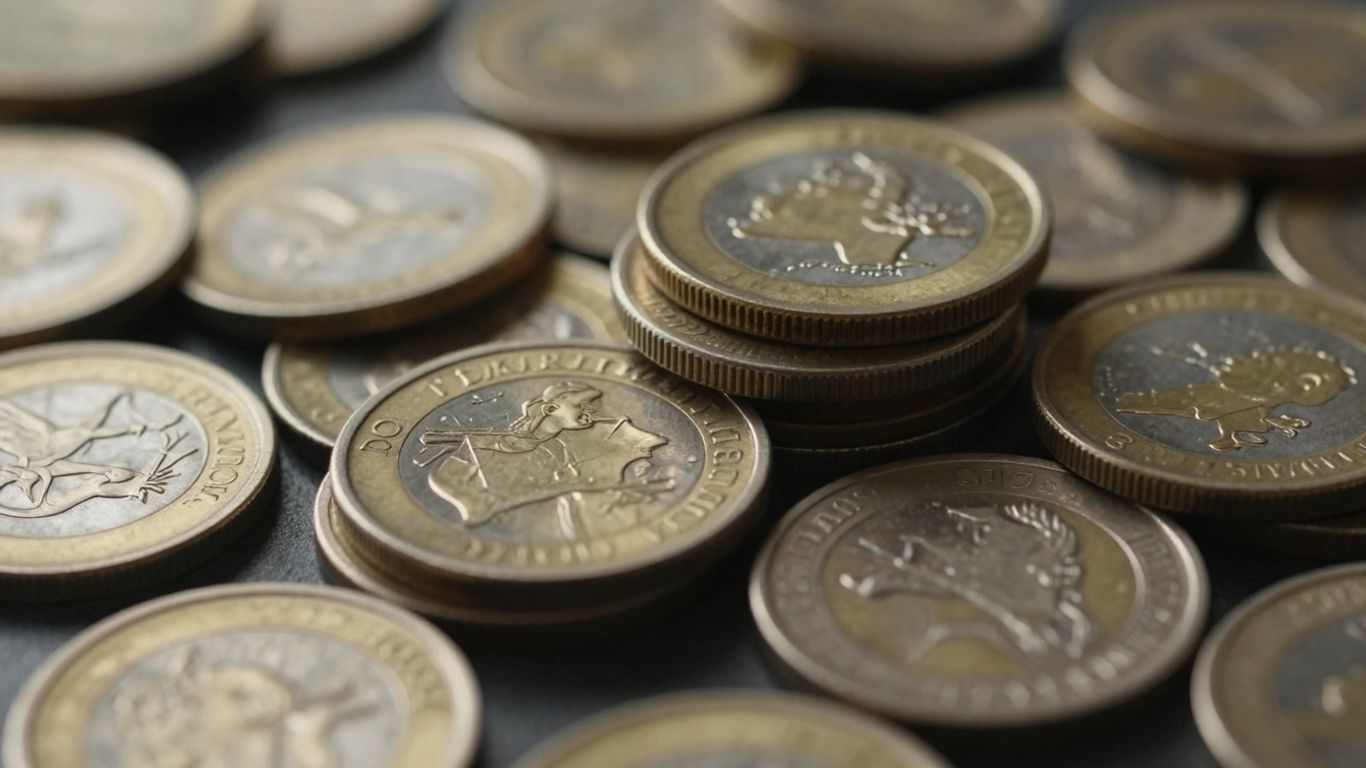
So, you’ve figured out what your coins are worth, maybe even their melt value, and now you’re ready to sell. That’s great! But how do you make sure you’re getting the most money possible for them? It’s not just about finding a buyer; it’s about being smart about the whole process. Let’s break down how to really boost your returns.
Building Rapport with Potential Buyers
Think about it: people like doing business with people they trust. When you’re selling something valuable like coins, building a connection with a potential buyer can make a big difference. This isn’t about being overly friendly, but about being professional, honest, and knowledgeable. If you’re selling to a dealer, they might be more inclined to offer you a better price if they see you as a serious seller who understands the market. For collectors, showing genuine interest in their hobby can sometimes open doors. It’s about making the transaction feel less like a quick sale and more like a fair exchange between two people who appreciate these items.
The Value of Appraisal Services
Before you even talk to a buyer, you need to know what you have. This is where professional appraisal services come in. They can tell you not just the melt value, but also any numismatic value your coins might have. A good appraisal gives you a solid baseline for negotiations. It’s like going into a negotiation with a clear understanding of your position. You can find these services at reputable coin shops or through independent appraisers. Getting a professional opinion is a key step in selling silver coins to maximize your profit.
Strategic Timing for Selling Coins
When you sell can be just as important as who you sell to. The price of gold and silver fluctuates daily based on market conditions. Keeping an eye on these trends can help you pick a good time to sell. If you’re not in a rush, waiting for a peak in the market could mean a significantly higher payout. It requires a bit of patience and research, but the payoff can be substantial. Consider these points when deciding the best time:
- Monitor Market Prices: Regularly check the spot price for gold and silver. Resources like financial news sites or specialized metal trading platforms can provide this information.
- Consider Economic Factors: Broader economic news can influence precious metal prices. Events like inflation concerns or geopolitical instability often drive prices up.
- Understand Buyer Cycles: Some dealers might have specific buying periods or be looking for certain types of coins at different times of the year.
Selling your coins at the right moment can significantly impact the final amount you receive. It’s not just about the intrinsic value of the metal, but also about aligning your sale with favorable market conditions and buyer demand. Patience and informed decision-making are your best allies here.
Here’s a quick look at how different selling venues might affect your outcome:
| Selling Venue | Potential Reach | Pros |
|---|---|---|
| Reputable Coin Dealer | Local/Regional | Expertise, fair pricing, quick transaction |
| Online Marketplaces | Global | Wide audience, competitive bidding |
| Coin Shows | Regional | Direct interaction, multiple buyers |
Wrapping Up Your Coin Calculations
So, we’ve gone over how to figure out what your gold and silver coins are really worth based on their metal content. It’s not super complicated once you know the steps: find out how much metal is in the coin, check the current price of that metal, and do the math. This melt value is a big part of the picture, especially when you’re thinking about selling. Remember, other things like how rare the coin is or its condition can also change the price, sometimes a lot. Knowing this stuff helps you get a fair deal, whether you’re selling to a local shop or online. It’s all about being prepared and understanding what you have.
Frequently Asked Questions
What exactly is 'melt value' for coins?
Melt value is simply the worth of the pure metal inside a coin if it were melted down. For gold and silver coins, it’s based on how much the metal itself is worth on the market right now.
How do I figure out a coin's melt value?
To calculate melt value, you need two main things: the coin’s total weight and how much pure gold or silver it contains (its purity). You then multiply the amount of pure metal by the current market price for that metal.
Besides melt value, what else makes a silver coin worth more?
Several things can increase a coin’s value beyond its metal content. These include how rare it is, its historical importance, its overall condition (how worn it is), and how much people want to collect it (demand).
What's the difference between 'junk silver' and other silver coins?
‘Junk silver’ usually refers to older silver coins that are valued mostly for their silver content rather than their collectible status. Other silver coins might be worth more because they are rare, in great condition, or have special historical meaning.
Why is the condition of a coin so important when selling it?
A coin’s condition greatly affects its price. A coin that looks like new, with no scratches or wear, will almost always be worth more than one that’s been handled a lot or is damaged. Professional grading services help determine this condition.
What is a 'buy-sell spread' when dealing with gold?
The buy-sell spread is the difference between the price a dealer pays to buy gold and the price they sell it for. A smaller spread usually means it’s easier to buy and sell that type of gold product quickly.
Is it better to own physical gold or 'paper gold' investments?
Physical gold means you own actual gold bars or coins you can hold. ‘Paper gold’ involves financial products like gold funds that track the price of gold without you owning the metal directly. Each has its own benefits and risks.
How can I get the best price when selling my coins?
To get the best price, understand your coins’ melt value and any numismatic (collector) value. Get professional appraisals, compare offers from different reputable dealers, and consider selling when market conditions are favorable.