
Coin collecting can be a really engaging hobby. As your collection grows, keeping things tidy becomes important. It’s not just about having a lot of coins; it’s about knowing what you have and taking care of it. This article offers some straightforward advice on organizing coin collections effectively, whether you’re just starting out or have been collecting for years. We’ll cover how to set things up so you can really enjoy your coins.
Key Takeaways
- Start by figuring out why you’re collecting coins. Knowing your goal helps you decide what to collect and how to keep it organized.
- Keep a detailed list of all your coins. Include basic facts like the year, type, and where it came from. Using a computer or app can make this easier.
- Use good storage materials to protect your coins from damage. Things like special holders and cases can make a big difference.
- Arrange your coins in a way that makes sense to you, like by country, time period, or what they’re made of. This makes your collection easier to look through.
- Regularly check on your coins and their storage. Proper care helps keep them in good shape for a long time.
Establishing Your Collection's Foundation
Before you even think about fancy holders or software, it’s smart to get a handle on why you’re collecting coins in the first place. This isn’t just about grabbing shiny things; it’s about building something meaningful to you. Think about what really sparks your interest. Are you drawn to a specific time in history, like ancient Rome or the Wild West? Maybe you love coins from a particular country, or perhaps you’re fascinated by the different metals they’re made from. Defining your focus early on will save you a lot of time and money down the road.
Define Your Collecting Purpose
Why are you putting these coins together? It might be for the sheer joy of learning about history, or maybe you see it as a way to build an investment. Some people collect to honor a specific theme, like famous leaders or important events. Knowing your ‘why’ helps you decide which coins to look for and how to arrange them later.
Identify Your Niche or Focus
Trying to collect everything is a recipe for overwhelm. It’s much more manageable and enjoyable to pick a specific area. This could be:
- By Country: Focusing on coins from the United States, Canada, or even a specific region like the British Commonwealth.
- By Time Period: Collecting coins from the 18th century, the Victorian era, or ancient civilizations.
- By Theme: Gathering coins that depict animals, ships, or significant historical figures.
- By Metal: Specializing in gold coins, silver dollars, or even copper pennies.
Understand Your Collection's Goals
What do you hope to achieve with your collection? Are you aiming for a complete set of a particular series, like Lincoln cents? Or is your goal to acquire the finest examples of coins from a certain era? Setting clear goals gives your collecting journey direction and makes it easier to measure your progress. It helps you prioritize what to acquire next and what to pass on.
Cataloging Your Numismatic Treasures
Alright, so you’ve got some coins, maybe a few, maybe a whole pile. Now what? You can’t just shove them in a drawer and expect to remember what’s what. That’s where cataloging comes in. Think of it as giving each coin its own little biography. It might sound like a lot of work, but trust me, it makes everything so much easier down the line.
Essential Coin Details to Record
When you’re jotting down info about a coin, you want to get the important stuff. This isn’t just about knowing you have a quarter; it’s about knowing which quarter. Here’s a basic rundown of what you should be noting:
- Denomination: What is the coin supposed to be worth (e.g., penny, dime, dollar)?
- Year of Minting: When was this coin actually made?
- Mint Mark: Where was it made? Look for little letters like ‘D’ for Denver or ‘S’ for San Francisco. Sometimes there’s no mark, and that’s important too.
- Metal Composition: Is it silver, gold, copper, or something else? This can really affect its value.
- Condition: How worn is it? We’ll get into grading later, but a quick note on its appearance is a good start.
Keeping track of these details helps you understand the story behind each coin and its place in history. It’s like building a personal museum, one coin at a time.
Leveraging Digital Tools for Cataloging
Back in the day, people used big, dusty ledgers. Now? We’ve got computers and phones! Using digital tools can seriously speed things up and make your catalog searchable. There are apps and software made just for coin collectors. You can often snap a picture of your coin and the program helps you fill in some of the details. Plus, you can usually sort your collection by any of the fields you’ve entered – year, mint mark, you name it. It’s way easier than flipping through pages of a notebook.
Creating a Comprehensive Inventory
Your inventory is basically your master list. It should be detailed enough that if, heaven forbid, something happened to your collection, you’d have a solid record of what you owned. Think about including:
- Acquisition Date and Source: When and where did you get the coin? Was it a gift, a purchase, or found in a roll?
- Purchase Price (if applicable): What did you pay for it? This is useful for tracking your investment.
- Notes: Any special stories, errors, or unique features about the coin? Write them down!
Here’s a quick look at what a simple inventory entry might look like:
| Coin Type | Year | Mint Mark | Condition | Acquisition Date | Notes |
|---|---|---|---|---|---|
| Lincoln Cent | 1955 | D | Good | 2023-05-10 | Double Die Obverse (DDO) error |
| Morgan Dollar | 1884 | O | Very Fine | 2024-01-15 | Nice toning on reverse |
Selecting Optimal Storage Solutions
Proper storage is more than just putting coins in a box; it’s about actively protecting your numismatic assets from damage and the elements. Think of it as creating a safe haven for each piece. The materials you choose and the environment you maintain play a huge role in how well your collection holds up over time. Investing in quality storage is a direct investment in the longevity and condition of your coins.
Choosing Protective Coin Holders and Capsules
When it comes to individual coin protection, several options stand out. For common coins or those you handle frequently, 2×2 cardboard holders with Mylar windows are a popular choice. They offer decent protection and are relatively inexpensive. However, be mindful of the cardboard’s acidity, which can degrade over time. Plastic capsules, often made from acrylic or polystyrene, provide a more robust barrier. They are typically inert and offer excellent protection against scratches and environmental contaminants. For higher-value or more sensitive coins, these capsules are often the preferred method. Tubes are also great for storing multiple coins of the same size, especially bullion or uncirculated pieces. They keep coins together and offer a good level of protection, though individual coins within the tube might still rub against each other if not properly secured.
Understanding Archival Materials
Not all plastics are created equal when it comes to coin storage. You want to stick with materials that are chemically stable and won’t react with the metal of your coins. Look for terms like "inert," "archival quality," or "PVC-free." Polyethylene, polypropylene, and Mylar (polyester) are generally considered safe. Avoid materials containing Polyvinyl Chloride (PVC), as it can break down and release harmful acids that cause green or black residue on coin surfaces. This is particularly important for older coins or those with delicate patinas. Always check the packaging or product description to confirm the material composition. You can find safe storage options at many coin collecting supply retailers.
Maintaining Environmental Stability for Preservation
Beyond individual holders, the environment where you store your collection matters immensely. Fluctuations in temperature and humidity are detrimental. High humidity can accelerate corrosion, while extreme temperature swings can cause materials to expand and contract, potentially damaging coins or their holders. Aim for a stable, cool, and dry location. Basements and attics are often poor choices due to their susceptibility to temperature and moisture changes. A dedicated cabinet or shelf in a climate-controlled part of your home is ideal. Consider using silica gel packets to absorb excess moisture if you live in a humid climate, but remember to replace or recharge them periodically. Keeping your collection away from direct sunlight is also important, as UV rays can fade labels and potentially affect some coin materials over long periods.
Structuring Your Collection Logically
Once you’ve got a handle on cataloging and storage, it’s time to think about how you want to arrange your coins. This isn’t just about making things look neat; it’s about creating a system that makes sense to you and helps you find what you’re looking for. A well-structured collection can also tell a story, making it more engaging for you and anyone you share it with.
Organizing by Theme or Historical Period
This is a popular way to group coins, especially if your collection has a specific focus. Think about what connects your coins. Are they all from the same country during a particular war? Do they feature a certain type of animal or ruler? Grouping them this way can highlight historical events or cultural trends.
- Ancient World: Coins from Greece, Rome, and other early civilizations.
- Medieval Era: Coins minted during the Middle Ages.
- Age of Exploration: Coins from the period of global exploration.
- Modern Nations: Coins from the 20th century onwards.
Grouping by Geography or Mint
If your collection spans many countries or you’re interested in the history of coin production, organizing by location makes a lot of sense. You can group coins by continent, country, or even by the specific mint that produced them. This can be especially interesting if you collect coins from different mints within the same country, as it can show variations in design or production quality.
- North America: United States, Canada, Mexico.
- Europe: United Kingdom, France, Germany, etc.
- Asia: China, Japan, India.
- Specific Mints: For example, grouping all US coins by their mint mark (P, D, S, W).
Categorizing by Metal Composition or Denomination
Sometimes, the physical properties of the coins themselves offer the best organizational structure. Grouping by metal (gold, silver, copper, or even alloys) can be useful for understanding the economic history or the value of your collection. Similarly, organizing by denomination (pennies, dimes, dollars, etc.) is a straightforward method, particularly for more modern collections.
- Precious Metals: All gold and silver coins together.
- Base Metals: Copper, bronze, and nickel coins.
- By Denomination: Grouping all quarters, all dollars, etc.
The way you structure your collection is a personal choice. There’s no single ‘right’ way. The most effective system is one that allows you to easily access, appreciate, and understand your coins. Don’t be afraid to experiment with different methods or even combine them to create a system that perfectly fits your numismatic journey.
Ultimately, the goal is to create an organized system that enhances your enjoyment and understanding of your coin collection.
Utilizing Technology for Organization
These days, keeping track of your coin collection doesn’t have to mean stacks of paper and a cluttered desk. Technology offers some pretty neat ways to manage your numismatic treasures. Think of it as giving your collection a digital upgrade. It makes finding things easier and can even help you see the bigger picture of what you’ve got.
Exploring Numismatic Software Features
Specialized software for coin collectors can be a real game-changer. These programs are built with collectors in mind, so they often have features you won’t find in a generic spreadsheet. You can usually input all the basic details like the coin’s year, mint mark, and denomination. But many go further, allowing you to add notes about its condition, where you got it, and even its estimated value. Some software lets you assign unique IDs to each coin, which is handy if you have multiples of the same type.
- Detailed Coin Data Entry: Fields for country, type, year, mint, denomination, metal, and condition.
- Customizable Categories: Ability to create your own tags or groups (e.g., ‘Favorite Types’, ‘Needs Research’).
- Search and Filter Functions: Quickly locate specific coins based on various criteria.
- Reporting Tools: Generate lists or summaries of your collection, perhaps by value or type.
Benefits of Digital Record-Keeping
Moving your collection records online or into software brings a lot of advantages. For starters, it’s much easier to back up your data digitally than it is to keep multiple copies of a paper ledger. If something happens to your computer or your physical records, a digital backup can save the day. Plus, having everything in one searchable database means you spend less time hunting for information and more time enjoying your coins. It also helps when you’re thinking about insurance or if you ever decide to sell some pieces – having a clear, organized record is super important.
Keeping your collection data safe and accessible is key. Digital tools provide a robust way to do this, offering peace of mind and simplifying management tasks.
Integrating Image Uploads and Valuation Tracking
One of the most powerful aspects of modern numismatic software is the ability to upload images. Seeing a picture of each coin right next to its details is incredibly helpful. It lets you quickly identify coins, compare them, and keep a visual record of their condition over time. Many programs also include features for tracking the value of your collection. You can input purchase prices and then update them with current market estimates. This can give you a clear idea of your collection’s growth and overall worth.
| Feature | Description |
|---|---|
| Image Upload | Store photos of both sides of each coin directly with its record. |
| Valuation Tracking | Input purchase price and update with current market values. |
| Condition Notes | Record specific details about a coin’s state for future reference. |
| Acquisition History | Log where and when each coin was acquired, including the seller and price. |
Implementing a Coin Grading System
Understanding Coin Condition and Its Impact
When you start looking at coins more closely, you’ll notice they aren’t all in the same shape. Some look like they just came from the mint, while others are worn down from a lot of handling. This condition is a big deal in collecting. A coin’s grade directly affects its desirability and market value. Think of it like this: a nearly perfect coin is usually worth much more than one that’s heavily damaged or worn. Collectors often pay a premium for coins that have been well-preserved over time. It’s not just about rarity; how a coin has survived its journey through history plays a huge role.
Establishing a Personal Grading Scale
While professional grading services use very specific standards, you can create your own system to keep track of your collection’s condition. This helps you compare coins within your own collection and understand what makes one piece more appealing than another. Here’s a simple way to think about it:
- Mint State (MS): These coins look like they’ve never been circulated. They have full details and original mint luster. You might break this down further, like MS-60 for a basic uncirculated coin, up to MS-70 for a perfect specimen.
- About Uncirculated (AU): These coins show very light wear, usually only on the highest points. Most of the original mint shine is still there.
- Extremely Fine (XF): You can see wear on the coin, but the details are still quite clear. The coin has lost most of its original luster.
- Very Fine (VF): More noticeable wear is present, and some of the finer details might be softened. The coin is clearly circulated.
- Fine (F): Significant wear is visible, and many details are flattened. The coin’s outline might be a bit soft.
- Good (G): The coin is heavily worn, and major details may be hard to make out. The overall design is visible but very worn.
Remember, this is a simplified scale for personal use. Professional grading services have much more detailed categories and use magnification to spot even the smallest imperfections. The goal here is to have a consistent way to describe your coins to yourself and potentially to other collectors.
Assessing Value Through Condition
Once you have a handle on grading, you can start to see how condition impacts value. A coin that’s rare but in poor condition might be worth less than a more common coin in excellent shape. For example, a 1909-S VDB Lincoln cent in Fine condition is valuable, but one graded Mint State 65 Red can be worth many times that amount. When you’re cataloging your coins, noting the grade alongside other details like year, mint mark, and rarity gives you a much clearer picture of its worth. This helps you make informed decisions about buying, selling, or trading, and it also highlights which coins in your collection might be candidates for professional grading if they appear to be in exceptional condition.
Documenting Provenance and Historical Context
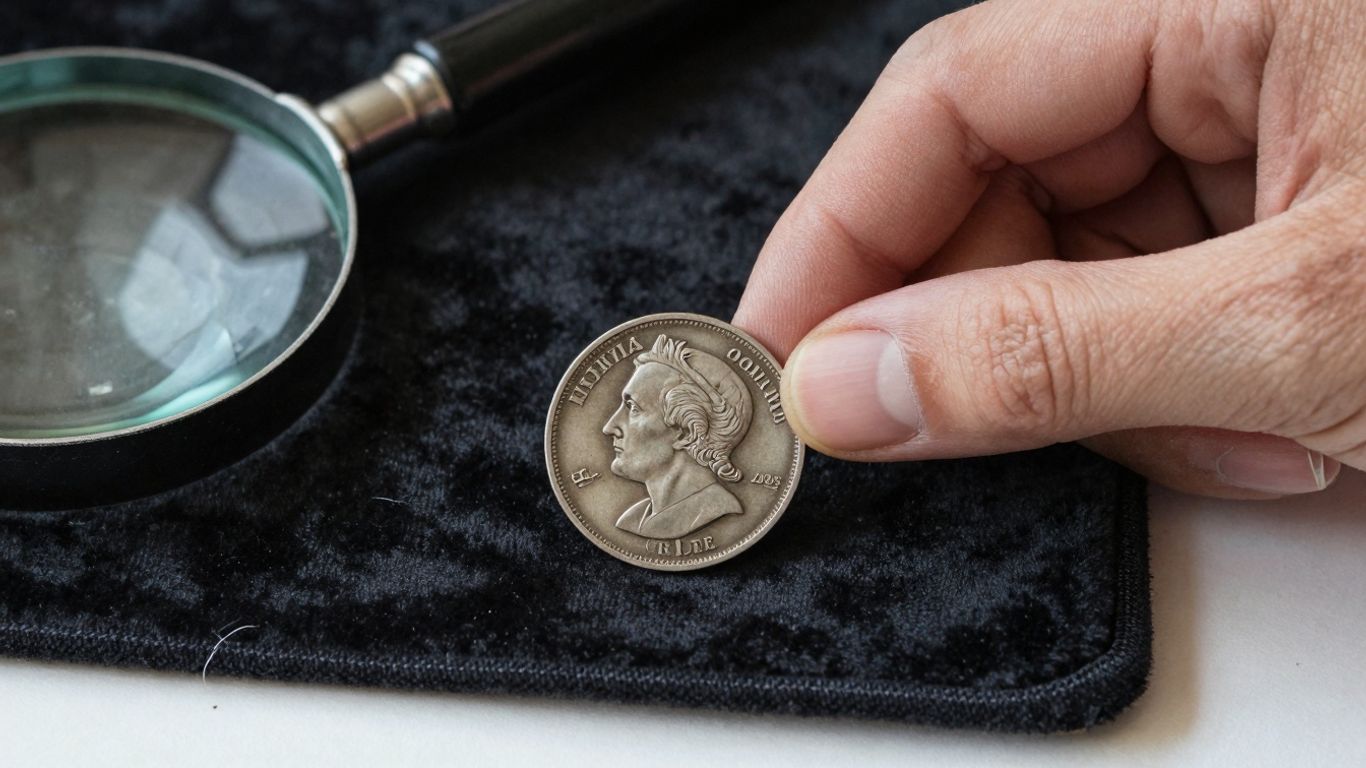
Beyond just knowing what a coin is, understanding where it came from and its story adds a whole new layer to your collection. This is where documenting provenance and historical context comes into play. It’s about tracing a coin’s journey and understanding its place in history. This information doesn’t just make your collection more interesting; it can also add to its credibility and market value.
Recording Acquisition Details and Sources
Every coin has a beginning in your collection, and knowing how you got it is the first step. Keep track of where and when you acquired each piece. This could be from a specific dealer, an auction, a trade with another collector, or even a family heirloom. Recording these details helps establish a chain of ownership, which is vital for authenticity and value.
Here’s a simple way to log this information:
- Coin Identifier: (e.g., Year, Mint Mark, Denomination)
- Acquisition Date: (e.g., MM/DD/YYYY)
- Source: (e.g., Dealer Name, Auction House, Private Seller)
- Purchase Price: (e.g., $XX.XX)
- Notes: (Any specific details about the purchase or the seller)
Gathering Certificates of Authenticity
For many coins, especially older or more valuable ones, a Certificate of Authenticity (COA) is important. This document, often provided by a reputable grading service or dealer, verifies the coin’s identity and condition. If you buy coins from established sources, they often come with these papers. It’s wise to keep these certificates with the corresponding coins, perhaps in a protective sleeve or folder. This provides solid proof of a coin’s legitimacy. You can find more about displaying collections effectively here.
Enhancing Value Through Historical Significance
Sometimes, a coin’s story is as valuable as the metal it’s made from. Was the coin minted during a significant historical event? Does it feature a portrait of a famous ruler or a symbol of a particular era? Researching and noting these historical connections can significantly boost a coin’s appeal. For instance, a coin from the Roman Empire might tell a story about a specific emperor’s reign or a major battle. Understanding these narratives transforms a simple piece of metal into a tangible link to the past. This depth of knowledge is what truly separates a casual accumulation from a curated numismatic collection.
The history behind a coin, its journey through time, and the events it witnessed can be just as compelling as its physical attributes. Documenting this context provides a richer appreciation for each piece and the era it represents.
Maintaining Your Collection's Integrity
Keeping your coin collection in good shape is about more than just looking nice; it’s about making sure these pieces of history don’t fall apart. Think of it like taking care of old books or antique furniture. You wouldn’t just leave them out in the sun or stack them in a damp basement, right? Coins need that same kind of attention to keep their value and their story intact.
Scheduling Regular Inspections
It’s a good idea to set aside time, maybe once or twice a year, to really look at your coins. This isn’t just a quick glance. You want to pull out your collection and check each piece. Look for any signs of trouble: is there any strange discoloration? Are the holders still doing their job, or are they showing wear? Catching small issues early can prevent them from becoming big problems later. This is also a good time to check on the environment where you keep your coins. Is the humidity still stable? Are there any pests that might have found their way in?
Proper Cleaning Techniques and Risks
Cleaning coins is a tricky subject. For most collectors, especially those new to the hobby, it’s best to avoid cleaning coins altogether. Why? Because improper cleaning can seriously damage a coin’s surface, which is a big part of its value. Things like harsh chemicals, abrasive cloths, or even vigorous rubbing can remove patina (that natural surface layer that develops over time) or create fine scratches that are visible under magnification. If you have a coin that looks like it really needs attention, it’s often wiser to consult with a professional numismatist or a coin grading service. They have the knowledge and tools to assess if cleaning is appropriate and how to do it without causing harm. Sometimes, a coin’s value is tied to its original, undisturbed state, and cleaning can strip that away. For general upkeep, a gentle dusting with a soft, lint-free cloth might be all that’s needed for coins stored in protective holders.
Ensuring Storage Solutions Remain Effective
Your coin holders, capsules, and albums are your first line of defense against damage. Over time, even good quality materials can degrade. Plastic holders, for instance, can sometimes develop a hazy appearance or become brittle. It’s important to periodically check that these storage solutions are still providing adequate protection. Are the seals on capsules still tight? Are there any signs of corrosion or reaction between the coin and its holder? If you notice any issues, it’s time to replace the storage. For valuable coins, using inert materials is key, and professional services often use sealed holders, known as slabs, to safeguard authenticated and graded coins, ensuring their long-term protection and integrity. Making sure your storage is up to par is a simple yet vital step in preserving your collection’s condition and worth.
The goal is to maintain the coin’s original state as much as possible. Think of yourself as a caretaker, not a restorer. Your job is to protect what’s already there, not to try and make it look new. This careful approach respects the history and inherent value of each piece in your collection.
Showcasing Your Organized Collection
Designing Attractive Coin Displays
Once you’ve put in the work to organize and catalog your coins, you’ll want to show them off. A well-designed display can really bring your collection to life, making it more than just a pile of metal. Think about what story you want your display to tell. Are you highlighting a specific historical period, a particular country’s coinage, or maybe the evolution of a certain denomination? The arrangement itself can be a form of storytelling.
Consider using display cases with good lighting. This not only protects your coins but also makes them look their best. You can arrange them by theme, color, or even size to create a visually pleasing effect. For smaller collections or individual prized pieces, elegant stands or shadow boxes can work wonders. The goal is to make your coins accessible for viewing while keeping them safe.
Sharing Your Collection with Others
Sharing your passion for numismatics can be incredibly rewarding. It’s a chance to educate others and connect with people who might not know much about coins. When you show your collection, be ready to talk about what makes each piece special. Having your catalog handy can be useful here, allowing you to quickly pull up details about a coin’s history, mint, or any interesting facts.
Think about different ways to share. You could host a small gathering for friends and family, or perhaps present a portion of your collection at a local coin club meeting. Online platforms also offer a way to connect with a wider audience. Posting clear photos and brief descriptions on collector forums or social media can spark conversations and lead to new connections.
The Aesthetic Appeal of an Organized Collection
There’s a certain beauty in order, and it certainly applies to coin collections. When your coins are neatly stored, cataloged, and displayed, their individual beauty and historical significance really stand out. An organized collection feels intentional and cared for, which naturally makes it more appealing to look at and appreciate.
Imagine walking into a room and seeing a display of coins, each one in its own protective holder, arranged logically. You can easily see the details, the wear, and the history etched into each piece. This visual harmony makes the collection a pleasure to behold. It transforms a hobby into an art form, where the coins themselves are the masterpieces, and your organization is the gallery that presents them.
Engaging with the Numismatic Community
Joining Coin Clubs and Forums
Connecting with other people who collect coins can really make the hobby more fun. It’s like finding your tribe, you know? You can find local coin clubs that meet up regularly, or you can join online forums where people chat about coins all the time. These places are great for asking questions when you’re stuck on something, like figuring out what a certain mark on a coin means or if a deal you’re looking at is fair. Plus, you get to see what other people are collecting, which might give you new ideas for your own collection.
Learning from Experienced Collectors
There’s a lot to learn in coin collecting, and honestly, you can’t know it all from books or websites. Talking to collectors who have been doing this for years is super helpful. They’ve seen a lot, made mistakes, and learned from them. They can give you advice on how to spot fakes, what makes a coin valuable, or even how to store your coins properly so they don’t get damaged. It’s like getting a shortcut to knowledge that would take you ages to figure out on your own.
Sharing Your Insights on Organizing Coin Collections Effectively
Once you’ve got a system down for your own collection, don’t keep it to yourself! Sharing what works for you can help other collectors, especially those just starting out. Maybe you found a great way to catalog your coins using a specific app, or you have a clever storage idea that keeps your coins safe. Talking about these things in clubs or online forums not only helps others but also makes you think more about your own methods. It’s a good way to solidify your own knowledge and contribute to the community.
Building a good coin collection takes time and effort, but it’s also about the journey and the people you meet along the way. Don’t be afraid to reach out, ask questions, and share your own experiences. The numismatic community is generally a welcoming group, and you’ll find that most collectors are happy to help each other out.
Wrapping Up Your Coin Collection Journey
So, we’ve gone over a bunch of ways to get your coin collection in order. It might seem like a lot at first, but really, it’s all about making sure you can actually enjoy what you’ve got. Whether you’re just starting out with a few interesting finds or you’ve been at this for years, having a system makes a huge difference. It helps you keep track of everything, protects your coins, and honestly, just makes the whole hobby more fun. Take the time to set up a good system, and you’ll be glad you did when you can easily find that one coin you’re looking for or show off your favorites without a fuss. Happy collecting!
Frequently Asked Questions
Why is it important to organize my coin collection?
Organizing your coin collection helps you keep track of what you have, making it easier to find specific coins and understand the value of your collection. It also protects your coins from damage and makes them more enjoyable to look at and share.
What are the most important details to record for each coin?
You should record basic information like the coin’s type (e.g., penny, quarter), the year it was made, where it was made (mint mark), its value (denomination), and any special features or condition notes. Taking clear pictures is also very helpful.
What are good ways to store my coins safely?
Use protective holders, capsules, or albums made from materials that won’t harm the coins. It’s also important to keep them in a place with a steady temperature and not too much moisture to prevent damage.
How can I group my coins to make sense?
You can group them in different ways, like by country, by the time period they were made, by the type of metal they are, or even by a theme you find interesting. This makes your collection tell a story.
Are there computer programs that can help organize my collection?
Yes! Many special computer programs, sometimes called numismatic software, can help you list your coins, add pictures, and even track their value. This makes managing a large collection much easier.
What does 'grading' a coin mean?
Grading a coin means figuring out how good its condition is. A coin that looks brand new will be worth more than one that is worn out. There are standard ways to describe a coin’s condition, which helps in figuring out its value.
Why is knowing where a coin came from (provenance) important?
Knowing a coin’s history, like who owned it before or where you bought it, adds to its story and can make it more valuable. Certificates of authenticity also prove a coin is real and important.
How often should I check on my coin collection?
It’s a good idea to look over your collection regularly, maybe once or twice a year. This helps you spot any problems with the storage, check if the coins are still in good shape, and make sure everything is safe and sound.