
Coin collecting can be a really interesting hobby, and one of the most exciting parts is finding those coins with mistakes. These aren’t just any old coins; they’re ones that show something went a little off during the minting process. Learning about recognizing coin error types can turn a casual glance into a treasure hunt. It’s like finding a hidden detail that tells a whole story about how the coin was made. This guide is here to help you figure out what to look for, so you can start spotting these unique pieces yourself.
Key Takeaways
- Understanding how coins are made helps in recognizing coin error types.
- Planchet errors are flaws that happen before the coin is struck.
- Die errors occur when the tools used to make the coin get damaged.
- Striking errors are mistakes that happen during the actual pressing of the coin.
- Knowing how to spot and value these errors is key to building a great collection.
Understanding The Fundamentals Of Recognizing Coin Error Types
The Allure Of Minting Mistakes
Coin collecting can be a really interesting hobby, and one of the most exciting parts is finding coins with mistakes. These aren’t just any old coins; they’re like little accidents from the mint, and they have a special appeal. People get drawn to them because they’re different, and they show us that even big machines can mess up sometimes. It’s like finding a typo in a book – it makes you look closer.
Why Error Coins Captivate Collectors
So, why do these flawed coins grab so many collectors’ attention? Well, a big reason is rarity. When a mistake happens at the mint, it usually doesn’t happen to a lot of coins. Maybe only a few, or sometimes just one, get out into the world with that specific error. This scarcity makes them quite desirable. Plus, each error coin tells a story about what went wrong during the minting process. It’s a peek behind the curtain, showing the human and mechanical side of making money.
Here are a few reasons collectors love error coins:
- Uniqueness: No two error coins are exactly alike, even with the same type of mistake.
- Discovery: The thrill of finding an error coin in circulation or in a collection is a big draw.
- History: They offer a tangible link to the manufacturing process and its occasional hiccups.
Error coins are more than just curiosities; they are tangible pieces of history that reveal the complexities and imperfections of mass production. Their appeal lies in their rarity and the unique narrative they present about the journey from raw metal to finished currency.
A Glimpse Into The Minting Process
To really appreciate coin errors, it helps to know a bit about how coins are made. It’s a pretty involved process. First, you have the metal planchets – these are the blank discs that will become coins. Then, these planchets are fed into a coining press. This press has two dies, one on top and one on the bottom, with the coin’s design engraved into them. When the press slams down with immense force, it strikes the planchet, impressing the design onto both sides. It’s a high-speed, high-pressure operation, and that’s where things can sometimes go awry. Understanding these basic steps helps us pinpoint where and how errors can occur.
Identifying Planchet Errors: The Foundation Of Coin Flaws
Before we even get to the striking process, things can go wrong. These are what we call planchet errors. Think of the planchet as the blank metal disc that gets struck by the dies to become a coin. If there’s a problem with this blank before it even reaches the press, you’ve got a planchet error. These are often the most basic types of errors, but they can still be quite interesting and add a lot to a collection.
What Is A Planchet Error?
A planchet error happens when the metal disc itself is flawed before it’s struck by the coin dies. This can occur during the manufacturing of the planchet, which involves cutting the metal discs from a sheet, or even earlier in the metal preparation stage. These errors are essentially defects in the raw material that will eventually become a coin.
Common Planchet Defects To Look For
There are a few types of planchet errors that collectors often look for. They might not be as flashy as a double strike, but they show a different kind of mistake in the minting process.
- Clip Planchets: These occur when the metal strip from which the planchets are punched has a defect, or when the punching process itself is faulty, resulting in a piece of the edge being cut off. You’ll see a curved or straight edge where the coin should be round.
- Lamination Errors: Sometimes, the metal used to create the planchet isn’t perfectly uniform. If there are impurities or air bubbles within the metal layers, they can cause the coin to split or peel apart, often revealing a layered appearance. This is especially common on older coins or those made from certain alloys.
- Strikethrough Errors: This isn’t strictly a planchet error, but it happens to the planchet before or during the strike. If a foreign object, like a piece of metal or debris, gets onto the planchet or the die surface, it can prevent the design from fully impressing onto that area. You’ll see a smooth, un-detailed spot where the object was.
- Wrong Metal Content: Very rarely, a planchet might be made from the wrong metal alloy. These are usually quite noticeable due to their color and weight differences.
The Impact Of Planchet Errors On Value
So, how do these kinds of mistakes affect what a coin is worth? Well, it really depends on the specific error and how noticeable it is. A simple clip might not add a huge amount, but a rare type of lamination or a significant strikethrough can make a coin much more desirable.
The rarity of a specific planchet error plays a big role. If only a few coins are known with a particular defect, collectors will be more interested. It’s not just about the mistake itself, but how uncommon that mistake is in the grand scheme of coin production.
Generally, planchet errors that are obvious and affect the coin’s appearance significantly tend to be more valuable than minor, barely visible flaws. Collectors often seek out coins that clearly demonstrate a deviation from the norm, and planchet errors provide a clear example of this.
Decoding Die Errors: When The Engraver's Tool Fails
Coins are made by striking metal discs, called planchets, between two metal dies. These dies are essentially engraved metal stamps that impart the coin’s design. When something goes wrong with these dies, it can lead to some really interesting errors. It’s not just about the design being slightly off; these are often quite noticeable flaws that collectors seek out. Understanding these die-related mistakes is a big step in recognizing error coins.
Understanding Die Varieties And Errors
Die errors happen when the dies themselves are flawed or damaged during the minting process. This can occur before the die is even used, or it can develop over time as the die strikes thousands of coins. Think of it like a stamp getting worn down or chipped; the impressions it makes will start to show those imperfections.
- Die Cracks: These are thin lines that appear on the coin’s surface, mirroring cracks in the die. They can range from very fine hairlines to significant raised lines.
- Die Breaks: When a piece of the die actually breaks off, it can leave a void or a raised area on the coin. These often look like blobs or irregular shapes.
- Die Sinks/Die Fails: Sometimes, the engraving on the die isn’t deep enough, or a part of the design might be missing or weak. This results in a coin with a weak or incomplete design.
The condition of the die directly impacts the appearance of every coin struck by it.
Recognizing Die Cracks And Breaks
Die cracks are probably the most common type of die error. You’ll see them as raised lines on the coin’s surface. They often start small and get bigger with continued use of the die. A die break is more severe, where a piece of the die is missing. This can create a raised blob or a void on the coin where the metal couldn’t fill in properly. Sometimes, these breaks can be quite dramatic, almost looking like a piece of the coin is missing or has an extra lump.
The Significance Of Die Strikes And Fails
Die strikes refer to how well the die transfers its design onto the planchet. A weak strike means the design is not fully formed, often seen on the high points of the coin. Die fails are more about the die itself being faulty. This could be due to improper hardening, a flaw in the metal of the die, or damage from previous strikes. These issues can lead to a variety of anomalies on the finished coin, making each one a unique piece of minting history. Finding these can be quite exciting, especially if you’re interested in the latest news on mint errors.
Die errors are fascinating because they show the wear and tear of the minting machinery. They are a direct result of the tools used to create the coins, and their presence tells a story about the lifespan and usage of those tools. Collectors often prize these errors as they represent a tangible link to the manufacturing process itself.
Spotting Striking Errors: Mistakes During The Minting Strike
The Mechanics Of A Coin Strike
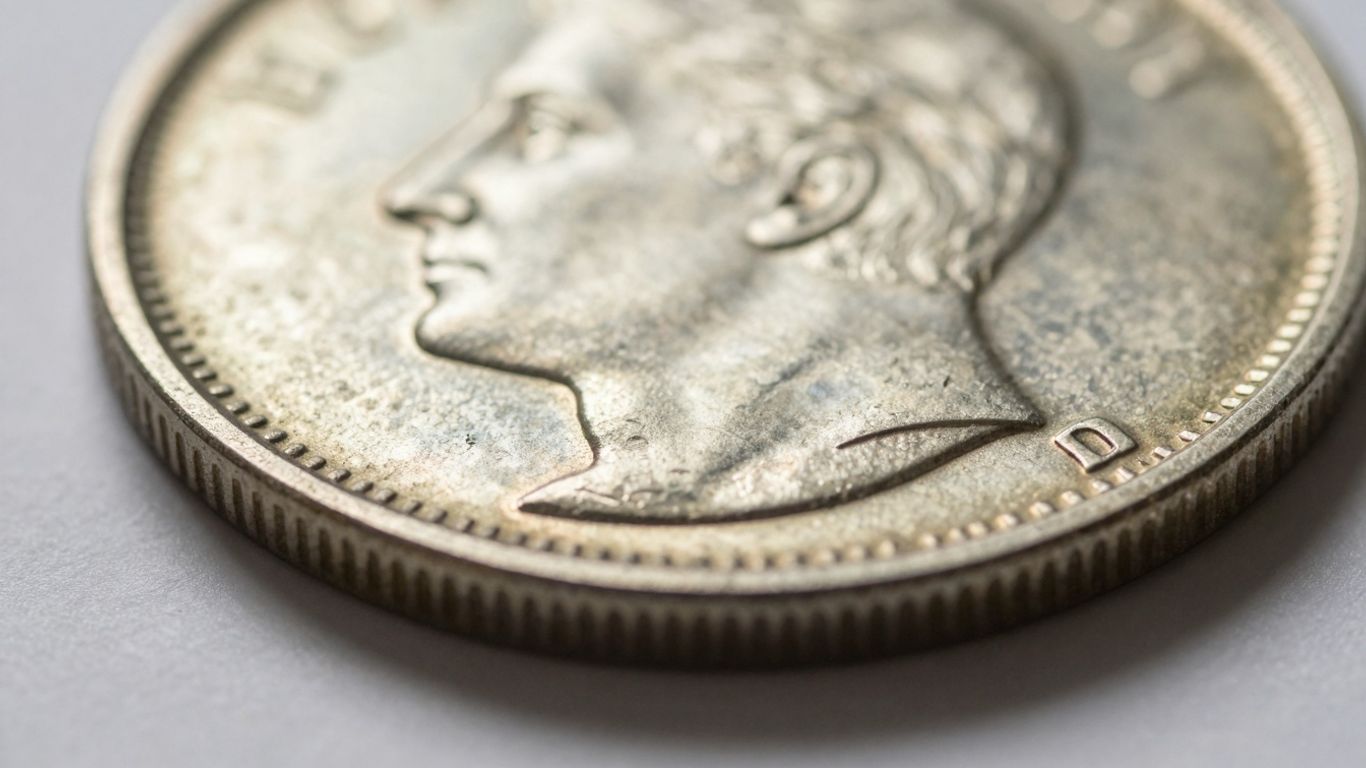
The moment a coin is made involves immense pressure. A blank metal disc, called a planchet, is placed between two dies. One die is on the anvil, and the other is part of the hammer. When the hammer die comes down with force, it impresses the design onto both sides of the planchet. This process happens incredibly fast, millions of times a day in a mint. Because it’s such a high-speed, high-pressure operation, things can go wrong. These are what we call striking errors.
Off-Center Strikes And Their Appeal
Sometimes, the planchet isn’t perfectly positioned between the dies. When the hammer die strikes, the design is only partially impressed, or it’s pushed off to one side. These are known as off-center strikes. The degree of the error can vary a lot. You might see a coin where only a sliver of the design is visible, or one where the design is mostly there but shifted significantly. Collectors often like these because they’re visually striking and clearly show that something went awry during production. The more off-center a coin is, and the clearer the remaining design, the more interesting it can be to collectors.
Double Dies And Multiple Strikes Explained
Double dies happen when the die itself is misaligned slightly between two blows during its creation. When this faulty die is used to strike coins, the design appears doubled. You’ll see a slight ghosting or a noticeable doubling of the design elements, like letters, numbers, or parts of the image. It’s not just a simple overstrike; the die itself was made incorrectly. Multiple strikes occur when a coin is accidentally struck more than once by the dies. This can result in a coin that looks like it has a raised, ghosted image on top of the main design, or sometimes, the planchet might even be slightly thicker. These errors are fascinating because they show different stages of the striking process all on one coin.
It’s important to remember that not every coin that looks a bit strange is a mint error. Sometimes, coins get damaged after they leave the mint. Things like dropping a coin, or it getting caught in machinery, can create marks that look like errors but aren’t. Learning to tell the difference is key.
Here are some common striking errors to watch for:
- Off-Center Strike: The design is not fully centered on the planchet.
- Double Strike: The coin was struck twice, often resulting in a weaker, ghosted image over the primary one.
- Brokage: This happens when a planchet is struck, but then another planchet is fed into the striking chamber before the first one is ejected. The second strike can cause the first coin to be damaged or deformed.
- Struck Through: This occurs when a foreign object, like a piece of metal or cloth, is between the die and the planchet during striking. This can leave an impression of the object on the coin’s surface.
Advanced Techniques For Recognizing Coin Error Types
Subtle Flaws That Indicate Errors
Sometimes, the most interesting errors aren’t the big, obvious ones. You really have to look closely to spot the smaller mistakes. Think about a faint doubling on a letter or a tiny bit of metal that didn’t quite get pressed out. These subtle things can be just as exciting to find, and often, fewer people notice them, making them a bit more special. It’s like finding a hidden detail in a painting that most people walk right past.
Magnification and Lighting for Detection
To really see these subtle flaws, you need the right tools. A good magnifying glass or a jeweler’s loupe is a must-have. Something around 5x to 10x magnification usually does the trick for most common errors. And don’t forget about lighting! A bright, adjustable lamp is key. You want to be able to move the light around to catch different angles and see how the surface reflects. Sometimes, a slight tilt of the coin under the light will reveal a detail you missed.
Here’s a quick rundown of what to bring to your error-hunting sessions:
- Magnifier: A 5x to 10x loupe is a good starting point.
- Light Source: An adjustable desk lamp with a bright bulb.
- Gloves: To keep fingerprints off your potential finds.
- Reference Material: A guide or app with pictures of known errors.
Comparing With Known Error Examples
This is where things get really interesting. Once you think you’ve found something, the best thing to do is compare it to known examples. There are tons of resources online, in books, and from coin clubs that show pictures and descriptions of all sorts of errors. Seeing what a genuine double die looks like, or how an off-center strike typically appears, will help you tell if what you have is the real deal or just a regular coin with some wear and tear.
It’s easy to mistake normal wear and tear, or even deliberate damage, for a mint error. That’s why learning the difference is so important. A coin that’s been run over by a car is damaged, not an error. A coin with a die crack, however, is a genuine error because that crack happened during the minting process itself.
Knowing what to look for and having good reference materials makes all the difference when you’re trying to spot these elusive mistakes.
The Role Of Rarity In Error Coin Valuation
When you find a coin with a minting mistake, the first thing that often comes to mind is, "Is this worth anything?" A big part of the answer to that question comes down to how rare the error is. It’s not just about the mistake itself, but how many other coins out there have the exact same problem. Think of it like finding a four-leaf clover; if everyone had one, it wouldn’t be special. But if only a few people find one, they become quite sought after.
Quantifying The Scarcity Of Errors
Figuring out just how rare an error coin is can be tricky. There isn’t a central registry that tracks every single error coin ever found. Instead, collectors and experts rely on a few things:
- Known Examples: How many of this specific error type have been documented by reputable sources or grading services?
- Discovery Rate: How often do these errors turn up in circulation or in unsearched coin rolls? A coin that’s found frequently is less rare.
- Minting Process: Some errors are naturally more likely to occur than others. For instance, a minor die chip might happen more often than a complete double strike.
The fewer known examples of a specific error, the higher its rarity.
How Rarity Influences Market Demand
Rarity directly impacts how much collectors are willing to pay. If only five examples of a particular error are known to exist, and several collectors want one, the price can go up significantly. It’s basic supply and demand. When a coin is unique or one of only a handful, it becomes a prize for serious collectors.
Here’s a general idea of how rarity can affect value:
| Rarity Level | Known Examples | Typical Market Impact | Example Scenario |
|---|---|---|---|
| Common | 100+ | Low | Minor planchet lamination, small die chip |
| Uncommon | 20-100 | Moderate | Noticeable off-center strike, moderate die crack |
| Rare | 5-20 | High | Significant double die, major off-center strike |
| Very Rare / Unique | 1-5 | Very High | Uniface strike, major mint error with few parallels |
Case Studies Of Rare Error Coins
Sometimes, a specific error becomes famous because of its extreme rarity and the story behind it. For example, a coin with a completely missing denomination or a dramatic double strike on both sides, where only one or two are known, can fetch prices far beyond what a more common error would. These aren’t just mistakes; they’re historical anomalies that collectors strive to own. The thrill of finding such a rare piece is a major draw for many in the hobby.
Authenticating Your Discovered Minting Mistakes
Finding a coin with an unusual feature can be exciting, but it’s important to know if it’s a genuine minting error or just damage that happened later. This step is key to building a collection of actual error coins, not just damaged ones. Distinguishing between these two is where the real detective work begins.
Common Misconceptions About Errors
People often see a coin with a scratch, a dent, or some discoloration and immediately think they’ve found a rare error. However, most of these are simply signs of wear and tear from circulation or mishandling after the coin left the mint. True mint errors happen during the production process. Think of it this way: a coin that’s been run over by a car is damaged, not an error. A coin struck twice with misaligned dies, however, is a genuine error.
Distinguishing Genuine Errors From Damage
To tell the difference, you need to look at how the anomaly occurred. Errors usually have a consistent look related to the minting machinery. Damage, on the other hand, often looks random and inconsistent.
Here are some points to consider:
- Origin of the Flaw: Did it happen at the mint (error) or after it entered circulation (damage)?
- Consistency: Does the flaw look like it was part of the minting process, or does it appear to be external force?
- Location: Errors often affect the entire coin surface in a predictable way, while damage can be localized and irregular.
For instance, a die crack will often extend across a significant portion of the coin’s surface, a result of the immense pressure during striking. A scratch, however, is typically a thin, sharp line that doesn’t follow any pattern related to minting equipment.
Seeking Expert Opinions For Verification
Sometimes, even with careful examination, it can be tough to be certain. That’s where experienced numismatists or professional grading services come in. They have seen countless coins and can spot subtle differences that might escape a beginner. Getting a coin authenticated can confirm its status as a genuine error and help determine its market value. This is especially important if you believe you’ve found a particularly rare minting mistake, like an off-center strike or a double denomination. Consulting with experts is a smart move when appraising a coin collection, as these imperfections can significantly increase a coin’s value [d858].
When you’re starting out, it’s easy to get excited about every odd-looking coin. But take a step back and think about the coin’s journey. Was it likely damaged in someone’s pocket, or did something go wrong when it was being made? This perspective shift is vital for accurate identification.
Building A Collection Of Error Coins
Defining Your Collecting Niche
So, you’ve gotten pretty good at spotting these minting mistakes. That’s awesome! Now comes the fun part: actually putting together your own collection. But before you start grabbing every off-center penny you see, it’s a good idea to think about what kind of errors really grab you. Are you into the really dramatic ones, like coins that are struck multiple times? Or maybe you prefer the subtler stuff, like a faint die crack that only shows up under magnification. Thinking about this now will save you a lot of time and maybe even some money down the road. It helps you focus your search and build a collection that you’re truly passionate about.
Here are a few ways to narrow down your focus:
- Error Type: Do you want to specialize in just one kind of error, like double dies or off-center strikes? This can make your collection very focused.
- Denomination: Maybe you only want to collect error coins of a specific denomination, like dimes or quarters. This keeps things consistent.
- Mint Mark: You could focus on errors from a particular mint, like Denver or Philadelphia, to see how their processes might have differed.
- Historical Period: Collecting errors from a certain era, like the mid-20th century, can give your collection a historical theme.
Deciding on a specific area to collect can make the process more manageable and rewarding. It allows you to become a bit of an expert in that particular niche, which is pretty cool.
Acquiring Error Coins Responsibly
Finding error coins is one thing, but buying them requires a bit of caution. Not everything that looks like an error actually is. Sometimes, coins get damaged after they leave the mint, and it’s easy to mistake that damage for a genuine minting error. Always do your homework before you buy. Check the seller’s reputation, and if possible, try to see the coin in person or get clear, high-resolution photos. If a deal seems too good to be true, it probably is. It’s better to pay a fair price for a genuine error coin than to be stuck with a damaged coin that’s worthless.
When you’re looking to add to your collection, consider these points:
- Reputable Dealers: Stick with dealers who have a good track record in the numismatic community.
- Grading Services: For more expensive error coins, look for ones that have been authenticated and graded by a recognized third-party service like PCGS or NGC.
- Ask Questions: Don’t be afraid to ask the seller about the coin’s history or how they acquired it.
- Compare Prices: Do a little research to see what similar error coins are selling for.
Caring For Your Error Coin Treasures
Once you’ve acquired some great error coins, you’ll want to keep them in good condition. Proper care is important to preserve their appearance and value. For most common error coins, simply storing them in a safe place where they won’t get scratched or damaged is enough. Avoid touching the coin’s surface with your bare fingers, as oils from your skin can cause damage over time. Using cotton gloves or holding the coin by its edges is a good practice. For more valuable or delicate error coins, consider using inert plastic holders or albums specifically designed for coin storage. These provide protection without introducing harmful chemicals.
Here’s a quick rundown on storage:
- Coin Flips/Holders: These are inexpensive plastic sleeves that protect individual coins.
- Coin Albums: Many albums are available with pre-cut slots for specific coin series, offering a neat way to organize and display your collection.
- Capsules: Hard plastic capsules offer excellent protection for individual coins, especially those with significant value or delicate features.
- Avoid PVC: Make sure any storage materials you use are PVC-free, as PVC can damage coins over time.
Wrapping Up Your Error Coin Journey
So, we’ve gone over a bunch of different coin errors, from the ones that happen before the coin is even struck to the ones that happen during the striking itself. It’s pretty wild to think about all the ways a coin can go wrong at the mint, right? But that’s exactly what makes collecting these mistakes so interesting. It’s not just about finding a rare coin; it’s about understanding how it was made, or rather, how it was mismade. Keep your eyes peeled, do your homework, and you might just find some really cool pieces out there. Happy hunting!
Frequently Asked Questions
What exactly is a coin error?
A coin error is a mistake that happens when a coin is being made at the mint. Think of it like a slip-up during the manufacturing process. These aren’t coins that got damaged after they were made; they are flawed from the very beginning.
Why do collectors find these mistake coins so interesting?
Collectors love error coins because they are usually quite rare. When something goes wrong at the mint, only a small number of these flawed coins are typically made. This scarcity makes them special and often more valuable than regular coins. Plus, they tell a story about how coins are made.
What are the main types of coin errors?
There are three main categories: Planchet errors happen before the coin is struck, like a blank metal disc that’s not quite right. Die errors occur when the metal tools used to stamp the coin get damaged. Striking errors are mistakes that happen during the actual stamping process, like the image being off-center.
How can I tell if a coin has a planchet error?
Look for issues with the metal disc itself before the design is stamped on. This could include holes, clips where part of the edge is missing, or metal that’s too thin or thick. These are flaws in the raw material of the coin.
What should I look for to identify die errors?
Die errors often show up as cracks or chips on the surface of the coin’s design, like a faint line or a raised blob. Sometimes, the design might look doubled or mushy because the stamping tool (the die) was worn out or damaged.
What does an off-center strike error mean?
An off-center strike happens when the metal disc doesn’t line up perfectly with the stamping tools. This results in the coin’s design being stamped partly on the coin and partly off the edge, or just not fully centered. The more off-center it is, the more noticeable and often collectible it becomes.
How do I know if a coin's flaw is a real error or just damage?
Real mint errors happen during the creation of the coin. Damage, on the other hand, occurs after the coin has been made, like scratches from being dropped or dents from a hammer. Genuine errors usually have a consistent look related to the minting process, while damage often looks random.
Is it hard to find valuable error coins?
Finding valuable error coins can be challenging, as many common errors aren’t worth much. The real value comes from errors that are rare and visually striking. It takes practice and knowledge to spot these special coins, and sometimes, getting an expert’s opinion helps confirm their authenticity and value.