
So, you’re looking at coins and want to know if they’ve been messed with, right? It’s a big deal because cleaning can really mess with a coin’s value. Different people clean coins in different ways, and each method leaves its own kind of mark. Sometimes it’s a subtle scratch, other times it’s a weird shine that just doesn’t look natural. Learning to spot these cleaned coins indicators is key to not getting ripped off and for building a solid collection. It’s like learning to see the difference between a real antique and a really good fake.
Key Takeaways
- Cleaning coins is a common alteration that can hurt their value. Different cleaning methods leave distinct marks, like fine scratches or an unnatural shine.
- Look closely at luster and color. A coin that looks too bright or has an unnatural, uniform color might have been cleaned.
- Magnification is your friend. Use a loupe to spot fine scratches (hairlines) or an etched, grainy appearance that cleaning can cause.
- Compare wear patterns to how a coin was originally struck. Worn high points usually indicate natural wear, while overall softness might be a weak strike or alteration.
- Trust your gut. If a deal seems too good to be true, or a coin looks ‘off’ in some way, investigate further before buying.
Understanding Coin Alterations
Coins can change over time, and not always in ways that collectors appreciate. When we talk about alterations, we’re generally referring to anything that changes a coin from its original state after it left the mint. This can range from accidental damage to deliberate attempts to make a coin look more appealing, and often, these changes can seriously impact its value. It’s like finding an old piece of furniture; a bit of natural wear might add character, but a botched repair job can ruin it.
Recognizing The Effects Of Cleaning Methods
Cleaning is probably the most common way coins get altered, and it can really hurt their value. Different cleaning methods leave different marks. For instance, dipping a coin in a cleaning solution might remove tarnish but can also leave a slightly "etched" or "grainy" appearance under magnification. Scrubbing a coin, perhaps with a brush or even an eraser, can create fine hairlike scratches across the surface. These scratches might run over the design elements, unlike scratches from die polishing which usually stay in the flat areas. Even a simple wipe with a cloth can leave subtle marks if done too aggressively. Always remember that a coin that looks too shiny or too clean for its age might have been cleaned, and that’s usually not a good thing.
- Dipping: Often results in a slightly grainy or pitted surface, and can strip away original luster.
- Rubbing/Scrubbing: Creates visible hairlines or scratches, which can be directional.
- Polishing: Aims for shine but can remove fine details and create an unnatural, overly smooth appearance.
Being able to spot these alterations takes practice. It’s not just about knowing what a coin should look like, but also understanding how different treatments affect its surface. Think of it as learning to see the subtle differences between a natural tan and a spray tan – one looks authentic, the other often looks artificial.
Identifying Repaired And Restored Surfaces
Sometimes, coins aren’t just worn; they’ve been messed with. Coin doctors, as they’re sometimes called, try to make coins look better than they really are. This can involve filling in holes, smoothing out scratches, or even adding color. It’s a bit like putting makeup on a coin to hide its flaws. The goal is always to make a coin appear more valuable than it truly is. When you’re looking at a coin, pay close attention to the surfaces. Are there any areas that look too smooth, or perhaps a bit lumpy? Sometimes, repairs can create a slightly different texture compared to the rest of the coin. It’s not always obvious, and some of these alterations are pretty sneaky. You might need good lighting and a magnifying glass to spot them. If a coin looks almost too perfect, especially in areas where wear is expected, that’s a red flag. Learning about coin grading services can help you understand how these alterations are viewed professionally.
Recognizing The Signs Of Recoloring
Recoloring is another trick used to make coins look more appealing. This is especially common with copper coins, where artificial red color is added to make them look freshly minted. Original toning, the natural patina that develops over time, usually has a more varied and subtle appearance. Artificial color often looks too uniform or has a strange, almost painted-on look. It might also be too bright or too dark, not matching the typical color for that specific coin and its age. It’s a bit like seeing a brand new car with a paint job that’s just a little too shiny and perfect. Keep an eye out for:
- Uniformity: Unnatural color that is too evenly spread across the surface.
- Hue: Colors that are too bright, too dark, or simply not typical for the coin’s metal and age.
- Texture: Sometimes, the added color can obscure or alter the underlying surface texture in a noticeable way.
Visual Indicators Of Cleaning
Sometimes, a coin just looks a little too good, or maybe a bit off in a way that’s hard to pinpoint. That’s often where cleaning comes into play. Cleaning a coin, even with the best intentions, can change its appearance and, unfortunately, its value. It’s not always obvious, but there are visual cues that can tell you if a coin has been altered.
Examining Luster And Color Changes
Original luster is that soft, satiny sheen a coin has when it’s fresh from the mint. Cleaning can strip this away, leaving a coin looking unnaturally bright or even dull. If a coin has a strange, almost glassy shine, especially on the high points of the design, it might have been polished. Similarly, look at the color. Natural toning, the patina that develops over time, is usually varied and can be quite beautiful. Artificial coloring or dips used in cleaning can result in a uniform, flat color, or sometimes a harsh, metallic look that doesn’t seem right for the coin’s age.
- Original luster: Soft, gentle sheen, often strongest on design elements.
- Artificial shine: Can appear glassy, overly bright, or uneven.
- Natural toning: Varied colors, subtle, follows the contours of the coin.
- Unnatural color: Flat, uniform, overly bright red (on copper), or metallic gray.
Spotting Surface Texture Anomalies
Cleaning methods can leave their own unique fingerprints on a coin’s surface. Scrubbing, even gently, can create tiny, parallel scratches, often called hairlines. These might run across the design elements. Dipping a coin in a cleaning solution can sometimes leave a slightly pitted or grainy texture, which you’ll notice under magnification. It’s like the surface has been lightly etched. These textures are different from the natural wear a coin acquires from circulation.
Pay close attention to how the light reflects off the coin’s surface. Irregularities, streaks, or a general lack of smoothness can be signs that the coin’s original surface has been disturbed.
Detecting Artificial Shine
This ties into luster, but it’s worth focusing on specifically. A coin that has been cleaned often has an artificial shine that doesn’t look natural. Think of it like a car that’s been waxed too much – it looks shiny, but it’s a different kind of shine than a new car’s factory finish. On coins, this can manifest as a bright, reflective surface that seems out of place for a coin of its age and type. It might look almost too perfect, lacking the subtle variations in finish that come with natural aging and handling. This unnatural brightness is a major red flag for collectors.
Microscopic Clues To Look For
The Importance Of Magnification
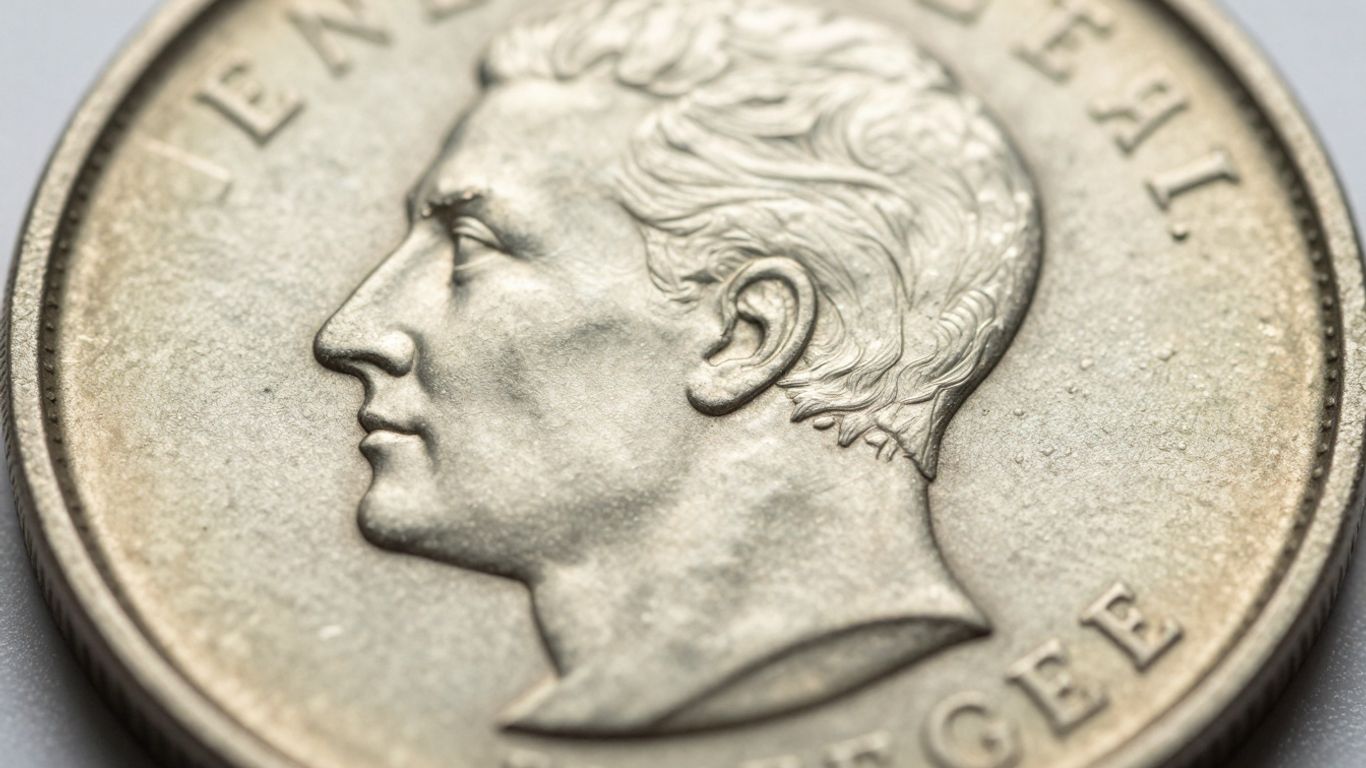
Looking at coins without some help can be like trying to read a book from across the room. You might get the general idea, but you’ll miss all the important details. That’s where magnification comes in. A good magnifying glass, or loupe, is your best friend when you’re trying to spot wear, check for minting errors, or even just admire the fine details of a coin’s design. You don’t need the most expensive one out there to start; a 5x or 10x magnification is usually plenty for most collectors. It helps you see things like the fine lines in a portrait or the subtle wear on a coin’s high points, which are key indicators of its history.
Identifying Fine Scratches And Hairlines
Cleaning is probably the most common way coins get altered, and it can really hurt their value. Different cleaning methods leave different marks. For instance, dipping a coin in a cleaning solution might remove tarnish but can also leave a slightly "etched" or "grainy" appearance under magnification. Scrubbing a coin, perhaps with a brush or even an eraser, can create fine hairlike scratches across the surface. These scratches might run over the design elements, unlike scratches from die polishing which usually stay in the flat areas. Even a simple wipe with a cloth can leave subtle marks if done too aggressively. Always remember that a coin that looks too shiny or too clean for its age might have been cleaned, and that’s usually not a good thing.
Being able to spot these alterations takes practice. It’s not just about knowing what a coin should look like, but also understanding how different treatments affect its surface. Think of it as learning to see the subtle differences between a natural tan and a spray tan – one looks authentic, the other often looks artificial.
Observing Etched Or Grainy Appearances
When a coin has been subjected to harsh cleaning, especially chemical dips, the surface can take on an unnatural texture. Under magnification, this often appears as a fine, granular texture, sometimes described as "grainy" or "etched." This is because the cleaning solution has attacked the metal itself, rather than just removing surface dirt or tarnish. Natural toning or patina develops over long periods and typically has a smoother, more organic appearance. If you see this etched or grainy look, especially in conjunction with an overly bright or unnatural color, it’s a strong sign the coin has been cleaned.
Here are some common cleaning-related surface textures:
- Etched/Grainy: Caused by chemical dips, looks like fine sandpaper.
- Hairlines: Fine, linear scratches from abrasive cleaning (brushes, cloths).
- Scrub Marks: Wider, more visible scratches from more aggressive scrubbing.
The more coins you examine, the better you’ll become at noticing these subtle signs of alteration. It’s about building that instinct.
Wear Patterns Versus Cleaning Marks
It can be tough to tell if a coin has been worn down from use or if it’s just got some marks from being cleaned. Sometimes, these things look pretty similar, and it takes a careful eye to sort them out. The main difference is that wear happens naturally over time from coins rubbing against each other or just being handled. Cleaning, on the other hand, is an active process someone does to a coin, and it often leaves its own kind of marks.
Distinguishing Wear From Strike Weakness
Coins are made by striking metal discs with dies. Sometimes, the strike isn’t strong enough, or the dies themselves might have been worn down. This can result in a coin that looks like it has less detail than it should, especially on the raised parts of the design. This is called a weak strike. It’s easy to confuse this with wear, where the metal has actually been rubbed away. The key is to look at the overall sharpness. If the coin looks fuzzy all over, it might be a weak strike. But if the flat areas are smooth and the high points are rounded off, that’s usually wear. A coin that’s weakly struck often has soft, indistinct details across the entire surface, whereas a worn coin typically shows smoothed high points while flatter areas might retain more definition.
Analyzing High Points For Wear
The highest points on a coin’s design are the first places to show wear. Think about the top of a portrait’s hair, the tips of letters, or the points on stars. On a brand-new coin, these areas will be sharp and often retain some of the original mint luster. As a coin circulates, these high points get rubbed down. This means they become rounded, less distinct, and may lose their original shine. If you see that the color or texture on these raised areas is different from the rest of the coin, it’s a strong indicator of wear. Even coins that look pretty good overall might show subtle wear on these prominent features.
Understanding Bag Marks
Bag marks are small nicks, scratches, or abrasions that appear on a coin’s surface. They happen when coins bump into each other, usually while being bagged, rolled, or transported. These marks are not the same as wear, which is the gradual loss of metal from circulation. However, bag marks do affect a coin’s appearance and can lower its grade, especially on coins that are supposed to be shiny and uncirculated. Most coins that have been handled or bagged will have some degree of bag marks. They tend to be more superficial than wear marks and often appear as tiny, isolated dings rather than smoothed-down design elements.
It’s important to remember that wear is a natural consequence of a coin’s journey through commerce. Cleaning, however, is an artificial intervention. While both can alter a coin’s appearance, the underlying cause and the resulting surface characteristics are distinct. Learning to differentiate these is key to accurately assessing a coin’s condition and value.
The Role Of Patina And Toning
Tarnish Versus Natural Toning
When we talk about the surface of a coin, "patina" and "toning" are words you’ll hear a lot. They basically refer to the color changes that happen to a coin’s metal over time. Tarnish is usually a darker, more uniform coating that forms when the metal reacts with sulfur in the air. Think of old silver spoons getting black. Toning, on the other hand, is a broader term that includes a whole range of colors – blues, greens, purples, reds, and browns – that can develop from various environmental reactions. Natural toning is a slow, organic process that happens when a coin is left undisturbed for years, developing a unique color profile based on its environment and metal composition. It’s not something that happens overnight. Artificial toning, which we’ll get to, often looks too perfect or too uniform.
How Toning Can Mask Wear
This is where things get tricky for collectors. A thick, even layer of toning can hide a lot. It’s like wearing a dark coat on a chilly day; it covers up whatever is underneath. If a coin has developed a deep, rich patina, it can make even significant wear less obvious. The color can obscure the loss of detail on high points, making a coin appear less handled than it actually is. You might see a coin that looks dark and untouched, but when you examine the raised areas, you might notice that the color is thinner or even missing. This suggests that friction has rubbed away both the toning and the original metal, indicating wear has occurred.
Identifying Unnatural Coloration
Spotting artificial toning or recoloring is a skill that takes practice. Natural toning usually has a certain depth and variation to its colors. It might be brighter in some areas and darker in others, often following the contours of the coin’s design. Artificial coloring, however, can look too uniform, too bright, or have a strange, almost painted-on appearance. It might also be a color that’s just not typical for that specific coin series and age. For example, a copper coin that looks a bright, uniform red might have been artificially colored to look new, whereas an original copper coin would likely have more muted, varied tones. It’s about looking for that "too good to be true" look.
Here’s a quick way to think about it:
- Natural Toning:
- Develops slowly over time.
- Colors vary based on environment and metal.
- Often shows depth and subtle variations.
- Can sometimes hide wear, but closer inspection reveals breaks.
- Artificial Toning/Recoloring:
- Often applied quickly.
- Colors can be too uniform, too bright, or unnatural.
- May look "painted on" or lack depth.
- Can be a sign of tampering to increase perceived value.
Essential Tools For Examination
When you’re trying to figure out if a coin has been cleaned, having the right gear makes a huge difference. It’s not about having the fanciest stuff, but about having the basics that let you see what’s really going on with the coin’s surface. Think of it like a detective needing a magnifying glass and good lighting to find clues. Without these, you’re just guessing.
Leveraging Good Lighting For Clarity
Good lighting is super important. You need to see the coin’s surface clearly, without shadows hiding details. A bright lamp that you can move around is best. This lets you angle the light to catch how it reflects off the coin. You can then spot things like hairlines, surface issues, or even the original mint frost that might be missed under flat light. It really shows you the coin’s true condition.
The Necessity Of A Magnifying Loupe
Looking at a coin with just your eyes is like trying to read a sign from far away. You miss all the fine points. That’s where a magnifying loupe comes in. A 5x or 10x magnification is usually enough for most collectors. It helps you see the tiny scratches, the wear on the high points of the design, and any odd textures that might show up if a coin was cleaned. This tool is your best friend for spotting the subtle signs of alteration.
Using A Consistent Light Source
It’s not just about having a bright light, but also about using it consistently. When you’re comparing coins or looking at different parts of the same coin, you want the lighting to be the same. This way, you’re not fooled by changes in brightness or shadow. Using a desk lamp with an adjustable arm is a good idea. You can position it to get the best view without glare, and then keep it in that spot while you examine the coin thoroughly. This consistency helps you make accurate observations about the coin’s surface and any potential cleaning marks.
Developing Your Expertise
Becoming a sharp coin observer isn’t something that happens overnight. It takes time and a lot of looking. Think of it like learning to spot differences in paintings; the more you see, the better your eye gets. You’ve got to put in the hours to really get a feel for what’s normal and what’s not.
Learning From Numerous Coin Examples
Seriously, the more coins you see, the better you get. It’s like anything else, right? You wouldn’t expect to become a great cook after making one meal. Coin examination is the same. By looking at a lot of coins, even ones you aren’t planning to buy, you start to build a mental library of what’s normal and what’s not. You’ll see how different dates and mint marks tend to wear, how certain designs are weaker from the start, and how toning can hide or reveal things. It’s about building that instinct.
- Observe wear patterns: Look at how coins from different series typically show wear. For example, a Morgan dollar wears differently than a Lincoln cent. Knowing these common wear spots helps you spot alterations.
- Note strike quality: Some coins are just made with less detail from the beginning. Seeing many examples helps you spot this, distinguishing it from wear or cleaning.
- Study toning variations: You’ll see everything from light hazing to dark, heavy layers. Understanding how natural toning looks and how it interacts with the surface is key.
The more coins you examine, the more you build an internal reference library. This allows you to quickly identify deviations from the norm, which is often the first sign of a problem.
Familiarizing Yourself With Common Series
When you start looking at coins, it’s easy to get overwhelmed. A good strategy is to focus on a few popular series first. For instance, if you’re interested in U.S. silver dollars, spend time looking at Morgan dollars and Peace dollars. Learn their common dates, mint marks, and the typical wear they exhibit. Knowing what a well-circulated Morgan dollar should look like makes it much easier to spot one that’s been altered. This focused approach helps you build confidence and recognize patterns more quickly.
Building An Instinct For Authenticity
After you’ve spent time looking at many coins and learning about specific series, you’ll start to develop a gut feeling. This instinct is your most powerful tool. It’s that little voice that tells you something might be off, even if you can’t immediately pinpoint why. This feeling comes from repeated exposure and subconscious pattern recognition. Don’t ignore it. When your instinct flags a coin, take a closer look. Compare it to known genuine examples, ask questions, and try to figure out what triggered that feeling. Over time, this instinct will become more reliable and save you from making costly mistakes.
Asking The Right Questions
When you’re looking at a coin, especially if you’re thinking about buying it, don’t be shy about asking questions. It’s not just about getting information; it’s also about seeing how the seller responds. A good dealer will be happy to talk about their coins. If someone seems hesitant or gives you vague answers, that might be a signal to be more careful.
Inquiring About Original Toning
Original toning, that natural color that develops on a coin over time, is a big deal for many collectors. It tells a story about the coin’s environment after it was made. When you see a coin with nice color, it’s smart to ask about it. You might ask, "Can you tell me about the toning on this coin? Is it original?" This question helps you understand if the color is natural or if it was added later, which can affect the coin’s value. Sometimes, toning can hide surface issues, so understanding its origin is key. Learning about the history of a coin can be as interesting as the coin itself.
Discussing Wear On Design Elements
Wear is a natural part of a coin’s life, but how and where it shows up matters. Instead of just asking "Is this worn?", try to be more specific. You could ask, "I notice some softness on the [specific design element]. Is that typical for this date, or is it wear?" For example, on a Liberty Head nickel, you might ask about the hair or the rays on the shield. On a Morgan dollar, you might inquire about the hair on Miss Liberty’s head or the feathers on the eagle. Paying attention to the high points of a design is often the best way to spot wear. These are the areas that get touched the most during circulation. If these points are rounded or fuzzy instead of sharp, it indicates the coin has seen use. Comparing what you see to known examples of wear on similar coins is a good practice.
Seeking Opinions On Coin Grade
Asking a dealer for their opinion on a coin’s grade can be very informative. You could ask, "What’s your opinion on the grade of this coin, and why?" Listen to their reasoning. Do they point out specific details about wear, luster, or surface condition? This not only helps you learn how they assess coins but also gives you a benchmark for your own observations. It’s also a good idea to compare their assessment with what you think. If you’re looking at coins for potential rarity or unique features, services like appraisal services can offer insights, but understanding the basics yourself is important.
It’s always wise to get a second opinion if you can. If you’re talking to a dealer at a show, and you’re unsure, maybe take a picture and ask another dealer later, or consult with a trusted friend who collects. Building your own knowledge base is the most important thing, and asking questions is a big part of that journey. Remember, the more coins you look at and ask about, the better your eye will become.
Common Sense As A Guide
Sometimes, the most advanced tools and techniques can’t replace a good dose of common sense. When you’re looking at coins, especially if you’re new to collecting or trying to spot cleaned ones, your gut feeling can be a surprisingly reliable indicator. If a deal seems too good to be true, it probably is. A coin priced significantly below its market value often has a hidden reason, and that reason might be improper cleaning, damage, or even that it’s not genuine.
Questioning Unusually Low Prices
When you see a coin with a price tag that seems way too low compared to similar items, pause and think. Why is it so cheap? It’s not usually a secret bargain waiting to be discovered. More often, it’s a sign that something is off. This could be anything from a cleaning that has damaged the surface to a weak strike that makes it look less appealing. Always ask yourself what might justify such a low price before you get too excited.
Trusting Your Gut Instincts
Your intuition is a powerful tool. If a coin just doesn’t feel right, or if something about its appearance strikes you as odd, pay attention to that feeling. Don’t dismiss it just because you can’t immediately pinpoint the problem. This instinct often develops over time as you see more coins, but even beginners can develop a sense for what looks authentic and what doesn’t. If a coin looks too perfect, or if its surface seems unnaturally bright, that feeling of unease might be telling you it’s been altered.
Verifying Information From Multiple Sources
In the coin world, as in many hobbies, not everyone is an expert, and sometimes even experts can be mistaken. If you get information about a coin from a dealer, a book, or an online forum, it’s always a good idea to cross-reference it. See if other sources say the same thing. This is especially important when you’re trying to determine if a coin has been cleaned or if its grade is accurate. Building a network of trusted contacts and resources can help you get a more balanced view.
Here are a few things to keep in mind:
- Look at many coins: The more examples you examine, the better you’ll become at recognizing what’s normal for a particular series and what might indicate cleaning or other issues.
- Ask questions: Don’t be shy about asking dealers about a coin’s history, its toning, or any specific concerns you have. A reputable dealer will be happy to discuss it.
- Compare and contrast: When possible, compare coins you’re interested in with known genuine examples or coins that have been professionally graded. This helps you spot subtle differences.
Relying on your own judgment, supported by careful observation and a healthy dose of skepticism, will serve you well. Don’t let persuasive sales tactics or the allure of a low price cloud your basic common sense when evaluating a coin’s condition.
Advanced Wear Analysis Techniques
Sometimes, just looking at the obvious wear on a coin isn’t enough. You need to dig a little deeper, look at the finer points, and really understand what you’re seeing. This is where advanced analysis comes in, helping you spot details that might otherwise be missed.
Spotting Subtle Surface Imperfections
Wear isn’t always a dramatic smoothing of the entire design. Often, it starts as subtle changes on the coin’s surface. Look closely at the highest points of the design – these are the first areas to lose detail. On a coin that’s never seen circulation, these areas will be sharp and clear, often retaining their original mint luster. If you notice that this luster is dulled or absent on these raised features, while flatter areas still look okay, it’s a strong indicator of wear. Even a coin that appears generally good might show this subtle loss of detail on its highest points.
Evaluating the Overall Surface Condition
When you examine a coin, try to get a feel for its entire surface. Think about how the wear is distributed. Is it uniform, or does it seem concentrated in certain areas? A coin that has been handled a lot will show wear more consistently across its design. Compare this to a coin that might have been struck weakly. A weak strike can make details look soft or fuzzy, especially on the high points, but the rest of the coin might still look sharp and untouched. It’s like looking at a slightly out-of-focus photo versus one that’s just been handled a lot.
Comparing Against Known Examples
One of the best ways to get good at spotting wear is to look at lots of coins. Familiarize yourself with how different series of coins typically wear. For example, some coins are known for having weak strikes on certain dates, making them look worn when they aren’t. Knowing these common characteristics helps you distinguish between actual wear and manufacturing quirks. It’s also helpful to compare your coin to images or examples of coins with known grades. This comparison can highlight subtle differences in wear that you might otherwise overlook.
Wear is the story a coin tells about its journey. Every rub, every pocket, every transaction takes a tiny bit of its original surface. The less wear a coin shows, generally the higher its grade and value. It’s not just about how much detail is left, but also about where that detail is missing.
Final Thoughts on Spotting Cleaned Coins
So, we’ve talked about how cleaning can really mess with a coin’s value. It’s not always easy to spot, but looking for those odd scratches, a weird shine, or surfaces that look too smooth can give you clues. Remember, practice makes perfect here. The more coins you look at, the better you’ll get at noticing what’s natural and what’s been altered. Don’t be afraid to take your time, use a good light and a magnifier, and trust your gut. If a coin looks too good to be true, it probably is. Keep learning, keep looking, and you’ll become much better at spotting these cleaned coins before you make a mistake.
Frequently Asked Questions
What is coin wear, and why does it matter to collectors?
Coin wear means the surface of a coin has rubbed away over time from being handled or used. This is important because it tells us how old or used a coin is, which really affects how much it’s worth. Think of it like the tires on a car; the more you drive, the more worn they get, and the less useful they become for certain things.
How can I tell if a coin is worn down, or if its details were just not clear when it was made?
This can be tricky! Sometimes, coins are made with less detail, or the machines that strike them don’t press hard enough, making them look worn even when they’re new. The key is to look at the highest points of the design, like the very top of a president’s head or the tips of letters. If these areas are smooth and rounded, it’s likely wear. If the details are just fuzzy all over, it might be a weak strike. Comparing your coin to known examples of the same type can really help.
What are 'bag marks,' and are they considered wear?
Bag marks are tiny scratches or nicks on a coin’s surface, usually caused when coins bump into each other in bags or rolls. While they aren’t ‘wear’ in the sense of metal loss, they do affect a coin’s appearance and can lower its grade, especially on shiny, uncirculated coins. Most coins made for everyday use will have some bag marks.
Are tarnish and toning the same as wear?
No, they’re different. Tarnish is a dull coating that forms on metal, often looking dark or discolored. Toning is similar but can create beautiful, colorful patterns on a coin. Neither tarnish nor toning is wear, but they can sometimes hide wear or make it harder to see. It’s important to look past the color to check the actual surface of the coin.
What tools do I need to properly examine a coin for wear?
You don’t need much to start! A good magnifying glass, often called a loupe (like 5x or 10x power), is essential for seeing fine details. Also, a strong, clear light source is crucial. Having both will help you spot the subtle signs of wear and other important features on the coin’s surface.
Can cleaning a coin actually damage it or affect its value?
Absolutely. Cleaning a coin, especially with harsh methods, can remove its original surface and luster, creating tiny scratches. This is often called ‘coin doctoring’ and can significantly decrease a coin’s value, sometimes making it worth much less than an uncleaned coin of the same grade. It’s generally best to leave coins as they are.
How can I become better at spotting fake or altered coins?
Becoming an expert takes time and practice! Start by studying real coins and learning their specific details. Look at as many coins as you can, whether in books, online, or at coin shops. Pay close attention to wear patterns, strike quality, and surface details. Comparing suspect coins to known genuine examples is key. Also, don’t be afraid to ask experienced collectors or dealers for their opinions.
Should I clean my rare coin before selling it?
In one word: no. Cleaning a coin, no matter how gently you think you’re doing it, is seen as damage by coin experts. Any kind of cleaning can create tiny scratches, remove the natural color (called patina), and destroy its value. A cleaned coin will sell for much less than an untouched one.