
Getting a handle on business strike coin identification can feel like a big task at first. There’s a lot to look at, from the metal it’s made of to the tiny marks left by the minting process. But don’t worry, it’s totally doable. This guide is here to break it all down, step by step, so you can start recognizing these coins with more confidence. We’ll cover the basics, the tools you might need, and how to tell what you’re looking at, even if it’s a bit worn.
Key Takeaways
- Start with the basics: Look at the coin’s overall appearance, shape, and metal type before getting into the fine details.
- Get the right tools: A magnifying glass, calipers, and a scale are helpful for getting precise measurements and seeing small features.
- Pay attention to how it was made: The edge, the strike quality, and any manufacturing markers can tell you a lot about a coin’s origin.
- Use reference materials: Catalogues and online databases are your friends for comparing and confirming your findings.
- Practice makes perfect: The more coins you look at and study, the better you’ll get at identifying them.
Beginning Your Business Strike Coin Identification Journey
Starting out with business strike coins can feel a bit overwhelming, can’t it? You’ve got this piece of metal, and you want to know what it is, where it came from, and if it’s the real deal. It’s like looking at an old photograph and trying to piece together a whole life story. The good news is, you don’t need to be a detective with a magnifying glass and a secret lab right away. We’ll start with the basics, getting you comfortable with what you’re seeing.
Initial Examination: Broad Strokes First
Before you get lost in the tiny details, take a step back. What’s the first thing you notice about the coin? Is it a bright yellow, a dull gray, or a reddish-brown? This gives you a general idea of the metal it’s made from – gold, silver, or copper/bronze. Think about its shape too. Is it perfectly round, or does it look a bit lopsided? Ancient coins weren’t always perfectly formed, and sometimes their edges might look a bit uneven. These initial observations are like the first brushstrokes on a canvas; they set the stage for everything else.
- Metal Color: Gold, Silver, or Bronze/Copper?
- Overall Shape: Round, Oval, Irregular?
- General Condition: Smooth, Worn, Damaged?
This initial look helps you sort coins into broad categories, making the identification process much more manageable. It’s about getting a feel for the object before diving into specifics.
Essential Tools for Clarity
To really see what’s going on with your coin, a few simple tools can make a world of difference. You don’t need anything too fancy to start. A good magnifying glass, sometimes called a loupe, is probably the most important item. It lets you see details that are invisible to the naked eye, like tiny letters or faint images. Digital calipers are also handy for measuring the coin’s diameter and thickness accurately. And don’t forget a small, precise scale to weigh your coin.
| Tool | Purpose |
|---|---|
| Magnifying Glass | To see small details and inscriptions. |
| Digital Calipers | To measure diameter and thickness precisely. |
| Precision Scale | To determine the coin’s exact weight. |
Documentation: Recording Your Findings
As you start examining your coins, it’s really important to write down what you find. This isn’t just for memory’s sake; it’s how you build a record that helps you learn and compare. Note down the metal type, the measurements, the weight, and any images or text you can make out. Even if you can’t identify the coin right away, having these notes will be incredibly useful later on. Keeping good records is the foundation of serious coin collecting. It helps you track your progress and spot patterns over time.
Understanding Coin Characteristics for Identification
Metal Composition: A First Clue
The material a coin is made from gives us a big hint right away. Think about gold coins, like the Roman aurei; those were usually for important people. Silver was more common, used in everyday trade. Bronze and copper coins were for the little purchases. But it gets trickier because sometimes they mixed metals, especially later on. For example, billon coins had silver mixed with cheaper metals, and some coins had a bronze core with just a thin silver coating. Knowing this basic composition helps narrow down what you’re looking at.
Weight and Dimensions: Precision Matters
Getting exact measurements is a big deal in coin collecting. You’ll want to use digital calipers to measure a coin’s diameter and how thick it is. This information is super useful when you compare your coin to lists of known coins. A good scale is also key for checking the weight. These measurements, along with the metal type, give you solid data to work with.
| Characteristic | Tool Used | Importance |
|---|---|---|
| Diameter | Calipers | Comparison to standards |
| Thickness | Calipers | Comparison to standards |
| Weight | Scale | Verifying metal content and denomination |
Wear and Patination: Telling Stories Through Time
Don’t dismiss a coin just because it looks worn or has changed color. These aren’t flaws; they’re clues! Wear shows how much a coin was used in daily life. Patination, that surface discoloration you see, can tell you about how old it is, where it was buried, or if someone tried to clean it. A green coating on bronze or copper, or a dark tarnish on silver, tells a story about the coin’s journey. Sometimes, these signs of age actually make a coin more authentic and interesting. Understanding these marks is part of learning about coin grading.
The physical traits of a coin are like its fingerprints. They tell you about its origin, how it was made, and its history. Paying attention to these details is what separates a casual look from a serious identification.
- Observe the surface: Look for signs of wear, scratches, or nicks. These indicate circulation.
- Note the color: Is it bright and shiny, or dull and dark? This relates to the metal and any patination.
- Check the edges: Are they smooth, reeded, or irregular? This can hint at the minting process.
- Examine for damage: Are there any cracks, holes, or significant corrosion? This affects condition and value.
Mastering Manufacturing Methods in Coinage
When you’re looking at a coin, how it was made tells you a lot. It’s not just about the metal or the pictures; it’s about the process. Different ways of making coins leave different marks, and spotting these can help you figure out what you’ve got.
Edge Treatments and Striking Methods
The edge of a coin might seem like a small detail, but it can be a big clue. Ancient coins were often made by hammering. This meant a metal blank was placed between two carved dies, and then a hammer struck the top die. This process wasn’t always perfect. You might see slight off-center strikes, where the design doesn’t line up perfectly, or the edge might be a bit uneven. Sometimes, you can even see marks from where the coin was held or trimmed. Modern coins, on the other hand, usually have very uniform edges, often with reeding (those little lines) or smooth surfaces that are precisely made. The way the edge looks is a direct reflection of the technology used to create it.
Manufacturing Methods: Identifying Telltale Markers
There are a few main ways coins were made historically. You had hand-struck coins, which, as mentioned, often show irregularities. Then there were cast coins, especially common in some ancient cultures. Casting involves pouring molten metal into molds. These coins might have a slightly rougher surface, or you might find small bits of metal left over from the casting process, sometimes called ‘flashing’. You might even see a seam where the mold pieces met. Modern counterfeits sometimes try to mimic these old methods, but they often do it too perfectly, or they use techniques like electrotyping that leave their own unique signs. Understanding these differences is key to telling an old coin from a new fake. For instance, looking at how the design is impressed can tell you if it was struck or cast. You can find more on minting processes at ea08.
Here’s a quick look at some common markers:
- Hand-struck: Irregular edges, off-center designs, sometimes visible die cracks.
- Cast: Rougher surfaces, potential casting seams, less sharp details in some areas.
- Modern Minted: Uniform edges (reeded or smooth), precise design details, consistent strike.
Assessing Strike Quality
Strike quality is all about how well the design transferred from the die to the coin blank. A good strike means the details are clear and sharp. A weak strike means some parts of the design might be blurry or missing, especially on the edges of the coin. This often happens if the blank wasn’t perfectly centered or if the hammer blow wasn’t strong enough. Ancient coins can have a wide range of strike qualities, and this variation is normal. A coin that looks too perfect, with every single detail sharp and clear, might actually be suspicious. It could indicate a modern manufacturing process or a very well-preserved ancient coin. It’s important to compare your coin to known examples to get a feel for what a typical strike looks like for that specific type of coin. Sometimes, even genuine ancient coins have what collectors call ‘weak strikes’ in certain areas, and that’s perfectly normal. It’s part of their story.
The subtle imperfections left by ancient tools and human hands are often the most telling signs of authenticity. Modern machinery aims for uniformity, but the slight variations in pressure, alignment, and metal flow during ancient minting created unique characteristics that are difficult to replicate convincingly.
Leveraging Resources for Business Strike Coin Identification
Essential Catalogues and Digital Platforms
When you’re trying to figure out what coin you have, it can feel like you’re drowning in information. The trick is knowing where to look. Think of catalogues and online databases as your treasure maps. Some are really specific, like the Roman Imperial Coinage (RIC) series, which is all about Roman coins. Others, like Greek Coins and Their Values (GCV), focus on a different area. These resources often have complex numbering systems, which can seem a bit much at first. But stick with it, and you’ll see how useful they are for finding what you need quickly.
- Roman Imperial Coinage (RIC): A multi-volume set covering Roman coins from Augustus to the 3rd century. It’s detailed and organized by emperor.
- Greek Coins and Their Values (GCV): Focuses on Greek coinage, often organized geographically.
- Online Databases: Websites like the British Museum’s collection or other numismatic databases offer searchable images and information.
The key is to find resources that match the type of coin you’re examining.
Mastering Complex Reference Systems
These big catalogues, like RIC, use their own ways of organizing coins. They might group them by emperor, by the city where they were made (the mint), or by a specific series. Learning how these systems are set up is like learning a new language, but it makes finding information so much faster. Instead of flipping through hundreds of pages, you can go right to the section that’s likely to have your coin. It takes some practice, but it’s worth the effort.
Cross-Referencing for Ambiguous Specimens
Sometimes, you’ll run into a coin that just doesn’t fit neatly into a category. Even experienced collectors face this. That’s where cross-referencing comes in. You compare your coin to similar examples in different books or online. You might also talk to other collectors or experts. This comparing and contrasting helps you fill in the gaps and figure out what you’ve got. It’s a bit like putting together a puzzle, and sometimes you need to look at the pieces from a few different boxes to see the whole picture.
Dating Your Discoveries Without Guesswork
Pinpointing the exact age of a business strike coin goes beyond just knowing it’s old. It requires a methodical approach, looking at a few key things that tell a story. Think of it like being a detective for coins. You’re not just guessing; you’re gathering evidence to figure out when and where it was made.
Documenting Chronological Evidence
When you find a coin, jotting down what you observe is super important. This isn’t just for your memory; it helps build a solid case for its age. This includes noting down details about the coin’s design, any inscriptions, and even the style of any portraits. All these bits of information, when put together, can help place the coin in a specific time frame. It’s like collecting puzzle pieces to see the whole picture.
Stylistic Evolution: Recognizing Subtle Shifts
Coins, just like fashion or art, change over time. The way a portrait is drawn, the lettering style, or even the symbols used can shift subtly from one period to another. For example, a Roman emperor’s profile might look more idealized in one era and more realistic in another. Paying attention to these small changes in artistic style is a big clue. It helps you tell apart coins that might look similar at first glance but were actually made decades or even centuries apart.
Ruler Portraiture: A Window into History
If your coin has a portrait of a ruler, that’s a goldmine of information. Rulers’ appearances changed on coins throughout their reign, and different artists had different ways of depicting them. By comparing the portrait on your coin to known portraits of rulers from specific periods, you can often narrow down the date range considerably. Sometimes, a coin might even be dated explicitly with a year or a reference to a specific event. Even without a direct date, the style of the portrait, the beard, the hairstyle, or the regalia can be strong indicators of when the coin was struck.
Advanced Techniques in Business Strike Coin Identification
Non-Destructive Testing: Delving Deeper
Beyond just looking at a coin, there are some more involved ways to figure out what you’ve got. These methods don’t damage the coin, which is a big plus. One of the first things experts check is the weight. Every type of coin, especially older ones, was made to a certain weight standard. If your coin is way off, it’s a red flag. You can compare your coin’s weight to known standards for its type.
Then there’s magnification. Using a good loupe or microscope lets you see tiny details. You might spot signs of modern manufacturing, like casting seams or tool marks that wouldn’t be there on a genuine piece. It’s amazing what you can see up close.
Comparative metallurgy is another advanced step, looking at the actual metal composition. This can tell you if the metal used matches what it should for that coin’s era and origin. It’s a bit more technical, but it provides solid evidence. For collectors serious about authenticity, understanding these methods is key. It’s like having a secret handshake with the coin itself.
Comparative Metallurgy for Authenticity
When you get into serious coin collecting, you start thinking about the metal itself. Different coins were made from different stuff, and knowing that helps a lot. For example, gold coins are dense and have a specific color, while silver is lighter and looks different. Bronze and copper coins have their own shades, and how they’ve aged, or their patination, can also give clues. Billon, which is a mix of metals, is trickier because the amounts can vary.
Here’s a quick look at some common metal differences:
| Metal Type | Appearance | Density | Common Issues |
|---|---|---|---|
| Gold | Yellow luster | High | Tarnishing (rare) |
| Silver | White luster | Medium | Darkening, toning |
| Bronze/Copper | Reddish hue | Medium-Low | Verdigris, corrosion |
| Billon | Grayish | Variable | Variable corrosion |
This kind of analysis isn’t something you can do with just your eyes. It often involves specialized equipment to check the exact metal mix. It’s a way to confirm if a coin is what it claims to be, especially when visual cues aren’t enough. It’s a step that separates casual collectors from those who really know their stuff.
Counterfeit Detection Systems
Spotting fakes is a big part of collecting. While visual inspection and basic tests are good, sometimes you need more. Modern counterfeit detection systems use technology to find things that are hard to see. These systems can look at things like the magnetic properties of the metal, or even use X-rays to see inside the coin without damaging it.
Some advanced methods include:
- Spectroscopy: This analyzes how light interacts with the metal to determine its composition.
- X-ray Fluorescence (XRF): A non-destructive way to identify the elemental makeup of the surface.
- Eddy Current Testing: Detects variations in electrical conductivity, which can indicate different alloys or treatments.
These systems are often used by professional grading services. They help ensure that coins submitted for grading are genuine. For the average collector, knowing these systems exist builds confidence in the market. It means there are ways to verify authenticity beyond just expert opinion. The goal is to make sure you’re not buying a fake. You can find out more about the coin grading process on this guide.
Sometimes, a coin might look real at first glance, but advanced tests can reveal subtle differences in the metal or manufacturing process that point to it being a fake. It’s these hidden details that often give a counterfeit away.
Building Expertise in Coin Authentication
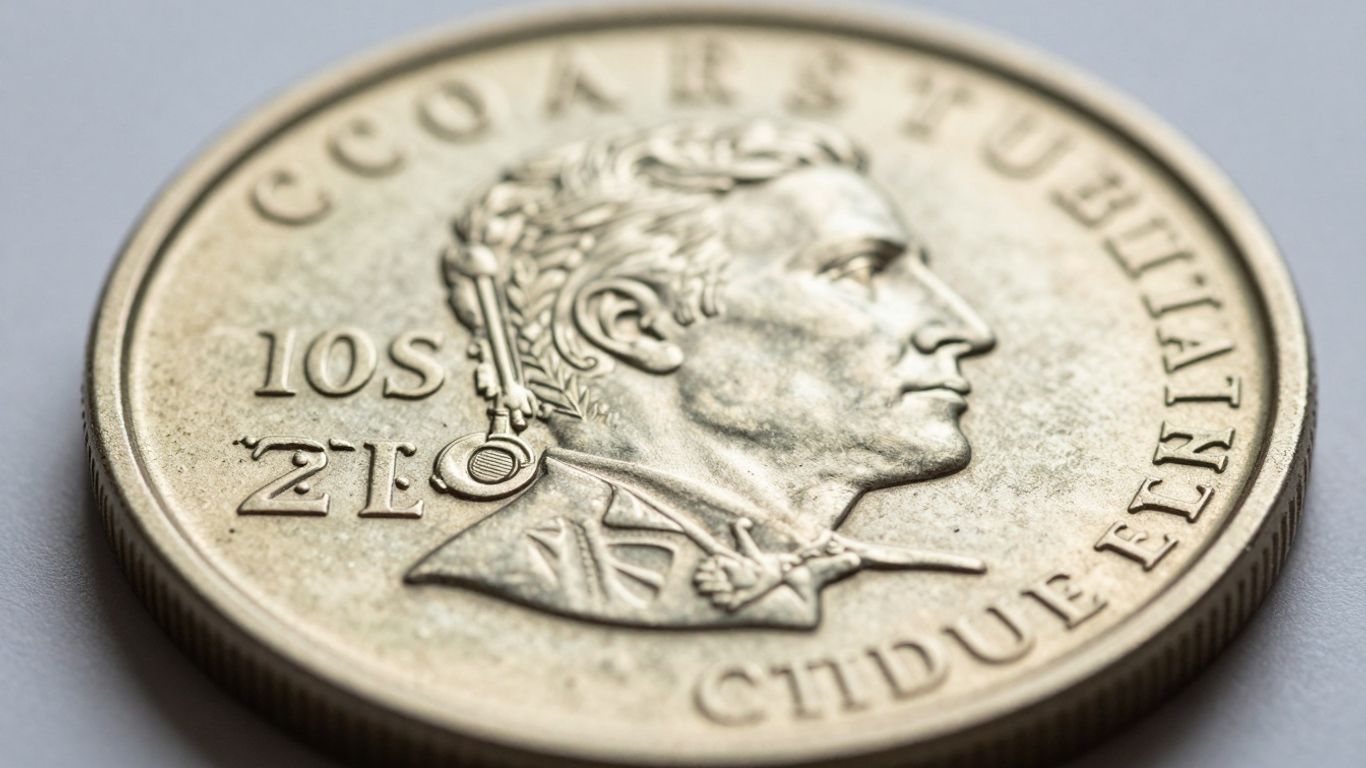
Technology and Expertise in Authentication
Getting good at spotting real coins from fakes isn’t just about having a sharp eye. It’s a mix of using modern tools and learning from people who’ve been doing this for ages. Think of it like this: fancy machines can spot tiny details that our eyes just miss, like signs of tampering or cleaning that someone tried to hide. But those machines can’t tell you the whole story. That’s where the human element comes in. Experienced folks know the subtle differences in how coins were made, the little quirks of different minting periods, and what the market expects. It’s this combination of tech and experience that really makes authentication work.
Building Authentication Confidence
Confidence in identifying coins doesn’t just appear overnight. It’s built over time through careful study and hands-on experience. You start by learning the basics, like what a normal coin should look and feel like. Then, you move on to recognizing common problems, such as signs of polishing or wear that might be unusual. Paying attention to the rim is a good starting point; a coin with a shiny, rounded rim might have been polished, which can be a red flag. Building this skill set means you can better protect yourself from costly mistakes when collecting. It’s a continuous learning process, and the more you engage with coins, the more you’ll trust your own judgment.
Practice: The Most Powerful Tool
Honestly, the best way to get better at identifying coins is simply to look at a lot of them. You can read all the books and articles you want, but nothing beats actually handling coins and comparing them. Start with coins that aren’t too expensive so you can get a feel for them without worrying too much about value. Look at different mint marks, different dates, and different conditions. You’ll start to notice patterns and develop an intuition for what looks right and what doesn’t. It’s like learning any new skill; the more you do it, the more natural it becomes. Don’t be afraid to make mistakes; they’re part of the learning curve. You can find a wide selection of authentic ancient coins and banknotes at Cavalier Coins Ltd to help you practice.
The Role of Grading in Coin Identification
What Is Coin Grading?
Coin grading is essentially a way to describe a coin’s physical condition. Think of it like giving a report card for a coin, but instead of A’s and B’s, we use numbers. The most common system is the Sheldon scale, which runs from 1 to 70. A coin with a grade of 1 is in pretty rough shape, while a 70 is considered perfect, with no wear at all. This number tells you a lot about how much a coin has been handled and how well it has been preserved over time. It looks at things like how much of the original shine is left, any scratches or nicks, and how clear all the details are. This standardized system helps everyone talk about coin condition in the same way.
Factors Affecting Coin Condition
Several things can impact how a coin looks and, therefore, its grade. It’s not just about how old a coin is; it’s more about its journey. Here are some key factors:
- Wear: This is the most obvious factor. Coins that have been used in everyday transactions will show wear on their high points. The more wear, the lower the grade.
- Luster: This refers to the original mint shine or cartwheel effect on an uncirculated coin. Losing this shine, even without significant wear, can lower a coin’s grade.
- Surface Condition: This includes things like scratches, nicks, rim dings, and even minor imperfections from the minting process. These can all detract from a coin’s appearance.
- Damage: Anything beyond normal wear and tear, like cleaning, bent coins, or significant gouges, will negatively affect the grade and value.
Understanding these factors is the first step to accurately assessing a coin’s state. It’s about looking closely at the details and recognizing how different kinds of handling or environmental exposure leave their mark.
Learning to Grade Coins Yourself
While professional grading services exist, developing your own grading skills is incredibly useful. It helps you make smarter buying decisions and better understand the coins you already own. It’s a skill that takes practice, kind of like learning to spot good deals at a flea market.
Here’s a basic approach to getting started:
- Get Good References: You’ll need reliable guides. Books from publishers like Whitman are great, and the websites of major grading services often have detailed explanations and photo galleries.
- Study Examples: Look at lots of coins, both in books and, if possible, in person. Compare coins that are supposed to be the same grade and then compare them to coins that are one grade higher or lower.
- Use Magnification: A simple magnifying glass or a low-power jeweler’s loupe (around 5x to 10x) is a must. It lets you see details you’d miss with the naked eye.
- Practice Consistently: The more coins you look at and try to grade, the better you’ll get. Try grading coins you own and then check them against known grades if possible.
Navigating Resources That Experts Actually Use
Identifying ancient coins can feel like a deep dive into history, and sometimes the sheer volume of information out there can be a bit much. The real trick is knowing which resources are solid and how to actually use them. This is where getting advice from people who work with these coins every day, like museum curators or auction specialists, really pays off. They know the ins and outs that aren’t always obvious in a book.
Expert Advice from Museum Curators
Museum curators spend their careers studying and preserving coins. They have a deep familiarity with the collections they manage and often possess specialized knowledge about specific periods or regions. When you’re stuck on a particular coin, reaching out to a curator (respectfully, of course) can provide insights that are hard to find elsewhere. They can often point you toward the most reliable publications or even offer a preliminary opinion based on their extensive experience. Think of them as living encyclopedias for coinage.
Utilizing Auction Specialist Insights
Auction houses that deal with ancient coins employ specialists who are constantly evaluating and cataloging material. These individuals are on the front lines, seeing a wide variety of coins and developing a keen eye for authenticity and attribution. Their auction catalogs, while often focused on sales, can be incredibly informative. They frequently include detailed descriptions, provenance information, and sometimes even comparative references. These detailed descriptions are often the first place experts look when trying to identify a new specimen. Many auction sites also maintain archives of past sales, which can be a goldmine for finding similar coins and understanding their market value. You can often find great information on coin appraisal through these specialist resources.
Understanding Resource Limitations
Even the best resources have their limits. General catalogues are great for getting started, but they might not cover every obscure mint or ruler. Specialized books are fantastic but can be hard to find or expensive. Digital platforms are convenient, but the quality of information can vary. It’s important to remember that no single resource has all the answers. You’ll often need to consult several different sources to build a complete picture. Here’s a look at some common resources:
- Roman Imperial Coinage (RIC): A multi-volume set covering Roman imperial coins from Augustus to the fall of the Western Empire. It’s highly detailed but can be dense.
- Greek Coins and Their Values (GCV): Focuses on Greek coinage, often providing estimated values alongside identification.
- Online Databases: Many museums and academic institutions offer searchable online collections with images and data.
- Auction Catalogs: Useful for seeing a wide range of coins and their descriptions, especially from reputable houses.
Relying on a single source can lead to misidentification. The most successful coin identifiers use a combination of resources, cross-referencing information to confirm their findings. This layered approach builds confidence in the identification process.
Deciphering Ancient Coin Messages
Cracking the Code: Reading Ancient Coin Messages
Identifying ancient coins is like becoming a historian, but instead of books, you’re reading metal. It’s all about understanding the ‘language’ these coins speak, which is a mix of what’s written on them, the pictures they show, and how they look. This is where the real detective work starts.
Deciphering Inscriptions: Unlocking Hidden Histories
Look closely at the writing on a coin. Even if it’s worn or in a language you don’t know, it offers clues. Roman coins often have short Latin words, like ‘IMP’ for Emperor or ‘AVG’ for Augustus. Knowing these abbreviations is like having a secret key. For example, ‘TR P COS’ might tell you about an emperor’s political power. Greek city-states usually put their name or a shortened version on their coins. Sometimes, the way the letters are written can even point to a specific place or time.
- Latin Abbreviations: IMP (Imperator), AVG (Augustus), TR P (Tribunicia Potestas), COS (Consul).
- Greek City Names: Often abbreviated or written in full.
- Lettering Styles: Can indicate regional origin or period.
Pattern Recognition and Cross-Referencing
It’s rare to find an ancient coin in perfect shape. You’ll often have only parts of the writing or a worn image. This is where putting pieces together comes in. By looking at what little text you can see, combined with any recognizable pictures or portraits, you can often figure out where the coin came from. It’s a bit like solving a puzzle; each small clue helps you see the whole picture. The more coins you look at, the better you get at spotting these connections.
Ancient coins are tiny time capsules. Their inscriptions, images, and even the wear patterns tell a story about who made them, where they circulated, and when. Learning to read these stories requires patience and a good eye for detail, but the reward is a direct connection to the past.
Putting Your Knowledge to Work
So, we’ve gone over a lot of ground here, from looking at the metal a coin is made of to figuring out how it was struck. It might seem like a lot at first, but remember, it’s all about taking it step by step. You start with the basics – what does it look like, what’s it weigh? Then you use your tools, like a magnifying glass, to see the finer details. Don’t forget to write down what you find; good notes are super helpful. And when in doubt, check out those big coin books or ask someone who knows their stuff. The more you practice looking at coins, the better you’ll get at spotting the real ones and understanding their story. It’s a journey, for sure, but a pretty interesting one.
Frequently Asked Questions
What are the most important first steps when trying to identify a business strike coin?
Start by looking at the coin’s overall appearance. What color is it – gold, silver, or bronze? This gives you a general idea. Also, notice its shape. Is it perfectly round, or a bit uneven? These basic observations help narrow down what the coin might be and where it came from.
What tools are really helpful for seeing coin details better?
A magnifying glass or a jeweler’s loupe is super important for spotting tiny details like markings or faint writing. Digital calipers are great for measuring the coin’s size accurately, and a precise scale helps you get its exact weight. These tools help you get a closer look and gather important information.
How does the metal a coin is made of help identify it?
The metal is a big clue. For example, gold coins were often for important people, while bronze or copper coins were used for everyday buying. Knowing the metal helps you understand its possible value and who might have used it.
Can wear and tear on a coin actually help in identifying it?
Yes, surprisingly! The way a coin is worn can tell you a lot about how much it was used. Also, the color changes on the surface, called patination, can give hints about its age and how it was kept over time. These aren’t just flaws; they’re like clues from history.
How are coins made, and does that affect how we identify them?
Coins were made in different ways, like being hammered by hand or stamped by machines. Hand-made coins often have small imperfections that are hard to copy. Knowing these making methods helps tell if a coin is real or a fake, because modern fakes sometimes look too perfect.
What are some good resources for learning more about identifying coins?
There are special books called catalogues that list many different coins, and many websites offer great information too. Looking at collections online from places like museums can also be very helpful. Comparing your coin to examples in these resources is key.
How can I tell how old a coin is?
Figuring out a coin’s age involves looking at its design and any pictures of rulers on it. Art styles changed over time, and rulers’ portraits changed too. By studying these changes, along with any dates or mint marks, you can get a good idea of when the coin was made.
What is coin grading, and why is it important for identification?
Coin grading is like giving a coin a score based on its condition – how worn it is, if it has scratches, and so on. This score helps experts understand its value and authenticity. Knowing the grading system helps you better understand what experts are looking for when they identify coins.