
Coins, those little metal discs we use every day, can tell stories if you know how to look. But sometimes, the stories they tell aren’t about their history, but about how they’ve been treated. From being tossed around in a bank bag to getting cleaned with the wrong stuff, coins can end up with all sorts of marks and changes. Understanding these environmental coin damage types is pretty important if you’re collecting or just curious about how coins get messed up. It helps you see what’s normal wear and tear and what’s something else entirely.
Key Takeaways
- Coins can get damaged in many ways, not just from being used daily. Things like how they’re stored, cleaned, or even just handled can leave marks.
- Environmental factors like moisture and air can cause corrosion and staining, changing a coin’s surface over time.
- Cleaning coins, especially with harsh chemicals or rough materials, often does more harm than good, removing original surfaces.
- Mechanical damage, like scratches from other coins (bag marks) or deliberate alterations, is also common and affects a coin’s look and value.
- Recognizing different environmental coin damage types helps collectors and enthusiasts tell original coins from altered ones.
Understanding Environmental Coin Damage Types
Coins, especially those that have spent time outside of a controlled collection environment, are susceptible to a variety of issues. These aren’t always the dramatic, obvious problems like a bent edge or a deep scratch. Often, the damage is more subtle, stemming from the very air and substances the coin comes into contact with. Understanding these environmental factors is key to properly assessing a coin’s condition and its historical narrative.
The Impact of Environmental Factors on Coin Surfaces
Environmental factors can wreak havoc on a coin’s surface over time. Think about it: a coin might be stored in a damp basement, exposed to salty air near the coast, or even just sit in a pocket with pocket lint and moisture. These seemingly minor exposures can lead to significant changes. Corrosion is a big one, where the metal itself reacts with its surroundings, forming new compounds that can pit or eat away at the surface. Staining and discoloration are also common, appearing as splotches or an overall dulling of the coin’s original appearance. Even seemingly inert materials can leave their mark.
Distinguishing Damage from Mint Errors
It’s important to know that not all imperfections are environmental damage. Mint errors, like off-center strikes or double dies, happen during the coin’s creation at the mint. Environmental damage, on the other hand, occurs after the coin has been made. For example, a coin might have a small pit on its surface. If that pit looks like it was caused by a chemical reaction after minting, it’s environmental damage. If it looks like the metal wasn’t properly struck in that spot during the minting process, it’s a mint error. This distinction is vital for collectors because mint errors can sometimes add value, while environmental damage almost always detracts from it.
Common Causes of Coin Degradation
Several common culprits contribute to the degradation of coins through environmental exposure:
- Moisture and Humidity: Water is a primary driver of corrosion. Even small amounts of moisture trapped against a coin’s surface can initiate chemical reactions, especially with metals like copper and silver.
- Chemical Exposure: Contact with various chemicals, whether from cleaning solutions, industrial pollutants in the air, or even certain types of storage materials, can cause staining, discoloration, or more severe surface etching.
- Atmospheric Pollutants: Air quality plays a role. Sulfur dioxide and other airborne contaminants can react with coin surfaces, leading to toning or more aggressive forms of corrosion over extended periods. The environmental impact of Bitcoin mining, for instance, highlights how industrial processes can affect the broader environment, and similar localized effects can impact coins.
- Improper Storage: Storing coins in acidic paper envelopes, PVC-containing plastics, or in environments with fluctuating temperatures and humidity can accelerate degradation.
The subtle changes wrought by environmental factors often tell a story of a coin’s journey. What might appear as simple tarnish could be the result of years spent in a humid attic, while a peculiar patina might speak of a long sojourn in a specific soil composition. These are not flaws to be hidden, but rather historical markers.
Mechanical Forms of Coin Damage
Bag Marks and Circulation Wear
Coins, especially those fresh from the mint, often get tossed into large sacks for transport. This rough handling means they bump and grind against each other constantly. This inevitable contact is the primary cause of what numismatists call bag marks. These aren’t usually deep gouges, but rather small scratches, dings, and abrasions that mar the coin’s surface. Over time, as a coin circulates, it faces even more abuse. It gets dropped, handled by countless people, and rubs against other coins and surfaces. All this wear and tear gradually erodes the coin’s original details and luster, leaving it looking less sharp and valuable. It’s a bit like a well-loved tool that shows its history through use.
Bending, Warping, and Mutilation
Sometimes, coins suffer more dramatic physical trauma. Bending or warping occurs when a coin is subjected to significant physical stress, causing it to curve or twist out of its original flat shape. While this doesn’t typically affect the metal composition or the design itself, it’s a clear sign of mishandling and significantly impacts a coin’s aesthetic appeal and value. Mutilation takes this a step further, representing extreme damage, whether it was accidental or done on purpose. This can range from severe dents to outright destruction, making the coin difficult to identify or authenticate. It’s a stark contrast to the gentle wear from circulation.
Scratches and Graffiti on Coin Surfaces
Beyond the general wear from circulation, coins can acquire more specific types of damage. Scratches are a common issue, varying in severity. Minor hairlines might be acceptable on some coins, but deeper or more numerous scratches can significantly detract from a coin’s appearance. Then there’s graffiti, which is essentially writing or symbols intentionally scratched or carved onto a coin’s surface. This is a clear act of vandalism and is considered damage, not an error. It’s like someone drawing on a piece of art; it changes the original intent and appearance. Trying to distinguish between these types of damage and actual mint errors often requires a close look and some research into common coin imperfections.
Mechanical damage is a broad category that encompasses any alteration to a coin’s surface or shape caused by physical force. This can happen during the minting process, through normal circulation, or due to deliberate abuse. Understanding these forms of damage is key to assessing a coin’s true condition and value.
Chemical and Environmental Coin Degradation
Corrosion and Its Effects on Metal
Coins, especially those made from less noble metals like copper, silver, and even gold to a lesser extent, are susceptible to chemical reactions with their surroundings. This process, known as corrosion, fundamentally alters the coin’s surface by forming new molecular compounds. Think of it like rust on iron, but it can happen to many different metals. When corrosion gets bad, it can really eat away at the coin’s details, making it look rough and pitted. This kind of damage is often so severe that a coin can only be graded as ‘Details,’ meaning it’s not in good enough condition for a standard numerical grade. Sometimes, graders will specify where the corrosion is worst, like ‘Obverse Corrosion’ or ‘Edge Corrosion,’ to give a clearer picture of the damage.
Staining and Discoloration from Exposure
Sometimes, a coin might show discoloration that isn’t quite corrosion. This is often called staining. It’s like a permanent mark left behind from something the coin was exposed to. Unlike some forms of corrosion that eat away at the metal, staining is more about a change in color. It can be caused by all sorts of things – maybe it sat in a damp paper envelope for years, or perhaps some residue was left on it after an attempt to clean it. These stains can be really tough to get rid of, and if they cover a significant part of the coin, they can also lead to a ‘Details’ grade. It’s a bit like a bruise on the coin’s surface that just won’t fade.
The Saltwater Effect on Coinage
Exposure to saltwater is particularly harsh on coins. If a coin spends any significant time submerged in the ocean or even just exposed to salty air and moisture, it can suffer a specific type of corrosion. This ‘saltwater effect’ often leaves behind a distinct pattern of damage. It’s not just a general roughening; you might see pitting or a crusty buildup that’s characteristic of prolonged contact with saline environments. Coins that have this kind of damage are often graded separately to highlight the specific cause, as it’s a well-recognized form of environmental degradation that can be quite destructive to the coin’s original surfaces.
Here’s a quick look at how different environments can affect coins:
- High Humidity: Can accelerate corrosion, especially on copper and silver coins.
- Acidic Soil: Can cause significant pitting and loss of detail.
- Contact with Unstable Materials: Things like old paper, certain plastics (like vinyl), or even wood can leach chemicals that damage a coin’s surface over time.
- Pollution: Airborne pollutants can react with coin surfaces, leading to discoloration and corrosion.
It’s important to remember that even seemingly inert materials can interact with coins over long periods. The goal is always to store coins in stable, inert environments to prevent these slow, chemical attacks on their surfaces. What might seem like a minor exposure today could lead to significant damage decades down the line.
Damage from Cleaning and Alteration
It’s a tale as old as collecting itself: someone finds a coin, thinks it looks a bit dull, and decides to give it a good scrub. Unfortunately, this often leads to more harm than good. Improper cleaning is one of the most common reasons a coin loses its original appeal and, consequently, its value. Collectors sometimes try to make a coin look better by using chemicals or abrasive materials, but this can strip away the natural luster and leave behind unsightly marks. It’s a bit like trying to fix a scratch on a car with sandpaper – you might remove the scratch, but you’ll likely create a bigger problem.
Improper Cleaning Techniques
Many well-intentioned collectors have inadvertently damaged coins while trying to improve their appearance. The urge to remove tarnish or dirt can be strong, but the methods used are often too harsh. For instance, dipping a coin in a mild acid solution might remove tarnish, but leaving it too long can obliterate the delicate flow lines that indicate original mint luster. This is why dipping is generally not recommended, especially for beginners.
Here are some common cleaning mistakes:
- Chemical Dipping: Using acids or other solutions to remove tarnish. While it can work, it often damages the coin’s surface if not done perfectly.
- Abrasive Scrubbing: Using brushes, erasers, or even steel wool to remove dirt. This creates fine scratches that are visible under magnification.
- Polishing: Rubbing the coin with a soft cloth and polish to make it shine. This removes patina and can flatten details.
The goal of cleaning is often to make a coin look brighter or more appealing, but the methods employed can actually destroy the very characteristics that make a coin collectible. It’s a delicate balance, and often, leaving the coin as-is is the best course of action.
Burnishing and Polishing Effects
Burnishing and polishing are more aggressive forms of cleaning that leave a coin with an unnatural sheen. Burnishing, in particular, can be done with abrasive media like ball bearings or even by tumbling the coin, resulting in a very bright but artificial look. Polishing is similar but typically less severe. These treatments can significantly alter a coin’s surface, making it look ‘whizzed’ or giving it a simulated luster that experts can usually detect. Such treatments often distort lettering and design details.
Whizzing and Altered Surfaces
‘Whizzing’ refers to cleaning a coin with a high-speed rotary wire brush. The intention is to mimic the look of mint luster on a coin that has seen some circulation. However, this process is quite destructive. It tends to distort the coin’s lettering and other fine design elements, making it look somewhat fuzzy or flattened. Coins that have undergone whizzing are often easily identified by experienced numismatists. These altered surfaces are a clear sign that the coin has been tampered with, moving it out of the realm of original, uncirculated condition and into the category of damaged or altered coins. For those interested in the preservation of numismatic items, visiting numismatic museums can offer insights into how coins are properly cared for.
Surface Alterations and Intentional Damage
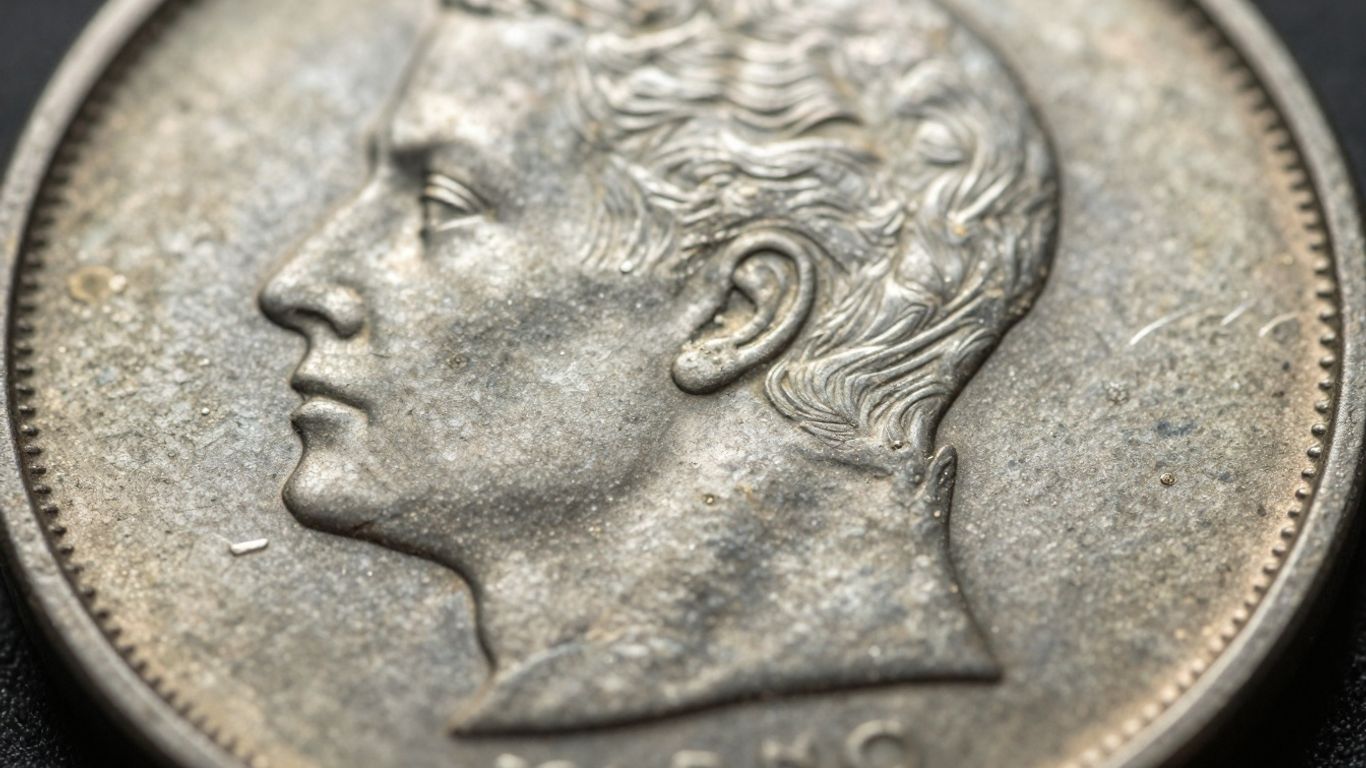
Tooling and Device Manipulation
Sometimes, people try to "fix" a coin’s appearance, and it doesn’t always go well. Tooling is when someone moves metal around on a coin’s surface. They might do this to hide a scratch or a big bag mark. It’s like trying to cover up a mistake, but it usually just makes the coin look unnatural. This kind of tampering is generally frowned upon by serious collectors. It’s not a natural part of the coin’s life and can really hurt its value.
Altered Mintmarks and Added Features
This is where things get a bit more deceptive. People might try to change a coin’s mintmark to make it look like a rarer version. For example, altering a "D" for Denver to look like an "S" for San Francisco. Or, they might add a mintmark that wasn’t there originally. This is done to trick buyers into thinking they’re getting something more valuable than they actually are. It’s a form of forgery, really. You also see attempts to add features, like making a coin look like it has "full bands" when it doesn’t, or trying to make a common date look like a scarce one. It’s all about deception.
Countermarking and Chop Marks
Countermarking is when someone punches a symbol or character onto a coin. This wasn’t done by the mint; it was usually done by merchants or jewelers. Chop marks are a specific type of countermark, often seen on older silver coins that circulated in Asia. Merchants would punch their mark onto the coin to show they’d verified its weight and purity. While interesting historically, these marks are considered damage by most grading services. They are not part of the original minting process and can affect a coin’s grade and value. It’s a way of identifying the coin’s journey through trade, but not in a way that enhances its numismatic appeal.
It’s important to remember that coins have a history, and sometimes that history involves people trying to alter them for their own gain. Being able to spot these alterations is key to avoiding costly mistakes when building a collection. Always do your homework and examine coins carefully, especially when buying from less reputable sources. Understanding these genuine error coins versus altered coins is a big part of collecting.
Specific Environmental Damage Classifications
Coins can pick up all sorts of issues just from sitting around or being handled without care. Sometimes it’s obvious, like a big scratch, but other times it’s more subtle. We’re talking about things that happen to the coin’s surface that aren’t normal wear and tear from being in a pocket, but also aren’t mint errors. These are the environmental and handling-related problems that can really change how a coin looks and how much it’s worth.
Porosity and Surface Irregularities
Porosity refers to tiny holes or pits on the coin’s surface. This often happens when a coin is exposed to certain chemicals or moisture over a long period. It’s like the metal is slowly dissolving or reacting. You might see it as a rough texture or small indentations. These aren’t usually deep enough to be considered full-blown corrosion, but they definitely aren’t original surfaces. Think of it as the metal having a bad case of the ‘blahs’.
Questionable Toning and Coloration
Toning is the discoloration that happens to a coin’s surface over time. Some toning is natural and even desirable, adding character. But sometimes, people try to speed up or fake this process, leading to what’s called ‘questionable toning’. This can look unnatural, too uniform, or just plain weird. Similarly, ‘questionable coloration’ means the metal itself looks off, maybe from being dipped in chemicals or heated. It’s hard to tell if the color is original or if someone messed with it. Distinguishing natural toning from artificial is a key skill for collectors.
Residue and Foreign Substance Contamination
Sometimes, coins end up with stuff stuck to them that shouldn’t be there. This could be anything from dirt and grime to wax, oil, or even glue. It might be from being stored improperly, perhaps in a damp basement or an old, dirty container. This residue can hide other surface problems or even cause its own kind of damage over time. Cleaning off this gunk can be tricky, and sometimes the cleaning itself causes more harm than good. It’s a real headache when you find a coin with something sticky or crusty on it, and you’re not sure how to get it off without ruining the coin. You can find more information on environmental impacts on coinage at environmental research.
It’s important to remember that many of these issues, while affecting a coin’s appearance and grade, don’t necessarily mean the coin is worthless. Some collectors even seek out coins with specific ‘details’ grades because they represent a particular historical context or a unique survival story. However, understanding these classifications helps in making informed decisions about a coin’s true condition and value.
Physical Alterations Beyond Normal Wear
Sometimes coins get messed up in ways that go way beyond just getting a little scratched up from being in a pocket or a coin roll. These aren’t your typical bag marks or circulation wear; these are more serious changes to the coin’s physical state. Think of it as the coin having gone through something pretty rough, leaving it looking quite different from how it left the mint.
Bent and Warped Coin Characteristics
Coins can get bent or warped from a lot of different things. Maybe they got caught in some heavy machinery, or perhaps they were subjected to extreme heat or pressure. Whatever the cause, a bent coin isn’t flat anymore. You can usually see the curve when you look at it from the side. It’s not just a little ding; the whole coin has a noticeable bend or twist to it. This kind of damage really changes how the coin looks and feels, and it’s usually pretty obvious.
Holed and Plugged Coins
This is where things get really interesting, and often, a bit sad for the coin. Some coins end up with holes punched right through them. Historically, this was sometimes done to wear them as jewelry or to string them together. Other times, a coin might have a plug removed from its center, often to test the metal content or for some other unknown reason. These coins are definitely not in their original state and are considered significantly altered.
Mounted and Ex-Jewelry Coin Conditions
This is a pretty common alteration you’ll see. Many coins, especially older or more valuable ones, have been set into jewelry like pendants, rings, or bracelets. You’ll often see prongs or bezels attached to the coin’s edge to hold it in place. Even if the jewelry is removed, the marks left behind from the mounting process are usually quite visible. These coins are often referred to as "ex-jewelry" pieces. While they might still be interesting from a historical or aesthetic standpoint, their numismatic value is typically affected by this kind of modification.
It’s important to remember that while some alterations might seem minor, they can significantly impact a coin’s collectibility and value. What might look like a simple hole or a bit of bending is actually a major change to the coin’s original state.
Identifying Unethical Coin Treatments
Sometimes, people try to make coins look better than they are, and it’s not always honest. This section looks at ways coins get messed with, not just from normal wear and tear, but from deliberate actions to hide problems or make a coin seem more valuable than it really is. It’s important to spot these tricks so you don’t get fooled.
Spot Removal and Surface Concealment
Ever see a coin with a weird spot on it? Sometimes, that’s because someone tried to get rid of a blemish that would have lowered the coin’s grade. They might use tiny tools, like needles, to pick at it. It’s like trying to cover up a stain on a shirt instead of washing it properly. The goal is to hide a flaw that would otherwise make the coin less desirable. This kind of meddling can leave its own marks, making the surface look unnatural.
Altered Devices and Re-engraving
This is where things get really sneaky. "Altered devices" means someone has messed with the actual design elements on the coin. They might try to add material to make a design look sharper or more detailed, especially on proof coins where a frosty appearance is prized. Then there’s "re-engraving," which is like touching up an old drawing. Someone might go over the original design with engraving tools to strengthen worn-out parts or even change details to make the coin look like a rarer variety. For example, they might try to make a coin look like it has full bands when it doesn’t, or try to change a mint mark to make it appear as a more valuable one.
Questionable Surfaces and Films
Sometimes, a coin might have a strange coating or film on its surface. This isn’t always natural. It could be something applied on purpose to hide underlying issues, like scratches or corrosion. It makes it really hard for anyone to tell what the coin’s original surface looks like. It’s like putting a layer of wax over a scratched table – you can’t see the damage underneath, but it’s still there. This makes it tough to figure out if the coin is original or if it’s been tampered with.
Here are some common ways coins are treated unethically:
- Tooling: Metal is moved around on the coin’s surface to cover up existing problems like scratches or heavy bag marks. This is a big no-no.
- Whizzing: The coin’s surface is scraped with a high-speed wire brush. This is done to make a used coin look like it’s never been circulated, which is deceptive.
- Polishing/Burnishing: These methods try to make a coin’s surface look better by removing or moving metal. Polishing actually strips metal away, while burnishing moves it around. Both ruin the coin’s original look.
- Altered Mintmarks: Someone might change or add a mint mark to make a coin appear rarer than it is. This is a classic way to try and fool collectors.
It’s important to remember that coins are historical artifacts. Any attempt to alter their appearance to deceive or inflate their perceived value is considered unethical within the numismatic community. Such treatments can significantly diminish a coin’s authenticity and long-term desirability.
Spot removal is often attempted with fine tools like a needle to get rid of a mark that would hurt a coin’s grade. Altered devices involve manipulating the coin’s design elements, perhaps adding a frosty substance to proof coins to make them look more appealing. Re-engraving is when someone goes over the original design with tools to strengthen worn areas or change details, sometimes to make a coin appear as a rarer variety. Questionable surfaces and films are coatings that hide the true condition of the coin, making it difficult to assess its originality.
The Effects of Coin Counters and Handling
Even with the best intentions, how we handle coins and the machines they encounter can leave their mark. It’s easy to overlook the damage that can occur from everyday interactions, but for collectors, these subtle changes can matter a lot.
Wheel Marks from Mechanical Counters
Coin counting machines, especially older models with rubber wheels, can be surprisingly harsh. As coins rapidly spin and slide against these wheels, friction can cause localized heating and melting of the metal surface. This results in distinct, often concentrated patches of hairlines, sometimes referred to as "wheel marks." These aren’t just superficial scratches; they are evidence of physical stress and heat applied to the coin’s surface. The severity of wheel marks can range from faint lines to noticeable abrasions that detract from the coin’s original appearance.
Excessive Hairlines from Sliding
Beyond mechanical counters, simply sliding coins across hard surfaces or even within certain types of storage can create a network of fine scratches known as hairlines. This is particularly problematic for coins with highly polished surfaces, like proof issues, where even minor abrasions are very noticeable. Dust particles trapped between the coin and the surface can act like sandpaper. Think about how a sliding glass door can get scratched over time – it’s a similar principle, just on a much smaller scale.
Damage from Storage and Packaging
What you use to store your coins can also be a source of damage. Older storage materials, especially those made with vinyl, can degrade over time and release harmful chemicals like benzoic acid. This acid can cause corrosion, particularly on copper and bronze coins. Even seemingly inert materials can cause issues if they are not "acid-free" or "archival quality." Using the wrong kind of plastic flips or albums can lead to staining, discoloration, or even a "foggy" appearance on the coin’s surface. It’s always best to opt for materials specifically designed for coin preservation, like Mylar or polyester sleeves, and to handle coins by their edges, ideally while wearing gloves, to avoid transferring oils from your skin.
The cumulative effect of repeated handling and exposure to less-than-ideal storage conditions can significantly alter a coin’s surface over time, impacting its aesthetic appeal and, consequently, its value to collectors.
Understanding Coin Damage Terminology
Classifying Mechanical Damage
When we talk about coins, "mechanical damage" basically means any physical harm that isn’t part of how the coin was made at the mint. Think of it like this: if a coin gets banged up, scratched, or bent after it leaves the mint, that’s mechanical damage. It’s different from a mint error, which happens during the striking process itself.
Here are some common terms you’ll hear:
- Bag Marks: These are tiny scratches or dings that happen when new coins get tossed around in bags or bulk containers. It’s super common, especially on coins that have been in circulation.
- Scratches: These are lines on the coin’s surface. A light scratch might be barely noticeable, but a deep one can really affect how a coin looks and its value.
- Bent/Warped: This is pretty straightforward – the coin isn’t flat anymore. It’s got a curve or twist to it that wasn’t there when it was made.
- Mutilated: This is a catch-all for really severe damage. It could be anything from a coin that’s been run over to something deliberately broken.
- Graffiti: Someone’s actually scratched or written on the coin. You might see initials or other marks.
- Countermarked: This is when someone punches a symbol or mark onto the coin that isn’t part of the original design. It’s not official and is considered damage.
It’s important to remember that most of these issues happen after the coin has been produced. They’re a result of handling, storage, or just plain accidents.
Defining Chemical and Environmental Damage
Chemical and environmental damage refers to the way a coin degrades due to its surroundings and reactions with substances. This isn’t about someone hitting the coin with a hammer; it’s about slow, often natural, processes that change the coin’s surface over time. Exposure to moisture, air, and different chemicals can cause a variety of issues.
Key terms to know include:
- Corrosion: This is a big one. It’s when a metal reacts chemically with its environment, often leading to pitting, roughness, or a powdery surface. Think of rust on iron, but it happens to other metals too.
- Toning: This is a discoloration that forms on the coin’s surface. Sometimes it’s considered attractive and adds value, but it can also be a sign of harmful exposure, especially if it’s uneven or looks unnatural.
- Staining: This is a more permanent discoloration. It might be from contact with certain materials or chemicals, and it doesn’t usually come off easily.
- Saltwater Effect: This is a specific type of corrosion that happens when coins are exposed to saltwater. It can cause a unique texture and appearance.
- Porosity: This describes a surface that has tiny holes or pits, often from harsh environmental exposure. It makes the surface look rough and uneven.
Recognizing Cleaning-Related Damage
Cleaning coins might seem like a good idea to make them look better, but it’s often one of the worst things you can do for their value and condition. "Cleaning-related damage" covers all the ways that improper cleaning can harm a coin’s surface. The goal of cleaning is usually to remove tarnish or dirt, but the methods used can actually strip away original surfaces, create new marks, or alter the coin’s natural appearance.
Here are some common issues:
- Wiped: This term describes a coin that has been rubbed with a cloth, often leaving behind a pattern of fine scratches, sometimes called "hairlines." It looks like someone just tried to buff it.
- Burnished/Polished: These methods involve rubbing the coin aggressively to make it shiny. Burnishing moves metal around, while polishing actually removes it. Both destroy the original surface texture and flow lines that collectors look for.
- "Dipped" (Harshly Cleaned): Coins are sometimes dipped in mild acids to remove tarnish. If done incorrectly or for too long, this can remove luster and leave the surface looking unnatural or overly bright. "Harshly cleaned" means the damage is more obvious and severe.
- Spot Removal: Sometimes people try to remove a specific dark spot on a coin using tools. This often leaves a noticeable mark or alteration where the spot used to be.
- Questionable Surfaces: This is a broader category for coins that look "off" due to cleaning or other treatments. They might look unnaturally shiny, waxy, or have a surface that just doesn’t seem original. It makes experts doubt the coin’s authenticity or original state.
Wrapping Up: What We've Learned About Coin Damage
So, we’ve gone over a bunch of ways coins can get messed up, from simple scratches from being tossed around in bags to more serious stuff like corrosion or even someone trying to clean them and making it worse. It’s pretty clear that how a coin looks really matters, and a lot of these issues can knock down its value. But hey, sometimes, a weird flaw can actually make a coin more interesting to collectors, which is kind of wild. The main takeaway is that being careful with coins, whether they’re old heirlooms or something you just found, is a good idea if you care about how they look and what they might be worth. Understanding these common problems helps you spot them and maybe even avoid causing them yourself.
Frequently Asked Questions
What are the most common ways coins get damaged?
Coins can get damaged in many ways. The most common issues include bag marks, which are small scratches and dents from coins rubbing together in bags during shipping. Normal wear and tear from being handled and passed around also causes damage over time. Things like corrosion from moisture and air, and even accidental damage from cleaning, can also harm a coin’s condition.
How can I tell if a coin has been cleaned?
Identifying a cleaned coin can be tricky. Often, cleaning removes the coin’s natural shine, making it look too bright or having a dull, “etched” appearance. You might see fine scratches all over the surface, sometimes called hairlines, especially if it was wiped with a cloth. Sometimes, cleaning can also change the coin’s color in an unnatural way.
What is corrosion and how does it affect coins?
Corrosion is like rust for coins. It happens when a coin’s metal reacts with things in the environment, like moisture and oxygen. This chemical reaction can cause the coin’s surface to change color, get rough, or even develop small pits or holes. Severe corrosion can make a coin look very worn and can significantly lower its value.
Are bag marks a big deal for coin collectors?
Bag marks are very common, especially on coins that have been through the minting and distribution process. While they are considered damage, they are usually minor and expected on most circulated coins. For collectors, especially those looking for top-quality coins, even small bag marks can reduce a coin’s grade and value.
What's the difference between coin damage and a mint error?
A mint error happens during the coin-making process, like a double strike or an off-center strike. These are usually considered mistakes by the mint. Coin damage, on the other hand, happens after the coin has been made, through things like scratches, bending, or corrosion from being used or stored improperly.
Why should I avoid cleaning my old coins?
It might seem like a good idea to clean a dirty old coin, but it can actually hurt its value a lot. Cleaning can remove the coin’s original surface, called luster, and leave tiny scratches. Collectors highly value a coin’s original, untouched appearance. Trying to clean a coin often does more harm than good.
What does 'questionable surfaces' mean for a coin?
‘Questionable surfaces’ is a term used when a coin looks like it might have been tampered with. This could mean it has been coated with something to hide damage, or its surface looks unnatural, making experts unsure if it’s original. It suggests the coin might have been altered in some way.
How does saltwater affect coins?
Coins left in saltwater or exposed to salty environments for a long time can suffer significant damage. The salt and water create a harsh chemical reaction that speeds up corrosion. This often results in a rough, pitted surface and can severely degrade the coin’s details and overall condition.