
Looking to sell or buy coins in San Antonio, Texas? Finding the right coin specialist is key, whether you’re dealing with valuable collectibles or just want to understand what you have. This guide will help you figure out how to pick a good coin specialist in San Antonio, TX, so you can make smart decisions in 2026. We’ll cover what to look for, what questions to ask, and where to find trusted dealers in the area.
Key Takeaways
- Know what your coins are worth by understanding their purity, weight, and any special collector value.
- There are different types of coin specialists, including dedicated coin dealers and jewelers who also handle coins.
- Check credentials, read reviews, and ask other collectors for recommendations to find a reliable coin specialist in San Antonio, TX.
- A good specialist will know coin history, understand grading standards, and have experience with rare items.
- Always aim for clear pricing and secure transactions when working with a coin specialist.
Understanding the Value of Your Coins
Figuring out what your coins are actually worth can feel like a puzzle, especially if you’re new to collecting. It’s not just about the metal they’re made of; a lot more goes into it. You’ve got the intrinsic value of the metal itself, but then there’s the numismatic value, which is all about the coin’s history, rarity, and condition. Plus, the market can change, so what a coin is worth today might be different tomorrow.
Assessing Coin Purity and Weight
When you’re looking at coins, especially those made of precious metals like gold or silver, their purity and weight are the first things to check. This is often referred to as their ‘melt value’. Reputable dealers will have scales and testing equipment to determine this accurately. For instance, a coin might be advertised as 24-karat gold, meaning it’s 99.9% pure gold. The weight, usually measured in grams or troy ounces, combined with the purity, gives you a baseline value. It’s important to know this because even if a coin isn’t particularly rare, its metal content can still make it quite valuable.
Identifying Numismatic Value
This is where things get more interesting. Numismatic value goes beyond just the metal. It considers factors like:
- Rarity: How many of these coins were originally made, and how many still exist today? Key dates, mint marks, or specific errors can make a coin much rarer.
- Condition (Grading): Coins are graded on a scale, usually from 1 (poor) to 70 (perfect). A coin in better condition will always be worth more than the same coin in worse condition.
- Historical Significance: Does the coin represent an important event, person, or era? Coins with a strong historical connection often attract more collectors.
- Demand: How many collectors are actively looking for this specific coin? High demand can drive up prices.
Understanding these elements helps you see why one coin might be worth significantly more than another, even if they appear similar at first glance.
Researching Current Market Prices
Before you talk to any specialist, it’s a good idea to do some homework. The market for coins can fluctuate. You can check resources like:
- Online Price Guides: Websites dedicated to coin collecting often have databases of recent sales and price trends.
- Auction Results: Look at what similar coins have sold for at major auctions. This gives you a real-world idea of their market value.
- Dealer Websites: Many coin dealers list their inventory and prices, which can serve as a reference point.
Remember, these are just guides. The actual price you get will depend on the buyer, the specific condition of your coin, and the current market conditions when you decide to sell.
Types of Coin Specialists in San Antonio TX
When you’re looking to buy, sell, or get an appraisal for your coins in San Antonio, you’ll find a few different kinds of places that can help. It’s not just one type of shop that handles everything. Knowing the differences can make a big difference in getting a fair deal.
Dedicated Coin Dealers
These are the folks who live and breathe coins. Their whole business is centered around numismatics. They usually have a wide selection of coins, from common circulated pieces to rare and valuable ones. If you’re a serious collector or have something you think might be quite special, a dedicated coin dealer is often your best bet. They know the history, the grading, and the market for all sorts of coins. They’re usually members of professional organizations, which is a good sign they’re serious about their craft.
Jewelers Specializing in Coins
Some jewelry stores in San Antonio also deal in coins, especially those made of precious metals like gold and silver. They might not have the same depth of knowledge as a dedicated coin dealer when it comes to historical or rare coins, but they can be good for buying or selling bullion or coins valued primarily for their metal content. It’s worth checking if they have a specific coin department or a specialist on staff. Sometimes, they might be more focused on the melt value rather than the numismatic value, so be sure to ask.
Precious Metal Brokers
These professionals focus on gold, silver, platinum, and other precious metals. While they might not be coin experts in the same way a numismatist is, they are very knowledgeable about the market prices for precious metals. If you have gold or silver coins where the metal content is the main driver of value, a precious metal broker can be a good option. They often deal in larger quantities and investment-grade bullion. It’s important to find one that also has some understanding of coins, especially if your collection includes both metal value and collector value.
Finding Reputable Coin Dealers Locally
When you’re looking to buy or sell coins, especially in a city like San Antonio, finding a dealer you can trust is a big deal. It’s not just about getting a fair price; it’s about dealing with someone who knows their stuff and won’t try to pull a fast one. So, how do you go about finding these trustworthy folks?
Checking Business Credentials and Licenses
First off, a legitimate business will usually have its ducks in a row. This means checking if they have the proper licenses to operate. While specific coin dealer licenses might vary, especially at the local level, you can often look for general business licenses or permits. A quick search on the Better Business Bureau (BBB) website can also tell you a lot. You can see if they have a good rating, if there are many complaints, and how they handled them. A business with a long history and a good BBB standing is generally a safer bet.
Reading Online Reviews and Testimonials
In today’s world, online reviews are a goldmine of information. Websites like Google, Yelp, and even specialized numismatic forums can give you a peek into other people’s experiences. Look for patterns in the reviews. Are multiple people mentioning good prices and honest dealings? Or are there recurring complaints about lowball offers or rude service? Remember, not every review is perfect, but a consistent theme is usually telling.
Seeking Referrals from Other Collectors
Sometimes, the best recommendations come from people who are already in the hobby. If you know other coin collectors in the San Antonio area, ask them who they use and trust. Local coin clubs or even just chatting with fellow enthusiasts at shows can lead you to some great dealers. Word-of-mouth referrals from experienced collectors often carry a lot of weight because they’ve likely been through the process themselves many times.
Finding a good coin dealer is like finding a good mechanic or a reliable doctor. It takes a bit of research and due diligence, but once you find someone you trust, it makes the whole experience of collecting or selling much smoother and more enjoyable.
Evaluating Expertise of a Coin Specialist
When you’re looking to sell or appraise your coins, finding someone who really knows their stuff is super important. It’s not just about knowing the price of gold; it’s about understanding the whole story behind each coin. You want someone who can tell you not just what it’s worth today, but why it’s worth that much, and maybe even what it might be worth down the road. This is where checking out their actual knowledge and experience comes into play.
Assessing Knowledge of Coin History
This is a big one. A good specialist won’t just look at the metal content. They’ll know the historical context of your coins. For example, do they know about the mint marks, the specific years that are rare, or the historical events that might have made a particular coin significant? Someone who can talk about the coin’s past, its design origins, and its place in history shows they’re more than just a buyer; they’re a true numismatist. It’s like talking to a historian who also happens to know the market value of historical artifacts. They should be able to explain why a coin from a certain era or with a specific imperfection is more sought after than another. This kind of knowledge is what separates a casual dealer from a professional who can accurately assess the true numismatic value.
Understanding Grading Standards
Grading is how coins are rated for their condition, and it’s a huge part of their value. You’ll want to work with someone who is familiar with the standard grading scales, like those used by PCGS or NGC. They should be able to explain to you why a coin is considered ‘Mint State’ or ‘About Uncirculated,’ and how tiny details like scratches or wear can affect the grade. A specialist who can clearly articulate the grading process and its impact on value is a sign of their professionalism. If they seem unsure or vague about grading, it might be a red flag. It’s helpful if they can show you examples of different grades or explain the subtle differences that matter to collectors. This is where you can really see if they know the coin market inside and out.
Experience with Rare and Collectible Coins
Not all coins are created equal. Some are common, and some are incredibly rare. A specialist should have a track record of dealing with the types of coins you have, especially if they are rare or part of a specific collection. Ask them about their experience with similar items. Have they handled coins from that particular series before? Do they know the key dates or varieties that collectors are looking for? For instance, if you have old U.S. gold coins, you’d want someone familiar with those specific issues, not just general precious metals. Someone who has a history of successfully buying and selling rare coins will likely offer a more accurate appraisal and a fairer price. You can often find this information by looking at their past sales or asking for references. If you’re looking for a place that has a good reputation, you might check out Matthews Coins and Collectibles.
It’s easy to get caught up in the excitement of selling coins, but taking a moment to vet the person you’re dealing with can save you a lot of trouble. A true expert will be patient, informative, and transparent about their process. They should be willing to educate you, not just make a quick transaction. Their goal should be to help you understand the worth of your collection, not just to acquire it at the lowest possible price.
Here’s a quick checklist to consider:
- Do they specialize in the type of coins you have? (e.g., U.S. coins, ancient coins, world coins)
- Can they provide references or show examples of past transactions with similar items?
- Are they knowledgeable about grading and historical significance?
- Do they belong to any professional numismatic organizations?
- Are they transparent about their pricing and fees?
The Transaction Process with a Specialist
When you decide to sell your coins, understanding the transaction process is key to a smooth and fair exchange. It’s not just about handing over your collection; it’s about a series of steps that ensure both you and the specialist are on the same page. A transparent process builds trust and leads to a better outcome for everyone involved.
Understanding Appraisal Methods
Before any money changes hands, the specialist will need to assess the worth of your coins. This isn’t a one-size-fits-all approach. Different specialists might use slightly varied methods, but generally, they’ll look at a few core things:
- Metal Content: For coins made of gold, silver, or other precious metals, they’ll determine the exact weight and purity. This is often done using scales and testing equipment right in front of you.
- Numismatic Value: This is where the coin’s history, rarity, condition, and demand come into play. A coin might be worth far more than its metal content due to its collectibility. Specialists will examine details like mint marks, wear, and any unique features.
- Market Comparables: They’ll research recent sales of similar coins to gauge current market prices. This helps set a realistic expectation for what your coins might fetch.
It’s important to watch this appraisal happen. You should feel comfortable asking questions about how they are evaluating your items. For instance, if you’re selling a collection of older U.S. currency, a dealer like Royalty Coins Inc. can offer specific insights.
Ensuring Transparent Pricing
Once the appraisal is done, you’ll receive an offer. Transparency at this stage is non-negotiable. A good specialist will clearly break down their offer, explaining:
- The basis for the valuation (e.g., melt value, collector value).
- How they arrived at the final price.
- Any fees or commissions they intend to deduct.
Always be wary of offers that seem too good to be true or those that are presented without a clear explanation. A reputable dealer will be happy to walk you through their pricing structure.
If you’re selling coins that have significant collector appeal, the offer should reflect that. For example, a rare silver dollar might command a price well above its silver weight. Understanding this distinction is vital.
Prioritizing Secure Transactions
Security is paramount, especially when dealing with valuable items. Here’s what to look for:
- Identification: Reputable dealers will ask for your identification, usually a driver’s license or government-issued ID. This is standard practice for record-keeping and helps prevent the sale of stolen items.
- Payment Methods: Discuss how you will be paid. Common methods include cash, check, or wire transfer. For larger amounts, a check or wire transfer might be preferred for security reasons. Ensure you agree on the payment method and timeline before finalizing the sale.
- Professional Environment: Transactions should ideally take place in a secure, professional setting, such as the dealer’s established place of business. Avoid situations that feel unsafe or unprofessional.
If you don’t accept an offer, you should feel free to walk away without pressure. Getting quotes from multiple specialists can help you gauge fair market value and negotiate better terms.
Specialty Coin Shops in San Antonio
When you’re looking to buy or sell coins in San Antonio, finding a shop that really knows its stuff is key. It’s not just about the metal value; it’s about the history, the rarity, and the condition of each piece. San Antonio has a number of places that focus specifically on coins, offering a more specialized experience than a general jeweler or pawn shop.
Royalty Coins Inc.
Royalty Coins Inc. is a well-known coin dealer located downtown. They are open most weekdays, typically from 10 AM to 5 PM, but are closed on weekends. This spot is a good place to check out if you’re in the market for specific coins or need to sell some from your collection.
Texas Coins
Texas Coins operates from Bandera Road and also keeps regular weekday hours, usually closing by 5 PM. They are closed on Fridays, Saturdays, and Sundays. If you’re looking for a local dealer with a focus on coins, they are worth a visit during their operating days.
Alamo Heights Coin Shop
Located in Alamo Heights, this shop is open a bit longer on Saturdays, staying open until 3 PM, and weekdays until 5:30 PM. They offer a solid option for collectors in that part of the city. It’s a good idea to confirm their exact hours before you head over, as these can sometimes change.
Lone Star Coins
Lone Star Coins can be found on Northwest Loop 410. They have consistent hours, generally open from 9 AM to 5 PM on weekdays and until 4 PM on Saturdays. They are closed on Sundays. This shop is a reliable choice for many collectors in the area.
Here’s a quick look at some of these specialty shops:
| Shop Name | Address | Typical Weekday Hours | Saturday Hours | Sunday Hours |
|---|---|---|---|---|
| Royalty Coins Inc. | 431 E Commerce St, San Antonio, TX 78205 | 10 AM – 5 PM | Closed | Closed |
| Texas Coins | 6866 Bandera Rd, San Antonio, TX 78238 | 10 AM – 5 PM | Closed | Closed |
| Alamo Heights Coin Shop | 7223 Broadway, Alamo Heights, TX 78209 | 9 AM – 5:30 PM | 9 AM – 3 PM | Closed |
| Lone Star Coins | 2622 Northwest Loop 410, San Antonio, TX 78230 | 9 AM – 5 PM | 9 AM – 4 PM | Closed |
When dealing with coin specialists, especially those focusing on numismatics, it’s important to remember they are not just selling metal. They are trading in history, rarity, and condition. A good specialist will be able to explain the significance of your coins beyond their melt value.
Gold and Silver Dealers with Coin Expertise
When you’re looking to sell gold or silver coins, it’s not always about finding a dedicated coin shop. Sometimes, dealers who primarily focus on gold and silver bullion or even jewelry can also be a great resource. These businesses often have a solid understanding of precious metal values, which directly applies to coins. They might not specialize in the numismatic side of coins, but for bullion value, they can be quite competitive.
Nacogdoches Gold and Silver Exchange
This place is a well-known spot in San Antonio for dealing with gold and silver. While they handle a lot of different precious metals, they also buy and sell coins. It’s a good idea to check them out if you have gold or silver coins you’re looking to part with. They are located at 13323 Nacogdoches Rd. Remember to call ahead to confirm their hours, as they can sometimes vary.
B&D Gold Buyer
Another option for selling your gold and silver items, including coins, is B&D Gold Buyer. They operate out of 7108 Military Dr W. Like many gold buyers, their focus is on the melt value of the precious metals, but they are experienced in handling various forms of gold and silver, which includes coins. It’s always wise to get a quote from them and compare it with others.
Alamo Gold Diamond Rolex Buyers
Alamo Gold Diamond Rolex Buyers, found at 5609 San Pedro Ave, is another establishment that deals with precious metals. While their name suggests a focus on jewelry and watches, they are equipped to evaluate and purchase gold and silver coins. Their experience with valuable items means they understand the importance of accurate appraisal.
When dealing with these types of dealers, keep a few things in mind:
- Understand Market Prices: Before you go in, do a quick check on the current price of gold and silver. This gives you a baseline for what your coins might be worth based on their metal content. You can find this information easily online.
- Know Your Coin’s Metal Content: Is it pure gold, pure silver, or an alloy? Knowing the purity and weight will help you assess the base metal value.
- Be Aware of Numismatic Value: While these dealers often focus on melt value, your coins might have additional worth due to rarity, condition, or historical significance. A dedicated coin dealer might offer more if this is the case.
It’s important to remember that while gold and silver dealers are knowledgeable about precious metals, their primary interest might be in the bullion value rather than the collector’s value of a coin. Always do your homework to know what you have before you sell.
For those looking for a broad range of options, checking out top-rated silver coin dealers in the San Antonio area can provide a good starting point for your research.
Factors Influencing Coin Value
When you’re looking to sell or even just understand what your coins are worth, a few things really come into play. It’s not just about the metal they’re made of, though that’s a big part of it. Think of it like this: a simple piece of metal can be worth a lot, or just a little, depending on what else is going on.
Economic Market Trends
The price of gold and silver, like any commodity, goes up and down based on what’s happening in the world economy. When people are worried about the economy, they often buy gold and silver because they see it as a safe place to put their money. This increased demand can push prices higher. On the flip side, if the economy is doing really well and people feel confident, they might sell off their gold and silver to invest in things that offer quicker returns, which can lower prices.
Geopolitical Events
Big global events, like wars or political instability in important regions, can also shake up the markets. If there’s a lot of uncertainty, investors tend to flock to precious metals as a way to protect their wealth. This sudden rush can make coins containing gold or silver more desirable and thus more valuable, at least temporarily. It’s a bit like a run on the bank, but for gold.
Central Bank Policies
What central banks, like the Federal Reserve here in the US, do with interest rates and money supply can have a ripple effect. When interest rates are low, holding onto cash doesn’t earn much, so people might look for other investments, including precious metals. Also, if a central bank decides to print a lot more money, that can make the existing money worth less, which often makes gold and silver look more attractive as a way to hold onto value. It’s a complex dance, and these policies are watched closely by anyone dealing with valuable metals.
The value of a coin isn’t just about its metal content. Rarity, historical significance, and even the condition it’s in all add layers to its worth. A coin that’s hard to find or has a story behind it can fetch a much higher price than a common one, even if they’re made of the same material.
Questions to Ask Potential Coin Specialists
When you’re ready to sell your coins or get them appraised, talking to the right specialist is key. It’s not just about finding someone who knows coins; it’s about finding someone you trust and who understands your specific collection. Before you commit to a dealer or appraiser, asking a few pointed questions can save you a lot of trouble and potentially get you a better deal. Think of it as a preliminary interview to make sure you’re a good match.
What is your experience with coins like mine?
This is a really important question. Not all coin dealers are the same. Some might focus on ancient coins, others on modern US currency, and some might be experts in gold and silver bullion. You need to find out if they have a track record with the types of coins you own. Are you holding onto a collection of rare Morgan dollars, or perhaps some early American copper pieces? A specialist who regularly handles these specific items will have a much better grasp of their nuances and market value. It’s also worth asking if they have experience with collections that have a similar overall value to yours. A dealer who typically handles high-value estates might approach a smaller, but still significant, collection differently than one who primarily deals with individual, lower-value coins.
How do you determine the value of my collection?
Understanding their appraisal methods is crucial. Do they rely solely on published price guides, or do they also consider recent auction results and current market demand? A good specialist will explain their process clearly. They should be able to point to specific factors that influence value, such as rarity, condition (grading), historical significance, and even aesthetic appeal. Some dealers might use a combination of methods, and it’s good to know what those are. For instance, they might reference resources like the NGC Coin Price Guide for general market trends, but also factor in the specific eye appeal of your particular coin. Be wary of anyone who gives you a price too quickly without a thorough examination or who seems unwilling to explain their reasoning.
What are your fees or commission rates?
Transparency is everything when it comes to selling your coins. You need to know exactly how the specialist gets paid. Are they charging a flat appraisal fee? Do they work on a commission basis, taking a percentage of the sale price? If it’s a commission, what is that percentage, and does it vary depending on the type or value of the coin? Some dealers might offer a free initial consultation or appraisal, but it’s important to clarify what services are included and what might incur a charge. Always get these details in writing before proceeding. This helps avoid any surprises down the line and ensures you’re both on the same page regarding the financial aspects of the transaction. It’s also wise to compare these rates with industry standards, as different dealers will have different structures for selling your coins.
Asking these questions upfront helps build a foundation of trust and clarity. It ensures that you and the coin specialist are aligned in your expectations and that the process of valuing and potentially selling your collection will be as smooth and fair as possible. Don’t hesitate to ask follow-up questions if anything is unclear.
Navigating Online vs. In-Person Coin Specialists
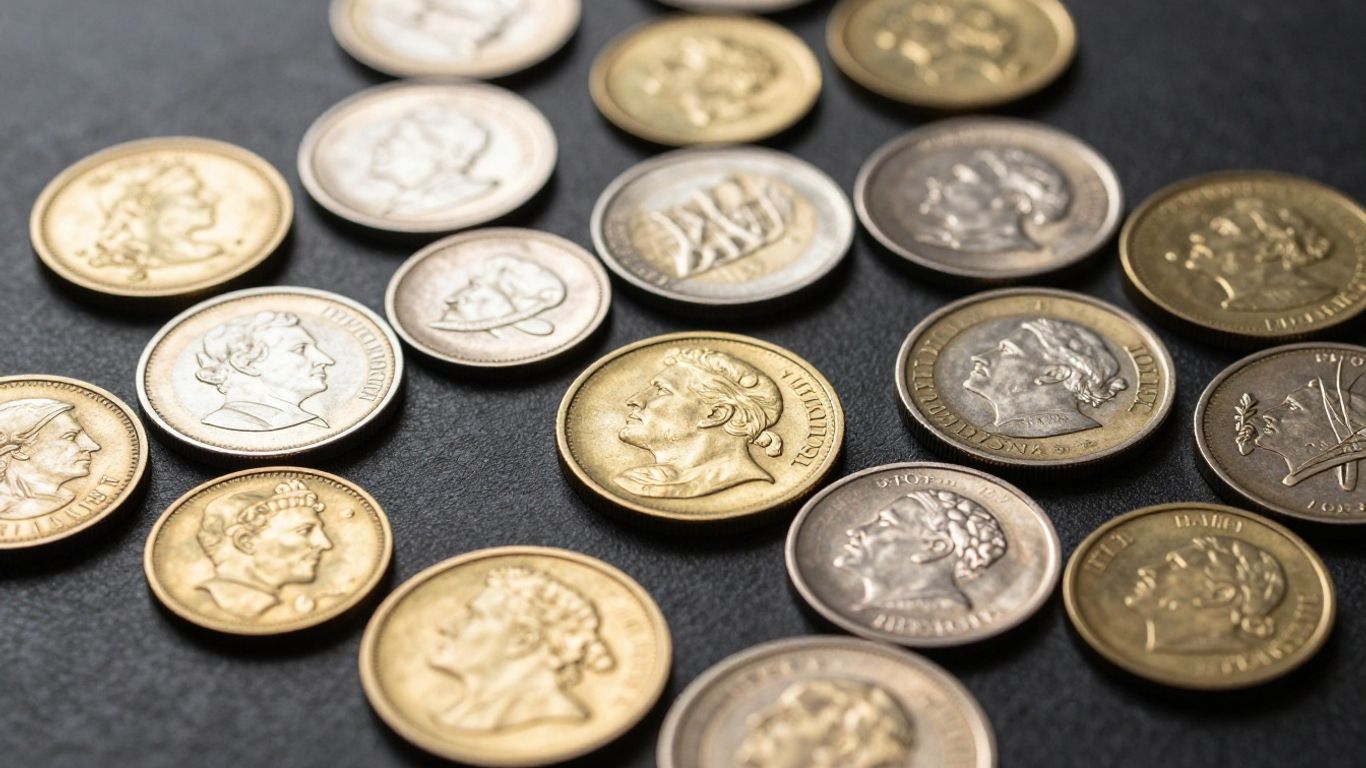
When it comes to selling or buying coins, you have two main avenues: local, in-person dealers and online platforms. Each has its own set of benefits and drawbacks, and understanding these can help you make the best choice for your needs.
Benefits of Local San Antonio Dealers
Local coin specialists in San Antonio offer a tangible experience. You can physically examine the coins, meet the dealer face-to-face, and get an immediate appraisal. This direct interaction can build trust and allow for a more personal transaction. For many, seeing the coins and discussing them with a knowledgeable person in the same room provides peace of mind.
- Immediate Interaction: You can talk directly with the specialist and get answers to your questions on the spot.
- Physical Inspection: You can see and handle the coins before making a decision.
- Building Relationships: Developing a rapport with a local dealer can be beneficial for future transactions.
- Supporting Local Business: Choosing a local shop helps keep money within the San Antonio community.
Considerations for Online Platforms
Online coin dealers and platforms offer a vast selection and often the convenience of selling from your home. You can compare prices from various sources without leaving your house. However, this route requires careful research to ensure you’re dealing with a reputable entity. Shipping your valuable coins also introduces a level of risk that needs to be managed with secure packaging and insured mail.
- Wider Selection: Access to a broader market and potentially more diverse inventory.
- Convenience: Ability to conduct business from anywhere with an internet connection.
- Price Comparison: Easier to shop around for the best prices.
When using online services, always verify their shipping policies, insurance coverage, and return policies. Look for companies with strong customer reviews and a clear, transparent process for appraisals and payments. Be cautious of offers that seem unusually high, as they might indicate hidden fees or a less-than-fair valuation.
Comparing Offers from Different Sources
Regardless of whether you choose to work with a local San Antonio dealer or an online platform, comparing offers is a smart move. Don’t accept the first offer you receive. Get appraisals from multiple sources, whether it’s two or three local shops or a combination of local and online dealers. This comparison helps you gauge the true market value of your coins and ensures you get a fair price. Remember that while convenience is a factor, the final price you receive for your coins is often the most important consideration.
Finding Your Coin Specialist in San Antonio
So, you’ve learned a bit about what to look for when picking someone to help with your coin collection here in San Antonio. It’s not just about finding anyone; it’s about finding the right person who knows their stuff and treats you fairly. Whether you’re buying, selling, or just need an appraisal, taking the time to do your homework really pays off. Check out the local shops, ask around, and trust your gut. A good coin specialist can make all the difference for your collection.
Frequently Asked Questions
What makes a coin valuable?
A coin’s value can come from a few things. First, how much of the actual metal it’s made of, like gold or silver. Second, its rarity, meaning how many were made and how many still exist. Finally, its condition, or how well-preserved it is, plays a big role. Sometimes, a coin’s history or if it belonged to someone famous can also make it more valuable.
How do I find a trustworthy coin dealer in San Antonio?
To find a good coin dealer, check if they have proper business licenses and good reviews online. Asking other collectors for recommendations is also a great idea. Look for dealers who are part of professional groups, as this often means they follow certain standards.
What should I expect when selling my coins?
When you sell coins, a specialist will look at them to figure out their worth. They’ll consider the metal content, rarity, and condition. A good dealer will be open about how they decide the price and will offer a fair amount. They should also make sure the sale is safe and clear.
Are gold and silver coins a good investment?
Gold and silver coins can be a good way to protect your money, especially when the economy is uncertain. Their value tends to go up over time, sometimes even faster than the stock market. However, like any investment, their prices can change.
What's the difference between a coin dealer and a gold buyer?
A coin dealer usually focuses on the collectible value of coins, looking at their history, rarity, and condition. A gold buyer might be more interested in the amount of gold or silver in the coin, often paying based on its weight and purity, similar to scrap metal. Some places do both.
How do I know if my coin is rare?
Figuring out if a coin is rare involves checking how many were originally made and how many are still around today. The coin’s condition is also important; a coin in excellent shape is usually rarer than one that’s worn out. Specialists can help you determine a coin’s rarity.
Should I sell my coins online or in person?
Selling in person at a local San Antonio shop allows you to meet the dealer and see the transaction happen. Online selling might offer more options, but it’s important to be careful and choose well-known platforms. Comparing offers from both online and local dealers is a smart move.
What questions should I ask a coin specialist?
You should ask about their experience with coins like yours, how they figure out the value of your collection, and what their fees or commission rates are. Knowing this information upfront helps you understand their process and what to expect.