
Thinking about selling your old silver coins? San Antonio has a market for them, and you want to make sure you get a fair price. Whether you have a few old dimes or a big bag of quarters, knowing where to start can make a big difference. This guide will help you figure out what your coins are worth and where to find the best cash for silver coins San Antonio offers.
Key Takeaways
- Understand what makes a silver coin valuable, focusing on pre-1965 U.S. coins often called ‘junk silver’.
- Explore local coin dealers, online options, and coin shows in San Antonio as places to sell.
- Research current silver prices and compare offers from different buyers to get the most cash.
- Pre-1965 dimes, quarters, half dollars, and silver dollars like Morgans and Peace dollars are commonly sought after.
- Avoid common selling mistakes like rushing, accepting low offers, or not checking a buyer’s reputation.
Understanding Your Silver Coins For Sale
What Constitutes "Junk Silver" Coins?
When people talk about selling silver coins, you’ll often hear the term "junk silver." This isn’t a reflection of the coin’s condition or quality, but rather its value. "Junk silver" typically refers to common U.S. coins minted before 1965 that are primarily valued for their silver content, not their numismatic (collector) appeal. These coins are usually in circulated condition and aren’t rare or historically significant enough to command a premium above their melt value. Think of them as silver in a convenient, recognizable coin form.
Identifying 90% Silver U.S. Coins
Most of the silver coins you’ll encounter that fall into the "junk silver" category are made of 90% silver. The United States Mint used this composition for dimes, quarters, half dollars, and dollar coins minted for circulation up until 1964. After 1964, the composition changed, and these coins no longer contained silver. So, if you have U.S. dimes, quarters, or half dollars dated 1964 or earlier, they are almost certainly 90% silver.
Here’s a quick rundown of common 90% silver coins:
- Dimes: Mercury Dimes (1916-1945), Roosevelt Dimes (1946-1964)
- Quarters: Standing Liberty Quarters (1916-1930), Washington Quarters (1932-1964)
- Half Dollars: Walking Liberty Half Dollars (1916-1947), Franklin Half Dollars (1948-1963), Kennedy Half Dollars (1964)
- Silver Dollars: Morgan Dollars (1878-1921), Peace Dollars (1921-1935)
The Value of Pre-1965 Coinage
The value of these pre-1965 coins is directly tied to the current market price of silver. While some might have a slight collector’s value if they are in exceptionally pristine condition or are rare dates, most are sold based on their silver weight. A common way these coins are traded is in bags, often referred to by their face value, like a $100 or $1,000 bag. A $1,000 face value bag of 90% silver coins contains approximately 723 troy ounces of pure silver, assuming the coins are in average circulated condition. This means the actual cash value you receive will fluctuate with the daily price of silver.
Understanding the silver content and the general market for these coins is the first step in getting a fair price when you decide to sell.
Where To Sell Silver Coins In San Antonio
Finding the right place to sell your silver coins in San Antonio is key to getting a fair price. You have a few main options, and each has its own benefits. It’s worth looking into all of them before you decide where to make your sale.
Local Coin Dealers and Shops
San Antonio has several local coin dealers and shops that specialize in buying precious metals and collectible coins. These businesses often have a good understanding of the market and can provide immediate offers. Visiting a local dealer means you can often get cash on the spot. They are usually familiar with U.S. coins, especially the pre-1965 silver dimes, quarters, and half dollars that many people are looking to sell.
When you go to a local shop, it’s a good idea to have an idea of what your coins are worth. You can check current silver prices online before you visit. Some dealers might offer more than others, so it can pay off to visit a couple of different places.
- Texas Coins: Located at 950 NE Loop 410, San Antonio, TX 78209, they buy pre-1964 coins and have been in business since 1988. They are open Monday through Thursday from 10 am to 4 pm, and no appointment is necessary for walk-ins.
- San Antonio Coin Company: Steve Petrik, the owner, prefers appointments, so it’s best to call or text him at 210-838-4764 to arrange a meeting. He buys coin collections and estates.
Online Marketplaces and Auctions
Selling online opens up your options to a much wider audience, potentially including buyers from all over the country or even the world. Platforms like eBay allow you to list your coins for sale. You can set a fixed price or run an auction.
While online sales can sometimes fetch higher prices due to increased demand, they also come with their own set of challenges. You’ll need to take good photos, write clear descriptions, and handle shipping. There are also fees associated with selling on these platforms.
- eBay: Many dealers and individuals use eBay to sell coins. You can find their official store or list your own items.
- Specialized Coin Forums: Some online communities dedicated to coin collecting have sections for buying and selling.
Be aware that selling online often involves waiting for payment and dealing with potential shipping issues. It’s important to research the platform’s policies and buyer protection measures.
Coin Shows and Events
Coin shows are events where many dealers gather in one place, offering a fantastic opportunity to compare offers directly. You can find dealers who specialize in different types of coins, from common silver to rare numismatic items. These shows are often held in convention centers and attract collectors and dealers from across the region.
Attending a coin show allows you to talk to multiple buyers in a short period. This can be very efficient for selling larger collections or if you want to get a feel for the market value of your silver coins.
- San Antonio Coin Club: This club hosts shows, often at the Civic Center in Schertz, Texas. Keep an eye on local listings for their event dates.
- Texas Numismatic Association (TNA): While their main shows might be in Arlington, they are a significant organization that draws dealers from all over Texas, including San Antonio.
- Houston Money Show: Though in Houston, this is a major regional event that many San Antonio residents attend, and dealers from San Antonio often participate.
Getting The Best Cash For Silver Coins San Antonio
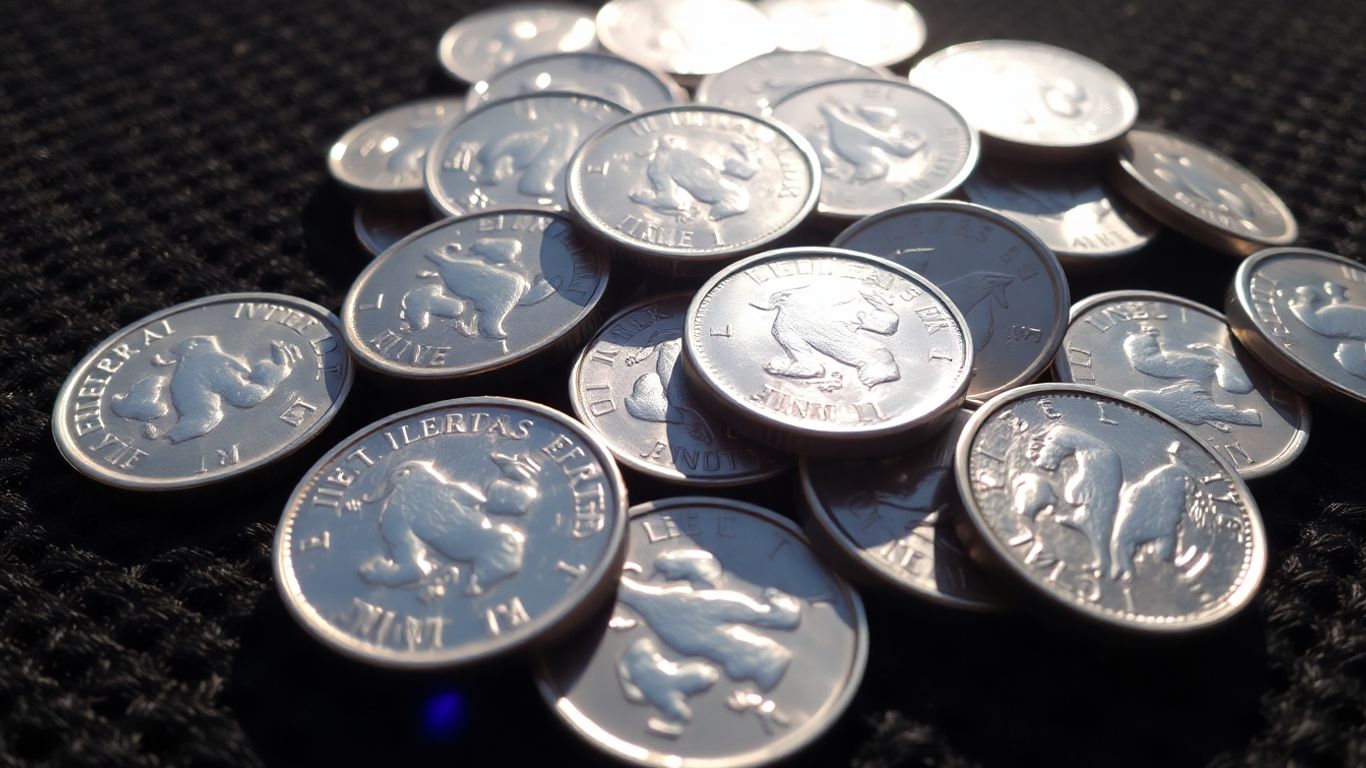
So, you’ve got some silver coins lying around and you’re wondering how to get the most money for them right here in San Antonio. It’s not as complicated as it might seem, but a little bit of know-how goes a long way. You want to make sure you’re not leaving money on the table, right? Let’s break down how to get top dollar for your silver.
Research Current Silver Prices
Before you even think about talking to a buyer, you need to know what silver is worth today. Silver prices can swing quite a bit, sometimes daily. You can easily find this information online by searching for the "spot price of silver." This is the going rate for pure silver right now. Keep in mind that your coins aren’t pure silver; they’re usually 90% silver (or sometimes 40% for older half dollars). So, you’ll need to adjust the spot price based on the silver content of your coins. It’s a good starting point to know if an offer you receive is fair.
Compare Offers From Multiple Buyers
This is probably the most important step. Don’t just walk into the first coin shop you see and accept their offer. Different dealers will have different overheads, different customer bases, and different needs for inventory. That means their offers can vary. It’s a good idea to visit at least two or three reputable coin dealers in the San Antonio area. Even better, if you can find a coin show happening locally, you might get even more competitive offers there. Take your time and get a few quotes before you decide where to sell.
Understand Valuation Methods
Buyers typically look at a few things when valuing your silver coins. For most common pre-1965 U.S. coins, often called "junk silver," the value is primarily based on their silver weight. They’ll weigh your coins and multiply that by the current silver price, minus a small percentage for the dealer’s profit and handling. Some coins, even if they’re silver, might have extra value if they’re rare dates or in exceptionally good condition (numismatic value). However, for most people selling bags of dimes, quarters, and half dollars, it’s all about the silver content. A good dealer will explain how they arrived at their offer, whether it’s based purely on melt value or if there’s any numismatic premium involved.
It’s wise to have a general idea of the weight of your coins. For example, a common roll of 90% silver dimes (50 coins) weighs about 113.4 grams, and a roll of quarters weighs about 226.8 grams. Knowing this can help you estimate the total silver weight you have before you even go to a dealer.
What Types Of Silver Coins Are Most Sought After?
Pre-1965 Dimes, Quarters, and Half Dollars
When most people think about selling silver coins, they’re often picturing the common U.S. coins minted before 1965. These include dimes, quarters, and half dollars. The reason these are so popular is their consistent 90% silver content. Think Roosevelt dimes, Washington quarters, and Franklin or Kennedy half dollars from 1964 and earlier. These coins are often referred to as "junk silver" not because they’re worthless, but because their primary value comes from the silver they contain, rather than any special collector rarity. They’re easy to recognize and understand, making them a go-to for many looking to sell or buy silver.
Silver Dollars: Morgan and Peace
Moving up in size and historical significance, we have the silver dollars. The Morgan dollar, minted from 1878 to 1904 and again in 1921, and the Peace dollar, produced from 1921 to 1935, are highly sought after. These coins are not only 90% silver but also carry significant numismatic appeal. Their larger size means more silver per coin, and their historical context makes them attractive to both silver investors and coin collectors. While common dates in lower grades might trade closer to their silver value, rarer dates or those in better condition can command a premium.
Bullion Silver Coins
Beyond the older U.S. coinage, modern bullion silver coins are also very popular. These are specifically minted for investors and are typically made of .999 fine silver, meaning they are almost pure silver. Examples include the American Silver Eagle, Canadian Maple Leaf, and Austrian Philharmonic. These coins are valued primarily for their silver content, similar to "junk silver," but with a much higher purity. Their appeal lies in their standardized weight and purity, making them easy to trade globally. You can find various options, like the 1 oz Silver Buffalo, which is a popular choice for those looking to acquire silver in a recognizable coin format.
While "junk silver" refers to common 90% silver coins valued mainly for their metal content, modern bullion coins offer higher purity and are also primarily valued for their silver. Both are popular choices for sellers and buyers in the San Antonio area.
Here’s a quick look at what makes these coins desirable:
- Pre-1965 U.S. Coins: Common, recognizable, 90% silver content.
- Morgan & Peace Dollars: Larger silver content, historical significance, numismatic interest.
- Modern Bullion Coins: High purity (.999 fine silver), standardized, globally recognized.
The Selling Process For Your Silver Coins
Selling your silver coins might seem straightforward, but a little preparation can make a big difference in the amount of cash you walk away with. It’s not just about handing over old coins; it’s about understanding their worth and presenting them in a way that gets you the best deal.
Preparing Your Coins For Sale
Before you even think about contacting a buyer, take some time to get your coins ready. This doesn’t mean polishing them to a mirror shine – in fact, that can sometimes hurt their value, especially for older, more collectible pieces. Instead, focus on organization and basic care.
- Sort your coins: Group them by type (dimes, quarters, half dollars) and by date if possible. This helps buyers assess your collection more quickly.
- Identify "junk silver": Most pre-1965 U.S. dimes, quarters, and half dollars are considered "junk silver" because their value is primarily based on their silver content, not their numismatic rarity. These are the coins most commonly sold for their melt value.
- Handle with care: Avoid cleaning your coins. Fingerprints and scratches can reduce their value. If they are in protective holders, leave them as they are.
- Document what you have: Make a simple list of the types of coins, approximate quantities, and any dates you can easily see. This list will be helpful when you talk to potential buyers.
Meeting With Potential Buyers
When you’re ready to sell, you’ll likely be meeting with local coin dealers or visiting coin shows. It’s important to approach these meetings with a clear idea of what you have and what you expect.
- Be punctual and professional: Arrive on time for your appointment or be ready when the dealer arrives.
- Have your inventory ready: Present your organized list of coins.
- Ask questions: Don’t hesitate to ask the buyer how they are valuing your coins and what factors they are considering.
- Observe their process: Pay attention to how they handle and examine your coins. A reputable dealer will be transparent about their methods.
Negotiating Your Best Deal
Negotiation is a key part of getting a fair price for your silver coins. Remember, the goal is to reach an agreement that you feel good about.
- Know the market price: Before you meet, check the current spot price of silver. This gives you a baseline for what your silver is worth by weight.
- Compare offers: If possible, get quotes from a few different buyers. This allows you to see who is offering the most competitive price.
- Be realistic: Understand that dealers need to make a profit. They will typically offer a percentage of the silver’s melt value, especially for "junk silver."
Selling silver coins is a transaction, and like any transaction, preparation and knowledge are your best tools. Don’t rush the process, and always aim to work with buyers who are transparent and fair. A little effort upfront can lead to a much better outcome when you’re ready to cash in your silver.
Why Choose San Antonio Coin Dealers?
Expertise in Numismatics
When you’re looking to sell your silver coins, especially those pre-1965 U.S. dimes, quarters, and half-dollars, you want to be sure you’re getting a fair price. Local coin dealers in San Antonio often have a deep knowledge of coins that goes beyond just their silver content. They understand the history, the minting process, and the potential numismatic value that might be attached to certain coins, even if they’re commonly referred to as "junk silver." This specialized knowledge means they can accurately assess your collection, distinguishing between coins valued purely for their metal and those with added collector appeal.
Convenient Local Transactions
Selling to a San Antonio coin dealer means you can often complete the transaction in person. This offers a level of comfort and security that online sales might not provide. You can walk into a shop, have your coins evaluated on the spot, and receive payment quickly. Many dealers are open during regular business hours, and some even offer appointments outside of those times, making it easier to fit into your schedule. For example, some dealers are open Monday through Thursday from 10 am to 4 pm, and others might offer private meetings by appointment.
Building Trust and Relationships
Over time, reputable coin dealers build a reputation within the community. They aim to establish trust with their customers, which can lead to repeat business. When you find a dealer you feel comfortable with, you know you’re likely dealing with someone honest and fair. This is especially important when selling larger collections or valuable items. A dealer who has been in business for years, like some in San Antonio who have been active since 1988, often has a solid track record and a commitment to customer satisfaction. They want to be your go-to source for all your coin-selling needs.
Working with local dealers can simplify the selling process significantly. They are familiar with the San Antonio market and can provide immediate assessments and offers, cutting out the delays often associated with shipping items to distant buyers or waiting for online auctions to conclude.
Navigating Coin Shows For Maximum Value
Finding Upcoming San Antonio Coin Shows
Coin shows are fantastic places to connect with collectors and dealers, and they can be a great venue for selling your silver coins. To find out when and where these events are happening in and around San Antonio, your best bet is to check local coin club websites or numismatic association calendars. Sometimes, local coin shops will also advertise upcoming shows. Keep an eye out for events like the San Antonio Coin Show, often hosted by local clubs, or larger regional gatherings like those put on by the Texas Numismatic Association. These shows can pop up in various locations, from convention centers to community halls.
Tips for Selling at Coin Shows
When you attend a coin show with the intention of selling, preparation is key. Before you go, do some research on the current market price for silver. This will give you a baseline for what your coins are worth. It’s also a good idea to organize your coins, perhaps by denomination or type, and have a general idea of what you’re hoping to get for them. Don’t be afraid to walk around and get a feel for the different dealers and their buying prices. Some dealers might specialize in certain types of coins, so knowing who might be most interested in your silver can be helpful.
- Research current silver prices: Know the spot price of silver before you arrive.
- Organize your coins: Group similar items together for easier evaluation.
- Talk to multiple dealers: Get a few offers before accepting one.
- Be realistic: Understand that dealers need to make a profit.
Networking with Dealers
Coin shows aren’t just about immediate transactions; they’re also about building relationships. Chatting with dealers can give you insights into the market and help you find trustworthy buyers for future sales. Many dealers are passionate about coins and enjoy sharing their knowledge. Building a rapport with a few reputable dealers can lead to better offers and a more pleasant selling experience over time. Remember, these events are a community, and fostering good connections can be just as beneficial as the cash you receive for your silver.
Attending coin shows offers a unique opportunity to interact directly with buyers. This face-to-face interaction allows for immediate feedback on your coins and can lead to more transparent negotiations. It’s a chance to learn more about your collection from people who deal with coins every day.
Common Mistakes To Avoid When Selling Silver
Selling your silver coins can be a straightforward process, but it’s easy to make missteps that cost you money. Being aware of common pitfalls can help you get the best possible return for your collection. Don’t let a few avoidable errors diminish the value of your hard-earned silver.
Selling Too Quickly
Impatience is a major enemy when selling valuable items like silver coins. The urge to get cash in hand quickly can lead to accepting the first offer you receive, which is often not the best one. Take your time to explore different avenues and buyers. Rushing the process might mean you miss out on a significantly better deal from another dealer or collector.
Accepting Lowball Offers
Some buyers, especially those looking to profit quickly, may present offers that are considerably below the actual market value of your silver. This is particularly true if you haven’t done your homework on current silver prices. Always know the spot price of silver and understand that your coins will sell for a premium above that, depending on their type and condition. A reputable buyer will offer a fair price based on the silver content and any numismatic value.
Not Verifying Buyer Reputation
It’s vital to sell to trustworthy individuals or businesses. Unscrupulous dealers might try to take advantage of sellers who are not well-informed. Look for established coin dealers with good reviews and a solid presence in the San Antonio area. Online forums and local collector groups can be good places to get recommendations. A quick search for reviews or asking around can save you a lot of trouble and potential financial loss. For instance, if you find a coin with an interesting anomaly, like a potential Susan B. Anthony coin error, you’ll want to be sure the buyer recognizes its potential value rather than dismissing it.
It’s easy to get caught up in the excitement of selling and overlook important details. Remember that your silver coins have both intrinsic bullion value and potential numismatic value. Failing to account for both can lead to a lower sale price than you deserve. Always aim to sell to a buyer who demonstrates transparency and fairness in their dealings. This ensures you get a price that truly reflects what your silver is worth.
Here are some key steps to avoid common mistakes:
- Research Current Silver Prices: Before you even talk to a buyer, check reliable sources for the current spot price of silver. This gives you a baseline for negotiations.
- Compare Offers: Don’t settle for the first offer. Contact multiple dealers, coin shows, and even online platforms to get a range of prices.
- Understand Your Coins: Know what type of silver coins you have. Are they common 90% silver dimes and quarters, or are they rarer silver dollars? This knowledge significantly impacts their worth.
- Check Buyer Credentials: Look for established dealers with physical locations and positive customer feedback. Avoid cash-only, no-name operations if possible.
The Role Of Silver Purity In Value
When you’re looking to sell silver coins, understanding the purity of the silver is a big part of what determines how much cash you’ll get. It’s not just about having silver; it’s about how much actual silver is in each coin. This purity level directly impacts the coin’s worth, especially when you’re dealing with buyers who are focused on the metal content.
Understanding Silver Content
Silver coins are often made from different alloys, meaning they’re mixed with other metals. The percentage of pure silver in a coin is its purity. For example, "90% silver" means that 90% of the coin’s weight is pure silver, and the remaining 10% is made up of other metals, usually copper. This is common in older U.S. coinage. On the other hand, "99.9% pure silver" or ".999 fine silver" coins, like modern bullion coins, are almost entirely pure silver.
90% Silver vs. .999 Fine Silver
Most older U.S. dimes, quarters, and half dollars minted before 1965 are 90% silver. These are often referred to as "junk silver" because their value is primarily based on their silver content rather than their numismatic (collector) appeal. Modern silver bullion coins, such as American Silver Eagles or Canadian Maple Leafs, are typically minted to a .999 fine silver standard. This higher purity means you get more silver per coin.
Here’s a quick look at common silver purities:
| Purity Standard | Description |
|---|---|
| 90% Silver | 90% silver, 10% other metals (e.g., copper) |
| .999 Fine Silver | 99.9% silver, minimal other metals |
| .9999 Fine Silver | 99.99% silver, extremely pure |
Impact of Purity on Cash Offers
When you sell your silver coins, buyers will assess their purity to determine their value. Coins with higher silver content, like .999 fine silver bullion, will generally command a higher price per ounce than 90% silver coins. This is straightforward economics: more pure silver means more intrinsic value. However, 90% silver coins are still quite sought after, especially in bulk, and their value is closely tied to the current market price of silver. Buyers often pay a percentage of the spot silver price, and this percentage can vary based on the coin’s purity, condition, and the buyer’s profit margin.
The purity of silver in your coins is a primary factor in their cash value. While older 90% silver coins have value based on their silver content, modern bullion coins with higher purity levels will typically yield more money per ounce due to the greater amount of pure silver they contain.
Selling Large Collections Of Silver Coins
When you have a substantial quantity of silver coins, perhaps accumulated over years or inherited, the selling process can feel a bit overwhelming. It’s not quite the same as bringing in a few pieces. For larger collections, a more structured approach is often best to ensure you get a fair price and the transaction goes smoothly. Dealers who specialize in buying collections are equipped to handle the volume and complexity involved.
Appraisal Services for Collections
Before you even think about selling, getting a professional appraisal is a smart first step. This isn’t just about getting a number; it’s about understanding what you have. An appraisal will detail the types of coins, their condition, and their potential value, both for their silver content and any numismatic (collector) worth.
- Identify Coin Types: Cataloging all the different denominations, mint marks, and dates.
- Assess Condition: Evaluating the wear and tear on each coin.
- Determine Value: Estimating both melt value (based on silver content) and collector value.
Some dealers offer free appraisals, especially if they are interested in purchasing the collection. Others may charge a fee, particularly for detailed written appraisals. Be sure to ask about their appraisal process and any associated costs upfront.
Logistics of Selling Bulk Silver
Selling a large collection involves more than just showing up at a shop. You need to consider how you’ll transport the coins safely and securely. If you have a very large collection, a dealer might be willing to come to you, but this usually depends on the estimated value and their travel policies. For smaller collections, you might need to arrange for insured shipping if you’re not selling locally. Always keep a detailed inventory for your records, and if shipping, use registered mail and insure the package for its full worth.
Working with Experienced Dealers
When dealing with a significant collection, partnering with experienced dealers is key. They have the knowledge to accurately assess a large volume of coins and the capital to make a substantial purchase. Look for dealers who have a good reputation in the San Antonio area and a history of handling estate sales or large collections. A reputable dealer will be transparent about their buying process and offer a clear breakdown of their valuation. For instance, some buyers might offer a percentage of the current market value, typically ranging from 80% to 90%, depending on the collection’s specifics. If they don’t end up buying your collection, be aware that some may charge a fee for their time and evaluation services.
Handling a large coin collection requires patience and a methodical approach. It’s easy to get overwhelmed, but breaking it down into steps – appraisal, logistics, and finding the right buyer – makes the process much more manageable and increases your chances of a successful sale.
If you’re in the San Antonio area and have a collection to sell, consider reaching out to local specialists like San Antonio Coin Buyers. They can provide guidance on the best way to proceed with your valuable holdings.
Ready to Sell Your Silver Coins?
So, you’ve got some old silver coins lying around and you’re wondering what to do with them. We’ve talked about why these coins are worth something and how to find folks in San Antonio who actually want to buy them. Remember, doing a little homework first really pays off. Knowing what you have and where to go makes a big difference. If you’re looking to get a fair price for your silver, consider reaching out to places like Texas Coins. They’re located at 950 NE Loop 410, San Antonio, TX 78209, and you can also email them at Texascoins210@gmail.com. They buy all sorts of coins, especially those pre-1964 silver ones. Don’t let those coins just sit there; turn them into cash.
Frequently Asked Questions
What exactly are “junk silver” coins?
Junk silver coins are basically old U.S. coins that are made mostly of silver, usually 90%. They aren’t typically rare or valuable for their historical design. Instead, their value comes from the silver metal they contain. Think of them as common coins that are mostly valued for their silver content, like pre-1965 dimes, quarters, and half dollars.
Which U.S. coins are considered 90% silver?
Most U.S. dimes, quarters, and half dollars made before the year 1965 are 90% silver. Dollar coins from that era also fall into this category. The U.S. government changed the metal content of these coins in 1965 because the price of silver went up. Pennies and nickels were never made with silver.
How can I find out the current value of silver?
To get the best price for your silver coins, it’s smart to check the current market price of silver. You can easily find this information online by searching for the ‘spot price of silver’ or ‘silver prices today.’ This will give you a good idea of what your silver is worth before you talk to any buyers.
Should I clean my silver coins before selling them?
Generally, it’s best not to clean your silver coins. Cleaning can sometimes damage the coin’s surface and actually lower its value, especially if it has any collectible appeal. Most buyers prefer to assess the coins as they are.
What’s the difference between 90% silver and .999 fine silver?
90% silver coins, like the old U.S. dimes and quarters, are made of 90% silver and 10% other metals. ‘.999 fine silver’ means the coin or bar is almost pure silver, with 99.9% silver content. Pure silver items are usually more valuable due to their higher silver content.
Where in San Antonio can I sell my silver coins?
In San Antonio, you have several options. You can visit local coin dealers and shops that specialize in buying precious metals and coins. Sometimes, local coin shows or events are great places to find buyers. You can also explore online marketplaces, though local transactions are often simpler and quicker.
What should I do if I have a large collection of silver coins to sell?
If you have a large collection, it’s a good idea to seek out dealers who specialize in buying collections. They often have the expertise to evaluate a large number of coins accurately. Some dealers may even offer appraisal services or come to you if the collection is substantial enough.
How do I make sure I’m getting a fair price for my silver coins?
To ensure a fair price, always get offers from multiple reputable buyers. Compare what each dealer offers, considering the current silver price. Understanding how they value your coins – whether by weight or for numismatic (collector) value – is also important. Don’t be afraid to negotiate respectfully.