
Thinking about selling some coins in San Antonio? It can feel like a puzzle trying to figure out where to get the best deal. You want to make sure you’re getting a fair price for your collection, whether it’s a few old quarters or a more serious collection. This guide is here to help you find the best coin buyer in San Antonio so you can sell with confidence.
Key Takeaways
- Knowing what makes your coins valuable, like their rarity, condition, and if they’re certified, is the first step.
- Having a plan for your collection, like what you want to collect and how much you want to spend, helps you make smart choices.
- Look for coin dealers in San Antonio who are known for being honest and have good reviews. This is key to finding the best coin buyer San Antonio has to offer.
- Understand how your coins are valued, considering things like metal purity, weight, and current market prices.
- When you’re ready to sell, get offers from a few different buyers to make sure you get the best possible price for your coins.
Understanding Your Coin Collection's Value
Before you even think about selling your coins, it’s important to get a handle on what they’re actually worth. This isn’t always straightforward, as a coin’s value depends on a few key things. It’s not just about how old it is; other factors play a big role.
Assessing Rarity and Demand
Some coins are just plain harder to find than others. If only a small number were ever made, or if many have been lost over time, that scarcity can drive up the price. But rarity alone isn’t enough. There also needs to be people who want to buy that specific coin. A rare coin nobody wants won’t fetch a high price. Think about coins from limited mint runs or those that are part of a popular collecting series. These often have a better chance of holding or increasing in value.
Authenticity and Certification Matters
It’s a bummer, but not every coin out there is genuine. For valuable coins, especially older or rarer ones, getting them authenticated is a smart move. Services like PCGS (Professional Coin Grading Service) or NGC (Numismatic Guaranty Company) examine coins and provide a grade and a certificate if they are real. This certification gives potential buyers confidence, and a certified coin often sells for more than an uncertified one, even if they are otherwise identical.
The Importance of Coin Condition
This is a big one. The physical state of a coin has a huge impact on its worth. A coin that’s been worn down from circulation, scratched, or otherwise damaged will be worth less than a pristine example. Even minor imperfections can make a difference. When assessing value, collectors look at things like:
- Wear: How much of the original design is still visible?
- Surface preservation: Are there any scratches, nicks, or other marks?
- Luster: Does the coin still have its original shine?
- Color: Has the coin discolored or toned naturally?
Trying to clean up a coin yourself to make it look better can actually hurt its value. Tarnish or a natural patina can be desirable to collectors, and harsh cleaning can leave permanent marks that significantly reduce what a coin is worth. It’s usually best to leave a coin as is.
When you’re looking at your collection, try to be objective about these factors. It helps to compare your coins to examples online or in reference books to get a better idea of their condition and potential value.
Planning Your Coin Collecting Strategy
Before you even think about selling, it’s smart to have a plan for your coin collection. This isn’t just about buying pretty coins; it’s about building something with purpose. A well-thought-out strategy can make your collection more enjoyable and potentially more valuable down the line.
Defining Your Collection's Focus
What kind of coins are you drawn to? Having a specific focus makes collecting more manageable and rewarding. Think about what truly interests you. Do you love the history behind ancient coins, or are you fascinated by the intricate designs of modern mints? Perhaps you’re drawn to a particular series, like U.S. State Quarters, or maybe a specific historical period.
Here are a few common ways collectors focus their efforts:
- Series Collection: Aim to collect every coin within a specific series, often by year and mint mark. For example, collecting all the Lincoln Cents from 1909 to the present.
- Type Set: Focus on collecting one example of each major design type for a particular denomination. You might collect one example of every major U.S. dime design, regardless of the year.
- Thematic Collection: Collect coins that share a common theme, such as animals, ships, or historical figures depicted on the coins.
- Date Collection: Choose a specific year that holds personal significance, like your birth year or a major historical event, and try to collect all the coins minted in that year from various locations.
Deciding on a focus early on helps prevent aimless buying and ensures your collection develops a cohesive narrative. It also makes it easier to track your progress and identify what you still need.
Budgeting for Smart Acquisitions
Collecting coins can be as expensive or as affordable as you make it. It’s vital to set a realistic budget. Don’t spend money you need for essentials like rent, bills, or retirement savings. Treat your coin budget like any other discretionary spending. Consider how much you can comfortably set aside each month or year for new acquisitions. This discipline will prevent overspending and ensure you can continue collecting long-term.
Researching Reputable Sources
Knowledge is power in the coin collecting world. Before you buy, do your homework. Familiarize yourself with reliable resources. Books like the
Navigating the San Antonio Coin Market
Finding the right place to sell your coins in San Antonio involves a bit of homework. It’s not just about walking into the first shop you see. You want to connect with dealers who know their stuff and treat you fairly. Identifying reputable coin dealers is the first step to a good sale.
Identifying Reputable Coin Dealers
When you’re looking for a coin buyer, think about what makes a business trustworthy. A good dealer will often have a physical location, not just an online presence. They should be willing to talk about their experience and how they operate. Look for signs of professionalism, like clear pricing and a willingness to answer all your questions. Some dealers might be members of professional organizations, which can be a good indicator, though not the only one.
Understanding Buyer Practices
Different buyers have different ways of doing business. Some focus on rare, graded coins, while others are more interested in bulk silver or gold. It’s important to understand how they assess value. Do they use modern technology like XRF scanners to test metal content without damaging your items? Or do they rely on older methods that might involve scratching or filing? A buyer who damages your property before making an offer might leave you with less desirable items if you decide not to sell.
Here are some common practices to look out for:
- Non-Destructive Testing: Reputable buyers often use methods like XRF analysis to determine metal content without harming your coins or jewelry.
- Transparent Offers: They should explain how they arrived at their offer, detailing the factors considered, such as metal weight, purity, and any numismatic (collector) value.
- No-Pressure Environment: A good buyer will give you time to consider their offer without pressuring you into an immediate decision.
- Clear Fee Structures: If there are any fees involved in appraisal or testing, they should be disclosed upfront.
Choosing the Best Coin Buyer San Antonio
To pick the best buyer in San Antonio, consider a few things. First, do your research. Look for reviews and ask for recommendations. If possible, visit a few different dealers to get a feel for their business. Getting multiple opinions on your collection’s worth is always a smart move.
Consider these points when making your choice:
- Specialization: Does the buyer specialize in the types of coins you have? A dealer focused on ancient coins might not be the best fit for modern silver dollars.
- Customer Service: How are you treated during your visit? A friendly, helpful attitude goes a long way.
- Offer Fairness: Compare offers. While you shouldn’t expect to get retail price, a fair offer reflects the current market value.
- Transaction Process: Understand how they pay. Do they offer immediate payment, or is there a waiting period?
When selling coins, especially those with potential collector value, it’s wise to have an idea of what you’re selling before you go to a dealer. Knowing the approximate date, mint mark, and condition of your coins can help you have a more informed conversation and better assess the offers you receive. This preparation can prevent you from accepting a lower price than your coins are truly worth.
Evaluating Your Coins for Sale
Before you even think about contacting a buyer, you need to get a good handle on what your coins are actually worth. This isn’t just about knowing the face value; it’s about understanding the factors that make a coin desirable to collectors and investors.
Understanding Coin Purity and Weight
For coins made of precious metals, like silver or gold, their intrinsic metal content plays a big role in their value. Buyers will often look at the purity (how much of the metal is actually in the coin) and the weight. This is especially true for what’s often called "junk silver" – older silver coins that are valued more for their silver content than their numismatic (collector) appeal. Knowing these details helps you understand the baseline value, separate from any collector premiums.
Tracking Current Market Prices
Coin values aren’t static. They change based on market demand, the economy, and even world events. For precious metal coins, the spot price of silver or gold is a major driver. For collectible coins, you’ll want to look at recent sales data for similar items. Websites that track coin auctions and sales can be a good resource for this. Staying informed about current prices helps you set realistic expectations.
The Role of Coin Grading Services
When it comes to collectible coins, their condition is paramount. This is where professional grading services come in. Companies like PCGS and NGC examine coins and assign them a grade based on their preservation, strike, and surface preservation. A higher grade usually means a higher value. While getting coins professionally graded can be an expense, it can also significantly increase their perceived value and make them more attractive to serious buyers. It provides an objective assessment that buyers can trust.
Preparing Your Coins for a Transaction
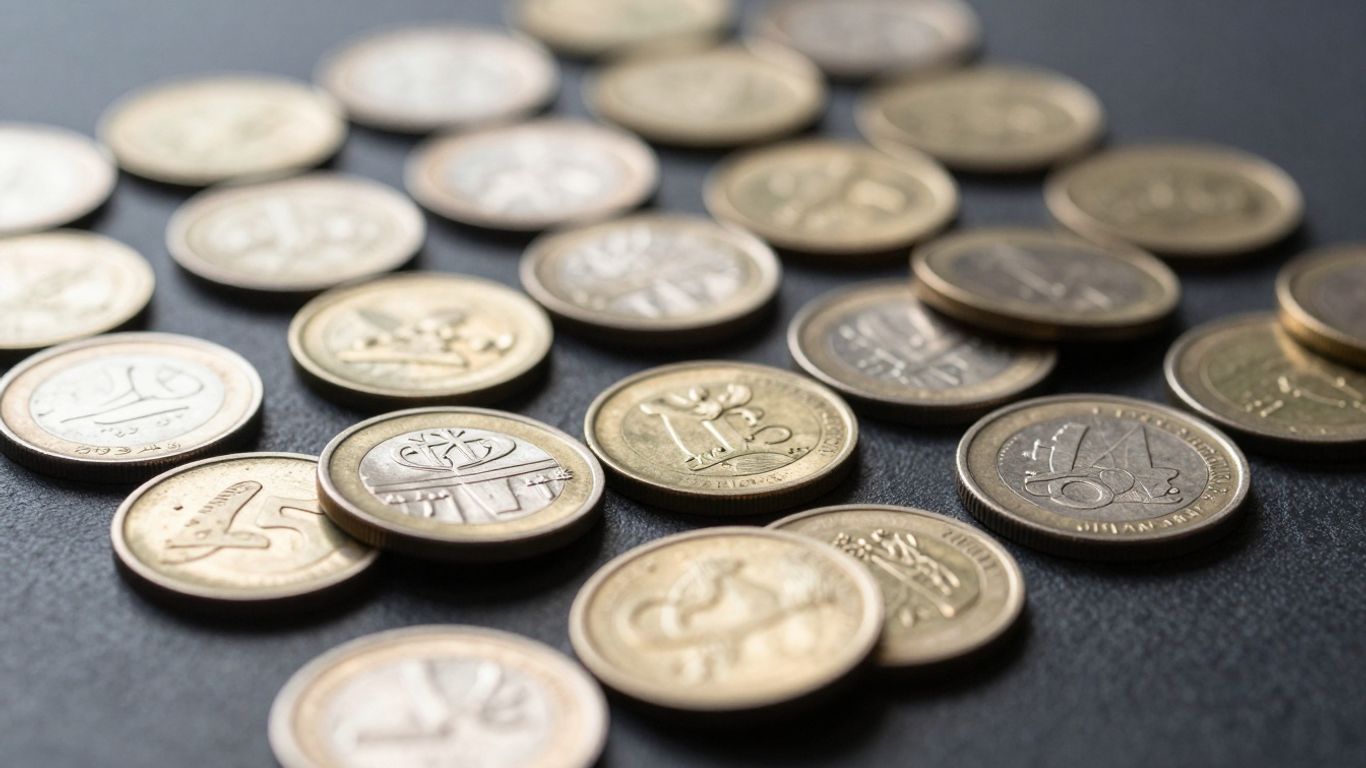
Before you meet with a coin buyer in San Antonio, taking a little time to get your collection ready can make a big difference. It’s not just about having the coins; it’s about presenting them in a way that makes it easy for a buyer to see what you have and understand its potential value. This preparation can lead to a smoother sale and potentially a better outcome for you.
Organizing Your Collection
Having your coins in order helps any potential buyer assess your holdings quickly. Think about how you might group them. Common methods include:
- By Date and Mint Mark: Grouping coins by the year they were minted and where they were produced (e.g., Philadelphia, Denver, San Francisco).
- By Denomination: Separating pennies, nickels, dimes, quarters, and so on.
- By Series or Type: If you collect specific coin series (like Lincoln Cents or Morgan Dollars), keep those together.
- By Condition/Grade: Grouping coins that appear to be in similar condition can also be helpful.
This organization makes it easier for a buyer to track what you have and can speed up the evaluation process.
The Risks of Cleaning Coins
It might seem like a good idea to clean your coins to make them look their best, but this is generally a bad practice when preparing to sell. Most experienced coin buyers prefer coins in their original, uncleaned state. Cleaning can introduce fine scratches that are visible under magnification, and these imperfections can significantly reduce a coin’s value. Even a gentle wipe with a cloth can alter the coin’s surface patina, which is often desirable to collectors. Unless you are absolutely certain that a specific cleaning method will not harm the coin and will demonstrably increase its value (which is rare), it is best to leave them as they are.
When in doubt, do not clean your coins. The potential for damage and value reduction far outweighs any perceived benefit of a shinier appearance. A professional buyer will have the means to assess a coin’s true condition without altering it.
Documenting Your Holdings
While not strictly necessary for every transaction, having some documentation can be beneficial, especially for more valuable collections. This could include:
- A simple inventory list: As mentioned in the organization section, a list of what you have, including dates and mint marks.
- Photographs: Clear pictures of your coins, especially any that you believe might be rare or valuable.
- Previous appraisals or certifications: If you’ve had any coins professionally graded or appraised in the past, bring those documents along.
This information provides a starting point for the buyer and shows that you have taken an interest in your collection’s details.
Specialized Coin Buying Considerations
When you’re ready to sell, some types of coins have specific market dynamics that are good to know about. It’s not just about rare, old coins; there’s a whole world of other categories that buyers look at.
Buying and Selling Junk Silver
"Junk silver" is a term collectors use for silver coins that have little to no numismatic (collector) value beyond their silver content. Think of older dimes, quarters, and half dollars minted before 1965, which are mostly made of 90% silver. Buyers often purchase these based on their melt value – the price of the silver they contain. When selling, expect offers to be tied closely to the current spot price of silver. It’s wise to organize these coins by date and denomination before meeting a buyer, as this makes it easier for them to assess what you have and calculate their offer.
Understanding Bullion Value
Bullion refers to precious metals like gold, silver, or platinum in a standardized form, such as bars or coins. Unlike collectible coins, the value of bullion is primarily determined by its weight and the current market price of the metal. Buyers will typically pay close to the spot price, minus a small premium for their handling and profit. It’s helpful to know the purity (e.g., .999 fine silver) and weight of your bullion items before you start looking for a buyer. This allows you to compare offers more effectively.
Rare and Certified Coin Premiums
Coins that are rare or have been certified by reputable grading services (like PCGS or NGC) often command a premium above their melt or intrinsic value. This premium reflects the coin’s numismatic appeal, its condition, rarity, and historical significance. When selling these types of coins, buyers will consider the grade assigned by the service. A higher grade usually means a higher price. Be aware that cleaning a coin can significantly reduce its value, even if it’s certified, as it can damage the surface. It’s generally best to leave coins in their original, uncleaned state for a professional evaluation.
The Technology Behind Coin Valuation
When you’re looking to sell your coins, understanding how their value is determined is key. While a coin dealer’s experience plays a big part, modern technology offers objective ways to assess a coin’s composition and authenticity. These tools help provide a more precise valuation, especially for precious metal content and rare items.
XRF X-Ray Analysis Explained
XRF, or X-ray fluorescence, is a non-destructive method used to identify and measure the elemental composition of materials. For coins, this technology can quickly and accurately determine the purity of precious metals like gold, silver, and platinum. It works by directing an X-ray beam at the coin, causing the atoms within the metal to emit characteristic fluorescent X-rays. By analyzing the energy and intensity of these emitted X-rays, the device can identify the elements present and their relative proportions. This is particularly useful for verifying the metal content of bullion coins or identifying alloys in older coinage.
Sigma Metalytics Technology
Sigma Metalytics is a company that has developed advanced metal verification systems. Their technology often uses eddy currents to test metals. Unlike XRF, which analyzes elemental composition, Sigma’s devices can detect variations in metal density, conductivity, and magnetic properties. This allows them to identify not just the metal type but also potential counterfeits or coins with altered compositions that might not be obvious with other methods. It’s a sophisticated way to confirm a coin’s metallic makeup without causing any damage.
Non-Destructive Testing Methods
Beyond XRF and Sigma’s technology, a range of non-destructive testing (NDT) methods are employed in coin valuation. These techniques are vital because they allow for thorough analysis without altering the coin in any way, which is critical for preserving its condition and value. Some common NDT methods include:
- Spectroscopy: Similar to XRF, various forms of spectroscopy can analyze the light emitted or absorbed by a material to determine its elemental or molecular composition.
- Ultrasonic Testing: This method uses sound waves to detect internal flaws or variations in density within a metal.
- Electromagnetic Testing: This can be used to assess the electrical conductivity and magnetic properties of metals, helping to identify different alloys or detect surface irregularities.
These technological advancements provide buyers and sellers with greater confidence in the accuracy of a coin’s valuation, moving beyond subjective assessments to data-driven analysis. This is especially important when dealing with high-value collections or when verifying the authenticity and metal content of precious metal coins.
Building Trust with Your Coin Buyer
Finding someone you can rely on when selling your coins is a big deal. It’s not just about getting a fair price; it’s about feeling secure and respected throughout the process. A good coin buyer in San Antonio will make you feel comfortable and confident in your transaction. This trust is built on transparency, a safe selling environment, and excellent customer service.
Seeking Transparent Transactions
Transparency means the buyer is open and honest about their practices. They should be willing to explain how they arrive at their valuations and what factors influence their offers. You should never feel like you’re being kept in the dark.
Here are some signs of a transparent transaction:
- Clear Pricing Structure: The buyer should be able to explain how they determine the value of your coins, whether it’s based on melt value, numismatic rarity, or market demand.
- Open Communication: They should answer all your questions directly and without hesitation.
- Detailed Offers: Any offer made should be itemized, showing the value assigned to each coin or group of coins.
- No Hidden Fees: Be wary of buyers who don’t clearly state any fees or commissions they might take.
The Value of a Safe Environment
Selling valuable items can feel a bit nerve-wracking. A reputable coin buyer will operate in a secure location, whether it’s a physical shop or a designated meeting place. This ensures the safety of both your property and their business.
Consider these points regarding safety:
- Secure Business Location: A brick-and-mortar store with security measures in place offers a sense of stability.
- Professional Conduct: Buyers should conduct themselves professionally, creating a business-like atmosphere rather than a casual, potentially risky one.
- Privacy: Your personal information and the details of your transaction should be kept private.
When you’re selling something as personal and potentially valuable as a coin collection, the environment in which you conduct the sale matters. A professional setting signals that the buyer takes the transaction seriously and respects your property.
Prioritizing Customer Service
Good customer service goes beyond just making a sale. It’s about the entire experience. A buyer who values their customers will make an effort to be helpful, respectful, and accommodating.
Look for these customer service qualities:
- Respectful Interaction: They should treat you and your collection with respect, regardless of its perceived value.
- Patience: Especially if you’re new to selling coins, a good buyer will be patient and take the time to explain things.
- Fairness: They should aim for a fair deal, not just the quickest profit for themselves.
- Follow-Up: In some cases, a good buyer might even offer advice or follow up to ensure you were satisfied with the transaction.
Maximizing Your Coin Sale Outcome
Once you’ve decided to sell your coins, the goal is to get the best possible return for your collection. This involves a few key steps to ensure you’re not leaving money on the table. It’s about being prepared and informed before you even talk to a potential buyer.
Getting Multiple Offers
It’s rarely a good idea to accept the first offer you receive. Different buyers will have different needs and different ideas about your coins’ worth. By seeking out several potential buyers, you create a competitive environment. This can significantly drive up the price you ultimately receive. Think about visiting a few different places in San Antonio that buy coins. Some places might specialize in certain types of coins, while others might be more general.
- Visit established coin shops: Look for dealers with a good reputation in the community. Places like Harry’s Coins & Jewelry are often a good starting point.
- Consider online auctions or marketplaces: For rarer items, a wider audience can sometimes yield better results, though this comes with its own set of risks and fees.
- Explore private collectors: If you know of serious collectors in your area, they might be willing to make a strong offer for specific pieces.
Negotiating Fair Prices
Negotiation is a skill, and when it comes to selling coins, it’s one you’ll want to practice. You need to know what your coins are worth before you start talking numbers. This means doing your homework on their rarity, condition, and current market value. Don’t be afraid to politely counter an offer if you believe it’s too low. Remember, the buyer is looking to make a profit, but you’re looking to get a fair price for your property.
A well-researched seller is a confident seller. Knowing the history and potential value of your coins gives you a stronger position at the negotiating table. It’s not about being aggressive, but about being informed and firm.
Understanding Payment Options
How you get paid is just as important as the price itself. Different buyers will offer different payment methods, and some might be more convenient or secure for you than others. Always clarify the payment terms upfront.
- Cash: Often preferred for immediate transactions, but be cautious with large amounts. Ensure you are in a safe, public place if accepting a significant sum.
- Check: A common method, but be aware that checks can sometimes bounce. It’s wise to wait for a check to clear before handing over valuable coins.
- Wire Transfer/Electronic Payment: This can be a secure option, especially for larger sales, as it provides a clear record of the transaction. However, it may take a day or two to process.
Always ensure you receive clear documentation for the sale, regardless of the payment method. This protects both you and the buyer.
Wrapping Up Your San Antonio Coin Search
So, you’ve learned a bit about what makes a coin valuable and how to spot a good buyer. Finding the right place in San Antonio to sell your coins or add to your collection doesn’t have to be a headache. Remember to do your homework, know what you have, and don’t be afraid to ask questions. Look for dealers who are open about their process and treat you fairly. Whether you’re cashing in on old coins or starting a new collection, a little preparation goes a long way. Happy hunting in San Antonio!
Frequently Asked Questions
How do I know if my coins are valuable?
To figure out if your coins are worth much, you need to look at a few things. First, how rare is the coin? If only a few were made, it’s likely more valuable. Second, what condition is it in? Coins that look almost new are usually worth more than ones that are worn out. Also, check if the coin has been officially graded by a trusted company like PCGS or NGC, as this can confirm its quality and authenticity, often making it more valuable.
What's the best way to start collecting coins?
Starting a coin collection can be a lot of fun! A good way to begin is by picking a theme or type of coin you like. You could focus on coins from a specific year, like your birth year, or collect different types of dimes. It’s also smart to set a budget so you don’t spend more than you can afford. Always try to buy from sellers you trust.
Should I clean my old coins before selling them?
It’s generally not a good idea to clean your coins before selling them. Most buyers prefer coins in their original state. Cleaning can sometimes damage the coin’s surface, leaving tiny scratches that can actually lower its value. It’s usually best to leave them just as they are.
What makes a coin rare?
A coin is considered rare for a few main reasons. The number of coins originally made plays a big part; fewer coins mean greater rarity. The demand for that specific coin also matters – if many people want it but few are available, it becomes rarer. The coin’s condition and whether it has any unique errors during minting can also contribute to its rarity.
What is 'junk silver'?
‘Junk silver’ is a term used for old silver coins that are valued mostly for their silver content rather than their collectible rarity. These coins, often made before 1965 in the U.S., are typically worn and don’t have much collector appeal. Their worth is mainly based on the current price of silver.
How do coin dealers determine the price of my coins?
Coin dealers look at several factors to price your coins. They consider the coin’s rarity, its condition (often using a grading scale), whether it’s certified by a reputable service, and the current market demand. For coins valued mainly for their metal content, like silver or gold, they’ll check the current spot price of the metal.
Why is certification important for valuable coins?
Coin certification, usually done by companies like PCGS or NGC, is important because it provides an official, unbiased opinion on a coin’s authenticity, grade (condition), and rarity. This professional assessment gives buyers confidence, often leading to a higher selling price because the coin’s quality is guaranteed.
What should I look for in a coin buyer in San Antonio?
When looking for a coin buyer in San Antonio, seek out dealers who are well-known and have a good reputation. Check for reviews or ask other collectors for recommendations. A trustworthy buyer will be transparent about their practices, offer fair prices based on market value, and provide a safe environment for you to sell your coins. They should also be knowledgeable and willing to explain their evaluation process.