
So, you’ve got some silver coins and you’re looking to sell them right here in San Antonio. It’s not super complicated, but knowing a few things can help you get a better price. You don’t want to leave money on the table, right? Let’s figure out how to get the most for your silver.
Key Takeaways
- Understand the value of your silver coins, especially older U.S. ones often called ‘junk silver’.
- Look into local coin shops, online places, and coin shows in San Antonio to find buyers.
- Check current silver prices and get offers from different buyers to make sure you get a good deal.
- Commonly sought-after silver coins include pre-1965 dimes, quarters, half dollars, and silver dollars like Morgans and Peace dollars.
- Avoid common selling mistakes like rushing, accepting low offers, or not checking who you’re selling to.
Understanding Your Silver Eagle’s Value
Before you even think about selling your American Silver Eagles, it’s a good idea to get a handle on what they’re actually worth. This isn’t just about knowing the price of silver on any given day; it’s about understanding the different factors that contribute to your coin’s overall value. Knowing your Silver Eagle’s worth empowers you at the negotiating table.
Research Current Silver Prices
The most straightforward part of valuing your Silver Eagles is checking the current market price for silver. This is often referred to as the "spot price." You can find this information on many financial news websites or dedicated precious metal sites. Remember, the price of silver fluctuates daily, sometimes even hourly. So, what you see one day might be different the next. This spot price serves as your baseline for understanding the intrinsic metal value of your coins.
Identify 90% Silver U.S. Coins
While we’re focusing on Silver Eagles, which are .999 fine silver, it’s helpful to know about other common silver coins. Many older U.S. coins, like dimes, quarters, and half dollars minted before 1965, are made of 90% silver. These are often called "junk silver" because their value is mostly tied to their silver content, not their collector appeal. Understanding this distinction helps you recognize what you have and how it compares to other types of silver coinage. For instance, a bag of pre-1965 quarters has a different value proposition than a stack of modern Silver Eagles.
Distinguish Between Bullion and Numismatic Value
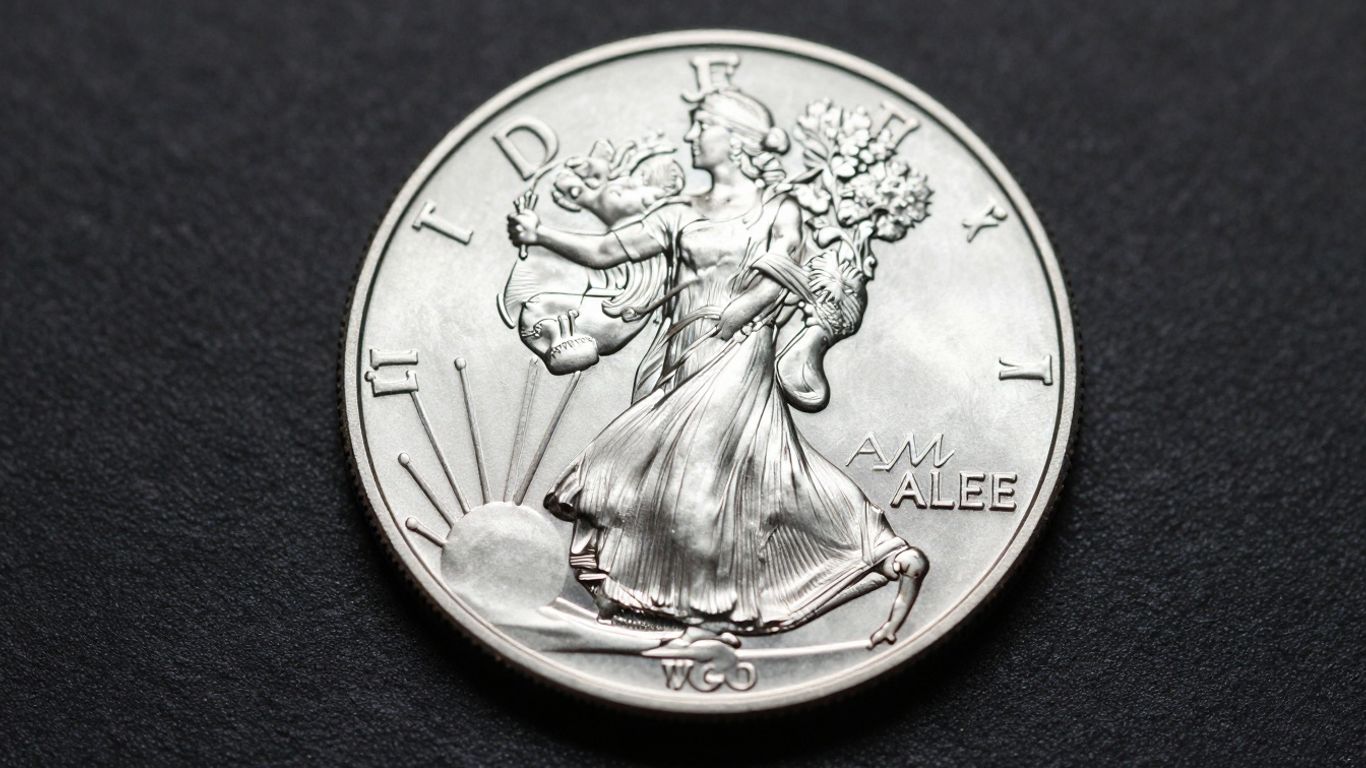
American Silver Eagles are primarily considered bullion coins. This means their value is largely determined by the amount of pure silver they contain and the current market price of silver. However, some coins can also have numismatic value. This refers to their worth as collectibles, which is influenced by factors like rarity, condition, historical significance, and demand from collectors. While most Silver Eagles are valued for their silver content, exceptionally rare mintages or coins in pristine, uncirculated condition might fetch a premium above their melt value. It’s important to understand that the value of silver dollars can be a mix of both silver content and collector appeal, though Silver Eagles lean heavily towards bullion.
Here’s a quick breakdown:
- Bullion Value: Based on the current market price of the silver content.
- Numismatic Value: Based on rarity, condition, historical interest, and collector demand.
When assessing your Silver Eagles, consider both aspects. While the silver price is the main driver, a coin’s condition can sometimes add a small bonus, especially if it’s in perfect shape.
To get a clearer picture of your coins’ worth, you might want to look at resources that track both silver prices and collector coin values. This dual approach gives you a more complete understanding before you approach any potential buyers.
Finding Reputable Silver Eagle Buyers in San Antonio
So, you’ve decided it’s time to sell your Silver Eagles, and you’re looking for trustworthy folks to buy them here in San Antonio. It’s a smart move to sell locally if you can. You want to make sure you’re dealing with people who know their stuff and won’t try to pull a fast one. Let’s talk about how to find those good buyers.
Why Choose Local San Antonio Coin Dealers?
When you’re looking to sell something like Silver Eagles, which have both a silver content value and a collector value, local dealers can be a really good option. They often have a solid grasp on the coin market, not just the price of silver itself. They understand the nuances of different mint years, conditions, and any special features that might make your coin more desirable to collectors. Plus, selling in person means you can see your coins being evaluated and get paid right then and there. It’s usually pretty straightforward.
- Expertise in Numismatics: Local dealers often know more than just the melt value of silver. They can spot coins with extra collector appeal.
- Convenient Local Transactions: You can meet face-to-face, get an appraisal, and complete the sale in one go.
- Building Trust with Established Dealers: Long-standing businesses often have a reputation to protect, which is good for you.
It’s easy to get excited about selling and overlook important details. Remember that your silver coins have both intrinsic bullion value and potential numismatic value. Failing to account for both can lead to a lower sale price than you deserve. Always aim to sell to a buyer who demonstrates transparency and fairness in their dealings. This ensures you get a price that truly reflects what your silver is worth.
Verify Buyer Reputation and Reviews
Before you hand over your precious Silver Eagles, it’s super important to check out who you’re dealing with. You don’t want to end up with someone who offers you way less than your coins are worth. A quick look online can tell you a lot. See if they have reviews on Google, Yelp, or other sites. Ask around in local collector groups if you’re part of any. A dealer with a long history and good feedback is usually a safe bet.
Building Trust with Established Dealers
Established coin dealers in San Antonio have usually been around for a while. They’ve built their business on trust and fair dealings. They know that repeat customers and good word-of-mouth are key. When you find a dealer like this, it makes the whole selling process much smoother. You can feel more confident that you’re getting a fair shake. It’s worth taking a little extra time to find one of these reliable places.
Comparing Offers From Potential Buyers
Once you’ve identified a few potential buyers for your Silver Eagles, the next logical step is to compare what they’re offering. It might seem straightforward, but there’s a bit more to it than just looking at the final number. Different buyers might use different methods to arrive at their price, and understanding these can help you get the best deal.
The Importance of Multiple Quotes
It’s really not a good idea to take the first offer you get. Think of it like shopping for anything else – you wouldn’t buy the first car you see, right? The same applies here. Different coin dealers in San Antonio will have varying business models, overhead costs, and immediate needs for inventory. This means their offers can differ significantly. Getting quotes from at least two or three reputable dealers is a smart move. This gives you a clearer picture of the market rate for your specific coins and prevents you from potentially selling for much less than they’re worth. You might even find a buyer at a local coin show who offers a more competitive price.
Understanding Valuation Methods
Buyers will typically value your Silver Eagles in one of two main ways: by their melt value or by their numismatic value. Melt value is simply the worth of the silver content itself. For Silver Eagles, which are .999 fine silver, this is usually straightforward to calculate once you know the current spot price of silver. However, Silver Eagles also have numismatic value, which is their worth as a collectible coin. This can be influenced by factors like rarity, condition, and specific mint marks. A buyer who only focuses on melt value might undervalue your coins if they have significant numismatic appeal. A reputable buyer will consider both melt and numismatic value when making an offer.
Negotiating a Fair Price
After you have a few offers in hand, you’ll be in a much better position to negotiate. If one offer is noticeably lower than the others, you can politely point this out and see if the buyer is willing to adjust their price. Remember, dealers need to make a profit, so they won’t be able to pay you the full retail price. However, they should be offering a price that is fair and reflects the current market conditions for both silver and collectible coins. Don’t be afraid to ask questions about how they arrived at their offer. Transparency is key, and a good dealer will be happy to explain their valuation.
When comparing offers, always keep the current spot price of silver in mind as your baseline. Understand that dealers will offer a percentage of this value, plus any premium for numismatic worth. If an offer seems too good to be true, or significantly below market, it’s worth investigating further before accepting.
Here are some points to consider during negotiation:
- Know Your Coin’s Worth: Have a good idea of both the silver content value and any potential collector value before you start talking prices.
- Be Realistic: Understand that a dealer needs to resell the coin for a profit.
- Ask for Justification: If an offer seems low, ask the buyer to explain their reasoning based on the coin’s condition or market demand.
- Be Prepared to Walk Away: If you can’t reach a price you’re comfortable with, it’s okay to take your business elsewhere.
Navigating Local Coin Dealers
Expertise in Numismatics
When you’re looking to sell your silver coins, especially those pre-1965 U.S. dimes, quarters, and half-dollars, you want to be sure you’re getting a fair price. Local coin dealers in San Antonio often have a deep knowledge of coins that goes beyond just their silver content. They understand the history, the minting process, and the potential numismatic value that might be attached to certain coins, even if they’re commonly referred to as "junk silver." This specialized knowledge means they can accurately assess your collection, distinguishing between coins valued purely for their metal and those with added collector appeal. This understanding is key to getting the most accurate valuation for your Silver Eagles.
Convenient Local Transactions
Selling to a San Antonio coin dealer means you can often complete the transaction in person. This offers a level of comfort and security that online sales might not provide. You can walk into a shop, have your coins evaluated on the spot, and receive payment quickly. Many dealers are open during regular business hours, and some even offer appointments outside of those times, making it easier to fit into your schedule. For example, some dealers are open Monday through Thursday from 10 am to 4 pm, and others might offer private meetings by appointment.
San Antonio Coin Dealer Listings
Here are a couple of local dealers to consider in San Antonio:
- Texas Coins: Located at 950 NE Loop 410, San Antonio, TX 78209. They buy pre-1964 coins and have been in business since 1988. They are open Monday through Thursday from 10 am to 4 pm, and no appointment is necessary for walk-ins.
- San Antonio Coin Company: Steve Petrik, the owner, prefers appointments. It’s best to call or text him at 210-838-4764 to arrange a meeting. He buys coin collections and estates.
Working with local dealers can simplify the selling process significantly. They are familiar with the San Antonio market and can provide immediate assessments and offers, cutting out the delays often associated with shipping items to distant buyers or waiting for online auctions to conclude.
Exploring Coin Shows for Selling Opportunities
Coin shows are fantastic places to connect with collectors and dealers, and they can be a great venue for selling your silver coins. To find out when and where these events are happening in and around San Antonio, your best bet is to check local coin club websites or numismatic association calendars. Sometimes, local coin shops will also advertise upcoming shows. Keep an eye out for events like the San Antonio Coin Show, often hosted by local clubs, or larger regional gatherings. These shows can pop up in various locations, from convention centers to community halls.
Finding Upcoming San Antonio Coin Shows
Finding out about local coin shows is usually straightforward. Many coin shops in San Antonio will post flyers for upcoming events. You can also check the websites of numismatic organizations, as they often maintain calendars of shows across the state. These events are a prime opportunity to get a feel for the market and meet potential buyers face-to-face.
Tips for Selling at Coin Shows
When you attend a coin show with the intention of selling, preparation is key. Before you go, do some research on the current market price for silver. This will give you a baseline for what your coins are worth. It’s also a good idea to organize your coins, perhaps by denomination or type, and have a general idea of what you’re hoping to get for them. Don’t be afraid to walk around and get a feel for the different dealers and their buying prices. Some dealers might specialize in certain types of coins, so knowing who might be most interested in your silver can be helpful. Networking with dealers at these shows can lead to better offers and a more pleasant selling experience over time.
- Research Market Prices: Know the current spot price of silver before you arrive.
- Organize Your Coins: Group them by type (e.g., dimes, quarters, dollars) and date if possible.
- Get Multiple Quotes: Don’t accept the first offer; visit several dealers to compare.
- Be Patient: Avoid the urge to sell immediately; take your time to find the best deal.
Attending a coin show allows you to talk to multiple buyers in a short period. This can be very efficient for selling larger collections or if you want to get a feel for the market value of your silver coins. It’s a chance to learn more about your collection from people who deal with coins every day.
Connecting with Dealers and Collectors
Coin shows aren’t just about immediate transactions; they’re also about building relationships. Chatting with dealers can give you insights into the market and help you find trustworthy buyers for future sales. Many dealers are passionate about coins and enjoy sharing their knowledge. Building a rapport with a few reputable dealers can lead to better offers and a more pleasant selling experience over time. Remember, these events are a community, and fostering good connections can be just as beneficial as the cash you receive for your silver. You might even find specific items like the 2025-S 1 oz Silver Eagle First Day Issue San Francisco if you look closely.
Considering Online Marketplaces
While local dealers and coin shows offer direct interaction, the digital world presents another avenue for selling your Silver Eagles. Online marketplaces can connect you with a broader audience, potentially reaching buyers far beyond San Antonio. This can be a good option if you’re looking to cast a wider net or if local options haven’t met your expectations. However, it’s important to approach online sales with a clear understanding of both the benefits and the drawbacks.
Pros and Cons of Online Sales
Selling online opens up your options to a much wider audience, potentially including buyers from all over the country or even the world. Platforms like eBay allow you to list your coins for sale. You can set a fixed price or run an auction. While online sales can sometimes fetch higher prices due to increased demand, they also come with their own set of challenges. You’ll need to take good photos, write clear descriptions, and handle shipping. There are also fees associated with selling on these platforms.
The primary advantage is access to a larger pool of potential buyers, which can sometimes lead to more competitive bidding. Conversely, the main disadvantages involve the logistics of shipping, the time investment in creating listings, and the fees charged by the platform. You also lose the immediate feedback and personal interaction you get with local dealers.
Popular Online Selling Platforms
Several platforms cater to coin sales, each with its own user base and fee structure. It’s wise to research these options to see which best fits your needs:
- eBay: This is perhaps the most well-known online auction and sales platform. Many collectors and dealers use eBay to buy and sell coins, offering both auction-style listings and fixed-price options. You can find official coin dealers on eBay, as well as individual sellers.
- Specialized Coin Forums: Some online communities are dedicated to coin collecting. These forums often have sections where members can buy, sell, or trade coins. These can be good places to connect with serious collectors.
- Online Bullion Dealers: Some larger online bullion dealers also have marketplaces or sections where individuals can sell their coins, though this is less common for individual sellers compared to platforms like eBay.
Safeguarding Your Online Transactions
When selling online, it’s crucial to protect yourself and your valuable coins. Here are some tips:
- Document Everything: Take clear, high-resolution photos of your coins from multiple angles. Keep detailed records of your listings, communications with buyers, and shipping information.
- Understand Platform Policies: Familiarize yourself with the selling platform’s terms of service, buyer protection policies, and dispute resolution processes.
- Insure Your Shipments: Always insure your packages for the full value of the coins being shipped. Use a reputable shipping carrier with tracking capabilities.
- Be Wary of Scams: Be cautious of buyers who ask you to communicate outside the platform, offer payment via unusual methods, or pressure you into quick sales. Always follow the platform’s recommended transaction procedures.
Selling online requires a different skill set than selling locally. You need to be comfortable with digital communication, photography, and shipping logistics. While it can expand your market, it also introduces new risks that require careful management.
Avoiding Common Selling Mistakes
Selling your Silver Eagles, or any silver coins for that matter, can feel like a minefield if you’re not careful. It’s easy to make a simple mistake that ends up costing you money. Think of it like trying to assemble furniture without the instructions – you might get there, but it’s probably going to be a bumpy ride. Being aware of what can go wrong is half the battle.
Don’t Rush the Selling Process
One of the biggest traps people fall into is wanting to sell their silver right now. You’ve decided to sell, and suddenly you feel this pressure to accept the first offer that comes your way. This is especially true if you’re feeling a bit anxious about having a valuable item. But here’s the thing: rushing usually means you’re not going to get the best price. Buyers know this, and some might even try to play on that urgency. It’s like selling a house; you wouldn’t accept the first lowball offer just because you want it gone. Take your time, do your homework, and explore your options. Patience really does pay off when it comes to selling precious metals.
Beware of Below-Market Offers
This ties right into not rushing. Some folks, especially those looking to make a quick profit, will try to offer you less than what your silver is actually worth. They might say it’s because of fees, or the condition, or some other reason. Always know the current market price of silver before you even talk to a buyer. You can easily find this online. Remember, your Silver Eagles are .999 fine silver, so their value is directly tied to the silver spot price, plus a small premium. If someone offers you significantly less than the melt value, it’s a red flag. It’s good to get a few different quotes to see what the going rate is.
Here’s a general idea of how offers might compare:
| Offer Type | Typical Percentage of Spot Price |
|---|---|
| Reputable Dealer | 80-95% |
| Pawn Shop | 50-70% |
| Individual Buyer | Varies widely |
The Pitfalls of Not Verifying Buyer Reputation
This is a big one. You wouldn’t hand over your car keys to a stranger, right? Selling your silver coins should be no different. You need to know who you’re dealing with. Are they a long-standing, reputable coin dealer in San Antonio with good reviews? Or are they someone who just set up a table at a flea market last week? Unreputable buyers can take advantage of sellers who haven’t done their due diligence. They might misrepresent the value, claim your coins are less pure than they are, or simply offer a fraction of what they’re worth. Before you agree to sell, take a few minutes to look them up online. Check for reviews, see if they have a physical address, and ask around in local coin collector groups if you can. A little bit of research upfront can save you a lot of headaches and money down the road.
Selling valuable items requires a level of caution. It’s not about being suspicious of everyone, but rather about being informed and protected. Understanding the market, knowing your item’s worth, and dealing with established businesses are key steps to a successful and fair transaction. Don’t let eagerness or a lack of information lead to a poor outcome.
Preparing Your Silver Eagles for Sale
Getting your Silver Eagles ready for the market doesn’t require a lot of fuss, but a little attention can make a difference. It’s not about making them look brand new; in fact, sometimes that can actually hurt their value, especially if they have any collector appeal beyond just their silver content. The main goal here is to organize what you have and handle it with care.
Should You Clean Your Silver Coins?
This is a big one, and the general advice is: don’t. Cleaning your coins, especially older ones or those with any potential numismatic value, can significantly decrease their worth. What might look like tarnish to you could be a desirable patina to a collector or dealer. Fingerprints can leave oils that damage the surface over time, and abrasive cleaning methods will leave visible scratches. It is almost always better to leave your coins as they are. If you’re unsure, err on the side of caution and leave them uncleaned.
Understanding Coin Condition
When buyers look at your coins, they’ll be assessing their condition. This isn’t just about whether they’re scratched; it’s about the overall wear and tear. For Silver Eagles, which are modern bullion coins, condition is primarily about maintaining their original mint state as much as possible. This means:
- Surface Preservation: Look for any significant scratches, nicks, or dents. These can lower the value.
- Original Luster: The coin should ideally retain its original shine or finish from the mint. Cleaning or improper handling can dull this.
- Edge Integrity: Check that the reeded or smooth edge of the coin is intact and not damaged.
Buyers will often use magnification to inspect coins closely. Even minor imperfections can be noticeable to an experienced eye. Understanding this helps you appreciate why leaving them untouched is usually the best policy.
Organizing Your Collection
Having your coins in order makes the selling process smoother for both you and the buyer. It shows you’ve put some thought into it and helps them quickly assess what you have. Here’s a simple way to organize:
- Group by Type: If you have other silver coins besides Eagles, group them separately (e.g., dimes, quarters, Morgan dollars).
- Keep Eagles Together: If you have multiple Silver Eagles, keep them together. Note any differences in year if they are significant.
- Use Protective Holders: If your coins are already in individual plastic flips or tubes, keep them that way. Avoid removing them unless absolutely necessary. For bulk sales, buyers might prefer them in original mint tubes or securely packaged in boxes. You can find resources on how to properly store and transport silver coins if you’re unsure.
Having a simple list of what you have, including the year and quantity of each type of coin, can also be very helpful when you start talking to potential buyers.
Understanding Different Silver Coin Types
When you’re looking to sell your Silver Eagles, or any silver coins for that matter, it helps to know what you’ve got. Not all silver coins are created equal, and understanding the differences can really help you get a fair price. It boils down to a few key things: how much actual silver is in the coin and whether it has any special collector appeal beyond just its metal content.
What Constitutes "Junk Silver" Coins?
"Junk silver" is a term you’ll hear a lot. It doesn’t mean the coins are trash; it just means their main value comes from the silver they contain, not from being rare or historically significant collector items. Think of common U.S. dimes, quarters, and half dollars made before 1965. These coins are typically 90% silver. While they might have dates or mint marks that make some rare, for the most part, dealers will buy them based on their weight in silver. They’re easy to find and recognize, making them a popular choice for people looking to sell their silver.
The Difference Between 90% Silver and .999 Fine Silver
This is where purity really matters. The percentage tells you how much actual silver is in the coin. Older U.S. coins, like those dimes and quarters we just talked about, are usually 90% silver. The other 10% is typically copper, which made them more durable for everyday use. Modern bullion coins, like your American Silver Eagles, are a different story. They are made to be almost pure silver, usually .999 fine silver (that means 99.9% pure silver). Sometimes you’ll even see .9999 fine silver, which is even purer. Because they have more silver in them, these coins are generally worth more per ounce than 90% silver coins, assuming all other factors are equal.
Here’s a quick breakdown:
- 90% Silver: Common in older U.S. coins (pre-1965 dimes, quarters, half dollars). Contains 90% silver and 10% other metals.
- .999 Fine Silver: Standard for modern bullion coins like American Silver Eagles, Canadian Maple Leafs. Contains 99.9% silver.
- .9999 Fine Silver: Even higher purity, found in some modern bullion issues.
Commonly Sought-After Silver Coins
Beyond the general categories, some specific coins are always in demand. Your American Silver Eagle is a prime example of a modern bullion coin. Then you have older silver dollars, like the Morgan dollar (minted 1878-1904, 1921) and the Peace dollar (minted 1921-1935). These are larger coins, so they contain more silver than a dime or quarter. Plus, they have a lot of history behind them, which collectors really like. While common dates of these silver dollars might sell close to their silver value, rarer dates or those in excellent condition can fetch a much higher price due to their numismatic appeal.
Knowing the type of silver coins you possess is the first step in understanding their potential value. It helps you distinguish between coins valued primarily for their metal content and those that might also carry a premium for their rarity or historical significance.
So, when you’re talking to a buyer, being able to identify whether you have bags of 90% silver dimes or a few pristine Silver Eagles will make the conversation much smoother and help you get a better offer.
Wrapping Up Your Silver Sale
So, you’ve got your silver coins and you’re ready to turn them into cash right here in San Antonio. It’s not too tricky if you take a few simple steps. Remember to check what silver is going for today, and don’t be afraid to shop around a bit to see who’s offering the best price. Dealing with local shops can be pretty straightforward, and they often know their stuff when it comes to coins. Just be sure you’re working with someone you feel good about. A little bit of effort now can mean a better payout later when you decide to sell your silver.
Frequently Asked Questions
What makes a coin “junk silver”?
The term “junk silver” refers to common U.S. coins made before 1965 that are valued mainly for the amount of silver they contain, rather than for their rarity or collector appeal. Think of them as old dimes, quarters, and half dollars that are mostly worth their weight in silver.
Which U.S. coins are made of 90% silver?
Most U.S. dimes, quarters, and half dollars that were made before the year 1965 contain 90% silver. Some older dollar coins also fall into this category. After 1964, the U.S. government changed the metal used for these coins, and they no longer contained silver.
How can I find out the current price of silver?
You can easily check the current market price of silver by searching online for terms like “spot price of silver” or “silver prices today.” This will give you a good idea of what your silver is worth before you start talking to buyers.
Should I clean my silver coins before selling them?
It’s generally best not to clean your silver coins. Cleaning can sometimes harm the coin’s surface and reduce its value, especially if it has any collector interest. Most buyers prefer to see the coins in their original condition.
What is the difference between 90% silver and .999 fine silver?
Coins with 90% silver are made up of 90% silver and 10% other metals. ‘.999 fine silver’ means the item is almost pure silver, containing 99.9% silver. Items made of .999 fine silver are usually worth more because they have a higher silver content.
Where can I sell my silver coins in San Antonio?
In San Antonio, you have several options for selling silver coins. You can visit local coin dealers, check out coin shows, or explore online marketplaces. Local dealers and shows often provide a more straightforward and quicker selling experience.
Why is it important to compare offers from different buyers?
Different buyers may offer different prices based on their business needs and how they value coins. Getting quotes from multiple reputable dealers ensures you get a competitive offer and the best possible price for your silver. It helps you avoid accepting a low offer.
What are the risks of selling silver coins online?
While selling online can reach more buyers, risks include dealing with shipping, potential payment delays, platform fees, and the need to carefully vet buyers to avoid scams. It’s crucial to research the platform and protect your transactions.