
Thinking about selling some of your fractional gold coins in San Antonio? It can feel a bit overwhelming trying to figure out where to go and who to trust. This guide is here to help you find reliable places to sell your gold, understand how they work, and make sure you get a fair deal. We’ll cover some of the local spots and what to look out for when you’re ready to make a sale.
Key Takeaways
- San Antonio has several established dealers for precious metals, including those who buy fractional gold coins. Researching these local fractional gold coin buyers San Antonio options is a good first step.
- When choosing a buyer, check their reputation, licensing, and how they test your gold. Look for dealers who are transparent about their processes and pricing.
- Understanding the current spot price of gold is important. This gives you a baseline for evaluating the offers you receive from different fractional gold coin buyers in San Antonio.
- Always compare offers from multiple buyers before selling. This helps ensure you’re getting the best possible price for your fractional gold coins.
- Selling to licensed dealers who use non-destructive testing methods can provide a more secure and fair transaction for your fractional gold coins.
Locating Reputable Fractional Gold Coin Buyers In San Antonio
Finding the right place to sell your fractional gold coins in San Antonio involves a bit of homework. It’s not just about walking into the first shop you see; you want to make sure you’re dealing with someone trustworthy and knowledgeable. The local market here has a good number of dealers, but they aren’t all the same.
Understanding The San Antonio Market For Precious Metals
San Antonio has a solid presence of precious metals dealers, catering to both collectors and investors. You’ll find shops that focus on rare coins, others that deal in bullion, and some that do a bit of everything. Knowing this helps you narrow down where to go based on what you’re selling. For instance, if you have a mix of collectible coins and pure gold fractional pieces, you might look for a dealer with a broader inventory. It’s a good idea to check out places like Alicat Coins if you’re exploring options outside the immediate San Antonio area, as they are known for their fair pricing.
Key Factors When Choosing A Fractional Gold Coin Buyer
When you’re ready to sell, keep a few things in mind. First, look for transparency. A good dealer will be upfront about how they determine prices and what fees, if any, are involved. Second, consider their reputation. Online reviews and word-of-mouth can tell you a lot about a business. Finally, think about their specialization. Some buyers might be better equipped to handle specific types of fractional gold than others.
Here are some points to consider:
- Pricing Structure: How do they calculate their offer? Is it based on current spot prices, or do they factor in rarity or condition?
- Customer Service: Do they make you feel comfortable and answer your questions clearly?
- Transaction Speed: How quickly can they process your sale and provide payment?
Verifying Dealer Credentials And Licensing
It’s always wise to verify that a dealer is legitimate. While Texas doesn’t have a specific state-wide licensing requirement for all precious metal dealers, reputable businesses often belong to professional organizations like the American Numismatic Association (ANA). You can also check if they are authorized dealers for grading services like PCGS or NGC. A dealer who is open about their business practices and can provide references is usually a safe bet. Don’t hesitate to ask about their credentials; it’s your money, after all.
Dealing with fractional gold coins requires a buyer who understands the nuances of the market. They should be able to accurately assess the gold content and any numismatic value your coins might possess. A quick, no-pressure appraisal is often a good sign of a professional operation.
Prominent Fractional Gold Coin Dealers In San Antonio
San Antonio boasts a solid selection of established dealers where you can find fractional gold coins. These businesses have been serving collectors and investors for years, building reputations for their inventory and service. When you’re looking for specific fractional pieces, checking out these well-known spots is a good starting point.
Royalty Coins: A Long-Standing San Antonio Institution
Royalty Coins has been a fixture in San Antonio since 1977, located conveniently near the Alamo. They focus on U.S. collectible coins, both in raw and graded forms. While their website shows some items, their physical store offers a much wider selection. They’re known for serving a diverse clientele, from local collectors to international tourists. Their extensive network, built from attending over 40 coin shows annually, means they can often track down even hard-to-find coins for you. This makes them a reliable place to explore if you’re searching for specific fractional gold pieces.
Harry's Coins and Jewelry: Expertise In Graded Coins
Established in 1980, Harry’s Coins and Jewelry is another active player in the San Antonio coin market. They deal in U.S. coins and older paper currency, with a particular strength in graded coins from major grading services like PCGS and NGC. Beyond coins, they also handle jewelry and other precious metal items. Their pricing for gold and silver is tied to the daily spot prices, which is standard practice. If you’re interested in graded fractional gold coins, Harry’s is worth a visit.
Alamo Heights Coin Shop: Diverse Numismatic Offerings
Alamo Heights Coin Shop, also founded in 1977, offers a broad range of numismatic items. They are a lifetime member of the American Numismatic Association, which speaks to their commitment to the hobby. Their inventory includes U.S., foreign, and ancient coins, along with paper currency, tokens, and medals. They also carry gold, silver, and platinum coins, bars, and scrap. The staff here is known for being helpful to both new and experienced collectors, and they provide free verbal appraisals. This shop’s wide variety means you might find unexpected fractional gold treasures.
When evaluating potential dealers, consider their history in the community and their specialization. A long-standing business often indicates stability and a solid customer base. Look for dealers who are transparent about their pricing and grading practices.
Specialized Buyers For Fractional Gold Coins
While many general coin shops in San Antonio will purchase fractional gold, some dealers focus more intently on precious metals transactions, offering a potentially more streamlined experience. These specialists often have a deeper understanding of the bullion market and may be better equipped to handle a variety of gold products beyond just traditional coins.
Texas Coins: Authorized Dealer With Extensive Experience
Texas Coins, located at 6866 Bandera Rd., is an authorized dealer with the NGC, PCGS, and ANACS, which are respected grading services. This affiliation suggests a commitment to quality and authenticity. The owner’s long history as a collector, dating back to 1957, means they bring a wealth of knowledge to the table. They are known for buying pre-1964 silver coinage and also deal in gold bullion and silver coins. While their focus is primarily on U.S. coins, their experience with bullion makes them a solid option for fractional gold. They also attend numerous coin shows and can conduct transactions at your home or bank, offering flexibility.
Medlars Jewel Masters: Streamlined Precious Metal Transactions
Medlars Jewel Masters, reachable at 1-855-MEDLARS, stands out as the only San Antonio dealer listed in the U.S. Mint Coin Dealer Database. Although they specialize in custom jewelry, they are active traders of gold and silver. Their stated goal is to make precious metal transactions as simple as possible. They carry a range of gold and silver products, including coins and bars. Their website clearly displays bid and ask prices, which helps in understanding current market values. They also offer a 30-day refund guarantee on all items, which is a good sign of confidence in their products.
JC's Coins Treasures and Trinkets: Extensive Gold and Silver Selection
While specific details for "JC’s Coins Treasures and Trinkets" were not directly provided in the scraped information, it’s common for shops with such names to have a broad inventory. These types of establishments often buy and sell a wide array of gold and silver items, including fractional coins, jewelry, and scrap. Their strength typically lies in the sheer volume and variety of items they handle, potentially leading to competitive offers for your fractional gold. It’s advisable to visit such a shop in person to gauge their selection and the knowledge of their staff regarding fractional gold coins.
Evaluating Offers For Your Fractional Gold Coins
Understanding Spot Prices And Their Impact
When you’re looking to sell your fractional gold coins, the first thing you’ll notice is how much the offer can change from one buyer to the next. A big part of this is the current spot price of gold. This is the live market price for an ounce of pure gold, and it fluctuates constantly throughout the day, much like stocks. Buyers will base their offers on this price, but they’ll also factor in their own costs and profit margins. So, while the spot price is your baseline, don’t expect to get exactly that amount for your fractional pieces. It’s more like the highest possible price before any dealer’s cut is taken.
The Importance Of Non-Destructive Testing Methods
It’s really important to find a buyer who uses methods that don’t damage your coins. Some places might use acid tests or even file a small part of the coin to check its purity. This can lower the coin’s value, especially if it’s a collectible. Look for dealers who use advanced, non-destructive techniques like X-Ray Fluorescence (XRF) scanners. These machines can tell you the exact metal content without leaving a mark. Always ask how they plan to test your gold before agreeing to anything. If they can’t guarantee a non-damaging test, it might be best to look elsewhere.
Comparing Multiple Offers For Optimal Value
Selling fractional gold coins isn’t a one-size-fits-all situation. To get the best possible return, you really should get quotes from several different buyers. Each dealer might have a slightly different way of valuing your coins, and some might specialize in certain types of gold or have lower overhead, allowing them to offer more. Think of it like shopping around for the best price on anything else; it just makes sense to see what the market will bear. Keep a record of each offer, noting the price per gram or per coin, and any fees they might deduct. This way, you can make an informed decision based on solid numbers, not just a gut feeling.
Here’s a simple way to compare offers:
- Buyer A: Offer Price: $X, Purity Test: XRF, Fees: None
- Buyer B: Offer Price: $Y, Purity Test: Acid, Fees: $Z
- Buyer C: Offer Price: $W, Purity Test: XRF, Fees: $V
When comparing offers, remember that the highest dollar amount isn’t always the best deal. Consider the testing method, any hidden fees, and the buyer’s reputation. A slightly lower offer from a reputable dealer using non-destructive methods might be more beneficial in the long run than a higher offer that comes with risks or costs you didn’t anticipate.
Navigating The Sales Process For Fractional Gold
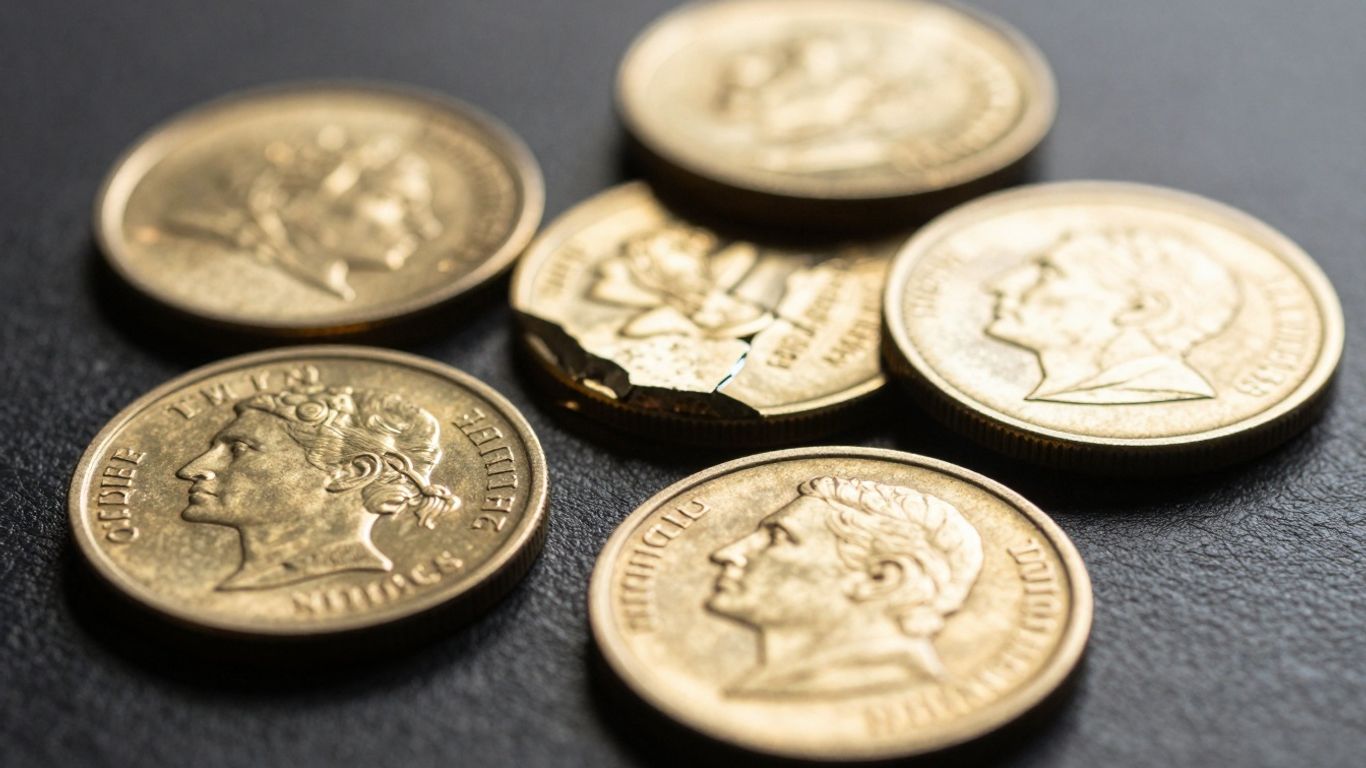
Selling your fractional gold coins involves a few steps to make sure everything goes smoothly. It’s not like selling a whole ounce coin; these smaller pieces need a bit of careful handling. The main thing is to be prepared and know what to expect.
Ensuring A Secure And Private Transaction
When you’re ready to sell, privacy and security are top priorities. You want to feel comfortable and safe during the entire process. Reputable dealers understand this and will offer a private space for your transaction. This means no one else will be around to overhear your conversation or see the details of your sale. It’s a good idea to ask about this upfront when you contact a buyer.
- Request a private meeting room or a designated quiet area.
- Confirm that the buyer will conduct the appraisal away from other customers.
- Be aware of your surroundings and trust your instincts. If a place feels off, it’s okay to leave.
Understanding Payment Methods And Timelines
How you get paid is just as important as the offer itself. Most dealers will offer payment on the spot, but it’s good to know the options. Cash is common for smaller transactions, but for larger amounts, they might offer a check or even an electronic transfer. Always clarify the payment method and when you can expect to receive the funds.
Here’s a quick look at common payment methods:
| Method | Speed | Typical Use Case |
|---|---|---|
| Cash | Immediate | Smaller transactions |
| Check | 1-3 business days | Larger transactions |
| Electronic Transfer | 1-2 business days | High-value sales |
What To Expect During The Appraisal Process
The appraisal is where the buyer determines the value of your fractional gold coins. They’ll look at the weight, purity, and current market price. Some buyers use non-destructive methods, like XRF scanners, which is a big plus because it doesn’t damage your coins. Others might use traditional testing methods. It’s important to watch the appraisal process if possible, so you understand how they arrived at their offer.
Here’s a general idea of what happens:
- Initial Inspection: The dealer will examine your coins for authenticity and condition.
- Weighing: Each piece will be weighed accurately.
- Purity Testing: The gold content is verified. Non-destructive methods are preferred.
- Market Valuation: The current spot price of gold is checked.
- Offer Presentation: A final offer based on these factors is presented to you.
Be wary of buyers who seem rushed or unwilling to explain their valuation process. A good dealer will take the time to show you how they assess your gold and answer any questions you might have.
Beyond Traditional Coin Shops: Alternative Buyers
While established coin shops are often the first place people think of when selling fractional gold, San Antonio offers other avenues to explore. Sometimes, these alternative buyers can provide competitive offers or a different kind of transaction experience.
Exploring Local Coin Clubs For Networking
Coin clubs are fantastic places to connect with other collectors and dealers in the San Antonio area. These informal gatherings can be a goldmine (pun intended!) for information. You might hear about dealers who are actively looking for specific types of fractional gold or learn about upcoming coin shows where you can find a wider range of buyers. It’s a good way to get a feel for the local market directly from enthusiasts.
- Attend meetings regularly: Most clubs meet monthly. Showing up consistently helps you build relationships.
- Ask questions: Don’t be shy about inquiring about reputable buyers or current market trends.
- Network: Introduce yourself and let people know you’re looking to sell fractional gold. You never know who might have a lead.
Online Platforms And Their Role In The Market
In today’s world, the internet opens up a lot of possibilities. Online platforms can connect you with buyers far beyond San Antonio. While this offers a broader market, it also means you need to be extra careful about security and authenticity. Some platforms are marketplaces where individuals buy and sell, while others are online divisions of established dealers. Always research any online buyer thoroughly before sending your gold.
Considering Jewelers With Precious Metal Trading
Many jewelers, especially those who specialize in custom work or repairs, also deal in precious metals. They often have the equipment to test gold and may be interested in buying fractional gold coins, bars, or even scrap gold. It’s worth checking with local jewelers who have a good reputation. They might offer a convenient option if you have other jewelry items to sell as well.
When considering jewelers, look for those who clearly state they buy gold and silver. A jeweler who also deals in bullion or coins is more likely to understand the value of your fractional gold pieces beyond just their melt weight.
Identifying Genuine Fractional Gold Coins
When you’re looking to sell fractional gold coins, making sure they are the real deal is pretty important. It’s not always as simple as just looking at a stamp. While hallmarks are a good starting point, they can sometimes be faked. So, what should you be looking for?
Understanding Karat Markings and Hallmarks
Most gold items, including fractional coins, will have a mark indicating their gold content. This is usually expressed in karats. Pure gold is 24 karats (24K). Since pure gold is quite soft, it’s often mixed with other metals to make it more durable. This is where the karat markings come in:
- 24K: Pure gold.
- 22K: Approximately 91.7% gold.
- 18K: 75% gold.
- 14K: 58.3% gold.
- 10K: 41.7% gold.
These markings, often found on the edge or back of a coin, are usually accompanied by a maker’s mark or trademark. However, it’s worth noting that some counterfeit items might also bear these stamps. So, while a karat mark is a good sign, it’s not the only thing to check.
The Significance of Maker's Trademarks
Beyond the karat marking, look for a maker’s trademark or the name of the mint that produced the coin. Reputable manufacturers and mints will put their mark on their products. This is like a signature, indicating who stands behind the item. If you see a karat mark but no maker’s mark, it’s a reason to be cautious. It’s a good practice to research the maker’s mark if you’re unsure. Many established coin dealers will recognize these marks instantly.
Recognizing Potential Counterfeits
Unfortunately, the market has its share of fakes. Counterfeiters are getting more sophisticated, making it harder to spot fakes just by looking. Some signs to watch out for include:
- Unusual Color: While high-karat gold has a distinct, rich yellow color, extreme variations or a dull appearance might be suspicious.
- Weight Discrepancies: Genuine gold coins have a specific weight based on their size and purity. If a coin feels lighter or heavier than it should, it could be a red flag.
- Magnetic Properties: Gold is not magnetic. If a coin is attracted to a magnet, it’s definitely not pure gold.
- Poor Detail: Counterfeit coins might have less sharp details or slightly "off" designs compared to genuine ones.
When in doubt, it’s always best to have your fractional gold coins examined by a professional. Reputable dealers in San Antonio use specialized equipment, like X-ray fluorescence (XRF) scanners, to test the metal content without damaging the coin. This provides a precise reading of the gold’s purity, giving you peace of mind.
Maximizing Your Return On Fractional Gold Sales
When it comes to selling your fractional gold coins, getting the best possible price is naturally the main goal. It’s not just about finding any buyer, but finding the right buyer who recognizes the true worth of your items. This involves a bit of homework and understanding how the market works.
The Benefits Of Selling To Licensed Dealers
Working with licensed and reputable dealers in San Antonio offers a layer of security and fairness that you might not find elsewhere. These businesses often operate under specific regulations, which can mean more transparent dealings. They are typically knowledgeable about the market and can provide accurate assessments of your fractional gold. This can lead to more competitive offers, as they understand the nuances of precious metals trading. Plus, dealing with a licensed entity provides a recourse if any issues arise, which is always a good thing when handling valuable items.
Preparing Your Fractional Gold For Sale
Before you even approach a buyer, taking a few steps can help ensure you get the most for your gold. First, gather all the coins you intend to sell. If you have any original packaging or certificates of authenticity, keep them with the coins. While not always necessary for fractional gold, these can sometimes add to the perceived value, especially if the coins are in pristine condition. It’s also a good idea to have a general idea of the current spot price of gold. This isn’t to say you should expect to get the exact spot price, but it gives you a baseline for evaluating offers. Remember, fractional coins are valued based on their gold content, but also their condition and any numismatic appeal they might have.
Building Relationships With Trusted Buyers
Over time, developing a relationship with a trusted coin dealer can be quite beneficial. When a dealer knows you and understands your collection, they might be more inclined to offer fair prices, especially if you plan to sell more items in the future. They can also provide insights into market trends or advise on when might be a good time to sell. Think of it like finding a good mechanic for your car; once you find someone reliable, you stick with them. For those looking to explore different types of coins, checking out resources like GreatCollections coin auctions can give you a sense of what’s available and what people are paying.
Selling fractional gold doesn’t have to be a complicated process. By focusing on reputable dealers, preparing your items, and understanding the market, you can significantly improve the outcome of your sale. It’s about being informed and making smart choices.
Here’s a quick look at factors that can influence your sale:
- Purity and Weight: The higher the gold purity (karat) and the more precise the weight, the more it’s worth.
- Condition: Coins in excellent condition, especially if they are rare or collectible, can fetch higher prices than damaged or worn ones.
- Market Demand: Like any commodity, the price of gold fluctuates. Selling when demand is high can yield better returns.
- Buyer’s Margin: Different buyers will have different profit margins. Comparing offers helps you find a buyer with a reasonable margin.
Ultimately, getting the best return involves a combination of preparation, market awareness, and choosing the right partner for your transaction.
Wrapping Up Your Search for Gold Buyers in San Antonio
So, you’ve looked into finding places to sell your gold coins here in San Antonio. It’s good to know there are several shops around town that deal with these kinds of items. Whether you’re looking at Royalty Coins near the Alamo, Harry’s Coins and Jewelry on Bandera Road, or Alamo Heights Coin Shop, they all seem to have their own specialties. Remember to check their hours and maybe even give them a call before you head over. Doing a little homework beforehand can make the whole process smoother when you’re ready to make a sale. Good luck out there!
Frequently Asked Questions
What are fractional gold coins?
Fractional gold coins are gold coins that weigh less than a full ounce. Think of them like smaller pieces of a whole gold bar. They are often made in weights like 1/10th of an ounce, 1/4th of an ounce, or 1/2 ounce. This makes them easier to buy and sell, especially if you don’t want to invest in a full ounce at once.
Where can I sell fractional gold coins in San Antonio?
You can sell fractional gold coins at several places in San Antonio. Reputable coin shops like Royalty Coins, Harry’s Coins and Jewelry, and Alamo Heights Coin Shop are good options. There are also specialized dealers such as Texas Coins and Medlars Jewel Masters. JC’s Coins Treasures and Trinkets is another place with a large selection.
How do I know if my fractional gold coins are real?
To check if your gold coins are real, look for markings like karat stamps (e.g., 24K for pure gold) and the maker’s trademark. Reputable dealers often use non-damaging testing methods, like XRF scanners, to check the gold’s purity without scratching your coins. Be cautious if a buyer uses methods that could harm the coin.
What factors affect the price I get for my fractional gold coins?
The main factor is the current ‘spot price’ of gold, which changes daily. Dealers also consider the coin’s condition, its rarity, and any collector value it might have. Comparing offers from different buyers is important to get the best price.
Should I use a licensed dealer?
Yes, it’s highly recommended to sell to a licensed precious metals dealer. They are regulated and must follow certain rules. You can ask for their State of Texas Certificate of Registration. Licensed dealers are more likely to offer fair prices and conduct honest transactions.
What is the difference between a coin shop and a jeweler?
Coin shops specialize in coins and often have a deep knowledge of numismatics (coin collecting). Jewelers primarily deal with jewelry but some also buy and sell precious metals like gold. For fractional gold coins, a coin dealer is usually the best bet, but some jewelers can also be good options.
Are there online options for selling fractional gold coins?
Yes, online platforms exist where you can sell your fractional gold coins. However, it’s crucial to research these platforms thoroughly to ensure they are trustworthy and offer competitive prices. Selling locally to a known dealer can sometimes be simpler and more secure.
What should I expect during the appraisal process?
When you take your fractional gold coins for appraisal, the buyer will likely examine them to check their authenticity and purity. They will weigh the coins and compare their weight and gold content to the current market price. They will then make an offer based on these findings.