
Thinking about selling coins in San Antonio, TX? It’s a good idea to know what a fair price looks like before you start. This guide is here to help you figure that out, whether you’re dealing with old silver dollars or a whole collection. We’ll cover how to check current metal prices, understand coin conditions, and find honest buyers in the San Antonio area. Getting the right price for your coins is totally doable with a little bit of know-how.
Key Takeaways
- To get fair coin prices in San Antonio, TX, check current silver and gold prices daily. This gives you a baseline for your coin’s melt value.
- Understanding basic coin grading helps you know if your coin has collector value beyond its metal content.
- Local coin shops and specialized dealers in San Antonio are often better than pawn shops for getting accurate valuations.
- Always compare offers from multiple buyers. Don’t settle for the first price you’re given, especially if it seems low.
- Look for reputable buyers who are transparent about their pricing and have good reviews from other sellers.
Understanding Fair Coin Prices in San Antonio, TX
When you’re looking to sell coins in San Antonio, getting a fair price is the main goal. It’s not always as simple as walking into the first shop you see. Several factors play a role, and knowing them can help you get the most for your collection. Understanding these elements is key to a successful sale.
Researching Current Silver Prices
Before you even consider selling, it’s smart to know what the precious metals market is doing. Silver prices fluctuate daily, influenced by global events and market demand. A quick online search for "live silver prices" will give you a good idea of the current spot price. This is especially important for coins made primarily of silver, as their melt value is directly tied to the metal’s worth. Knowing this baseline helps you evaluate offers and avoid being significantly underpaid.
Understanding Coin Grading Basics
Coin grading is a system used to describe a coin’s condition. It ranges from Poor (P-1) to Mint State (MS-70). The grade significantly impacts a coin’s value, particularly for collectible pieces. While professional grading services exist, understanding the basics yourself can be helpful. Look for:
- Wear: Is the coin heavily worn, or does it look almost new?
- Surface marks: Are there scratches, nicks, or other blemishes?
- Strike: How well-defined are the coin’s details?
- Luster: Does the coin retain its original shine?
For a deeper dive into specific U.S. currency values, resources like The Auction Archive can be quite informative.
Navigating the San Antonio Coin Market
San Antonio has a variety of places to sell coins, from dedicated coin shops to online platforms. Local coin dealers often have specialized knowledge and can offer competitive prices, especially for rare or historically significant items. However, it’s often wise to compare offers from multiple sources. Some dealers might specialize in bullion (gold and silver content), while others focus on numismatic value (collectibility). Understanding where your coins fit in can guide you to the right buyer. Remember, pawn shops are generally not the best place for coins, as they typically offer much lower prices due to their business model.
When evaluating offers, consider both the melt value of the metal and any numismatic premium the coin might command. A coin’s condition and rarity are major drivers of its collector value.
Where to Sell Your Coins in San Antonio
So, you’ve got some coins and you’re wondering where to turn them into cash right here in San Antonio. It’s not as complicated as it might seem, but knowing your options can make a big difference in what you get for them.
Local Coin Shops and Dealers
San Antonio has a number of local coin shops that specialize in buying and selling coins. These places are often your best bet for getting a fair price, especially if your coins have numismatic value beyond their silver content. They have the knowledge to properly assess your collection. It’s wise to visit a few different dealers to compare offers. Some shops might be more interested in certain dates or mint marks than others. You can find these shops by doing a quick online search for "coin dealers San Antonio" or "buy coins San Antonio." Some places, like Royalty Coins Inc. or Texas Coins, are ready to help you out.
Online Marketplaces and Auction Houses
While local shops are great, the digital world offers another avenue. Online marketplaces and auction houses can connect you with a broader audience of collectors, potentially leading to higher bids, especially for rare items. However, this route often involves shipping your coins, which requires careful packaging and insurance. You’ll also need to factor in platform fees and the time it takes for auctions to conclude. Companies like Coinfully offer a more streamlined online selling experience with insured shipping and expert appraisals, providing an alternative to traditional brick-and-mortar transactions.
Pawn Shops vs. Reputable Coin Buyers
When you’re looking to sell, you’ll encounter different types of buyers. Pawn shops are an option, but they typically offer much lower prices because they’re not coin specialists. They’re in the business of quick loans and reselling items for a profit, so they’ll factor in a significant margin. Reputable coin buyers, on the other hand, understand the market for coins, whether it’s for their silver content or their collector value. They have a better understanding of what your coins are truly worth.
Here’s a quick comparison:
| Buyer Type | Typical Offer Price | Expertise Level | Focus |
|---|---|---|---|
| Pawn Shop | Lower | Low | Quick resale, general items |
| Coin Dealer/Buyer | Fair to High | High | Numismatic and bullion value |
It is generally advisable to seek out specialized coin dealers or buyers who demonstrate a clear understanding of numismatics and precious metal values.
Key Factors for Determining Coin Value
When you’re looking to sell coins in San Antonio, understanding what makes them valuable is pretty important. It’s not just about the date stamped on the coin; a whole bunch of things play a role in how much someone might offer you. You’ve got to consider both the metal content and the coin’s history.
Assessing Numismatic Value
Numismatic value refers to a coin’s worth beyond its metal content, driven by factors like rarity, historical significance, and collector demand. For instance, a coin with a low mintage number, meaning fewer were originally produced, often commands a higher price. The 2025 Ascension G5 WWII 80th Anniversary Gold coin, for example, might gain value due to its commemorative nature and limited production run. This is where the story behind the coin really matters to collectors.
Understanding Melt Value
For many coins, especially those made of precious metals like gold and silver, the melt value is a significant part of their worth. This is simply the value of the metal if the coin were melted down. Coins minted before 1965, such as dimes, quarters, and half dollars, are typically made of 90% silver. Their value will fluctuate directly with the current price of silver. Even coins with 40% silver content, like Kennedy Half Dollars from 1965-1970, have a melt value, though it’s considerably lower than their 90% counterparts. Knowing the silver purity is key.
Here’s a quick look at common silver compositions:
| Coin Type | Silver Purity | Dates of Issue (Typical) | Primary Value Driver |
|---|---|---|---|
| Dimes, Quarters, Half Dollars | 90% | Pre-1965 | Melt Value |
| Half Dollars | 40% | 1965-1970 | Melt Value |
| Modern Bullion | 99.9%+ | Varies | Melt Value |
The Impact of Coin Condition
Coin condition, often referred to as ‘grade’ in numismatic circles, is a major factor. A coin that shows signs of wear from circulation – like scratches, rim nicks, or a dull surface – will be worth less than one that looks almost new. Coins kept in protective holders or albums since they were minted tend to retain their details and luster, making them more desirable. The better the condition, the higher the potential price. Even minor imperfections can affect the value, especially for coins with significant numismatic appeal.
Understanding these three pillars – numismatic appeal, melt value, and condition – provides a solid foundation for assessing your coins. It helps you have more informed conversations with buyers and sets realistic expectations for what your collection might be worth.
San Antonio Coin Dealers and Their Specialties
When you’re ready to sell your coins in San Antonio, knowing where to go can make a big difference. Different dealers focus on different types of coins, so finding the right fit for your collection is key. Some places are great for just the gold and silver content, while others really know their stuff when it comes to rare and collectible pieces.
Gold and Silver Dealers
These dealers primarily focus on the precious metal content of your coins. They’re often interested in gold and silver coins where the melt value is a significant part of the price. They might not pay as much for coins that have high numismatic value but are made of less precious metal. It’s good to know their focus before you go in.
- Nacogdoches Gold and Silver Exchange: Located on Nacogdoches Road, they deal with gold and silver. Their hours are generally weekdays from 10 AM to 5 PM, though they open at noon on Mondays.
- B&D Gold Buyer: You can find them on Military Drive West. They are open seven days a week, usually from 11 AM to 7 PM.
- Alamo Heights Coin Shop: Situated on Broadway, this shop is open weekdays until 5:30 PM and Saturdays until 3 PM.
Rare and Collectible Coin Specialists
These buyers are looking for coins with historical significance or rarity, beyond just their metal content. They understand the nuances of coin grading and can identify valuable numismatic items. If you have older coins, error coins, or coins with low mintages, these specialists are your best bet.
- Royalty Coins Inc.: Found on East Commerce Street, they are a coin dealer with standard weekday business hours.
- Texas Coins: Located on Bandera Road, they also operate during typical weekday business hours.
- Lone Star Coins: This dealer on Northwest Loop 410 is open weekdays from 9 AM to 5 PM and Saturdays until 4 PM.
Jewelry and Coin Buyers
Some businesses combine jewelry sales with coin buying. They might be interested in both the precious metals in your coins and any gemstones or precious metals in jewelry you might want to sell. This can be a convenient option if you have a mix of items.
- Cory’s Fine Jewelry & Rare Coins: They are on Fredericksburg Road and are open weekdays until 4 PM, with shorter hours on Saturdays.
- Sons of Texas Coins & Jewelry: Located in Helotes, they are open weekdays from 10 AM to 5 PM.
- Harry’s Coins and Jewelry: You can find them on Bandera Road, open weekdays until 5 PM.
When visiting any dealer, it’s wise to have an idea of what you think your coins are worth. Do some research beforehand, especially on melt value and any known rarity. This helps you have a more informed conversation and spot a fair offer.
The Appraisal Process for Your Collection
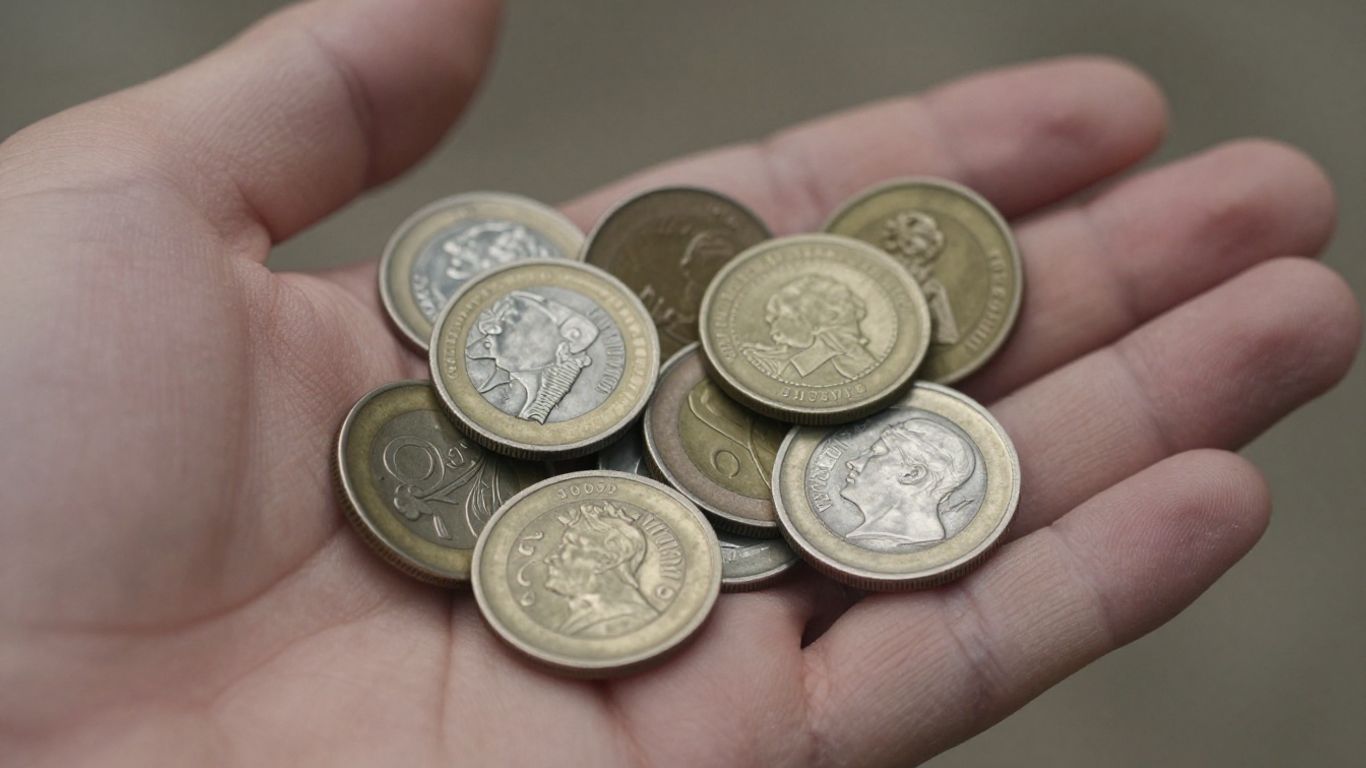
Getting your coins appraised is a key step before you decide to sell them. It’s not just about finding out what they’re worth; it’s about understanding their potential value in the current market. In San Antonio, you have a few ways to go about this, each with its own benefits.
In-Person Appraisals in San Antonio
This is often the most traditional route. You can take your coins directly to a local coin shop or a dealer who specializes in numismatics. The advantage here is immediate interaction. You can see the appraiser examining your coins, ask questions on the spot, and get a feel for their knowledge. For larger or more complex collections, some dealers might even offer to come to your home, which can be a real time-saver and more convenient, especially if transporting valuable items is a concern.
Here’s what typically happens during an in-person appraisal:
- Initial Consultation: You’ll discuss your collection, how you acquired it, and what you’re hoping to learn.
- Physical Examination: The appraiser will carefully look at each coin, noting its condition, rarity, and any unique characteristics.
- Market Comparison: They’ll use their knowledge and access to pricing guides to estimate the coin’s value.
- Offer (Optional): Often, the appraiser will also make an offer to purchase your coins on the spot.
Online Appraisal Options
If you prefer convenience or don’t have a lot of time, online appraisals are a great alternative. Many reputable dealers now offer services where you can submit photos and details of your coins through their website. They then evaluate this information and provide an estimated value. Some services even offer secure mail-in options for a more thorough evaluation, often with insurance for shipping.
This method is particularly useful if you live further from established coin dealers or if your collection is extensive and difficult to transport.
What to Expect During an Appraisal
Regardless of whether you choose an in-person or online appraisal, there are a few things you should anticipate. A good appraisal should be transparent. The appraiser should be willing to explain their reasoning, especially regarding the coin’s grade and how it impacts the price. They should also be clear about their fees, if any, and what services are included.
A thorough appraisal involves more than just a quick glance. It requires careful examination of the coin’s condition, metal content, historical significance, and current market demand. Understanding these elements helps you gauge the fairness of any offer you receive.
It’s also wise to get more than one opinion, especially for potentially valuable collections. This helps ensure you’re getting a well-rounded understanding of your coins’ worth and aren’t relying on a single assessment.
Maximizing Your Coin Sale Value
When you’re ready to sell your coins, getting the best possible price is usually the main goal. It’s not just about finding a buyer; it’s about making sure you get a fair amount for what you have. This involves a bit of preparation and understanding how the market works. Don’t just take the first offer you get; there are steps you can take to ensure you’re getting top dollar.
Negotiating Fair Offers
Negotiation is a key part of selling anything, and coins are no different. Before you even talk to a buyer, do your homework. Know what your coins are worth, both for their metal content and any collector value they might have. This knowledge gives you a strong starting point. When you receive an offer, don’t feel pressured to accept it immediately. You can politely counter with a price you believe is more accurate, backing it up with your research. Remember, a good buyer expects some negotiation.
Comparing Multiple Buyer Quotes
It’s wise to get quotes from several different buyers before you commit to a sale. Different dealers and shops will have different pricing structures and may be more interested in certain types of coins than others. This is where visiting places like Texas Coins or checking out online options can be really helpful. You might find that one buyer offers a better price for your silver coins based on melt value, while another might pay more for a rare coin with numismatic appeal. Keep a record of the offers you receive to compare them side-by-side.
Here’s a simple way to track offers:
- Buyer Name: (e.g., Local Shop A, Online Dealer B)
- Date of Offer:
- Total Offer Amount:
- Breakdown (if provided): (e.g., Melt Value, Numismatic Value)
- Notes: (e.g., Felt rushed, Very knowledgeable, Low offer on specific coin)
Understanding Buyer Margins
Buyers, whether they are local shops or online platforms, need to make a profit. They buy coins at a price that allows them to resell them for more. This difference is their margin. Understanding this helps you set realistic expectations. If a dealer offers you 70% of the spot silver price for your silver coins, that might be a reasonable margin for them, especially if they are buying a large quantity. However, for rare coins, their margin might be higher because of the specialized market and the effort involved in finding the right buyer. Always consider that the offer you receive is not the final retail price the buyer expects to get.
When selling your collection, remember that buyers operate a business. They need to account for their overhead, the time it takes to process and sell your coins, and the risk involved. Your goal is to find a buyer whose margin aligns with your expectations for a fair sale, rather than expecting them to pay retail prices directly to you.
Preparing your coins properly can also make a difference. While you should never clean coins yourself, as this can damage them and reduce their value, simply organizing them can help. Knowing what you have, even if it’s just a rough inventory, makes the appraisal process smoother and shows buyers you’ve put some thought into your sale. This preparation can lead to more confident interactions and, ultimately, a better outcome for your sale.
Types of Coins Valued in San Antonio
When you’re looking to sell coins in San Antonio, knowing what types of coins are most sought after can help you get a better idea of their worth. Buyers in the area generally look at two main categories: coins with significant precious metal content and those with historical or collector appeal.
Gold Coins We Buy
Gold coins are always in demand, whether they’re modern issues or older, historic pieces. The value is often tied closely to the current gold market price, but rarity and condition can add a significant premium. Common examples that collectors and dealers look for include:
- American Gold Eagles: These are official bullion coins minted by the United States. They come in various sizes and are a popular choice for investors.
- U.S. Gold Eagles (Pre-1933): This category includes coins like the Liberty Head Double Eagle, Indian Head Double Eagle, and Liberty Head Eagle. These often have numismatic value on top of their gold content.
- Foreign Gold Coins: Many international gold coins, especially those from countries with a strong history of gold coinage, are also valued.
Silver Coins We Buy
Similar to gold, silver coins hold value based on their metal content, but collector interest can also play a big role. San Antonio buyers are often interested in:
- Silver Dollars: This includes popular series like Morgan Dollars and Peace Dollars, which are highly collectible and contain a substantial amount of silver.
- Half Dollars and Quarters: Older U.S. half dollars and quarters, particularly those minted before 1965, are made of 90% silver and are frequently bought by weight.
- Silver Bullion Coins: Modern silver bullion coins, such as American Silver Eagles, are also purchased, with their value closely following the silver spot price.
Rare and Historic U.S. Coins
Beyond just the metal, many coins are prized for their rarity, historical significance, or unique minting characteristics. These coins can command prices far above their melt value. Condition plays a massive role in the value of these numismatic treasures.
- Early American Coins: Coins minted in the early years of the United States, such as half cents, large cents, and early dimes and quarters, are often highly sought after.
- Key Date and Mint Mark Coins: Specific dates and mint marks within popular series (like Lincoln Cents or Mercury Dimes) can be exceptionally rare and valuable.
- Error Coins: Coins that were produced with mistakes during the minting process, such as off-center strikes or double dies, can be very collectible.
When you’re considering selling, it’s helpful to have a general idea of what you possess. While melt value is a baseline, the true worth often lies in the coin’s story and its appeal to collectors.
Choosing a Reputable Coin Buyer
Finding someone trustworthy to buy your coins in San Antonio is pretty important. You want to make sure you’re getting a fair shake, not just a quick offer that benefits them way more than you. It’s not always obvious who to trust, so looking into a few things beforehand can save you a lot of hassle and maybe even some money.
Signs of a Trustworthy Dealer
When you’re talking to a coin buyer, keep an eye out for a few key indicators that they’re on the up and up. A good dealer will be upfront about their process and how they arrive at their offers. They should be willing to explain what makes your coins valuable, whether it’s the silver content or a rare date. A transparent buyer is usually a good sign.
Here are some things to look for:
- Clear Pricing Structure: They should be able to explain how they determine their offer, referencing current market prices for precious metals and recognized grading standards for numismatic value.
- Willingness to Educate: A reputable dealer won’t mind answering your questions about your coins and their value. They see it as helping you understand the market.
- Professional Demeanor: They should conduct business professionally, treating you and your collection with respect.
- Proper Licensing and Insurance: While not always visible, established dealers often have necessary business licenses and insurance, especially if they handle valuable items.
The Importance of Transparency
Transparency means the buyer is open about their business practices. This includes how they appraise coins, what factors influence their offer, and what their profit margins might be. If a buyer is cagey about these details, it’s a red flag. You should feel comfortable asking questions and expect clear, honest answers. For instance, if you’re selling silver dollars, they should be able to show you the current spot price of silver and how that relates to their offer, alongside any premium for the coin’s condition or rarity.
Being informed is your best defense against getting a lowball offer. Take the time to understand what you have before you agree to sell. This knowledge empowers you to negotiate effectively and recognize a fair deal when it’s presented.
Customer Reviews and Reputation
In today’s world, checking online reviews is a no-brainer. See what other people in San Antonio and beyond have said about their experiences with coin buyers. Look for patterns in reviews – are multiple people mentioning fair prices and good service, or are there consistent complaints about low offers or poor treatment? Local coin forums or collector groups can also be good places to get recommendations or warnings about specific dealers. A strong, positive reputation built over time is a solid indicator of a buyer you can trust.
Selling Coins Online vs. In-Person
Deciding whether to sell your coins online or in person involves weighing different benefits and drawbacks. Each method offers a distinct experience, and the best choice often depends on your priorities, such as speed, convenience, and the potential for getting the highest price.
Convenience of Online Selling
Selling coins online has become increasingly popular, offering a level of convenience that many find appealing. You can start the process from the comfort of your home, often without needing to leave your house. This is particularly helpful if you live far from a reputable coin dealer or have a busy schedule. Online platforms typically allow you to get an initial appraisal or quote quickly. The ability to reach a wider audience of potential buyers is a significant advantage of online selling. This broad reach can sometimes translate into more competitive offers, as buyers from various locations can bid on or purchase your coins.
- Accessibility: Start the selling process anytime, anywhere.
- Wider Market: Access buyers beyond your local area.
- Reduced Travel: Save time and money by avoiding trips to physical locations.
- Digital Records: Maintain easy-to-access digital documentation of your transactions.
Online selling platforms often provide detailed instructions for securely packaging and shipping your coins. This process is usually insured, giving you peace of mind that your valuable items are protected during transit. While there’s a step involving shipping, the overall effort required from your end can be less than visiting multiple physical locations.
Benefits of Local Transactions
Opting for in-person sales in San Antonio means you can interact directly with coin dealers. This allows for immediate assessment of your coins and often, an on-the-spot offer. For those who prefer a tangible exchange and want to see their coins evaluated by an expert face-to-face, local transactions are ideal. You can build a rapport with a dealer, ask questions directly, and get a feel for their trustworthiness. Some collectors also enjoy the experience of visiting local coin shops and engaging with the numismatic community.
- Immediate Feedback: Receive an appraisal and offer in real-time.
- Direct Interaction: Discuss your coins with knowledgeable professionals.
- No Shipping Hassles: Avoid the need to package and mail your items.
- Potential for Negotiation: Engage in direct negotiation with buyers.
Secure Shipping for Online Sales
When you choose to sell coins online, secure shipping is a primary concern. Reputable online buyers understand this and have established procedures to ensure your items arrive safely. This typically involves:
- Detailed Packaging Instructions: Clear guidance on how to pack your coins to prevent damage.
- Insured Shipping: Using carriers that offer full insurance coverage for the value of your shipment.
- Tracking Services: Providing tracking numbers so you can monitor the package’s progress.
- Secure Handling: Ensuring that the shipping process is handled by professionals experienced with valuable items.
While the idea of shipping valuable coins might seem daunting, established online platforms have made this process quite secure and straightforward for sellers.
San Antonio's Numismatic Community
San Antonio feels like a big city full of small towns, and coin collecting is one of those hobbies that turns strangers into fast friends. Over the years, the local scene has picked up real momentum, drawing serious collectors, new hobbyists, and folks cleaning out old sock drawers.
Local Coin Shows and Events
Coin shows are the heartbeat of San Antonio’s numismatic community. These shows give collectors a chance to trade, learn, and meet dealers all under one roof.
Some of the region’s regular happenings include:
- San Antonio Coin and Collectible Show (held several times a year)
- Alamo Coin Show
- Monthly club swaps at community centers
Typical offerings include classic U.S. coins, world currency, silver bars, and specialty tokens. You never know what will turn up on a dealer’s table.
| Event Name | Typical Month(s) Held | Location Example |
|---|---|---|
| San Antonio Coin & Collectible Show | April, August, November | Local hotel conference centers |
| Alamo Coin Show | January, June | VFW halls or civic spaces |
If you’re itching to see coins up close or just want to talk shop, there’s no better place to do it than at a hometown show.
Collector Resources in the Area
Support is easy to find for both new and experienced collectors in San Antonio. Resources include:
- San Antonio Numismatic Society (monthly meetings, guest speakers)
- Networking and buying opportunities at shops like Royalty Coins, Texas Coins, and Alamo Heights Coin Shop
- Local libraries often have books and price guides
- Coin clubs with online discussion boards for arranging small meetups
Many collectors also use online communities, but there’s something about face-to-face advice that sticks with you.
The History of Coin Collecting in San Antonio
San Antonio’s coin collecting roots stretch back generations. Local families have passed down old U.S. silver coins, Mexican pesos, and even military payment certificates for decades.
Interest in coins really surged after WWII, thanks to veteran collectors and travel abroad. Later, the silver boom of the late 20th century brought new shops and more passionate hobbyists to the area.
- The city has hosted regional coin shows since at least the 1960s.
- Many coin dealers are family owned, with multiple generations working the counters.
- The multicultural spirit of San Antonio means you see everything from Spanish colonial coins to modern world currency in shop cabinets.
Whether you’re tracking down Morgan dollars or just want to meet someone else who understands the thrill of finding a wheat penny, San Antonio’s community welcomes you.
Wrapping Up Your Coin Sale in San Antonio
So, we’ve looked at a few ways to sell your coins here in San Antonio. Whether you’re thinking about heading to a local shop like Royalty Coins or Texas Coins, or maybe you’re leaning towards an online service like Coinfully, the main thing is to do a little homework first. Knowing what your coins are worth, especially checking current silver prices, can really help you get a fair deal. Don’t be afraid to shop around a bit and compare what different buyers are offering. It might take a little extra time, but getting a good price for your collection is definitely worth the effort.
Frequently Asked Questions
How do I know if my coins are worth more than just their metal value?
Some coins are worth more because of their rarity, historical importance, or how well they’ve been preserved. This is called ‘numismatic value’. Local coin shops and experienced dealers can help you figure out if your coins have this special value beyond just the price of the gold or silver they contain. Checking for unique dates, mint marks, or special designs can also be a clue.
What is the best way to find out the current value of my coins?
To get a good idea of your coins’ worth, you should first check the current price of gold and silver online, as this sets a baseline value. Then, research your specific coins to see if they have any collector value. Looking at completed sales of similar coins on auction sites can be helpful. Finally, getting an appraisal from a reputable coin dealer in San Antonio is a great way to get a professional opinion.
Should I sell my coins to a local coin shop or online?
Both local shops and online buyers have their pros and cons. Local shops in San Antonio let you see the buyer and get cash right away, and they can often give you an immediate offer. Online selling might offer more convenience and potentially a wider reach for buyers, but you’ll need to ship your coins, which involves trust and time. It’s often wise to get quotes from both to compare.
What is coin grading, and why is it important?
Coin grading is like giving a coin a score based on its condition, from ‘poor’ to ‘perfect’. A higher grade usually means the coin is worth more money because it’s in better shape and shows less wear. Knowing the basics of grading helps you understand why a dealer might offer a certain price and shows you’re informed about your collection.
Are pawn shops a good place to sell my coins?
Pawn shops can be an option if you need cash quickly, but they typically offer much lower prices than specialized coin dealers. This is because pawn shops aren’t experts in coins and need to make a bigger profit when they resell items. For the best price, especially for collectible coins, it’s better to go to a reputable coin buyer.
How can I make sure I'm getting a fair price for my coins?
To get a fair price, do your homework first! Check the current metal prices and research your coins’ potential collector value. Always get offers from multiple buyers, whether they are local shops or online services. Don’t be afraid to ask questions about their offer and how they arrived at that price. A trustworthy buyer will be transparent.
What types of coins are commonly bought in San Antonio?
In San Antonio, dealers often buy a variety of coins, including gold coins like Double Eagles and American Eagles, as well as silver coins such as Morgan dollars and Kennedy half dollars (especially older ones with high silver content). Rare and historic U.S. coins, along with entire coin collections, are also frequently sought after.
What should I look for in a trustworthy coin buyer?
A trustworthy coin buyer will be transparent about their pricing and appraisal process. They should be knowledgeable about coins, willing to answer your questions, and have good reviews or a strong reputation in the numismatic community. Membership in professional coin organizations can also be a good sign of their commitment to ethical business practices.