
Searching for a reputable coin dealer in San Antonio, TX can feel a bit overwhelming, especially if you’re new to collecting or just want to make sure you’re getting a fair shake. The coin market is full of options, but not every dealer is the same. Some shops specialize in rare coins, others focus on bullion, and a few might even offer grading or appraisal services. The most important thing is finding someone you can trust—someone who’s upfront about their prices and honest about what they’re selling. This guide breaks down what to look for and how to spot a reputable coin dealer San Antonio TX collectors can rely on.
Key Takeaways
- A reputable coin dealer San Antonio TX will have clear pricing, honest communication, and a solid reputation in the community.
- Look for dealers who are members of professional organizations and have positive reviews from other collectors.
- Professional coin grading and authentication services add value and peace of mind when buying or selling coins.
- Building a relationship with a trusted dealer can help you get better deals and advice over time.
- Online directories and customer feedback are helpful tools for finding and evaluating local coin dealers.
Understanding the Importance of Trusted Coin Dealers
Why a Reputable Coin Dealer San Antonio TX Matters
Buying or selling coins isn’t just a quick swap of cash and collectibles. A reputable coin dealer in San Antonio, TX can protect you from scams and sketchy deals. These dealers use real market data—forget guessing. Their honest evaluations and fair pricing help you avoid paying too much, or selling your coins for less than they’re worth. If you’re just starting out, leaning on a professional means you don’t have to worry if that old silver dollar your grandparent gave you is the real thing or just a well-made copy. For anyone serious about collecting or investing, working with a professional coin dealer is just common sense.
Building Trust with Numismatic Experts
Trust doesn’t come overnight. It develops each time you visit the shop and get straight answers. A good dealer won’t push you to buy or sell—rather, they’ll ask about your goals and offer advice based on years of buying, selling, and trading coins. Here are a few hallmarks of genuine trust:
- Willingness to answer even basic questions
- Clear explanations about coins’ grades or origins
- No pressure tactics or rushed dealing
Finding a dealer who respects your interest, no matter your experience, can make collecting coins much more rewarding and less stressful.
The Role of Honesty in Coin Transactions
Every coin deal relies on honesty—otherwise, it all falls apart. Buyers want to know what they’re getting, and sellers need to believe the offer they hear matches the market. The best dealers will tell you upfront if a coin is worth less than you thought, or if it’s got real potential. They’ll also walk you through how they arrived at their price, which helps set your mind at ease. If something doesn’t add up or a dealer isn’t open about their process, that’s your cue to look elsewhere.
Key honesty checkpoints include:
- Written receipts and documentation for every transaction
- Open discussions about grading and market trends
- Offers backed by clear reasoning, not just a "gut feeling"
In the end, dealing with coins is about trust on both sides. The stronger it is, the better everyone feels walking away from the table.
Key Qualities of a Reputable Coin Dealer
Knowledge and Expertise in Numismatics
A good coin dealer knows their stuff. They have a solid grasp of coin history, different mintages, and what makes one coin more sought after than another. This isn’t just about memorizing facts; it’s about a deep familiarity that comes from years of handling coins. They can spot subtle differences, identify potential fakes, and understand the market trends that affect a coin’s worth. When you talk to them, you should feel confident that they understand the items they’re selling or buying.
Transparency in Pricing and Practices
Honesty is a big part of finding a dealer you can stick with. A reputable dealer will be upfront about how they price their coins. They should be able to explain their pricing structure, whether it’s based on market value, rarity, or condition. You shouldn’t feel like you’re being kept in the dark about any fees or markups. Clear communication about the condition and grading of a coin is also a must. If a dealer is evasive or unwilling to discuss these details, it’s a red flag.
Professional Affiliations and Memberships
Many serious coin dealers belong to professional organizations. Groups like the American Numismatic Association (ANA) or the Professional Numismatists Guild (PNG) have standards that their members must follow. Being part of these groups often means the dealer agrees to a code of ethics and is committed to fair business practices. It’s a good indicator that they take their profession seriously and are invested in maintaining a good reputation within the numismatic community. You can often find this information listed on their website or in their shop.
Positive Customer Reviews and Testimonials
What are other collectors saying? Checking online reviews and testimonials can give you a real sense of a dealer’s reputation. Look for consistent feedback about honesty, fair pricing, and good customer service. If multiple people mention positive experiences, it’s a strong sign. Conversely, a pattern of complaints about pricing, authenticity, or service should make you think twice. A dealer who has been in business for a while and has a solid base of happy customers is usually a safe bet. For those looking to sell, understanding how dealers operate is key; their offers reflect the time and effort involved in reselling your coins.
When you’re evaluating a coin dealer, think about the overall experience. Do they make you feel comfortable asking questions? Are they patient and willing to share their knowledge? A good dealer isn’t just a salesperson; they can become a trusted advisor in your collecting journey.
Navigating San Antonio's Local Coin Shops
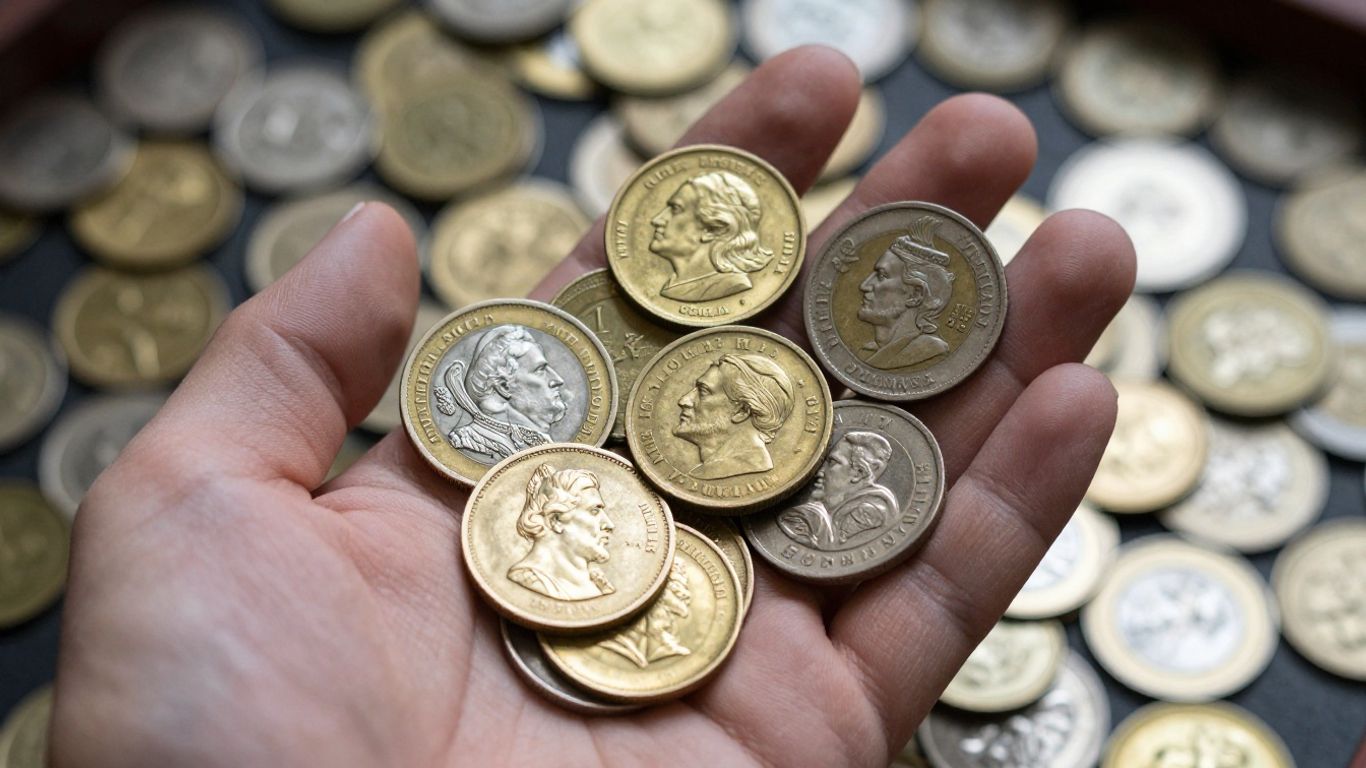
San Antonio has a unique variety of coin shops, and exploring them takes a bit of patience and curiosity. No two shops are exactly alike – some cater mainly to US coins while others carry world currency, precious metal bullion, or even collectibles and jewelry. The most reliable way to find the right shop for your needs is to visit several, talk to the staff, and see how each place handles business.
Exploring Different Coin Shop Specialties
You’ll quickly notice that local shops often develop their own identities:
- Some focus on old US Mint coins, with cases full of Morgan silver dollars or wheat pennies.
- Others might feature international currency, ancient coins, or gold and silver bullion.
- A handful of shops branch into jewelry, paper money, or even rare tokens and exonumia.
Visiting different shops helps you match your interests with the shop’s strengths. For a ranked list of local options with ratings and feedback, you can check the top-rated coin dealers in San Antonio at this business directory.
Evaluating Inventory and Pricing
Before you buy or sell, compare inventory and pricing from a few places. Coin values can change quickly with the market, and no single shop always has the lowest or highest prices. Look for:
- Quality of the coins (grading matters)
- Clear price tags and explanations for higher prices
- Willingness to discuss where their coins come from or why they’re priced a certain way
Here’s a simple table to keep track when comparing shops:
| Shop Name | US Coins | World Coins | Bullion | Pricing Transparency |
|---|---|---|---|---|
| Alamo Heights Coin Shop | Yes | Yes | Yes | High |
| Harry’s Coins & Jewelry | Yes | Some | Yes | Moderate |
| Texas Coins | Yes | No | Yes | High |
You might find that one shop specializes in what you want, but another offers better prices or service.
Building Relationships with Dealers
Building trust with a dealer is a big part of successful collecting. Dealers are more likely to help regular customers find specific coins, call when collections come in, or offer better rates for frequent transactions.
- Take your time asking about coins and sharing your interests
- Watch how the dealer responds to your questions and if they are patient or open to discussions
- Don’t be afraid to walk away if you feel pressured or rushed
A shop that treats both new collectors and seasoned buyers with respect is one you’ll want to keep coming back to. Relationships form over time, so don’t expect overnight trust; a few good experiences go a long way.
In San Antonio, it’s not just about buying and selling—it’s about finding a place you actually enjoy visiting and people you’re comfortable talking coins with for years to come.
Expert Coin Grading Services in San Antonio TX
Why Professional Coin Grading Matters
When you’re looking to buy or sell coins, especially those that might be valuable, getting them properly graded is a really important step. Think of it like getting a detailed report card for your coin. Professional grading isn’t just about saying a coin looks good; it’s a systematic evaluation of its condition and authenticity. This process gives both buyers and sellers a clear, objective understanding of what they’re dealing with. This standardized assessment helps build confidence and makes transactions much more straightforward. Without it, you’re essentially guessing at a coin’s true worth.
Understanding the Grading Process
So, how does a coin get graded? It’s not just a quick glance. Experts examine a coin closely, looking at several key factors. They check for wear, especially on high points like the hair on a portrait or the details of a design. They also look for any marks, scratches, or damage that might have occurred after the coin was made. Authenticity is also checked, making sure it’s not a counterfeit. The grading scale typically runs from 1 (poor condition) to 70 (perfect, uncirculated condition). Most reputable dealers in San Antonio can guide you through this, often working with well-known grading companies.
Here’s a simplified look at what graders consider:
- Overall Condition: How much wear is visible?
- Surface Preservation: Are there any scratches, nicks, or other marks?
- Strike Quality: How well were the coin’s details impressed during minting?
- Luster: Does the coin retain its original mint shine?
- Eye Appeal: How attractive is the coin to collectors?
How Grading Impacts Coin Value
The grade a coin receives can dramatically affect its price. A coin in near-perfect condition (a high grade) will almost always be worth significantly more than the exact same coin in worn condition (a lower grade). This is because coins in better condition are rarer and more desirable to collectors. For example, a 1909-S VDB Lincoln cent graded MS-65 (Mint State, 65 out of 70) would command a much higher price than one graded G-4 (Good, 4 out of 70). Knowing the grade helps you understand the market value and make informed decisions, whether you’re buying a new piece for your collection or selling one you already own.
Professional grading provides a consistent benchmark that the entire numismatic community relies on. It removes much of the guesswork and subjective opinion that can otherwise complicate coin transactions, leading to fairer prices for everyone involved.
Services Offered by San Antonio Coin Experts
When you’re looking to buy or sell coins, especially those with significant value or historical importance, getting them properly authenticated and graded is a big step. This process involves experts examining your coins to determine their authenticity and assign a grade based on their condition. This grading is what helps establish a coin’s market value. Think of it like getting a report card for your coin; it tells you exactly where it stands. Reputable dealers in San Antonio can guide you through this, often working with well-known grading services. They can help you understand the grading scale, which typically runs from 1 (poor) to 70 (perfect mint state).
Coin Authentication and Grading
Professional coin grading services verify a coin’s authenticity and condition, which greatly impacts its market value. This is important for both buyers and sellers. A thorough appraisal considers not just the metal content but also the coin’s historical significance, mintage numbers, and any unique characteristics that might make it more desirable to collectors. The value of a coin is directly tied to its condition and authenticity. Professional grading provides a standardized, unbiased evaluation that buyers and sellers can rely on. This makes transactions more transparent and helps collectors build confidence in their purchases and sales.
Buying and Selling Rare Coins
San Antonio coin experts are your go-to resource for both acquiring and parting with rare coins. Whether you’re hunting for a specific piece to complete your collection or looking to sell coins you no longer need, these dealers can help. They have the knowledge to identify genuine rarities and the connections to find them or buyers for them. It’s not just about the big-ticket items, either; they can assist with a wide range of numismatic items. If you’re ready to sell, you can contact them for immediate assistance with coin buying services in Boerne, TX. Schedule a private meeting at your convenience in Boerne or our San Antonio office. Receive a free, no-obligation coin appraisal.
Professional Collection Appraisals
If you’re unsure about the worth of your coin collection, getting a professional appraisal is a smart move. Coin dealers in San Antonio can provide detailed appraisals, looking at each coin’s condition, rarity, and market demand. This service is helpful for insurance purposes, estate planning, or simply for your own peace of mind. They can give you a clear picture of what your collection is worth in today’s market. Here’s a general breakdown of what to expect:
- Initial Contact: Reach out to dealers to let them know you have coins for sale.
- Evaluation: Schedule a time for the dealer to examine your collection.
- Offer Presentation: The dealer will present an offer based on their assessment.
- Transaction: If you accept the offer, the sale is completed, and you receive payment.
Deciding to sell a coin collection can be a big step, and getting a fair deal is important. In San Antonio, several dealers specialize in buying coins, and knowing how to approach them can make a difference in the outcome. When you’re ready to part with your collection, the goal is to receive an offer that reflects the true worth of your coins. This means doing a little homework beforehand. Look into what similar coins have sold for recently, especially if they are graded by a reputable service. This gives you a baseline for what to expect. Dealers often make offers based on wholesale value, which is typically lower than retail. However, a good dealer will be transparent about how they arrived at their offer.
Prioritizing Transparency and Trust in Transactions
When you’re dealing with coin dealers, especially in a city like San Antonio, TX, making sure everything is above board is super important. It’s not just about the money changing hands; it’s about feeling confident that you’re getting a fair shake. A dealer who is open about their practices and honest about coin values builds a connection with you. This trust is what keeps collectors coming back.
Clear Communication and Honest Assessments
A good dealer will always be upfront. They should explain why a coin is priced a certain way, what makes it special, or what condition it’s in. If you’re selling, they should give you a realistic idea of what your coins are worth, not just a lowball offer to make a quick profit. Don’t be afraid to ask questions. If a dealer gets cagey or dismissive when you ask for details, that’s a red flag.
Fair Pricing and Justified Offers
Pricing in the coin world can be tricky. A transparent dealer will show you how they arrived at their price, perhaps referencing market guides or recent sales. When they make an offer for your collection, they should be able to explain how they calculated it. This might involve looking at:
- Coin Condition: How well-preserved is the coin?
- Rarity: How many of these coins were made, and how many still exist?
- Market Demand: How many collectors are looking for this specific coin right now?
- Metal Content: For bullion coins, the value of the gold or silver inside.
Professionalism in Every Interaction
How a dealer conducts themselves matters. This means being punctual for appointments, treating your collection with respect, and having a clean, organized place of business. They should also have clear policies on returns or exchanges, should the need arise. A professional approach shows they take their business seriously and value your patronage. It’s about building a relationship that lasts, not just a one-time sale.
Building a solid relationship with a coin dealer hinges on trust. This trust is earned through consistent honesty, clear communication, and fair dealings. When a dealer prioritizes transparency, it not only benefits you as a buyer or seller but also strengthens their own reputation within the numismatic community.
Buying Gold and Silver Coins in San Antonio
When you’re looking to add gold and silver coins to your collection or investment portfolio, San Antonio has several places where you can do just that. It’s important to know what to look for to make sure you’re getting good value and authentic items.
Where to Purchase Certified Gold Coins
If you’re interested in certified gold coins, meaning they’ve been graded by a professional service, your best bet is to find dealers with a strong reputation. Many San Antonio coin shops focus on precious metals and will carry these graded coins. Certification gives you a clearer picture of a coin’s condition and authenticity. Checking if a dealer belongs to numismatic organizations can also be a good sign of their commitment to fair dealings. You can often find these certified coins either on the dealer’s website or in their physical store. Some dealers might also participate in online auctions, which can be another way to find certified gold coins.
Finding Deals on Bullion Coins
Bullion coins, like the American Gold Eagle or Canadian Maple Leaf, are mainly valued for their metal content. Getting a good deal often comes down to watching the market and working with dealers who offer competitive prices. Keep an eye out for dealers who update their prices regularly based on the current spot price of gold. Some shops might have special sales or offer slightly better rates if you’re buying in larger quantities. It’s also a good idea to compare prices between different dealers in the San Antonio area. Don’t forget to consider any shipping costs or premiums the dealer might add. You might find that some dealers have a wider selection of bullion coins than others, which can sometimes lead to better deals. For those looking for a wide selection of precious metals, exploring options at U.S. Gold Bureau could be beneficial.
Ensuring Secure Precious Metal Transactions
Security is a major concern when buying gold and silver. Whether you’re buying in person or online, make sure the dealer uses secure payment methods. For in-person transactions, be aware of your surroundings and consider bringing a trusted friend if you’re making a large purchase. If you’re buying online, look for websites that use encryption to protect your financial information. Reputable dealers will also offer insured shipping for any items sent to you. It’s wise to get a detailed receipt for your purchase, listing the exact coins, their weight, purity, and the price paid. This documentation is important for your records and any future insurance needs. Always deal with established businesses that have clear return policies and contact information readily available.
When acquiring gold and silver coins, prioritize working with dealers who demonstrate transparency in their pricing and grading. A trustworthy dealer will be upfront about any premiums, fees, and the authenticity of the coins they sell. They should also provide clear documentation for your purchase, which is vital for your collection’s records and potential resale value.
Selling Your Coin Collection in San Antonio
Deciding to sell a coin collection can be a significant moment, and getting a fair price is naturally a top priority. In San Antonio, there are dealers who specialize in buying coins, and knowing how to approach them can really make a difference in the outcome.
Getting Fair Offers for Your Coins
When you’re ready to part with your collection, the main goal is to receive an offer that truly reflects what your coins are worth. This means doing a bit of homework beforehand. It’s a good idea to look into what similar coins have sold for recently, especially if they’ve been graded by a recognized service. This gives you a baseline for what to expect. Dealers often make offers based on wholesale value, which is usually lower than what you might see at retail. However, a good dealer will be upfront about how they arrived at their offer.
Understanding the Selling Process
Selling a coin collection typically involves a few main steps. First, you’ll want to identify potential buyers. This could be local coin shops, coin shows, or even online platforms. Once you’ve found a few places, you’ll need to present your collection for evaluation. Be ready to answer questions about where and when you acquired the coins, as this information can sometimes add to their story and perceived value. The dealer will then assess each coin, considering its condition, rarity, and current market demand.
Here’s a general look at what to expect:
- Initial Contact: Reach out to dealers to let them know you have coins for sale.
- Evaluation: Schedule a time for the dealer to examine your collection.
- Offer Presentation: The dealer will present an offer based on their assessment.
- Negotiation (Optional): You might have some room to discuss the offer.
- Transaction: If you accept the offer, the sale is completed, and you receive payment.
A thorough appraisal considers not just the metal content but also the coin’s historical significance, mintage numbers, and any unique characteristics that might make it more desirable to collectors.
Working with Experienced Buyers
When you’re looking to sell, working with buyers who have experience in the numismatic field is important. These professionals understand the nuances of coin values, from common circulated pieces to rare and historically significant items. They can provide a more accurate assessment and a fairer offer because they have a deep knowledge of the market and a network of potential buyers. An experienced buyer will also be transparent about their process and the factors influencing their offer, making the entire transaction smoother and more trustworthy.
Specialties of Local Coin Dealers
When you start looking into coin shops in San Antonio, you’ll notice that not all dealers are the same. Many have particular areas they focus on, which is great because it means you can find someone who really knows their stuff about what you’re interested in.
Focus on US Coins
Lots of dealers in San Antonio specialize in coins from the United States. This means they’ll have a good selection of everything from early American coppers and silver dollars to modern commemorative issues. If you’re building a collection of American currency, these dealers are your go-to. They’ll know the ins and outs of different series, mint marks, and common varieties. They can help you find that missing piece for your collection or advise you on the best way to acquire U.S. coins.
Expertise in World and Ancient Coins
Some dealers take a broader approach, focusing on coins from around the globe or even ancient civilizations. These specialists have a deep knowledge of history and different monetary systems. Finding a dealer with this kind of focus can be a real advantage if you’re interested in Roman denarii, Greek drachms, or coins from countries you’ve never even visited. They can often source these less common items through their own networks.
Specializing in Precious Metal Bullion
Then there are the dealers who concentrate on precious metals like gold, silver, platinum, and palladium. These folks cater to both collectors and investors. They’re up-to-date on market prices and purity standards for items like American Eagles, Canadian Maple Leafs, and other popular bullion coins and bars. If you’re looking to buy gold or silver for investment or to add some shiny pieces to your collection, these dealers are the ones to talk to. They understand the market and can help you make informed decisions about your precious metal purchases.
It’s helpful to know these different specialties exist. It means you can be more targeted in your search for a dealer who aligns with your collecting or investment goals. A dealer who focuses on U.S. coins might not be the best person to ask about ancient Greek coins, and vice versa. Finding the right fit makes the whole experience smoother and more productive.
Utilizing Online Resources for Dealer Selection
Using Dealer Locators Effectively
Finding a coin dealer in San Antonio can feel like a treasure hunt, but thankfully, the internet offers some helpful tools. Online dealer locators are a great starting point. Think of them as digital maps that point you toward reputable coin shops and numismatic professionals. Services like the NGC Coin Dealer Locator are designed to connect you with businesses that are active in the coin community. You can usually search by your location, which is perfect for finding someone local. These tools often let you filter by specialty, too. So, if you’re only interested in US coins or perhaps ancient artifacts, you can narrow down your search. This saves a lot of time and helps you find dealers who actually handle what you’re looking for.
Evaluating Online Seller Reputations
Once you have a list of potential dealers, it’s smart to check out their online reputation. What are other collectors saying about them? Look for customer reviews and testimonials. Are there recurring comments about honesty, fair pricing, or good customer service? A pattern of positive feedback is a good sign. Conversely, if you see multiple complaints about similar issues, it might be best to look elsewhere. Don’t just rely on one review site; check a few different places if possible. This research can give you a clearer picture of who you’re dealing with before you even make contact.
The Benefits of Online Numismatic Directories
Online directories and professional organization websites offer more than just a list of names. They often provide contact information, business hours, and details about a dealer’s specialties. Some dealers are members of numismatic associations, which usually have a code of conduct. Seeing a membership listed can be an indicator that the dealer is serious about ethical practices. These directories can also help you find dealers who have access to a wider range of coins through their networks. This is particularly helpful if you’re searching for rare or specific items that aren’t commonly found in local shops. It’s a way to connect with established professionals who are committed to the hobby.
When exploring online resources, remember that transparency is key. Look for dealers who clearly state their policies, provide detailed coin descriptions, and offer high-quality images of the actual items for sale. Be cautious of listings that use generic photos or make claims that seem too good to be true. A reputable seller will stand behind their products with clear return policies and readily available contact information.
Wrapping Up Your Coin Search
So, finding a good coin dealer in San Antonio isn’t too hard if you know where to look. We’ve talked about how important it is to find someone you can trust, especially when dealing with valuable coins. Whether you’re buying, selling, or just want to get coins graded, picking the right place makes a big difference. Remember to check out the resources we mentioned, like the NGC Coin Dealer Locator, to help you find a reputable shop. Taking a little time to research can save you a lot of headaches down the road and help you get the best value for your collection.
Frequently Asked Questions
What exactly is coin grading, and why should I care about it?
Coin grading is like giving a coin a score based on how good its condition is and how it looks. It’s super important because it tells you and others how much a coin is really worth and if it’s genuine. Experts check coins for things like wear and tear, scratches, and how well they were made to give them a grade.
How can I find a coin dealer in San Antonio that I can trust?
To find a good dealer, look for ones who have been in business for a long time and have positive feedback from customers. Asking friends who collect coins for suggestions is also a great idea. A dealer you can count on will be open about their prices and happy to answer your questions without making you feel rushed.
What kind of help can I get from coin experts?
Coin experts can help you with many things! They can check if your coins are real and give them a grade, which helps figure out their value. They also buy and sell rare coins and can tell you how much your whole coin collection is worth.
Is it better to buy coins from local shops or online?
Both local shops and online sources have their pros. Local shops let you see the coins in person and talk to the dealer directly. Online shopping can be more convenient and might offer a wider selection, but it’s crucial to buy from reputable sellers with good reviews to avoid problems.
What should I look for when buying gold or silver coins?
When buying gold and silver, it’s best to go to dealers known for being honest and having good prices. Check if they are part of any official coin groups. Make sure they offer secure ways to pay and ship your coins safely. Always get a detailed receipt for your purchase.
How do I get a fair price when selling my coin collection?
To get a fair price, do some research first to see what similar coins are selling for. A good dealer will be honest about how they came up with their offer. It helps to have your coins professionally graded beforehand, as this often leads to better offers.
Do coin dealers specialize in certain types of coins?
Yes, many coin dealers do! Some focus mainly on coins from the United States, while others might be experts in coins from different countries or very old, ancient coins. Some also specialize in gold and silver coins, often called bullion.
What's the difference between a coin dealer and a coin grader?
A coin dealer is someone who buys and sells coins. They might also offer grading services or work with grading companies. A coin grader is an expert specifically trained to evaluate a coin’s condition and authenticity, assigning it a numerical grade. While dealers can offer expertise, professional grading services provide an independent assessment.