
Selling your coin collection can be a big decision. You want to make sure you get a fair price and that your coins are handled with care. If you’re in San Antonio, finding the right people to help is important. This guide is here to help you figure out how to find good coin consignment services in the area. We’ll break down what to look for and what questions to ask.
Key Takeaways
- When looking for coin consignment san antonio services, check how experienced the dealers are and what other people say about them. A good reputation is key.
- Understand all the fees and commission rates before you agree to anything. This helps avoid surprises later on.
- Make sure the service handles your coins safely, from storage to shipping. Ask about their security measures.
- Don’t be afraid to ask lots of questions. Knowing about insurance, how long sales might take, and what happens if a coin doesn’t sell is important.
- Doing your homework, like checking reviews and asking for references, will help you find a trustworthy coin consignment partner in San Antonio.
Locating Reputable Coin Consignment San Antonio Services
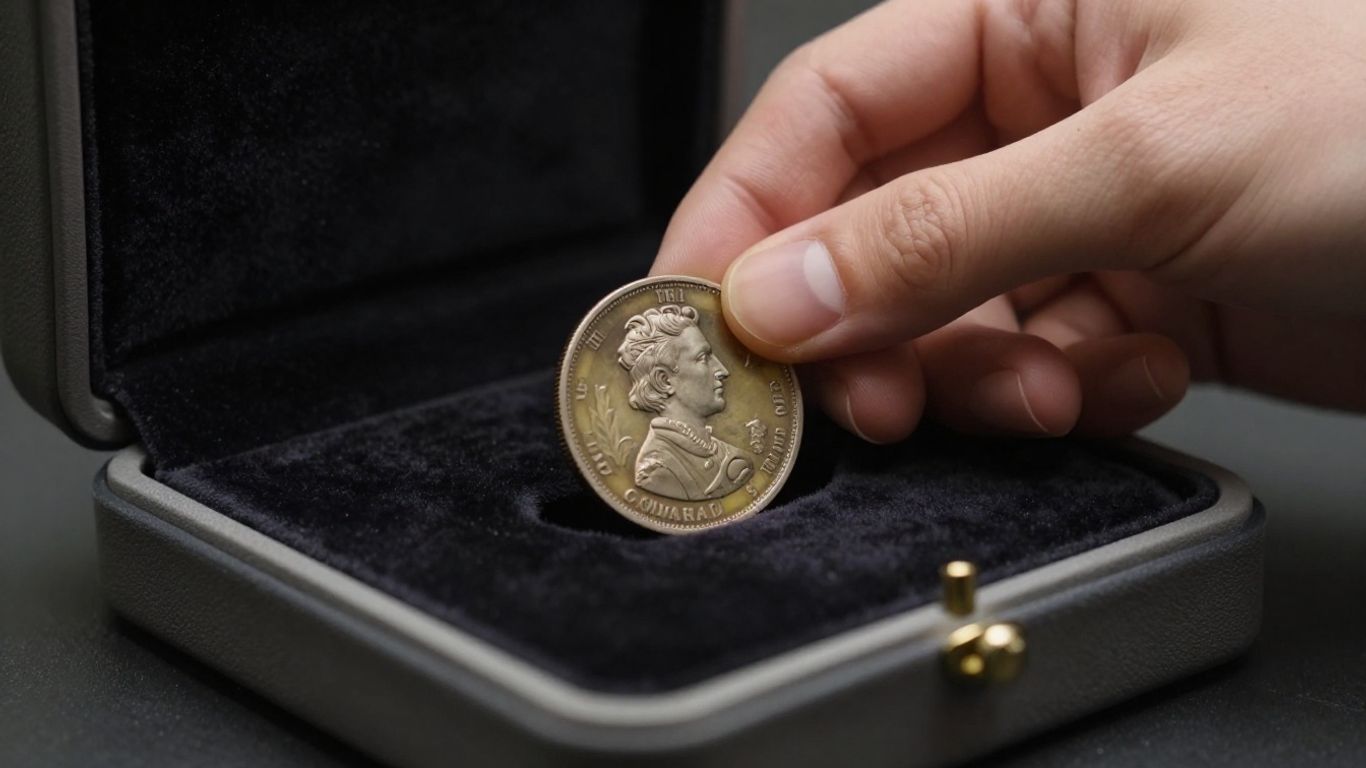
Understanding Coin Consignment Benefits
Selling coins through consignment can be a smart move, especially if you’re not looking to sell them all at once or if you have a particularly rare item. It means you hand over your coins to a dealer who then sells them for you. They handle the marketing, the buyers, and all the back-and-forth. This can save you a lot of time and hassle. You typically get paid after the coin sells, minus a commission the dealer takes for their service. It’s a way to tap into a dealer’s existing customer base and their knowledge of what buyers are looking for.
Why Choose Local San Antonio Dealers
When you’re looking to consign coins, sticking with local San Antonio dealers makes a lot of sense. For starters, you can actually go to their shop, see where your coins will be kept, and talk to them face-to-face. This builds a level of trust that’s harder to get with someone online you’ve never met. Plus, local dealers often have a good pulse on the San Antonio coin collecting scene. They might know collectors in the area who are specifically looking for what you have. It’s also easier to drop off and pick up your coins when needed.
Key Factors in Selecting a Consignor
Picking the right person or shop to handle your coins is a big deal. You want someone who knows their stuff and is honest. Here are a few things to think about:
- Specialization: Does the dealer focus on the types of coins you have? A dealer who specializes in ancient coins might not be the best fit if you’re selling modern US silver dollars.
- Track Record: How long have they been in business? Do they have a good reputation in the local coin community?
- Transparency: Are they upfront about their fees, how they’ll market your coins, and when you can expect payment?
It’s easy to get caught up in the excitement of selling a coin, but taking a step back to properly vet your consignment partner is really important. A little bit of homework now can prevent a lot of headaches later on.
Evaluating Coin Consignment Specialists in San Antonio
Assessing Dealer Experience and Reputation
When you’re looking to consign your coins, picking the right dealer in San Antonio is a big deal. You want someone who knows their stuff and has a good name in the community. Think about how long they’ve been in business. A dealer who’s been around for years likely has a solid understanding of the market and a network of buyers. It’s also smart to see what other collectors say about them. Online reviews, forums, and even just asking around at local coin clubs can give you a good sense of their reputation. Are they known for being fair and honest? Do they communicate well with their clients? These are the kinds of things that matter.
Verifying Credentials and Affiliations
Beyond just reputation, check if the dealers you’re considering have any professional credentials. Organizations like the American Numismatic Association (ANA) or the Professional Numismatists Guild (PNG) have standards that their members must meet. Belonging to these groups often means a dealer adheres to a code of ethics. It’s not a guarantee, but it’s a good sign. Also, see if they are authorized dealers for any major grading services. This can indicate a certain level of professionalism and commitment to the hobby.
Understanding Commission Structures
Before you agree to anything, you absolutely need to understand how the dealer gets paid. This is usually through a commission, which is a percentage of the final sale price. These percentages can vary quite a bit from one dealer to another. Some might have a flat rate, while others might offer lower rates for higher-value items or for consigning multiple coins. Always ask for a clear breakdown of all fees involved. Are there any extra charges for marketing, insurance, or payment processing? Getting this all in writing upfront prevents surprises later.
Here’s a look at typical commission ranges:
| Coin Value Range | Typical Commission Rate |
|---|---|
| Under $1,000 | 15% – 25% |
| $1,000 – $5,000 | 10% – 15% |
| Over $5,000 | 5% – 10% |
Remember that the lowest commission isn’t always the best deal. A dealer with a slightly higher rate but a proven track record of getting top dollar for coins might actually net you more money in the end. It’s about the net return, not just the percentage.
Services Offered by Coin Consignment Providers
When you decide to consign your coins, you’re not just handing them over; you’re engaging a service that should actively work to get you the best outcome. Reputable consignment providers in San Antonio offer a range of services designed to make this process smoother and more profitable for you. They act as your advocate in the complex world of coin sales.
Appraisal and Valuation Services
Before your coins can be sold, they need to be accurately valued. This isn’t just a quick guess; it involves a deep look at the coin’s condition, rarity, and current market demand. Good consignment services will provide a detailed appraisal, often including:
- Condition Assessment: A thorough examination of the coin’s state, noting any wear, damage, or imperfections.
- Rarity Analysis: Determining how common or scarce the specific coin and its particular grade are.
- Market Trend Evaluation: Looking at recent sales data for similar coins to gauge current pricing.
This initial valuation is key to setting realistic expectations and a competitive price.
Marketing and Sales Strategies
Simply listing a coin for sale isn’t enough. Professional consignment services employ various methods to reach potential buyers and generate interest. This can include:
- Online Listings: Utilizing popular numismatic platforms and auction sites.
- Direct Outreach: Contacting known collectors or dealers who specialize in your type of coin.
- In-House Auctions/Sales: Some larger dealers may have their own regular sales events.
- Showcase Placement: Displaying your coins in a prominent, secure location within their shop.
They understand that different coins appeal to different buyers, and they tailor their approach accordingly.
Secure Handling and Storage
Your coins are valuable, and their safety is paramount. A trustworthy consignment provider will have robust security measures in place. This typically involves:
- Secure Vaults: Storing high-value items in climate-controlled, protected environments.
- Limited Access: Restricting who can handle the coins and maintaining detailed logs.
- Insurance: Carrying adequate insurance to cover the value of consigned items against theft or damage.
The peace of mind that comes from knowing your collection is being handled with the utmost care and security is a significant part of the service. It allows you to focus on the sale rather than worrying about potential risks.
Here’s a look at what you might expect in terms of service breakdown:
| Service Area | Typical Actions |
|---|---|
| Valuation | Grading, market analysis, rarity assessment |
| Marketing | Online listings, direct buyer contact, auction participation |
| Security | Insured storage, controlled access, professional handling |
| Reporting | Regular updates on sales activity, detailed transaction records |
| Payment Processing | Handling buyer payments, managing disputes, issuing your payout |
These services work together to present your coins to the market in the best possible light and to manage the entire sales process efficiently.
The Consignment Process for Your Coins
Bringing your coins to a consignment service in San Antonio involves a clear set of steps designed to protect your interests and facilitate a smooth sale. Understanding this process from start to finish is key to a successful transaction.
Initial Consultation and Agreement
The first step is usually an initial meeting with the consignment dealer. During this meeting, you’ll discuss the coins you wish to sell, their potential value, and your expectations. The dealer will explain their services, commission rates, and the terms of their consignment agreement. It’s vital to read this agreement carefully before signing. This document outlines everything from the sale duration to how disputes will be handled.
Inventory and Documentation
Once you agree to proceed, the dealer will create a detailed inventory of your coins. This typically includes:
- A precise description of each coin (e.g., denomination, date, mint mark, condition).
- Photographs of each coin.
- Any existing documentation you provide, such as previous appraisals or grading certificates.
This meticulous record-keeping is important for tracking your collection and for marketing purposes.
Payment and Settlement Procedures
After your coins are sold, the consignment service will process the payment. They will deduct their agreed-upon commission and any other pre-approved expenses (like grading fees, if applicable). You will then receive the net proceeds from the sale. The timeline for payment can vary, but it’s usually detailed in the consignment agreement. A typical sale duration for coins, whether sold directly or through consignment, is often between 45 to 60 days [d7b7].
Be sure to clarify the payment schedule and the methods the dealer uses for disbursement. Understanding when and how you’ll receive your funds is just as important as the sale itself.
Finding Coin Dealers Specializing in Your Collection
Identifying Dealers by Coin Specialty
Not all coin dealers are created equal, and many focus on specific areas of numismatics. If you have a collection of, say, ancient Roman coins, you’ll want to find a dealer who understands their market value and history. Trying to sell these to a dealer who primarily deals in modern US silver dollars might not get you the best results. Look for specialists who align with the type of coins you possess. This focused knowledge often translates into better appraisals and a wider network of potential buyers for your specific items.
Searching for Specific Numismatic Interests
When you’re ready to find a consignment partner, think about what makes your collection unique. Are you holding onto early American copper coins, or perhaps a set of uncirculated Morgan dollars? Some dealers might advertise their specialties, while others might be known within the collecting community for their particular interests. Online resources and dealer directories can be helpful here. For instance, you might find a dealer who is particularly active in buying gold coins or has a strong reputation for handling specific historical periods.
Exploring Dealers by Service Offerings
Beyond just the type of coins they handle, consider the services a dealer provides. Some might be excellent at marketing rare coins to a global audience, while others might have a strong local client base. Think about what’s most important for your collection’s sale. Do you need a dealer who can offer detailed appraisals, or one who has a proven track record in online auctions? Understanding their service approach can help you match your needs with the right professional.
It’s important to remember that a dealer’s specialization isn’t always explicitly stated. Sometimes, you discover it through conversation or by observing the types of coins they consistently feature in their inventory or at shows. Don’t hesitate to ask direct questions about their experience with coins similar to yours.
Here’s a quick look at how specialties can differ:
| Specialty Area |
|---|
| US Coins (General) |
| Ancient Coins |
| World Coins |
| Gold & Silver Bullion |
| Error Coins |
| Tokens & Medals |
Due Diligence for Coin Consignment San Antonio
Checking BBB Ratings and Reviews
Before you hand over your valuable coins, it’s smart to do a little homework. One of the first places to look is the Better Business Bureau (BBB). This organization keeps track of complaints filed against businesses and how they were resolved. A business with a good BBB rating and a history of resolving issues fairly is usually a good sign. You can search for coin consignment services in San Antonio on the BBB website to see their standing. Look for patterns in reviews – are people consistently happy, or are there recurring problems?
Seeking Client Testimonials
What are other people saying about their experience? Many consignment services will feature testimonials from satisfied clients on their websites. While these are often positive, they can still give you a feel for the business. Look for specific examples of successful sales or smooth transactions. If you can’t find testimonials on their site, don’t be afraid to ask if they can provide references from past clients. Hearing directly from others who have used their services can be really helpful.
Understanding Dealer Guarantees
Some dealers might offer guarantees on their services. This could be related to the security of your coins while in their care, or perhaps a guarantee about the sales process. It’s important to understand exactly what any guarantee covers and what its limitations are. Don’t assume a guarantee covers everything; read the fine print.
Here are some things to consider when looking at dealer guarantees:
- Insurance: Does the dealer have adequate insurance to cover your coins while they are in their possession? What happens if something is lost or damaged?
- Authenticity: Do they guarantee the authenticity of the coins they sell on your behalf?
- Sales Performance: Do they offer any assurances about their ability to sell your coins within a certain timeframe or at a specific price point?
It’s easy to get excited about selling your collection, but taking a moment to check out the consignment service thoroughly can save you a lot of headaches later on. Think of it like vetting a contractor before they start work on your house – you want to be sure they’re reliable and trustworthy.
Maximizing Returns Through Coin Consignment
Getting the most out of your coin collection when you consign it is the main goal, right? It’s not just about handing them over and hoping for the best. There are definite steps you can take, and working with the right people in San Antonio makes a big difference. Think of it like preparing a valuable item for auction – the better it looks and the more people know about it, the higher the price it can fetch.
The Role of Professional Grading
When you’re looking to sell coins, especially rarer or more valuable ones, getting them professionally graded is a smart move. Grading services, like NGC or PCGS, examine your coins and give them a standardized score based on their condition. This score is pretty important because it tells potential buyers exactly what they’re getting. A coin graded by a reputable service often sells for more than an un-graded one, simply because there’s less guesswork involved for the buyer. It adds a layer of trust and certainty.
Strategic Pricing and Negotiation
Setting the right price is a balancing act. Too high, and your coins might sit around for a long time. Too low, and you’re leaving money on the table. A good consignment dealer in San Antonio will have a solid grasp of the current market. They can look at recent sales of similar coins, consider the grading, and help you arrive at a price that’s attractive to buyers but fair to you. Negotiation is also part of the game. Sometimes, a dealer might have a buyer ready, and they can work out a deal that benefits everyone. It’s about finding that sweet spot where a sale happens quickly and at a good price.
Timely Market Exposure
Getting your coins in front of the right eyes at the right time is key. This means the consignment service needs to know how to market your collection effectively. Do they have a strong online presence? Do they participate in coin shows or have relationships with collectors who are actively looking for what you have? The faster your coins are seen by interested parties, the quicker they are likely to sell. It’s about making sure your collection doesn’t get lost in the shuffle. A good dealer will have a plan for this, whether it’s through their own client lists, online auctions, or other channels.
Working with a consignment service isn’t just about convenience; it’s about tapping into their network and knowledge to get the best possible outcome for your collection. They understand the market, the buyers, and how to present your coins in the best possible light.
Navigating Coin Dealer Networks in San Antonio
Finding Authorized Dealers
When you’re looking to consign your coins, finding dealers who are officially recognized by grading services can be a good starting point. These authorized dealers often adhere to certain standards and may have a more established reputation. Think of it like finding a certified mechanic for your car; you generally expect a certain level of competence. Many major coin grading companies, like NGC and PCGS, have lists of authorized dealers on their websites. It’s worth checking these resources to see which San Antonio dealers are on them. This can give you a preliminary sense of their standing in the numismatic community.
Connecting with Official Submission Centers
Official submission centers are another type of network you might encounter. These centers act as intermediaries, helping collectors submit coins to grading services. While their primary role isn’t consignment in the traditional sense, they often work closely with dealers who do handle consignments. They can be a good source of information about reputable local dealers who specialize in the types of coins you have. Sometimes, these centers might even have their own consignment programs or can point you in the right direction. It’s a way to tap into a more specialized part of the coin world.
Leveraging Dealer Locators
Many numismatic organizations and grading services provide online tools, often called "dealer locators" or "shop finders." These are incredibly useful for pinpointing coin dealers in specific geographic areas, like San Antonio. You can usually filter these searches by specialty, such as ancient coins, US currency, or world coins, which helps narrow down your options considerably. These tools are designed to connect collectors with professionals, making the initial search much more manageable.
Here’s a quick look at what you might find:
- Location Filters: Specify San Antonio or surrounding areas.
- Specialty Filters: Select the types of coins you own.
- Service Filters: Look for dealers offering consignment services.
It’s always a good idea to cross-reference information found through these locators with other research methods. A listing doesn’t automatically guarantee a perfect fit for your needs, but it’s a solid place to begin your investigation into local coin consignment options.
Questions to Ask Potential Coin Consignors
Before you hand over your valuable coins, it’s smart to ask some questions. This helps you get a clear picture of how the consignment service works and what you can expect. It’s all about making sure you and the dealer are on the same page.
Inquiring About Insurance and Security
Your coins are an investment, and you want to know they’re protected. Ask about the security measures the dealer has in place. This includes:
- What kind of insurance coverage is provided for your coins while they are in the dealer’s possession?
- What are the physical security features of their facility (e.g., safes, alarm systems, surveillance)?
- How are the coins handled and stored to prevent damage or loss?
Clarifying Sales Timelines
Knowing when you can expect your coins to sell is important for your financial planning. Find out:
- What is the typical timeframe for selling coins through their service?
- Are there any strategies they use to speed up the sales process for certain types of coins?
- What happens if a coin doesn’t sell within a certain period? Are there options for return or price adjustments?
Understanding Return Policies
It’s good to know what happens if you decide to pull your coins from consignment or if they don’t sell. Ask about:
- What are the terms for retrieving your coins if you change your mind before they are sold?
- Are there any fees associated with early withdrawal from the consignment agreement?
- What is the process for returning unsold items to the owner?
Asking these questions upfront helps build a foundation of trust. It shows you’re serious about the process and want a clear, honest partnership. A good dealer will be happy to answer all your questions thoroughly.
The Importance of Trust in Coin Consignment
Building Relationships with Dealers
When you hand over your coins for consignment, you’re not just making a transaction; you’re starting a relationship. It’s like letting someone borrow your prized possessions. You want to know they’ll be treated with care and respect. Finding a dealer you can talk to, someone who listens to your concerns and explains things clearly, makes a big difference. It’s not just about the money; it’s about feeling comfortable and confident throughout the whole process. A good relationship means you can ask questions and get honest answers, which is pretty important when dealing with valuable items.
Ensuring Transparency in Transactions
Transparency is key when you’re consigning coins. You need to know exactly what’s happening with your collection. This means clear agreements upfront, detailed records of your coins, and open communication about sales. No one likes surprises, especially when it involves their hard-earned money or cherished collection. A dealer who provides regular updates and detailed sales reports helps build that trust. It’s about seeing the whole picture, from when the coin leaves your hands to when the sale is finalized and you get paid.
Protecting Your Numismatic Assets
Your coins are more than just metal; they’re part of your history and passion. Protecting them is a top priority. This involves making sure the dealer has proper security measures in place, like secure storage and insurance. You want to be sure that if anything unexpected happens, your assets are covered. It’s about peace of mind, knowing that your collection is safe while it’s in the dealer’s care. A reputable consignment service will have clear policies on security and insurance, which you should review carefully before agreeing to anything.
Ultimately, trust is the foundation of any successful coin consignment arrangement.
Here are some things to look for:
- Clear Contracts: A detailed agreement outlining terms, commissions, and responsibilities.
- Open Communication: A dealer who is accessible and willing to answer your questions.
- Secure Handling: Evidence of proper storage and insurance for your coins.
- Fair Practices: A history of honest dealings and satisfied clients.
Trust isn’t built overnight. It’s earned through consistent honesty, clear communication, and a genuine commitment to protecting the client’s interests. When consigning valuable coins, this trust is paramount for a positive and profitable experience.
Wrapping Up Your Coin Selling Journey
So, you’ve got coins you want to sell in San Antonio. It’s not as hard as it might seem. We talked about what to look for in a place that buys coins, like making sure they’re honest and know their stuff. Remember to check reviews and ask questions. Finding the right person or shop means you’ll get a fair price for your collection. Don’t rush the process; take your time to find a service you feel good about. Happy selling!
Frequently Asked Questions
What is coin consignment?
Coin consignment is when you let a coin dealer sell your coins for you. They handle everything, from showing your coins to potential buyers to making the sale. You agree on a price, and the dealer takes a small fee from the money you get.
Why should I use a local San Antonio coin dealer?
Using a dealer in San Antonio means you can often meet them in person. This can make it easier to build trust and understand how they work. Plus, local dealers might know the San Antonio coin market better.
What should I look for when choosing a coin consignment service?
You should check how experienced the dealer is and if they have a good reputation. See if they are part of any coin groups or have special training. Also, understand how much they will charge you for selling your coins.
What services do coin consignment providers usually offer?
Good consignment services will help figure out how much your coins are worth. They’ll also have ideas on how to show and sell your coins to get the best price. They should also keep your coins safe while they have them.
How do I know if a coin dealer is trustworthy?
You can check their reviews from other customers or see if they are members of respected coin organizations. Asking for references or looking for guarantees can also help you feel more confident.
How can I get the most money for my coins through consignment?
Having your coins officially graded by a professional service can help. Also, working with a dealer who knows how to price your coins well and get them seen by the right buyers is important for getting a good return.
What questions should I ask a potential coin consignor?
You should ask about how they will keep your coins safe, like if they have insurance. It’s also good to know how long they expect it to take to sell your coins and what happens if they don’t sell.
Why is trust so important when consigning coins?
Coins can be valuable, and you’re trusting someone else to handle them and get you a fair price. Building a good relationship with a dealer based on honesty and clear communication helps ensure your coins are handled properly and you get paid correctly.