
Thinking about selling your old silver coins? San Antonio has a market for them, and you want to make sure you get a fair price. Whether you have a few old dimes or a big bag of quarters, knowing where to start can make a big difference. This guide will help you figure out what your coins are worth and where to find the best cash for silver coins San Antonio offers.
Key Takeaways
- Understand what makes a silver coin valuable, focusing on pre-1965 U.S. coins often called ‘junk silver’.
- Explore local coin dealers, online options, and coin shows in San Antonio as places to sell.
- Research current silver prices and compare offers from different buyers to get the most cash.
- Pre-1965 dimes, quarters, half dollars, and silver dollars like Morgans and Peace dollars are commonly sought after.
- Avoid common selling mistakes like rushing, accepting low offers, or not checking a buyer’s reputation.
1. Research Current Silver Prices
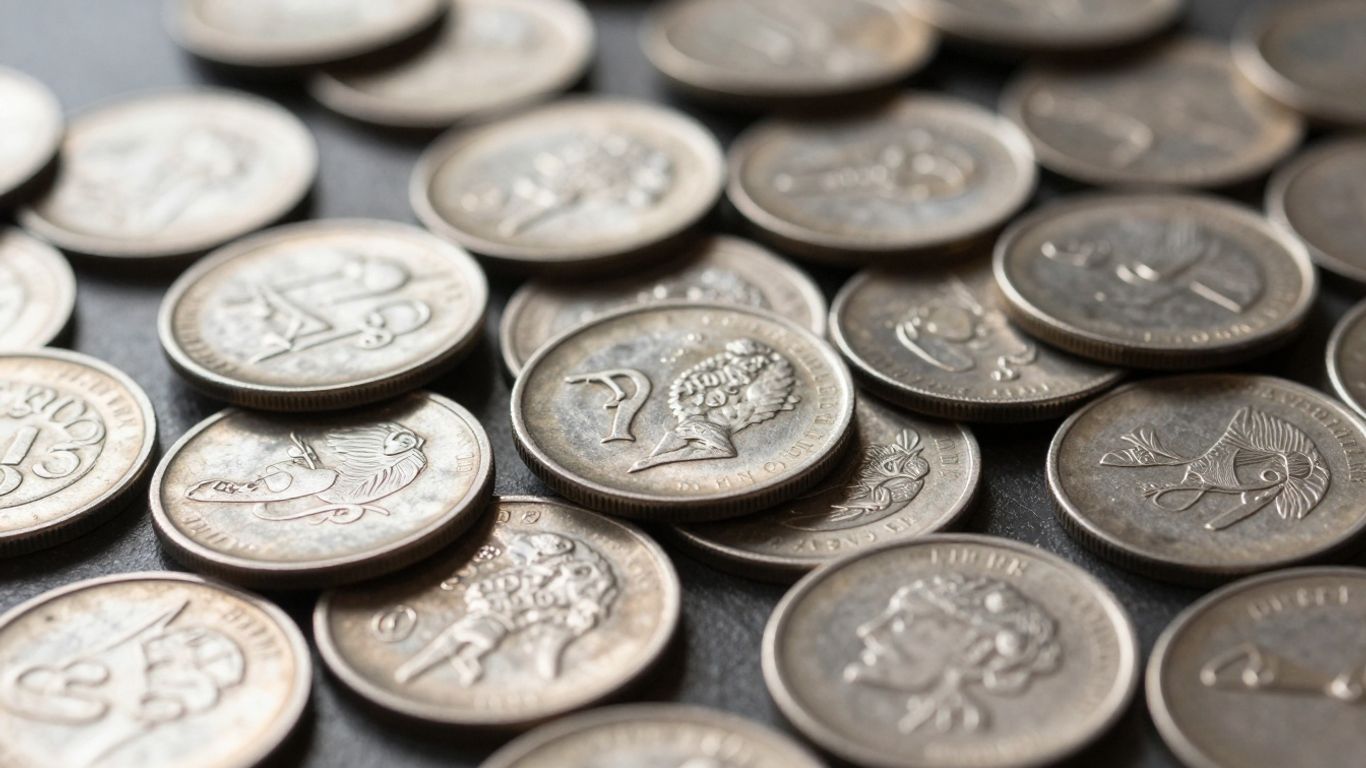
Before you even think about selling your silver coins, it’s a smart move to get a handle on what they’re actually worth right now. Silver prices can change pretty quickly, sometimes even day to day. You can find the current "spot price" for silver by doing a quick online search. This is basically the going rate for pure silver.
Now, most of the silver coins people sell aren’t pure silver. They’re usually made of 90% silver, like old dimes, quarters, and half dollars, or sometimes 40% silver for certain older half dollars. So, you’ll need to figure out the value based on that silver content. For example, if the spot price for silver is $25 per ounce, and your coin is 90% silver and weighs one ounce, its melt value would be around $22.50. Knowing this gives you a good starting point.
Here’s a general idea of how silver content affects value:
- 90% Silver Coins: These are common in U.S. coinage before 1965. Their value is closely tied to the silver spot price, with a small premium sometimes added for their collectibility.
- 40% Silver Coins: Found in some U.S. half dollars minted between 1965 and 1970. They have less silver content, so their value is lower than 90% silver coins.
- Modern Bullion Coins: Coins like American Silver Eagles are typically .999 fine silver (almost pure). Their value is very close to the spot price of silver, plus a small premium.
Understanding the melt value is your first step to knowing if a buyer’s offer is fair. It’s the minimum you should expect to get, assuming the buyer plans to melt the coins down for their silver content.
2. Compare Offers From Multiple Buyers
It’s really important not to just take the first price someone throws at you for your silver coins. Think of it like selling anything else – you want to shop around a bit to see who’s offering the best deal. Different coin dealers in San Antonio will have different ways of doing business, and some might be more eager for your specific type of silver than others.
Here’s a simple way to approach it:
- Check the current silver price: Before you even call anyone, look up the spot price of silver online. This gives you a basic idea of what your silver is worth by weight.
- Contact several dealers: Reach out to at least two or three different coin shops or buyers. You can do this by phone or by visiting them in person.
- Get written offers if possible: If you have a good number of coins, ask if they can give you a written quote. This makes comparing easier.
- Ask about their valuation: Don’t be afraid to ask how they arrived at their offer. Are they paying based on melt value, or do they see any numismatic (collector) value in your coins?
Don’t be afraid to negotiate based on the offers you receive. Remember, these dealers are in business to make a profit, so they won’t pay you the full melt value. However, a significant difference between offers could mean you’re either getting a great deal from one buyer or being lowballed by another.
It’s easy to get excited about selling your coins and just accept the first offer that comes along. But taking a little extra time to compare prices from different places can really make a difference in how much money you walk away with. You want to make sure you’re getting a fair price that reflects the actual value of your silver.
3. Understand Valuation Methods
When you’re looking to sell your junk silver coins, it’s helpful to know how buyers figure out what they’re worth. It’s not just a random number they throw out. Most of the time, especially with common silver coins like dimes, quarters, and half dollars from before 1965, the value is mostly tied to the amount of actual silver in them. This is often called the "melt value."
The purity of the silver in your coins is a big deal. Older U.S. coins typically contain 90% silver, while some later ones might have less. Buyers will calculate the total silver weight and multiply it by the current market price of silver, often called the "spot price." They’ll then usually offer you a percentage of that melt value. This percentage can change depending on the buyer, how much silver they need, and their own costs for doing business.
Here’s a general idea of how it works:
- Check the Spot Price: First, find out the current price of an ounce of pure silver. You can find this easily online.
- Determine Silver Content: Figure out the silver purity of your coins (usually 90% for older U.S. currency).
- Calculate Melt Value: Weigh your coins and calculate the total amount of pure silver you have. Then, multiply that by the spot price.
- Factor in Buyer’s Offer: Understand that buyers need to make a profit. They’ll offer you a portion of the melt value, which can vary.
Sometimes, a coin might have extra value beyond its silver content if it’s rare or in excellent condition. This is called "numismatic value." However, for most "junk silver," the melt value is the main driver. Asking buyers how they arrived at their offer can give you a clearer picture.
4. Expertise In Numismatics
When you’re looking to sell your silver coins, especially those older U.S. dimes, quarters, and half-dollars, you want to make sure you’re getting a fair price. Local coin dealers in San Antonio often have a deep knowledge of coins that goes beyond just their silver content. They understand the history, the minting process, and the potential collector value that might be attached to certain coins, even if they’re commonly referred to as "junk silver." This specialized knowledge means they can accurately assess your collection, distinguishing between coins valued purely for their metal and those with added collector appeal.
A good buyer will be able to tell you not just the melt value, but also if any of your coins have a higher numismatic value. This is where their experience really comes into play. They can spot a rare date or a coin in exceptionally good condition that might be worth more than its silver content alone.
Here’s what to look for in a buyer’s numismatic knowledge:
- Identification: Can they quickly identify different coin series, mint marks, and dates?
- Condition Grading: Do they have a good eye for wear, toning, and other factors that affect a coin’s grade?
- Market Awareness: Are they up-to-date on current collector demand for various types of coins?
Dealing with someone who truly understands coins means you’re less likely to be shortchanged. They can explain why a particular coin is worth more or less, giving you confidence in the offer they present. It’s about more than just the weight of the silver; it’s about the history and rarity each piece holds.
For instance, a dealer might recognize that a common 1964 quarter, while 90% silver, is worth primarily its silver content. However, they might also know that a 1909-S VDB Lincoln cent, even if it contains no silver, could be worth a significant amount due to its rarity and collector demand. This distinction is vital for getting the best price for your collection. You can find many reputable dealers in the area, like those listed by San Antonio coin collectors.
Don’t hesitate to ask questions. A knowledgeable buyer will be happy to share their insights, helping you understand the true worth of your collection beyond just the spot price of silver.
5. Convenient Local Transactions
When you’re ready to sell your junk silver coins, sticking close to home can make the whole process much smoother. Dealing with local buyers in San Antonio means you can often arrange to meet in person. This is a big plus because you can see your coins being evaluated right there and then, and usually get paid on the spot. No waiting for checks in the mail or worrying about shipping your valuable items.
Here are a few things that make local transactions so handy:
- Face-to-Face Interaction: You get to talk directly with the buyer, ask questions, and build a bit of trust. It feels more personal than sending your coins off into the void.
- Immediate Payment: Most local dealers will pay you cash or via a quick electronic transfer right after they agree on a price.
- Reduced Risk: You avoid the risks associated with shipping, like items getting lost or damaged in transit.
- Local Market Knowledge: Buyers familiar with the San Antonio area might have a better sense of what local collectors are looking for.
Choosing a local buyer often leads to a quicker and more secure sale. For instance, places like San Antonio Coin Buyers are situated conveniently for residents, making it easy to pop in for an appraisal without a long drive. It’s about making the selling of your silver as hassle-free as possible, turning those old coins into cash without unnecessary complications.
6. San Antonio Coin Dealers
When you’re ready to sell your junk silver coins, looking into local San Antonio coin dealers is a smart move. These businesses are often the most straightforward way to get a handle on what your coins are worth right now. They’re right here in town, so you don’t have to worry about shipping your items off to some unknown place.
Many of these dealers have been part of the San Antonio community for years, building a reputation for fair dealings. This history means they understand the local market and can offer competitive prices based on current demand. They’re not just looking to make a quick buck; they often want to build relationships with sellers.
Here’s what you can expect when working with a local dealer:
- On-the-spot evaluations: Bring your coins in, and they can usually give you an appraisal right then and there. No waiting around for days.
- Direct payment: Once you agree on a price, you can typically get paid immediately, often in cash.
- Expertise: Dealers know coins. They can spot a rare date or a coin with numismatic value beyond its silver content.
It’s a good idea to visit a few different dealers to compare their offers. This way, you can be sure you’re getting the best possible price for your silver. Some dealers might specialize in certain types of coins, so doing a little homework can pay off. For instance, if you’re in the New Braunfels area, San Antonio Coin Buyers is an option to consider for selling coins or precious metals San Antonio Coin Buyers.
Dealing with local coin shops means you can see the person you’re working with. This face-to-face interaction builds trust, which is important when you’re selling something of value. You can ask questions and get clear answers about how they arrived at their offer.
7. Texas Coins
When you’re looking to sell your silver coins in San Antonio, you’ll find several local businesses that specialize in this. One such place is Texas Coins. They’ve been around for a while, operating since 1988, and are located at 950 NE Loop 410. This spot is in the Oak Park/Northwood area, making it fairly accessible for many folks in the city.
They are known for buying pre-1964 coins, which are typically the ones containing significant silver content. If you have a collection of old dimes, quarters, or half dollars, this is the kind of place that would be interested. They generally operate with walk-ins, so you don’t always need an appointment, and their hours are usually Monday through Thursday, from 10 am to 4 pm. It’s always a good idea to check their current hours before you head over, though.
Here’s a quick look at what they offer:
- Type of Coins Bought: Primarily pre-1964 U.S. coins (dimes, quarters, half dollars, dollars).
- Location: 950 NE Loop 410, San Antonio, TX 78209.
- Business Hours: Typically Monday-Thursday, 10 am – 4 pm (walk-ins welcome).
- Established: Since 1988.
Dealing with local coin shops like Texas Coins can simplify the selling process. You can often get an appraisal on the spot and complete the transaction without the hassle of shipping or waiting for online payments. It’s a straightforward way to turn your old silver into cash.
For more details or to confirm their current operating status, you can visit their website at texascoins.com. They are a solid option to consider when exploring your choices for selling silver coins in the San Antonio area.
8. San Antonio Coin Company
When looking for a place to sell your silver coins in San Antonio, the San Antonio Coin Company is a name that often comes up. This establishment is known for its focus on buying coin collections and estates, which can include your "junk silver" if you have a larger lot.
It’s important to note that the owner, Steve Petrik, generally prefers to schedule appointments. This approach helps ensure he can give you his full attention when you visit. To set up a time to discuss your coins, you can reach out via phone or text at 210-838-4764. This method of arranging a meeting is a bit different from just walking into a shop, but it can lead to a more focused and productive discussion about your collection’s worth.
Here’s a quick look at how to connect:
- Contact: Call or text Steve Petrik.
- Phone Number: 210-838-4764.
- Purpose: Arrange an appointment to sell coin collections and estates.
While the information available doesn’t detail their specific valuation methods for silver coins, their specialization in collections and estates suggests a familiarity with assessing various types of numismatic items. It’s always a good idea to have an idea of current silver prices before you go, but a dealer like this might also spot collector value beyond just the melt price.
Working with a dealer who prefers appointments can mean a more personalized experience. It suggests they value dedicated time for each client, which can be beneficial when you’re discussing potentially valuable items from your collection.
9. San Antonio Coin Club
Connecting with local numismatic groups can be a smart move when you’re looking to sell your silver coins. The San Antonio Coin Club is one such organization that brings together collectors and dealers. While they don’t directly buy coins themselves, their events are often where you’ll find many of the buyers you’ll want to meet. These gatherings provide a relaxed atmosphere to talk about coins and potentially find out about upcoming shows or dealers who are actively purchasing.
Attending club meetings or shows can give you a pulse on the local market. It’s a chance to network and learn from others who share an interest in coins. You might discover dealers who specialize in the type of silver you have, or get tips on how to best present your collection for sale.
Here are a few things to consider when engaging with coin clubs:
- Event Schedules: Keep an eye on their announcements for meeting dates and any special coin shows they might host or participate in. These events are often held in locations like the Civic Center in Schertz.
- Networking Opportunities: Talk to members and dealers present. You can learn a lot about current trends and who is buying what.
- Information Gathering: While not a direct selling venue, clubs are excellent places to gather information about reputable dealers and fair pricing in the San Antonio area.
Participating in local coin clubs offers a community-driven approach to understanding the coin market. It’s about building connections and gaining insights from fellow enthusiasts and professionals alike, which can be incredibly helpful when you’re ready to sell.
These clubs often serve as a hub for information about larger numismatic events happening throughout Texas, including those organized by the Texas Numismatic Association. You can often find information about their events on their websites or through local coin shops. For instance, if you’re looking to sell a significant amount of silver, understanding the broader market through these connections is beneficial. A roll of 90% junk silver, for example, might fetch different prices depending on the current market demand [5c9b].
10. Texas Numismatic Association
While the Texas Numismatic Association (TNA) might hold its larger conventions in places like Arlington, it’s a significant organization for coin collectors and dealers across the entire state, including San Antonio. Think of them as a statewide hub for all things numismatic. They often draw dealers from all over Texas to their events, meaning you might find some familiar San Antonio faces or discover new buyers when they come to town.
Attending TNA events, even if they’re not directly in San Antonio, can be a smart move for sellers. It gives you a broader perspective on the market and connects you with a wider network of professionals. Many local dealers you might meet in San Antonio are active members of the TNA. This affiliation often means they are serious about the hobby and have a good reputation within the numismatic community.
Here’s what you might find beneficial about the TNA:
- Networking Opportunities: Connect with dealers and collectors from across Texas.
- Market Insights: Get a feel for current trends and pricing by observing the activity at their shows.
- Dealer Connections: Discover reputable dealers who might not be based directly in San Antonio but serve the area.
The TNA plays a role in promoting numismatics throughout Texas. Their events are a place where the buying and selling of coins are a central focus, bringing together various players in the market.
Keep an eye on their schedule. Sometimes smaller, regional gatherings or dealer meet-ups associated with the TNA might occur closer to San Antonio, or you might plan a trip to one of their main events to get the best possible offers for your junk silver.
Wrapping Up Your Silver Coin Sale
So, you’ve learned a bit about selling those old silver coins right here in San Antonio. It’s not rocket science, but knowing a few things helps a lot. We talked about what makes these coins valuable, mostly the silver inside them, and where you can actually take them to get paid. Remember to check the price of silver before you go anywhere, and don’t be afraid to ask a few different places for their offer. Getting a fair deal is totally doable if you take a little time. Places like Texas Coins or San Antonio Coin Buyers are good spots to start looking. Don’t just let those coins sit in a drawer; turn them into cash.
Frequently Asked Questions
What exactly are “junk silver” coins?
“Junk silver” coins are common old U.S. coins, usually made before 1965, that are valued mostly for the silver they contain, not for their rarity or historical importance. Think of them as coins whose worth comes from the silver metal inside, like older dimes and quarters.
Which U.S. coins are typically made of 90% silver?
Most U.S. dimes, quarters, and half dollars made before the year 1965 are 90% silver. Dollar coins from that time also usually contain 90% silver. The U.S. government changed the metal used in these coins starting in 1965 because silver prices increased.
How can I find out the current value of silver?
To know what your silver coins are worth, you should check the current market price of silver. You can easily find this by searching online for the ‘spot price of silver’ or ‘silver prices today.’ This will give you a good idea of the going rate before you talk to any buyers.
Should I clean my silver coins before selling them?
It’s usually best not to clean your silver coins. Cleaning can sometimes harm the coin’s surface and might actually make it worth less, especially if it has any value to collectors. Most buyers prefer to see the coins just as they are.
What is the difference between 90% silver and .999 fine silver?
Coins with 90% silver, like old U.S. dimes and quarters, are made of 90% silver and 10% other metals. ‘.999 fine silver’ means the item is almost pure silver, with 99.9% silver content. Items that are nearly pure silver are generally worth more because they have more silver.
Where can I sell my silver coins in San Antonio?
In San Antonio, you can sell your silver coins at local coin dealers and shops that buy precious metals. Coin shows or special events in the area are also good places to find buyers. While online selling is an option, selling locally is often quicker and simpler.
What should I do if I have a large collection of silver coins to sell?
If you have many silver coins, look for dealers who specialize in buying whole collections. They often have the skill to evaluate a large number of coins correctly. Some dealers might even offer to come to you if your collection is quite large.
How can I be sure I’m getting a fair price for my silver coins?
To get a fair price, always ask for offers from several trusted buyers. Compare what each dealer offers, keeping in mind the current price of silver. It’s also important to understand how they decide the value of your coins – whether by weight or for collector value. Don’t hesitate to politely discuss the price.