
Thinking about selling some of your valuables in San Antonio, TX? Whether it’s that old gold necklace, a few silver coins you found in a drawer, or even some scrap gold, knowing where to go is key. This guide is here to help you find reputable coin jewelry buyers in San Antonio, TX, so you can get a fair price for your items. We’ll cover what to look for and what to expect when you decide it’s time to cash in.
Key Takeaways
- Look for buyers who use non-destructive testing methods like XRF scanners to assess your items without causing damage.
- Always go in person to sell your valuables if possible; this way, you can see the entire evaluation process.
- Create an inventory list of what you’re selling before you meet with a buyer to keep track of your items.
- Check online reviews and the Better Business Bureau (BBB) to find trustworthy coin jewelry buyers in San Antonio, TX.
- Understand the difference between gold-filled, gold-plated, and solid karat gold to know the true value of your jewelry.
1. Gold Jewelry
When you’re looking to sell gold jewelry in San Antonio, it’s good to know what you’re dealing with. Not all that glitters is pure gold, you know? There’s a big difference between solid karat gold, gold-filled, and gold-plated items. We’re talking about pieces marked 10K, 14K, 18K, or higher – that’s the real deal we’re interested in. Gold-filled items have a thicker layer of gold bonded to a base metal, usually around 5% gold by weight, and while they look nice, they don’t have enough gold to be worth refining. Gold-plated jewelry, on the other hand, has a super thin layer that wears off fast, so it’s generally not something buyers will take.
It’s important to understand these distinctions because it affects the value you’ll get when selling.
There are several reasons why people decide to sell their gold jewelry. Maybe a favorite necklace has a broken clasp that’s too expensive to fix, or perhaps you have a pair of earrings missing its mate. Sometimes, we just end up with pieces that aren’t our style anymore, or they’re uncomfortable to wear. Whatever the reason, if you’ve got gold jewelry sitting around that you don’t wear, it might be time to see what it’s worth. You can explore timeless designs at Malani Jewelers if you’re looking to buy new pieces.
Here are some common reasons people sell gold jewelry:
- Damaged or Broken Items: Pieces that are beyond simple repair, like a snapped chain or a missing stone.
- Outdated Styles: Jewelry that was fashionable years ago but doesn’t fit your current taste.
- Unworn Gifts: Items received as gifts that you appreciate but don’t personally wear.
- Impulse Purchases: Pieces bought on a whim that you later found uncomfortable or impractical.
When selling gold jewelry, especially for scrap, the current market price plays a role, but for most individuals selling small amounts, the immediate need for cash often outweighs minor price fluctuations. Focus on finding a reputable buyer who offers fair prices based on the gold’s purity.
Buyers use different methods to test gold. Some might scratch your items, which can leave marks. It’s better to find a place that uses non-destructive methods, like XRF technology, to test the purity without damaging your valuables. This way, your jewelry stays in the same condition, regardless of whether you accept their offer.
2. Silver Coins
When you’re looking to sell silver coins in San Antonio, it’s good to know what you’ve got. Most people think of old coins, but there are a few types that buyers are usually interested in. We’re talking about circulated coins that have a silver content, like U.S. dimes, quarters, and half-dollars minted before 1965. These are often referred to as ‘junk silver’ because their value comes from the silver itself, not their rarity as a collectible.
The melt value of these coins is typically what determines their worth to a buyer. This means the price you get is directly tied to the current market price of silver. It’s not like rare coins where a specific date or mint mark can make it worth a fortune; with these, it’s all about the metal.
Here’s a quick rundown of common silver coins you might have:
- 90% Silver Coins: These are the most common. Think of dimes, quarters, and half-dollars made in the U.S. before 1965. Nickels made between 1942 and 1945 also contain silver.
- 40% Silver Coins: These are less common and include Kennedy half-dollars from 1965 to 1970 and some Eisenhower dollars.
- Silver Dollars: Older silver dollars, like Morgan and Peace dollars, can sometimes be worth more than just their silver content if they are in good condition or have a rare mint mark.
When you go to sell, a reputable buyer will test the silver content without damaging your coins. They should be able to tell you the exact silver purity and give you a price based on the current silver market. It’s always a good idea to get a few quotes before you decide. If you’re in the area and looking to sell, places like San Antonio Coin Buyers can help you get a fair appraisal.
It’s important to remember that while collectible coins have value based on rarity and condition, the silver coins we’re discussing here are primarily valued for their metal content. Buyers will assess them based on weight and purity, not numismatic appeal.
Knowing the difference between collectible coins and silver coins valued for their melt can help you get a better price. Don’t be afraid to ask questions about how they determine the value of your coins.
3. Gold Coins
Gold coins have been a form of currency and a store of value for centuries. When you’re looking to sell gold coins in San Antonio, it’s good to know a bit about what makes them valuable beyond just their gold content. Many gold coins are also collectible, meaning their numismatic value can sometimes exceed the melt value of the gold itself.
When you bring your gold coins to a buyer, they’ll typically assess them in a couple of ways. First, they’ll check the gold content and weight. Coins made of pure gold, like American Gold Eagles or Canadian Maple Leafs, are often valued based on the current spot price of gold, plus a small premium. Then, they’ll look at the coin’s condition, rarity, and historical significance. Some coins, especially older ones or those from limited mintages, can be worth significantly more to collectors than their gold weight alone.
Here’s what to consider when selling gold coins:
- Purity and Weight: Most modern gold bullion coins are minted with a specific gold purity (e.g., .9999 fine gold) and a standard weight (e.g., one ounce). This makes them straightforward to value based on the gold market.
- Numismatic Value: Older coins, or those with historical importance, might have a collector’s value. This is determined by factors like rarity, condition (grade), historical demand, and whether it’s part of a popular series.
- Condition: Coins are graded on a scale, and a higher grade usually means a higher value, especially for collectible coins. Buyers will often use magnification to inspect for scratches, wear, or other imperfections.
It’s important to find a buyer who understands both the bullion value and the potential collector’s value of your gold coins. A buyer who only focuses on melt value might significantly undervalue rare or historically important coins.
When selling gold coins, especially if they are older or appear to be in excellent condition, it’s wise to get a second opinion. Some buyers might not have the expertise to properly appraise the numismatic value, leading to a lower offer than you might otherwise receive. Knowing the general market for your specific coins beforehand can be helpful.
4. Platinum Jewelry
Platinum jewelry, much like gold, is a sought-after item when it comes to selling precious metals. It’s known for its durability and natural white luster, making it a popular choice for engagement rings and other fine pieces. When you’re looking to sell platinum jewelry in San Antonio, it’s good to know what buyers are looking for.
The purity of your platinum item is the most significant factor in its value. You’ll often see platinum marked with numbers like 950, which indicates 95% pure platinum. Other common markings include PT or Plat. Unlike gold, platinum is denser and rarer, which can contribute to a higher value per ounce, depending on the current market.
When assessing your platinum pieces, buyers will consider:
- Purity Markings: Look for stamps like 950, 900, or 850.
- Weight: Heavier pieces generally hold more value.
- Condition: While some buyers accept scrap, intact pieces with desirable designs might fetch a better price.
- Gemstones: If your platinum jewelry contains diamonds or other precious stones, their value will be assessed separately.
It’s wise to get quotes from a few different places. Some buyers specialize in precious metals and might offer more competitive rates. For instance, places like Golden Cash Exchange are known to purchase platinum.
Selling platinum jewelry requires a bit of homework. Understanding the hallmarks and weight of your items will help you get a fair offer. Don’t hesitate to ask potential buyers about their assessment process.
Remember, platinum’s value fluctuates with the global market, just like gold and silver. A reputable buyer will use current market prices to determine their offer, ensuring you get a fair deal for your valuable platinum.
5. Sterling Silver Flatware
Do you have a collection of sterling silver flatware gathering dust in a cabinet? Perhaps inherited pieces or items bought for a special occasion that never quite fit your everyday style? Many people find themselves with beautiful, but unused, sterling silver items like forks, spoons, knives, serving platters, and even tea sets. These pieces, while perhaps sentimental, can represent a significant amount of actual silver value.
When looking to sell sterling silver flatware in San Antonio, it’s important to know what to look for. Genuine sterling silver is typically marked with a "925" stamp, indicating it contains 92.5% pure silver. You might also see other hallmarks like "Sterling," "Ster," or maker’s marks. These markings are your first clue to the item’s silver content.
Buyers are interested in the silver content, not necessarily the pattern or condition of the flatware. Even if your set is incomplete, tarnished, or has minor damage, it still holds value based on the precious metal it contains. Don’t let the idea of a "set" deter you; individual pieces or partial sets are often purchased as well.
Here’s what buyers typically look for:
- Markings: Look for "925," "Sterling," or "Ster."
- Item Type: Forks, spoons, knives, serving spoons, ladles, platters, bowls, tea sets.
- Weight: Heavier pieces generally contain more silver.
Selling sterling silver flatware can be a straightforward process. Professional buyers in San Antonio can assess the silver content quickly and provide a fair offer based on the current market price of silver. They understand that the value lies in the metal itself, allowing you to convert unused items into cash without worry about whether the style is still fashionable.
When you bring your sterling silver flatware to a reputable buyer, they will weigh the items and test them to confirm their purity. This process is usually quick and transparent. You’ll receive an offer based on the total silver weight and the current market rate for silver. It’s a practical way to declutter your home and get a return on items that are no longer serving a purpose for you.
6. Bullion
When you’re looking to sell bullion, you’re typically dealing with investment-grade precious metals. This usually comes in the form of bars or coins, like American Eagles, Canadian Maple Leafs, or South African Krugerrands, made of gold, silver, platinum, or palladium. The value of bullion is directly tied to the current market price of the metal itself, often referred to as the spot price. For instance, as of January 5, 2026, the spot price for one ounce of gold is around $4,433.81 [a6c6].
Selling bullion requires a buyer who understands its value and can accurately assess its purity and weight. Reputable dealers will use precise scales and testing methods to determine the exact amount of precious metal content. It’s important to find a buyer who is transparent about their process and offers a fair price based on the current market rates.
Here are a few things to consider when selling bullion:
- Purity and Weight: Know the exact purity (e.g., .999 fine gold) and weight of your bullion. This information is usually stamped on the item itself.
- Market Price: Keep an eye on the live spot prices for the metal your bullion is made of. This gives you a baseline for what to expect.
- Buyer’s Reputation: Choose a buyer with a solid reputation for honesty and fair dealing, especially when it comes to precious metals.
When selling bullion, transparency is key. A good buyer will clearly show you how they are weighing and testing your items, and explain how they arrived at their offer based on the current market value. Avoid any buyer who seems hesitant to share this information or tries to rush the process.
Many buyers will also purchase other forms of precious metals, but bullion is often a significant part of their business. Make sure the buyer you choose specializes in or has a strong understanding of the bullion market to get the best possible price for your investments.
7. Dental Gold
When people think about selling gold, they usually picture necklaces, rings, or coins. But there’s another, less obvious source of gold that many people have lying around: dental gold. Yes, those old crowns, bridges, and even fillings can contain a surprising amount of precious metal.
Dental work from years past often used gold alloys because of their durability and biocompatibility. While modern dentistry has moved towards other materials, a lot of older dental work is pure gold or a high-karat gold alloy. The amount of gold in dental pieces can vary, but it’s definitely worth checking out if you have any old dental work you’re no longer using.
When you bring in your dental gold, buyers will typically assess it based on its karat purity. They’ll use non-destructive methods, like XRF testing, to figure out how much gold is actually in the piece without damaging it. This is important because different dental applications used different gold percentages.
Here’s a quick look at what you might find:
- Crowns and Caps: These are the most common items and can contain a good amount of gold.
- Bridges: Often made with a gold substructure, bridges can be quite valuable.
- Fillings: While individual fillings might not have a lot of gold, a collection of them could add up.
It’s important to find a reputable buyer who understands how to properly evaluate dental gold. They should be transparent about their testing process and offer a fair price based on the gold’s weight and purity. Don’t just assume it’s worthless; that old gold tooth could be worth more than you think. If you’re looking to get the most for your gold items, consider exploring options for selling your gold here.
Selling dental gold might seem a bit unusual, but it’s a practical way to recover value from items that would otherwise be discarded. Many people have these items stored away, perhaps in a jewelry box or a forgotten container, without realizing their potential worth. A professional buyer can help you determine the exact gold content and provide a cash offer.
8. Scrap Gold
Scrap gold refers to any gold items that are no longer in their original, wearable condition or are simply unwanted. This can include broken jewelry, old dental work, tarnished coins, or even single earrings. When you bring these items to a buyer, they are typically melted down and refined to recover the pure gold content. The value is determined by the weight and purity (karat) of the gold, not its aesthetic appeal or condition.
The price of gold fluctuates daily, so it’s wise to check current market rates before selling. While minor daily changes might not significantly impact small amounts of scrap gold, larger quantities can benefit from timing the market. However, if you need cash now, waiting for a potential price increase might not be practical.
Here are some common reasons people sell scrap gold:
- Damaged or Unmatched Jewelry: Pieces with broken clasps, missing stones, or single earrings often end up in the scrap pile. Repair costs can sometimes outweigh the item’s value.
- Outdated Styles: Jewelry that’s no longer fashionable can be difficult to sell privately. Scrap buyers focus on the gold content, making style irrelevant.
- Unworn Items: Many people have jewelry they received as gifts or bought on impulse that they never wear due to comfort, style, or personal preference.
When selling scrap gold, transparency is key. Look for buyers who allow you to observe the entire evaluation process, from weighing to testing. This ensures you understand how the offer is calculated. Some buyers might even offer a free, no-obligation evaluation for your items. If you’re looking for reputable places in San Antonio, consider checking out local gold dealers like Golden Cash Exchange.
It’s important to distinguish between solid gold and gold-plated or gold-filled items. Only items with a significant amount of actual gold content will be profitable to sell as scrap. Buyers will test your items to determine their purity, usually expressed in karats (e.g., 10K, 14K, 18K, 24K).
Bringing a small digital gram scale can help you get a preliminary weight estimate before visiting a buyer. While not always perfectly accurate for trade, it gives you a baseline. Always ask to see the buyer’s scale and ensure it’s licensed for trade, especially in Texas. This diligence helps you get a fair price for your unwanted gold.
9. Palladium Items
Palladium is a precious metal that’s part of the platinum group. You might find it in jewelry, but it’s also used in industrial applications, like catalytic converters in cars. When you’re looking to sell palladium items in San Antonio, it’s important to find a buyer who understands its value and can test it accurately.
Many precious metal buyers who purchase gold, silver, and platinum will also be interested in palladium. They often use the same advanced testing equipment, like XRF scanners, to determine the purity of palladium without damaging your items. This is a big deal because palladium can be tricky to test, and you don’t want it scratched or filed just to get an offer.
Here’s what you should know when selling palladium:
- Purity Matters: Palladium comes in different purities, often marked as .950 or .999. Higher purity generally means a higher value.
- Industrial vs. Jewelry: While jewelry is common, industrial palladium scrap can also be valuable. Buyers experienced with precious metals can assess both.
- Accurate Testing: Look for buyers who use non-destructive methods like XRF technology. This ensures your item’s condition is preserved while its value is assessed.
Selling palladium requires a buyer who is knowledgeable about its specific properties and market value. Unlike gold or silver, palladium has a more niche market, but its value can be significant, especially in its purer forms or when sourced from industrial applications. A reputable buyer will be transparent about the testing process and the factors influencing their offer.
When you bring your palladium items to a buyer, they’ll typically check for:
- Hallmarks or stamps indicating purity.
- The item’s weight.
- The results from their testing equipment.
Based on these factors and the current market price for palladium, they will provide you with an offer. Make sure you understand how they arrived at their price.
10. Diamonds
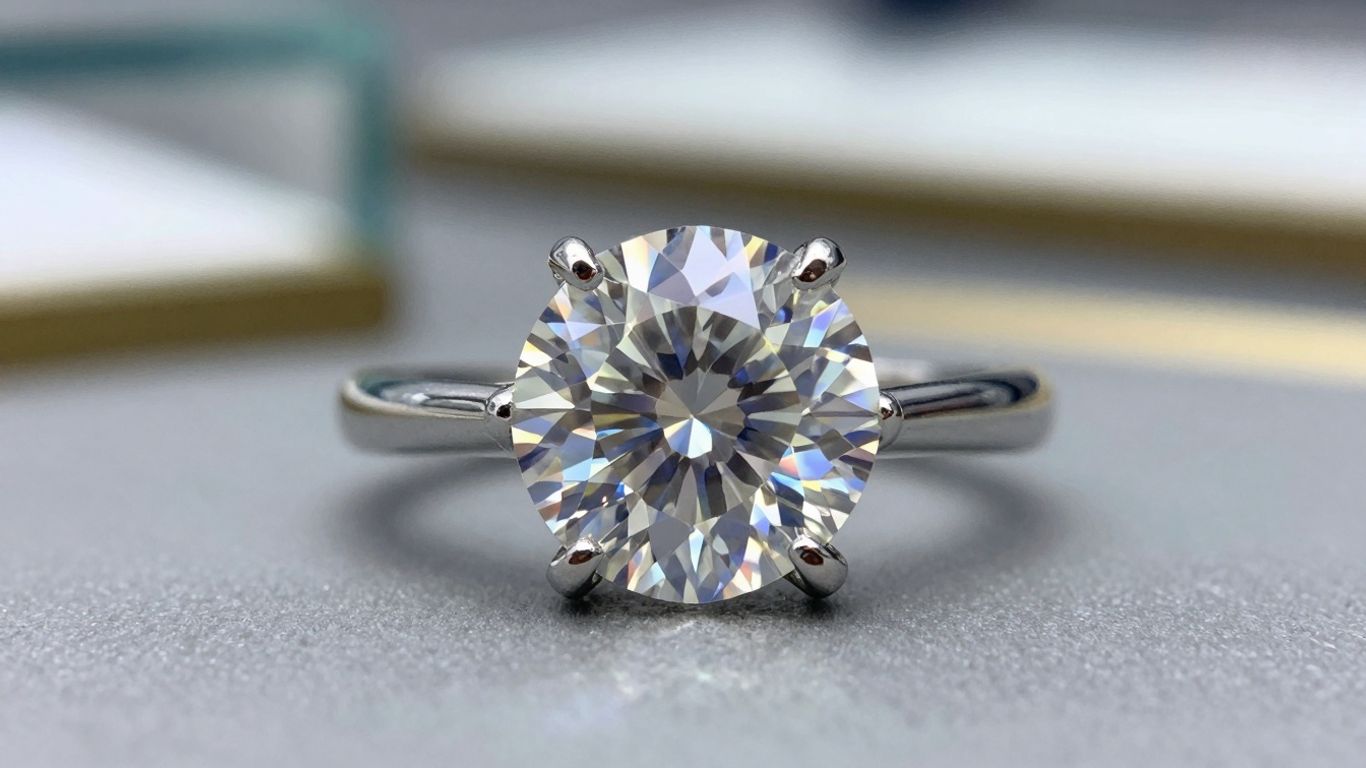
When you’re looking to sell diamonds in San Antonio, it’s important to know what makes them valuable. It’s not just about the sparkle; it’s about the ‘4 Cs’: cut, color, clarity, and carat weight. Each of these plays a big role in how much a diamond is worth.
- Cut: This refers to how well the diamond has been shaped and faceted. A good cut lets light bounce around inside, making it look brighter. This is often considered the most important factor.
- Color: Diamonds are graded on a scale from D (colorless) to Z (light yellow or brown). The less color a diamond has, the more it’s generally worth.
- Clarity: This looks at any tiny imperfections or blemishes inside or on the surface of the diamond. Diamonds with fewer imperfections are rarer and more valuable.
- Carat Weight: This is simply how much the diamond weighs. Larger diamonds are rarer, but only if they also have good cut, color, and clarity.
Finding a buyer who understands these factors is key to getting a fair price for your diamond. Some places might offer a flat rate, but a knowledgeable buyer will assess each stone individually.
Selling diamonds can feel a bit complicated because their value depends on so many specific details. It’s not like selling gold where the weight and purity are the main things. With diamonds, you’re dealing with a unique stone each time, and its specific characteristics determine its worth on the market.
When you visit a buyer, they’ll likely examine your diamond using a loupe, which is a magnifying tool. They’ll be looking closely at those clarity characteristics and assessing the color. Don’t be afraid to ask questions about their evaluation process. A reputable buyer will be happy to explain how they arrived at their offer.
Final Thoughts on Selling Your Valuables in San Antonio
So, you’ve got some coin jewelry you’re looking to sell in San Antonio. It can feel like a big task, right? But by doing a little homework and knowing what to look for, you can find a buyer who treats you fair. Remember to check out local shops, see what others say about them, and always make sure you understand how they’re testing your items. Don’t be afraid to ask questions. Getting a good price for your valuables is totally possible when you work with honest people. Good luck out there!
Frequently Asked Questions
What kind of items can I sell to a coin buyer?
You can sell many types of precious metal items. This includes gold and silver jewelry, coins made of gold or silver, gold and silver bars (called bullion), and even old dental gold. Some places also buy platinum and palladium items, as well as sterling silver dishes and silverware.
How do I know if I'm getting a fair price for my gold or silver?
A good buyer will test your items right in front of you, so you can see the process. They should use methods that don’t damage your valuables, like an XRF scanner. Always ask to see their scale and compare the weight. It helps to have an idea of the current market prices before you go.
Should I sell my jewelry online or in person?
Selling in person is usually better. When you mail your items, you lose control, and it can be hard to get your valuables back if you don’t like the offer. Selling face-to-face means you can watch everything happen and decide on the spot if you want to accept the offer.
What's the difference between gold-filled and gold-plated jewelry?
Gold-filled jewelry has a thicker layer of gold bonded to another metal, while gold-plated jewelry has a very thin coating of gold. Neither has enough gold to be worth much for melting down, so most buyers only purchase solid gold jewelry.
Do buyers check the purity of the metals?
Yes, reputable buyers will test the purity of gold, silver, platinum, and palladium. They often use advanced tools like XRF scanners that can tell them exactly how pure the metal is without scratching or damaging your items.
What should I do before I go to sell my items?
It’s a good idea to make a list of everything you plan to sell. This helps you keep track of your items and makes the process more organized. If you have a small digital scale, you can even weigh your items at home beforehand to get an estimate.
Are there any special types of coins buyers look for?
Buyers are interested in both collectible coins and coins made of precious metals like gold and silver. This includes common coins like American Eagles or older silver dollars, as well as gold coins from various countries. The value often depends on both the metal content and its rarity.
What makes one buyer better than another?
Look for buyers who are transparent about their testing and pricing methods. They should have good reviews, a physical location, and be registered with the state. A buyer who uses non-damaging testing methods and makes their best offer upfront is usually the most trustworthy.