
Thinking about selling your old U.S. coins? If you have dimes, quarters, or half dollars minted before 1965, they might be worth more than just their face value. These coins contain 90% silver, and knowing where to find reputable pre 1965 silver coin buyers in San Antonio is key to getting a fair price. This guide will help you understand your coins, find trustworthy buyers, and make sure you get the most for your collection.
Key Takeaways
- Pre-1965 U.S. dimes, quarters, and half dollars are made of 90% silver. Silver dollars minted before 1936 also contain silver.
- The Coinage Act of 1965 changed U.S. currency to a clad composition, meaning coins made after 1964 do not contain silver.
- Look for local precious metals dealers and reputable coin shops in San Antonio to sell your silver coins. Avoid online mail-in offers.
- Understand that your coins’ value is based on their silver content, not just their face value. Factors like condition and rarity can also play a role.
- Always verify a dealer’s licensing and reputation. Getting an in-person evaluation is recommended for a fair transaction.
Understanding Pre-1965 Silver Coins
Identifying 90% Silver Dimes, Quarters, and Half Dollars
Before 1965, the United States Mint produced dimes, quarters, and half dollars that were made from a 90% silver and 10% copper alloy. This means that for every ten dimes, quarters, or half dollars, nine of them were pure silver. These coins are often referred to as ‘junk silver’ by dealers, not because they are worthless, but because their primary value comes from their silver content rather than their numismatic rarity. While some specific dates or mint marks might hold collector value, most of these coins are valued based on the melt value of the silver they contain.
Here’s a quick way to identify them:
- Dimes and Quarters: Look for dates from 1964 and earlier. The silver composition was phased out starting in 1965.
- Half Dollars: Coins minted from 1964 and earlier are 90% silver. Half dollars minted between 1965 and 1970 contain 40% silver, and those after 1970 have no silver.
The Significance of the 1964 Cutoff Date
The year 1964 is a critical marker for U.S. silver coinage intended for circulation. Following the Coinage Act of 1965, the composition of dimes and quarters changed from 90% silver to a copper-nickel clad. This shift was largely due to rising silver prices and a desire to stabilize the nation’s coinage supply. Therefore, any circulating dimes, quarters, or half dollars dated 1964 or earlier are generally considered to contain silver, while those dated 1965 or later do not (with the exception of some 40% silver half dollars minted between 1965 and 1970).
Distinguishing Silver Dollars from Circulating Coins
Silver dollars are a different category altogether. Unlike the dimes, quarters, and half dollars mentioned above, U.S. silver dollars were primarily minted with 90% silver until 1935. After this period, the U.S. Mint stopped producing silver dollars for general circulation. While some dollar coins were made with 40% silver in the 1970s (like certain Eisenhower dollars), and modern silver bullion coins like American Silver Eagles are produced, these are distinct from the older, circulating silver dollars. When looking to sell, it’s important to know if you have these larger silver pieces, as their value is often calculated differently than the smaller 90% silver coins.
| Coin Type | Silver Content (Pre-1965) | Last Year of 90% Silver Circulation | Notes |
|---|---|---|---|
| Dimes | 90% | 1964 | Post-1964 coins are copper-nickel clad. |
| Quarters | 90% | 1964 | Post-1964 coins are copper-nickel clad. |
| Half Dollars | 90% | 1964 | 1965-1970 half dollars contain 40% silver; post-1970 have no silver. |
| Silver Dollars | 90% | 1935 | Later dollar coins have different compositions or are bullion issues. |
Where to Find Pre-1965 Silver Coin Buyers in San Antonio
So, you’ve got a stash of those old dimes, quarters, and half dollars, and you’re wondering where to turn them into cash right here in San Antonio. It’s not as complicated as it might seem. There are a few main places you’ll want to check out when you’re ready to sell.
Local Precious Metals Dealers
These are businesses that specialize in buying and selling gold, silver, platinum, and other precious metals. They often deal with a wide range of items, including pre-1965 silver coins. A good precious metals dealer will be transparent about how they determine the value of your coins. They usually have the equipment to test the metal content and weigh your coins accurately. It’s a good idea to look for dealers who are registered with the state, as this offers a layer of protection for you as a seller.
Reputable Coin Shops
Coin shops are another excellent resource. While some coin shops focus heavily on rare or collectible coins, many also buy
Evaluating Your Silver Coin Collection
Before you head out to find buyers in San Antonio, it’s a good idea to get a handle on what you actually have. This isn’t just about knowing the face value printed on the coin; it’s about understanding the silver content and any other factors that might influence its worth. Think of it like checking the ingredients list on a food item before you decide if you want to buy it.
Understanding Face Value vs. Silver Content
Most people know that pre-1965 U.S. dimes, quarters, and half dollars are made of 90% silver. What’s often confusing is how this translates to value. While a dime might say ’10 cents’ on it, its actual worth comes from the silver inside. For these common coins, buyers often use a system based on face value because the silver content is so consistent. For every dollar in face value (like ten dimes or four quarters), there’s a set amount of silver, around 0.715 troy ounces. This makes it easier for dealers to price them quickly. However, this doesn’t mean they’re only worth their face value; the silver content is the primary driver of their worth.
Factors Affecting Coin Value
Several things can make one silver coin worth more than another, even if they look similar. The year the coin was minted is a big one. Some years had fewer coins produced, making them rarer. The mint mark, which shows where the coin was made (like a ‘D’ for Denver or an ‘S’ for San Francisco), can also matter. The condition of the coin is also important. Is it worn down from years of use, or does it look almost new? Even small details can affect the price.
- Rarity: How many were made? Fewer coins usually mean higher value.
- Condition: Is it worn, scratched, or in mint condition?
- Demand: Are collectors or investors actively looking for this specific coin?
- Mint Mark: Coins from certain mints can be more sought after.
The Role of Purity and Condition
When it comes to silver coins, purity is straightforward: pre-1965 U.S. dimes, quarters, and half dollars are generally 90% silver. Silver dollars minted before 1935 are also typically 90% silver. Modern silver bullion coins, like American Silver Eagles, are much purer, usually .999 fine silver. Condition, however, is more subjective. A coin that’s heavily worn might only be worth its silver melt value. Coins in better condition, especially those that are rare or have numismatic (collector) appeal, can be worth significantly more than just the silver they contain. Buyers will look closely at wear, toning, and any damage to determine the final offer.
Ensuring a Fair Transaction for Your Silver Coins
When you’re ready to sell your pre-1965 silver coins, making sure you get a fair deal is pretty important. It’s not just about the money; it’s about knowing you’ve been treated honestly. There are a few key things to keep in mind to help you feel confident about the sale.
Verifying Dealer Licensing and Registration
First off, you want to deal with someone legitimate. In Texas, precious metals dealers should be registered. This registration shows they’re operating according to state rules and consumer protection laws. It’s a good sign that they’re serious about their business and not just looking for a quick scam. You can often check with the Texas Office of Consumer Credit Commissioner (OCCC) to see if a dealer is properly registered. This step helps protect you from fly-by-night operations.
The Importance of In-Person Evaluations
Whenever possible, try to sell your coins in person. This way, you can see exactly what’s happening with your collection. You should always be able to watch the entire evaluation process, from weighing to testing, right in front of you. If a buyer asks you to leave your coins with them or take them to another room, that’s a big red flag. You want to be able to ask questions as they go and decline an offer if it doesn’t feel right. It keeps you in control of the situation.
Avoiding Online Mail-In Offers
While online mail-in services might seem convenient, they often come with risks. You lose direct control over your coins once they’re shipped, and it can be harder to dispute an offer if you feel you’ve been shortchanged. It’s much safer to work with local buyers where you can have a face-to-face interaction. This allows for immediate feedback and a more transparent process. You can usually get cash on the spot, which is a big plus.
Here’s a quick checklist to consider:
- Confirm the dealer is licensed and registered in Texas.
- Always opt for in-person evaluations where you can observe the process.
- Be wary of mail-in offers; they often lack transparency.
- Ask for a detailed breakdown of how they arrived at their offer.
Getting a fair price for your silver coins involves a bit of homework, but it’s well worth the effort. Knowing the basic value of your coins and dealing with reputable, registered buyers will make the whole experience much smoother and more profitable.
What Buyers Look For in Pre-1965 Silver Coins
When you’re looking to sell your old silver coins, it helps to know what the buyers are actually interested in. It’s not always about finding a rare collectible; often, it’s about the silver content itself. Most buyers in San Antonio will be looking at a few key things.
Commonly Sought After Silver Coin Types
Buyers are generally most interested in U.S. dimes, quarters, and half dollars that were minted before 1965. These coins are made of 90% silver. Think of coins like:
- Mercury Dimes (1916-1945)
- Roosevelt Dimes (1946-1964)
- Washington Quarters (1932-1964)
- Walking Liberty Half Dollars (1916-1947)
- Franklin Half Dollars (1948-1963)
- Kennedy Half Dollars (1964 only)
These are the workhorses of pre-1965 silver coinage. They’re common, and their value is mostly tied to the silver they contain.
The Concept of 'Junk Silver'
You might hear the term "junk silver." This doesn’t mean the coins are worthless. It simply refers to these common, circulated silver coins that aren’t rare enough to have significant collector value on their own. Their worth comes from the melt value of the silver.
Buyers often price these coins based on their face value. For example, a dollar’s worth of these 90% silver coins contains a consistent amount of silver, making it easy to calculate a price based on the face amount rather than weighing each individual coin. This makes transactions quicker and more straightforward.
Beyond Circulating Coins: Silver Dollars and Commemoratives
While dimes, quarters, and halves are the most common, buyers might also be interested in other types of silver coins:
- Silver Dollars: Older silver dollars, especially those minted before 1936 (like Morgan and Peace dollars), are often sought after. These contain a higher silver content and can sometimes have numismatic (collector) value beyond their silver weight.
- Commemorative Coins: Some special issue coins, even if not intended for circulation, might contain silver and be of interest.
- War Nickels: Nickels minted between 1942 and 1945 are a special case. They contain 35% silver due to nickel shortages during World War II and are also of interest to buyers.
Buyers will assess these based on their silver content, condition, and any potential collector appeal.
Preparing Your Silver Coins for Sale
Before you head out to meet with potential buyers in San Antonio, taking a little time to get your silver coins ready can make a big difference. It’s not about making them look brand new – in fact, trying to clean them can actually hurt their value. Instead, it’s about organization and knowing what you have.
Organizing Your Collection
Start by gathering all your pre-1965 silver coins in one place. If you have a mix of dimes, quarters, and half dollars, it’s helpful to group them together. This makes it easier to see the scope of what you’re selling. For instance, you might want to separate them by denomination. If you have silver dollars or other older coins, keep those separate as well. The goal here is to have a clear picture of your collection before you even talk to a buyer.
Creating an Inventory List
Once your coins are organized, make a list. This doesn’t need to be fancy; a simple notebook or a spreadsheet will do. For each type of coin, note the denomination, the year, and the approximate quantity you have. For example:
- Dimes: 1950 (10 coins), 1955 (15 coins)
- Quarters: 1940 (5 coins), 1960 (8 coins)
- Half Dollars: 1964 (3 coins)
- Silver Dollars: Morgan Dollar (1 coin), Peace Dollar (2 coins)
Listing out your coins helps you keep track of everything and presents you as a prepared seller. It also helps prevent any misunderstandings during the evaluation process. If you’re unsure about a coin’s year or type, it’s okay to note that down and ask the buyer about it.
Understanding Current Market Prices
While you don’t need to be an expert, having a general idea of the current silver market price is beneficial. Silver prices fluctuate daily. You can check reputable financial news sites or bullion dealer websites for the current spot price of silver. This gives you a baseline for what your coins might be worth based on their silver content alone. Remember, this is just a starting point, as the condition and rarity of specific coins can affect their final value. Knowing the general market price helps you recognize fair offers and avoid those that seem too low. You can find live prices on sites like Kitco.com.
It’s important to remember that pre-1965 silver coins are often valued based on their silver content, sometimes referred to as ‘junk silver.’ While individual coins might have collector value, most buyers will offer a price based on the melt value of the silver. Avoid cleaning your coins, as this can damage their surface and reduce their worth. Blowing off loose dust is generally acceptable, but avoid water or abrasive materials.
Navigating Offers from San Antonio Buyers
When you decide to sell your pre-1965 silver coins in San Antonio, you’ll likely encounter various offers. It’s important to understand how these offers are put together and what factors influence them. This knowledge helps you avoid getting less than your collection is worth.
How Payouts Are Calculated
Buyers typically determine their offer based on the silver content of your coins and the current market price of silver. They will weigh your coins to find the total silver weight and then multiply that by a percentage of the spot price of silver. This percentage is often referred to as the
Trustworthy San Antonio Silver Coin Dealers
Finding the right place to sell your pre-1965 silver coins in San Antonio is important. You want to make sure you’re dealing with honest people who know what they’re talking about and will give you a fair price. It’s not just about getting cash; it’s about having a good experience too.
Checking Reviews and Reputation
Before you even think about visiting a dealer, take some time to see what other people are saying about them. A quick search online can tell you a lot. Look for reviews on sites like Google, Yelp, or even local community forums. Are people generally happy with their transactions? Do they mention feeling treated fairly and with respect? A dealer with a long history of positive feedback is usually a safe bet. If you see a lot of complaints about low offers or dishonest practices, it’s probably best to steer clear.
Prioritizing Transparency in Transactions
When you’re talking to a potential buyer, pay attention to how they explain things. A good dealer won’t be secretive about how they determine the value of your coins. They should be willing to show you their pricing, explain their calculations, and answer all your questions. This might include:
- Explaining how they use the face value of the coins to figure out the silver content.
- Showing you the current market price for silver.
- Detailing any fees or commissions they might take.
A transparent transaction means you can see exactly how your payout is calculated. There should be no hidden costs or confusing terms. You should feel informed and confident about the offer you receive.
Choosing Dealers with Physical Locations
While online buyers might seem convenient, there’s a lot to be said for working with a dealer who has a physical presence in San Antonio. When you can go to a shop in person, you have more control over the process. You can watch as they evaluate your coins, and you don’t have to worry about your items getting lost in the mail. Plus, it’s easier to trust someone when you can meet them face-to-face. Look for dealers who:
- Have a brick-and-mortar store you can visit.
- Allow you to stay with your coins during the evaluation.
- Offer immediate payment, usually in cash.
The Coinage Act of 1965 and Its Impact
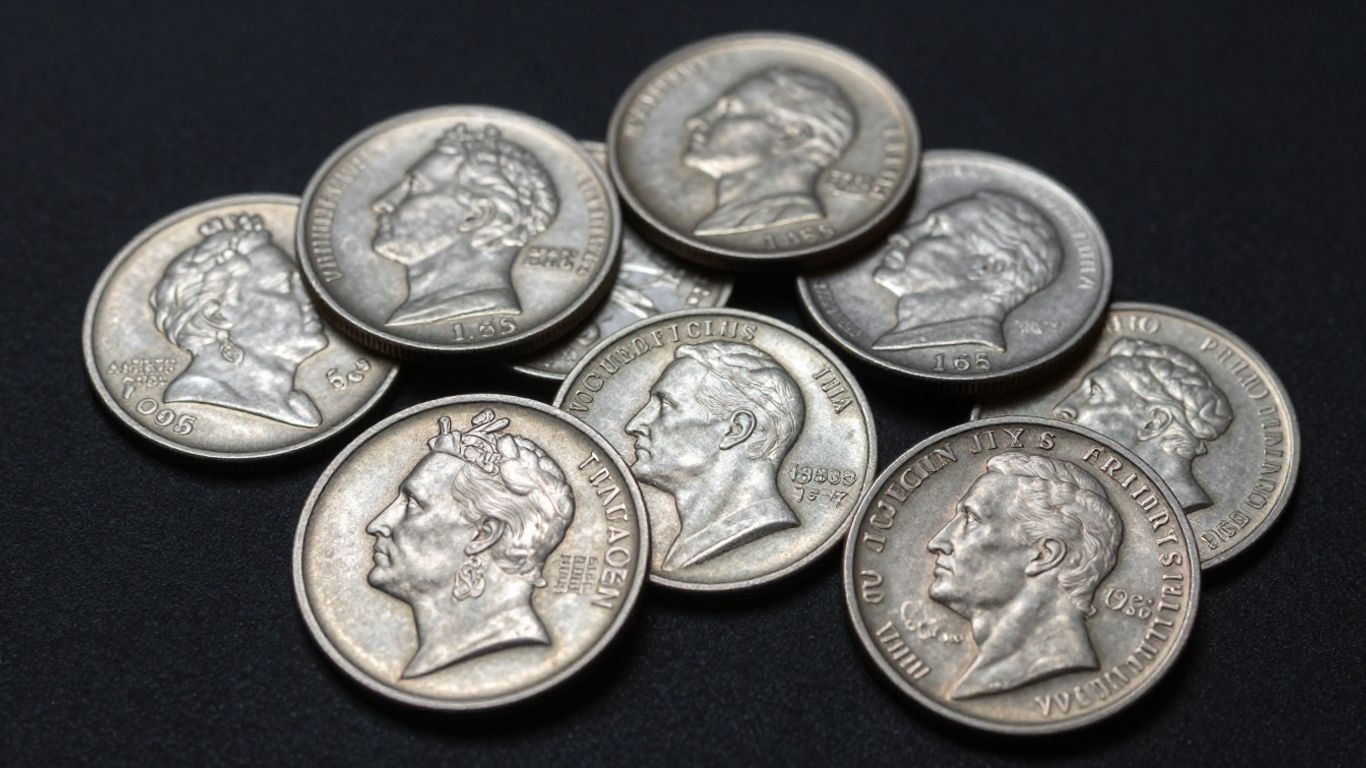
Before 1965, the United States Mint used silver in a significant portion of its circulating coinage. Dimes, quarters, and half dollars were all struck from 90% silver. This changed dramatically with the passage of the Coinage Act of 1965. The rising price of silver made it uneconomical to continue using the precious metal in everyday coins. This legislation effectively ended the era of silver circulating coinage in the U.S.
Why U.S. Coins Stopped Containing Silver
The primary driver behind the shift away from silver was economic. Silver prices had been climbing steadily, and the melt value of the silver in a coin began to exceed its face value. This created a situation where people might hoard silver coins or even melt them down, removing them from circulation. To prevent this and to ensure a stable supply of coinage, Congress enacted the Coinage Act of 1965. This act authorized a change in the composition of dimes and quarters to a clad structure, removing silver entirely from these denominations.
The Shift to Clad Composition
Following the Coinage Act of 1965, dimes and quarters were no longer made of 90% silver. Instead, they adopted a clad composition. This means they are made of three layers: a pure copper core sandwiched between two outer layers of a copper-nickel alloy. This new material looks similar to silver but contains no actual silver content. It was a cost-effective solution that allowed the U.S. Mint to continue producing coins without relying on the volatile silver market.
Understanding Post-1964 Coinage
While dimes and quarters went completely silver-free after 1964, the story for half dollars is a bit more nuanced. As a compromise to gain support for the bill, half dollars retained a reduced silver content. Specifically, from 1965 to 1970, half dollars were struck with 40% silver. This was a temporary measure, and after 1970, even half dollars transitioned to the same copper-nickel clad composition as dimes and quarters. It’s important to remember that any U.S. coins minted after 1970, with the exception of special collector issues, do not contain silver. If you’re looking to sell pre-1965 silver coins, understanding this transition is key to identifying what buyers are interested in. You can find more information on the history of U.S. coinage and its composition changes at the U.S. Mint.
| Coin Denomination | Pre-1965 Composition | Post-1964 Composition |
|---|---|---|
| Dimes | 90% Silver | Copper-Nickel Clad |
| Quarters | 90% Silver | Copper-Nickel Clad |
| Half Dollars | 90% Silver (until 1970, 40% silver) | Copper-Nickel Clad |
Selling Inherited Silver Coin Collections
Initial Steps for Inherited Assets
When you inherit a collection of silver coins, it can feel a bit overwhelming, especially if you’re not familiar with them. The first thing to do is take a deep breath and try to get a general idea of what you have. Don’t rush into anything. It’s important to understand that not all old coins are valuable beyond their silver content. Many are common and valued primarily for the metal they contain. Start by sorting through the collection. Group similar coins together – like dimes, quarters, and half dollars from before 1965. This makes it easier to get a handle on the quantity.
Working with Experienced Buyers
Finding someone you can trust is key when selling inherited silver. Look for local precious metals dealers or reputable coin shops in San Antonio. These places often have staff who know a lot about older coins. They can help you figure out if any of your coins have collector value in addition to their silver worth. It’s a good idea to talk to a couple of different buyers before you decide where to sell. This way, you can compare offers and get a feel for who seems honest and knowledgeable. Ask them how they determine the price for your coins.
Maximizing Value from Estate Collections
To get the most for your inherited silver, do a little homework. Check the current market price for silver – this is often called the ‘spot price’. You can find this information online easily. Knowing the spot price gives you a baseline for what your silver is worth. When you talk to buyers, ask them to explain their offer. They should tell you how they arrived at the price, whether it’s based on melt value (the silver content) or collector value.
- Organize your coins: Group them by denomination (dimes, quarters, etc.) and by year if possible.
- Note the quantity: Count how many of each type of coin you have.
- Research current silver prices: Understand the daily market value of silver.
Be wary of offers that seem too good to be true, especially from online services that ask you to mail in your coins without a clear evaluation process. In-person transactions with reputable local dealers are generally safer and more transparent.
Final Thoughts on Selling Your Silver in San Antonio
So, you’ve got some old silver coins lying around, maybe from a collection or just change you’ve held onto. Finding the right place to sell them in San Antonio doesn’t have to be a headache. Remember to look for dealers who are licensed and have good reviews. It’s always best to go in person, see the evaluation happen right in front of you, and ask questions. Don’t feel rushed, and make sure you understand how they’re figuring out the value. By doing a little homework and choosing a reputable buyer, you can turn those pre-1965 silver coins into cash with confidence.
Frequently Asked Questions
What makes coins from before 1965 special?
Coins made before 1965, specifically dimes, quarters, and half dollars, are special because they were made from 90% real silver. After 1964, the U.S. government changed how coins were made, and they no longer contained silver for regular use.
Where can I sell my old silver coins in San Antonio?
You can sell your pre-1965 silver coins to local precious metals dealers, reputable coin shops, or specialized silver buyers right in San Antonio. It’s best to find businesses with physical locations where you can meet them in person.
How do I know how much my silver coins are worth?
The value of your silver coins depends on two main things: their silver content and their condition. While the face value (like a quarter being worth 25 cents) is low, their real worth comes from the silver inside. Rarer coins or those in perfect shape might be worth even more.
Why did the U.S. stop making silver coins?
The U.S. stopped making silver coins for everyday use because the price of silver went up, and there wasn’t enough silver to make all the coins needed. The Coinage Act of 1965 changed the coins to a mix of metals that didn’t include silver, making them cheaper to produce.
What is 'junk silver'?
‘Junk silver’ is a term used for common silver coins, like dimes and quarters made before 1965, that aren’t rare or valuable as collector’s items. Their main value comes from the silver metal they contain, not their history or rarity.
Should I clean my silver coins before selling them?
It’s generally not recommended to clean old silver coins. Cleaning them can actually damage their surface and reduce their value. Buyers prefer to see coins in their original condition, even if they look a bit dull.
How do buyers figure out what to pay for my silver coins?
Buyers usually look at the amount of silver in your coins and the current market price of silver. For common silver coins, they often use the coin’s face value as a starting point and then multiply it by a factor that reflects the silver’s worth. They’ll also consider the coin’s condition.
What should I do if I inherit silver coins?
If you inherit silver coins, the first step is to try and understand what you have. Sort them and then get a professional evaluation from a trusted local dealer. This will help you figure out their value and decide the best way to sell them for a fair price.