
Thinking about selling your Gold Philharmonic coins in San Antonio? It’s a smart move, especially with the current interest in precious metals. But finding the right place to sell can feel a bit overwhelming. This guide is here to help you figure out where to go and what to do to get the best price for your coins. We’ll look at local shops, online options, and how to make sure you’re getting a fair deal. Selling gold philharmonic buyers san antonio is easier when you know what to look for.
Key Takeaways
- When looking for gold philharmonic buyers in San Antonio, check out local coin and bullion dealers like Lone Star Coins, LLP, which has a long history serving collectors in the area.
- Consider selling online for potentially competitive offers, but always research buyer transparency, secure shipping, and insurance options.
- To get the most money for your Gold Philharmonic, understand current market prices, the condition of your coins, and be prepared to negotiate.
- Before selling, gather any paperwork you have for your coins and handle them carefully to maintain their condition.
- Verify the reputation of any buyer by checking customer reviews and their credentials to avoid common scams or lowball offers.
Finding Reputable Gold Philharmonic Buyers in San Antonio
Understanding the Value of Your Gold Philharmonic
When you’re looking to sell your Gold Philharmonic coins, it’s good to know what makes them valuable. These coins are made of pure gold, and their worth is tied directly to the current market price of gold. Think of it like this: the more gold in the coin, the more it’s worth, plain and simple. Besides the gold content, the coin’s condition can also play a part. A coin that’s in great shape, without scratches or dents, might fetch a bit more than one that’s seen better days. It’s not just about the metal; sometimes, the coin itself has a bit of collector appeal, though for most bullion coins like the Philharmonic, the gold price is the main driver.
Key Factors When Choosing a Buyer
Picking the right place to sell your Gold Philharmonic is important. You want to make sure you’re getting a fair deal and that the buyer is someone you can trust. Here are a few things to think about:
- Reputation: Look for buyers who have been around for a while and have good reviews from other customers. A long history usually means they’re reliable.
- Pricing: How do they price their gold? Do they pay close to the current spot price of gold, or do they offer significantly less? Always compare offers.
- Transparency: A good buyer will be upfront about their fees, how they determine the price, and how they pay. There shouldn’t be any hidden surprises.
- Security: Especially if you’re dealing with a larger amount, you want to feel secure during the transaction. A reputable dealer will have a professional and safe environment.
What to Expect During the Selling Process
Selling your Gold Philharmonic coins usually follows a pretty straightforward path. First, you’ll likely contact the buyer, either by phone or by visiting their shop. They’ll want to know what you have. Once you’re there, they’ll examine your coins. This usually involves checking their weight and purity, often using specialized scales and sometimes X-ray fluorescence (XRF) analyzers for accuracy. They’ll then tell you their offer based on the current gold market price and the coin’s specifics. If you agree to the price, they’ll typically pay you on the spot, often in cash or via check, depending on your preference and their policies. It’s a good idea to have an idea of the current gold price before you go in, so you have a benchmark for their offer.
When selling precious metals, always prioritize clear communication and a straightforward process. A buyer who explains each step and answers your questions readily is usually a sign of a trustworthy establishment.
Local San Antonio Coin and Bullion Dealers
Lone Star Coins, LLP: A San Antonio Staple
When you’re looking to sell your Gold Philharmonic in San Antonio, starting with established local dealers makes a lot of sense. Lone Star Coins, LLP has been a fixture in the San Antonio coin scene for over forty years, building a solid reputation among collectors and investors alike. They handle a wide variety of coins, including U.S., foreign, and ancient pieces, and they also buy and sell gold and silver bullion. This long history suggests a stable business that understands the precious metals market.
Evaluating Other Texas-Based Precious Metal Dealers
While Lone Star Coins is a prominent San Antonio option, it’s wise to look at other dealers in the wider Texas area, especially if you’re open to traveling or comparing offers. Some dealers might specialize in specific types of coins or bullion, which could be relevant to your Gold Philharmonic. For instance, places like Fort Worth Coin Company, also with decades of experience, deal in both rare U.S. coins and bullion. Austin Rare Coins & Bullion is known for its extensive selection of gold bullion coins, including the Austrian Philharmonic, and they also handle rare coins and precious metals IRAs. Even if they aren’t in San Antonio, knowing about these other reputable Texas dealers can give you a broader perspective on the market.
The Importance of Local Expertise
Selling locally offers distinct advantages. You can physically inspect the dealer’s premises, meet the people you’re dealing with, and often get an immediate assessment of your coin. Local dealers understand the regional market and may have a steady stream of customers looking for specific items like Gold Philharmonics. They can also provide immediate payment, which is a big plus.
Here’s what to consider when looking at local dealers:
- Years in Business: A longer track record usually means more stability and trustworthiness.
- Specialization: Do they frequently handle gold bullion coins like the Philharmonic?
- Reputation: Check online reviews and ask around in local collector communities.
- Transparency: Are their pricing methods clear?
Dealing with a local business means you can often build a relationship. This can be helpful not just for this sale, but for future transactions as well. It’s about finding someone you feel comfortable working with.
It’s always a good idea to get quotes from a couple of different places before you decide where to sell. This helps you make sure you’re getting a fair price for your Gold Philharmonic.
Selling Your Gold Philharmonic Online
While local dealers offer a tangible interaction, selling your Gold Philharmonic online presents a different set of advantages, often focusing on convenience and potentially broader market access. Many online platforms have streamlined the process, aiming to make it as straightforward as possible for individuals looking to liquidate their precious metals. The key is to find a buyer who prioritizes transparency and offers competitive payouts.
Online Buyer Transparency and Payouts
When considering an online buyer, look for companies that clearly outline their pricing structure and payout methods. Some platforms provide instant estimates based on the current market price, which can be very helpful. Others send out a kit for you to ship your items, after which they provide a firm offer. It’s important to understand how they determine the value of your coin and what fees, if any, are deducted. A reputable online buyer will be upfront about these details, often providing a breakdown of the offer. They should also detail their payment options, which can include direct bank transfers, PayPal, or checks.
Here’s a general comparison of what to expect:
| Feature | Reputable Online Buyer |
|---|---|
| Pricing | Transparent, based on live market rates |
| Payouts | Prompt, with multiple options (bank transfer, PayPal) |
| Fees | Clearly stated, no hidden charges |
| Shipping & Insurance | Often covered, with insured options |
| Offer Process | Usually quick, with no obligation to sell |
Comparing Online vs. Local Selling Options
Choosing between selling online and locally involves weighing different benefits. Local dealers, like those found in San Antonio, offer the advantage of immediate transactions and the ability to physically inspect your coin. You can often walk out with cash the same day. However, online buyers can sometimes offer more competitive prices due to lower overhead costs. They might also cater to a wider customer base, potentially leading to better offers, especially for less common coins or larger quantities. Consider what is most important to you: speed and personal interaction, or potentially a higher payout with a bit more logistical planning. For those interested in the Austrian Philharmonic, understanding its global demand can inform this decision.
Secure Shipping and Insurance for Valuables
If you opt to sell online, secure shipping and adequate insurance are paramount. Most reputable online buyers provide pre-paid, insured shipping labels. It’s wise to confirm the insurance coverage limits and understand the process for filing a claim if anything were to happen during transit. Some companies offer insurance up to $100,000 or more, which is reassuring for valuable items. Always document the condition of your Gold Philharmonic before packaging it, perhaps with photos or video. This can serve as proof of its state prior to shipping. When sending items, especially if you’re considering selling items like those found in San Antonio Missions Park, it’s always best to be prepared.
When shipping valuable items like gold coins, always use a trackable shipping method. Confirm that the shipping service provides adequate insurance for the declared value of your package. Keep all tracking information and receipts until the transaction is fully completed and you have received payment.
Maximizing Your Gold Philharmonic Sale Price
Getting the most money for your Gold Philharmonic isn’t just about finding a buyer; it’s about understanding the market and presenting your coin in the best possible light. Several factors play a role, and knowing them can make a real difference in your final payout.
Understanding Market Fluctuations
The price of gold, like any commodity, moves up and down. This is influenced by global economic conditions, political events, and investor demand. Keeping an eye on the current spot price of gold is your first step to knowing if now is a good time to sell. While you can’t predict the market perfectly, being aware of trends helps you avoid selling when prices are unusually low.
The Role of Coin Condition
While Gold Philharmonics are primarily valued for their gold content, their condition can still impact their worth, especially if they are in pristine, uncirculated condition. Buyers look for coins that are free from:
- Scratches or nicks
- Dents or bends
- Corrosion or toning
- Worn details
Even minor imperfections can reduce the amount a buyer is willing to pay, as they might have to sell it as scrap gold rather than a collectible coin. If your coin is in excellent shape, be sure to mention it.
Negotiating Fair Offers
Don’t be afraid to negotiate. Buyers often have a range they are willing to pay. If you have done your research and know the current market value, you can confidently discuss the price. It’s helpful to have quotes from multiple buyers to use as a reference point. Remember, a fair offer reflects the current gold price plus any potential numismatic (collector) value, if applicable.
Selling precious metals involves understanding both the intrinsic value of the metal and the current market demand. Being informed allows you to approach the transaction with confidence and secure a better outcome.
Preparing Your Gold Philharmonic for Sale
Before you hand over your Gold Philharmonic coins, taking a few steps can make the selling process smoother and potentially increase the amount you receive. It’s about presenting your items in the best possible light and having a clear understanding of what you possess.
Gathering Necessary Documentation
Having all relevant paperwork in order is a good start. This might include original purchase receipts, certificates of authenticity, or any grading reports if your coins have been professionally graded. While not always required, this documentation can help establish the coin’s provenance and potentially its value. If you’ve lost receipts, don’t worry too much, but any proof of ownership or prior appraisal can be helpful.
Assessing Purity and Weight
Understanding the basic specifications of your Gold Philharmonic is important. These coins are known for their high purity, typically .9999 fine gold. Buyers will verify this, but knowing it beforehand gives you a baseline. While you likely won’t have professional scales at home, being aware that weight is a key factor in valuation is useful. Most Gold Philharmonics have standard weights (e.g., 1 troy ounce for the common issue), which simplifies this aspect.
Safe Handling and Storage
How you’ve handled and stored your coins can impact their condition, and thus, their value. Avoid touching the coin’s surface with your bare hands, as oils and acids from your skin can cause damage over time. Use a soft cloth or gloves when handling. Store your coins in protective holders, such as individual plastic flips or a dedicated coin album, to prevent scratches and environmental damage. Keeping them in their original packaging, if available, is often a good idea. For those with a larger collection, consider how you organize them; grouping similar items together can help with appraisals, much like organizing any coin collection.
Proper preparation isn’t just about making your coins look good; it’s about respecting their inherent value and ensuring you’re not inadvertently diminishing it through careless handling or storage. A little care now can pay off later.
Here’s a quick checklist to consider:
- Identify: Know the specific type and year of your Gold Philharmonic.
- Inspect: Look for any obvious damage like dents, scratches, or significant toning.
- Organize: Keep coins in protective sleeves or original packaging.
- Document: Gather any purchase receipts or authenticity papers you might have.
Trustworthy Gold Buyers in the San Antonio Area
Verifying Buyer Credentials
When you’re ready to sell your Gold Philharmonic, finding a buyer you can trust is really important. It’s not just about getting a good price; it’s about feeling secure in the transaction. A good buyer will be upfront about their business practices and have a solid reputation. Look for dealers who are members of professional organizations like the American Numismatic Association (ANA) or the Professional Numismatists Guild (PNG). These memberships often mean they adhere to a strict code of ethics. Also, check if they are authorized dealers for grading services like PCGS or NGC. This shows a level of professionalism and commitment to the industry.
Reading Customer Reviews and Testimonials
Before you commit to selling, take some time to see what other people are saying. Online reviews can offer a lot of insight into a buyer’s practices. Look for patterns in feedback – are multiple customers mentioning fair pricing, honest dealings, and a smooth process? Websites like Google Reviews, Yelp, or even specialized coin forums can be good places to start. Pay attention to both positive and negative comments, but focus on how the business responds to any issues. A buyer who addresses concerns constructively often shows a commitment to customer satisfaction. For example, Lone Star Coins, LLP in San Antonio has a long history and a generally positive reputation among collectors.
Avoiding Common Selling Pitfalls
Selling precious metals can sometimes feel a bit overwhelming, but knowing what to watch out for can make a big difference. One common issue is buyers who try to pressure you into a quick sale or offer prices significantly below market value. Always be wary of anyone who seems too eager to buy without a proper appraisal. Another pitfall is not understanding the fees involved. Some buyers might deduct various charges without clearly explaining them upfront. Always get a written offer that details the price per ounce, any fees, and the final payout amount. It’s also wise to be cautious of buyers who operate solely on a cash-only basis without providing receipts, as this can sometimes be a sign of less transparent dealings. Remember, you have the right to walk away if something doesn’t feel right. If you’re looking for local dealers in Texas, you can explore options like local precious metals dealers to get a sense of the market.
The Austrian Philharmonic: A Prized Gold Coin
Recognizing the Austrian Philharmonic's Quality
The Austrian Philharmonic gold coin is a well-regarded piece in the precious metals world. It’s made by the Austrian Mint and is known for its high purity, typically .9999 fine gold. This means it’s almost pure gold, which is a big deal for investors and collectors. The design is also pretty sharp, featuring the Great Organ of the Vienna Musikverein on one side and a collection of instruments on the other. This attention to detail and quality makes it stand out.
Why This Coin is in Demand
Several things make the Gold Philharmonic a popular choice. For starters, its high gold content makes it a solid investment. It’s also a recognized coin globally, which helps when you want to sell it. People like that it’s made by a government mint, which usually means it’s a reliable product. Plus, it’s produced in various sizes, from a small fraction of an ounce up to a full ounce, giving buyers options.
Identifying Genuine Philharmonic Coins
When you’re looking to buy or sell, making sure a coin is real is important. Genuine Austrian Philharmonic coins will have specific markings. You’ll see the weight (e.g., 1 oz), the gold purity (.9999), and the year it was minted. The Austrian Mint’s logo is also usually present. If you’re unsure, it’s always best to get it checked by a professional dealer. They have the tools and knowledge to spot fakes.
Be aware that while the coin’s design is consistent, the exact market value will change based on the current price of gold and any premiums the dealer might add or subtract.
Navigating the Selling Process with Confidence
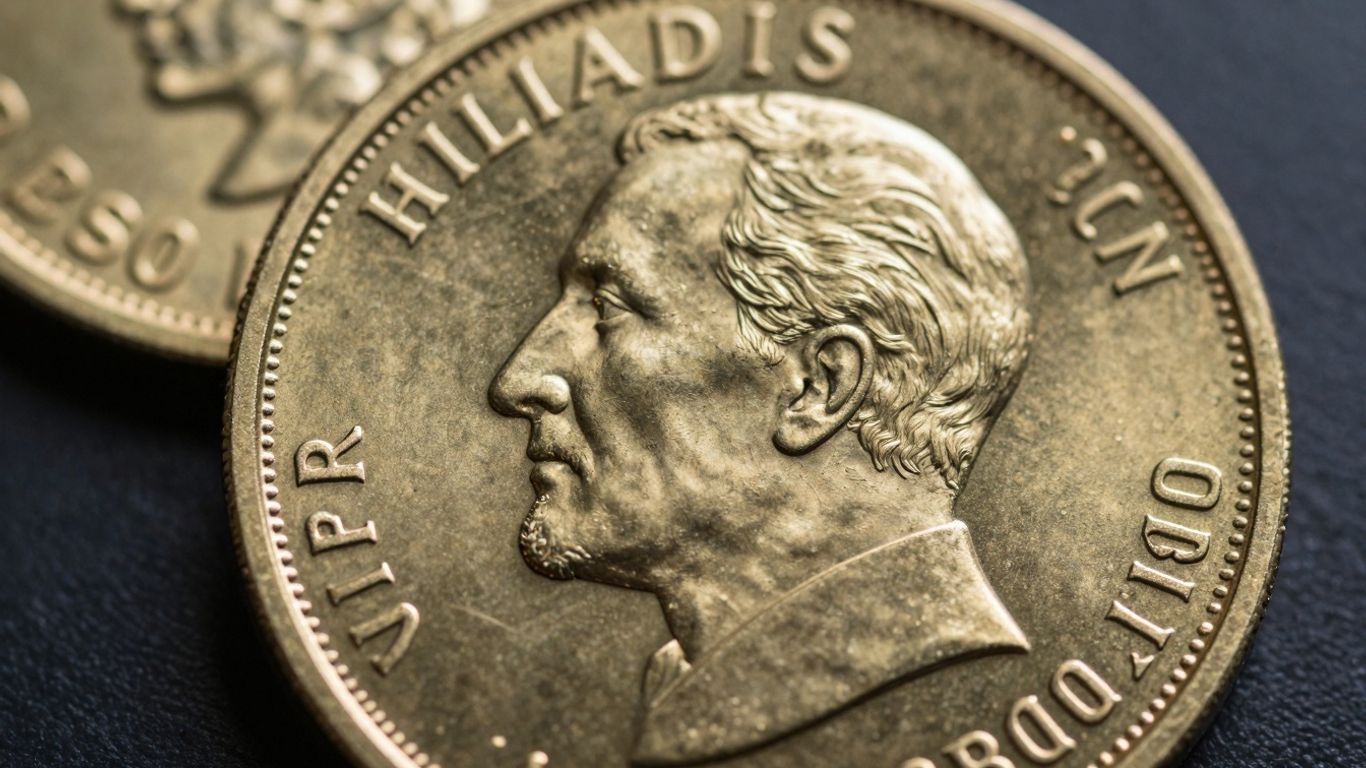
Selling your Gold Philharmonic doesn’t have to be a complicated affair. By understanding a few key steps and what to expect, you can make the process smooth and get a fair price. It’s all about being prepared and knowing your options.
Getting Multiple Quotes for Your Gold
Always get more than one offer before you decide where to sell. This is the most important step to making sure you get the best value for your Gold Philharmonic. Different buyers will offer different prices, and some might not be as competitive as others. Think of it like shopping around for anything else – you wouldn’t buy the first car you see, right? The same applies here.
Here’s a simple way to approach getting quotes:
- Local Dealers: Visit a few reputable coin or precious metal dealers in the San Antonio area. Bring your coin with you so they can see its condition firsthand.
- Online Buyers: Many online companies allow you to request a quote. You might need to send your coin in for appraisal, or they may offer an estimate based on its description and current market prices.
- Reputable Refiners: Some companies specialize in refining precious metals and can offer prices based on the gold content.
Comparing these offers will give you a clear picture of your coin’s market value.
Understanding Payment Methods
When you sell your Gold Philharmonic, how you get paid is just as important as the amount. Buyers typically offer a few common payment methods. It’s good to know what these are and choose the one that works best for you.
- Check: A physical check is a traditional method. It’s reliable but might take a few days to clear.
- Bank Transfer (ACH): This is a direct deposit into your bank account. It’s usually fast and convenient.
- PayPal/Other Digital Wallets: Some buyers offer payment through online services. This can be very quick, but be aware of any potential fees associated with these services.
Always ask about the timeline for receiving your payment. Some buyers can pay out the same day your item is received and appraised, while others might take longer.
Ensuring a Smooth Transaction
A smooth selling process comes down to clear communication and trust. You want to feel confident that the buyer is honest and that the transaction will be handled professionally.
A reputable buyer will be transparent about their process, fees, and how they arrive at their offer. They should be willing to answer all your questions and make you feel comfortable with the sale. Don’t hesitate to ask for clarification on anything you don’t understand.
Here are a few things to look for:
- Clear Communication: The buyer should be easy to reach and responsive to your questions.
- Professionalism: They should treat you and your coin with respect.
- No Pressure: A good buyer won’t rush you into a decision. They’ll let you take the time you need to consider their offer.
- Documentation: Ensure you receive a clear receipt or invoice detailing the transaction.
Wrapping Up Your Gold Philharmonic Sale
So, you’ve got your Gold Philharmonic coins ready to go. We’ve looked at a few places in San Antonio where you might find buyers, like Lone Star Coins. Remember, doing a little homework on current prices and what different shops offer can really help you get a fair deal. It’s not always about the first offer you get; sometimes, a bit of patience and checking a couple of spots pays off. Good luck with your sale!
Frequently Asked Questions
What makes the Austrian Gold Philharmonic coin special?
The Austrian Gold Philharmonic coin is famous because it’s made by the Austrian Mint and is known for its high quality. It’s made of pure gold, has a beautiful design, and is one of the most popular gold coins bought and sold around the world.
Where can I sell my Gold Philharmonic in San Antonio?
You can sell your Gold Philharmonic at local coin and bullion dealers in San Antonio, such as Lone Star Coins, LLP. You can also explore selling online through reputable dealers who specialize in precious metals.
What should I look for when choosing a buyer for my Gold Philharmonic?
When picking a buyer, check if they have good reviews and a solid reputation. Make sure they are clear about their pricing and fees. It’s also wise to see if they are licensed or have any official backing.
How do I know the value of my Gold Philharmonic?
The value of your Gold Philharmonic depends on the current market price of gold, also known as the ‘spot price.’ The coin’s condition and its exact weight and purity also play a role in determining its worth.
Is it better to sell my Gold Philharmonic locally or online?
Selling locally means you can get cash right away and avoid shipping worries. Selling online might offer more options and potentially better prices, but you need to be careful about shipping and ensure the buyer is trustworthy.
What information do I need when selling my Gold Philharmonic?
It’s helpful to have any original paperwork or certificates that came with your coin. Knowing the exact weight and purity of your coin will also help you get a fair offer. If you have identification, that’s usually required by buyers.
How can I get the best price for my Gold Philharmonic?
To get the best price, check the current gold market rates. Compare offers from different buyers, both local and online. The coin’s condition matters, so handle it carefully to avoid scratches or damage.
What are common mistakes to avoid when selling gold coins?
Avoid selling to the first buyer you find without comparing prices. Be wary of buyers who don’t clearly explain their fees or pricing. Also, make sure you understand how you will be paid and when.