
Thinking about selling your Gold Philharmonic coins in San Antonio? It can feel a bit overwhelming trying to figure out where to get the best price. This guide is here to help you understand the local market and find reliable gold philharmonic buyers in San Antonio. We’ll cover what to look for, where to go, and how to make sure you get a fair deal for your precious metals.
Key Takeaways
- San Antonio has a steady market for Gold Philharmonic coins, with several dealers ready to buy.
- Lone Star Coins, LLP is a well-established option for selling gold coins in San Antonio.
- Always check the current market price for gold before accepting an offer.
- The condition of your Gold Philharmonic coins can affect their value.
- Comparing offers from multiple buyers, both local and online, can help you get the best price.
Finding Gold Philharmonic Buyers in San Antonio
Understanding the San Antonio Market for Gold Philharmonic Coins
San Antonio has a steady interest in precious metals, and the Austrian Gold Philharmonic coin is a popular choice for investors. These coins are recognized globally for their gold content and are often sought after by both new and experienced collectors. The local market here tends to be receptive to these well-known bullion pieces. It’s a good idea to know what your coins are worth before you start looking for buyers.
Key Factors When Selling Gold Philharmonic Coins
When you’re ready to sell your Gold Philharmonic coins, several things will influence the price you get. The most obvious is the current market price of gold, which changes daily. Beyond that, the condition of your coins plays a big role. Are they in mint condition, or do they show signs of wear? Authenticity is also key; buyers will want to be sure they are genuine Austrian Philharmonics. Finally, the buyer themselves matters – some dealers might offer slightly different rates based on their own inventory needs.
Here are some points to consider:
- Gold Purity: The Austrian Gold Philharmonic is typically minted in .9999 fine gold, which is a high purity that buyers look for.
- Coin Condition: Scratches, dents, or tarnishing can reduce the value.
- Market Fluctuations: Gold prices can move significantly, affecting your sale price.
- Buyer’s Premium/Spread: Different dealers will have varying buy-back prices.
Why San Antonio is a Prime Location for Buyers
San Antonio’s growing economy and its status as a major Texas city make it a good place to find buyers for gold coins. There’s a mix of local coin shops and a general interest in tangible assets like gold. This means you’re likely to find competitive offers. Many collectors and investors in the area appreciate the quality and recognition of the Gold Philharmonic. You can explore options for selling your coins at places like Lone Star Coins, LLP or other reputable dealers in the city.
Reputable Dealers for Gold Philharmonic Transactions
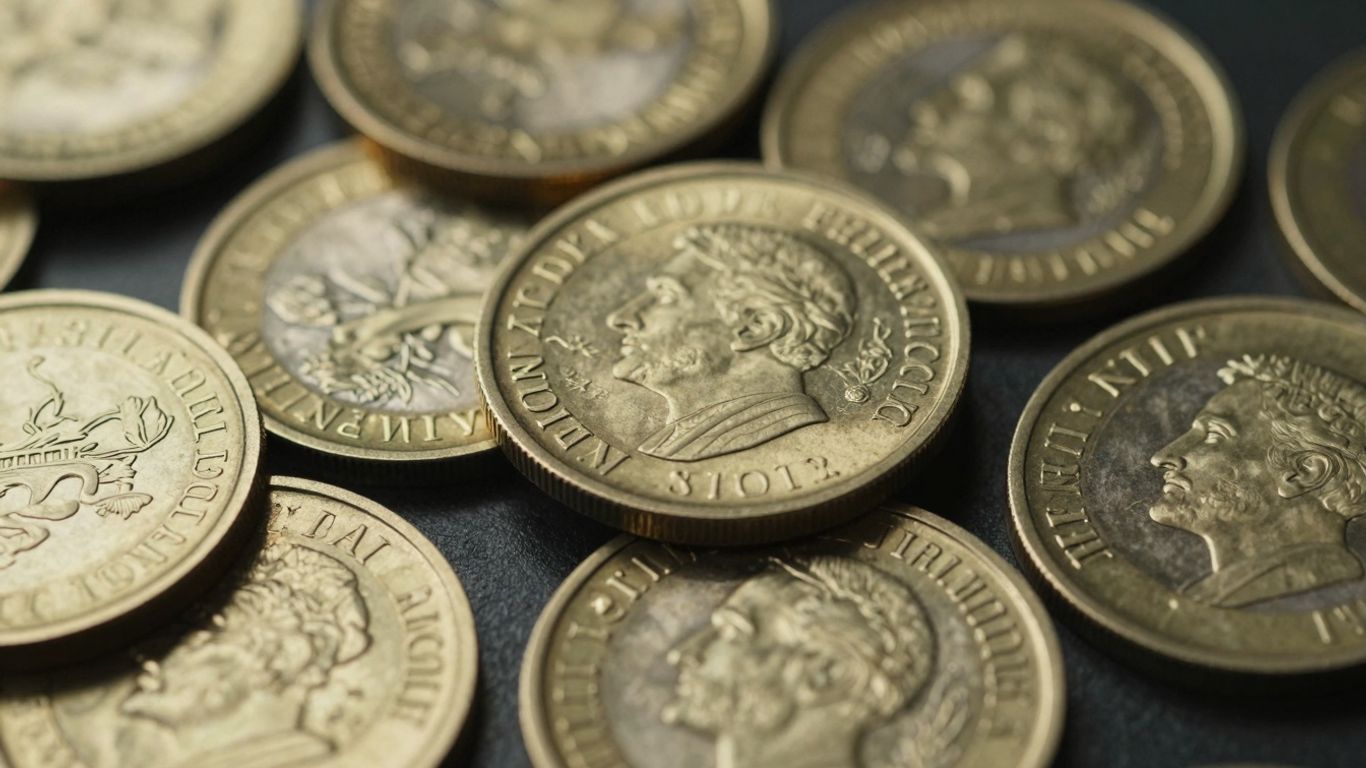
When it comes time to sell your Gold Philharmonic coins in San Antonio, finding a trustworthy buyer is key. You want a dealer who understands the value of your specific coins and offers a fair price. It’s not just about the gold content; sometimes, the coin’s condition or rarity can add to its worth.
Lone Star Coins, LLP: A San Antonio Staple
For decades, Lone Star Coins, LLP has been a go-to spot for coin collectors and investors in San Antonio. They have a long history of dealing with all sorts of coins, including gold bullion like the Philharmonic. They buy and sell gold and silver in pretty much any amount, and they even take scrap gold. You can check out some of their items online, and they even have a quote line that gives you daily prices for common gold and silver items. This kind of established presence often means they have a good grasp of the local market and a solid reputation.
Evaluating Other Local San Antonio Coin Shops
San Antonio has a few other coin shops that might be worth checking out. When you’re looking at them, consider a few things:
- Experience: How long have they been in business? A longer track record usually means more reliability.
- Specialization: Do they focus on bullion, or are they more into rare collectibles? For Gold Philharmonics, a dealer familiar with bullion is often best.
- Reviews and Reputation: What do other customers say? Online reviews or word-of-mouth can tell you a lot.
It’s a good idea to visit a couple of different places to get a feel for their approach and compare offers. You can find listings for dealers in Texas, and while some might be a bit of a drive, knowing your options is helpful.
Online Buyers with San Antonio Reach
While local dealers are great, don’t forget about reputable online buyers. Companies like Alloy, for example, work with people all over the country, including San Antonio. They often have a straightforward process for sending in your coins for an appraisal. They’ll typically provide free shipping materials and insurance, and they often have price match guarantees. This can be a good option if you’re looking for convenience or want to compare offers from a wider pool of buyers. You can get a free estimate from them before you commit to selling. They are known for their secure shipping and insurance policies, which can give you peace of mind when sending valuable items through the mail. If you’re curious about how they handle transactions, you can find details about their process online.
The Process of Selling Gold Philharmonic Coins
Selling your Gold Philharmonic coins involves a few straightforward steps. It’s not overly complicated, but paying attention to the details can make a big difference in the outcome. Think of it like preparing for any important transaction; you want to be informed and organized.
Preparing Your Gold Philharmonic Coins for Sale
Before you even think about contacting a buyer, take some time to get your coins ready. This isn’t about cleaning them, which can actually harm their value, but more about organization and presentation. You’ll want to gather any original packaging or certificates of authenticity if you still have them. These items can add to the perceived value and help confirm the coin’s legitimacy. Also, make a list of the coins you plan to sell, noting the year and any specific features. This preparation helps you keep track of what you have and makes the process smoother when you talk to potential buyers.
- Gather all original documentation: This includes boxes, cases, and certificates of authenticity.
- Note the year and any distinguishing marks: Even small details can be important.
- Handle coins carefully: Avoid touching the surfaces; hold them by the edges.
Understanding Offers and Guarantees
When you start getting offers, it’s important to know what you’re looking at. Buyers will typically base their offer on the current spot price of gold, minus a percentage for their overhead and profit. Some buyers might offer a fixed price, while others will give you a range. Pay close attention to any guarantees they offer. A reputable buyer might offer a price match guarantee, meaning they’ll meet or beat a competitor’s offer. Also, understand their return policy if you’re not satisfied with the offer. A good buyer will be transparent about their pricing and policies.
Be wary of offers that seem too good to be true, especially if they come with high-pressure sales tactics. It’s always best to get multiple quotes before making a decision.
Securing Your Payment
Once you’ve accepted an offer, the final step is getting paid. Buyers offer various payment methods, including checks, bank transfers, or even cash for in-person transactions. Consider which method is most convenient and secure for you. If you’re selling online, understand the timeframe for receiving your payment. Some services offer same-day payouts, while others might take a few business days. Always confirm the payment details before finalizing the sale to avoid any misunderstandings. For online sales, ensure you’re comfortable with the payment method and that it’s a secure way to receive funds. You can find more information on selling precious metals at Alloy.
Maximizing Value for Your Gold Philharmonic
When it comes to selling your Gold Philharmonic coins, getting the most for your investment is the goal. It’s not just about finding a buyer; it’s about finding the right buyer and presenting your coins in the best possible light. This section will walk you through how to do just that.
Researching Current Market Prices
Before you even think about contacting a buyer, you need to know what your Gold Philharmonic coins are worth today. The price of gold fluctuates constantly, influenced by global markets, economic news, and even political events. You can’t rely on old prices or what someone told you last year.
- Check reputable financial news sites: Look for live gold spot prices. Many sites offer real-time charts and historical data.
- Consult coin dealer websites: While they are buyers, many also list current buy and sell prices for popular bullion coins like the Philharmonic.
- Use precious metal calculators: Some online tools can help you estimate value based on weight and current spot prices.
Knowing the current spot price is your most powerful tool for negotiation.
Condition and Authenticity of Your Coins
The physical state of your Gold Philharmonic coins plays a significant role in their value, especially if they have any collectible appeal beyond their gold content. While bullion coins are primarily valued for their gold weight, coins in pristine condition can sometimes fetch a premium.
- Handling: Always handle your coins by the edges to avoid transferring oils from your skin, which can affect the surface. Use cotton gloves if possible.
- Cleaning: Resist the urge to clean your coins. Improper cleaning can damage the surface and significantly reduce their value, even for bullion. A professional cleaner might do more harm than good.
- Storage: Store your coins in protective holders (like plastic flips or coin albums) to prevent scratches and environmental damage. This shows you’ve taken care of them.
- Authenticity: Gold Philharmonics are well-known and generally have consistent minting. However, always be prepared to show proof of authenticity if asked, such as original mint packaging or certification if you have it.
The difference between a coin that’s been handled carelessly and one that’s been preserved can sometimes be the difference between a good offer and a great one. Buyers look for coins that show minimal wear and tear.
Comparing Multiple Buyer Offers
Never accept the first offer you receive. Different buyers will have different overhead costs, profit margins, and immediate needs for inventory. This means their offers can vary.
- Get written offers: Always ask for offers in writing. This helps you compare apples to apples and prevents misunderstandings.
- Understand the offer basis: Is the offer based on the current spot price? What percentage of the spot price are they offering? Are there any fees deducted?
- Consider buyer reputation: While price is important, so is the trustworthiness of the buyer. A slightly lower offer from a highly reputable dealer might be preferable to a higher offer from an unknown entity.
It’s wise to get at least three different offers before making a decision. This practice ensures you’re getting a competitive price for your Gold Philharmonic coins in the San Antonio market.
Specialized Gold Philharmonic Coin Considerations
When you’re looking to sell your Gold Philharmonic coins, it’s helpful to know a few things that make them unique. These aren’t just any gold coins; they have specific characteristics that buyers will look at. Understanding these details can help you get a better price.
Identifying Austrian Philharmonic Coins
The Austrian Philharmonic is instantly recognizable by its design. On one side, you’ll see the Great Organ of the Vienna Musikverein, a famous concert hall. The other side features a collection of instruments: a cello, violins, a harp, and a bassoon. These coins are minted by the Austrian Mint in Vienna. They are made of .9999 fine gold, which is a high purity level. Unlike some other bullion coins, the Philharmonic doesn’t have a face value in US dollars; its value is tied directly to the gold content and the current market price. You can find them in various denominations, typically 1 oz, 1/2 oz, 1/4 oz, and 1/10 oz sizes.
The Role of Mint Marks and Dates
While Austrian Philharmonics don’t have traditional mint marks like some older coins, the year of minting is clearly stamped on the coin. This date is important because it tells you when the coin was produced. For bullion coins, the date usually doesn’t add significant numismatic value unless it’s a very rare or specific issue, but it’s still a key identifier. Buyers will note the year to confirm it’s a genuine Philharmonic. The Austrian Mint is the sole producer, so there’s no confusion about where it came from.
Bullion vs. Collectible Value
It’s important to know that most Gold Philharmonic coins are valued primarily as bullion. This means their worth is based almost entirely on the current price of gold. However, there can be rare exceptions. For instance, coins in perfect, uncirculated condition, especially older ones or those from limited mintages (though less common with Philharmonics), might fetch a small premium above their melt value. Most buyers in San Antonio will be looking at the gold content. If your coins are still in their original mint packaging or have never been handled, they might be considered in better condition, which is always a plus. For a general idea of gold prices, checking resources on precious metals dealers in Texas can be a good starting point.
When selling your Gold Philharmonic coins, remember that their primary value comes from their gold content. While condition matters, most buyers will focus on the weight and purity of the gold. Understanding this distinction helps set realistic expectations for your sale.
Navigating Online Gold Buyers
Selling your Gold Philharmonic coins doesn’t always mean a trip to a local shop. The internet has opened up a whole new world of buyers, and for some, it’s a more convenient way to get a good price. You might be wondering if sending something as valuable as gold through the mail is safe, or if you’ll get a fair offer. Let’s break down how these online services work.
Alloy: A Trusted Online Gold Buyer
Alloy is one of the online companies that has made a name for itself buying precious metals. They’ve been featured in places like Forbes and US News, which gives them a bit of credibility. The idea is pretty simple: you send them your gold, they give you an offer, and if you like it, you get paid. They aim to make the process straightforward, even if you’re a bit nervous about shipping your valuables.
Shipping and Insurance for Online Sales
This is often the biggest worry for people. How do you make sure your Gold Philharmonic coins arrive safely? Reputable online buyers like Alloy take this seriously. They usually provide a pre-paid shipping kit, often using services like FedEx. Your shipment will be insured, often for a significant amount, to cover its value during transit. They also typically record the unpacking of your items, which adds another layer of security and transparency. It’s always a good idea to check the specific insurance limits and procedures before you send anything.
Price Match Guarantees Explained
Many online buyers offer a price match guarantee. What does this really mean? It means they’ll try to match or beat a written offer you’ve received from another buyer. This is a good way to ensure you’re getting a competitive price. However, it’s important to read the fine print. These guarantees often have conditions, like matching a percentage of the current spot price of gold. It’s wise to get a few quotes, whether online or local, to compare and then use those offers to negotiate with your preferred buyer.
Here’s a general idea of how the process might look:
- Request a Kit: You ask the online buyer for a shipping kit, which usually includes packaging and a pre-paid label.
- Ship Your Coins: You pack your Gold Philharmonic coins securely and send them off.
- Receive an Offer: The buyer evaluates your coins and sends you a price.
- Accept or Decline: If you’re happy with the offer, you accept and get paid. If not, they’ll usually send your coins back to you at no extra cost.
While selling online can be convenient, remember that the process takes time. You’ll need to factor in shipping both ways, plus the time it takes for the buyer to assess your coins and send payment. It’s not usually as quick as walking into a local shop with your gold.
Local San Antonio Gold Buying Options
In-Person Appraisals in San Antonio
When you’re ready to sell your Gold Philharmonic coins, meeting a buyer face-to-face in San Antonio can offer a sense of security. Local coin shops provide the chance to have your coins physically examined, which can be helpful for determining their exact condition and authenticity. This direct interaction allows for immediate questions and answers, making the process feel more transparent. Many dealers are happy to explain their appraisal process right there with you.
Building Rapport with Local Dealers
Developing a relationship with a local San Antonio coin dealer can be beneficial over time. A dealer who knows your collection or your selling habits might offer more personalized service or better insights into the market. It’s worth visiting a few different shops to see who you feel most comfortable working with. Consider these points when you visit:
- Reputation: Look for dealers with a long history in the community or positive reviews.
- Knowledge: Does the dealer seem knowledgeable about Gold Philharmonics and the current market?
- Transparency: Are they open about how they determine prices and what fees might be involved?
- Service: Do they treat you with respect, whether you’re selling one coin or many?
The Benefits of Local Transactions
Selling locally in San Antonio means you can often get paid right away. Once you agree on a price, you can typically walk away with cash or a check on the spot. This avoids the waiting periods associated with shipping coins to online buyers. Plus, you can physically inspect the buyer’s premises and see where your transaction is taking place, which adds another layer of comfort for some sellers.
Dealing with a local shop means you can see the coins being evaluated in front of you. This direct observation can help you understand the pricing better and feel more confident about the offer you receive. It’s a straightforward way to conduct business.
Essential Tips for Gold Philharmonic Sellers
Selling your Gold Philharmonic coins requires a bit of preparation to get the best outcome. It’s not just about handing them over; a few smart steps can make a big difference in the final amount you receive. Think of it like getting ready for a big sale – you want everything to look its best and be ready to go.
Avoiding Common Selling Mistakes
Many people make the same few errors when selling precious metals. One of the most frequent is not knowing the current market value. Prices for gold fluctuate daily, and without this information, you might accept an offer that’s much lower than what your coins are actually worth. Another common pitfall is rushing the process. Taking your time to research and compare buyers helps avoid accepting the first offer that comes along, which is often not the best one. Also, be wary of deals that sound too good to be true; they usually are. Always get offers in writing.
Questions to Ask Potential Buyers
When you’re talking to a dealer or online buyer, don’t be shy about asking questions. It’s your money, and you deserve to know how they operate. Here are some good ones to start with:
- What percentage of the current spot price are you offering for my coins?
- Do you have a price match guarantee, and what are the terms?
- How do you handle shipping and insurance if I sell online?
- What payment methods do you offer, and how quickly will I be paid?
- Can you provide references or show me reviews from other sellers?
Ensuring a Smooth Transaction
To make sure everything goes off without a hitch, here’s a simple checklist:
- Document Everything: Keep records of your coins, including any certificates of authenticity or purchase receipts you might have. Take clear photos of your coins before sending them off.
- Understand the Offer: Make sure you fully grasp the terms of any offer. Ask for clarification if anything is unclear. Always get the offer in writing before committing.
- Choose a Secure Payment Method: Opt for a payment method that you trust and that offers security, whether it’s a direct bank transfer or a secure online payment service.
- Consider Buyer Reputation: Look into the buyer’s history. Are they well-established? Do they have positive reviews? For online buyers, check their insurance policies and shipping procedures carefully. For instance, Alloy offers a price match guarantee and works with insurers like Lloyds of London for added security when you send your items in.
Selling gold coins can be a straightforward process if you approach it with a clear plan. Knowing the value of your assets, understanding how buyers operate, and asking the right questions are key to a successful sale. Don’t underestimate the power of comparison shopping, even in the world of precious metals. A little bit of homework upfront can lead to a significantly better return on your investment.
Wrapping Up Your San Antonio Gold Philharmonic Search
So, that’s the rundown on finding buyers for your Gold Philharmonic coins right here in San Antonio. We’ve looked at a few places that might be a good fit, whether you’re buying or selling. Remember to do your homework, compare offers, and trust your gut when dealing with any dealer. It’s not always a quick process, but finding the right spot to handle your precious metals makes all the difference. Good luck out there!
Frequently Asked Questions
What are Gold Philharmonic coins?
Gold Philharmonic coins are special gold coins made by Austria. They are popular with people who want to invest in gold because they are made of pure gold and are recognized around the world. They often feature designs related to Austrian culture, like musical instruments.
Where can I sell my Gold Philharmonic coins in San Antonio?
In San Antonio, you can sell your Gold Philharmonic coins at local coin shops like Lone Star Coins, LLP. There are also online buyers who accept these coins. It’s a good idea to check out a few different places to get the best price.
How do I know if I'm getting a fair price for my coins?
To make sure you get a fair price, it’s smart to check the current market value of gold. You can look up prices online. Also, compare offers from different buyers. Reputable dealers will be clear about how they determine the price.
What makes San Antonio a good place to sell gold coins?
San Antonio has a market for precious metals, including gold coins. There are established dealers who understand the value of these items. This means you’re more likely to find interested buyers and get a reasonable offer for your Gold Philharmonic coins.
Should I clean my Gold Philharmonic coins before selling them?
Generally, it’s best not to clean your gold coins yourself. Cleaning can sometimes damage the coin’s surface or reduce its value. Buyers prefer to assess the coin in its original condition. If a coin is dirty, a professional cleaner at a coin shop might handle it.
What information do buyers need from me?
Buyers will want to know details about your coins, such as their weight, purity, and any markings like the mint date. They will also check the coin’s condition. Providing accurate information helps them give you a proper offer.
What is the difference between bullion value and collectible value?
Bullion value is based mainly on the amount of gold in the coin and the current price of gold. Collectible value, or numismatic value, is for coins that are rare or have special historical importance, making them worth more than just their gold content.
How can online gold buyers help me sell my coins?
Online buyers offer a convenient way to sell. They often provide free shipping kits and insurance for your items. Companies like Alloy offer price match guarantees, meaning they’ll try to meet or beat other offers you receive, making it competitive.