
Thinking about selling your old silver coins? If you’re in San Antonio, Texas, and have what folks call ‘constitutional silver coins’—those made before 1965—you might be wondering where to find buyers. It’s not always straightforward, but with a little know-how, you can connect with people who want to purchase them. This guide will walk you through finding those constitutional silver coins buyers in San Antonio, TX, and help make the selling process smoother.
Key Takeaways
- Constitutional silver coins are U.S. coins made from 90% silver, like dimes, quarters, and half dollars minted before 1965.
- Look for buyers in San Antonio at local coin shops, online marketplaces, and among private collectors.
- The value of your coins depends on their silver content, rarity, and condition; use price guides to get an idea.
- Handle your coins carefully, keep them organized, and know what potential buyers are looking for.
- Get multiple opinions on your coins’ worth, negotiate fairly, and use safe ways to complete the sale.
Understanding Your Constitutional Silver Coins
What Constitutes Silver Coins
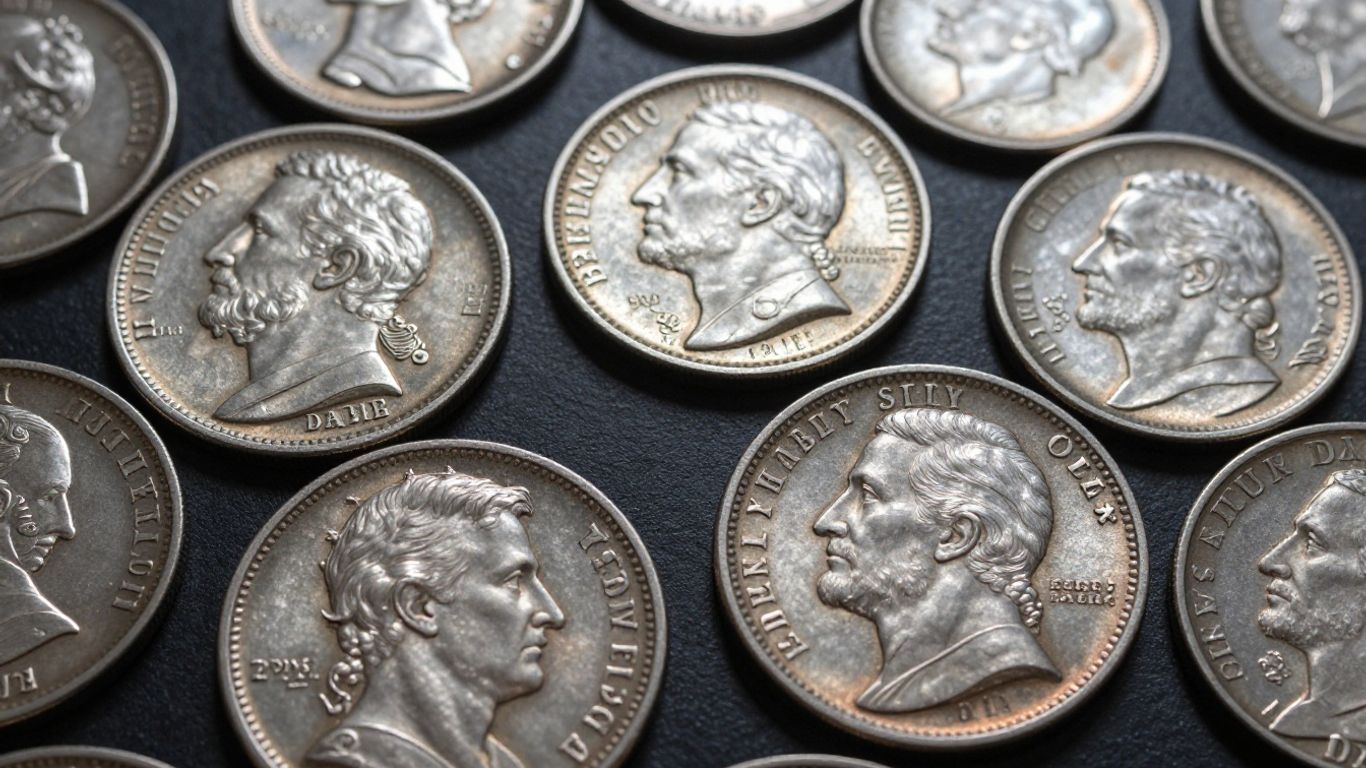
Constitutional silver coins, often referred to as "junk silver," are U.S. dimes, quarters, and half dollars minted before 1965. These coins contain 90% silver, with the remaining 10% being copper. This composition was standard for U.S. coinage until the Coinage Act of 1965 changed the silver content of dimes and quarters to 40% and eliminated it from half dollars. The intrinsic value of these coins is primarily tied to their silver content, making them a popular choice for investors and collectors alike.
Identifying Key Silver Coin Denominations
When looking to sell your constitutional silver, it’s helpful to know the common denominations you might possess:
- Dimes: Minted from 1892-1945 (Mercury Dimes) and 1916-1945 (Winged Liberty Head Dimes).
- Quarters: Minted from 1916-1930 (Standing Liberty Quarters) and 1932-1964 (Washington Quarters).
- Half Dollars: Minted from 1916-1947 (Walking Liberty Half Dollars) and 1948-1963 (Franklin Half Dollars).
It’s important to note that while Washington Quarters and Kennedy Half Dollars were minted after 1964, those dated 1964 and earlier are the ones that contain 90% silver. Coins minted after 1964 are typically clad and do not hold significant silver value.
The Intrinsic Value of Silver Content
The value of your constitutional silver coins is largely determined by the current market price of silver. Because these coins are made of a precious metal, their worth fluctuates with the global silver market. While some coins might have additional numismatic value due to rarity or condition, the base value is always derived from the silver they contain. For instance, a common 1940s dime contains approximately 0.0723 troy ounces of pure silver. You can find resources like SD Bullion to get an idea of current silver prices and how they impact the value of bulk silver.
Understanding the silver content is the first step in determining what your coins are worth. It’s not just about the face value; it’s about the metal itself.
Finding Reputable Constitutional Silver Coin Buyers in San Antonio
So, you’ve got some old silver coins, the kind made before 1965, and you’re thinking about selling them here in San Antonio. That’s great! But where do you even start looking for someone who actually wants them and will give you a fair shake? It can feel a bit overwhelming, but there are a few main places to check out.
Local Coin Shops Specializing in Silver
Your first stop might be a local coin shop. These places are often run by people who really know their stuff when it comes to coins, including the silver ones you have. They see all sorts of coins come through their doors, and they’re usually pretty good at spotting what’s what. It’s a good idea to visit a few different shops to compare what they offer.
Here’s what to look for:
- Reputation: Ask around, check online reviews. A shop with a long history and good feedback is usually a safe bet.
- Specialization: Do they focus on U.S. coins, or do they deal with a bit of everything? Shops that deal with U.S. silver coins regularly will likely know their value better.
- Transparency: They should be willing to explain how they arrived at their offer and show you how they’re valuing your coins.
Online Marketplaces for Numismatic Transactions
Don’t forget about the internet! There are big online platforms where you can sell coins. Think of places like eBay, but also specialized coin sites. These can give you access to a wider pool of buyers, potentially even collectors who are looking for exactly what you have. It’s a bit different from selling in person, though. You’ll need to be good at taking clear pictures and writing accurate descriptions.
Some online options include:
- Major Auction Sites: Platforms like eBay have a huge reach.
- Dedicated Coin Forums/Marketplaces: Some websites are specifically for coin collectors and dealers to buy and sell.
- Online Coin Dealers: Many established brick-and-mortar shops also have an online presence where you can sell.
Private Collectors Seeking Specific Coins
Sometimes, the best buyer isn’t a shop or a big website, but an individual collector. These folks are often passionate about specific types of coins and might be willing to pay a premium if your coins are exactly what they’re looking for to complete a set or series. Finding these collectors can be a bit trickier, though. You might meet them at coin shows, through local coin clubs, or sometimes they advertise their interests online.
Selling to a private collector can sometimes get you a better price, especially if they have a strong desire for your specific coins. However, it often requires more effort on your part to find them and arrange the sale. Be sure to verify their identity and arrange a safe meeting place if you go this route.
Remember, no matter where you decide to sell, doing a little homework beforehand will help you get the best results.
Evaluating Your Collection's Worth
Before you start looking for buyers in San Antonio, it’s a good idea to get a handle on what your constitutional silver coins might be worth. This isn’t always straightforward, as a coin’s value isn’t just about the silver it contains. Several things play a part.
Factors Influencing Coin Value
Several elements contribute to a coin’s worth beyond its melt value. Think about these:
- Rarity: How many of these coins were made, and how many still exist today? Fewer coins usually mean higher value.
- Condition (Grade): This is a big one. A coin that looks like it just came from the mint will be worth much more than one that’s heavily worn.
- Demand: Are collectors actively looking for this specific coin? Popular coins fetch higher prices.
- Mint Mark: Sometimes, where a coin was made (e.g., Denver ‘D’, San Francisco ‘S’) can affect its rarity and value.
- Historical Significance: Coins tied to important events or figures can sometimes carry a premium.
Utilizing Coin Price Guides and Databases
To get a general idea of what your coins are worth, you can consult various resources. These guides are updated regularly and reflect current market trends. They often list coins by denomination and date, giving you a range of prices based on condition.
- Online Price Guides: Websites like PCGS CoinFacts or NGC Coin Explorer offer searchable databases. You can look up specific coins and see recent sales data or estimated values.
- Printed Price Guides: Publications like the "Red Book" (A Guide Book of United States Coins) are classic resources, though they might not be as up-to-the-minute as online sources.
- Auction Records: Checking past sales results for similar coins on auction sites can give you real-world figures.
Understanding Grading and Condition
Coin grading is a system used to describe a coin’s physical state. It ranges from "Poor" (P-1) to "Mint State" (MS-70). The better the condition, the higher the value. For constitutional silver, common grades might be circulated (worn) or uncirculated (like new). A coin that’s been cleaned or has damage (scratches, dents) will be worth less than an equivalent coin in its original state.
Getting a clear picture of your coin’s condition is key. Look closely at the details, the wear patterns, and any marks. Sometimes, what looks like minor wear to the untrained eye can significantly impact a coin’s worth. It’s worth taking the time to examine each piece carefully.
When you’re evaluating, try to be objective. It’s easy to think your coins are in perfect shape, but comparing them to graded examples online or in books can help you make a more accurate assessment.
Preparing Your Coins for Sale
Before you even think about meeting a buyer or listing your coins online, taking some time to prepare your collection properly can make a big difference. It shows respect for the items and can help potential buyers see their true worth. This isn’t about cleaning them, which can actually harm their value, but more about organization and presentation.
Proper Handling and Storage Techniques
When you’re dealing with silver coins, especially older ones, how you handle them is key. Always try to touch the coins by their edges. Fingerprints can leave oils that might cause damage over time, and for valuable coins, this can really affect their price. If you need to handle them more extensively, consider using soft cotton gloves. For storage, keep your coins in a cool, dry place. Avoid attics or basements where temperature and humidity can fluctuate wildly. Specialized coin holders, like Mylar flips or inert plastic capsules, are a good idea to protect them from scratches and environmental damage. This also makes them easier to sort through later.
Documenting Your Coin Inventory
Creating a detailed list of your coins is a smart move. For each coin, note down its denomination, year, mint mark (if applicable), and any distinguishing features you notice. You might also want to include a brief description of its condition, even if it’s just a general observation. This inventory serves multiple purposes: it helps you keep track of what you have, it’s useful for insurance purposes, and it gives potential buyers a clear overview of your collection. A simple spreadsheet or even a well-organized notebook can work for this. A well-documented collection is often perceived as more trustworthy.
Researching Potential Buyers' Preferences
Different buyers look for different things. Some collectors might be interested in specific dates or mint marks, while others might be buying for the silver content alone. If you’re planning to sell to a local coin shop, a quick look at their website or a phone call might give you an idea of what they typically buy. For online marketplaces, understanding the general demand for certain types of coins can be helpful. Knowing what a buyer is looking for can help you present your coins in the best possible light and potentially get a better price. For instance, if you know a buyer is looking for circulated silver dollars, highlighting the condition of yours in that context is more useful than focusing on its potential as a rare collectible if it isn’t.
Preparing your coins isn’t about making them look new; it’s about preserving their current state and presenting them clearly. Avoid any cleaning attempts, as this is a common mistake that can significantly reduce a coin’s numismatic value. Focus on careful handling, secure storage, and thorough documentation to build confidence with potential buyers and get a fair assessment of your collection’s worth. This methodical approach can help you find buyers for your silver coins.
Here’s a quick checklist to consider:
- Handle coins by their edges to avoid transferring oils from your skin.
- Store coins in a stable environment, away from extreme temperatures and humidity.
- Use protective holders like Mylar flips or plastic capsules.
- Create a detailed inventory listing denomination, year, mint mark, and condition.
- Research buyer interests to tailor your presentation.
Navigating the Selling Process
Selling your constitutional silver coins involves a few key steps to make sure you get a fair deal and the transaction goes smoothly. It’s not just about handing over your coins; there’s a bit of strategy involved.
Getting Multiple Appraisals
Before you commit to selling, it’s a smart move to get opinions from a few different places. This helps you understand the general value of your coins in the current market. Think of it like getting a second opinion from a doctor – you want to be sure.
- Visit local coin shops: Many shops will offer a quick appraisal, sometimes for free.
- Consult with reputable online dealers: Some online platforms offer appraisal services, though you might need to send photos or even the coins themselves.
- Attend coin shows: If there’s a coin show happening in or near San Antonio, you can often find dealers willing to look at your collection.
Don’t settle for the first offer you receive.
Negotiating Fair Prices
Once you have a sense of your coins’ worth, you’ll be in a better position to negotiate. Remember that buyers need to make a profit, so their offer will likely be below the retail value. However, there’s a difference between a reasonable offer and one that’s too low.
- Know your bottom line: Decide the lowest price you’re willing to accept before you start talking.
- Be polite but firm: State your case clearly and refer to your research if needed.
- Be prepared to walk away: If an offer doesn’t meet your expectations, it’s okay to look elsewhere.
Selling coins can feel a bit like a negotiation, and that’s okay. The goal is to find a price that both you and the buyer feel good about. It’s about finding that sweet spot where your collection finds a new home and you get compensated fairly for its silver content and any numismatic appeal.
Secure Transaction Methods
When it’s time to finalize the sale, prioritize safety and security. Whether you’re dealing with a local shop or an individual buyer, make sure the exchange is protected.
- Cash transactions: For local sales, cash is often preferred and provides immediate payment.
- Certified checks or money orders: If dealing with a larger sum, these can be safer than personal checks.
- Reputable online platforms: If selling online, use platforms that offer buyer and seller protection. Many collectors look for specific items on sites like eBay, which has a long history of facilitating sales, even for items like Mexican banknotes.
Always ensure you have a clear agreement on the price and payment method before handing over your coins.
Key Considerations for San Antonio Sellers
Selling your constitutional silver coins in San Antonio involves a few specific points to keep in mind. It’s not just about finding a buyer; it’s about finding the right buyer and getting a fair deal. The local market here has its own rhythm, and knowing a bit about it can help you a lot.
Local Market Trends in San Antonio
The demand for constitutional silver can shift. Sometimes, collectors are really active, driving prices up. Other times, the market might be a bit slower, with buyers more focused on the melt value of the silver itself. Keeping an eye on general silver prices is a good start, but also try to gauge what local dealers are paying. Are they actively looking for specific dates or mint marks, or are they mostly buying based on silver weight? This can make a big difference in what you can expect to get.
Trustworthy Constitutional Silver Coin Buyers San Antonio TX
Finding reliable buyers is probably the most important step. You want to deal with people or businesses that have a good name in the community. Look for dealers who are transparent about their pricing and who are willing to explain how they arrived at their offer. A good buyer will be patient and answer all your questions. A trustworthy buyer will make you feel comfortable and confident throughout the entire selling process.
Here are some ways to identify trustworthy buyers:
- Check online reviews and see what other sellers have said.
- Ask for references from other collectors or dealers.
- Visit potential buyers in person to get a feel for their business and professionalism.
Convenient Selling Options Near You
San Antonio has a mix of options for selling your coins. You’ve got your traditional brick-and-mortar coin shops, which can be great for an in-person appraisal and immediate sale. Then there are online platforms, which can connect you with a wider range of buyers, potentially including private collectors who might be looking for specific items. Sometimes, a local coin show can also be a good place to get multiple opinions and offers in a short period. Think about what’s most convenient for you – do you prefer face-to-face interaction, or are you comfortable with online transactions?
When you’re selling, especially a collection you’ve held onto for a while, it’s easy to get caught up in the excitement or the pressure to sell quickly. Take a deep breath and remember that your coins have a history and a tangible value. Don’t let anyone rush you into a decision you might regret later. A little patience can go a long way in securing a better outcome.
Maximizing Your Return on Investment
Timing Your Sale Strategically
When you decide to sell your constitutional silver coins, the timing can make a noticeable difference in the amount you receive. The price of silver fluctuates daily, influenced by global economic conditions, market demand, and even geopolitical events. Keeping an eye on the silver spot price is a good first step. Some sellers prefer to wait for a peak in the market, while others might need to sell regardless of market conditions. Consider that major economic news or trends can impact silver prices significantly. For instance, periods of economic uncertainty often see silver prices rise as it’s seen as a safe-haven asset. You can track these trends using financial news sources or specialized commodity websites. A well-timed sale can potentially yield a higher return.
Understanding Buyer Premiums
Buyers, especially dealers and larger coin shops, often pay a percentage of the silver’s melt value, plus a premium for the coin’s numismatic (collector) value. This premium is influenced by the coin’s rarity, condition, historical significance, and demand among collectors. Some buyers might focus solely on the silver content, offering closer to melt value, while others will pay more for coins with collector appeal. It’s important to understand that you’re not just selling silver; you’re selling a piece of history. Different buyers will place different values on this historical aspect. For example, a common silver dime might be valued primarily for its silver content, whereas a rare silver dollar in pristine condition could command a significant numismatic premium. Researching the specific coins in your collection can help you gauge their potential collector value beyond just the silver weight. You can use resources like the NGC Coin Explorer to get an idea of coin values and histories. NGC Coin Explorer
Considering Bulk Sales vs. Individual Coins
Deciding whether to sell your collection as a whole or piece by piece is another strategic decision. Selling in bulk to a single buyer can be convenient and quicker, especially if you have a large quantity of common coins. However, you might receive a lower price per coin compared to selling them individually. Selling individual coins, particularly those with higher numismatic value, can often result in a greater overall return, but it requires more time, effort, and potentially more transactions. If you have a mix of common silver coins and rarer items, a hybrid approach might work best: sell the common ones in bulk and market the rarer ones separately. This approach balances convenience with the potential for maximizing your profit. Here’s a general breakdown:
- Bulk Sale Advantages:
- Convenience and speed
- Fewer transactions to manage
- Good for common, lower-value coins
- Individual Sale Advantages:
- Potential for higher per-coin prices
- Allows you to capture full numismatic value
- Ideal for rare or high-grade coins
When evaluating your options, think about your personal goals. Are you looking for the fastest way to liquidate your assets, or are you willing to invest more time to achieve the highest possible financial outcome? Your answer will guide you toward the most suitable selling strategy.
The Role of Authentication and Grading Services
When you’re looking to sell your constitutional silver coins, you might wonder if getting them officially checked out is worth the trouble. For most common silver coins, like dimes, quarters, and half dollars made before 1965, the value is pretty straightforward – it’s mostly tied to the silver content. But sometimes, a coin can be rarer than you think, or in much better shape, which can really change its price. That’s where authentication and grading services come in.
When Professional Grading is Beneficial
While not every coin needs a professional opinion, certain situations make it a smart move. If you suspect you have a coin that’s particularly old, has a rare mint mark, or is in exceptionally good condition, getting it graded can confirm its status and potentially increase its market appeal. This is especially true if the coin appears to be in mint state, meaning it has never been circulated. For coins where the numismatic (collector) value might exceed the melt value of the silver, grading provides a standardized assessment that buyers trust.
Here are a few times it makes sense to consider grading:
- You have coins that are older than 1930 and appear to be in very good condition.
- You’ve inherited a collection and aren’t sure about the specific rarity or condition of individual pieces.
- You’re aiming to sell a coin for a price significantly above its silver weight.
Reputable Grading Companies
When you decide to get coins graded, you’ll want to use well-known and respected services. These companies have experts who examine coins for authenticity, date, mint mark, and condition, assigning a numerical grade based on a standardized scale. The two biggest names in the business are:
- PCGS (Professional Coin Grading Service): One of the oldest and most recognized grading services.
- NGC (Numismatic Guaranty Company): Another major player with a strong reputation for thorough grading.
These companies encapsulate the graded coins in protective holders, often called "slabs," which include a label with the coin’s details and grade. This makes the coin easier to handle, protects it, and provides a clear, verifiable assessment for potential buyers.
Impact of Grading on Buyer Interest
Having a coin professionally graded can significantly impact how buyers perceive its worth and their willingness to purchase it. A coin graded by a reputable service comes with a level of confidence for the buyer. They know the coin has been authenticated and assessed by an impartial third party. This reduces the risk for the buyer, as they don’t have to rely solely on the seller’s word about the coin’s condition or authenticity. For collectors, especially those looking for higher-end pieces, a slabbed coin from a top grading service is often preferred, as it simplifies the buying process and provides assurance.
While grading adds a cost and takes time, it can often lead to a higher selling price that more than compensates for the expense. It transforms a coin from a simple piece of silver into a certified collectible, opening it up to a wider and often more serious pool of buyers.
Building Relationships with Coin Dealers
Finding Dealers with Expertise
When you’re looking to sell your constitutional silver coins, finding a dealer who really knows their stuff is half the battle. It’s not just about finding someone who buys coins; it’s about finding someone who understands the nuances of numismatics, especially when it comes to silver. A good dealer will have a solid grasp on market prices, coin history, and what makes certain pieces more sought after than others. They can spot a rare date or a coin in exceptional condition that might otherwise be overlooked. Think of them as a knowledgeable guide in the sometimes-confusing world of coin collecting. You want someone who can tell you not just what your coins are worth today, but why. They should be able to discuss the silver content, the mint mark, the year, and any other factors that affect a coin’s desirability.
Long-Term Selling Partnerships
Selling your coins doesn’t have to be a one-off event. Building a relationship with a coin dealer can be beneficial over time. If you plan on selling more coins in the future, or perhaps even acquiring new ones, having a trusted dealer to turn to makes the process much smoother. A dealer who knows your collection and your selling history might be more inclined to offer you better terms or keep you informed about opportunities. It’s like having a regular mechanic for your car; they know its history and can provide consistent service. This can lead to more consistent pricing and a better overall selling experience, especially if you have a large collection or plan to sell in stages.
The Importance of Trust and Transparency
Above all, trust and transparency are key when dealing with coin buyers. You’re entrusting them with items that can hold significant monetary and historical value. A reputable dealer will be upfront about their pricing, their fees (if any), and how they arrived at their offer. They should be willing to answer your questions clearly and patiently. Honest communication is the bedrock of any successful transaction. If a dealer seems evasive, pressures you to sell quickly, or can’t explain their valuation, it’s a red flag. Look for dealers who are members of professional organizations, have good reviews, and operate with a clear business ethic. This builds confidence and makes you feel secure in the sale.
Common Pitfalls to Avoid When Selling
Selling your constitutional silver coins can be a good way to get some cash, but it’s easy to make mistakes if you’re not careful. A lot of people end up getting less than their coins are worth, or worse, getting ripped off. Let’s talk about some of the common traps you should try to sidestep.
Overlooking Rare or Valuable Pieces
It’s easy to think all your silver dollars or half dollars are pretty much the same. But sometimes, a coin that looks ordinary can have a special mint mark, a rare date, or a unique error that makes it much more sought after by collectors. If you just sell everything as "junk silver," you might be leaving a lot of money on the table. You really need to look at each coin individually.
- Check the date: Some years are much rarer than others.
- Look for mint marks: These small letters (like ‘S’ for San Francisco or ‘O’ for New Orleans) can make a big difference.
- Inspect for errors: Sometimes coins have printing mistakes that collectors find interesting.
Accepting Below-Market Offers
This happens a lot when sellers are in a hurry or don’t know what their coins are really worth. Some buyers will offer you a price based on just the silver melt value, ignoring any numismatic (collector) value the coin might have. It’s like selling a classic car for scrap metal prices. You need to have a good idea of the current market rates before you agree to anything.
Here’s a quick look at how melt value and collector value can differ:
| Coin Type | Silver Content (Approx.) | Melt Value (Example) | Potential Collector Value (Example) |
|---|---|---|---|
| Silver Dollar | 0.77 troy oz | $20.00 | $25 – $1000+ |
| Half Dollar | 0.36 troy oz | $9.00 | $10 – $200+ |
| Quarter | 0.18 troy oz | $4.50 | $5 – $50+ |
Note: Values are illustrative and can change based on market conditions and coin specifics.
Risks of Unverified Buyers
Not everyone who says they want to buy your coins is honest. Some people might try to take advantage of your lack of knowledge. It’s important to do your homework on any potential buyer, whether it’s a local shop or someone you found online. Look for reviews, ask for references, and trust your gut if something feels off.
Always be wary of buyers who pressure you to sell quickly or who refuse to let you get a second opinion. A reputable buyer will be happy to answer your questions and give you time to consider their offer. They understand that selling valuable items is a big decision.
By being aware of these common mistakes, you can approach selling your constitutional silver coins with more confidence and hopefully get a fair deal.
Wrapping Up Your Coin Sale
So, you’ve got some silver coins from back in the day and you’re looking to sell them here in San Antonio. It’s not as complicated as it might seem. We’ve talked about finding places that actually want your coins, like local coin shops or dealers who know their stuff. Remember to do a little homework first, maybe check out resources like the NGC Coin Explorer to get a feel for what you have. It’s always a good idea to get a few opinions before you agree to a sale. Selling your constitutional silver can be a straightforward process if you know where to look and what to ask. Good luck with your sale!
Frequently Asked Questions
What exactly are 'constitutional silver coins'?
Constitutional silver coins are U.S. coins made before 1965 that contain a significant amount of actual silver. These include dimes, quarters, and half dollars minted during that era. They are called ‘constitutional’ because they were once part of the official U.S. monetary system and could be used as legal tender.
How can I tell if my coins are made of silver?
The easiest way to identify silver coins from this period is by their mint date. If the coin was made in 1964 or earlier, it’s likely made of 90% silver. Coins made after 1964 generally do not contain silver, except for some special collector issues. You can also check the coin’s edge; silver coins often have a solid silver color, while clad coins (those with a copper core) will show a copper band.
Where can I find buyers for my silver coins in San Antonio?
San Antonio has several options for selling your coins. You can visit local coin shops that specialize in buying and selling numismatic items, explore online marketplaces where collectors and dealers gather, or even connect with private collectors who might be looking for specific coins to add to their personal collections.
How do I figure out how much my coins are worth?
To get an idea of your coins’ worth, you’ll need to consider a few things. The amount of silver in the coin is a big factor, but rarity and the coin’s condition also play a huge role. You can use online coin price guides or databases, like the NGC Coin Explorer, to research similar coins and their recent selling prices.
Should I clean my silver coins before selling them?
It’s generally not recommended to clean your silver coins. Cleaning can often damage the coin’s surface and reduce its value, especially to collectors who prefer coins in their original state. It’s best to leave them as they are unless a professional advises otherwise.
What's the best way to get a fair price for my coins?
To ensure you get a fair price, it’s wise to get appraisals from multiple reputable buyers. This allows you to compare offers and understand the market value. Don’t be afraid to negotiate, and always aim for a secure transaction method, whether in person or online.
Are there any special considerations for selling coins in San Antonio?
When selling in San Antonio, it’s helpful to be aware of local market trends. Look for buyers who have a good reputation in the area, often referred to as trustworthy constitutional silver coin buyers in San Antonio, TX. Consider sellers who offer convenient ways to conduct your sale, making the process easier for you.
What are some common mistakes to avoid when selling coins?
Avoid common mistakes like accidentally selling a rare or particularly valuable coin for less than it’s worth. Be wary of offers that seem too good to be true, and always verify the reputation of any buyer before completing a transaction to avoid dealing with unverified individuals.