
Finding out what your inherited coin collection san antonio tx is worth can feel like a puzzle. You might have inherited a box of old coins and wonder if they hold significant value. This guide aims to help you understand the process of appraising and selling your coins in San Antonio, making it a bit less confusing.
Key Takeaways
- Understand the basics of your inherited coin collection san antonio tx, including identifying key pieces and proper storage.
- Learn how to get your coins appraised by choosing between online or in-person evaluations in San Antonio.
- Discover how to find trustworthy buyers for your coins in San Antonio who offer fair pricing.
- Explore the different types of coins, like gold and silver, that are commonly found in collections and their market value.
- Get tips on how to get the most value from your collection, considering coin condition and market timing.
Understanding Your Inherited Coin Collection San Antonio TX
Receiving a coin collection as an inheritance can feel like uncovering a hidden treasure. It’s a tangible link to the past, and for many, it represents a significant financial asset. In San Antonio, TX, understanding the true worth of these inherited coins is the first step toward making informed decisions about their future. This process involves more than just looking at the metal content; it requires a closer examination of each piece.
Identifying Key Pieces in Your Collection
When you first look through an inherited coin collection, it’s easy to feel overwhelmed. Not every coin will be a rare find, but some might be. Start by sorting your coins. Look for:
- Dates: Certain years are rarer than others. For U.S. coins, look for dates before 1933, as many gold coins were recalled then.
- Mint Marks: These small letters (like ‘S’ for San Francisco or ‘D’ for Denver) indicate where the coin was made and can significantly affect rarity.
- Condition: Coins that are in excellent shape, with minimal wear, are generally worth more.
- Material: Coins made of gold or silver often have a base value, but their numismatic (collector) value can be much higher.
The key is to identify coins that stand out due to their age, origin, or condition. A coin that looks ordinary might be quite special if it’s a rare variety or in pristine shape.
The Importance of Proper Coin Storage
How you store your coins can directly impact their value. Improper storage can lead to damage, such as scratches, corrosion, or environmental toning, all of which can decrease a coin’s worth. For valuable coins, consider individual holders made of inert materials like Mylar or hard plastic. Avoid storing coins in direct sunlight, high humidity, or areas with extreme temperature fluctuations. For those managing estates, understanding these storage needs is part of preserving the collection’s integrity.
Proper handling and storage are not just about aesthetics; they are critical for maintaining the numismatic value of your coins. Even minor damage can significantly reduce what a coin is worth to collectors and dealers.
Recognizing Potential Rarity and Value
While a professional appraisal is the best way to determine value, you can start to get a feel for potential rarities. Coins with very low mintage numbers (how many were originally produced) are often more sought after. Errors made during the minting process, such as double strikes or off-center designs, can also make a coin exceptionally rare and desirable. Researching common U.S. coin series, like Lincoln Cents or Morgan Dollars, can give you a baseline understanding of what to look for. If you find coins that seem unusual or are in exceptionally good condition, they might be worth a closer look by experts at places like San Antonio Coin Buyers.
Here’s a quick look at factors influencing value:
| Factor | Description |
|---|---|
| Rarity | Low mintage numbers, specific mint marks, or error coins. |
| Condition | The state of preservation; graded on a scale from Poor to Mint State. |
| Demand | How popular the coin is with collectors and investors. |
| Material | Precious metal content (gold, silver) contributes to bullion value. |
| Historical | Significance of the coin’s era or its connection to historical events. |
Taking the time to understand these initial aspects of your inherited collection will set you on the right path for a successful appraisal and potential sale.
Navigating Coin Appraisals in San Antonio
Choosing Between Online and In-Person Appraisals
When it comes to getting a handle on what your inherited coins are worth, you’ve got a couple of main routes to go down in San Antonio: online or in-person appraisals. Each has its own set of pros and cons, and what works best really depends on your collection and your personal preference. Online appraisals can be super convenient. You can often snap some photos, send in a list, and get a preliminary idea of value without leaving your house. This is great for a quick assessment or if you have a smaller collection. However, it can be tough to capture all the important details of a coin through a photo alone, and some nuances might be missed.
In-person appraisals, on the other hand, let an expert physically examine each coin. This usually leads to a more accurate valuation because they can check for wear, mint marks, and other subtle characteristics that photos might not show. For larger or more complex collections, meeting with a local San Antonio dealer or appraiser can be the way to go. Some services even offer at-home appraisals for qualifying collections, which adds another layer of convenience.
What to Expect During a Coin Valuation
So, you’ve decided to get your coins looked at. What actually happens during a valuation? First off, the appraiser will likely want to see the coins themselves, whether you bring them to their shop or they come to you. They’ll start by identifying each coin – what year is it, what’s the mint mark, what denomination is it? Then comes the condition assessment. This is a big one. They’ll look at the coin’s surface for scratches, dents, wear, and any signs of cleaning. The better the condition, generally the higher the value.
They’ll also be considering the coin’s rarity. Is it a common date, or is it a scarce one? Are there known errors or varieties? Finally, they’ll compare your coin to current market data. This involves checking recent sales of similar coins, looking at price guides, and understanding the current demand for that specific type of coin.
Here’s a general breakdown of what an appraiser looks for:
- Identification: Year, mint mark, denomination, and specific type (e.g., Morgan Dollar, Lincoln Cent).
- Condition (Grading): Assessing wear, luster, surface marks, and overall preservation.
- Rarity: How many were minted? How many are known to exist today? Are there any known varieties or errors?
- Market Demand: What are collectors and investors currently paying for this coin?
A thorough coin appraisal involves more than just a quick glance. It’s a detailed process that considers the coin’s history, its physical state, and its place in the current market. Don’t hesitate to ask questions during the process; understanding how the value is determined is key.
The Role of Market Data in Appraisals
Market data is the backbone of any accurate coin appraisal. Without it, an appraiser is essentially guessing. This data comes from several sources. Firstly, auction records are incredibly important. When rare coins sell at major auctions, those prices are recorded and become benchmarks. Secondly, dealer inventories and sales lists provide insight into what coins are available and at what price points. Reputable dealers track these sales to stay competitive.
Price guides, like those published by the Professional Numismatists Guild (PNG) or the Red Book (A Guide Book of United States Coins), offer a more generalized view of coin values, but they are often just a starting point. The actual transaction price can vary significantly based on the specific coin’s condition and the immediate demand.
Here’s how market data influences an appraisal:
- Recent Sales: What have identical or very similar coins sold for recently?
- Availability: How many of this specific coin are currently for sale?
- Trends: Is the demand for this type of coin increasing or decreasing?
- Economic Factors: Broader economic conditions can influence the precious metal value of gold and silver coins.
Finding Reputable Coin Buyers in San Antonio
When it comes to selling an inherited coin collection, finding a trustworthy buyer is just as important as knowing the value of your coins. San Antonio has a number of places where you can sell, but not all buyers are created equal. You want someone who understands the market and treats you fairly.
Why Trust Matters When Selling Coins
Trust is the bedrock of any successful transaction, especially when dealing with items that hold sentimental and monetary worth. A reputable dealer will be transparent about their process, offer clear explanations for their valuations, and provide a secure environment for the sale. Avoid dealers who pressure you into a quick sale or seem unwilling to answer your questions thoroughly. Look for businesses with a solid history in the community and positive feedback from other sellers. This diligence helps protect you from potentially unfair offers or scams.
Comparing Offers from Different Dealers
It’s wise to get quotes from multiple sources before accepting an offer. This gives you a better sense of your collection’s market value and allows you to negotiate from a position of knowledge. Consider factors beyond just the dollar amount, such as the speed of payment and the ease of the transaction process. Some dealers might offer slightly less but provide a much smoother experience.
Here’s a simple way to compare:
| Dealer Name | Offer Amount | Payment Timeline | Additional Fees | Notes |
|---|---|---|---|---|
| [Dealer A] | $X,XXX | Within 3 business days | None | Good communication |
| [Dealer B] | $Y,YYY | Within 7 business days | 2% processing fee | Lower offer, but convenient |
| [Dealer C] | $Z,ZZZ | Immediate | None | Highest offer, requires shipping |
The Benefits of Direct-to-Market Pricing
Some buyers operate on a direct-to-market model, which can often result in better prices for sellers. This means they sell your coins directly to collectors or investors, cutting out intermediaries. This approach typically leads to more competitive offers because the buyer isn’t just looking to quickly flip the items for a profit. Instead, they are connecting your collection with its true market demand. For instance, a place like Lone Star Coins is known for fair pricing in San Antonio.
Selling inherited items can be an emotional process. Choosing a buyer who respects the history of your collection and provides a straightforward selling experience can make a significant difference. It’s about more than just the money; it’s about a respectful exchange.
Types of Coins Valued in San Antonio Collections
When you inherit a coin collection, it’s natural to wonder what kinds of coins might be hiding within. San Antonio has a long history with collecting, and many different types of coins find their way into local collections. Understanding these categories can help you get a better idea of what you might have.
Gold Coins and Their Market Value
Gold coins are often a significant part of a collection, both for their intrinsic metal value and their historical or numismatic appeal. These can range from modern bullion coins like American Eagles and Canadian Maple Leafs to older, pre-1933 U.S. gold coins such as Double Eagles and Indian Head designs. The value of gold coins is typically determined by two main factors: the current market price of gold (bullion value) and any additional collector interest (numismatic value). The purity and weight of the gold are primary drivers of their base worth.
| Coin Type | Common Examples | Value Factors |
|---|---|---|
| Bullion Coins | American Eagles, Krugerrands, Maple Leafs | Gold content, current spot price of gold |
| Historic U.S. Gold | Double Eagles, Liberty Heads, Indian Heads | Gold content, rarity, condition, historical demand |
| World Gold Coins | Sovereigns, Pesos, Francs | Gold content, country of origin, collector interest |
Silver Coins and Collectible Series
Silver coins represent another major category. This includes everything from common circulated U.S. coins minted before 1965 (which are 90% silver) to more specialized collectible series. Think about Morgan Dollars, Peace Dollars, and various U.S. silver half dollars, quarters, and dimes. The value here can be a mix of the silver content and the demand for specific dates, mint marks, or series. Some silver coins are quite common and valued mostly for their silver, while others are rare and highly sought after by collectors.
- Pre-1965 U.S. Circulated Silver: Dimes, quarters, half dollars, and dollars. Primarily valued for silver content, though some dates/conditions can be worth more.
- Silver Dollars: Morgan Dollars and Peace Dollars are very popular series with significant collector interest.
- Commemorative Silver Coins: Often issued for special events or figures, these can have both silver and numismatic value.
- World Silver Coins: Silver coins from other countries, varying widely in value based on silver content and collectibility.
It’s important to distinguish between coins valued primarily for their silver content and those that hold significant numismatic value due to rarity, condition, or historical importance. A coin might contain a good amount of silver, but if it’s a common date in poor condition, its value might be close to melt value. Conversely, a rarer coin with less silver might be worth considerably more to a collector.
Rare and Historic U.S. Coins
This is where things can get particularly interesting. Rare and historic U.S. coins are often the stars of a collection. These are coins that were produced in limited quantities, have significant historical connections, or possess unique characteristics like mint errors. Examples include early U.S. coinage (like Cents, Half Cents, and Large Cents from the 18th and 19th centuries), key dates within popular series (like a rare date Morgan Dollar), or coins with known minting errors. Their value is almost entirely driven by numismatic factors: rarity, condition (grade), historical significance, and demand from collectors. These coins often require specialized knowledge to appraise accurately.
The Selling Process for Your San Antonio Coins
Once you have a good idea of what your inherited coin collection is worth, the next step is to figure out how to sell it. This process can seem a bit daunting, especially if you’re new to the coin market. However, with a clear plan, it can be quite straightforward.
Steps to Secure a Sale
Selling your coins involves a few key stages to make sure you get a fair deal and the transaction goes smoothly. It’s not just about finding a buyer; it’s about finding the right buyer and understanding the steps involved.
- Get an Appraisal: Before you even think about selling, you need to know what you have. This involves getting a professional appraisal. You can opt for online services or in-person evaluations, depending on your collection’s size and your location in San Antonio.
- Research Potential Buyers: Not all coin dealers are created equal. Look for reputable buyers with good reviews and a history of fair dealings. Consider local San Antonio coin shops as well as online platforms that specialize in buying collections.
- Compare Offers: Once you have appraisals, get offers from a few different buyers. This is where you can really see the difference in pricing and terms. Don’t accept the first offer you receive without checking others.
- Negotiate and Agree: If you feel an offer is fair, you can proceed. Sometimes, there’s a little room for negotiation, especially if you have multiple coins or a significant collection.
- Complete the Transaction: This involves signing any necessary paperwork and arranging for payment and the transfer of your coins.
Understanding Payment Options
When it comes to getting paid for your coins, there are several common methods. The best option for you might depend on your personal preferences and the buyer’s policies.
- Cash: For in-person sales, cash is often the quickest and most direct payment method. However, for large amounts, it might be less practical or secure.
- Check: A personal or cashier’s check is a common option, especially for larger sales. Ensure you understand when the check will clear.
- Wire Transfer: This is a secure and fast way to receive funds electronically, often preferred for high-value transactions. It’s a good way to get paid quickly after selling coins.
- Payment Platforms: Some online buyers might use services like PayPal or other digital payment methods, though these can sometimes come with fees.
Ensuring Secure Transactions
Security is paramount when selling valuable items like a coin collection. You want to protect yourself from fraud and ensure you receive the agreed-upon payment.
A secure transaction means you feel confident throughout the entire process, from the initial offer to the final payment. This includes verifying the buyer’s legitimacy, understanding all terms and conditions, and confirming payment has been received before relinquishing your collection.
For those looking for a streamlined and secure way to sell, services like Coinfully offers a convenient way to sell coins in Amarillo, providing insured shipping and prompt payment, which can be a good model to look for in any buyer. Always confirm that any shipping is fully insured and that the buyer has a solid reputation for handling transactions responsibly. If selling locally in San Antonio, meet in a safe, public place or at the dealer’s established business.
Maximizing Value for Your Inherited Coins
The Impact of Coin Condition
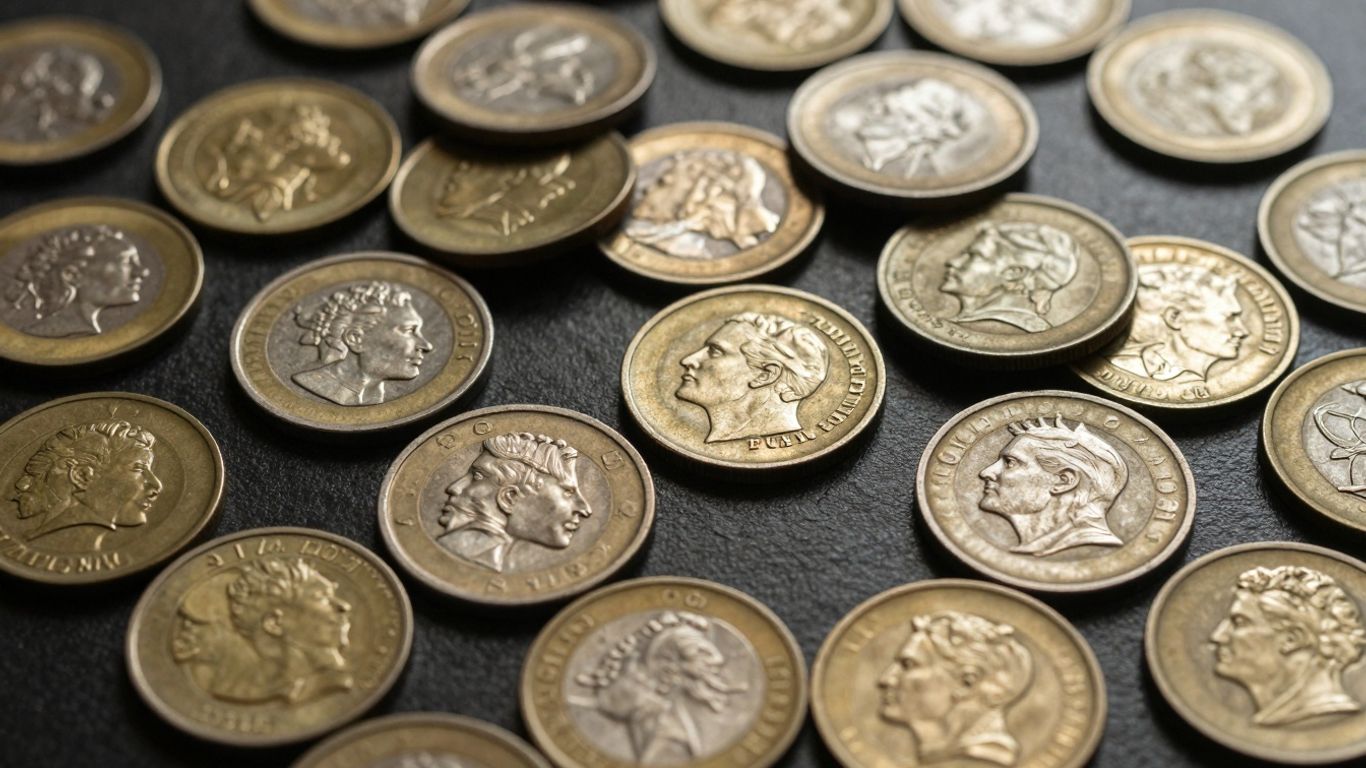
When it comes to coins, their physical state plays a huge role in how much they’re worth. Even a rare coin can lose a lot of its appeal, and therefore its price, if it’s been damaged. Things like scratches, nicks, or even just heavy wear from being handled too much can really bring down the value. It’s often better to leave a coin as is, rather than try to clean it yourself, as improper cleaning can cause more harm than good. Think of it like a vintage car; you wouldn’t repaint a classic without knowing what you’re doing, right? The same idea applies here.
Understanding Numismatic vs. Bullion Value
Coins can have two main types of value: numismatic and bullion. Bullion value is pretty straightforward – it’s based on the precious metal content, like gold or silver, that the coin is made of. This value changes daily with the market prices of those metals. Numismatic value, on the other hand, is about the coin’s rarity, historical significance, condition, and collector demand. A coin might be made of a lot of silver, but if it’s a common date and in poor shape, its numismatic value might be quite low. Conversely, a coin with less precious metal could be worth much more if it’s a rare variety or has a fascinating history.
Here’s a simple breakdown:
- Bullion Value: Determined by the weight and purity of the metal (gold, silver, platinum).
- Numismatic Value: Based on rarity, condition, historical importance, and collector interest.
Timing Your Sale for Optimal Returns
Selling your coins at the right time can make a noticeable difference in the amount you receive. The market for both precious metals and collectible coins can fluctuate. For bullion coins, keeping an eye on the daily prices of gold and silver is key. If you have numismatic coins, the demand from collectors can also go up and down. Sometimes, a particular series of coins might become more popular, or a major coin show could increase buyer interest. It’s not always easy to predict, but being aware of market trends can help you decide when to sell.
Selling inherited coins is a process that requires careful consideration. Understanding the different factors that contribute to a coin’s worth, from its physical condition to its place in history, is the first step. Don’t rush the process; take the time to get informed appraisals and explore your options for selling. The goal is to get a fair price that reflects the true value of what you have.
Here are some points to consider when deciding when to sell:
- Precious Metal Prices: Monitor the current market rates for gold and silver. Higher metal prices generally mean higher bullion value.
- Collector Trends: Research if any coins in your collection are currently in high demand among collectors.
- Market Conditions: Consider the overall economic climate and its potential impact on the collectibles market.
San Antonio Coin Dealers and Their Expertise
When it comes to selling an inherited coin collection, finding the right dealer in San Antonio is key. It’s not just about getting a price; it’s about working with someone who understands the history and potential worth of what you have. Local coin shops and online buyers both have their place, but they often operate differently.
Local Coin Shops vs. Online Buyers
Local San Antonio coin shops, like Lone Star Coins, often provide a personal touch. They’ve been in the business for years, building a reputation for honesty and fair dealings. This long-term presence means they’re invested in the community and often have a deep understanding of the local market. They might offer a more hands-on approach, especially for larger collections. Online buyers, on the other hand, can sometimes reach a wider audience of potential buyers, which might translate to competitive offers. However, it can be harder to gauge their trustworthiness without meeting them in person.
Specializations of San Antonio Coin Experts
Different dealers might focus on specific types of coins. Some are specialists in U.S. coins, like Morgan dollars or Double Eagles, while others might have a broader interest in ancient coins or world currency. Knowing what kind of coins you have can help you find a dealer who is particularly knowledgeable about that area. For instance, if your collection is heavy on gold and silver bullion, a dealer who specializes in precious metals might be your best bet. Some dealers, like San Antonio Coin Buyers, pride themselves on their direct-to-market pricing, which can often yield better results than selling through intermediaries.
Building Relationships with Trusted Dealers
Building a relationship with a reputable dealer can be beneficial in the long run. It means you have someone to turn to for future needs or questions about your collection. Look for dealers who are transparent about their appraisal process and offer clear explanations for their valuations. A good dealer will explain how they arrive at their offer, referencing market data and the condition of the coins. It’s wise to get a few opinions, especially for significant collections. Remember, getting a fair price is important, but so is the peace of mind that comes from a trustworthy transaction. If you’re looking for a place that offers transparent evaluations and real market rates, consider reaching out to San Antonio Coin Buyers.
Common Questions About Selling Inherited Coins
Are Coin Appraisals Free in San Antonio?
Many places that buy coins offer free appraisals, especially if you’re planning to sell to them. It’s a common practice to get a no-cost evaluation to see what your collection might be worth. However, it’s always a good idea to ask upfront. Some dealers might charge a fee for a detailed appraisal, particularly if it requires extensive research or specialized knowledge. If you’re just getting a quick look-over to see if anything stands out, that’s usually free. But for a formal, written appraisal that you might use for insurance or estate purposes, expect there to be a charge.
How Long Does the Appraisal Process Take?
The time it takes to appraise a coin collection can really vary. For a small number of common coins, a dealer might give you an idea of their worth in just a few minutes. They can often spot common dates and conditions quickly. If you have a larger collection, or if there are some unusual or potentially rare pieces, it could take much longer. A thorough appraisal might involve researching specific mint marks, historical significance, and comparing your coins to recent sales data. This could take anywhere from an hour to several days, depending on the complexity and the dealer’s workload. Some services offer online appraisals, which can sometimes be faster, but an in-person evaluation is often more accurate for unique items.
What If My Collection Isn't Rare?
It’s a common concern that an inherited coin collection might not contain any rare treasures. The good news is that even if your coins aren’t historically significant or rare, they can still have value. Many coins, especially older ones made of gold or silver, are worth money based on their metal content alone. This is often referred to as their ‘bullion value.’ For example, pre-1965 U.S. silver coins (like dimes, quarters, and half dollars) are valued based on the amount of silver they contain. Similarly, gold coins, regardless of their rarity, will have a value tied to the current price of gold. So, even if your collection doesn’t have any ‘key dates’ or famous errors, you can still get a fair price for the precious metals within the coins. It’s just a different kind of valuation process than one focused on numismatic rarity.
- Bullion Value: Coins made of gold, silver, platinum, or palladium are often valued based on the current market price of the metal. This is common for modern bullion coins and older circulating coins made of precious metals.
- Circulated Value: Many common coins, even if not made of precious metals, have a small value based on their condition and historical context. These might be worth a dollar or two each, depending on the type and demand.
- Collector Demand: Sometimes, even common coins can be sought after by collectors who are trying to complete a set. While not rare, these coins might fetch a bit more than their face value or metal content.
Final Thoughts on Your San Antonio Coin Collection
So, you’ve got this old coin collection sitting around, maybe from a relative. It can feel like a puzzle, figuring out what it’s really worth. We’ve talked about how these coins, whether they’re gold, silver, or just old and interesting, can hold surprising value right here in San Antonio. It’s not just about the metal; sometimes, it’s the history or how rare it is. Getting a good look from someone who knows coins is the next step. Don’t just guess or take the first offer you get. A proper appraisal can show you the real picture and help you decide what to do next, whether that’s selling or keeping them safe.
Frequently Asked Questions
Are coin appraisals in San Antonio free?
Yes, many places in San Antonio offer free coin appraisals. This means you can find out what your coins might be worth without having to pay for the evaluation. It’s a great way to start learning about your collection.
How long does it take to get my coins appraised?
The time it takes for an appraisal can vary. For a small number of coins, it might be quite quick, perhaps even the same day. If you have a very large or complex collection, it could take longer as experts carefully examine each piece.
What if my inherited coins are not rare?
Even if your coins aren’t rare collector’s items, they might still have value. Many older coins are made of precious metals like gold or silver, which have a value based on their metal content. A good appraiser will check for both types of value.
How do I choose a good coin buyer in San Antonio?
Look for buyers who are known for being honest and fair. Check reviews, ask for recommendations, and compare offers from a few different dealers. A reputable buyer will be transparent about how they determine your coin’s value.
Should I clean my inherited coins before selling?
It is generally not recommended to clean old coins yourself. Cleaning can sometimes damage the coin’s surface and actually decrease its value. It’s best to let the experts handle any cleaning if they deem it necessary.
What information do I need for an appraisal?
It’s helpful to have as much information as you know about the coins, such as where they came from or any details written on them. However, a professional appraiser can identify most coins even with limited background information.
Can I sell my coins online if I'm in San Antonio?
Absolutely. Many companies allow you to sell coins online, even from San Antonio. They often provide secure shipping options so you can send your collection to them safely for evaluation and sale.
What's the difference between numismatic value and bullion value?
Numismatic value is what a coin is worth as a collectible item, based on its rarity, condition, and historical significance. Bullion value is simply the worth of the precious metal content, like gold or silver, within the coin.