
Thinking about the old paper money you might have stashed away? Specifically, those silver certificates? They’re more than just old bills; they represent a piece of history. In San Antonio, like anywhere else, these certificates can hold surprising value, whether you’re a collector or just curious about what you might have. Let’s talk about what makes them special and how to figure out if yours are worth something.
Key Takeaways
- Silver certificates are a type of U.S. currency that could be exchanged for a set amount of silver.
- Their historical significance makes them interesting to collectors, especially those in San Antonio.
- The value of a silver certificate depends on factors like its condition, rarity, and specific design features.
- Local coin dealers, antique shops, and online platforms are places to find or get appraisals for silver certificates in San Antonio.
- Understanding the San Antonio coin market can help collectors and sellers make informed decisions about these historical notes.
Understanding Silver Certificates In San Antonio
What Are Silver Certificates?
Silver certificates are a type of paper currency that was once issued by the United States Treasury. Unlike Federal Reserve Notes, which are the paper money we use today, silver certificates were backed by actual silver held in government vaults. This meant that you could, in theory, take a silver certificate to the Treasury and exchange it for a dollar’s worth of silver. They were printed from 1878 until 1964, with the last ones being issued in 1957. The most common denominations you’ll find are the $1, $5, and $10 bills, though larger denominations were also printed.
Historical Significance of Silver Certificates
These certificates played a significant role in American financial history, especially during periods when the nation’s monetary policy was closely tied to precious metals. They represented a tangible link between paper money and a physical commodity, offering a sense of security to the public. In San Antonio, like elsewhere in the country, these certificates circulated widely, facilitating commerce and trade. Their historical context is important for collectors, as it adds a layer of narrative to each piece. Understanding when and why they were issued can tell you a lot about the economic conditions of the time. For instance, the large-scale issuance of silver certificates in the late 19th century reflected the country’s bimetallic standard.
Why Collect Silver Certificates?
Collecting silver certificates can be a rewarding pursuit for several reasons. For starters, they are a tangible piece of American history. Holding a silver certificate is like holding a piece of the past. Beyond the historical aspect, there’s the potential for financial gain. While many silver certificates are not worth a fortune, certain rare issues or those in exceptional condition can command significant prices. The intrinsic value of the silver they once represented also adds a baseline worth, though this is less of a factor now that they are no longer redeemable for silver. Many collectors are drawn to the aesthetic appeal of the older designs and the stories these notes tell. If you’re interested in learning more about different types of currency, understanding the mint mark on your coin reveals its origin, indicating which of the five U.S. Mint facilities produced it and when. This knowledge is also applicable to understanding the history behind paper currency.
Here are some reasons why people collect them:
- Historical Connection: They offer a direct link to past economic eras.
- Aesthetic Appeal: Older currency often features intricate designs and artwork.
- Investment Potential: Some rare certificates can appreciate in value over time.
- Hobby Enjoyment: The thrill of the hunt and the satisfaction of completing a set.
The era of silver certificates represents a fascinating chapter in U.S. monetary history, where the value of currency was directly tied to a precious metal. This connection provided a unique form of stability and public trust that differs from today’s fiat currency system.
Identifying Valuable Silver Certificates
When you’re looking at silver certificates, figuring out which ones are worth more than others can seem a bit tricky at first. It’s not just about the picture on the front; a few key things really make a difference in their value.
Key Features to Look For
Several elements on a silver certificate can point to its potential worth. First, pay attention to the serial numbers. Some collectors look for "radar" notes (where the serial number reads the same forwards and backward) or "repeater" notes (where a block of digits repeats). These are less common and can add to a certificate’s appeal. The color of the "Seal of the Treasurer" is another important detail. Most silver certificates have a blue seal, but some rare varieties might have a brown or red seal, which can significantly increase their value. Also, check the "Federal Reserve" seal; while most silver certificates don’t have one, a few experimental issues might, making them quite scarce.
Condition and Grading
The physical state of your silver certificate plays a huge role in how much it’s worth. Think of it like a book – a pristine copy is worth more than one with torn pages and a creased spine. Collectors use a grading scale, often from 1 (poor) to 70 (perfect). For paper money, terms like "About Uncirculated" (AU), "Extremely Fine" (EF), and "Uncirculated" (UNC) are common. A certificate that looks like it just came from the mint, with sharp corners, no folds, and vibrant ink, will always fetch a higher price than one that’s been handled a lot. It’s worth looking into resources like Greysheet for general pricing information on collectible currency.
Rarity and Mint Marks
Just like with coins, some silver certificates were printed in smaller quantities than others, making them rarer. While silver certificates don’t typically have "mint marks" in the same way coins do, certain series or specific print runs can be much harder to find. For example, some early issues or notes from specific banks might be scarcer. The year of issue and the specific series (like Series 1899 or Series 1923) can also affect rarity. A certificate that few people have seen or owned will naturally be more sought after by collectors.
The combination of a certificate’s condition, its unique features, and how many were originally printed all work together to determine its market value. It’s a bit like a puzzle where each piece adds to the overall picture of its desirability.
Where To Find Silver Certificates In San Antonio
Finding silver certificates in San Antonio involves exploring a few different avenues, from dedicated coin shops to more general antique markets. It’s a good idea to know what you’re looking for before you start, but sometimes the best finds are unexpected.
Local Coin Dealers in San Antonio
San Antonio has a number of coin dealers who specialize in numismatic items, including paper currency like silver certificates. These professionals often have a good understanding of the market and can help you identify specific notes. Some dealers may focus more on coins, so it’s worth calling ahead or checking their inventory online if possible.
Here are a few places to start your search:
- Lone Star Coins: Located at 2622 Northwest Loop 410, they are open Monday through Saturday and are an authorized dealer for grading services. They have a strong online presence and a good reputation.
- Royalty Coins Inc.: You can find them at 431 E Commerce St. They are a well-established dealer in the area.
- Texas Coins: Situated at 6866 Bandera Rd, this dealer is another option for exploring local coin offerings.
It’s always wise to visit a few different dealers to compare selection and pricing. Some dealers might have a specific focus, like paper currency specialists, which could be beneficial for finding older silver certificates.
Antique Shops and Flea Markets
Beyond dedicated coin shops, antique stores and flea markets can sometimes yield surprising finds. While these locations are less specialized, you might stumble upon silver certificates mixed in with other collectibles. The key here is patience and a keen eye. You might find a hidden gem, but it requires more digging.
- The Historic Pearl Farmers Market: While primarily for produce, sometimes artisan vendors have vintage items. It’s a long shot for certificates, but worth checking if you’re in the area.
- Local Flea Markets: Keep an eye out for listings of larger flea markets in the San Antonio area. These often have a wide variety of vendors, and some may deal in vintage paper goods.
Remember that at these types of venues, the sellers might not always be experts on currency, which can sometimes lead to better prices if you know what you’re looking at.
Online Marketplaces for Collectors
For those who prefer to browse from home, online platforms offer a vast selection. Websites like eBay are popular, but there are also specialized numismatic sites. When buying online, always check seller reviews and look for reputable dealers who offer authentication or grading services. This helps protect you from potential fakes or overvalued items. Many dealers also have their own websites where you can browse their inventory, such as LCR Coin, which deals in various collectible coins and currency.
Selling Your Silver Certificates In San Antonio
So, you’ve got some old silver certificates tucked away and you’re wondering what they might be worth, especially here in San Antonio. It’s not as simple as just walking into any shop and expecting a top dollar offer. You need to know what you have and who to talk to. Getting a fair price involves a bit of homework and knowing where to look.
Getting Appraisals for Your Certificates
Before you even think about selling, you need to know the real value of your silver certificates. This isn’t just about the face value printed on them; it’s about their condition, rarity, and historical significance. A professional appraisal is your first step. In San Antonio, you can find places that specialize in this. They’ll look at things like:
- Condition: Is the paper crisp or soft? Are there folds, tears, or stains? The better the condition, the higher the potential value.
- Rarity: How many of this particular certificate were printed? Are there any special serial numbers or errors?
- Demand: What are collectors currently looking for? Sometimes, a common certificate in perfect condition is worth more than a rare one that’s seen better days.
For those looking for expert opinions, seeking out certified jewelry appraisers in San Antonio, Texas can be a good starting point, as many also deal with paper currency and collectibles.
Choosing the Right Buyer
Once you have an idea of your certificates’ worth, the next step is finding the right person or place to sell them to. Not all buyers are created equal, and some might not fully appreciate the value of what you have.
- Local Coin Dealers: San Antonio has several coin shops that deal with paper money. These are often a good bet because they understand the market. Some dealers might specialize more in coins than paper currency, so it’s worth asking.
- Online Marketplaces: While convenient, selling online can be tricky. You might get a wider audience, but you also face more competition and potential shipping issues. It’s often best to get a local appraisal first.
- Specialty Auction Houses: For particularly rare or valuable certificates, an auction might get you the best price, but this comes with fees and takes time.
It’s wise to get quotes from a few different places. For instance, Lone Star Coins is a well-established dealer in San Antonio that handles a variety of collectibles, including coins and potentially paper currency.
Negotiating a Fair Price
When you’re talking to potential buyers, remember that you’re in a negotiation. You’ve done your research, you have an appraisal, and you know what your certificates are worth.
- Be Prepared: Have your appraisal information ready. Know the market value and be realistic about what you expect.
- Don’t Rush: Take your time to consider offers. A buyer who pressures you might not be offering the best deal.
- Understand Their Offer: Ask them to explain how they arrived at their price. Are they factoring in the condition, rarity, and current market demand?
Selling collectibles like silver certificates requires patience and knowledge. It’s about finding someone who recognizes the historical and monetary worth of your items and is willing to pay a price that reflects that. Don’t be afraid to walk away if an offer doesn’t feel right. There will be other opportunities.
The Role of Silver Certificates in San Antonio's Economy
Historical Economic Impact
Silver certificates played a part in the financial history of San Antonio, much like they did across the United States. These notes were direct claims on silver bullion held by the U.S. Treasury. For a time, they circulated as a common form of currency, meaning people in San Antonio could use them for everyday transactions. This connection to a tangible commodity like silver gave them a certain stability. Their existence provided a physical link between paper money and precious metal, which could influence public confidence in the financial system.
Silver Certificates as Collectibles
Today, the economic role of silver certificates has shifted. They are no longer in general circulation, but they have found a new life as collectibles. For people in San Antonio interested in history or numismatics, these certificates represent a piece of the past. Their value now comes not from their face amount, but from factors like rarity, condition, and historical interest. This makes them a different kind of asset, one that appeals to collectors rather than everyday consumers.
Local Market Trends
In San Antonio, the market for silver certificates is part of the broader collectibles market. Like other rare items, their prices can go up and down. Factors influencing this include the overall interest in collecting paper money, the availability of specific certificates, and the general economic climate. Sometimes, a particular historical event or a surge in interest in a specific era can boost demand. It’s worth noting that the value of a silver certificate is determined by more than just its silver content; factors such as the certificate’s condition and rarity significantly influence its price. Understanding these elements is key for collectors.
The transition of silver certificates from circulating currency to collectible items shows how economic functions can evolve over time. What was once a tool for daily commerce can become an object of historical study and investment.
Here are some points to consider regarding their current role:
- Historical Value: They offer a tangible connection to periods when silver played a more direct role in currency.
- Collector Demand: Interest from numismatists in San Antonio and beyond drives their market value.
- Investment Potential: While not a primary investment vehicle for most, they can be part of a diversified collection.
The long history of silver itself, stretching back thousands of years as a cornerstone of economies, provides a backdrop for understanding the significance of these certificates. Silver’s journey is a long one, and these notes are a chapter in that story.
Navigating the San Antonio Coin Market
Reputable Dealers in the Area
When you’re looking to buy or sell silver certificates in San Antonio, finding a trustworthy dealer is key. It’s not just about getting a fair price; it’s about dealing with someone knowledgeable who respects the history and value of these items. Many local shops have been around for years, building a reputation for honest dealings. Some places, like Lone Star Coins, are well-known for their friendly service and good selection. It’s always a good idea to check out a few different dealers to get a feel for the market and see who you’re most comfortable working with.
Understanding Market Fluctuations
The value of silver certificates, like any collectible, can go up and down. This isn’t just tied to the price of silver itself, but also to collector demand. Factors like economic conditions, current trends in collecting, and even the rarity of a specific certificate play a big role. It’s helpful to keep an eye on what’s happening in the broader coin market to get a sense of where things might be headed. Sometimes, a certificate that seemed common might suddenly become more sought after.
Building Relationships with Dealers
Developing a good relationship with a coin dealer can be really beneficial. Think of them as a partner in your collecting journey. They can offer insights, help you find specific items you’re looking for, and give you a fair shake when you decide to sell. Building that trust takes time, but it’s worth it. A dealer who knows your interests might even reach out when they get something they think you’ll like. It’s more than just a transaction; it’s about shared interest.
The coin market can seem a bit complex at first, but with a little effort, you can learn to understand its rhythms. Don’t be afraid to ask questions; most dealers are happy to share their knowledge. Remember, patience is a virtue, both in collecting and in finding the right people to work with.
Tips for Aspiring Silver Certificate Collectors
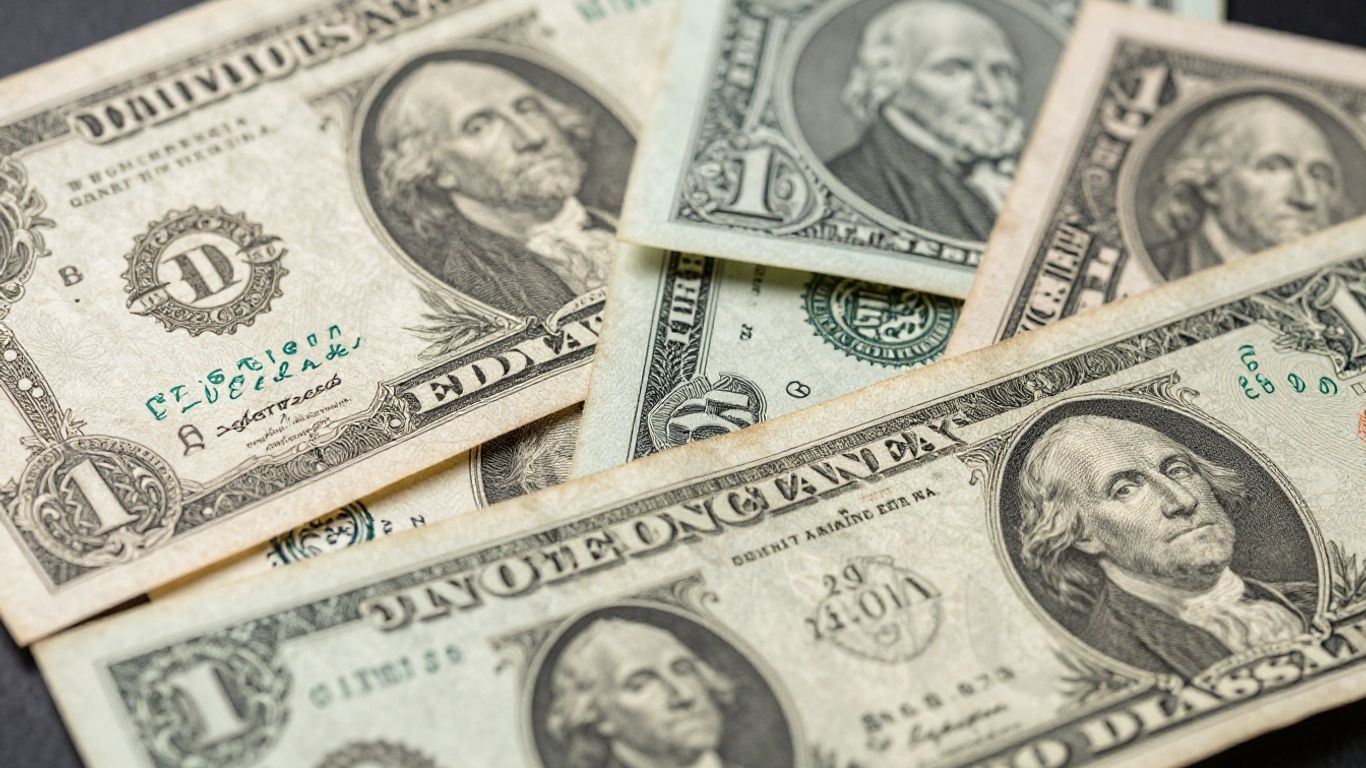
Starting a collection of silver certificates can be a rewarding pursuit, blending historical interest with potential financial appreciation. For those new to the hobby, a structured approach is key to building a meaningful and well-preserved collection. It’s not just about grabbing any old bill; it’s about understanding what makes these pieces of paper special.
Starting Your Collection
When you’re just beginning, it’s wise to focus on a specific area. Perhaps you’re drawn to a particular series of silver certificates, like those featuring educational figures or historical leaders. Another approach is to collect by denomination – focusing on $1, $5, or $10 certificates. Don’t try to collect everything at once; that’s a recipe for overwhelm. Instead, set a manageable goal for your initial phase. Consider starting with more common, lower-denomination certificates that are readily available and less expensive. This allows you to learn the ropes without a significant financial commitment. As you gain experience, you can gradually expand your scope.
Resources for Learning
Knowledge is your most important tool. Before you spend a lot of money, invest time in learning. There are many places to get information. Local coin shops are often a treasure trove of advice from experienced dealers. Online forums and collector communities can provide insights and connect you with fellow enthusiasts. Books dedicated to U.S. currency and silver certificates are also invaluable. Understanding the history, the different series, and the grading standards will help you make informed decisions. For instance, learning about how to get an accurate valuation for your coin collection can also apply to understanding the factors that influence paper money values.
Avoiding Common Pitfalls
One of the biggest mistakes beginners make is overpaying for items. Do your research before buying. Compare prices from different sources and be wary of deals that seem too good to be true. Another common issue is improper storage. Silver certificates, like all paper currency, are susceptible to damage from light, humidity, and pests. Always store your certificates in protective sleeves or albums designed for currency. Avoid handling them with bare hands, as oils from your skin can cause damage over time. Using cotton gloves is a good practice. Finally, be cautious of counterfeit notes. While less common with silver certificates than with some other forms of currency, it’s still a possibility, especially with rarer examples. Familiarize yourself with the security features of genuine silver certificates.
Here are some key aspects to consider when building your collection:
- Condition: The physical state of the certificate significantly impacts its worth. Look for crispness, sharp corners, and absence of folds or tears.
- Rarity: Certain series, dates, or star notes (notes with a star in place of a serial number) are much harder to find.
- Historical Context: Understanding the era in which a certificate was issued can add to its appeal and perceived value.
Building a collection takes patience and a keen eye. It’s a journey of discovery, where each new acquisition tells a story. Focus on learning, start small, and protect your treasures.
The Future of Silver Certificates as Investments
Long-Term Value Potential
Thinking about silver certificates as a long-term investment is an interesting idea. Historically, precious metals like silver have shown a tendency to hold their value, especially during times of economic uncertainty. While paper money can lose purchasing power due to inflation, silver has a tangible, intrinsic worth. This makes silver certificates, as a representation of that silver, potentially attractive for wealth preservation. The key is understanding that their value isn’t just about the paper itself, but the silver it once represented. Many collectors and investors see them as a way to own a piece of history while also holding an asset that has a physical backing.
Diversifying Your Portfolio
Adding silver certificates to your investment mix can be a smart move for diversification. It’s generally not a good idea to put all your money into one type of asset. Precious metals, including silver, can act as a hedge against the ups and downs of the stock market. This means that if stocks are doing poorly, your silver assets might be holding steady or even increasing in value. A common recommendation is to allocate a small percentage, perhaps 5% to 15%, of your overall investment portfolio to precious metals. This approach helps spread out risk and can provide a more stable financial foundation. For those in Texas, there’s even legislation allowing for the deposit of precious metals into a state depository, which could offer new ways to interact with these assets Texas House Bill 1056.
Expert Opinions on Silver Certificates
When looking at silver certificates as an investment, it’s helpful to consider what experts say. Many numismatists, or coin and currency specialists, view older paper money, including silver certificates, as having a dual value: their collectible appeal and their connection to the price of silver. While the price of silver itself can fluctuate, gold and silver prices are currently rising, which can influence the market for related collectibles. Some experts suggest that rare or particularly well-preserved silver certificates can command prices significantly higher than their face value or even the spot price of the silver they represent. However, it’s also important to remember that the market for collectibles can be subjective and influenced by collector demand.
Here are some points to consider:
- Rarity: Certificates with low print runs or from specific historical periods are often more sought after.
- Condition: The better the physical state of the certificate, the higher its potential value.
- Historical Significance: Certificates tied to important events or figures can attract more interest.
It’s wise to approach any investment, including collectibles like silver certificates, with a clear understanding of the risks and potential rewards. Thorough research and consulting with knowledgeable dealers are always recommended steps before making significant purchases.
Final Thoughts on Silver Certificates in San Antonio
So, we’ve looked at why old paper money, like silver certificates, can be interesting to collect and even hold some worth. It’s not just about the face value; these notes tell a story. If you’re in San Antonio and thinking about what you have, checking out local coin shops or dealers is a good next step. Places like Lone Star Coins or Alamo Heights Coin Shop are mentioned as spots where you can get items appraised or sold. Remember, the value can change, so doing a little homework or talking to someone who knows their stuff is always a smart move. It’s a way to connect with history and maybe find a little something extra.
Frequently Asked Questions
What exactly are silver certificates?
Silver certificates were a type of paper money used in the United States. They were special because you could exchange them for a certain amount of silver dollars. Think of them like a receipt for silver that you could also use to buy things.
Are silver certificates still valuable today?
Yes, many silver certificates are still valuable, especially to collectors. Their worth depends on how rare they are, their condition, and if they have any special markings. Some can be worth much more than their original face value.
How can I tell if my silver certificate is worth money?
To see if your certificate is valuable, check its condition – is it crisp and new, or worn and torn? Also, look for any special serial numbers, errors, or if it’s from a rare series. Knowing the year and series is important.
Where can I find coin dealers in San Antonio that might buy silver certificates?
San Antonio has several coin dealers. Places like Lone Star Coins, Alamo Heights Coin Shop, and Royalty Coins Inc. are good places to start. It’s always a good idea to call ahead or check their websites for hours and what they buy.
What makes some silver certificates rarer than others?
Rarity can come from how many were printed, how many still exist today, or if there were mistakes made when they were printed. Certificates with unique serial numbers or from very limited print runs are often considered rarer.
Should I get my silver certificate appraised before selling?
Yes, getting an appraisal is a smart move. An expert can tell you the true value of your certificate based on its condition, rarity, and current market demand. This helps you know what a fair price would be.
Are silver certificates a good investment?
For collectors, they can be. As an investment, their value can go up over time, but it’s not guaranteed like some other investments. It’s often seen as a way to diversify your assets or as a hobby with potential financial rewards.
What's the difference between a silver certificate and other paper money?
The main difference is that silver certificates were backed by silver. This meant you could theoretically trade them in for actual silver coins. Regular paper money today is backed by the government’s promise to pay, not a specific commodity like silver.