
San Antonio, a city rich in history and culture, also holds a surprising appeal for collectors of European coins. Whether you’re just starting out or have been collecting for years, finding unique European coins can be a rewarding pursuit. This guide aims to help you discover the world of European coins right here in San Antonio, from understanding their history and value to knowing where to look and how to build your collection.
Key Takeaways
- San Antonio offers a local market for those interested in European coins.
- Understanding the history and different eras of European coinage is helpful for collectors.
- Resources are available in San Antonio and online to help identify and value European coins.
- Building a European coin collection can focus on specific countries or historical periods.
- Proper storage and handling are important for preserving the condition of your European coins.
Exploring European Coinage in San Antonio
Identifying Key European Coin Denominations
When you start looking into European coins, you’ll quickly notice a lot of different names for currency. It can seem a bit overwhelming at first, but there are some common threads. Many older European coins used units like the ‘Thaler’ or ‘Crown,’ which were often large silver pieces. These were frequently subdivided into smaller units, similar to how dollars are divided into cents today. For instance, a Thaler might be broken down into 24 or 30 ‘Groschen,’ or a Crown could be divided into 100 ‘Heller’ or ‘Pfennig.’
It’s also important to remember that borders and currencies changed a lot over the centuries. A coin that was once French might later become part of a German state, or a currency might be replaced entirely.
Here are some common denominations you might encounter:
- Thaler/Dollar: A large silver coin, very common across many parts of Europe for centuries.
- Crown (Krone, Corona, etc.): Another significant silver or gold coin, often a primary unit of currency.
- Groschen: A smaller silver coin, often a fraction of a Thaler.
- Heller/Pfennig/Centime: Small copper or silver coins, typically 1/100th of a main unit.
- Ducat/Florin: Often gold coins, used in trade and as units of account.
Understanding these basic units will give you a solid starting point for identifying many European coins you might find.
Understanding Historical European Coinage Eras
European coinage spans a vast timeline, and knowing the general eras can help you place a coin historically.
- Medieval Period (roughly 5th to 15th century): This era saw the re-emergence of coinage after the fall of the Roman Empire. Early medieval coins were often crude, with designs reflecting local rulers and symbols. Think of hammered silver pennies and larger silver coins like the Groschen.
- Renaissance and Early Modern Period (roughly 15th to 18th century): This was a time of great change. The Thaler emerged as a major silver coin, and minting technology improved. You’ll find coins from powerful kingdoms and emerging states, often with detailed portraits of rulers. Gold coins like the Ducat also became more prominent for international trade.
- Age of Empires and Nation-States (roughly 18th to early 20th century): As nations consolidated, so did their coinage. This period saw the introduction of more standardized designs and denominations, often reflecting national identity. The ‘Crown’ became a common unit in many countries. Many coins from this era are still recognizable today.
- 20th Century and Beyond: This era includes the World Wars, currency reforms, and eventually, the move towards the Euro in many countries. Coins from this period can range from wartime issues to modern commemorative pieces.
Resources for European Coin Identification
Finding a European coin is just the first step; identifying it correctly is where the real fun begins. Luckily, there are several resources available, even here in San Antonio.
- Reference Books: Many excellent books catalog European coins by country, era, and denomination. Look for titles that focus on specific regions or time periods you’re interested in. Some widely recognized catalogs, like those by Krause Publications (e.g., the Standard Catalog of World Coins), are invaluable.
- Online Databases and Forums: Websites dedicated to numismatics often have extensive databases with images and information. Online collector forums are also great places to ask questions and get help from experienced collectors.
- Local Coin Dealers: The coin dealers in San Antonio are a fantastic resource. Many have extensive knowledge of world coins and can help you identify your finds. Don’t hesitate to bring your coins in for a look; they often enjoy sharing their expertise.
Navigating San Antonio's Coin Market
Finding European coins in San Antonio involves knowing where to look. The local market, while perhaps not as vast as larger metropolises, has its own unique character and dedicated dealers. It’s about connecting with the right people and being aware of local events.
Local Coin Dealers and Their Specialties
San Antonio is home to several coin dealers, each with their own focus. Some might specialize in U.S. coins, but many also carry a selection of world coins, including European issues. It’s always a good idea to call ahead or visit their shops to see what they have in stock. You might be surprised by the hidden gems you can find.
- Established Shops: Look for dealers who have been in business for a while. They often have a good reputation and a diverse inventory.
- Specialty Dealers: Some dealers might focus on specific regions or types of coins. If you’re after a particular country’s coinage, seek out those with that specialization.
- Online Presence: Many local dealers also maintain websites or active social media profiles. This can give you a preview of their current stock and specialties.
It’s wise to build relationships with a few trusted dealers.
Coin Shows and Collector Events in San Antonio
Coin shows are fantastic opportunities to see a wide variety of coins from multiple dealers in one place. These events often draw collectors from across the region. Keep an eye on local event listings or numismatic club websites for announcements about upcoming shows in San Antonio. These gatherings are not just for buying; they’re also great for learning and meeting fellow enthusiasts. You can often find dealers specializing in world coins at these events.
Online Resources for San Antonio Coin Collectors
While physical shops and shows are important, the internet offers a wealth of resources. Many San Antonio-based coin dealers have online stores where you can browse their inventory. Additionally, online forums and collector groups dedicated to numismatics can provide insights into the local market and connect you with other collectors in the area. These platforms can be a great way to ask questions and get recommendations for local dealers or upcoming events.
The pursuit of rare European coins often leads collectors to explore various avenues, from established brick-and-mortar stores to the dynamic world of online marketplaces and local collector gatherings. Understanding the landscape of San Antonio’s coin market is key to a successful hunt.
Valuing Your European Coin Finds
So, you’ve found some interesting old coins from Europe. That’s exciting! But how do you figure out what they’re actually worth? It’s not always as simple as looking at the date. Several things play a part in a coin’s value, and knowing these can help you a lot.
Factors Influencing European Coin Value
When you’re looking at a European coin, a few key things will affect its price. The rarity is a big one, of course. If only a few were ever made, it’s likely worth more than something that was churned out by the millions. The condition of the coin is also super important. A coin that’s worn smooth from years of use won’t fetch as much as one that looks almost new. Then there’s the historical significance – sometimes a coin is tied to a major event or a famous ruler, which can add to its appeal. And don’t forget the metal content; some coins are made of gold or silver, and their melt value can be a baseline for their worth.
Here are some of the main things to consider:
- Rarity: How many of these coins were originally produced, and how many are thought to still exist?
- Condition (Grade): Is the coin heavily worn, or does it show sharp details and original luster?
- Historical Significance: Does the coin represent a particular era, event, or ruler that collectors find interesting?
- Metal Content: Is the coin made of precious metals like gold, silver, or platinum?
- Demand: Are collectors actively seeking out this particular type of coin?
Utilizing Coin Price Guides and Catalogs
Price guides and catalogs are your best friends when you’re trying to get a handle on coin values. These resources list coins, often by country and date, and give you an idea of what they’ve sold for in different conditions. Think of them like a market report for coins. You’ll find guides that cover specific regions or time periods, which can be really helpful if you’re focusing on, say, French coins from the 18th century.
Some popular types of guides include:
- General World Coin Catalogs: These cover a wide range of countries and often include basic pricing information. Krause Publications puts out a well-known series for coins from 1801-1900 and 1901-present.
- Specialized Country/Region Guides: If you’re into, for example, British coinage, you might look for a guide dedicated just to that.
- Auction Catalogs: Past auction results can give you a real-time look at what collectors are willing to pay for specific coins.
Remember that prices in guides are just estimates. They reflect what coins sold for at a certain time and place. Actual selling prices can vary quite a bit based on the buyer, the seller, and the exact condition of the coin.
Professional Appraisal Services in San Antonio
Sometimes, a coin is rare or valuable enough that you’ll want a professional opinion. In San Antonio, there are coin dealers and services that can appraise your European coins. They have the knowledge and tools to accurately assess a coin’s condition, authenticity, and market value. This is especially useful for high-value items or if you’re considering selling. A good appraiser can tell you if your coin is a common piece or a true rarity, saving you time and potential disappointment.
Building Your European Coin Collection
Starting a collection of European coins can feel a bit overwhelming at first, but it’s also incredibly rewarding. Think of it like piecing together a historical puzzle, with each coin telling a story from a different time and place. You don’t need a massive budget to begin; many collectors start with more common circulated coins and gradually upgrade or expand into rarer pieces.
Starting a Collection of European Coins
When you’re just getting going, it’s a good idea to pick a starting point that interests you. Maybe it’s a specific country, a particular historical period, or even a certain type of coin like crowns or thalers. This focus helps make the collecting process more manageable and enjoyable. Don’t be afraid to buy coins that are in less-than-perfect condition initially; they can still teach you a lot about design and history. As you learn more, you can decide if you want to pursue higher-grade examples.
Here are a few ways to get started:
- Focus on a single country: Pick a country whose history or culture fascinates you, like France, Germany, or Italy, and collect their coins from a specific era.
- Collect by denomination: Decide to collect a specific denomination, such as 2 Euro coins from various countries or historical silver thalers.
- Explore a historical period: Concentrate on coins from a defined historical era, such as the Renaissance, the Napoleonic Wars, or the Victorian era across different European nations.
The beauty of collecting European coins lies in their sheer diversity. From the intricate designs of medieval mints to the standardized issues of modern nation-states, there’s a vast landscape to explore. Each coin is a tangible link to the past, offering insights into the economic, political, and artistic currents of its time.
Focusing on Specific European Countries
Many collectors find it easier to build a cohesive collection by concentrating on coins from one or a few European countries. This approach allows you to become more familiar with the coinage systems, historical rulers, and mint marks of those specific regions. For instance, a collector might decide to focus on the coinage of the Austro-Hungarian Empire, collecting pieces from its various constituent parts and rulers. Another might choose to specialize in the coins of the Scandinavian countries, tracing their numismatic history over centuries.
Investment Strategies for European Coin Collectors
While many collect European coins purely for historical interest and personal enjoyment, some also view it as a potential investment. If this is a consideration for you, it’s important to approach it with a long-term perspective. Rare coins, particularly those with significant historical provenance or in exceptionally high grades, can appreciate over time. However, the market can be volatile, and it’s wise to educate yourself thoroughly before making significant purchases with investment goals in mind. Diversification within your collection, focusing on quality over quantity, and staying informed about market trends are key strategies. Remember, the most successful collecting often blends passion with a sound understanding of the numismatic marketplace.
Essential Reference Materials for Collectors
To really get into collecting European coins, you need some good books and resources. It’s not just about looking at pretty pictures; it’s about understanding what you’re looking at. Having the right reference materials can make a big difference in identifying coins, figuring out their history, and even spotting fakes.
Key Books on European Coinage
There are tons of books out there, and the best ones depend on what you’re collecting. For general European coins, you might want a broad catalog. If you’re focusing on a specific country or era, you’ll need more specialized texts. Some books are great for beginners, while others are for folks who have been collecting for years.
- "Coins of the World" by Krause Publications is a popular choice for a wide overview.
- Look for country-specific catalogs, like those detailing German 20 Mark gold coins.
- Don’t forget books that cover specific historical periods, such as Roman or medieval coinage.
Numismatic Periodicals and Journals
Magazines and journals are fantastic for staying up-to-date. They often feature articles on new discoveries, market trends, and in-depth looks at specific coin types. Plus, they’re a good way to see what other collectors are talking about.
- The Numismatist: Published by the American Numismatic Association (ANA), this is a long-standing journal with a wide range of articles.
- Coin World: A weekly newspaper that covers current events in the coin world, including European coins.
- World Coin News: Another good source for international numismatic news and market analysis.
Online Databases and Grading Services
In today’s world, the internet is a huge resource. Many websites offer coin databases, price guides, and information on grading. Professional grading services also have online resources where you can check coin populations and verify graded coins.
Having a solid set of reference materials is like having a map for your collecting journey. It helps you avoid getting lost and points you toward the most interesting discoveries.
- Websites of major grading services (like PCGS or NGC) often have extensive databases.
- Online forums and collector communities can be great places to ask questions and share information.
- Auction house websites can provide insights into recent sales and market values for European coins.
Authenticity and Grading of European Coins
When you’re looking at European coins, especially older ones, figuring out if they’re real and what condition they’re in is super important. It’s not always obvious, and sometimes fakes can look pretty convincing. Plus, even small differences in wear and tear can change a coin’s value a lot.
Recognizing Counterfeit European Coins
Spotting a fake coin takes a bit of practice and knowing what to look for. Counterfeiters have been around for ages, trying to pass off fake coins as genuine. They might try to make them look old, or they might use different metal than the original.
Here are some things to check:
- Weight and Size: Does the coin feel right? Is it the correct weight and diameter for its type? Even slight variations can be a red flag.
- Metal Composition: Genuine coins are made from specific metals. If a coin feels too light or too heavy, or if it has a strange color, it might not be made of the right stuff.
- Strike Quality: Look closely at the details. Are the designs sharp and clear, or do they look mushy or poorly defined? Counterfeits often have weak strikes.
- Edge Details: Check the reeding or the plainness of the coin’s edge. Fakes might have poorly executed or inconsistent edge treatments.
- Sound: Believe it or not, some collectors can tell a fake by the sound a coin makes when gently dropped on a hard surface. Genuine coins often have a clearer ring.
Be aware that some modern reproductions are made with advanced techniques, making them harder to detect without specialized tools or knowledge. Always be cautious when acquiring coins from unknown sources.
Understanding Coin Grading Standards
Once you’re sure a coin is authentic, the next step is figuring out its grade. Grading is basically a way to describe how worn a coin is. The better the condition, the more it’s usually worth. The most common grading scale goes from 1 (Poor) to 70 (Mint State). A coin graded MS-70 is considered perfect, with no wear at all. You can find more about the coin grading scale online.
Here’s a simplified look at some common grade ranges:
- Poor (P-1) to Good (G-4): These coins are heavily worn. Most details are gone, and they might be damaged.
- Very Good (VG-8) to Fine (F-12): Significant wear is visible, but major design elements are still clear.
- Very Fine (VF-20) to Extremely Fine (XF-45): Light to moderate wear. Most details are present, but some high points might be softened.
- About Uncirculated (AU-50 to AU-58): Very little wear, almost looks uncirculated, but you can see a tiny bit of wear if you look closely.
- Mint State (MS-60 to MS-70): No wear from circulation. These are the top grades, with MS-70 being flawless.
Professional Appraisal Services in San Antonio
If you’ve found some interesting European coins and want to know their authenticity and grade for sure, getting a professional opinion is a good idea. There are services that specialize in this. They have the tools and the experience to tell you exactly what you have. For collectors in San Antonio, looking for local coin dealers who offer appraisal services can be a good starting point. Some dealers might be able to give you an estimate right there, while others might send your coins to a third-party grading service for a more formal assessment. This is especially helpful for rarer or more valuable pieces where accuracy is key.
Discovering Rare European Coins in San Antonio
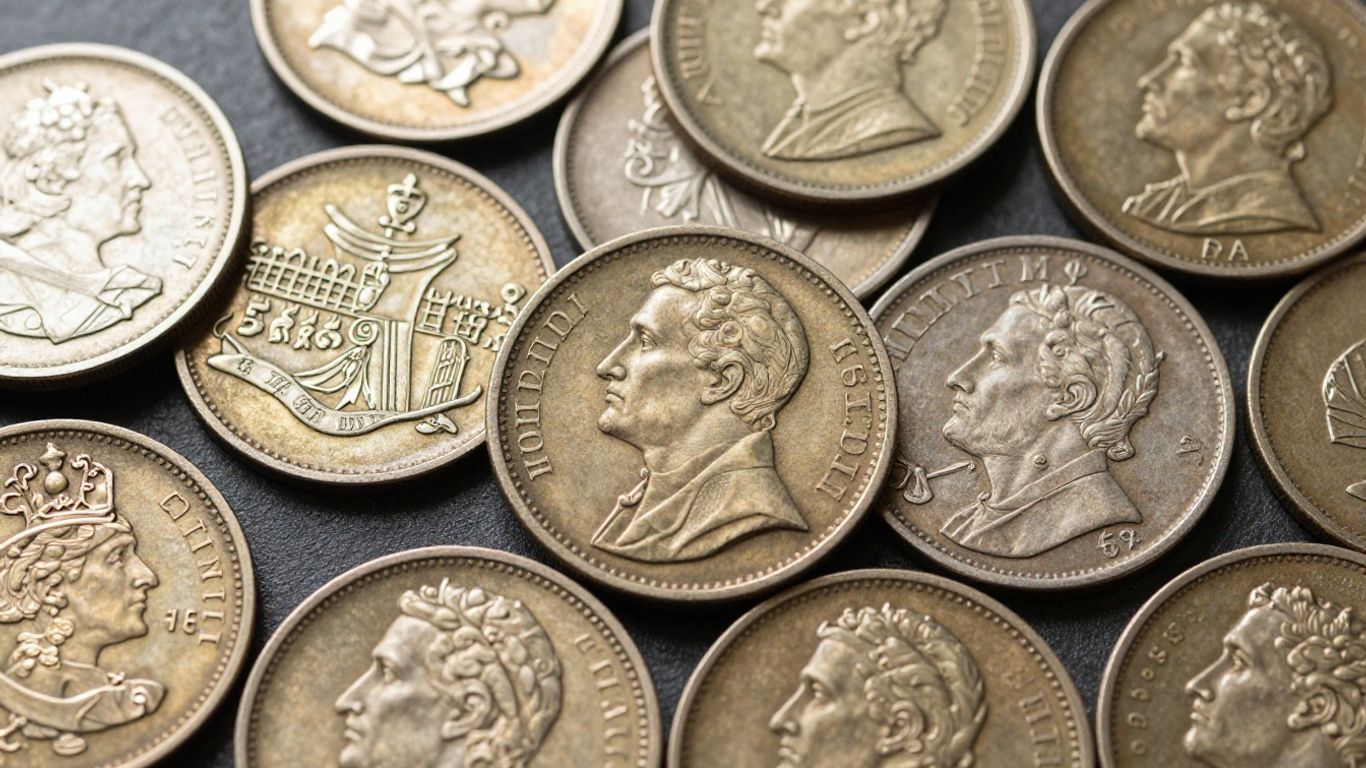
San Antonio, while known for its rich Texan history, also holds potential for uncovering fascinating European numismatic treasures. The thrill of finding a coin that has traveled across the Atlantic and through centuries is a unique experience for any collector. It’s about more than just metal; it’s about history, art, and the stories these small objects can tell.
Spotting Scarce European Coin Varieties
Finding a rare European coin often comes down to recognizing what makes it stand out from the common circulation pieces. Look for variations in mint marks, dates, or even minor design elements that might have been altered or produced in limited runs. Sometimes, a slight imperfection or a unique strike can indicate a scarce variety. Keep an eye out for coins with unusual toning or signs of wear that suggest a long and interesting journey.
- Mint Marks: Different mints within a European country often produced coins with distinct marks. Identifying these can point to rarer issues.
- Die Varieties: Minor changes in the dies used for striking coins can create subtle differences. These are often cataloged by numismatists.
- Error Coins: Coins struck off-center, with double strikes, or other manufacturing errors can be quite rare and sought after.
The Appeal of Historical European Mintages
European coinage spans a vast timeline, from ancient times to modern nation-states. Coins from periods of significant historical change, such as the Holy Roman Empire, the Napoleonic era, or the unification of Germany, often carry a special appeal. These pieces connect us directly to pivotal moments in history. For instance, coins from the early days of the United States often drew inspiration from European designs, making the study of European coinage a valuable pursuit for understanding American numismatics as well.
The allure of old European coins lies in their tangible connection to the past. Each piece is a miniature artifact, a testament to the economic, political, and artistic landscape of its time. Owning one is like holding a piece of history in your hand.
Where to Find European Coins Locally
While San Antonio might not be a primary hub for European coin dealers, opportunities do exist. Local coin shops, especially those with a long-standing presence, may occasionally acquire European pieces through estate sales or private collections. Attending local coin shows is also a good strategy, as dealers from various specialties often set up booths. Don’t overlook antique stores or flea markets, though caution is advised regarding authenticity and pricing in such venues. Building relationships with local dealers can also lead to them alerting you when they come across something interesting from across the pond.
Preserving Your European Coin Collection
Once you’ve acquired some interesting European coins, the next big step is making sure they stay in good shape. It’s not just about keeping them looking nice; it’s about protecting their value too. Think of it like taking care of any old, special item – you wouldn’t just toss it in a drawer, right?
Proper Coin Storage and Handling
Handling coins requires a gentle touch. Always hold them by their edges. Your fingers have oils and acids that can damage the coin’s surface over time, leading to what collectors call "toning" or even corrosion. For storage, there are several good options:
- Coin Flips: These are clear plastic pockets, often with two sections, one for the coin and one for a paper insert where you can write details. They’re inexpensive and offer good protection.
- Coin Albums: Many albums are designed for specific countries or coin types, with pre-cut slots. They offer a neat way to organize and display your collection.
- Coin Holders/Slabs: For your more valuable or rare finds, consider professional holders or "slabs" from grading services. These provide maximum protection.
Environmental Factors Affecting Coin Preservation
Where you store your coins matters a lot. Extreme temperatures, high humidity, and even light can cause problems. High humidity is a big one, as it can accelerate corrosion. Direct sunlight can fade labels in albums and potentially affect the coin’s surface over very long periods.
The goal is to create a stable environment for your coins, minimizing exposure to anything that could cause them harm. This means avoiding damp basements or hot attics for long-term storage.
Displaying Your European Coin Treasures
Displaying your collection can be a joy, but it needs to be done carefully. While it’s tempting to leave coins out where you can see them, remember the environmental factors. If you choose to display coins, use cases that offer some protection from dust and light. Some collectors opt for display cases with controlled humidity. For most, however, keeping coins in their protective holders within albums or boxes is the safest bet for long-term preservation.
The Thrill of the Hunt for European Coins
Tips for Successful Coin Searching
The pursuit of rare European coins is an adventure that rewards patience and keen observation. It’s not just about finding a coin; it’s about the journey of discovery. When you’re out looking, whether at local coin shops, flea markets, or even antique stores, keep your eyes peeled for anything that looks out of the ordinary. Sometimes, a coin that seems common might have a rare variety or a unique mint mark that makes it special.
- Educate Yourself: Before you start searching, learn about the types of European coins you’re interested in. Knowing common designs, mint marks, and dates for specific countries can help you spot a potential treasure.
- Visit Diverse Locations: Don’t limit yourself to just one type of venue. Explore different coin dealers, antique malls, estate sales, and even online auctions. Each place can offer unique opportunities.
- Be Prepared to Look: Sometimes, rare coins are mixed in with common ones. Be willing to sift through piles or trays of coins. A magnifying glass can be a helpful tool for examining details.
- Ask Questions: Engage with dealers and other collectors. They might have insights into what’s rare or what to look for.
The excitement of finding a European coin that has a story to tell, perhaps one that has traveled across continents and centuries, is a feeling unlike any other. It connects you to history in a tangible way.
Networking with Fellow European Coin Enthusiasts
Connecting with other collectors can significantly enrich your experience. Fellow enthusiasts often share knowledge, tips, and even leads on where to find specific coins. Local coin clubs or numismatic societies are excellent places to start. Attending coin shows, even if you don’t buy anything, allows you to meet people who share your passion. Online forums and social media groups dedicated to coin collecting also provide a platform for discussion and information exchange. Sharing your finds and learning from others’ experiences can help you avoid common pitfalls and discover new avenues for your collecting journey.
The Joy of Unearthing European Numismatic Gems
There’s a unique satisfaction that comes from discovering a rare European coin. It might be a coin with a low mintage, a historical error, or a variety that’s not well-documented. The thrill isn’t just in the potential monetary value, but in the historical significance and the rarity itself. Each coin has a past, and uncovering these numismatic gems allows you to become a custodian of that history. The process of research, identification, and acquisition is a rewarding cycle that keeps collectors engaged and eager for the next discovery.
Wrapping Up Your Coin Hunt
So, that’s a quick look at finding some interesting European coins right here in San Antonio. It might seem like a big task at first, but with a little patience and knowing where to look, you can definitely uncover some hidden treasures. Remember, the joy of collecting isn’t just about the coins themselves, but the stories they tell and the thrill of the hunt. Keep exploring, keep learning, and who knows what amazing pieces you might find next.
Frequently Asked Questions
What kinds of European coins can I find in San Antonio?
San Antonio offers a variety of European coins. You might discover pieces from ancient times, like Roman coins, or more recent ones from countries like France, Germany, or Great Britain. The selection often depends on what local dealers have acquired or what collectors bring to shows.
How do I know if a European coin I found is valuable?
A coin’s value depends on several things. These include its rarity, how old it is, its condition (whether it’s worn or looks new), and if it’s made of a precious metal like silver or gold. Checking with coin experts or using price guides can help you figure out its worth.
Where are the best places to look for European coins in San Antonio?
You can find European coins at local coin shops, antique stores, and coin shows. Keep an eye out for announcements about collector events in the San Antonio area. Sometimes, online marketplaces also list coins from local sellers.
What should I do if I think I've found a very rare European coin?
If you suspect you have a rare find, it’s best to handle it carefully and avoid cleaning it, as this can lower its value. Consider consulting a professional coin appraiser or a reputable coin dealer in San Antonio. They can help you determine its authenticity and value.
Are there specific books or resources that can help me learn about European coins?
Yes, there are many helpful resources. Look for books that cover the history of European coinage or specific countries. Numismatic (coin collecting) magazines and online databases are also great places to find information and learn about different coins.
How can I tell if a European coin is real or a fake?
Detecting fakes can be tricky, but there are clues. Real coins often have consistent weight, size, and design details. Comparing your coin to known genuine examples in books or online can help. Professional grading services can also verify authenticity.
What's the best way to store and care for my European coins?
To keep your coins in good shape, store them in protective holders like Mylar flips or albums designed for coins. Avoid touching the coin’s surface directly, as oils from your skin can cause damage over time. Store them in a stable environment, away from extreme temperatures and humidity.
Is it hard to start collecting European coins?
Starting a collection can be as simple or as complex as you want it to be. You can begin by focusing on coins from a single country, a specific time period, or even coins with a particular theme. The most important thing is to collect what interests you and enjoy the process.