
When you’re looking at coins, you’ll notice prices can be all over the place. It’s not just about how much silver or gold is in there. There’s this thing called a premium, and it’s a big part of coin premium pricing explanations. This article breaks down what that premium really means, why it matters, and how it affects what you pay and what you might get back. We’ll look at what makes prices go up or down, and how to figure out if you’re getting a fair deal.
Key Takeaways
- The premium on a coin is the extra cost above its basic metal value, influenced by factors like rarity and condition.
- Market forces, particularly supply and demand, significantly shape coin premium pricing.
- A coin’s condition and its historical importance are major drivers of its premium.
- Calculating a coin’s premium involves comparing its market price to its intrinsic metal value.
- Understanding coin premium pricing explanations is vital for making smart investment and collection decisions, balancing potential profits with inherent risks.
Understanding Coin Premium Pricing Explanations
Definition of the Premium
When you look at coins, especially those made of precious metals like silver or gold, you’ll notice their price isn’t just about the metal inside. That extra amount you pay above the raw metal value is what we call the ‘premium’. Think of it this way: if a coin has $20 worth of pure silver in it, but it sells for $25, that extra $5 is the premium. It’s not a fee or a tax; it’s simply the market’s way of pricing in other aspects of the coin beyond its weight.
Importance of Premium in the Market
This premium is a pretty big deal in the coin world. It tells you a lot about what people think of a particular coin. A coin with a high premium often means it’s in demand, maybe because it’s rare, in great shape, or has a cool design that collectors really like. On the flip side, a coin with a low premium might be more common or less popular right now. For anyone buying or selling, understanding the premium is key because it directly affects how much you pay and what you might get back later. It’s like a pulse check for the coin market.
Premium Versus Intrinsic Value
It’s really important to tell the difference between a coin’s ‘intrinsic value’ and its ‘premium’. The intrinsic value is straightforward – it’s just the value of the precious metal content itself. You figure this out by looking at how much pure metal is in the coin and multiplying it by the current market price of that metal. The premium, however, is everything else added on top. It’s influenced by things like how many of the coins were made, their condition, and whether they have historical importance or are just plain attractive to collectors. So, intrinsic value is the metal’s worth, while the premium is the collector’s or investor’s added perception of worth.
- Intrinsic Value: Based purely on the weight and purity of the precious metal. This is the baseline.
- Premium: The amount paid above the intrinsic value.
- Factors for Premium: Rarity, condition, historical significance, design appeal, minting errors, and market demand.
Understanding the difference helps you see if you’re paying for metal or for the coin’s unique characteristics. It’s not always about the silver or gold content alone.
Factors Influencing Coin Premiums
So, why do some coins cost more than just the silver or gold they’re made of? It’s not just random. A few big things push that price up, and understanding them is key to not getting ripped off.
Supply and Demand Dynamics
This is pretty basic economics, really. If a lot of people want a specific coin, but there aren’t many of them out there, sellers can charge more. It’s like when a popular video game comes out – everyone wants it, and stores might charge a bit extra because they know people will pay. The opposite is true too; if nobody’s really looking for a coin, the price above the metal value might shrink, or even disappear.
- High Demand + Low Supply = Higher Premium
- Low Demand + High Supply = Lower Premium
- Market Sentiment: General interest in coins or precious metals can shift demand quickly.
Coin Condition and Preservation
Imagine you have two identical coins, minted at the same time. One looks like it’s been through a war – scratched, worn, maybe even bent. The other one is practically perfect, shiny, with all its details sharp. Which one do you think collectors will pay more for? Yep, the pristine one. People are willing to shell out extra cash for coins that have been well looked after because they’re rarer and just look better. The better a coin’s condition, the higher its premium is likely to be.
Here’s a quick look at how condition is often talked about:
- Brilliant Uncirculated (BU): Looks like it just left the mint, no wear.
- About Uncirculated (AU): Shows very minor wear, but still looks great.
- Extremely Fine (XF): Some wear is visible, but the coin still has a lot of its original detail.
- Very Fine (VF): Noticeable wear, but the main features are still clear.
Rarity and Historical Significance
Sometimes, a coin’s story or how few of them were made really bumps up its price. If a coin was part of a limited run, or if it’s tied to a cool historical event, collectors get really interested. Think about coins that were only minted for a short time, or maybe ones that have a famous mistake on them. These unique aspects make them special and drive up demand, which, as we’ve seen, means a higher premium.
A coin’s history and how many were originally produced are huge factors. Even if the metal content is the same, a coin with a compelling story or a very limited mintage will almost always fetch a higher price than a common one.
Calculating the Premium on Coins
Figuring out the premium on a coin might sound complicated, but it’s really just about comparing what the metal inside is worth to what someone’s actually paying for the coin. It’s not some secret code; it’s a straightforward calculation that helps you see how much extra you’re paying for the coin’s collectibility, rarity, or condition.
Method for Premium Calculation
To get a handle on the premium, you first need to know the coin’s intrinsic value. This is simply the value of the pure silver (or gold, or whatever metal) contained within it, based on the current market price. Once you have that, you compare it to the selling price. The difference is your premium.
Here’s a step-by-step breakdown:
- Find the fine metal weight: Determine how much pure silver (or gold) is actually in the coin. This is usually listed in grams or ounces.
- Check the spot price: Look up the current market price for that metal per gram or ounce. You can find this information easily online.
- Calculate intrinsic value: Multiply the fine metal weight by the spot price. This gives you the base value of the metal itself.
- Calculate the premium in currency: Subtract the intrinsic value from the coin’s selling price. This is the dollar amount of the premium.
- Calculate the premium as a percentage: Divide the premium amount (from step 4) by the intrinsic value (from step 3) and multiply by 100. This shows the premium as a percentage of the metal’s worth.
Example of Premium Calculation
Let’s say you’re looking at a silver coin. It contains 30 grams of pure silver, and the current silver price is $0.80 per gram. The intrinsic value of the silver in the coin is 30 grams * $0.80/gram = $24. If this coin is being sold for $30, then the premium is $30 – $24 = $6. To express this as a percentage, you’d calculate ($6 / $24) * 100 = 25%. So, you’re paying a 25% premium over the silver’s melt value. This is a pretty standard way to evaluate a silver coin’s premium.
Here’s a quick look at that example:
| Component | Value |
|---|---|
| Fine Silver Weight | 30g |
| Silver Spot Price | $0.80/g |
| Intrinsic Value | $24 |
| Selling Price | $30 |
| Premium ($) | $6 |
| Premium (%) | 25% |
Interpreting Premium Results
So, you’ve done the math. What does that number actually mean? A higher premium often suggests that the coin is in high demand, is quite rare, or has a special appeal to collectors. It means people are willing to pay more than just the metal’s worth for the coin itself. On the flip side, a lower premium might mean the coin is more common or less sought after by collectors. It’s important to remember that this isn’t a hard and fast rule; the coin’s condition, its mint year, and current market buzz can all shift that premium around quite a bit.
The premium isn’t a fixed value; it’s a dynamic figure influenced by market sentiment, collector interest, and the coin’s specific attributes. Understanding this variability is key to making sound decisions.
It’s also worth noting that the premium can change. What seems like a good deal today might look different tomorrow if market conditions shift. That’s why doing your homework and comparing prices across different sellers is always a smart move before you buy.
The Role of Premium in Numismatics
In the world of coin collecting, the "premium" is more than just an extra cost; it’s a key indicator of a coin’s desirability and its place within the numismatic market. It’s the amount added to a coin’s intrinsic metal value, reflecting factors that go beyond simple weight and purity. Think of it as the market’s way of saying a coin is special for reasons beyond its material.
Premium and Coin Collecting
The premium is what truly separates a bullion coin from a collectible one. While both contain precious metal, the collectible coin carries an additional layer of value. This extra value is driven by:
- Rarity: How many of these coins were originally made, and how many still exist today?
- Condition: Is the coin in near-perfect shape, or does it show signs of wear and tear? Coins in top condition, like those graded MS70 or PF70, can command significantly higher premiums, sometimes hundreds of percent above their metal worth. This shows how much the market values pristine examples.
- Historical or Artistic Significance: Does the coin commemorate an important event, feature a famous figure, or possess unique artistic merit?
For collectors, the premium isn’t just about potential profit; it’s about acquiring a piece of history or art that resonates with them. It’s the difference between owning a commodity and owning a tangible story.
Valuation of Collectible Coins
Determining the value of a collectible coin involves looking at several elements, with the premium playing a central role. The intrinsic value of the metal is the baseline, but the premium is where the real numismatic assessment happens. Factors influencing this premium include:
- Mintage Numbers: Lower mintages generally lead to higher premiums.
- Eye Appeal: How attractive is the coin visually? This is subjective but important.
- Provenance: Does the coin have a documented history of ownership, perhaps by a famous collector?
This complex valuation process means that two coins with the same metal content can have vastly different prices due to their numismatic qualities and the associated premium. Understanding these nuances is key to making informed acquisitions in the coin collecting hobby.
Numismatic Market Trends
The numismatic market is always shifting, influenced by economic conditions, cultural interests, and collector preferences. Trends can see certain types of coins or historical periods become more popular, driving up their premiums. For instance, a renewed interest in a specific era might cause coins from that time to see their premiums rise, even if their rarity hasn’t changed. Staying aware of these trends helps collectors and investors anticipate shifts in demand and potential value appreciation. It’s a dynamic environment where understanding the factors that contribute to a coin’s premium is vital for success.
Impact of Premium on Investment Strategies
Investment Approaches with Premium
When you’re looking at coins as an investment, that premium price tag really changes how you might approach things. It’s not just about the silver or gold content anymore; you’re factoring in collector interest, rarity, and market buzz. Some folks like to buy coins when their premium is relatively low, hoping that demand will eventually push that premium up, increasing their overall return beyond just the metal’s spot price. It’s a bit like buying a stock when it’s down, expecting it to rebound. Others might go for coins that already have a high premium, betting that their desirability or scarcity will continue to drive the price even higher. This is a more aggressive play, similar to investing in a company with a lot of hype, but it carries more risk.
Premium's Influence on Acquisition Cost
The premium directly affects how much you pay upfront. A coin with a 5% premium costs you less than an identical coin with a 20% premium, even if the underlying metal value is the same. This means your break-even point for making a profit is higher with a higher premium. You need the coin’s total value (metal + premium) to increase significantly just to cover your initial cost. This added cost is a key consideration for anyone looking to build a substantial collection or portfolio.
Here’s a simple way to see how it affects cost:
| Coin Type | Metal Value | Premium Percentage | Premium Amount | Total Acquisition Cost |
|---|---|---|---|---|
| Coin A (Low Premium) | $1,000 | 5% | $50 | $1,050 |
| Coin B (High Premium) | $1,000 | 20% | $200 | $1,200 |
Understanding the premium is like knowing the entry fee for a particular game. Some games have a low entry fee, making it easier to start playing and potentially win. Others have a high entry fee, meaning you need a bigger win to even get your money back. It’s about assessing if the potential reward justifies the initial cost.
Risks Associated with Coin Premiums
While the allure of a coin’s premium can be strong, it’s important to acknowledge the potential downsides. Not every premium coin is a guaranteed winner, and understanding these risks can save you from costly mistakes. It’s not just about the metal; it’s about the market’s perception, which can shift.
Premium Volatility and Fluctuations
The price you pay above the melt value, known as the premium, isn’t set in stone. It can change, sometimes quite quickly. Factors like shifts in collector interest, changes in the overall precious metals market, or even news events can cause premiums to rise or fall. This means a coin bought with a certain premium might be worth less relative to its metal content later on. Imagine buying a silver eagle with a 20% premium, only to see that premium drop to 5% a few months later. Even if silver prices stay the same, your coin’s market value, based on the premium, has decreased.
Risk of Overvaluation
Sometimes, a coin might carry a premium that’s simply too high. This can happen due to hype, aggressive marketing, or a seller’s desire for a larger profit. When you pay an excessive premium, your potential for profit shrinks considerably. You’re essentially starting from a higher cost basis. If the market doesn’t agree with that high valuation, you could be left holding a coin that’s difficult to sell without taking a loss. It’s like buying a used car that’s priced way above its actual worth.
Potential for Counterfeits
Unfortunately, the world of numismatics isn’t immune to fraud. Scammers might create fake coins and try to sell them with attractive premiums, making them seem legitimate and desirable. These counterfeits often mimic genuine coins but lack the intrinsic value of the metal and the numismatic appeal. It’s a serious concern, especially when dealing with less reputable sources. Always be cautious and consider the source of your coins. Learning about common counterfeiting techniques can be helpful, and seeking out certified coins from trusted dealers is a wise step.
The premium on a coin is a dynamic figure, influenced by a complex interplay of market forces, collector sentiment, and the coin’s own characteristics. While it can signal desirability, it also introduces a layer of financial risk that requires careful consideration and due diligence from any buyer.
Premium Variations Across Different Coin Products
Not all coins are created equal when it comes to their price tag beyond the metal’s worth. You’ll find that different types of precious metal products come with their own set of premiums, and knowing this can really help when you’re deciding what to buy.
Government-Minted Coins vs. Private Bars
Coins made by official government mints, like the American Eagle or Canadian Maple Leaf, usually cost more than plain bars made by private companies. This is because government coins have a recognized value as legal tender, they’re well-known, and they’re generally easier to sell later on. Think of them as having a built-in trust factor. Typically, you might see gold government coins trading at a premium of about 5-8%, while silver ones could be in the 15-25% range under normal market conditions. But, if everyone suddenly wants silver and there isn’t much available, those premiums can shoot up – we’ve seen silver Eagle premiums go over 40% when things get crazy in the market.
Private mint bars, especially the larger ones, often have lower premiums per ounce. This is mainly because they’re cheaper to produce. However, they might not be as easy to sell off in smaller amounts, and finding a buyer might take a bit longer.
Numismatic and Collectible Coin Premiums
Then you have coins that are considered numismatic or collectible. These are in a whole different league when it comes to premiums. Their price is driven much more by how rare they are, their condition, and how much collectors want them, rather than just the amount of metal they contain. Premiums here can easily be 30-50% or even higher. While these are fascinating for serious collectors, they’re usually not the best choice if you’re just looking to own precious metals as an investment. The premium you pay on these becomes part of your initial cost, and you have to make that back just to break even before you see any profit from the metal’s price going up.
Impact of Product Size on Premium
Generally, larger bars or coins tend to have lower premiums per ounce compared to smaller ones. This is because the minting or casting process costs are spread over more metal. For example, a 10-ounce silver bar will likely have a lower premium per ounce than a single 1-ounce silver round. However, smaller units offer more flexibility for selling or trading smaller portions of your holdings.
When you’re choosing which precious metal product to buy, it’s really important to think about what you want to achieve. If your main goal is to have as much metal as possible for your money, then products with lower premiums are usually the way to go. High-premium collectibles might be interesting for other reasons, but not typically for maximizing metal ownership.
Here’s a quick look at how premiums can differ:
- Government Coins: Higher premiums, legal tender status, good liquidity.
- Private Bars: Lower premiums, especially for larger sizes, potentially less liquid.
- Numismatic Coins: Premiums based on rarity and collector demand, often very high, not ideal for pure metal investment.
Benefits of Investing in Premium Coins
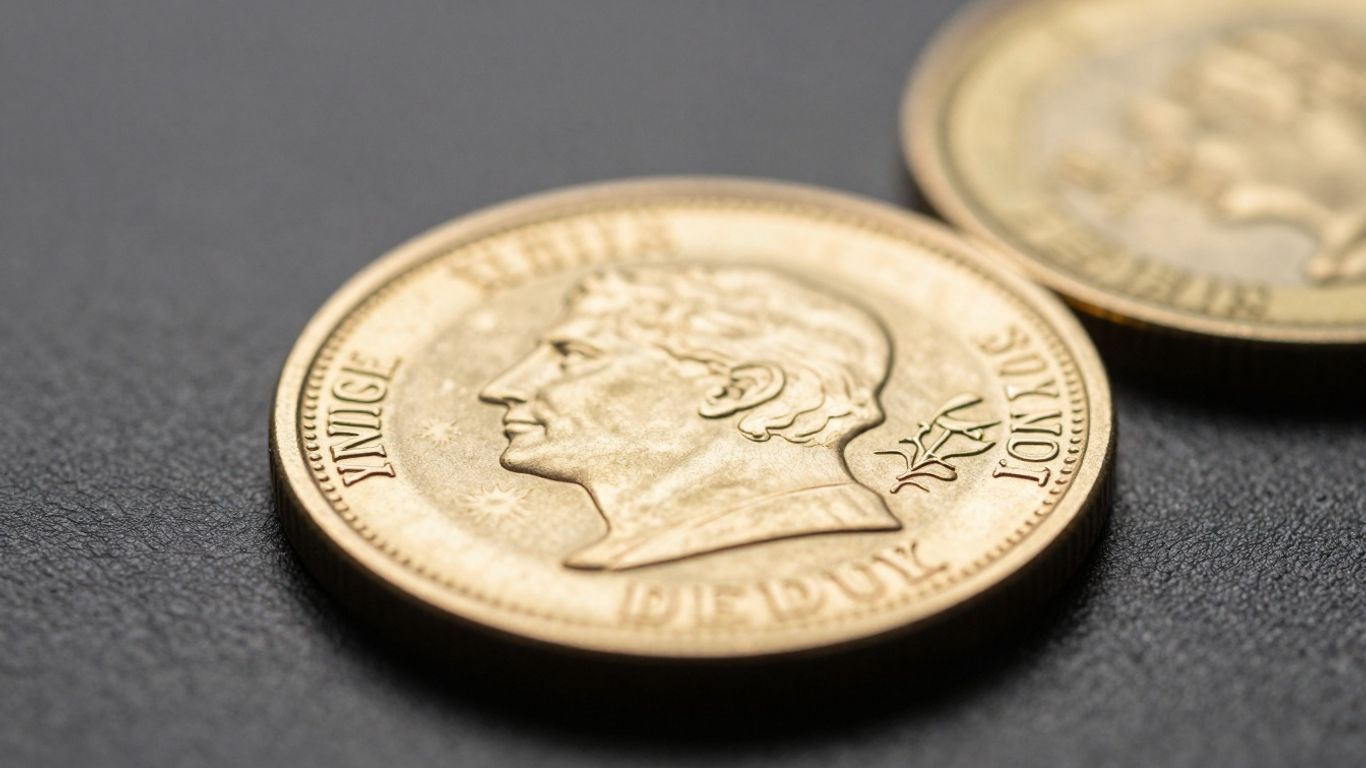
When you’re looking at coins that carry a premium, it’s not just about the metal inside. That extra cost, the premium, often points to something more – potential for growth beyond the spot price of gold or silver. It’s like buying a piece of history or art that also happens to be made of precious metal.
Potential for Higher Profit Margins
One of the main draws of premium coins is the possibility of seeing bigger gains. If a coin is particularly sought after, its premium can increase over time. This means you could potentially make more profit than if you had just bought bullion without that added collector appeal. Think of it this way: you’re not just betting on the metal price; you’re also betting on the coin’s desirability.
- Increased demand: Popular coins often see their premiums rise.
- Scarcity: Limited mintage or rare dates can drive up the premium.
- Collector interest: A coin with a compelling story or aesthetic can attract dedicated buyers.
This speculative potential beyond the metal value is a key reason investors consider premium coins.
Collectible Value and Diversification
Premium coins can also serve as a way to diversify your investment portfolio. They offer a tangible asset that might appreciate for reasons beyond pure commodity value. Some coins are valuable not just for their gold or silver content, but for their historical context, artistic merit, or rarity. This dual nature – precious metal plus collectible appeal – can make them a unique addition to your holdings. For those looking to diversify, you might find options at places like GOLDMARKET in Strasbourg.
Speculative Potential Beyond Metal Value
Beyond just holding onto precious metals, premium coins offer a chance to speculate on specific numismatic trends. You’re essentially buying into the idea that the coin’s appeal to collectors will grow, pushing its price higher than just the sum of its metal parts. This is where understanding the market and what makes a coin desirable becomes important. Older year bullion coins, for instance, can be a cost-effective choice for investors, offering the same intrinsic gold or silver value as newer coins, making them an equally valuable option for acquiring precious metals without paying a premium for the latest minting older year bullion coins.
Investing in coins with a premium means you’re looking for more than just a store of value. You’re seeking an asset that might grow in price due to factors like rarity, historical significance, or collector demand, potentially leading to greater returns than plain bullion.
Distinguishing Coins With and Without Premium
When you’re looking at coins, especially those made of precious metals like silver or gold, you’ll notice that their prices aren’t always just about the metal content. There’s often an extra layer, a sort of added cost or value, that collectors and investors consider. This is what we call the ‘premium’. Understanding whether a coin carries a premium, and why, is key to making smart choices.
Features of Premium Coins
Coins that come with a premium are often the ones that catch the eye. They usually have something extra going for them beyond just their metal weight. Think of it like buying a basic car versus one with all the fancy upgrades – you pay more for the extras.
- Speculative Potential: These coins are often bought with the hope that their value will climb faster than just the price of the metal. People are betting on their desirability.
- High Demand: They tend to be sought after by many collectors or investors, which naturally pushes their prices up.
- Quality and Appeal: Sometimes, a higher premium is due to the coin’s exceptional purity, intricate design, or historical story that makes it more attractive.
The premium isn’t a fixed thing; it can change based on what people are feeling about the market and specific coins.
Advantages of No-Premium Coins
On the flip side, coins without a significant premium offer a different kind of appeal. They’re often seen as a more straightforward way to hold onto wealth.
- Direct Metal Value: Their price is much closer to the actual worth of the precious metal they contain. You’re mostly paying for the silver or gold itself.
- Stability: They can feel more secure, especially if your main goal is to protect your savings from economic ups and downs. There’s less guesswork involved.
- Predictability: Their value is more directly tied to the commodity price of the metal, making their price movements more predictable.
Choosing Based on Investment Objectives
So, which type of coin is right for you? It really boils down to what you want to achieve with your money.
- For Growth Seekers: If you’re looking for potentially higher returns and are comfortable with a bit more risk and market watching, coins with a premium might be your path. They offer that extra layer for potential appreciation.
- For Security First: If your priority is safeguarding your capital and having a tangible asset whose value is closely tied to a stable commodity price, coins without a premium are likely a better fit. They act more like a direct store of value.
- For Diversification: Many people find a balance. They might invest in both types – using no-premium coins for a solid base and premium coins to add a speculative element or collectible appeal to their portfolio. It’s a way to spread your bets.
Navigating the Premium Landscape
Figuring out coin premiums can feel like trying to read a map in the dark sometimes. It’s not always straightforward, and knowing where you stand is pretty important if you’re serious about collecting or investing. Understanding the different factors that make a coin’s price go up beyond its metal content is key.
Importance of Market Knowledge
Knowing the market is like having a compass. Without it, you’re just guessing. This means keeping an eye on what’s happening with supply and demand, not just for the metal itself, but for specific coins. Are certain coins suddenly harder to find? Is everyone trying to buy the same type of coin? These things affect the premium. It’s also about knowing the general trends – are premiums for silver coins usually higher than gold? What about during economic uncertainty?
Tips for Buying Silver Coins
When you’re looking at silver coins, remember that premiums can change a lot. For common government-issued silver coins, like American Silver Eagles or Canadian Maple Leafs, the premium is usually a percentage above the silver’s current market price. This percentage can jump up if there’s a big rush to buy or if the mint can’t produce enough. For example, during busy times, you might see premiums for silver coins go from a typical 15-25% to over 40%.
- Check the premium percentage: Always ask what the premium is on top of the silver price.
- Compare prices: Don’t just buy from the first place you look. Different dealers will have different premiums.
- Consider the coin type: Government coins usually have higher premiums than generic silver bars, but they can be easier to sell later.
- Look at the total cost: The premium is part of your total investment. A lower premium means more silver for your money.
Seeking Expert Advice
Sometimes, it’s just better to ask someone who knows the ropes. A good dealer or a numismatic advisor can help you see past the hype. They can explain why one coin has a higher premium than another and if that premium makes sense for your goals. They’ve seen market ups and downs and can offer insights that you might miss on your own. It’s like having a guide when you’re exploring unfamiliar territory.
Paying attention to premiums is not just about the price today; it’s about how that price might change tomorrow. A coin with a high premium might seem like a good deal if you think its collector value will soar, but it also means you need a bigger jump in price just to break even on the metal itself.
Wrapping Up: Your Premium Coin Journey
So, we’ve looked at what makes a silver coin cost more than just its metal weight. It’s not just about the silver itself, but also things like how rare it is, its condition, and what collectors think it’s worth. Understanding this ‘premium’ is pretty important if you’re thinking about buying or selling. It can change a lot based on what’s happening in the market, so keeping an eye on it is a good idea. Just remember, it’s not always a straight line to profit; there are risks involved, like paying too much or the premium dropping. Doing your homework and knowing what you’re getting into will help you make smarter choices, whether you’re collecting for fun or investing for the future.
Frequently Asked Questions
What exactly is a premium on a coin?
Think of a premium as an extra charge you pay for something special. For coins, it’s the amount the selling price is higher than the value of the silver or gold inside. This extra cost covers things like how rare the coin is, its condition, and how much collectors want it.
How is the premium for a coin decided?
The premium is mostly decided by the market, meaning how many people want to buy a coin versus how many are available. If a coin is very popular and hard to find, sellers can charge a higher premium. It’s like a popularity contest for coins!
What things can change the premium on a coin?
Several things can affect a coin’s premium. The coin’s condition is a big one – a coin that looks brand new will have a higher premium than one that’s scratched and worn. Also, how rare the coin is and its history play a significant role. Sometimes, just how much people are talking about a certain coin can also boost its premium.
Do all silver coins come with a premium?
Not necessarily. While many collectible and investment silver coins have a premium, some might have a very small one or none at all. This often happens with very common coins where the main value is just the silver content itself.
How can I figure out the premium for a coin I want to buy?
To calculate the premium, first find out the value of just the metal in the coin. Then, compare that to the price the seller is asking. The difference between the selling price and the metal value is the premium. You can express this difference as a percentage of the metal’s value.
Is it a good idea to invest in coins that have a high premium?
Investing in coins with a high premium can offer the chance for bigger profits if the premium increases further. However, it also carries more risk. If the premium drops after you buy, you could lose money even if the price of the metal goes up. It’s a strategy that requires careful thought.
What's the difference between a coin with a premium and one without?
Coins with a premium often have extra appeal due to their rarity, design, or historical importance, making them desirable to collectors beyond just their metal value. Coins without a premium typically have a price very close to the value of the metal they contain, making them more straightforward for investors focused purely on the metal’s worth.
What are the main dangers when dealing with coin premiums?
One big risk is that premiums can change quickly, going up or down unexpectedly. You might also pay too much for a coin, meaning its premium is too high, which cuts into your potential profit. It’s also important to be aware of fake coins that might be sold with a seemingly attractive premium.