
Ever picked up a coin and wondered about those tiny marks on its surface? They’re not always damage, and knowing the difference is key to understanding a coin’s true story and worth. This guide will help you sort out what’s what, especially when it comes to bag mark identification on coins. We’ll look at how coins are made, what happens to them after they leave the mint, and how to spot the difference like a pro.
Key Takeaways
- Bag marks are small imperfections that can occur during the minting or handling process, and they are often acceptable on uncirculated coins.
- Distinguishing between natural wear from circulation and actual damage caused by mishandling is vital for accurate coin assessment.
- Original mint luster is a significant factor in a coin’s appearance and value, while hairlines from cleaning usually detract from it.
- Systematic examination, using tools like a magnifying loupe and good lighting, helps identify mint-made flaws versus post-mint damage.
- Understanding the role of mint marks, strike quality, and edge condition provides deeper insight into a coin’s authenticity and potential value.
Understanding Bag Marks vs. Real Damage
Distinguishing Circulation Wear from Handling Blemishes
When you first look at a coin, especially one that’s been around for a while, it’s easy to get confused about what’s normal wear and what’s actual damage. Coins that have spent time in circulation will naturally show some wear on their highest points, like the details of a portrait or the rim. This is expected and part of a coin’s history. It’s like the scuffs on a favorite pair of shoes – they show the shoe has been used. However, damage is different; it’s usually more severe and looks like it wasn’t caused by just being passed around. Think deep scratches, nicks, or dents that weren’t there when the coin left the mint. These kinds of marks can really bring down a coin’s value.
The Significance of Lustre and Hairlines
Lustre is that beautiful, original shine a coin has when it’s brand new, fresh from the mint. It’s like the sparkle on a gem. A coin with strong, original lustre is usually worth more than one that looks dull. Sometimes, people try to clean coins to make them look shinier, but this often backfires. They might use a soft cloth or even a bit of polish, and while it might seem like they’re helping, they’re actually creating tiny scratches. These little scratches are called hairlines, and they’re a big red flag for collectors. You can usually see them under magnification. If a coin has hairlines, it’s a sign it’s been cleaned, and that almost always lowers its grade and value.
Identifying Bag Marks on Coins
Bag marks are a common sight on many coins, especially those that are considered uncirculated. These aren’t signs of damage from rough handling or circulation. Instead, they are small nicks and marks that happen when coins are being made at the mint and then tossed into bags with other coins. Imagine a big bag full of brand-new coins bumping against each other – that’s how they get these little marks. They’re usually very small and don’t detract much from the coin’s overall appearance. For a coin to be considered in top condition, it might have a few minor bag marks, but anything more significant, like a deep scratch or a gouge, would be considered actual damage and not just a bag mark. It takes practice to tell the difference, but knowing what to look for is key.
Examining Coin Surfaces Like A Professional
The Importance of a Systematic Examination
Looking at coins like a pro isn’t just about having a magnifying glass; it’s about having a plan. You can’t just randomly stare at a coin and expect to see everything. It’s like trying to find a specific book in a huge library without knowing where to start. A good approach means you won’t miss important details, whether it’s a tiny mint mark or a scratch that could affect value. This methodical way of looking helps you get a consistent picture of the coin’s condition every time.
Spotting Mint-Made Imperfections vs. Post-Mint Damage
One of the trickiest parts is telling the difference between marks that happened when the coin was made and those that happened later. Coins can come from the mint with little issues – maybe a small pit on the surface or a slightly weak strike in one spot. These are often called
Decoding Mint Marks and Other Key Details
The Critical Role of Mint Marks
Mint marks are like a coin’s birthplace, tiny letters that tell you where it was made. You’ll usually find them on the back, near the date, or sometimes on the front. For example, a "D" means Denver, "S" means San Francisco, and "P" for Philadelphia (though Philadelphia often doesn’t have a mark). Some mints, like West Point ("W"), produced fewer coins, making those pieces more sought after by collectors. Knowing the mint mark is a big step in figuring out a coin’s rarity and potential value. It’s not just about where it was made, but how many were made there.
Assessing Strike Quality and Full Bands
When a coin is made, a metal disc gets hit by a die with the design. How well that design transfers is called "strike quality." A coin with a "strong strike" will have sharp, clear details. Think of every little line on a feather or every bit of hair looking crisp. A "weak strike," on the other hand, might have mushy or faded details, often because the die was worn out. For some coins, like Mercury dimes, collectors look for "full bands" on the reverse. This means the horizontal bands on the fasces (a bundle of rods) are fully detailed and sharp. It’s a sign of a good strike.
Here’s a quick look at strike quality indicators:
- Strong Strike: All design elements are sharp and well-defined.
- Average Strike: Most details are clear, but some finer points might be a bit soft.
- Weak Strike: Key details are missing, blurry, or incomplete.
Identifying Contact Marks and Surface Flaws
Coins can get little dings and scratches after they leave the mint. These are called "contact marks." They happen when coins bump into each other in bags or during handling. While some are unavoidable, too many or deep ones can really hurt a coin’s grade. You’ll want to look closely for these. Sometimes, you might see other surface issues too, like hairlines (very fine scratches) or even signs of cleaning, which can make a coin less desirable. A good magnifying glass, maybe 10x, and a bright light are your best friends for spotting these small imperfections. It’s all about training your eye to see what others might miss.
Spotting these small details separates a casual observer from someone who really knows their coins. It’s the difference between just looking at a coin and truly evaluating it.
The Overlooked Significance of the Coin Edge
When you first get into coin collecting, it’s easy to focus on the big picture – the design, the date, maybe a mint mark. But there’s a whole other part of the coin that most people just ignore: the edge. Seriously, it’s like the forgotten stepchild of coin examination. Yet, this often-missed detail can tell you a lot and even affect a coin’s value. So, let’s give the edge the attention it deserves.
Examining Edge Condition for Value
The edge of a coin is its outer rim, and its condition can be a real indicator of a coin’s history and how it’s been treated. Think about it: if a coin has been roughly handled or stored improperly, the edge might show signs of wear, nicks, or even damage. A coin with a clean, well-preserved edge, especially if it’s supposed to have specific features like reeding, often suggests better overall care. This attention to detail can be particularly important for higher-grade coins where even small imperfections matter. Sometimes, an unusual edge can even point to a minting error, making it quite interesting to collectors.
Understanding Reeding, Plain, and Lettered Edges
Coins come with different types of edges, and knowing what to look for is key. Most modern coins, like the U.S. quarter, have what’s called a reeded edge. These are those little parallel grooves you see running around the side. Historically, this was done to prevent people from shaving off bits of precious metal, but today it’s mostly just part of the design. Then there are plain edges, which are just smooth all the way around. You’ll find these on some older coins or specific types of errors. Finally, some coins, like the U.S. Presidential dollars, have lettered edges. This means there’s text inscribed directly onto the edge, like a motto or the year. You’ll need to tilt the coin under a good light to read it properly.
Here’s a quick rundown:
- Reeded Edge: Features parallel grooves. Common on many circulating coins.
- Plain Edge: Smooth surface. Found on certain older coins or mint errors.
- Lettered Edge: Inscribed with text. Requires careful inspection to read.
Security Features on Modern Coin Edges
It’s not just about old coins or basic designs anymore. Modern mints are getting creative with coin edges, especially for collectible or bullion coins. Some coins now incorporate unique patterns or micro-engravings on the edge specifically as a security measure. These features are designed to make counterfeiting much harder. For instance, a specific pattern of ridges or even tiny, almost invisible text can be incorporated. While not every coin has these, they are becoming more common, particularly on coins intended for investment or as collector’s items. It’s another layer to examine when you’re looking at a coin closely, and it shows how much thought goes into coin production beyond just the main faces. Learning about these details can help you spot genuine pieces and appreciate the craftsmanship involved. For example, understanding the mint mark on a coin, like the ‘S’ for San Francisco, is important, and so is knowing what the edge tells you about its security and origin.
The edge of a coin is more than just its boundary; it’s a canvas for historical practices, design choices, and even modern security innovations. Overlooking it means missing a significant part of the coin’s story and potential value.
Mastering Bag Mark Identification on Coins
Bag marks are a common feature on coins, especially those that have been handled or stored in bulk. Understanding what they are and how they affect a coin’s appearance and value is key for any serious collector. These aren’t usually the result of circulation wear, but rather minor abrasions that occur during the minting process or when coins are bagged together before distribution. Distinguishing these minor imperfections from more significant damage is a skill that develops with practice.
Defining Bag Marks in Numismatics
In the world of coin collecting, bag marks refer to small nicks, scratches, or abrasions that appear on the surface of a coin. They typically happen when coins rub against each other in mint bags or during transit. Think of it like this: thousands of coins tumbling around together. It’s almost inevitable that some minor surface marks will appear. These marks are generally considered normal for coins that have not been in circulation, particularly for those graded as Uncirculated. They are distinct from wear, which is the gradual loss of metal from the high points of a coin’s design due to friction from handling or circulation.
Acceptable Marks on Uncirculated Coins
Uncirculated coins, by definition, have not passed through commerce. However, this doesn’t mean they are flawless. The minting and bagging process itself can introduce surface marks. For a coin to be considered Brilliant Uncirculated (BU), it can still possess a certain number of bag marks, provided they are not severe. The key is that these marks should not detract significantly from the coin’s overall eye appeal or its original mint luster. Collectors often look for coins with minimal bag marks, but a few light ones are usually acceptable. For instance, a few tiny marks on a modern American Silver Eagle might be overlooked if the luster is strong and the strike is sharp.
Differentiating Bag Marks from Significant Damage
This is where careful observation comes in. Bag marks are typically shallow and may appear as small, scattered abrasions. Significant damage, on the other hand, can include:
- Deep scratches: These are gouges that penetrate the coin’s surface.
- Dings and dents: More pronounced impacts that alter the coin’s shape or create noticeable depressions.
- Corrosion or environmental damage: Pitting, spotting, or discoloration caused by chemical reactions.
- Tool marks: Evidence of attempts to clean or alter the coin, such as file marks or polishing lines.
A coin’s surface tells a story, and it’s important to read it accurately. While circulation wear is a natural part of a coin’s life, and bag marks are an accepted part of the minting process for uncirculated pieces, anything that looks like it was caused by deliberate force or neglect is usually considered damage. This damage can significantly reduce a coin’s numismatic value, regardless of its grade.
When examining a coin, use magnification and good lighting. Compare the marks you see to known examples of bag marks and actual damage. Developing this discernment takes time and exposure to many different coins. Remember, the goal is to assess the coin’s condition as it left the mint or how it has been preserved since, not how it might have been mishandled.
Professional Examination Techniques for Coins
The Professional's Systematic Approach
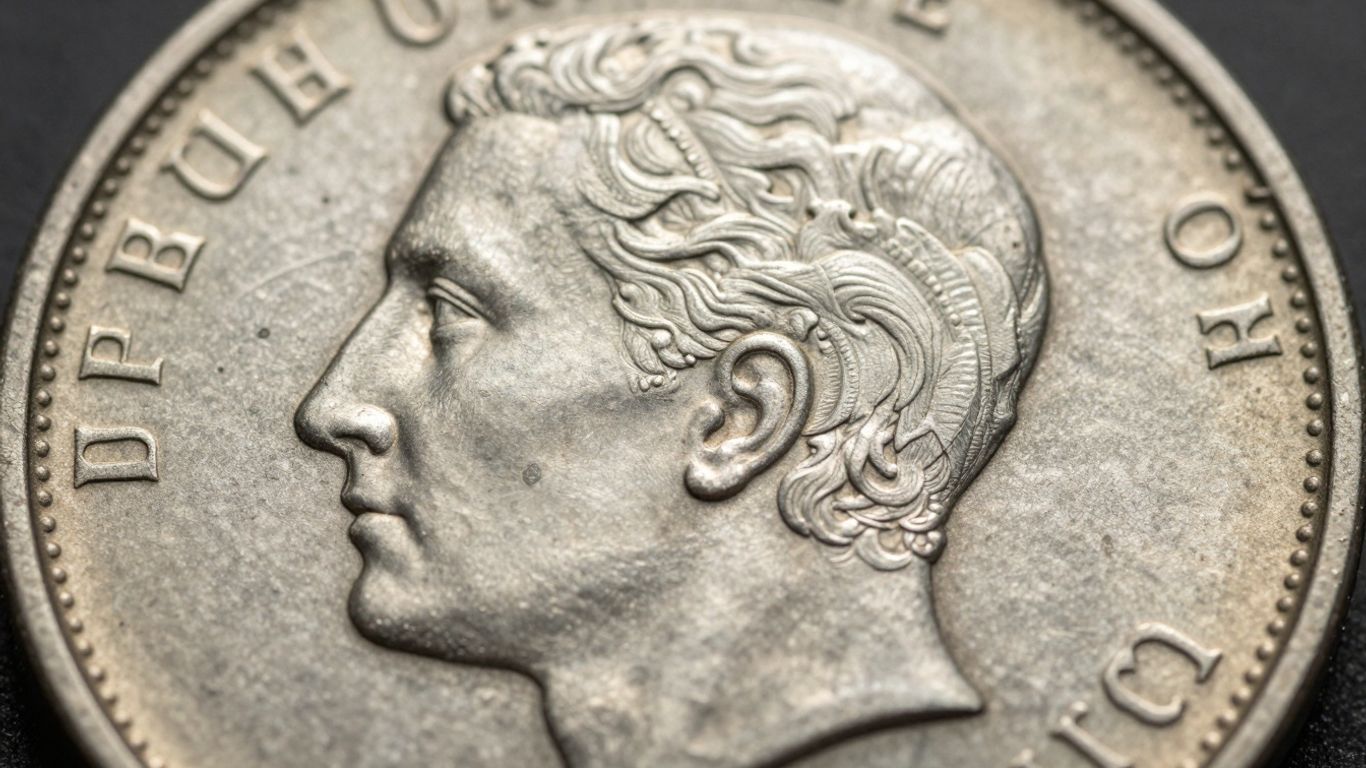
When you look at a coin like a pro, you don’t just eyeball it. There’s a method to the madness, a way to make sure you don’t miss anything important. It starts with getting a feel for the coin as a whole – its size, its shape, and just how it looks at first glance. Then, you bring out the magnification, maybe a loupe or a good magnifying glass, and you start looking at the surfaces. You go over the front (obverse), then the back (reverse), and don’t forget the edge. You’re checking for wear on the raised parts, looking for any scratches, and seeing if there are signs of cleaning or other damage. This step-by-step process is key to accurately assessing a coin’s condition.
Handling Coins Safely for Examination
This is a big one, and honestly, something I learned the hard way. Never, ever handle coins with your bare hands, especially if they’re in good shape. The oils and dirt from your fingers can leave marks or even damage the surface over time. It really messes with your ability to judge the coin properly. A simple fix is to use cotton gloves. They create a barrier, keeping your skin oils off the coin. For storing and examining, using non-PVC coin holders is also a smart move. They protect the coin and make it easier to hold and look at under magnification. I’ve had a few close calls with dropping valuable coins before I started using proper holders.
Creating an Optimal Grading Environment
Where you examine your coins actually matters more than you might think. You need a spot that’s well-lit and comfortable, somewhere you won’t get easily distracted. I once tried grading coins near a window, and the light kept changing, making it hard to get a consistent look. Having a steady, good lighting setup helps you see details more clearly and makes your assessments more reliable. It helps you develop a better eye for what you’re looking for. A good setup means you can focus on the coin itself, not on fighting glare or shadows. This consistent environment is where you can really start to see the subtle details that make a coin special, like its original lustre.
Here’s a quick checklist for setting up your space:
- Good Lighting: Natural light is great, but a consistent lamp with adjustable brightness is even better.
- Comfortable Workspace: A stable table or desk where you can rest your arms and place your tools.
- Minimal Distractions: Choose a quiet area where you can concentrate fully on the coin.
The goal is to create a controlled setting that allows for the most objective and accurate assessment of a coin’s condition. This methodical approach, combined with the right environment, is what separates a casual observer from a serious collector or grader.
Identifying Mint Marks and Damage Accurately
The Impact of Mint Marks on Coin Value
Mint marks are those tiny letters you see on a coin, usually on the reverse or sometimes the obverse. They tell you where the coin was made. For example, a "D" might mean Denver, and an "S" could mean San Francisco. These little symbols can actually make a big difference in how much a coin is worth. Coins from certain mints, especially those with lower production numbers or special issues, can be much more sought after by collectors. I once found a common date silver dollar with a rare mint mark, and it turned out to be worth a small fortune compared to its regular counterparts. It’s always worth taking a close look.
Distinguishing Wear from Damage
This is where things can get a bit tricky, but it’s super important. Coins that have been used for everyday transactions will naturally show some wear. This is called circulation wear. You’ll see it on the high points of the design, like the top of a president’s head or the edges of the lettering. That’s normal. Damage, on the other hand, is something else entirely. Think deep scratches, nicks, gouges, or even corrosion. These aren’t from normal use; they’re usually from accidents or rough handling. A coin with significant damage will always be worth less than a similar coin with just normal wear. It takes practice to tell the difference, but paying attention to the severity and type of imperfection is key.
Here’s a quick way to think about it:
- Circulation Wear: Gradual smoothing of high points from being passed around. It looks natural and affects the entire coin somewhat evenly.
- Damage: Sudden, localized imperfections. These can be sharp, deep, or unnatural-looking.
- Bag Marks: Small nicks or abrasions from coins bumping into each other in a bag. These are common on uncirculated coins and are usually considered normal if not too severe.
The Detrimental Effect of Cleaning on Grade
Okay, so you’ve got a coin that looks a little dull, and you think, "Maybe I can just give it a quick wipe." Stop right there! Cleaning a coin, even with the best intentions, is almost always a bad idea for its value. When you clean a coin, you can create microscopic scratches, often called hairlines. These are really hard to see without magnification, but a trained eye will spot them immediately. These hairlines strip away the coin’s original mint luster, which is that beautiful, frosty shine that collectors love. I remember seeing a beautiful old silver dollar that someone had polished. It looked shiny, sure, but all that original character and value was gone, replaced by a dull, scratched surface. It’s a mistake that can’t be undone, turning a potentially valuable piece into something much less desirable.
Cleaning coins is a common mistake that collectors make, especially when they’re starting out. The desire to make a coin look ‘better’ often leads to irreversible damage. Even using a soft cloth can introduce fine scratches that detract from the coin’s natural beauty and historical integrity. It’s a lesson many learn the hard way, realizing that the original surface, with all its imperfections, is far more valuable than any perceived improvement from cleaning.
Understanding Coin Grading and Professional Services
The Role of Third-Party Graders (TPGs)
When you’re looking at coins, especially ones that might be worth a bit of money, you’ll often see them come in a special plastic holder, sometimes called a "slab." Inside that holder, you’ll find a grade and a description. This is the work of Third-Party Graders, or TPGs. Think of them as the official referees of the coin world. Companies like PCGS (Professional Coin Grading Service) and NGC (Numismatic Guaranty Company) are the big names here. Their main job is to look at a coin, figure out its condition, and give it a grade. They also make sure the coin is real and not a fake. It’s a pretty important step because it gives buyers and sellers a clear, agreed-upon idea of what the coin is worth.
Decoding Information on Certified Coin Slabs
So, what exactly is on one of those slabs? It’s not just a grade; it’s a whole package of information. You’ll see the TPG’s name, a unique certification number, and the coin’s grade. The grade is usually a number from 1 to 70, based on the Sheldon Scale. A coin with a grade of 65 or higher is generally considered "Mint State" or uncirculated. But there’s more. Some slabs might also mention specific details about the coin, like "Full Bands" on a Mercury dime or "Red" for certain copper coins. This extra info helps collectors know exactly what they’re getting. It’s like a detailed report card for the coin.
The Benefits of Professional Authentication and Grading
Why go through all this? Well, professional grading does a few key things. First, it confirms the coin is authentic. With so many fakes out there, this is a big deal. Second, it provides an objective assessment of the coin’s condition. While you might think your coin is perfect, a professional grader has seen thousands of coins and knows the standards. This objective grade makes the coin more trustworthy and often increases its market value. It takes a lot of the guesswork out of buying and selling, making the whole process smoother and more secure for everyone involved. It’s like getting an appraisal for a house; it adds confidence and clarity.
Here’s a quick look at what TPGs offer:
- Authenticity Verification: Confirms the coin is genuine.
- Condition Grading: Assigns a numerical grade based on established standards.
- Market Standardization: Creates a common language for coin condition.
- Investment Protection: Safeguards against counterfeits and misrepresentation.
Getting a coin professionally graded can seem like an extra step, and sometimes it costs a bit. But for coins that have real potential value, it’s often a smart move. It’s like buying insurance for your collection. You get peace of mind knowing that an expert has looked it over and given it the stamp of approval. This can make a big difference when it comes time to sell or trade.
Self-Grading vs. Professional Assessment
The Limitations of Self-Grading
So, you’ve been practicing, looking at coins, and maybe you’re starting to feel pretty good about your ability to spot wear and tear. That’s awesome! But let’s be honest, grading your own coins can be tricky. It’s easy to get a little too optimistic about a coin you really like, right? You might look at a coin and think, "Wow, this looks pretty much perfect!" when in reality, there are tiny marks or wear that only a trained eye would catch. This is especially true when you’re just starting out. Wishful thinking can definitely lead to overgrading, which can cause problems later on. For common coins you’re just collecting for fun, grading yourself is usually fine. You can sort through pocket change or build a basic collection without needing a professional opinion on every single piece. Your own skills and tools will get you pretty far here.
When to Trust Your Own Judgment
For everyday coins, especially modern ones that aren’t particularly rare or valuable, your own assessment is often good enough. If you’re just building a collection of common date pennies or sorting through coins you found, you probably don’t need to send them off for grading. This is where your practice pays off. You can use your knowledge of grading standards and your tools to make your own calls. With enough practice, you’ll get surprisingly accurate at judging the condition of these types of coins. It’s about knowing when your assessment is sufficient for your collecting goals.
When Professional Grading is Essential
There are definitely times when you absolutely need to get a professional involved. If you have a coin that might be rare, an error coin, or a really high-grade example of a more common coin, professional grading is like an insurance policy. It’s a way to get an objective opinion from experts who do this all day, every day. Think of it like getting a home inspection before you buy a house – you wouldn’t skip that, would you? A professional grade adds a lot of credibility and can make a coin much easier to sell. Trying to sell a coin that you think is in great condition without a professional grade can lead to people doubting you and offering less money, even if you’re right.
Here’s a quick look at why professional grading matters for certain coins:
- Authenticity Verification: Professionals can spot counterfeits or altered coins.
- Objective Condition Assessment: They use strict standards to assign a grade, removing personal bias.
- Marketability Boost: Certified coins often command higher prices and attract more buyers.
- Investment Protection: It safeguards your investment by providing a reliable record of the coin’s condition.
The cost of professional grading can seem high, especially for lower-value coins. However, for potentially valuable pieces, the increase in value and buyer confidence that comes with a professional grade often outweighs the expense. It’s an investment in the coin’s future value and your peace of mind as a collector.
When you get a coin back from a grading service, take the time to compare their grade to your own assessment. See where you agreed and where you differed. This is a fantastic way to learn and improve your own grading skills. Over time, you’ll find yourself relying less on professional services for common coins and more strategically using them for your most important pieces. It’s a balance that helps you build a better collection and become a more confident grader.
The Impact of History on Coin Surfaces
Understanding Historical Minting Processes
Coins made a long time ago weren’t produced with the same fancy machines we have today. Think about it: early minting often involved striking coins by hand. This meant that each coin could come out a little different. You might see variations in how well the design transferred to the metal, or the edges might not be perfectly round. It’s not like today where everything is super uniform. So, when you look at an old coin, some roughness or slight imperfections are just part of its story, not necessarily damage.
Variations in Older Coinage Strikes
Older coins, especially those made before the late 1800s, often show a lot of character from their minting. The dies used to strike the coins could wear down over time, leading to weaker details on later coins from the same batch. Sometimes, the metal blank wasn’t perfectly centered before being struck, resulting in off-center coins. These aren’t considered damage in the same way a scratch is; they’re just quirks of the historical minting process. Recognizing these historical strike variations is key to not mistaking them for post-mint damage.
Here’s a quick look at what to expect:
- Hand-struck coins: Often show uneven surfaces and slightly irregular shapes.
- Early machine-struck coins: May have weaker details, especially on later strikes from worn dies.
- Planchet issues: Imperfections in the metal blank before striking, like uneven thickness or surface marks.
The Shift Towards Standardization
Things really started to change with more advanced technology. As minting processes became more mechanized and standardized, coins began to look more alike. The introduction of steam-powered presses and later, automated systems, meant greater consistency in strike, shape, and edge treatment. This shift towards uniformity, especially noticeable in the 20th century, makes modern coins easier to grade in some ways, as deviations from the norm are more likely to be considered damage rather than historical variation. It’s a big difference from holding a coin that was literally hammered into shape centuries ago.
Putting It All Together
So, we’ve gone over a lot of details about reading coins, from the big picture down to the tiny marks. It might seem like a lot at first, but it really comes down to looking closely and knowing what to look for. Think of it like learning to read a map; at first, it’s confusing, but with practice, you start to see the patterns and understand the landscape. Whether you’re just starting out or have been collecting for a while, paying attention to things like mint marks, wear, and even those little bag marks can really change how you see a coin and what it’s worth. Keep practicing, keep looking, and you’ll get better at spotting the stories these metal discs have to tell.
Frequently Asked Questions
What exactly are 'bag marks' on coins?
Bag marks are small nicks or scratches that can appear on coins. They usually happen when coins are being moved around in bags at the mint or during shipping. Think of it like coins bumping into each other. These marks are pretty common, especially on coins that haven’t been spent.
How can I tell if a mark on a coin is a bag mark or actual damage?
Bag marks are typically light and shallow. Real damage, on the other hand, is usually deeper, like a significant scratch, a gouge, or a bend. Also, bag marks often look like tiny dots or short lines, while damage can be more obvious and disruptive to the coin’s design.
Do bag marks affect a coin's value?
Yes, they can. While bag marks are normal on uncirculated coins, too many or very noticeable ones can lower a coin’s grade and, therefore, its value. Coins with fewer or no bag marks are generally worth more, especially if they are rare or old.
What is 'lustre' and why is it important for coin grading?
Lustre is the original shine or glow a coin has when it’s first made at the mint. It’s like a fresh, vibrant sheen. A coin with strong, original lustre is more attractive and valuable than one that looks dull or has been cleaned, as cleaning can remove or damage this natural shine.
How can I properly examine a coin's surface without causing more damage?
Always handle coins by their edges to avoid getting oils from your fingers on the surface. Using a magnifying glass or a jeweler’s loupe is helpful. Examine the coin under good lighting, turning it at different angles to see all sides and details clearly. Avoid touching the main surfaces.
What's the difference between wear from use and damage from handling?
Wear happens gradually as a coin is passed around; it affects the high points of the design evenly. Damage is sudden and usually more severe, like deep scratches, nicks, or bends caused by dropping, prying, or other rough treatment. Wear is expected; damage is not.
Are mint marks important for coin value?
Absolutely. A mint mark is a small symbol indicating where a coin was made (like ‘S’ for San Francisco or ‘D’ for Denver). Some mints produced fewer coins, or certain mint marks might be rarer for a specific year, making coins with those marks more valuable.
When should I consider getting a coin professionally graded?
If you have a coin that you believe is particularly rare, old, or in excellent condition, professional grading is a good idea. Professional graders have the expertise and tools to give an objective assessment of a coin’s condition, which can significantly impact its selling price and authenticity.