
Thinking about cleaning up your coin collection? It’s a common urge, especially when coins look a bit dull or dirty. But here’s the thing: messing with your coins, even with the best intentions, can actually hurt their value. We’re talking about permanent damage that collectors and experts can spot right away. This guide breaks down the coin cleaning dos and don’ts to help you keep your collection looking good and, more importantly, keep its worth intact. Remember, sometimes the best action is no action at all.
Key Takeaways
- Never clean uncirculated or valuable coins; even light cleaning can cause irreversible damage and reduce their market value.
- Always handle coins by their edges, ideally with cotton gloves, to prevent transferring skin oils that can cause corrosion.
- For coins that absolutely must be cleaned, use only the gentlest methods like distilled water and mild soap, avoiding all abrasive materials and harsh chemicals.
- Proper storage in chemically inert, acid-free holders within a stable environment is crucial for long-term preservation.
- When in doubt about cleaning or preservation, consult a professional numismatist to avoid costly mistakes and protect your investment.
Understanding The Risks Of Coin Cleaning
When you first get into collecting coins, it’s natural to want your new treasures to look their absolute best. You might see a coin that’s a bit dull or has some grime on it and think, ‘A quick clean will fix that right up!’ But hold on a second. Messing with a coin’s surface, even with the best intentions, can actually destroy its value. It’s a bit like trying to fix a vintage watch by polishing the crystal – you might make it shinier, but you’ve also removed a layer of its history and originality.
Why Improper Cleaning Destroys Numismatic Value
Think of a coin’s value not just as its metal content, but as its history and appeal to other collectors. This is called numismatic value. When you clean a coin improperly, you’re essentially erasing parts of that history. What might look like dirt to an untrained eye is often a natural layer called patina. This patina is a sign of age and authenticity that many collectors actually prize. Removing it, or worse, creating tiny scratches that are only visible under magnification, can make a coin look less appealing and significantly less valuable. Studies show that cleaned coins can lose a substantial portion of their worth, sometimes dropping by 30% or more. Professional grading services can spot cleaned coins instantly, and they’ll often assign a lower grade or even refuse to grade it, which further impacts its market price. It’s a permanent change; once that original surface is gone, it’s gone forever.
The Irreversible Damage of Surface Alterations
It’s really important to grasp that the damage from cleaning is usually permanent. When you use abrasive materials or harsh chemicals, you’re not just removing dirt; you’re altering the coin’s actual surface. This can manifest in a few ways. You might see microscopic scratches, often called hairlines, that catch the light in a way the original minting never did. Or, chemicals can react with the metal, causing discoloration that looks unnatural and is impossible to reverse. Even something as simple as rubbing a coin too hard with a cloth can wear down the high points of the design, softening details that collectors look for. These alterations are irreversible, meaning no amount of time or gentle handling later on can bring back the coin’s original state. It’s a bit like trying to un-bake a cake – you just can’t get it back to how it was before.
Patina: A Collector's Prized Sign of Age
Patina is that natural layer that forms on a coin’s surface over time due to exposure to the environment. It’s not dirt, and it’s definitely not damage. For many collectors, patina is a highly desirable characteristic. It’s a visual testament to the coin’s age and its journey through history. Depending on the metal composition and the environment the coin has been in, patina can range in color from a deep brown or black to a greenish hue on copper or bronze coins, or a pleasing, even tone on silver. This natural toning adds character and can significantly increase a coin’s appeal and, consequently, its value. A coin with a beautiful, original patina is often far more sought after than a coin that has been aggressively cleaned to a bright, shiny, but artificial-looking state. Think of it like the difference between an antique piece of furniture with its original finish and one that’s been heavily refinished – the original often holds more historical charm and value. For anyone serious about coin collecting, understanding and preserving patina is key to maintaining the integrity and worth of their collection. If you’re unsure about a coin’s condition or value, it’s always best to consult resources like PCGS CoinFacts before considering any cleaning.
Essential Precleaning Assessment For Your Collection
Before you even think about grabbing a cleaning cloth or a special solution, take a serious look at the coins you’re considering. This step is super important because, honestly, messing up here can really hurt your collection’s worth. It’s like checking the weather before a big outdoor event – you wouldn’t want to be caught unprepared.
Using Magnification To Examine Coin Surfaces
Get yourself a magnifying tool, something like a 10x loupe is a good start. Hold the coin under good light, preferably natural light if you can. You’re not just looking for dirt; you’re trying to see the coin’s actual surface. Are there tiny scratches already? Is there any pitting or corrosion? What you’re really trying to figure out is if what looks like dirt is actually just grime sitting on top, or if it’s something more serious that’s part of the coin’s natural aging process. Sometimes, what looks like a flaw is actually a sign of the coin’s history, and you don’t want to remove that.
The Importance of Cotton Gloves
This one’s a biggie. Always, always use cotton gloves when you’re handling coins, especially before any cleaning attempt. Your skin has oils, and even if you think your hands are clean, those oils can transfer to the coin’s surface. Over time, this can cause discoloration or even damage. It’s a subtle thing, but it makes a difference. Think of it like wearing gloves when you’re handling delicate old photographs – you wouldn’t want to smudge them, right? The same idea applies here.
Researching Coin Value Before Any Intervention
This is where you play detective. Before you do anything, find out what your coin is actually worth. Look up its type, year, and mint mark on reliable resources. Websites like PCGS CoinFacts or NGC Coin Explorer are good places to start for U.S. coins. You can also check auction results from places like Heritage Auctions to get an idea of market prices. Knowing the value helps you decide if the risk of cleaning is even worth it. If a coin is rare and valuable, even a tiny mistake during cleaning can knock a huge chunk off its price. For really valuable pieces, it’s often best to just leave them be or consult a professional numismatist.
When To Consider Cleaning Your Coins
Deciding whether to clean a coin is a big step, and honestly, it’s often best to just leave it be. Most collectors, especially those just starting out, might look at a coin that seems a bit dull or dirty and think a quick clean will make it look better. And sometimes, for very common, heavily used coins, a gentle touch-up might be considered. But you have to be really careful.
Acceptable Candidates For Gentle Cleaning
Think about coins that have seen a lot of use. These are often common date coins that aren’t particularly rare or valuable on their own. If a coin has obvious dirt, grime, or maybe some light corrosion that’s obscuring the details, a very mild cleaning might be an option. The goal here isn’t to make it shine like new, but to remove surface gunk that’s hiding what’s underneath. Even then, you’re taking a risk.
Circulated Coins Versus Uncirculated Treasures
There’s a big difference between a coin that’s been passed around in commerce for years and one that came straight from the mint. Uncirculated coins, or those in mint state, should almost never be cleaned. They retain their original surfaces and luster, which is what collectors value. Cleaning these can easily remove that original finish, leaving behind microscopic scratches that graders will spot immediately. Circulated coins, on the other hand, have already lost much of their original appeal due to wear. So, if you’re going to clean anything, it’s usually limited to these more common, worn pieces.
Identifying Coins That Should Never Be Cleaned
This is the most important part. If a coin has any significant value beyond its metal content, do not clean it. This includes:
- Rare coins
- High-grade coins (even if circulated, if they are in top condition for their type)
- Coins with attractive natural toning or patina (that’s the aged look collectors love)
- Proof coins with their delicate, mirror-like surfaces
- Any coin you plan to submit for professional grading
Basically, if you have to ask if you should clean it, the answer is probably no. It’s always safer to err on the side of caution and preserve the coin’s original state. The potential loss in value from a cleaning mistake far outweighs any perceived aesthetic improvement.
When in doubt, always consult with a knowledgeable numismatist or a professional coin dealer before attempting any cleaning. They can assess the coin and advise on the best course of action, which often involves doing nothing at all.
The Safest Coin Cleaning Methods
When it comes to cleaning coins, it’s easy to get carried away thinking a good scrub will make them look better. But honestly, most of the time, it just ruins them. The key is to be super gentle and only clean when absolutely necessary. Think of it like this: you wouldn’t use steel wool on a delicate antique vase, right? Same idea here.
Gathering Your Essential Cleaning Supplies
Before you even think about touching a coin with water, get your supplies ready. This isn’t complicated, but having the right stuff makes a big difference. You’ll want to avoid anything that could scratch or leave residue. Here’s a basic list to get you started:
- Distilled Water: Absolutely no tap water. Tap water has minerals and chemicals that can leave spots or react with the coin’s surface. Distilled water is pure and inert.
- Mild Dish Soap: Just a tiny bit of a basic, non-abrasive dish soap. Make sure it doesn’t have any added moisturizers or degreasers.
- Soft, Lint-Free Cloths: Microfiber cloths work well. You need something that won’t shed fibers or scratch the coin.
- Cotton Gloves: These are a must. Your skin has oils that can cause damage over time, so gloves protect the coin’s surface.
- Non-Reactive Containers: Plastic or glass bowls are fine. Avoid metal containers that could scratch.
Step-By-Step Guide To Gentle Cleaning
Okay, you’ve got your supplies. Now, let’s walk through the process. Remember, patience is your best friend here. If a coin is particularly dirty, it might need a longer soak, but never rush the process.
- Prepare the Solution: Mix a small amount of mild dish soap with distilled water in your container. You don’t need much soap – just a drop or two per cup of water is usually enough.
- Initial Rinse: Hold the coin by its edges and give it a quick rinse under lukewarm distilled water. This gets rid of any loose dirt or debris.
- Soaking: Place the coin in the soapy distilled water. Let it soak for about 5 to 10 minutes. For coins with more stubborn grime, you might extend this time, but keep an eye on it.
- Gentle Agitation (If Needed): If there’s still some dirt clinging on, you can gently swirl the water or use a very soft brush (like a new, soft-bristled toothbrush) to lightly dislodge it. Never scrub aggressively.
- Thorough Rinsing: Rinse the coin again under clean, lukewarm distilled water. Make sure all soap residue is gone. Soap left behind can cause problems later.
- Careful Drying: This is another critical step. Do not rub the coin dry. Instead, gently pat it with a soft, lint-free cloth. You can also let it air dry completely on a clean, soft surface.
Always test any cleaning method on a less valuable coin first. This way, you can see how the coin reacts without risking damage to a valuable piece in your collection.
Using Pure Acetone For Stubborn Residue
Sometimes, you run into sticky situations – literally. Things like old tape residue or certain types of gunk don’t always come off with soap and water. For these tougher spots, pure acetone can be a lifesaver. You can find it at most hardware stores. Just make sure it’s 100% pure acetone, not nail polish remover, which often has other additives. Work in a well-ventilated area, away from any open flames, and use your cotton gloves. You can dip a cotton swab in the acetone and gently dab at the residue. It usually dissolves pretty quickly. After using acetone, it’s a good idea to give the coin a final rinse with distilled water and let it dry thoroughly. You can find more information on coin cleaning supplies if you’re unsure what to get.
Critical Coin Cleaning Don'ts
When it comes to preserving the value and integrity of your coin collection, knowing what not to do is just as important as knowing the proper techniques. Many well-intentioned collectors have inadvertently damaged their coins beyond repair by using the wrong methods. It’s a common mistake, especially for those new to the hobby, but one that can have lasting consequences.
Avoiding Abrasive Materials And Harsh Chemicals
The temptation to make a dull coin gleam can lead to using materials that scratch and strip away the coin’s original surface. Think of it like trying to buff out a scratch on your car with sandpaper – you’ll only make it worse. This applies to everything from steel wool and abrasive cloths to harsh household cleaners. These substances don’t just remove dirt; they remove metal, leaving behind microscopic scars that are visible under magnification and instantly signal to collectors that the coin has been altered. This alteration significantly diminishes its numismatic value, often by a substantial percentage. For instance, studies suggest cleaned coins can lose anywhere from 30% to 70% of their potential worth.
The Dangers of Toothpaste, Vinegar, And Baking Soda
These common household items are often suggested for cleaning, but they are a collector’s worst nightmare. Toothpaste, even the non-gel kind, contains mild abrasives that will scratch the coin’s surface. Vinegar is acidic and can etch the metal, causing permanent discoloration and pitting. Baking soda, while often thought of as a gentle cleaner, is actually an abrasive that can damage delicate surfaces. Using these substances is a quick way to turn a potentially valuable coin into a damaged curiosity. It’s best to steer clear of these items entirely when dealing with any coin you care about.
Why Commercial Polishes And Dips Are Harmful
Commercial coin polishes and dips promise a quick shine, but they come at a steep price. These products are designed to remove tarnish by chemically stripping away a thin layer of the coin’s surface. While they might make a coin look brighter temporarily, they also remove the natural patina that many collectors find desirable and indicative of a coin’s age and history. This process is irreversible and is easily detected by grading services, which will downgrade the coin or refuse to grade it altogether. Many older coins, especially those from the early 20th century, have been permanently damaged by these aggressive treatments, drastically reducing their market value. If you’re unsure about a coin’s condition or value, it’s always safer to consult a professional than to risk damaging it with these products. For more information on what to avoid, resources on coin cleaning often detail these risks.
The allure of a shiny coin can be strong, but remember that a coin’s surface tells a story. Aggressive cleaning methods erase that story, replacing it with a tale of damage and lost value. Preservation is key, and that often means leaving a coin as it is, rather than attempting a cosmetic fix that causes irreparable harm.
Proper Handling Techniques For Coin Preservation
Always Handle Coins By Their Edges
This might sound simple, but it’s probably the most important rule. When you hold a coin, try to touch only its rim, the very edge. Your fingers have oils and acids on them, even if you just washed your hands. These can transfer to the coin’s surface and, over time, cause permanent damage. Think of it like leaving fingerprints on a photograph – it just degrades the image. For valuable coins, this is a big no-no. It’s like taking a hammer to a delicate sculpture. Always handle coins by their edges to avoid smudging surfaces with oils from your skin.
The Role Of Cotton Gloves In Preventing Damage
While handling by the edges is good, using cotton gloves takes it a step further. These gloves act as a barrier, providing an extra layer of protection. They prevent any accidental contact with your skin and also give you a slightly better grip, reducing the chance of dropping the coin. It’s a small step, but for serious collectors, it’s a standard practice. You can find these gloves at most coin supply shops. They’re not expensive, and they can save you a lot of heartache down the line. It’s a simple way to safeguard your coin collection.
Preventing Accidental Drops And Scratches
Accidents happen, right? But with coins, an accident can mean a significant loss in value. Always work over a soft surface, like a felt mat or a clean towel. This way, if you do drop a coin, it’s less likely to get damaged. Good lighting is also key. Trying to handle coins in dim light increases the risk of fumbling them. It’s also a good idea to handle only one coin at a time. Stacking or letting coins bump against each other can cause tiny scratches that are hard to see but can really add up.
Here are a few more tips to keep in mind:
- Work in a well-lit area to see what you’re doing.
- Keep your workspace clear of clutter.
- Never slide coins across any surface, even a soft one.
- Return coins to their protective holders as soon as you’re finished examining them.
Remember, the goal is preservation. Every interaction with a coin, no matter how brief, carries a risk. Minimizing that risk through careful handling is paramount to maintaining its condition and, by extension, its value.
Storage Solutions For Long-Term Coin Protection
Once you’ve decided on the cleaning approach for your coins, or if you’re simply looking to keep them safe as they are, proper storage is your next big step. It’s not just about putting them in a box; it’s about creating an environment that keeps them stable and protected for years to come. Think of it as creating a little time capsule for each coin.
Choosing Chemically Inert And Acid-Free Holders
When selecting holders for your coins, the material really matters. You want things that won’t react with the metal over time. This means avoiding anything with PVC, as that stuff can cause green gunk and permanent damage. Look for holders made from materials that are chemically inert and, importantly, acid-free. This applies to everything from individual flips to the larger boxes you might use.
Here are some common options:
- Acid-Free Envelopes: These are a good, budget-friendly choice for common coins. Just make sure to label them with acid-free ink.
- PVC-Free Flips: These allow you to see the coin without taking it out of its holder. They offer a bit more protection than simple envelopes and are suitable for coins of moderate value.
- Mint-Issued Holders: Often, when you buy coins directly from a mint, they come in specific packaging. Keeping these original holders can be important, especially if the coin is part of a set.
- Certified Slabs: For your most valuable pieces, coins graded by professional services are encased in hard plastic holders called "slabs." These are tamper-evident and provide excellent protection.
Creating A Stable Environmental For Storage
Beyond the individual holders, the environment where you store your coins plays a huge role. Coins don’t like a lot of change. Fluctuations in temperature and humidity can cause problems, especially with metals like silver that can tarnish.
- Temperature and Humidity: Try to keep these as stable as possible. Avoid storing coins in places like attics or basements where conditions can swing wildly. A consistent room temperature is best.
- Air Quality: Keep coins away from pollutants. This means not storing them near kitchens where cooking fumes can be an issue, or near areas with a lot of dust.
- Physical Protection: Make sure the storage area is safe from accidental damage. Avoid places where they could be knocked over, exposed to water leaks, or subject to pests.
Storing coins in a safe deposit box can offer a high level of security against theft and environmental disasters, providing peace of mind for your most prized possessions. Consider bank safety.
Balancing Access With Maximum Protection
It’s a bit of a balancing act. You want your coins to be safe, but you also want to be able to look at them, right? Some storage methods offer more protection but less easy access, while others make viewing simple but might not be as secure.
For instance, slabbed coins are very secure and protected, but if you have hundreds, storing them in specialized boxes keeps them organized and accessible. Display cases can look nice, but you need to ensure they still offer good protection from environmental factors and aren’t just gathering dust. Think about how often you’ll want to view your coins and choose a system that fits your collecting habits while prioritizing the coin’s long-term well-being.
When To Seek Professional Coin Conservation
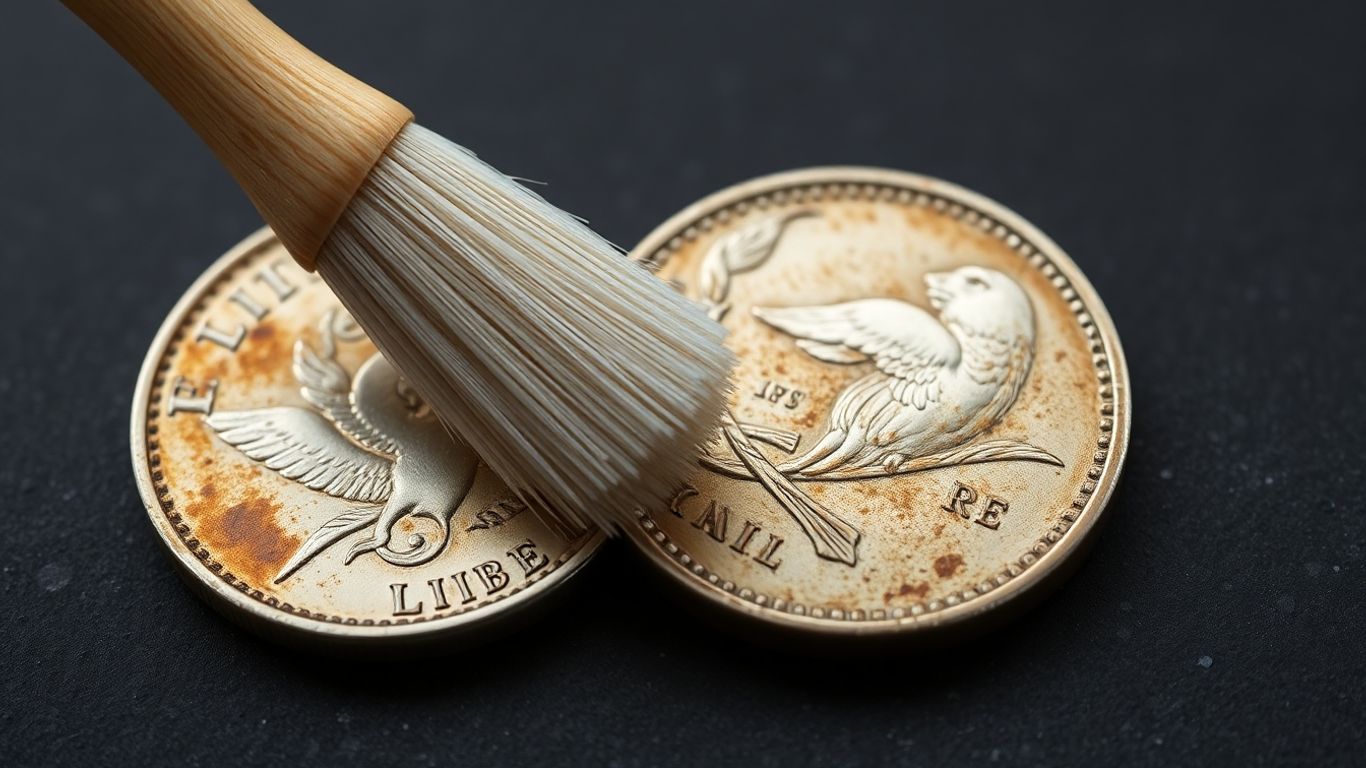
Sometimes, you just know when a coin is beyond your DIY skills. It’s like trying to fix a leaky faucet when you’ve never even held a wrench – you might end up making it worse. For those truly special pieces in your collection, or when you’re just not sure, bringing in the pros is the way to go. They have the tools and the know-how to handle delicate situations without causing more harm.
Understanding the Costs of Professional Cleaning
Professional coin conservation isn’t exactly cheap, but it’s often worth it for the right coin. Prices can range quite a bit, usually from $50 to $500 per coin. Think about it: if you have a coin worth thousands, spending a few hundred to get it properly cleaned and preserved makes a lot of sense. It’s an investment in keeping its value high. It’s not just about making it look shiny; it’s about stabilizing it and preventing further damage. For collectors looking to protect their investments, this is a serious consideration. You can find services that specialize in coin restoration, like those offered by PCGS.
When Expert Intervention Is Necessary
So, when exactly should you hand over your prized possession to an expert? There are a few key signs. If a coin is particularly rare or historically significant, any mistake you make could be irreversible and costly. Coins that have heavy, stubborn grime that simple methods won’t touch are also candidates. Sometimes, a coin might have active corrosion or other issues that require specialized treatments. If a coin is worth more than $500, it’s generally a good idea to consult a professional before attempting any cleaning yourself. It’s better to be safe than sorry when dealing with valuable numismatic items.
Identifying Signs of Improper Cleaning by Professionals
Even professionals can sometimes miss the mark, or perhaps you’ve acquired a coin that was previously cleaned by someone else. Look for tell-tale signs. Does the coin have an unnatural, overly bright shine that looks too new? Are there fine, hairlike scratches all over the surface that weren’t there before? Sometimes, cleaning can alter the coin’s original color or texture, making it look ‘off.’ If a coin feels too smooth or has a ‘squeaky’ clean sound when handled, that can also be a red flag. It’s important to remember that the goal of conservation is preservation, not making a coin look brand new. A coin that looks too perfect might actually be a sign of over-cleaning.
Protecting Your Collection's Value Over Time
So, you’ve put in the work, learned the dos and don’ts, and now your coins are looking pretty good. But what’s next? It’s not just about the initial cleaning; it’s about keeping them that way for the long haul. Think of it like maintaining a classic car – you don’t just fix it up and forget about it, right? You need a plan.
The Principle Of Preservation Over Perfection
Look, nobody’s collection is going to be absolutely perfect, and that’s okay. Trying to make every single coin look like it just came out of the mint can actually do more harm than good. Sometimes, a little bit of wear or a natural patina tells a story. The goal here is to stop any further damage and keep things stable. It’s about being a good caretaker, not a magician trying to turn back time. Focus on preventing new problems rather than chasing an impossible ideal.
Regular Appraisals For Insurance And Value
As your collection grows, its worth can change quite a bit. It’s a good idea to get your coins looked at by someone who knows what they’re talking about every so often. This isn’t just for bragging rights; it’s super important for insurance. If something were to happen – theft, a fire, whatever – you need to know what your collection is actually worth so you can get properly covered. Plus, it helps you keep track of your investment.
Here’s a quick rundown of why appraisals matter:
- Insurance Coverage: Makes sure you have enough protection.
- Market Awareness: Helps you understand current values.
- Documentation: Provides a solid record for your records.
- Future Planning: Useful for estate planning or potential sales.
Building A Legacy Through Meticulous Care
What you’re doing now, with all this attention to detail, is more than just a hobby. You’re building something that could last for generations. Think about the historical pieces you have – they’ve already survived a long time. Your job is to make sure they keep going. This means being consistent with your handling, storage, and general upkeep. It’s the small, consistent efforts that really add up over the years, turning a collection into a true legacy.
Keeping your coins safe and sound isn’t a one-time task. It requires ongoing attention to detail, from how you store them to how often you check on them. This dedication ensures that your collection not only holds its value but also remains a source of enjoyment and historical connection for years to come.
Final Thoughts on Coin Care
So, after all this talk about cleaning and not cleaning, the main thing to remember is that being careful with your coins is super important. Most of the time, it’s best to just leave them be. Trying to make a dull coin shiny can actually make it worth a lot less, which is the opposite of what anyone wants. If you’re not sure about a coin, especially if it looks old or valuable, it’s always a good idea to ask someone who really knows their stuff, like a professional coin dealer. They can tell you if cleaning is even an option or if it’s better to just leave it alone and store it safely. Your collection is a piece of history, and treating it right means it can be enjoyed for a long, long time.
Frequently Asked Questions
Why is cleaning coins often a bad idea for their value?
Cleaning coins can actually hurt their worth because it often removes something called ‘patina,’ which is like a natural aged look that collectors find appealing. It can also create tiny scratches or alter the surface in ways that experts can easily spot, making the coin less desirable and lowering its price significantly. It’s like trying to fix an old painting with house paint – you ruin its original charm.
What's the difference between dirt and patina on a coin?
Dirt is just something that landed on the coin, like dust or grime, and can sometimes be removed. Patina, on the other hand, is a natural layer that forms over time due to the coin’s metal reacting with its environment. It’s a sign of age and authenticity that many collectors value highly, and it’s not something you want to scrub off.
When is it actually okay to clean a coin?
Generally, it’s best to avoid cleaning valuable or uncirculated coins. However, if you have a common coin that’s very dirty from circulation and isn’t worth much, a very gentle cleaning might be acceptable. The key is to be extremely careful and only do it if the coin is already damaged or of low value, and you’re not aiming to increase its worth.
What are some safe ways to clean a coin if I absolutely have to?
If you must clean a coin, stick to the gentlest methods. You can try soaking it in distilled water to loosen dirt. For slightly tougher grime, a very mild, non-abrasive soap mixed with distilled water might help. Always handle coins by their edges with clean cotton gloves and pat them dry gently with a soft cloth; never rub.
What cleaning supplies should I absolutely never use on coins?
Avoid anything abrasive or harsh. This includes things like toothpaste, baking soda, vinegar, steel wool, rough brushes, and commercial coin polishes or dips. These items can cause permanent damage like scratches, dullness, or chemical reactions that drastically reduce a coin’s value. They are far more likely to harm than help.
How should I handle coins to keep them in good condition?
Always handle coins by their edges. This prevents the natural oils and acids on your fingertips from touching the coin’s surface, which can cause discoloration or damage over time. Wearing clean cotton gloves is an even safer practice, especially for more valuable coins.
What's the best way to store my coins to protect them?
Store your coins in holders or containers made of materials that won’t harm the metal, like acid-free paper, Mylar, or inert plastics. Keep them in a stable environment with consistent temperature and low humidity, away from direct sunlight. Avoid storing them where they can rub against each other.
When should I consider getting professional help for my coins?
If you have a rare, valuable, or historically significant coin, it’s always best to consult a professional numismatist or conservator before attempting any cleaning or restoration. They have the expertise and specialized tools to assess the coin and perform cleaning safely, if it’s even recommended.